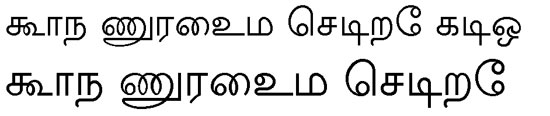
uṇṭu (p. 59) [ex உள்.] Third pers. neut. sing. of the symbolic verb உள், but now used with all persons, in both numbers and in both திணை, it is, it exists, there is, there was, there are, there may be, there might be, &c. In some connexions, it implies a degree of uncertainly, குறிப்புவினை முற்று. 2. Existing, existence, a thing that exists, உள்ளது. This and the participle உள்ள, (with its appellative) are the only parts of the verb, generally brought into colloquial use. எனக்குத்தெய்வமுண்டு. God is my help, (எனக்கு is often omitted)--spoken of one when deserted, ill-treated, &c. அதற்குநானுண்டுஅவனுண்டு. This concerns him and me exclusively (you need not meddle with it). 2. He and I are responsible for that. உண்டில்லையெனல், Either affirming or denying. உண்டுபட, inf. [prop. உண்டாக.] To come into existence, to become formed or produced by natural process evident to the senses, to happen, occur, தோன்ற. 2. To have origin, உண்டாக. 3. To grow, thrive, flourish, முளைக்க. உண்டுபட்டனவெல்லாமழியும். All that is created will perish, or be reduced to its primeval elements. இதிலுப்புண்டுபட்டது. Salt is formed here. அங்கேயொருகலகமுண்டுபட்டிருக்கிறது. An insurrection is sprung up there. உண்டுபடுத்த, inf. [prov. prop. உண் டுபண்ண.] To make, create, &c.--as உண் டாக்க. 2. To fabricate, make a false story, ஏற்படுத்த. வேதம்உண்டுபடுத்தியசீர்த்திவியாதமுனி. Vedaviasar renowned as the compiler of the Vedas. (திருச்.) உண்டுபண்ண, inf. To make, bring into existence. உண்டுபண்ணிவைக்க, inf. To make, to establish, render permanent. 2. To rear plants, &c. 3. To establish one in life. உண்டென, inf. To say it is. 2. [vul. adverbially.] Much, exceedingly, more, நிரம்ப. உண்டெனத்தரவேண்டும். Give me more, give me liberally. 125)