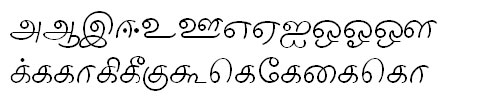
Tamil to English Dictionary: கொண்டாட

This is the world's leading online source for english definitions/meanings, we have been helping millions of people improve their use of the tamil language with its free online services.


Write your word as a english and click to search button for the meaning of english language. It's a very simple & easy. use & enjoy....

அனு
aṉu (p. 33) s. [sans. அநு.] The jaws, mandibles, கதுப்பு. Wils. p. 968. HANU. 2. prep. Following close, succeeding, together, தொடர்ச்சி. 3. Alliteration in poetry. மோனை. 4. Like, equal to, சமம். 5. A prefix to words from the Sanscrit implying after, like, in the same manner, with, together with, severally, each by each, &c. Wils. p. 31. ANU. (p.) அனுகமனம், s. Accompanying, உடன்போகுதல். Wils. p. 31. ANUGAMANA. அனுகரணம், s. Imitation, doing a thing like another, ஒன்றுபோற்செய்கை. Wils. p. 31. ANUKARAN'A. அனுகரணவோசை, s. Imitative sound. அனுகூலம், s. Favor, auspices, kindness, propitiousness, விக்கினமின்மை. 2. Success, prosperity, the accomplishment of an object, a happy issue, consummation, காரியசித்தி. Wils. p. 31. ANUKOOLA. இரண்டுபேருக்கு மனுகூலம்போலே தோன்றி. Appearing favorable to both parties. அனுகூலப்பட, inf. To succeed, be successful. அனுகூலன், s. Patron, benefactor. 2. (சுவைக்கொத்து.) A husband who does nothing in breach of his faith to his wife-one of the four சிங்காரநாயகர். அனுகூலி, s. Patron, benefactor. அனுகோதம், s. (Anat.) Cerebellum. அனுக்கிரகம், s. Favor, grace, benignity, அருள். Wils. p. 32. ANUGRAHA. 2. Illumination of souls,--one of the five acts ascribed to Siva, பஞ்சகிருத்தியத்தொ ன்று. See கிருத்தியம். அனுக்கிரககர்த்தா, s. The gracious Creator. அனுக்கிரகஞ்செய்ய--அனுக்கிரகம் பண்ண, inf. To exercise favor, be merciful. அனுக்கிரகாங்குரம், s. The sprouting of grace. அனுக்கிரகிக்க, inf. To be gracious, benignant, to bestow favor, show kindness, grant, be propitious, அருள்செ ய்ய. அனுக்கிரகிப்பு, v. noun. Favoring, aiding. அனுக்கிரமம், s. Order, regularity, train, கிரமம். Wils. p. 31. ANUKRAMA. அனுசந்தானம், s. Search, inquiry, investigation, ஆராய்வு. 2. Meditation, contemplation (on an image of the deity) in the mind, விடாயோகம். Wils. p. 36. ANUSAND'HANA. அனுசந்தானம்பண்ண, inf. To fix an arrow in the bow, வில்லிலம்புபூட்ட. அனுசந்திக்க, inf. To contemplate, meditate, விடாதுதியானிக்க. 2. To attach constantly as the arrow to the bow, அம்பிடைவிடாமற்பிரயோகிக்க. அனுசரணம்--அனுசரணை, s. Custom, habit, usage, comformity to usage, as, அனுசாரம். 2. Cleaving unto, பற்றி நடக்கை. 3. Attention, kindness, உபசாரம். Wils. p. 36. ANUSARAN'A. அனுசரன்--அனுசாரி, s. A follower, adherent, சார்ந்தோன். 2. A companion, assistant, உதவிக்காரன். Wils. p. 32. ANUCHARA and ANUCHARIN. அனுசரிக்க, inf. To follow, practise, adhere to (a friend, a deity, religious opinion, &c.,) பின்பற்ற. 2. To worship, serve, reverence, வழிபட. 3. To celebrate, observe, keep a day, rite, &c., கொண்டாட. 4. To apply, wait upon, make persevering application to, சார. 5. To join one's party, embrace one's opinion, unite with one, become a proselyte to, சேர.--Note. Perseverance is always implied; [ex அனுசாரம்.] இராசாவை யனுசரித்துய்யப் பெற்றேன். By continual application to the king, I have obtained promotion. அனுசரிக்கை--அனுசரிப்பு, v. noun. Following, celebrating, worshipping, &c. அனுசன்--அனுசாதன், s. A younger brother, தம்பி. Wils. p. 32. ANUJA and ANUJATA. (p.) அனுசாரம், s. Adherence to custom, following after, accompanying, &c., தொடர்தல். Wils. p. 36. ANUSARA. 2. Retrogression of a planet, வக்கிரம். அனுட்டானம்--அனுஷ்டானம் s. Exercise of prescribed daily duties, performance of religions rites, அனுட்டி ப்பு; [ex அநு, according to, et ஸ்தா, to stay.] Wils. p. 36. ANUSHTANA. அனுட்டானச்செம்பு, s. A pure pot used in the daily worship. அனுட்டிக்க, inf. To perform religious rites and ceremonies--as fasting, penance, bathing, repeating incantations, &c. விரதமுதலியவனுசரிக்க. 2. To practise, habituate one's self, observe, விடாதுதொடர. துராசாரமனுட்டித்துக் கெட்டுப்போனான். By an evil course of life he was ruined. அனுட்டிப்பு, v. noun. Performing, practising, (religious rites, &c.) observance. அனுதினம் Daily, எப்பொழுதும். Wils. p. 32. ANUDINA. அனுதினமும், Day by day, every day. அனுபந்தசதுஷ்டயம்--அனுபந்தம், s. Union, connection, இயைபு. Wils. p. 34. ANUBUND'HA. The four அனுபந்தம் or properties of a book to be mentioned in the preface are, விடயம். contents; சம்பந்தம், order; பிரயோசனம், object; and அதிகாரி, persons for whom intended. அனுபல்லவி, s. The stanza immediately following the chorus in the species of verse called பதம். See முத்திரைப்பல் லவம். அனுபவம், s. Feeling, experience, enjoying or suffering the results of actions done in former births. Wils. p. 34. ANUB'HAVA. அனுபவப்பட, inf. To be realized, 2. To be attended with success. அனுபவிக்க, inf. To enjoy, suffer, experience good or evil, enjoy or suffer the effects of actions performed in former births, enjoy the benefit of, துய்க்க; [ex அனுபவம்.] சுகதுக்கங்களிரண்டையுமனுபவிக்கிறோம். We experience both joy and sorrow. ஒருவன்வீட்டைப்பிறனொருவன் பத்தாண்டளவும் யாவருமறியவனுபவித்தால் அவ்வீடவனதே. If any one have the possession of the house of another for ten years, and this be generally known, the house becomes his. அனுபவிப்பு, v. noun. Enjoying, suffering, experiencing. அனுபாகம், s. (Anat.) Maxillary portion; [ex ஹநு, jaw.] அனுபானம், s. A fluid vehicle in medicine, drink taken with or after medicine. 2. An ingredient to take with, or after medicines, as sugar, &c. Wils. p. 33. ANUPANA. அனுபூதி, s. A boon or blessing obtained from the Supreme Being connected with or leading to final bliss, divine knowledge, favor, grace in reference to divine things. 2. Superhuman knowledge ascribed to or obtained from Siva. Wils. p. 34. ANUB'HOOTI. 3. Sentiment, சிந்தனை. அனுபோகம், s. Experience, practice, அப்பியாசம். 2. Enjoyment or suffering, அனுபவம். 3. Delight, mutual delight, இன்பம். 4. Venery, புணர்ச்சி. அனுபோகிக்க, inf. To enjoy, have mutual delight, sexual intercourse, experience good or evil. அனுமதி, s. Assent, approbation, consent, சம்மதி. 2. Order, command, கட் டளை. Wils. p. 34. ANUMATI. அவருடைய அனுமதிப்படி. By his order or in his name. அனுமரணம், s. The voluntary death of a widow on the funeral pile with the deceased husband, உடன்கட்டையேறுகை. Wils. p. 34. ANUMARAN'A. 2. A system of architecture. See சிற்பநூல். அனுமானம், s. Inference, illation-one of the modes in logic of arriving at a conclusion, as from smoke to infer the presence of fire, காரியத்தாற்காரணமறிகை. Wils. p. 34. ANUMANA. Some reckon the following four kinds; viz.: 1. தன்பொருட் டனுமானம். 2. பிறர்பொருட்டனுமானம். 3. அன் னுவயவனுமானம். 4. வெதிரேகவனுமானம். In அளவை the four are; 1. ஏதுவனுமானம், inference of an existing cause from sight of the effect, as of fire from the appearance of smoke. 2. பொதுவனுமானம், inference of the existence of a thing or reality of a thing by the presence of another, which is not wholly conclusive but probable and consistent. 3. எச்சவனு மானம், inference of a past cause from a present effect--as fishes in the rivers show that torrents have fallen on the mountains. 4. முதலனுமானம், inference of a future effect from a present cause-as that rainy clouds will bring rain. Another. 1. பூர்வக்காட்சி, inference of a thing from previous knowledge of its properties--as when we see a flower, we identify it from its smell. 2. அனுமானவ னுமானம், inference from an inference--as when we infer that a man is learned from his mode of treating a subject. 3. ஆகமவனுமானம், inference from the rules of Agamas--as the punishment is owing to former deeds. 2. Doubt, hesitancy uncertainty, conjecture, சமுசயம். அனுமானப்பிரமாணம், s. one of the eight laws of evidence, inference, காரியத்தாற்காரணத்தைக்காட்டுவது. அனுமானிக்க, inf. To neigh as a horse, குதிரைகனைக்க. 2. To doubt, hesitate, சந்தேகிக்க. 3. v. a. To imagine, infer, understand or determine by inference, காரியத்தாற்காரணமறிய. அனுமானிதம், v. noun. The neighing of a horse. அனுமேயம், s. The thing sought to be known as fire which is infered from smoke. Wils. p. 34. ANUMEYA. அனுமை, s. [in logic.] Inference, conclusion from premises, அர்த்தாபத்தி. Wils. p. 34. ANUMA. 2. Front of the temples close to the back of the eye, கண்ணிமையினடி. அனுராகம், [ex ரஞ்ச, desire.] Attachment, fondness, faithful love of a husband and wife. Wils. p. 35. ANURAGA. அனுராகபோகம், s. Sexual enjoyment. அனுராகமாலை, s. A poem. அனுரூபம், s. Likeness, resemblance. Wils. p. 35. ANUROOPA. அனுலோமசன்--அனுலோமன், s. The child or descendant of a high caste father by a low caste mother; [ex லோய, hair of the body.] Wils. p. 35. ANULOMAJA. அனுவக்கிரம், s. The transit of a planet in retrogression into the preceding sign. அனுவக்கிரேஷ்டம், s. The quantity expressed by இஷ்ட, 3°ree; 2. அனுவதிக்க, inf. To repeat what has been said before, திரும்பச்சொல்ல. அனுவாதம், s. Repetition of a reason or argument--opposed to புரோவா தம், வழிமொழிகை. 2. Abuse, reviling, நிந்தி க்கை; [ex வத, to speak.] Wils. p. 35. ANUVADA. அனூர்த்துவாஸ்தி, s. (Anat.) Upper maxillary bone. 102)

அளவு
aḷvu (p. 33) s. Measure, degree, proportion, quantity, magnitude, size, capacity, bound, limit, compass, number, standard, வரையறை. 2. The proper or required measure, the complement number, size, weight, &c., மட்டு. 3. With உம், it expresses a limited extent of measure, time, distance, &c., as அவ்வளவும், only so far, even so much. 4. Suffixed to participles, it means when, as soon as--as பார்க்குமளவில், as soon as seen. 5. A measure or thing to measure with, அளவுகருவி. There are four kinds of measurement; viz.: 1. எண்ணல், computation. 2. எடுத் தல், weight, measurement by balance. 3. முகத்தல், measurement of capacity--as dry of fluid measure. 4. நீட்டல், measurement of extension, a long measure and land measure.--Some add a fifth தெறித்தல், jerking with finger. இராசா அளவிற்கேறிற்று. It has gone up to (the limit of) the king; i. e. it is too late now to adopt measures to prevent it. காரியத்தளவிலேயொன்றுமில்லை. There is no importance in the thing--it matters not. குலத்தளவேயாகுங்குணம். According to the caste will be the disposition. அவன்வருமளவும். Till he comes. மேகமண்டலமளவும். As high as, or as far as the region of the clouds. என்னளவிலேயிப்படிநடந்தது. It has so happened to me; at least in my case, &c. தன்னளவிலே கொண்டாடிக்கொண்டான். He limited the feast to his own circle. அளவடி, s. A line containing four metrical feet, நாற்சீரால்வருமடி. அளவடிவிருத்தம், s. A விருத்தம் verse of four lines, each of which contains four feet, நேரடிவிருத்தம். அளவழித்தாண்டகம், s. A kind of poem, ஓர்பிரபந்தம். அளவறுக்க, inf. To find out, ascertain a number and decide, வரையறுக்க. அளவற்றது--அளவில்லாதது. appel. n. That which is beyond number, measure, weight, &c. அளவாக, inf. [used adverbially.] Moderately, to a limited extent, according to. அளவிட, inf. To estimate, calculate. 2. To guess, conjecture. 3. To measure, explore, fathom. 4. To investigate, examine, search into. அவனை அளவிடக்கூடாது. One cannot fathom him. அளவிடப்படாத, neg. rel. part. Incomprehensible. அளவிடை, v. noun. Measuring, admeasurement, அளவிடுகை. 2. Estimation, calculation, guess, மதிப்பிடுகை. 3. s. Weight, நிறை. 4. Capacity, extent of one's power. நிருவாகம். சத்துருவையளவிடைபார். Estimate an enemy's power. அளவியற்றாண்டகம், s. A kind of poem. அளவிறக்க, inf. To exceed the measure, the appointed limit, &c., எல் லைகடக்க. 2. To transgress, violate a rule, மீற. 3. To exceed all bounds, be immeasurable, inconceivable, எண்ணிறக்க. அளவிறந்தபொருள், s. Immense property beyond the power of calculation, a thing incomprehensible, a mystery. அளவின்மை, neg. v. noun. Immeasurableness, countlessness, immensity. அளவுகோல், s. A land measurer's rod. அளவுநாழி, s. A stamped measure. அளவுபடுத்த, inf. To measure, ascertain, to limit. அளவெடுக்க, inf. To take a measure, dimensions, &c., of a thing. அவ்வளவு--இவ்வளவு, s. So much, so many. அவ்வளவும், Even so much, only of far, that is all. எவ்வளவு, s. How much, how many. நேற்றளவு. Up to or till yesterday, in the course of yesterday. நேற்றையளவிலேசெய்தியிப்படி. The news were so up to yesterday. இன்றளவும். Until this day, in the course of to-day. 14)
ஆக்கிரகி
ākkirki (p. 36) க்கிறேன், த்தேன், ப்பேன், க்க, v. a. To display one's power, ability, prowess, வலிமைகாட்ட. 2. To take by violence, வலோற்காரமாயெடுக்க; [ex ஆக்கிரகம்.] அவனென்வீட்டையாக்கிரகித்துக்கொண்டான். He seized my house violently. 6) *
இழ
iẕ (p. 55) க்கிறேன், ந்தேன், ப்பேன், க்க, v. a. To lose, forfeit, to be bereaved of, to suffer loss, இழந்துபோக. இழப்பு, v. noun. Loss, privation, forfeiture, இழந்துவிடுகை. இழப்புணி, s. One who has lost a child, a husband, property, &c. இழவு, v. noun. Loss, deprivation, forfeiture, bereavement, நஷ்டம். 2. Death, மரணம். அந்தவீட்டிலேயிழவுபட்டபாடாயிருக்கிறது...... There is affliction in that house, as if a death had occurred there. இழவுகாத்தல், v. noun. [vul.] Keeping close to the house--as mourners till after the eighth day of the funeral ceremony. இழவுகாரன்--இழவுக்குரியவன், s. The chief mourner at the funeral. இழவுகொடுக்க--இழவுக்கடிக்க, inf. To mourn at a funeral, to condole with, to bewail the dead--as women do, beating their breasts, &c. அப்படிச்செய்துபோட்டு அவனோடே இழவு கொடுக்கிறதார்? Who will expose himself to be troubled by him, for doing so? இழவுகொண்டாடுதல், v. noun. Mourning for the dead, accompained by external gestures, lamentations, beating the breast, &c., either at the funeral, or at stated periods afterwards. இழவுக்குப்போக, inf. To go to condole with. இழவுசொல்ல, inf. To invite to, or notify concerning a funeral. இழவுவிழுதல், v. noun. Dying-a word used in imprecations, &c. அவனுக்கிழவுவிழ. May death fall upon him. இழவுவினவ, inf. To condole with mourners, inquiring after the dead, embracing, &c. இழவுவீடு, s. A house where a death has taken place. இழவோலை, s. A funeral notice or invitation, a funeral letter or ola, சாவோலை. 33)
உடங்கு
uṭngku (p. 59) s. Union, association, combination, கூடிநிற்கை. 2. [adverbially.] Together, together with, கூட. (p.) அடைந்தார்ப்பிரிவுமரும்பிணியுங்கேடுமுடங்குடம்பு கொண்டார்க்குறலால். Forasmuch as separation from friends, disease and death are incident to those who are in the body-- 74) *
உடன்
uṭṉ (p. 59) s. A particle of time and place used in combination with other words and expressing co-existence, accompaniment--a form of the third case or the social ablative, மூன்றாம்வேற்றுமையின்சொல்லு ருபு. 2. Instantly, immediately, at once, அப்பொழுதே. உடனாளி, appel. noun. Companion, co-partner, கூட்டாளி. 2. (Rott.) A man of property. உடனிகழ்ச்சி--உடனிகழ்தல்--உ டனிகழ்வு, v. noun. Co-existing, happening simultaneously. 2. A term in grammar implying co-existence, concomitan cy. உடனிகழ்ச்சிப்பொருள். ஒடுவென்பதுடனிகழ்வைக்காட்டும். The particle ஒடு shows accompaniment. உடனிலைமயக்கம்--உடனிலைமெய் மயக்கம், s. [in orthography.] The combination of two consonants of the same kind--as அக்கம், அச்சம், opp. to வேற்றுநிலை மெய்மயக்கம். உடனுக்குடனே. The very instant, at the very juncture, immediately succeeding another event. பாம்புகடித்தவுடனுக்குடனேபிரயோகம்பண்ணிக் கொண்டான். He applied the remedy as soon as the snake bit him. உடனுற்றவன், s. A servant of the same class with another. உடனே, adv. Immediately. 2. prep. With, together with. ஒருசாமமானவுடனே. Immediately after the first watch. அவனதைச்சொன்னவுடனே. As soon as he had said it. என்னுடனேவா. Come along with me. உடனொத்தபங்காளி, s. An equal sharer. உடனொத்தவன், s. An equal, a fellow, an acquaintance, a compeer. உடன்கட்டையேற, inf. To ascend the funeral pile--as a Hindu widow with her deceased husband, அனுமரணம டைய; [ex கட்டை, log of wood.] உடன்கூட்டு, s. Co-partnership, fellowship, உடன்சேர்க்கை. உடன்கூட்டாளி, s. Co-partner, participator. உடன்கை. [prop. உடனே.] Immediately succeeding, just after, as soon as. வேலைசெய்துமுடிந்தவுடன்கையிலேகாசுகிடைக் கும். The wages will be paid as soon as the work is done. உடன்பங்காளி, s. A joint-sharer or participator, a co-partner, கூட்டுப்பங் காளி. 2. A co-heir, joint-heir, a brother's sons having a right to share in the family property, உடன்சுதந்தரவாளி. உடன்பங்கு, s. A joint-share, equal share (whether in trade, inheritance, land or otherwise), participation, joint-heirship, கூட்டுப்பங்கு. உடன்பட, inf. [com. உடம்பட.] To agree, assent, consent, acquiesce, harmonize with, சம்மதிப்பட. 2. To engage, contract, form a compact, பொருந்த. 3. To undertake, enter upon, உடம்படிக்கை செய்ய. 4. To answer in the affirmative, மறாதிருக்க. 5. To be privy to, to have a hand in, சேர. 6. To yield, submit, comply, இசைய. உடன்படிக்கை, s. [com. உடம்ப டிக்கை.] A contract, agreement, compact, covenant, engagement, &c., written or verbal, சம்மதிப்பத்திரம். 2. A promise, assurance, உறுதிப்பாடு. உடன்படுத்த, inf. To induce consent, to make willing, சம்மதிப்படுத்த. 2. To unite, reconcile, இசைவிக்க. உடன்படுவிலக்கு, s. A figure of speech by which a negation is couched in affirmative words--as அப்போதடுப்ப தறியேனருள்செய்ய இப்போதிவளுமிசைகின்றாள்-தப்பில், பொருளோபுகழோதரப்போவீர்மாலை இரு ளோநிலவோவெழும். (அலங்காரம்.) உடன்பட்டகடமை, s. A covenanted obligation. உடன்பாடு--உடம்பாடு, s. Harmony, concord, union, fellowship, agreement, பொருத்தம். 2. Compact, covenant, engagement, உடம்படிக்கை. 3. Consent, assent, compliance, acquiescence, சம்மதிக் கை. 4. Being concerned in, complicity, உடந்தை. 5. Affirmation, மறாமை. 6. [in grammar.] Positive or affirmative--as opposed to negative terms, or negative forms of expression, விதி. உடம்பாடிலாதவர்வாழ்க்கைகுடங்கருட்பாம்போ டுடனுறைந்தற்று. Those who live in discord are as if enclosed in a vessel with a live snake. உடன்பாட்டுவினை, s. A verb in the affirmative form, விதிவினை. உடன்பிறந்தவர்கள்--உடன்பிறந் தார், s. Own full brothers or sisters. உடன்பிறந்தார்சுற்றத்தாரென்றிருக்கவேண்டாம். Because born with you, do not imagine them to be your friends. உடன்பிறப்பு, s. [impr. உடப்பிறப் பு.] Connascence, கூடப்பிறக்கை. 2. Offspring of the same parents, an own brother or sister. 87)
உம்
um (p. 63) . A connective particle variously used, ஓரிடைச்சொல். 1. எதிர்மறையும்மை, the use of உம் with an affirmative, or negative expressing probability, possibility, &c., and implying the possibility, &c., of the contrary--as, சாத்தன்வருதற்குமுரியன், Sattan may perhaps come; அவன்வரவுங்கூடும், It is possible that he may come. 2. சிறப்பும்மை, the உம் of speciality, including உயர்வுசிறப் பும்மை, or superiority and இழிவுசிறப்பும்மை, or inferiority--as, ஞானிகளுமறியார்கள்சித்திரநதிமூல ம், Even the sages are unacquainted with the source of the சித்திரம் river; இவ்வூர்ப்பூனை யும்புலாறின்னாது, Even the cats of this place will not eat flesh (so sacred is it, so vile is the practice); பார்ப்பானுங்கள்ளுண்டான், Even a Brahman has been drinking toddy; இவனைநாயுந்தேடாது, Even a dog will not regard him. 3. ஐயவும்மை, the உம் in doubt, uncertainty, indecision, equivocal forms, probability, possibility--as, அவர்பத்தாயினுந் தருவார்பதினைந்தாயினுந்தருவார், Perhaps he may give ten or he may give fifteen; மழை பெய்தாலும்பெய்யும், It may perhaps rain; பத் தானுமெட்டானுங்கொடு, Give ten, or eight, ten would be preferred, but eight may do; வரினும்வருவான், It is probable that he may come. The உம் is often suppressed. 4. எச்சவும்மை, இறந்ததுதழீஇயவெச்சவும்மை, எதிரதுதழீ இயவெச்சவும்மை, the use of உம் implying another person, thing, or event, understood, and meaning likewise, too, even--as, அவனும் வந்தான், He also is come (implying that another is come or expected); நாம்பாடவும் வேண்டும், We must sing also (as well as dance, &c.); கேட்டும்படிக்கவேண்டும், By inquiry also we must learn (as well as by other means). 5. முற்றும்பை, indicating the whole of a number or series, universality, totality--as, ஒருவருக்குமையமில்லை, None can doubt; எங்குமில்லை, no where; இருகண்ணுஞ் சிவந்தன, both eyes reddened; எவ்விடமும், every where; இரண்டையுங்கொண்டுவா, Bring them both; எல்லாரும், எவரும், ஆரும்வந்தார், all, whoever, &c. came; மிகுந்தநாலுபணத்தை யுந்தா, Give me the remaining four fanams; மூவரும், all the three persons. 6. எண்ணும் மை, a numeral connective, corresponding with, and commonly repeated with each word of the series; நீயுமவனும்வந்தீர்கள், You and he came. The particle is sometimes joined to the last only--as, சாத்தன், கொற்றன், பூதனும் வந்தார்கள், Sattan, Kottan and Poodan came. Sometimes it is wholly omitted, and a pronoun including the series used instead--as, சாத்தன்கொற்றன்இவர்கள்வந்தார்கள். Sometimes the last noun in the series is used in the plural--as, சாத்தகோற்றவர்வந்தார்கள். 7. தெரிநிலையும்மை, the உம் of ascertainment, clear perception, or decision, used of three or more things concerning which doubt has been entertained, but which is now cleared up--as, ஆணுமன்றுபெண்ணுமன்று, It is neither male nor female (but in hermaphrodite); அவருண்பதுசோறுமல்ல, பணிகாரமுமல் ல, சாகமூலபலாதிகள், His food is neither rice nor cakes, but leaves, roots and fruits, &c. 8. ஆக்கவும்மை, உம் expressive of a change of state--as, பாலுமாயிற்று, This milk became medicine also; வலியனுமாயினான், He has become even a strong man. The above eight are given in நன்னூல். 9. உம் joined to an infinitive implies விரைவு, the immediate occurrence of the event--as, துரைகட்டளையிடவுங்காரியஞ்செய்துமுடிந்தது, As soon as the magistrate gave the order, the thing was done; அவர்சொல்லவுமுலகங்களுண் டாம், As soon as he speaks worlds appear. The உம் is often omitted, but then it is less expressive--as, நானிதைச்செய்யெனச்செய்கிறான், I say this and he does it. 1. உம் added to a verbal noun in poetry, sometimes gives it a gerund-like succession of the event--as, காண்டலுமிதுவேசொல்வான், Seeing him he spoke thus; வருதலுந்தழுவிக் கொண்டான், As soon as he came he embraced. 11. உம் is associated to the social ablative with the same meaning--as, கடுங்கணைதொடுத்தலோடும், As soon as the swift arrows were shot. 12. உம் added to the infinitive serves for optative, especially in epistolary usage but not in good style--as, தாங்கள்மறுமொழியனுப்பவும், May you please to send an answer; இப்படிச்செய்யவும், May you do so, I wish you to do so. 13. உம் added to the following forms of a verb, செய்து, செய்யின், செய்தால், has the force of though, although--as, அவனறிந்தும்வரவில்லை. Though he knew, he did not come; சொல்லி னும் or சொன்னாலும்அவன்கேளான், Though you may tell him he will not listen. 14. உம் added to இல் or இன் forms of the fifth case gives the force of the comparative degree --as, கந்தனினும்வலியனே, He is even stronger than Skanda. 15. A token of reproof, menace, anger, &c., also of attention, assent, doubt, non-compliance, &c., (see ஊம்)--as, உம்மெனத்தெழித்துரப்ப, He reproved his rashness by uttering the menacing sound உம் (ஸ்காந்தம்); கதைசொல்லுகி றேன்உம்கொட்டிக்கேள், I am going to tell you a story, show that you listen by saying உம்; உம்மெனுமார்பைத்தட்டும், The guilt of Brahmanicide manifested in a phantom threatened by saying உம் and striking on its breast (திருவிளையாடல்). 16. A termination of the imperative plural, முன்னிலைப்பன்மைவி குதி-- as, நீவிர்சொல்லும், say ye. It is often used honorifically in imperative singular --as, கடவுளேநீரிரங்கும், God be merciful. 17. A termination of verbs third pers. pres. or fut. tense sing. number, also of neut. plurals--as அவன்செய்யும், He does or will do it; சிங்கங்கள்முழங்கும், The lions roar, or will roar, செய்யுமென்முற்றுவிகுதி. 18. A modification of the pronoun நீர் when it is declined in the different cases--as, உம்மை, உம் மால், &c. 19. The termination of the future relative participle, எதிர்காலப்பெயரெச்ச விகுதி--as, உலகாளும்அரசர், Kings who govern the world. 2)
உய்யக்கொண்டான்
uyykkoṇṭāṉ (p. 63) s. [as எரு மைமுல்லை.] A plant, Jasminum, L. 2. [as கொய்யா.] A tree, Psidium pyriferum, L. 27)
உரிமை
urimai (p. 64) s. Propriety, peculiarity, proprietorship, appropriateness, property or quality of a person or thing, உரியதன்மை. 2. Heritage, inheritance, hereditary and unalienable rights, சுதந்திரம். 3. Relationship, the ties of consanguinity, இனம். 4. Natural or correlative duty, obligation, கடமை. 5. Love, affection, intimacy, tender regard, friendship, சிநேகம். 6. Liberality, privilege of familiarity, freedom taken or permitted on the ground of relationship, friendship, acquaintance, &c., இஷ்டம். 7. Claim, right, உரித்து. 8. (p.) A wife, மனைவி. உரித்து. A symbolic verb used as a noun with meanings similar to those of உரிமை, being peculiar to a person, or thing--as duty, obligation, property, quality, &c., உரியது. 2. s. Relative duty and care as of a child to his parents, the teacher to his pupils, the Guru to his disciples, the husband to his wife, and vice versa, கடமை. 3. Affection, பட்சம் உரித்தாக்கிக்கொள்ள, inf. To appropriate to one's self, procure a right in, to make one's own, உரிமையாகச்செய்ய. 2. To secure the friendship of one, நட்பாக்கிக்கொள்ள. உரித்தாளி--உரித்தானவன், s. Proprietor, owner, heir, சுதந்திரன். 2. One near of kin, இனமானவன். சபைக்குரித்தானவன். A person entitled to a place in an assembly. என்னுடைமைக்குரித்தானவன். The heir of my property. உரிமைக்கஞ்சி--உரிமைச்சோறு, s. Food prepared for the relations of a deceased person on the day of his death. 2. [prov.] Rice-water poured into the mouth of a dying person as the last token of respect. உரிமைக்கடன், s. The duties and obligations of near relations to perform funeral rites, and to show respect to a deceased person, பிரேதத்திற்குரியவர்கள் செய்யுங்கடமை. 2. The duty of a child to support his father in sickness or other extremity, &c., புத்திரன்பிதாவுக்குச்செய்யுங் கடமை. 3. Obligations of the heir to pay the debts of a deceased person, அவன வன்செய்யவேண்டியகடமை. உரிமைக்கட்டு, s. Consanguinity allowing a marriage connexion, இனக் கட்டுப்பாடு. 2. Preservation of one's rights as a relative. உரிமைக்கலியாணம், s. Marriage within the prescribed degrees of consanguinity. உரிமைக்காணி, s. Inherited land. உரிமைக்காரர், s. Heirs, சுதந்தி ரர். 2. Natural guardians, responsible relatives, உரியவர்கள். உரிமைசெய்ய, inf. To discharge correlative duties, கடமைசெய்ய. 2. To perform funeral rites, கருமாதிசெய்ய. உரிமைத்தத்துவம், s. [prov.] Right or letters of administration to the estate of a deceased person, சுதந்திரதத்துவம். 2. Right of guardianship in a case of minority, lunacy, &c., பாத்தியம். உரிமைபாராட்ட--உரிமைகொண் டாட, inf. To own the obligations one is under to another, on the ground of consanguinity, friendship, religion, country, &c., and to act accordingly, சுதந்திரங் கொண்டாட. 2. To converse with another on the ties of friendship, consanguinity, &c., common between them either to show that such ties exist, or for social enjoyments, சம்பந்தங்கொண்டாட. உரிமைபேச, inf. To urge one's rights, claims, &c. on the ground of consanguinity, usage, occupation, previous services, acquaintance or otherwise, சுதந்திரங்காட்டிப்பேச. உரிமைப்பங்கு, s. Share of an inheritance, சுதந்திரப்பங்கு. உரிமைப்பாடு, s. Relative authority, obligation, &c., உரியகடமை. உரிமைப்பிள்ளை, s. An adopted child entitled to the property of the adopter, சுவிகாரபுத்திரன். உரிமைப்பெண், s. A female in the proper degree of consanguinity to be taken in marriage, விவாகஞ்செய்வதற் குரித்தானவள். உரிமைமண், s. [prov.] Earth thrown on a corpse at its burial, by the near relatives, பிரேதக்குழியிலுரியவர்கள்போ டுமண். உரிமையாட்சி, s. Possession or right of possession of property devolving on a child, which, had the parents been living, would have belonged to them, சுதந்திரவாட்சி. உரிமையின்மை, s. Want of right or privilege. உரிமையெடுக்க, inf. To take possession, to enjoy or claim one's share of an inheritance, produce, &c. உரிமைவழி, s. Consanguinity, lineage, ancestral connection, சம்பந்தமுறை. 2. Inheritance or right of possession from ancestors, தொன்றுதொட்டுவருஞ்சுதந்தி ரம். உரிமைவிட, inf. To give freedom to, to manumit a slave. சொல்லுரிமை, s. A fine emphatic expression. உரியது, s. That which is proper to, peculiar to, tending to, liable to, exposed to, deserved, deserving, worthy of, appropriate to, obnoxious to, உரித்தா னது. இததற்குரியசொல். This is the appropriate word for it. உரியதண்டனை, s. Condign punishment, deserved chastisement. உரியபொருள், s. The primary meaning of a passage, உரியவர்த்தம். 2. Property in which one has a peculiar right, சுதந்திரமானதிரவியம். உரியர்--உரியார்--உரியோர், s. Proprietors, உடையவர்கள். 2. Heirs, சுதந்திரர். 3. Near or responsible relations, சம்பந்த முடையார். 4. The learned, அறிஞர். அன்பிலாரெல்லாந்தமக்குரியர்அன்புடையர்என்பு முரியர்பிறர்க்கு. Those destitute of love live only to themselves, whereas they who possess it are ready to give up their lives (lit. bones) for others. (குறள்.) உரியவன்--உரியன்--உரியோன், s. Proprietor, owner, உடையவன். 2. Heir, சுதந்திரன். 3. A near relation, இனத் தான். 4. One worthy of, deserving of, தக்கவன். 5. (p.) Husband, கணவன். கொலைக்குரியவன், s. One who is worthy of death. இழவுக்குரியவன், s. One whose duty it is to perform funeral rites. எனக்குரியவன், s. One near to me by the ties of consanguinity, friendship, relation, caste, country, &c. உரியள்--உரியாள், s. A wife, மனையாள். (p.) 17)
உறவு
uṟvu (p. 67) s. Contact, nearness, பொ ருத்தம். 2. Arrival, accession, சேர்க்கை. 3. Affinity, relationship, சம்பந்தம். 4. (fig.) A relation, சுற்றம். 5. Friendship, love, good terms (with one), நட்பு. 6. Reconciliation, ஒற்றுமை. 7. Union, connexion, intercourse, intimacy, acquaintance, ஐக்கம். எனக்கவனுடனேபகையுமில்லையுறவுமில்லை. I am neither on bad nor good terms with him-often used to show a want of cordiality. உறவர்--உறவோர், (sing. உறவன், வோன்.) Relations, சுற்றத்தார். 2. Friends, நண்பர். உறவாக, inf. To become reconciled, ஒருமைப்பட. 2. To become related, கேண்மையாக. உறவாக்க--உறவுகட்ட--உறவுசெ ய்ய--உறவுபண்ண, inf. To reconcile parties, to make peace with one, ஒருமைப் படுத்த. உறவாட, inf. To be social, to act friendly, exercise the duties of friendship, நட்புச்செய்ய. 2. To treat one as a relation, to caress, entertain, &c., உறவு கொண்டாட. உறவின்முறையார்--உறவுமுறை யார். Relations, kindred, சுற்றத்தார். உறவுகூட, inf. To become friends, become intimate, சிநேகங்கூட. உறவுகொண்டாட, inf. To entertain, or welcome relations or friends, to show civilities, உறவாட. 2. To reciprocate affection, civilities, &c.--as relations or friends, உறவுபாராட்ட. உறவுகொள்ள, inf. To make a friend of one, to cultivate friendship, நட்புக்கொள்ள. உறவுபாராட்ட, inf. To show marks of regard on account of relationship, to talk of old affinities, connections, &c., நட்புப்பாராட்ட. உறவுமுரிய, inf. To fall out--as friends, to become disunited, நட்புக்கெட. தூரவுறவு, s. A distant relation. கிட்டினவுறவு--நெருங்கினவுறவு, s. A near relative. 73)
எச்சம்
eccm (p. 73) s. Deficiency, defect, lack, குறைபாடு. 2. Remainder, remnant, சேஷம். 3. Orts, remains of food, whatever has come in contact with the mouth. spittle, &c., being deemed defiled, எச்சில். 4. Posterity, offspring, சந்ததி. 5. The dung of birds, fowls, wall-lizards, &c., பறவைமுதலி யவற்றின்மலம். 6. An elliptical, or unfinished word, sentence, பெயரெச்சமுதலியன; [ex எஞ்சு.] (p.) எச்சத்தாற்காணப்படும். (Their deeds) will be manifest in their posterity; i. e. in the prosperity, or adversity of their offspring. எச்சமிட, inf. To discharge excrement--as birds, &c., பறவைமலம்விசர்ச் சிக்க. பகையெச்சம். s. Suppressed anger. தீயெச்சம், s. The remainder of fire--as, வினைபகையென்றிரண்டினெச்சம், நினை யுங்காற்றீயெச்சம்போலத்தெறும், (Warlike) deeds which are not pushed to extremity (in the destruction of a foe) and hatred which is not executed but suppressed, will destroy like fire unextinguished. (குறள்.) நோயெச்சம், s. A reduced disease, the remains of a disease. ஈரெச்சம், s. In Grammar, the two classes of unfinished words. I. பெயரெச் சம் or participles, lit. words which require nouns to complete them. These embrace two classes, viz.: (1.) தெரிநிலை ப்பெயரெச்சம், or the participle of the common verb--as, வந்தமகன், the man who came; வருகின்றமகன், the man who comes; வரும்பிள்ளை, the child that will come. (2.) குறிப்புப்பெயரெச்சம் or பெயரெச்சக்குறிப்பு, the participle of the symbolic verb, which always ends in அ and often has the force of an adjective--as கரியகுதிரை, a black horse; கடுங்கண்ணகுதிரை, a fierceeyed horse, or a fierce horse; பொன்னகு திரை. a gold-like horse; அமர்முகத்தகுதிரை, a horse in the front of a battle; மூவிலைய வேல், a three-forked dart, a trident. II. வினையெச்சம், unfinished verbs, or such forms of the verb as require other terminate verbs, &c., to complete the sense. (1.) தெரிநிலைவினையெச்சம். In the past, it is called by Beschi, a gerund; there are five varieties; i. e. (1.) செய்து, பண்ணி, நிறீஇ for நிறுவி or நிறுத்தி; வளைஇ for வளைந்து or வளைத்து; இரீஇ for இருந்து or இருத்தி; கூய் for கூவி. (2.) செய்பு. (3.) செய்யா. (4.) செய்யூ. (5.) செய்தென--Notes. The first is the most common, and the only kind found in colloquial use. 2. The present, or infinitive, செய or செய்ய. 3. The future comprising six varieties. 1. செயின், செய்யின், செயில், செய்யில், செய்கில், these are all future subjunctive forms. 2. செய்யிய. 3. செய்யியர். 4. செய்வான். 5. செய்பாக்கு. 6. உண்பான், this termination occurs after a nasal only. The last five are equivalent to the infinitive, &c., they may be rendered by that with the potential of the verb, as given in நன்னூல். A few may be added: 1. செய் தால், the common subjunctive of the past, but often used for the future. 2. செய்தக்கால். 3. செய்தக்கடை, past or future subjunctives. 4. செய்தலும், காண்டலும். 5. செய்தலோடும், implying when, or as soon as. 6. ஏல், a contraction of எனில், is, in poetry, added to any finite verb to form the subjunctive--as உண்ணுமேல், உண்ணுமெனில். 2. வினையெச்சக்குறிப்பு or குறிப்புவினையெச்சம், gerund of symbolic verbs; of these there are but two, இன்றி and அன்றி from இல் and அல், these symbolic verbs being redundant. சொல்லெச் சம், elliptical, or incomplete words, or classes, ten in number. 1. பெயரெச்சம், participles as given above. 2. வினையெச் சம், unfinished forms of the verb. (See above.) 3. உம்மையெச்சம், a sentence in which a second உம் and its adjunct are understood--as, சாத்தனும்வந்தான், Sattan also is come, implying that others are come or expected. 4. சொல்லெச்சம், a clause in which சொல்லல் is understood --as, என்றார் for என்றுசொன்னார். 5. பிரிநிலை யெச்சம், a clause in which an exception of persons, or things is implied, see ஏ and ஓ--as, அவனேகொண்டான், he bought it, implying that others did not. 6. எனவெனெச்சம், a clause in which a verb, or a noun is required after என--as, கடலொல்லெனவொலித்தது, the sea roared with the sound of ஒல். 7. ஒழியிசையெச்சம், a clause in which a counterpart is understood--as உண்ணுதற்கோவந்தான், was it to eat that he came (implying that his object was otherwise)? 8. எதிர்மறை யெச்சம், the ellipsis of a negative, or denial--as அவனோகொண்டான், Was it he that bought it (implying a negative answer). 9. இசையெச்சம், ellipsis generally comprising two or more words, such as are not found in the above--as நின்னையா னகன்றாற்றுவனோ, Can I endure separation from you (indicating an affectionate attachment to the party addressed)? 1. குறிப்பெச்சம், symbolic terms, contractions, abbreviations, &c., comprising several kinds. (See குறிப்பு.) There is another form called முற்றெச்சம், a finite verb used in the place of a gerund--as உண்டான்வந்தான் for உண்டுவந்தான், eating he came. எச்சமிட, inf. To befoul, to soil with dung--spoken of birds. எச்சவனுமானம், s. Inference of a past cause from a present effect. See அநுமானம். எச்சவாய், s. [vul.] The sphincter of the anus, the podex, குதம். அட்டவெச்சம், s. The eight defects in the human body; i. e. 1. சிதடு or குருடு, blindness. 2. ஊமை, dumbness. 3. செவிடு, deafness. 4. கூன், crookedness of the back. 5. குறள், dwarfness. 6. முடம், lameness. (சது.) (in பிங்கலந்தை and திவாகரம், யகண், மா, hermaphroditism). 7. உறுப்புமயக்கம், a monstrous birth either by redundancy, defect, or misplacing of the members, &c. 8. உறுப்பில்பிண்டம், a shapeless production, or a birth with the features not properly developed. 23)
எட்டு
eṭṭu (p. 73) s. The number eight denoted by அ, ஓரெண். 2. The eighth day funeral ceremony when food is presented to the manes of a deceased person, இறந்தஎட்டாம் நாட்சடங்கு; it is often contracted to எண். 3. Desire, ஆசை, impr. for எட்டை. எட்டிலேபத்திலே. Seldom, now and then. எட்டுக்குச்சோறிட்டுவைக்க. [prov.] To set rice, curry and other eatables for the deceased in the eighth day ceremony--as எட்டாந்துக்கங்கொண்டாட. எட்டுமிரண்டுமறியாதவன். A very dolt, an ignoramus. எட்டடிவிரியன், s. A kind of viper. எட்டனுருபு, s. The form of the eighth or vocative case. எட்டிலொன்று, s. One of eight things, one-eighth. எட்டுச்சார், s. [prov.] Two four square houses connected together. எட்டுத்திக்கு--எண்டிசை, s. The eight cardinal points or regions protected by as many supernal regents the supposed guardians of the earth. எட்டெட்டு--எவ்வெட்டு. Eight by eight-eight to each, eight of each. When used adjectively, எட்டு becomes எண்--as எண்ணெட்டு, eight times eight. எண்கணன், s. Brahma the eighteyed, பிரமன். எண்காற்புள், s. [in mythology.] The eight-footed bird. See சரபம், சம்பரம் and சிம்புள். எண்குணம், s. The eight divine attributes. See குணம். எண்குணத்தான்--எண்குணன், s. He who possesses the eight attributes-the perfect one--a term applied in நிகண் டு, to Siva, சிவன், Argha, அருகன். எண்கோணம், s. An octagon, eight-sided figure, அஷ்டகோணம். எண்சாண், s. Eight spans. எண்சாணுடம்பு, s. The human body, eight spans high, each person according to his own span. எண்சாணுடம்புக்குஞ்சிரசேபிரதானம். The head is the chief of the eight span-body; i. e. in cases of difficulty apply to the chief. எண்சிறப்புள்ளோன், s. Argha, அருகன். எண்சுவை, s. The eight poetic expressions of passion. See இரசம். எண்டோளன், s. Siva, சிவன்-the eight shouldered. (p.) எண்டோளி, s. Kali, காளி. 2. Durga, துர்க்கை. (p.) எண்ணாயிரம், s. Eight thousand. எண்ணாயிரவர், s. A class of smartha brahmans consisting of eight-thousand individuals. 2. A body of eightthousand jainas. எண்ணான்கு, s. Eight times four. எண்ணூறு, s. Eight hundred. எண்ணெட்டு, s. [prov.] Eight times eight. எண்பது, s. Eighty, எண்ணொரு பது. எண்மடங்கு, s. Eight fold. எண்மர், s. Eight persons, எட்டு ப்பேர். (p.) எண்வகைத்துணைவர், s. The eight classes composing the escort of a king; i. e. மந்திரியர், கருமாதிகாரர், சுற்றம், கடைகாப் பாளர், நகரமாக்கள் படைத்தலைவர், இவுளிமறவர், யானைவீரர். 36)
எதுகை
etukai (p. 73) s. Initial rhyme, commonly occurring in the second letter of every line in the stanza. (See தொடை.) 2. [vul.] (fig.) Agreement, union, consonance, similarity, பொருத்தம். (p.) தலையாகெதுகை, s. In rhyme, similarity of the first class in which all the letters except the initial of the first foot in each line through the stanza are the same--as சொற்போர்புரிவர்நான்மறை யாறங்கமுணர்ந்ததொழுகுலத்தோர், விற்போர்புரிவர் நெடியசிலையிராமனனையவிறல்வேந்தர், பொற்போர் புரிவர் பிறர்பொருளுந்தம்போற் பேணிப்புரிவணிகர், நெற்போர்புரிவரந்நகரில்வேளாண்குலத்து நெறியி னரே. இடையாகெதுகை, s. Consonance of a medial kind in which the second letter only ryhmes--as அகரமுதலவெழுத் தெல்லாமாதி, பகவன்முதற்றேயுலகு. கடையாகெதுகை, s. Consonance of an inferior order including every kind except the two given above. ஆசெதுகை, s. An exception to the general rule of எதுகை; i. e. when the second letter of the first line is ய, ர, ல, or ழ, it may be omitted in the following lines when necessary. வழியெதுகை, s. The agreement of the second and third letters in the first, second, and sometimes the third feet in every line through the stanza. நெடிலெதுகை, s. The rhyming of the long consonants in a poem--as ஆவாவென்றேயஞ்சினராழ்ந்தாரொருசாரார், கூகூ வென்றேகூவிளிகொண்டாரொருசாரார், மாமாவென் றேமாய்ந்தனர்நீந்தாரொருசாரார், ஏகீர்நாகீரென்செய் துமென்றாரொருசாரார். இனவெதுகை, s. The rhyming of the same class of consonants in a poem. It consists of three kinds: 1. வல்லின வெதுகை, the consonance which occurs when the second letter of each line of a stanza is any one of the வல்லினம் consonants, உ-ம். தக்கார்தகவிலரென்பதவரவ ரெச்சத்தாற்காணப்படும். 2. மெல்லினவெதுகை, the consonance which occurs when the second letter of each line of a stanza is any one of the மெல்லினம் consonants, உ-ம். அன்பீனுமார்வமுடைமையதுவீனுநண்பென் னுநாடாச்சிறப்பு. 3. இடையினவெதுகை, the consonance which occurs when the second letter of each line of a stanza is any one of the இடையினம் consonants, உ-ம். எல்லா விளக்கும் விளக்கல்ல சான்றோர்க்குப் பொய்யாவிளக்கேவிளக்கு. 51) *
எத்து
ettu (p. 73) கிறேன், எத்தினேன், வேன், எத்த, v. a. To inveigle, cheat, seduce, entrap, defraud, entangle by specious appearances, வஞ்சிக்க. 2. To coax, wheedle a child, &c., இதஞ்சொல்ல. என்னையெத்தியதைவாங்கிக்கொண்டான். Having deceived me, he obtained the thing. எத்தப்பார்க்க, inf. To intend deceiving. எத்திப்பறிக்க, inf. To obtain by deceit. எத்து, v. noun. Inveigling, seduction, cheating, deception by fair appearances, circumvention, வஞ்சகம். எத்துக்குட்பட்டவன், s. One who has been deceived. எத்தன், s. [vul.] An inveigler, a cheat, an impostor, வஞ்சகன். எத்துப்புத்தி, s. Deceptive advice, suggestions, &c. எத்துவாதம், s. Contradiction, அகடவிகடம். எத்துவாதம்பண்ண, inf. To contradict. எத்துவார்த்தை, s. Enticing words. 58)
என்
eṉ (p. 75) கிறேன், றேன், பேன், என்ன, v. a. To say, name, pronounce, express, do, indicate, either by words or signs, expressed, or implied, என்றுசொல்ல. This is the common form for quotation, in which sense it generally occurs in all its various uses. In the infinitive and other parts it is commonly found with one ன் only. என்கு. I say. என்கும். We say. என்ப--என்பர்--என்மர்--என்மனார்--என்றிசினோ ர். They say, they may say, some say, &c. அப்படியென்கிறான். So he says. 2. He does so (the speaker making the sign or sound intended). இல்லையென்கிறேன். I say no-implying impatience, displeasure, emphasis, &c. பணமில்லையென்கிறான். He says he has no money. போவென்கிறேன். I tell you to go, lit. I say go, and implying I have said so before. அவனைப்போவென்னப்போகிறான். When I say go, he goes. காமதேனுவென்கிறபசு. The cow (of the supernals) called Kamadhanu. நானென்னுமெண்ணம். Self conceit, consequence. என்பவன், appel. n. He who says so. 2. He who is called so. பெரியானென்பவன். Perian, or he who is called Perian. ஆவென்ன, inf. To open the mouth, lit. to say ஆ. ஈயென்ன, inf. To show the teeth, lit. to say ஈ. என்பிக்க, inf. To cause another to say, to prove, சொல்லுவிக்க. அதையவன்வாயினாலேயுமக்கென்பிப்பேன். I will prove it to you from his mouth. என்று. The gerund of the verb என், used instead of என the infinitive (which is the poetic usage in this connexion), it serves to end a quotation and to connect it with the following part of the sentence, in which case it often corresponds to the conjunction that, வினையெச்சம். அவனையடித்தேனென்றுசொன்னான். He said that he struck him, lit. he said, I struck him. Note 1st. In connexion with appropriate verbs, என்று, and என often mean to expect, to think, imagine, to suppose, to pretend, to desire, எண்ணுதல் or some such verb being implied; பணந் தெய்வமென்றுநடக்கிறான், he makes money his god; அதுபுகையென்றிருந்தேன், I thought it was smoke, I took it for smoke; அவர்வருவாரென்றிருக்கிறேன், I expect him to come; அவன்சொன்னானென்றுவந்தாயா, have you came because he told you?--Note 2d. According to நன்னூல், என்று and என are இடைச்சொல் or particles, with several specific uses, the other parts of the verb are or may be included. 1. With பெயர் or names; அழுக்காறெனவொரு பாவி, the sinner called envy. (குறள்.) 2. With குறிப்பு or symbolic forms; சிக்கென வூன்றியவேர், the root which has taken firm hold; திடீரெனவந்தான், he came suddenly. 3. With இசை or (imitative) sounds; ஒல்லெனவொலித்தது, it sounded ஒல்; அடுக் கு or repititive symbolic terms are included in this class; படபடென்றுநடுங்கி னான், he trembled (shook, shivered, &c.) greatly; சுஃஃறென்னுந்தண்டோட்டுப்பெண் ணை, the palmyras whose green leaves rustled (emitted the sound of சுஃஃறு). 4. With எண் enumeration, in which they are equivalent to the copulative conjunction; சாத்தனெனக்கொற்றனெனப்பூதனெ னமூவரும்வந்தார், Sattan, Kottan and Bhuta came; தேனென்றுபாலென்றுவமையில்லாமொழி, words unequalled (in sweetness) by honey or milk. 5. With பண்பு or symbolic terms expressive of quality and intensity; சிவேரெனச்சிவந்தது, it reddened to a crimson; வெள்ளெனவா, come in the grey of the morning; வெள்ளெனவி ளர்த்தது, it became very white.--Note 3d. என்று and என also serve to express similitude, like, as, &c.; புலியெனப்பாய்ந் தான், he sprang like a tiger; காந்தளெனக் கைநீட்டி, extending her காந்தள்-like hand. --Note 4th. என and என்று are also used to express pre-eminence, &c.; இன்னதென் றில்லை, it is no matter which; ஆரென்றுநி னைத்தாய், who do you suppose I am? I am not to be treated thus, &c., உயிரென் றுபார்க்கவில்லை, he does not (or did not) regard even life; அவனுக்கின்னாரென்றில்லை, it is no matter to him who; குருவென் றுபேணுகின்றிலன், he does not respect even the guru; எவ்வளவென்றில்லை, it is no matter how much. 2. How much soever, how little soever. 3. It is illimitable, undefined, the quantity is unknown; வாய்வயிறென்றுபார்க்கிறதில்லை, he does not give himself time to eat.--Note 5th. என and என்று are also used with reiterative symbolic terms; மடம்டென்றொலித்த து, it sounded மட, மட; அடியடியென்றடித் தான், he beat him soundly; தலைதலையென்ற டித்துக்கொண்டான், he beat his head greatly through rage, grief, despair, &c.; lit. saying, 'Head, head;' வாய்வாயென்றடிக்க, to beat one's mouth greatly--in sorrow, despair, &c.; எறியெறியென்றெறிந்தான், he threw many times; lit. he threw, saying, 'Throw, throw.'--Note 6th. என and என்று, with a dative imply, designed or appointed for, sacred or devoted to, for the sake of, &c.; சுவாமிக்கென்றுநேர்ந் தது, it is vowed (devoted) to God; தன்பிள்ளைக்கென்றுவைத்துக்கொண்டான், he kept it for his child; எனக்கென்றெடுக்கமாட் டேன், I will not take it for myself-Note 7th. The subjunctive என்றால் joined to verbs or used when verbs are implied forms the subjunctive of those verbs.--Note 8th. The subjunctive என் னில், poetically, என்னின், if, is contracted into எனில் and எனின், and in classical usage to எல் and என்: உம் joined to those forms makes them though; they are added to other verbs or to nouns; ஓரடி யென்கிலும்நட, walk, if it be but one step. 40)
Random Fonts
TAU_Elango_Cholaa Bangla Font
TAU_Elango_Cholaa
Download
View Count : 14378
TAC-Barathi Bangla Font
TAC-Barathi
Download
View Count : 19998
TAU_Elango_Thilllana Bangla Font
TAU_Elango_Thilllana
Download
View Count : 9915
TAC-Kabilar Bangla Font
TAC-Kabilar
Download
View Count : 11466
TMNews Bangla Font
TMNews
Download
View Count : 9325
Sundaram-0807 Bangla Font
Sundaram-0807
Download
View Count : 21692
Ravi-D Bangla Font
Ravi-D
Download
View Count : 13097
Tab Shakti-13 Bangla Font
Tab Shakti-13
Download
View Count : 13815
Imayam Bangla Font
Imayam
Download
View Count : 8728
Tam Shakti 1 Bangla Font
Tam Shakti 1
Download
View Count : 6841

Translation tools...

Privacy Policy   GDPR Policy   Terms & Conditions   Contact Us
Please like, if you love this website
close