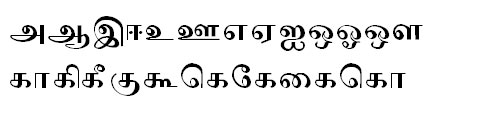
Tamil to English Dictionary: சம்பு)

This is the world's leading online source for english definitions/meanings, we have been helping millions of people improve their use of the tamil language with its free online services.


Write your word as a english and click to search button for the meaning of english language. It's a very simple & easy. use & enjoy....

அசம்பி
acmpi (p. 5) --அசம்பை, s. A bag, budget, a double bag, a traveller's walet, தோட்பை. (c.) 83) *
அயகம்
aykm (p. 21) s. The periploca creeper, சிறுகுறிஞ்சா. 2. Calamus, வசம்பு. (M. Dic.) 36)
அயவாரி
ayvāri (p. 22) s. Acorus Calamus, L., வசம்பு. 10)
உக்கிரம்
ukkiram (p. 59) s. Vehemence, ardor, intensity, severity, fervency, fierceness, pungency (of spices, &c.), asperity, harshness, impetuosity, கொடுமை. 2. Wrath, rage, கோபம். 3. The height of a disease, மும்முரம். 4. Ferocity, savageness, மூர்க்கம். Wils. p. 137. UGRA. 5. (p.) The front guard, தலைக்காவல். உக்கிரகந்தம்--உக்கிரகந்தி, s. Garlic, வெள்ளுள்ளி, Allium sativum. Wils. p. 137. UGRAGAND'HA and UGRAGANDIN. 2. Assaf&oe;tida, பெருங்காயம். 3. Acorus calamus, வசம்பு. 4. The வேம்பு tree, Azadirachta Indica, L. 5. Sugar-cane, கரும்பு, Saccharum officinarum. உக்கிரகுணம், s. Fierceness of disposition. உக்கிரமது, s. Ardent spirits. உக்கிரமானமருந்து, s. Pungent and stimulating medicine. உக்கிரமானவார்த்தை, s. Asperity of language, a harsh expression. உக்கிரன், s. Siva, சிவன். Wils. p. 137. UGRA. 2. Veerapattra, வீரபத்தி ரன். (p.) 22)
உபாயம்
upāyam (p. 62) s. Means, contrivance, expedient, device, good or bad, skill in accomplishing an object, சூழ்ச்சி. 2. Stratagem, artifice, craft, shift, art, cunning, shuffling, intrigue, தந்திரம். 3. The means for bringing an enemy to terms, of which four are enumerated, viz.: 1. சாமம், conciliatory measures. 2. பேதம், sowing dissension. 3. தானம், gifts, presents. 4. தண் டம், chastisement, punishment (by war), அரசர்க்குரியவுபாயம். 4. [vul.] Smallness, சொ ற்பம். Wils. p. 16. UPAYA. உபாயக்காரன்--உபாயி, s. An artful person, a schemer, contriver, தந்திரக்காரன். உபாயஞ்சூழ, inf. To contrive, scheme. உபாயஞ்சொல்ல, inf. To give counsel. உபாயதந்திரம், s. Devices, craftiness, subtility. உபாயமானவிளையாட்டு, s. Artful cheating in play. உபாயம்பண்ண, inf. To adopt stratagems, to contrive, employ address, use means. உபாயவிலக்கு, s. [in rhetoric.] Artfully endeavoring to prevent an act, by representing the evil which will happen to one's self--as when a wife dissuades her husband from leaving her by declaring that, in case he does, she must die, ஓரலங்காரம். உபாயோபாயம், s. Various means or artifices. 2. Cunning for cunning in retaliation, &c. மோட்சம்பெறுமுபாயம்--மோட் சோபாயம், s. Means for obtaining eternal bliss. 52)
எச்சம்
eccm (p. 73) s. Deficiency, defect, lack, குறைபாடு. 2. Remainder, remnant, சேஷம். 3. Orts, remains of food, whatever has come in contact with the mouth. spittle, &c., being deemed defiled, எச்சில். 4. Posterity, offspring, சந்ததி. 5. The dung of birds, fowls, wall-lizards, &c., பறவைமுதலி யவற்றின்மலம். 6. An elliptical, or unfinished word, sentence, பெயரெச்சமுதலியன; [ex எஞ்சு.] (p.) எச்சத்தாற்காணப்படும். (Their deeds) will be manifest in their posterity; i. e. in the prosperity, or adversity of their offspring. எச்சமிட, inf. To discharge excrement--as birds, &c., பறவைமலம்விசர்ச் சிக்க. பகையெச்சம். s. Suppressed anger. தீயெச்சம், s. The remainder of fire--as, வினைபகையென்றிரண்டினெச்சம், நினை யுங்காற்றீயெச்சம்போலத்தெறும், (Warlike) deeds which are not pushed to extremity (in the destruction of a foe) and hatred which is not executed but suppressed, will destroy like fire unextinguished. (குறள்.) நோயெச்சம், s. A reduced disease, the remains of a disease. ஈரெச்சம், s. In Grammar, the two classes of unfinished words. I. பெயரெச் சம் or participles, lit. words which require nouns to complete them. These embrace two classes, viz.: (1.) தெரிநிலை ப்பெயரெச்சம், or the participle of the common verb--as, வந்தமகன், the man who came; வருகின்றமகன், the man who comes; வரும்பிள்ளை, the child that will come. (2.) குறிப்புப்பெயரெச்சம் or பெயரெச்சக்குறிப்பு, the participle of the symbolic verb, which always ends in அ and often has the force of an adjective--as கரியகுதிரை, a black horse; கடுங்கண்ணகுதிரை, a fierceeyed horse, or a fierce horse; பொன்னகு திரை. a gold-like horse; அமர்முகத்தகுதிரை, a horse in the front of a battle; மூவிலைய வேல், a three-forked dart, a trident. II. வினையெச்சம், unfinished verbs, or such forms of the verb as require other terminate verbs, &c., to complete the sense. (1.) தெரிநிலைவினையெச்சம். In the past, it is called by Beschi, a gerund; there are five varieties; i. e. (1.) செய்து, பண்ணி, நிறீஇ for நிறுவி or நிறுத்தி; வளைஇ for வளைந்து or வளைத்து; இரீஇ for இருந்து or இருத்தி; கூய் for கூவி. (2.) செய்பு. (3.) செய்யா. (4.) செய்யூ. (5.) செய்தென--Notes. The first is the most common, and the only kind found in colloquial use. 2. The present, or infinitive, செய or செய்ய. 3. The future comprising six varieties. 1. செயின், செய்யின், செயில், செய்யில், செய்கில், these are all future subjunctive forms. 2. செய்யிய. 3. செய்யியர். 4. செய்வான். 5. செய்பாக்கு. 6. உண்பான், this termination occurs after a nasal only. The last five are equivalent to the infinitive, &c., they may be rendered by that with the potential of the verb, as given in நன்னூல். A few may be added: 1. செய் தால், the common subjunctive of the past, but often used for the future. 2. செய்தக்கால். 3. செய்தக்கடை, past or future subjunctives. 4. செய்தலும், காண்டலும். 5. செய்தலோடும், implying when, or as soon as. 6. ஏல், a contraction of எனில், is, in poetry, added to any finite verb to form the subjunctive--as உண்ணுமேல், உண்ணுமெனில். 2. வினையெச்சக்குறிப்பு or குறிப்புவினையெச்சம், gerund of symbolic verbs; of these there are but two, இன்றி and அன்றி from இல் and அல், these symbolic verbs being redundant. சொல்லெச் சம், elliptical, or incomplete words, or classes, ten in number. 1. பெயரெச்சம், participles as given above. 2. வினையெச் சம், unfinished forms of the verb. (See above.) 3. உம்மையெச்சம், a sentence in which a second உம் and its adjunct are understood--as, சாத்தனும்வந்தான், Sattan also is come, implying that others are come or expected. 4. சொல்லெச்சம், a clause in which சொல்லல் is understood --as, என்றார் for என்றுசொன்னார். 5. பிரிநிலை யெச்சம், a clause in which an exception of persons, or things is implied, see ஏ and ஓ--as, அவனேகொண்டான், he bought it, implying that others did not. 6. எனவெனெச்சம், a clause in which a verb, or a noun is required after என--as, கடலொல்லெனவொலித்தது, the sea roared with the sound of ஒல். 7. ஒழியிசையெச்சம், a clause in which a counterpart is understood--as உண்ணுதற்கோவந்தான், was it to eat that he came (implying that his object was otherwise)? 8. எதிர்மறை யெச்சம், the ellipsis of a negative, or denial--as அவனோகொண்டான், Was it he that bought it (implying a negative answer). 9. இசையெச்சம், ellipsis generally comprising two or more words, such as are not found in the above--as நின்னையா னகன்றாற்றுவனோ, Can I endure separation from you (indicating an affectionate attachment to the party addressed)? 1. குறிப்பெச்சம், symbolic terms, contractions, abbreviations, &c., comprising several kinds. (See குறிப்பு.) There is another form called முற்றெச்சம், a finite verb used in the place of a gerund--as உண்டான்வந்தான் for உண்டுவந்தான், eating he came. எச்சமிட, inf. To befoul, to soil with dung--spoken of birds. எச்சவனுமானம், s. Inference of a past cause from a present effect. See அநுமானம். எச்சவாய், s. [vul.] The sphincter of the anus, the podex, குதம். அட்டவெச்சம், s. The eight defects in the human body; i. e. 1. சிதடு or குருடு, blindness. 2. ஊமை, dumbness. 3. செவிடு, deafness. 4. கூன், crookedness of the back. 5. குறள், dwarfness. 6. முடம், lameness. (சது.) (in பிங்கலந்தை and திவாகரம், யகண், மா, hermaphroditism). 7. உறுப்புமயக்கம், a monstrous birth either by redundancy, defect, or misplacing of the members, &c. 8. உறுப்பில்பிண்டம், a shapeless production, or a birth with the features not properly developed. 23)

ஏமவதி
ēmvti (p. 79) s. Sweet flag, வசம்பு. (பா ரதி.) (p.) 33)
ஏமாறு
ēmāṟu (p. 79) கிறேன், ஏமாறினேன், வேன், ஏமாற, v. n. To be disappointed, deceived, மோசம்போக. 2. To be puzzled, to know not what course to take. ஏமாறிப்போக, inf. To be balked in one's expectations. 35)
குலோமிசை
kulōmicai (p. 127) s. A medicinal plant, sweet calamus, வசம்பு. 55) *
கொங்காணி
kongkāṇi (p. 145) --கொங்கணி, s. A braided cocoa leaf, used as a covering against rain; also one made of சம்பை grass, or canvas cloth, மழைதாங்குமேல்மூடி. 19)
கொஞ்சம்
koñcm (p. 145) s. A little, a small quantity, a morsel, a bit, சிறிது. 2. Diminutiveness, smallness, littleness, சுருக்கம். 3. [loc.] Disgrace, dishonor, meanness, இழிவு. (Sans. Kinchit.) அவன் கொஞ்சப்புள்ளியா. Is he an insignificant man? கொஞ்சங்கொஞ்சமாய். By little and little. கொஞ்சத்திலேசீவனம்பண்ணுவானா? Will he live on a little; can he easily get a living? கொஞ்சத்துக்குள்ளே. In a short time. 2. For a low price. 3. In a few words, in a small compass. 4. On a small scale. கொஞ்சத்திலேபோகாது. It will not be a light matter. கொஞ்சக்காலம்--கொஞ்சநேரம், s. A little time. கொஞ்சத்தனம், s. [local.] Meanness, vileness, littleness, dishonor, disgrace. கொஞ்சத்தனம்பண்ண, inf. To disgrace, dishonor, insuit; to ill-treat. கொஞ்சநஞ்சம், s. [vul.] A little. கொஞ்சப்படுத்த, inf. To disregard, to slight; to disdain. கொஞ்சப்பேர், s. [prov.] Ill fame, bad reputation. See கொஞ்சம்பேர். கொஞ்சம்பேர்--கொஞ்சப்பேர், s. A few persons. (c.) கொஞ்சமாயெண்ண, inf. To disregard. கொஞ்சவாழ்வு, s. A short life; limited existence. 33)
கோயில்
kōyil (p. 150) s. [com. கோவில்.] [ex கோ, et இல், abode.] A palace the residence of a nobleman. or a king, அரமனை. 2. A temple, sanctuary, church, chapel, ஆலயம். 3. A sacred shrine, the abode of a deity, கடவு ளிருக்குமிடம். 4. A metal casket enclosing the சிவலிங்கம், or phallic emblem worn about the person, இலிங்கசம்புடம். 5. A bag, &c., for sacred ashes, விபூதிசம்புடம். 6. [loc.] The pagoda at Chillumbrum, or that at Seringham, சிதம்பரசீரங்கஸ்தலம். 7. [prov.] A parish church, also a parish, கோயிற்பற்று. கோயிற்பூனைதேவருக்கஞ்சாது. The cat in the temple dreads no deity; i. e., too close an intimacy destroys veneration. கோயில்மாடுபோலே. Like a temple cow-spoken of indulged or idle young persons who have their own way, &c. கோயில்கொள்ள, inf. To take possession of a temple, a shrine or the heart-as a deity. (p.) கோயில்சுற்றிக்கும்பிட--கோயில்வலம் வர, inf. To pass round a temple to the right hand, out of homage to it. கோயில்சேவிக்க, inf. [loc.] To serve the temple daily--as musicians. கோயில்மணியகாரன், s. The purveyor or manager of a temple--often a hereditary office. Also கோயில்மணியம். கோயில்மாடு, s. Cows or bulls devoted to a temple. கோயில்வரவு--கோயில் வருமானம், s. The revenue of a temple. கோயிற்கணக்கு, s. Temple accounts. 2. [prov.] The parish registry. கோயிற்காணி--கோயில்மானியம், s. Temple lands. கோயில்குளத்துக்குப்போகாதவன். One who is neglectful of religious ceremonies. கோயிற்கிராமம், s. A village and lands belonging to a temple. கோயிற்படி, s. The daily allowance for the expenditure of a temple, of rice, &c., to the idol, Brahman, servants, &c. கோயிற்பற்று, s. [prov.] A parish, or districts belonging to a church. கோயிற்பிரகாரம், s. The court or enclosure of the temple; [ex பிரகாரம், enclosure.]. கோயிற்பிரதிட்டை, s. The conscration of a temple when the deity is supposed to be brought to take up his abode; [in Christian usage.] also the dedication of a church. கோயிற்புராணம், s. One of the five puranas concerning சிதம்பரம். கோயிற்பூனை, s. (fig.) A dissembler in religion. கோயின்மகமை, s. Free offering or gifts to a temple. See மகமை. கோயின்மேரை, s. (also கோயிற்குறுணி.) The portion of a harvest given to the temple. கோயிற்றுறை, s. [loc.] A temple establishment. (Limited.) 86)
சடக்கோதன்
cṭkkōtṉ (p. 157) s. Sweet flag, வசம்பு. 25) *
சடினம்
cṭiṉm (p. 157) s. Sweet flag, வசம்பு. Acorus Calamus. (M. Dic.) 2. The root of சடை மரம். (R.) 47) *
சடை
caṭai (p. 157) s. Entangled locks of hair-as once worn by Siva as an ascetic, and now by his devotees in imitation of him; also plaited hair, மயிர்ப்பின்னல். 2. Bushy, shaggy, thick hair, bushiness, சடைத்தது. 3. A kind of cork tree--as சடைச்சி, ஓர்மரம். 4. Root, a fibrous root, வேர். W. p. 338. JAT'A.--Note. The word retains its Sanscrit pronunciation சடா, in many of its compounds. 5. [prov.] The flat head of a nail, ஆணியின்சடை. 6. The stopple of a a bottle, அடைப்பு. (Rare.) சடாடவி, s. A cluster of dishevelled locks. (p.) சடாதரன், s. Siva, as wearing entangled locks, சிவன். சடாதரி, s. A female devotee with matted locks, சடைதரித்தாள். 2. Parvati, as wearing entangled locks, பார்வதி. 3. One with entangled locks of hair, commonly tied up as a crest, சடையையுடைய வன். சடாதாரி, s. Parvati, பார்வதி. 2. Siva, சிவன். சடாபாரம், s. The heavy tangled locks of Siva, or of his devotees. (c.) சடாமகுடம்--சடாமுடி, s. The entangled hair of Siva formed into a crown. (c.) சடாமகுடன், s. Siva, whose entangled lock of hair forms his crown, சிவன். சடாமுனி, s. [in metempsychosis.] The soul of a Brahman in a Muni wearing clotted hair. See பிரமராட்சதை. (c.) சடைக்கஞ்சா, s. The female of the கஞ்சா plant. See கஞ்சா. சடைக்கந்தகம், s. Sweet flag, வசம்பு. (M. Dic.) சடைச்சி, s. A kind of cork tree from which toys are made, நெட்டி. Aeschynomene, (L.) 2. An aquatic plant, பாசி. Ceratophyllum demersum, (L.) (சது.) 3. A plant, கீரிப்பூண்டு. 4. A mineral, பொ ன்னிமிளை, Bismuth pyrites. சடைச்சிவேர், s. A plant, Achyranthes corymbosa, (L.) சடைத்தேங்காய், s. [prov.] A cocoanut whose husk abounds with fibres. சடைநாகம், s. A kind of ornament worn by women on the hair, ஓரணிகலம். சடைநாய், s. A shaggy dog. (c.) சடைபற்றிப்போக, inf. To grow bushy, shaggy, rough, as hair. 2. To become thick, as branches. சடைபில்லை--சடப்பில்லை, s. A kind or round golden ornament for the head of women. Madras usage. In other places,லாக்கடி. சடைபின்ன, inf. To plait the hair. சடைப்பயிறு, s. A kind of grain. சடைப்பாசி, s. A kind of moss--as சடைச்சி, 2. சடைப்புல், s. A kind of grass. See புல். சடைப்பூச்சி, s. [loc.] A species of bushy caterpillar. (R.) சடைமுடி, s. The சரக்கொன்றை tree. சடைமுடியோர், s. Ascetics who wear entangled hair in imitation of Siva, தாபதர். சடையன், s. (fem. சடைச்சி.) One who wears an entangled plait of hair. சடையாணி, s. A flat-headed nail. (c.) சடையாண்டி, s. A religious mendicant with matted hair. சடையோன், s. Siva, the god who wore dishevelled hair. 2. Veerapatra. (சது). சடைவளருதல், v. noun. Growing of entangled locks. சடைவிழ, inf. To become formed, as entangled hair. முறுகுசடை, s. Matted, curly hair. 54)
Random Fonts
Tam Shakti 2 Bangla Font
Tam Shakti 2
Download
View Count : 6835
Tam Kannadasan Bangla Font
Tam Kannadasan
Download
View Count : 18928
aTamilApple Bangla Font
aTamilApple
Download
View Count : 10931
TAB-ELCOT-Trichy Bangla Font
TAB-ELCOT-Trichy
Download
View Count : 9324
GIST-TMOTAppar Bangla Font
GIST-TMOTAppar
Download
View Count : 21566
Thodiragam Bangla Font
Thodiragam
Download
View Count : 15035
TAU_Elango_Kalyani Bangla Font
TAU_Elango_Kalyani
Download
View Count : 20496
Tam Shakti 28 Bangla Font
Tam Shakti 28
Download
View Count : 7963
TheneeUni Bangla Font
TheneeUni
Download
View Count : 16601
Tab-Chandra Bangla Font
Tab-Chandra
Download
View Count : 27995

Translation tools...

Privacy Policy   GDPR Policy   Terms & Conditions   Contact Us
Please like, if you love this website
close