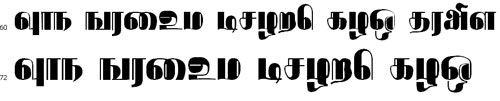
Tamil to English Dictionary: சேஷம்

This is the world's leading online source for english definitions/meanings, we have been helping millions of people improve their use of the tamil language with its free online services.


Write your word as a english and click to search button for the meaning of english language. It's a very simple & easy. use & enjoy....

அந்தரம்
antaram (p. 14) s. Open space, வெளி. 2. Intermediate space, இடை. 3. Ether, as the vehicle of light and sound--supposed to pervade all things and to extend through the universe, பஞ்சபூதத்திலொன்று. 4. The sky, atmosphere, ஆகாயம். Wils. (p.) 37. ANTARA. 5. Temple, தேவர்கோயில். 6. Singleness, loneliness, solitariness, தனி மை. 7. Disaster, mishap, dilemma, தீமை. (பஞ். 49.) 8. End, taken distributively, end of each, முடிவு. 9. Difference, dissension, பேதம். 1. Measure, அளவு. 11. Remainder after subtraction, difference, சேஷம். 12. Period of time, காலம். (சது.) 13. Darkness, இருள். 14. Crowd, கூட்டம். (p.)--Note. All the meanings may be referred to the idea of within and without. (S. Dic.) In combination some variety of meaning is found, as, தேசாந்தரம், a foreign country; வருஷாந்தரம், every year; மாதாந்தரம், every month; முகாந்தரம், on account of; தீவரந்தரம், the remotest isle, &c. அந்தரஆண்டு, s. The time between any given points. [அந்தரம். 2.] அந்தரகாமி, s. A horse which goes above the earth, through the air, ஆகாய மார்க்கமாய்ச்செல்லும்பரி. [அந்தரம். 4.] அந்தரசைவம், s. One of the divisions of the Saiva religion, ஓர்சைவம். அந்தரச்சிந்து, s. One of the thirtytwo kinds of arsenic in its natural state, கற்பாஷாணம். அந்தரதிசை, s. A nine-fold subdivision of the period of a planet's influence on a person's life, கிரகநிலை. [அந் தரம். 2.] அந்தரத்தாமரை, s. A species of lotus whose roots float in the water, not adhering to the soil, ஆகாயத்தாமரை. [அந்தரம். 4.] அந்தரத்திலேநிற்க, inf. To be forsaken by all, be abandoned. [அந்தரம். 1.] என்னையந்தரத்திலேவிட்டான். He has forsaken me. அந்தரபவனி, s. Motion through the air, ஆகாயகமனம். 2. (fig.) Very great swiftness, மிகுவேகம். 3. [prov.] Any thing that goes swiftly, வேகமாய்ச்செல் லுவது. [அந்தரம். 4.] அந்தரப்பிசாசுகள், s. The evil spirits of the air. [அந்தரம். 4.] அந்தரமத்திமபுத்தி, s. Difference between the mean and true daily motion of the sun, or of a planet. [அந் தரம். 4.] அந்தரவல்லி, s. A medicinal creeper, கொல்லன்கோவை. [அந்தரம். 4.] அந்தரவனம், s. An uninhabited desert land. [அந்தரம், 1.] அந்தரவாசம், v. noun. Dwelling in the air, ஆகாயத்தில்வசிக்கை. 2. (s.) A medicinal shrub, ஓர்மருந்துப்பூடு. [அந்தரம். 4.] அந்தரவாயு, s. Hydrocele, வீம பீசம், [அந்தரம் 2.] அந்தரவீச்சு, v. noun. Beating the air. அந்தரவீச்சுக்காரன், s. One who beats the air, a cheat, a fraudulent man. [அந்தரம். 4.] அந்தராயம், s. Disaster, obstacle, mishap, dilemma, exigency, impediment தீமை. (p.) Wils. p. 38. ANTARAYA. [அந்தரம். 7.] அந்தராளம், s. Middle, intermediate space, நடு, Wils. p. 38. ANTARALA. (p.) See கர்ப்பகிரகம். [அந்தரம். 2.] அந்தராளன், s. The son of an அனுலோம father, and பிரதிலோம mother, அனுலோமத்தந்தைக்கும் பிரதிலோமத்தாய்க்கும்பிறந் தபிள்ளை. அந்தரி, s. A goddess as inhabiting the &ae;rial regions, ஆகாயவாணி. 2. Durga, துர்க்கை. 3. Parvati, பார்வதி. (p.) [அந்தரம். 4.] 57)
அந்தரி
antri (p. 14) க்கிறேன், த்தேன், ப்பேன், க்க, v. n. To be forlorn, solitary, lonely, தனித்திருக்க. 2. To be friendless, helpless, forsaken, without means of subsistence, to be in difficulty, or extremity, உதவியற்றி ருக்க. (c.) 3. (p.) v. a. To find the difference between two quantities, சேஷமறிய. அந்தரிப்பு, v. noun. Forlornness, solitariness, தனித்திருக்கை. 2. Helplessness, being without means of subsistence, உதவியின்மை. 58) *
உறு
uṟu (p. 67) கிறேன், உற்றேன், வேன், உற, v. n. To be, to exist, உண்டாக. 2. To feel, experience, suffer, enjoy, experience sensations--as heat, cold, பரிசிக்க. 3. To be in contact, to join closely, unite with, combine, கூட. 4. To happen, occur, befall -- as a good, or evil, சம்பவிக்க. 5. To accrue--as riches, சேர. 6. To profit, turn to account, பயனுற. 7. To obtain, கிடைக்க. 8. To arrive at, reach, வர. 9. To belong to peculiarly, to be appropriate, பொருந்த. 1. To be situated at, or be in a place, இரு க்க. 11. To dwell, reside, தங்க. (p.)-Note. This word is often joined to verbals or verbal roots to form new verbs, and the infinitive and other parts are used adverbially to express intensity, entireness, &c.--as குழுற்றது, it surrounded; ஊடுறச்சென் றது, it pierced, or penetrated. உறச்சிவந்தது. It is become very red. உறவளைக்கும்வில். A bow bent to the utmost. சுகமுறுநித்திரை. Refreshing sleep. கிலேசமுற்றேன். I became sorrowful. விருப்பமுற்றேன். I have conceived a desire. இன்பமுற்றேன். I was rejoiced. பயமுற்றேன். I grew frightened. நோயுறும்போது. When sickness befalls-பாவியருறும்பழி. The evil endured by the wicked for their sins. (இராமா.) சொல்லலுற்றேன்--சொல்லுற்றேன். I said, I have treated on--a formal or dignified mode of expression among authors. மீகீழிதழுறப்பம்மப்பிறக்கும். The letters ப் and ம் are produced by the contact of the upper and lower lips. (நன்.) முந்தினார்பின்னுறக்கடுகவோடினான். He ran so swiftly that all who started before him were left behind. உறவற்ற, inf. To dry up entirely. உறுந்தருணம்--உறுந்தறுவாய், s. Emergency, exigency, particular juncture. உறுவதுகூறல், v. noun. Giving an indirect answer to a question, எண்வகை விடையிலொன்று. உற்ற, rel. part. Uncommonly devoted, trusty. உற்றசெய்தி, s. True report, true news. உற்றது, appel. n. The thing as it is, the whole of it. உற்றதுசொல்ல, inf. To speak the truth. உற்றதுசொல்லஅற்றதுபொருந்தும். By telling the truth, misunderstandings are adjusted; truth is the surest resource through life. உற்றபண்புரைப்போர், s. Messengers, தூதர். (p.) உற்றமனிதன், s. A fit or proper person to transact an affair, one who can be trusted. உற்றவன், s. A friend, a relation, உறவோன். உற்றவிசேஷம், s. A proper or suitable expression. உற்றளவு, s. An accurate, genuine, fair measure, சரியளவு. 2. Genuine state of things, real news, உள்ளதன்மை. உற்றறிய, inf. To feel by the touch, be sensible to touch--as plants, &c., பரிசித்துணர. 2. To experience, to know by experience, பயின்றறிய. உற்றாண்மை, s. [prov. prop. உற்ற வுரிமை.] Interest as among near relatives and friends. 2. Close or intimate friendship, attachment. உற்றாண்மைபேச, inf. To speak for--as a near relative, or friend interested in one's welfare. உற்றாராய, inf. To investigate deeply, attentively, minutely, &c. உற்றார்--உற்றோர், s. Relations, உறவோர். 2. Friends, சிநேகர். உற்றிடம், s. An emergency, exigency, ஆபத்து. (p.) 2. (Rott.) A refuge, அடைக்காலம். உற்றிடத்துதவ, inf. To help on an emergency. உற்றுக்கேட்க, inf. To listen attentively. உற்றுப்பார்க்க, inf. To look steadfastly. 2. To examine minutely. உற்றுழி, s. Emergency, exigency, time of expected evil, imminent danger, &c., வருத்தமானகாலம். புலம்புற, inf. To utter lamentation. பயமுற, inf. To be afraid. கையுறாப்பொருள், s. A thing which does not come near to hand; i. e. which is obtained with great difficulty. உரனுற, inf. To obtain strength or force. உறல், v. noun. Being near, coming, approaching. உறுபு, v. noun. Costiveness, thickness, narrowness, செறிவு. 2. Abundance, plenty, மிகுதி. உறுவிக்க, inf. To cause to be, &c. 79)
எச்சம்
eccm (p. 73) s. Deficiency, defect, lack, குறைபாடு. 2. Remainder, remnant, சேஷம். 3. Orts, remains of food, whatever has come in contact with the mouth. spittle, &c., being deemed defiled, எச்சில். 4. Posterity, offspring, சந்ததி. 5. The dung of birds, fowls, wall-lizards, &c., பறவைமுதலி யவற்றின்மலம். 6. An elliptical, or unfinished word, sentence, பெயரெச்சமுதலியன; [ex எஞ்சு.] (p.) எச்சத்தாற்காணப்படும். (Their deeds) will be manifest in their posterity; i. e. in the prosperity, or adversity of their offspring. எச்சமிட, inf. To discharge excrement--as birds, &c., பறவைமலம்விசர்ச் சிக்க. பகையெச்சம். s. Suppressed anger. தீயெச்சம், s. The remainder of fire--as, வினைபகையென்றிரண்டினெச்சம், நினை யுங்காற்றீயெச்சம்போலத்தெறும், (Warlike) deeds which are not pushed to extremity (in the destruction of a foe) and hatred which is not executed but suppressed, will destroy like fire unextinguished. (குறள்.) நோயெச்சம், s. A reduced disease, the remains of a disease. ஈரெச்சம், s. In Grammar, the two classes of unfinished words. I. பெயரெச் சம் or participles, lit. words which require nouns to complete them. These embrace two classes, viz.: (1.) தெரிநிலை ப்பெயரெச்சம், or the participle of the common verb--as, வந்தமகன், the man who came; வருகின்றமகன், the man who comes; வரும்பிள்ளை, the child that will come. (2.) குறிப்புப்பெயரெச்சம் or பெயரெச்சக்குறிப்பு, the participle of the symbolic verb, which always ends in அ and often has the force of an adjective--as கரியகுதிரை, a black horse; கடுங்கண்ணகுதிரை, a fierceeyed horse, or a fierce horse; பொன்னகு திரை. a gold-like horse; அமர்முகத்தகுதிரை, a horse in the front of a battle; மூவிலைய வேல், a three-forked dart, a trident. II. வினையெச்சம், unfinished verbs, or such forms of the verb as require other terminate verbs, &c., to complete the sense. (1.) தெரிநிலைவினையெச்சம். In the past, it is called by Beschi, a gerund; there are five varieties; i. e. (1.) செய்து, பண்ணி, நிறீஇ for நிறுவி or நிறுத்தி; வளைஇ for வளைந்து or வளைத்து; இரீஇ for இருந்து or இருத்தி; கூய் for கூவி. (2.) செய்பு. (3.) செய்யா. (4.) செய்யூ. (5.) செய்தென--Notes. The first is the most common, and the only kind found in colloquial use. 2. The present, or infinitive, செய or செய்ய. 3. The future comprising six varieties. 1. செயின், செய்யின், செயில், செய்யில், செய்கில், these are all future subjunctive forms. 2. செய்யிய. 3. செய்யியர். 4. செய்வான். 5. செய்பாக்கு. 6. உண்பான், this termination occurs after a nasal only. The last five are equivalent to the infinitive, &c., they may be rendered by that with the potential of the verb, as given in நன்னூல். A few may be added: 1. செய் தால், the common subjunctive of the past, but often used for the future. 2. செய்தக்கால். 3. செய்தக்கடை, past or future subjunctives. 4. செய்தலும், காண்டலும். 5. செய்தலோடும், implying when, or as soon as. 6. ஏல், a contraction of எனில், is, in poetry, added to any finite verb to form the subjunctive--as உண்ணுமேல், உண்ணுமெனில். 2. வினையெச்சக்குறிப்பு or குறிப்புவினையெச்சம், gerund of symbolic verbs; of these there are but two, இன்றி and அன்றி from இல் and அல், these symbolic verbs being redundant. சொல்லெச் சம், elliptical, or incomplete words, or classes, ten in number. 1. பெயரெச்சம், participles as given above. 2. வினையெச் சம், unfinished forms of the verb. (See above.) 3. உம்மையெச்சம், a sentence in which a second உம் and its adjunct are understood--as, சாத்தனும்வந்தான், Sattan also is come, implying that others are come or expected. 4. சொல்லெச்சம், a clause in which சொல்லல் is understood --as, என்றார் for என்றுசொன்னார். 5. பிரிநிலை யெச்சம், a clause in which an exception of persons, or things is implied, see ஏ and ஓ--as, அவனேகொண்டான், he bought it, implying that others did not. 6. எனவெனெச்சம், a clause in which a verb, or a noun is required after என--as, கடலொல்லெனவொலித்தது, the sea roared with the sound of ஒல். 7. ஒழியிசையெச்சம், a clause in which a counterpart is understood--as உண்ணுதற்கோவந்தான், was it to eat that he came (implying that his object was otherwise)? 8. எதிர்மறை யெச்சம், the ellipsis of a negative, or denial--as அவனோகொண்டான், Was it he that bought it (implying a negative answer). 9. இசையெச்சம், ellipsis generally comprising two or more words, such as are not found in the above--as நின்னையா னகன்றாற்றுவனோ, Can I endure separation from you (indicating an affectionate attachment to the party addressed)? 1. குறிப்பெச்சம், symbolic terms, contractions, abbreviations, &c., comprising several kinds. (See குறிப்பு.) There is another form called முற்றெச்சம், a finite verb used in the place of a gerund--as உண்டான்வந்தான் for உண்டுவந்தான், eating he came. எச்சமிட, inf. To befoul, to soil with dung--spoken of birds. எச்சவனுமானம், s. Inference of a past cause from a present effect. See அநுமானம். எச்சவாய், s. [vul.] The sphincter of the anus, the podex, குதம். அட்டவெச்சம், s. The eight defects in the human body; i. e. 1. சிதடு or குருடு, blindness. 2. ஊமை, dumbness. 3. செவிடு, deafness. 4. கூன், crookedness of the back. 5. குறள், dwarfness. 6. முடம், lameness. (சது.) (in பிங்கலந்தை and திவாகரம், யகண், மா, hermaphroditism). 7. உறுப்புமயக்கம், a monstrous birth either by redundancy, defect, or misplacing of the members, &c. 8. உறுப்பில்பிண்டம், a shapeless production, or a birth with the features not properly developed. 23)
எச்சில்
eccil (p. 73) s. Remains, or refuse of food, crumbs, orts (deemed impure), சேஷம். 2. Any thing defiled by contact with the mouth, saliva, &c., மிச்சில்; [ex எஞ்சு.] எச்சிற்கையாற்காக்கையுமோட்டான். He will not even scare away a crow with his hand while eating, lest any grain of rice fall thereby. எச்சிலாக்க--எச்சிற்படுத்த, inf. To defile food or any thing, by bringing it into contact with the mouth; to defile food by the hand, or spoon in feeding, உச்சிட்டப்படுத்த. 2. To deflour a woman, deprive a damsel of her virginity, either by force or with consent, கன்னிமைகெடுக்க. எச்சிலார், s. Low-caste people, இழிஞர். (p.) எச்சிலிலை--எச்சிற்கல்லை, s. The leaf on which one has eaten. எச்சிலுமிய--எச்சிலுமிழ--எச்சில் துப்ப, inf. To spit. (c.) எச்சில்வாய், s. Mouth unwashed after eating, கழுவாதவாய். எச்சிற்கலக்க, inf. To eat the food left by the bridegroom--as a Hindu bride does on the occasion of her marriage. 2. To eat the food left by others--as friends. எச்சிற்கலப்பு, s. The above ceremony. எச்சிற்காறியுமிழ், inf. To force up the phlegm and spit it out. எச்சிற்கிதம்பாட, inf. To assent to what is wrong from an unworthy motive. எச்சிற்குழி, s. A cavity in a court-yard, used as a spittoon, எச்சில் போடுங்குழி. எச்சிற்பட, inf. To become defiled--as food, &c., by saliva, or contact with the mouth. எச்சிற்பருக்கை, s. Grains of rice fallen while eating, சிந்திக்கிடக்குஞ்சோறு. எச்சிற்பேய், s. A diminutive demon exceedingly voracious, ஓர்பிசாசம். 2. A person very fond of dainties, பெ ருந்தீனிக்காரன். எச்சிற்றழும்பு--எச்சிற்றேமல், s. A kind of ring-worm supposed to be induced by contact with the saliva of others, தழுதணை. எச்சின்மாற்ற, inf. To purify a place after eating by smearing it anew with cowdung. கண்ணெச்சில், s. Evil imagined to be caused by other people's eyes. கண்ணெச்சிற்கழிக்க, inf. To perform a ceremony for the removal of the imagined inauspicious effect of evil eyes. (நைட.) 25)
எஞ்சு
eñcu (p. 73) கிறது, எஞ்சினது, ம், -எஞ்ச, v. n. To diminish, decrease, shorten, lessen, grow small, few, &c., சுருங்க. 2. To be deficient, be defective, to lack, want, குறைய. 3. To remain, be left as a surplus, சேஷமா யிருக்க. 4. To be elliptical--as words, or clauses, சொல்லெஞ்சிநிற்க. (p.) பின்பவ்வெஞ்சியவிருவரும். Afterwards the remaining two persons-எஞ்சணி, s. An ellipsis. எஞ்சிநிற்க, inf. To be wanting or elliptical--as language; to be understood, குறைந்திருக்க. எஞ்சியசொல்லினெய்தக்கூறல், v. noun. [in grammar.] Expressing in a few words, or an author's not mentioning things explicitly, but leaving them to be inferred by the reader--one of the thirty-two உத்தி. எஞ்சல், v. noun. Wanting, deficient, being implied. 27)
ஒட்டு
oṭṭu (p. 81) கிறேன், ஒட்டினேன், வேன், ஒட்ட, v. a. and v. n. To stick on, to stick up, to glue on, cause to cleave or adhere, பொருத்த. 2. To apply, resort, betake one's self to a person for support, protection, to come or be near, or in contact with, to lean on or join one's self to a thing, சார. 3. To use qualifying terms, phrases, adjuncts, &c., அடைகொடுக்க. 4. To lay a wager, to gamble, பந்தயம்வைக்க. 5. To permit, suffer, allow, let, இடங்கொடுக்க. 6. To increase length or breath by addition, to add to, சேர்க்க. 7. To grow lean, be withered, shrunk, &c., to have the skin stick to the bones, be shrivelled as a fruit, &c., சுருங்க. 8. To stand near a wall, a pillar, &c., in order to over-hear, to way-lay, &c., விசேஷங்கேட்கவொளித்துநிற்க. சுட்டமண்ணும்பச்சைமண்ணுமொட்டாது. Burnt earth will not adhere to that which is fresh. ஒட்டி யுலர்வாருறவு. That is friendship which adheres to and suffers with one, lit. which dries with one as the flowers in the tank. இதுனக்கொட்டுமோ. Will this unjust gain, &c., abide with you? உலகத்தோடொட்டவொழுகல். Acting conformably to the world. (குறள்.) மரத்தோடொட்ட. To hide one's self behind a tree. தோலெல்லாமெலும்போடொட்டிப்போயிற்று..... The skin cleaves to the bones. ஒருவனையொட்டிப்பிழைக்க. To subsist by means of another. அவனைவரவொட்டும். [Contracted in colloquial use to அவன்வரட்டும்.] Let him come. சொல்லவொட்டான். He will not permit me to speak. ஒட்டஅறுக்க, inf. To cut off short or level with the ground--as corn; to cut off altogether, to sever--as an ear, a tail, &c. ஒட்டஇணைகக, inf. To nail in close. ஒட்டக்கட்ட, inf. To tie short. 2. To tuck or gather up the clothes well so that no part may hang down. 3. To tie a necklace close to the neck. ஒட்டப்பட்டினிபோட--ஒட்டப் போட, inf. To make a patient fast in order to cure his disease, or to put on short commons a disobedient person for disciplinary purposes. ஒட்டவடிக்க, inf. To drain quite off. ஒட்டவிட, inf. To let one join or have access to one. 2. To set cocks together preparatory for fighting. ஒட்டாக்கொற்றி, s. A cow cruel to its calf. 2. A woman unkind to her child or inattentive, unyielding, &c., to her husband. ஒட்டாமலடிக்க, inf. To neglect one who has sought protection. ஒட்டார்--ஒட்டலர், s. Foes, persons that will not unite, பகைவர். (p.) ஒட்டிக்கொள்ள, inf. To cleave, to adhere, &c. 2. To supply a word, &c., understood or wanting to complete the sense. இதனையெல்லாவிடங்களிலுமொட்டிக்கொள்க... Apply this word in every similar instance. ஒட்டித்தப்பியிருக்க, inf. To survive, be left, &c., after a general destruction, sacking clearing, to be out of sight, unnoticed. ஒட்டிப்போக, inf. To go jointly or together. 2. To wax lean, pine. ஒட்டியபுண், s. A contagious eruption. ஒட்டியமேளம், s. A kind of drum. ஒட்டுவியாதி, s. An infectious disease, தொத்துவியாதி. ஒட்டுறவு, s. Near relationship, great friendship. அறுந்தகாதொட்ட, inf. To join an ear that has been torn or cut. பந்தயமொட்ட, inf. To lay a wager. ஒட்டல், v. noun. Sticking, adhering, pasting, &c. 2. s. Shortness. ஒட்டல்வயிறு, s. A shrunk belly. ஒட்டற்காது, s. Short ears or ears with the lobes not hanging. ஒட்டு, v. noun. Adhesion, contact, attachment, conjunction, friendship, cement, சேர்க்கை. 2. Being close to a wall, tree, &c., generally for some bad purpose, lurking to over-hear, to ensnare birds, &c., பதிவிருக்கை. 3. Bidding more--as at a sale, விலையுயர்த்திக்கேட்கை. ஒட்டுக்கண், s. Inflamed eyes with the lids adhering. ஒட்டுக்காய்ச்சல், s. A contagious fever, தொத்துக்காய்ச்சல். ஒட்டுக்காய்ச்சலாய்க்காய, inf. To have a contagious fever. ஒட்டுக்குஞ்சு, s. A small young one of birds, சிறுகுஞ்சு. 2. [prov.] A small white louse, பேன்குஞ்சு. ஒட்டுக்குடி, s. A family or person, lodging or dwelling in another's house, garden, &c. ஒட்டுக்கும், adv. Wholly, entirely, முழுதும். ஒட்டுக்கேட்க, inf. [prop. ஒற்றுக் கேட்க.] To over-hear by listening in a hiding place, &c. ஒட்டுக்கொடுக்க, s. inf. To allow access, to be accessible. 2. To comply with, to yield, grant one's request, இடங் கொடுக்க. ஒட்டுடந்தை--ஒட்டுப்பற்று--ஒட் டுரிமை, s. A slight participation in an act, ஒட்டுடன்பாடு. 2. Distant relationship--as regards title to inheritance, சொற்பசம்பந்தம். ஒட்டுப்பற்றில்லாமற்போயிற்று. All friendship has ceased between us. ஒட்டுப்பற்ற, inf. [used adverbially.] Totally extinct, quite out, utterly exhausted. ஒட்டுத்தையல், s. Botching, mending, patching. ஒட்டுநர்--ஒட்டினர், s. Relations, friends, those connected with one, adherents, சினேகர். (p.) ஒட்டுநிற்க, inf. To lurk, wait in secret in order to over-hear. ஒட்டுப்புல், s. A kind of grass, ஓர்புல், Panicum verticillatum, L. ஒட்டுப்போட, inf. To stick on-as a piece, to insert by sticking, வட்டம் போ. 2. To lie in wait, சமயம்பார்க்க. ஒட்டுமயிர், s. Short hair in the margin, not gathered into the tie, குறுகி யமயிர். 2. Hair stuck together, or pasted--as by dancers, ஒட்டப்படுமயிர். ஒட்டுவிசேஷம், s. An ingrafted, patched up story, கட்டுக்கதை. 2. A story learned by stealth, ஒளித்துக்கேட்கும்வார்த்தை. ஒட்டுவிட, inf. To become loose, to separate as boards, &c., glued together, பொருத்தநீங்க. ஒட்டுவித்தை, s. The art of sticking persons together to the ground or otherwise by magical drugs, incantations, &c., ஓர்வித்தை. ஒட்டுவேலை, s. Joining, veneering, sticking on, patching, இணைக்கும்வேலை. 2. Deceptive work, போலிவேலை. ஒட்டுவைக்க, inf. To swear, to take an oath, ஆணையிட. 2. To set birdlime to ensnare birds, ஒட்டுகண்ணிவைக்க. 3. (Rott.) To encompass a city with trenches. 66)
கட்டு
kṭṭu (p. 88) s. A tie, a bandage, a fastening, a ligature, a knot, கட்டியகட்டு. 2. A boil, abscess, tumor, imposthume, கட்டி. 3. Fabrication, forgery, invention, counterfeiting, contrivance, கட்டுக்கதை. 4. Restraint, confinement, limitation, thraldom, ஆணை. 5. Plot, compact, conspiracy, contract, பந்துக்கட்டு. 6. A spell, enchantment, magical power or influence exerted on a person or thing, divination, தடைக்கட் டு. 7. A building, erection, structure, organization, frame of the animal system, யாக்கை. 8. Guard, sentry, watch, patrol, காவல். 9. A bundle, a packet, a pack, a bale, a faggot, a bunch, மூட்டை. 1. Divination, conjuration in the uttering of oracles--as giving information of lost property, foretelling events, giving directions, &c., by the aid of a demon, குறி. 11. Certainty, infallibility in statements, &c., உறுதி. 12. A dam, ridge, causeway, வரம்பு. 13. Positive injunctions, established rules, duties, obligations, &c.--as of caste, religion, connexions, &c., கட்டுப்பாடு. 14. (p.) Abundance, plenty, மிகுதி. 15. Fortification, protection, defence, அரண். 16. The side of a mountain, மலைப்பக்கம். எல்லாருமொருகட்டாயிருக்கிறார்கள். They have all plotted together. பெண்சாதிகாற்கட்டுப்பிள்ளைவாய்க்கட்டு. A wife shackles the feet, and a child stops the mouth; i. e. a married man with a family can neither go, nor eat as he pleases. அவன்என்கட்டுக்குள்ளேநிற்கிறஆளல்ல. He is not subject to my influence--he does not listen to my advice, &c. கட்டழகு, s. Great beauty, பேரழ கு. 2. Ornament, அலங்காரம். கட்டழல், s. A vehement fire. கட்டாடி, s. [prov.] A person temporarily possessed for the purpose of uttering oracles or கட்டு, a species of divination inferior to சன்னதம், குறிசொல்வோ ன். 2. A washerman in respect, considered as a diviner; many of this caste having been celebrated in this character, வண்ணான். 3. A chief of the washer tribe, வண்ணார்தலைவன். கட்டாண்மை, s. Bravery, superior heroism, intrepidity, பேராண்மை. கட்டிரதம்--கட்டுத்தேர், s. A car constructed for a particular occasion made anew every year. கட்டிளமை, s. Tender age, being very young. கட்டிளமையோன், s. A young lad. கட்டுக்கடக்க, inf. To exceed the limits, banks, &c.; violate established rules, positive injunctions, &c. கட்டுக்கடங்காதது, appel. n. That which is unrestrainable, unmanageable, ungovernable. கட்டுக்கட்ட, s. To tie up a pack, &c., மூட்டைகட்ட. 2. To fabricate, invent a fiction, a slander, பொய்க்கதைகட்ட. 3. To tie cloths to a boil in applying medicine, பருவுக்குமருந்துகட்ட. கட்டுக்கதை--கட்டுவிசேஷம், s. A fable, a fiction, mythological tales. கட்டுக்கரப்பான், s. Eruption on a child. கட்டுக்கலியாணம், s. [prov.] A wedding, marriage ceremony, &c., festival--from the bridegroom's tying the marriage symbol on the bride's neck. கட்டுக்கழுத்தி, s. A married woman, she who wears the தாலி, மங்கலமங் கை. கட்டுக்காரன், s. [prov.] (fem. கட் டுக்காரி.) A diviner, a conjurer, குறிசொல் வோன். கட்டுக்காவல், s. A very strict guard, close custody--applied to the protection of girls arrived at the age of puberty, &c., great care, great strictness, கட்டானகாவல். கட்டுங்காவலுமாயிருக்க, inf. To be in close confinement. கட்டுக்கிடை--கட்டுக்கிடையன், s. Cloth or other goods lying long unsold, நாட்பட்டசரக்கு. கட்டுக்குத்தகை, s. A contract or lease of land for many years together, a contract for a whole dhoney without reference to the number of trips, the weight of the cargo, &c. கட்டுக்கூட்டு, s. [prov.] A fabrication, a forgery, a fiction, a fable, கட் டுக்கதை. 2. An intertexture of letters, a cipher, மாற்றியெழுதப்பட்டது. கட்டுக்கேட்க, inf. To consult a diviner. கட்டுக்கொடி, s. A tether, a rope stretched along the ground to which cattle, goats, &c., are tied by the leg in a row at night, ஆடுமாடுகட்டுங்கயிறு. கட்டுக்கொதித்தல், v. noun. Throbbing, &c.--as a boil. கட்டுக்கோப்பு, s. A building, fabric. 2. An exaggeration. கட்டுச்சூலை, s. A disease, the node, குலைக்கட்டு. கட்டுச்சொல், s. A falsehood, an untruth. கட்டுச்சொல்ல, inf. To divine, conjure. கட்டுச்சோறு--கட்டுசோறு, s. Boiled rice, &c., tied up for a journey, ஆற் றுணா. கட்டுடைக்க, inf. [prov.] To be broken--as a blister, boil, &c. கட்டுடைத்தல்--கட்டுமுறித்தல், v. noun. Making a large breach--as a river in its banks, the sea in the shore --as in the breaking up at the universal deluge. கட்டுண்ணல், v. noun. Being bound, &c., கட்டப்படுதல். கட்டுண்ணி, s. One who has been frequently bound. கட்டுத்தளர, inf. To grow slack --as a tie; to be loose--as a bale, &c. கட்டுத்தறி, s. A post to which an elephant may be tied, யானைமுதலியன கட்டுங்கம்பம். கட்டுத்திரவியம், s. [prov.] Treasure bound up in one's cloth, &c., பொற்கிழி. கட்டுத்திரள, inf. [prop. கட்டிதிர ள.] To form or swell--as a tumor. கட்டுத்தையல், s. A kind of firm sewing. கட்டுத்தோணி--கட்டுப்படகு, s. A dhoney or vessel of which the seams are sewed together. கட்டுப்பட, inf. To yield to, to submit, be influenced by, be brought under the power of, be overcome by, கட் டுக்குள்ளடங்க. 2. To be bound by spells or otherwise restrained, மந்திரமுதலியவற் றாற்கட்டுப்பட. 3. To be constipated--as the system; to be obstructed--as waters, as humors in the system, blood, urine, menstruation, &c., தடைப்பட. ஒருமயிரினாலேகட்டுப்படுவான். He may be bound by a single hair; i. e. he will be easily persuaded or prevailed upon. கட்டுப்படுத்த, inf. To restrain, confine, subdue, subordinate, control, restrict, subject, கட்டுக்குளடக்க. கட்டுப்பண்ண, inf. To stop, prevent. கட்டுப்பாடு, s. Mutual obedience or harmony--as among relations, பந்துக் கட்டு. 2. Self-restraint, thraldom, கட்டுப் படுகை. 3. League, band, conspiracy, faction, confederacy, கட்சி. 4. Compact, social bond or union, relative, national, religious or other tie, bond, &c., இணக் கம். கட்டுப்பாடுபண்ண, inf. To bring under, or keep in order. கட்டுப்பானை, s. A float or raft constructed by joining a number of earthen pots together. கட்டுப்பிடித்துப்பார்க்க, inf. To ascertain the origin and cure of a disease by a magical exercise--a sort of divination. கட்டுப்பூட்டு, s. [prov.] Ornaments for the body, jewels, ஆபரணம். கட்டுப்பெட்டி, s. [vul.] A stiff basket braided with ratan, olas, &c., fastened by tying, for holding clothes, &c. கட்டுப்பேச்சு--கட்டுவார்த்தை--க ட்டுவிசேஷம், s. A fabricated story, fiction, வீண்கதை. கட்டுமட்டு, s. [prov.] Sparingness, carefulness, providentness, அளவாய்ச்செல விடுகை. 2. Unanimity, oneness of feeling, ஒத்ததன்மை. 3. Taciturnity, அடக்கம். கட்டுமட்டாய்ப்பேச, inf. To speak with ability. கட்டுமரம், s. A float or raft, a catamaran, மிதவை. கட்டுமாமரம், s. An engrafted large kind of mango tree, ஓர்வகைமாமரம்--also called ஒட்டுமாமரம். கட்டுமாம்பழம், s. A mango fruit which, when it matures, is protected with a case. எட்டியிலேகட்டுமரம்பழமுண்டாமோ. Will the bitter poisonous எட்டி tree produce mangos? கட்டுமுகனை, s. [prov.] Authority, custody, trust, அதிகாரம். 2. management, direction, administration, supervision, superintendence, மேல்விசாரணை. 3. Economy, frugality, husbandry, சிக்கனம். 4. Strictness, rigor, restraint, precision, limitation, restriction, check, confinement, constraint, கண்டிப்பு. 5. Exclusion, debarring, தடை. கட்டுரை, s. An avowal, a solemn declaration, undoubted truth, infallible expression, உறுதிச்சொல். 2. A pithy or sententious expression, a proverb, பழ மொழி. 3. Metaphorical language, magnifying or depreciating by figure of speech, புனைந்துரை. கட்டுரையன்றுபட்டாங்கே. This is not an exaggeration, but the plain truth. (பிரபுலிங்.) கட்டுவடம், s. A necklace, மணி மாலை. கட்டுவர்க்கம், s. Clothes, all sorts of wearing apparel, உடை. கட்டுவாக்கியம், s. Puns, quibbles, a conundrum. கட்டுவாங்கம், s. A club, &c., கட டங்கம். கட்டுவிட, inf. To be loosened, untied, கட்டவிழ. 2. To be broken, கட்ட ற. 3. To loosen--as the joints and muscles at death, உடற்பொருத்துவிட. 4. To be reduced, weakened--as the body, பலவீனப்பட. கட்டுவிட்டுப்பாய, inf. To burst out and flow--as water by making a breach in an embankment. கட்டுவேலை, s. A fabric, a structure, building. கட்டோசை, s. A tremendous noise, a loud report, பேரொலி. கட்டோடே, adv. [vul.] Wholly, entirely--used with words implying rejection, destruction, &c., or with negatives. கட்டோடேயழிந்துபோயிற்று. It is utterly ruined. என்னிடத்திலேகட்டோடேயில்லை. I have none at all. கட்டோடேதள்ள, inf. To reject utterly. நடுக்கட்டு, s. A girdle. 2. The middle building of a house. சாதிக்கட்டு, s. The customs, duties, obligations, &c., of caste. சமயக்கட்டு, s. Religious bonds, obligations. சரீரக்கட்டு, s. A compact body, firm constitution. சரீரக்கட்டானவன், s. One with a strong constitution. நீர்க்கட்டு, s. A stoppage of urine, strangury. மலக்கட்டு, s. Constipation, costiveness. மலக்கட்டுச்சன்னி, s. A fit of apoplexy causing constipation. முறைக்கட்டு, s. [prov.] Marrying a girl within the degrees of consanguinity. உட்கட்டு, s. A woman's necklace. பின்கட்டு, s. The back building of a house. 2. Tackling the arms together behind the back. முன்கட்டு, s. The foremost portion of a house containing two or more ranges one behind the other. 37)

கழி
kẕi (p. 98) கிறேன், ந்தேன், வேன், ய, v. n. To pass by, pass from, go, remove, depart from, to pass through or over a river, &c., to pass away, lapse, கடக்க. 2. To pass at time, a season, prosperity, adversity, &c.; to elapse, become spent, செல்ல. 3. To pass--as excrements, மலங்கழிய. 4. To be discharged, voided--as semen, &c., விந்துகழிய. 5. To be separated or detached from, நீங்க. 6. To be abated, deducted, discounted, &c., ஒழிய. 7. To be rejected, exempted, released, excused, &c., விலக்கப் பட. 8. (p.) To be excessive, copious, abundant, intense, to be great in quality or quantity, மிக. 9. To expire, cease, die, சாவ. சந்தைகழிந்தது. The market is broken up, the fair is over. அவனுக்குவயிறுகழிகிறது. He has a looseness. கழிகடை, s. The worst, either as to persons or things; refuse, that which id base, rejected. கழிகெட்டது, appeal. noun. That which is reprobate, refuse, rejected, the worst, lowest, vilest, மிகக்கெட்டது. கழிகெட்டவன், s. [prov.] A reprobate fellow, a vile wretch, மிகவுங்கெட்ட வன். கழிபிறப்பு, s. The birth preceding the present, முற்பிறப்பு. (p.) கழியுடல், s. A skeleton, ஊன்க ழிந்தவுடல். (p.) வாழ்நாட்கழிய, inf. To pass, as one's lifetime. ஏழரைகழிய, inf. To expire, as the seven and half years of Saturn's malign influence. See ஏழு. ஊன்கழிந்தவெலும்பு, s. Purebones, bones stripped of flesh. கலன்கழிமடந்தை, s. A widow, a woman who has lost her marriage symbol. கழிச்சல், v. noun. Flux, looseness, கழிதல். 2. [vul.] Cholera, epidemical flux, பேதியாதல். கிராணிக்கழிச்சல், v. noun. A continued looseness. இரத்தக்கழிச்சல், v. noun. The bloody flux. கழிதல், v. noun. Passing, கடத்தல். 2. Dying, சாதல். 3. Walking, நடத்தல். 4. Abundance,மிகுதி. கழியல், v. noun. Departing, passing, separating, கழிதல். 2. Any thing rejected, கழிக்கப்பட்டது. கழிவு, v. noun. Passing, leaving, separating from, discharge--from the bowels, a sore, &c., கழிகை. 2. Copiousness, abundance, excess, superfluity, intensity, surplus, redundancy, மிகுதி. 3. Things ejected or left, refuse, leavings, dross, scoria, கழிகடை. 4. Exception, release, exemption, rejection, elimination, நீங்குகை. 5. [in arithmetic.] Subtraction, கழிப்புக்கணக்கு. 6. Deduction, abatement, defalcation, discount, premium, allowance, தள்ளுபிடி. 7. Remainder in arithmetic, சேஷம். 8. [in logic.] Inference by implication of opposite, as when it is said of two persons, that one is enlightened by virtuous deeds, we infer that the other is darkened by the retributions of vice; or in a case of robbery between two-that one is honest, that the other is the thief, பாரிசேஷம். 9. That which is secondary, inferior, any thing bad or inferior in quality, base, vile, இழிவு. கழிவில்லை. There is none rejected. 2. There is no abatement, deduction, discount, &c. கழிவானசரக்கு, s. Rejected goods. கழிவுநிலம், s. Waste land--as stony or brackish among good land. பத்திலொன்றுகழிவு, s. A deduction or premium of one in ten. 69)
காரணம்
kārṇm (p. 104) s. Cause, origin, source, தோற்றத்துக்கு மூலம். 2. Principle, essential element, மூலம். 3. Instrument or means, கருவி. 4. [in logic.] Cause, reason, the ground of an assertion or argument, ஏது. occasion, நோக்கம். Wils. p. 213. KARANA. 6. One of the twenty-eight Agamas, ஆகமம் இருபத்தெட்டிலொன்று. According to the Hindu Philosophy, காரணம் is three fold, viz.: முத ற்காரணம், துணைக்காரணம், நிமித்தகாரணம், முத ற்காரணம், material, proximate cause--as clay from which pottery is made, or the primitive Maya out of which the universe was produced. துணைக்காரணம், secondary, instrumental, or co-efficient cause--as the wheel used by a potter, or the Sakti (energy) of the god Siva. நிமித்தகாரணம், the efficient cause or the agent--as the potter, in the manufacture of wares, or the god Siva in the production of worlds. சர்வத்துக்குமாதிகாரணமானவர். The first cause or creator of all things. காரணகர்த்தா--காரணகடவுள் s. The Supreme Being--the Chief Agent in all things, முதற்கடவுள். 2. Any supposed miracle-working deity, அற்புத கடவுள். காரணகாட்சி, s. Demonstration 'a priori', or from an axiom. Rott. 2. A pleasing and marvellous sight. காரணகாரியம், s. Cause and effect, காரமுங்காரியமும். காரணகுரு, s. A guru whose sole object is the spiritual benefit of his disciples, மெய்க்குரு--opposed to கரியகுரு. காரணக்குறி, s. [in gram.] Derived names or appellatives, as one of the classes of nouns--opposed to இடுகுறி,கார ணப்பெயர். 2. Presage, omen, prognostic, a sign showing beforehand what is to happen, முன்னறிகுறி. காரணங்காட்ட, inf. To affirm a cause, to ascribe or show reasons, ஏதுகாட்ட. காரணகேவலம், s. Absolute unconsciousness of the soul during its involution in காரணமாயை. It is one of the three காரணாவஸ்தை. காரணசகலம், s. Conscious state of the soul during its manifestation in the world, and consequent subjection to births and deaths; one of the three காரணாவஸ்தை. காரணசரீரம், s. The most subtile embryo of the body, as originally and eternally existing with the soul. (See சரீரத்திரயம்.) In the Vedantic philosophy, the original principle of spiritual ignorance, in which the soul is enveloped during the period of its non-absorption in Brahm. காரணசுத்தம், s. Complete liberation from பாசம், and the attainment of perfect purity and happiness; one of the three காரணாவஸ்தை. காரணச்சிறப்புப்பெயர், s. [in grammar.] Derived names limited in their application--as முடி, a crown so called because it is put on முடி, the head, ஒன் றற்குரியகாரணப்்பெயர். காரணச்சொல், s. A story, a narrative, கதை. (p.) 2. A derived word. காரணப்பெயர், s. [in grammar.] Derivative names. காரணப்பொதுப்பெயர், s. [in grammar.] Derived names extending to various classes--as அணி, jewel; so called because it embraces various kinds of jewels, which are worn, பலவற்றிற்குரியகார ணப்பெயர். காரணமாயிருக்க, inf. To be the author of the thing. காரணமாயை, s. Maya as the primitive, original substance from which all the manifestations of matter and spirit are evolved, and into which they are again resolved at the destruction of the universe, அகிலத்துக்கும் வித்தானமாயை. see மாயை. காரணமுகாந்திரம், s. Motive. காரணவணு, s. According to some atheistical schools, primitive or original atoms, by the fortuitous combination of which, the worlds were originated. காரணவாகுபெயர், s. Names in which the cause is, by the way of metonymy, used for the effect--as in திருவாசகம். காரணவிசேஷம், s. Chief or principal things. (p.) காரணவிடுகுறி, s. A name which, though given originally as descriptive of a class of objects, is applied to individuals of the class, though destitute of the qualities which it describes--as மறவன், கறங்கு. காரணவிலக்கணை, s. [in rhetoric.] Metonymy of a cause for the effect. காரணவிலக்கு, s. [in rhetoric.] Negation of effects from the absence of a cause, ஓரலங்காரம். காரணன், s. The first cause, நிமித்தன். 2. The Supreme Being, கடவுள். 3. Any deity supposed to work miracles, அற் புதகடவுள். 4. A king, அரசன். 5. The name of a kind of arsenic, மிரதபாஷாணம். காரணாவத்தை--காரணாவஸ்தை, s. The three principal, causative states or அவத் தை of the soul--கேவலம், சகலம் and சுத்தம், --as distinguished from காரியாவத்தை. காரணானுமானம், s. [in logic.] A priori reasoning; inference from cause to effect --opposed to காரியானுமானம். (சிவ. சி.) மூலகாரணம், s. The primeval cause. மொழிமுதற்காரணம், s. The first principle of a word. காரணி, s. Parvati, பார்வதி. 103)
குரு
kuru (p. 125) s. A guru, a spiritual teacher, a priest, ஆசான்.--Note. According to the shastras, the guru is to be regarded by the disciple as the personification of the deity; and to be worshipped with divine honors. In his presence, the disciple is exonerated from his accustomed rites, and devotions, and addresses him by appellatives, used in addressing the deity of his sect. 2. the planet Jupiter, regarded as the guru or priest of Swerga, &c., வியாழன். 3. Heaviness, weight, பாரம். 4. Consequence, importance, moment, காத்திரம். 5. Greatness, eminence, excellence, exaltedness, பெருமை. 6. [in music.] The quantity of a long vowel, or a long note. இருமாத்திரை. 7. [in gram.] A long vowel, நெடில். 8. [in the Agamas.] The deity Siva--as illuminator of souls, சி வன். 9. Divinity, திவ்வியம். Wils. p. 293. GURU. 1. A kind of native arsenic,, பலண் டுறுகம். 11. [in medi. &c.] Blue vitriol, துருசி. 12. [in alchy.] A compound medicine, formed of different metals; phylosopher's powder, உலோகங்களை வேதிக்குங்சிந்தூரமுதலியவை. 13. [in chem.] Mercury, இரதம்.--Note. In the last three senses, the word Guru has its technical meanings, derived however from its literal meaning of precepter and director. 14. Brilliancy, lustre, effulgence, பிரகா சம். Wils. p. 31. GHRU. 15. The name of one of the nine sons of அங்கீதிரன், who was the first monarch of Jambu Dwipa, அங்கீதிரன்புதல்வரில் ஒருவன். (காந்.) 16. One of the nine division or var'shas of Jambu Dwipa which fell to the share of the prince Kuru, being the most northern portion beyond the Sringa range of mountains, குருவருடம். 17. The name of a prince of the lunar race, famous in the Bharata, from whom the family was called குருகுலம் and the descendants, கௌரவர்; குரு குலவம்சத்து முதல்அரசன். (பார.) 18. A country near Delhi, over which Kuru of the lunar race was once a sovereign, குருபூமி. (பார.) 19. prickly heat, வேர்க்குரு; Wils. p. 232. KURU. 2. Pustule, blister; hence, any eruptive disease--as the small-pox, chicken-pox, measles, &c., குருவியாதி. குருஆரால்மூக்குப்போலிருக்கின்றது. The smallpox is like the nose of a lamprey. குருநாதன், s. The name of Skanda-as having explained to his father Siva the mystic word ஓம். 2. Siva. 3. A guru--as the lord of the disciple. குருபரன்--குருமூர்த்தி, s. The deity in human form, appearing for the instruction of a devoted person of the சக லர், especially spoken of Siva. குருகடாட்சம், s. The gracious or benign look of the guru on his disciple, dispelling sin, imparting spiritual wisdom, and preparing the soul for emancipation. குருகற்பனை, s. Precept or the guru-deemed sacred. குருசந்தானம், s. A regular succession of priests, or gurus. குருசம்பாவனை, s. Blessing or favor of the guru. 2. Worship or honor due to the guru. குருசம்பிரதாயம், s. Oral instruction in the secret meaning of the mantras, &c., handed down from generation to generation, in the line of the guru, and by him communicated confidentially to his advanced disciples. குருசன்னிதானம், s. The presence of the guru. குருசேடம், s. Remains of a guru's food--considered sacred, குருப்பிரசாதம். குருசேவை, s. Civilities, duties, worship, &c., paid to a guru, குருஉபசரணை. குருதக்கணை--குருதட்சிணை, s. Fees or presents to the guru, commonly in money, given with due homage, &c. குருதீட்சை--குருதீக்கை, s. The initiation of a disciple by a guru to certain privileges of his religion, or afterwards to a more advanced degree, குரூபதேசம். குருத்திரவியம், s. Property or treasure of the guru. குருத்துரோகம், s. Treachery towards a guru, or injury of one. குருநிந்தை, s. Indignity to the priest. குருத்துவம், s. Priesthood, or the dignity, power, honor, &c., of a guru, குருத்தன்மை. 2. Honor, respectability, கனம். Wils. p. 293. GURUTVA. குருபத்தி--குருவிசுவாசம், s. Dutiful love, piety, &c., towards the guru, குருவி னிடத்திலன்பு. குருபத்தினி--குருபன்னி, s. The wife of a guru, குருவின்மனைவி. குருபாரம்பரியம், s. Ancestral priesthood in regular succession; the lineage or genealogy of a guru,குருபாரம்பரை. குருபீடம், s. The dignified seat, or office of a guru, குருஸ்தானம். குருபுத்திரன், s. A son of a guru, குரு புதல்வன். 2. An obedient disciple, உண் மையானசீஷன். குருபூசை, s. Pujah or worship, offered to a guru, by an advanced disciple competent to do it, குருவுக்குச்செய்யுமாராதனை. 2. Food, &c., given to Brahmans, religious mendicants, &c., by the disciples of a deceased guru, in rememberence of him as deifled, இறந்துபோனகுருவைக்குறித்துச்செய் யும்பூசை. குருபோதனை, s. The instruction of the guru. குருப்பட்டம், s. The office, authority of dignity of a guru, குருத்துவம். குருப்பட்டம்பெற, inf. To receive priesty authority, ordination, &c. குருப்பட்டாபிஷேகம், s. The ordination of a guru. குருப்பிரசாதம், s. The favor, grace, or blessing of the guru; gift from the guru, குருவருள். 2. Remains of a guru's food, குருவுண்டசேஷம். குருமரியாதை, s. Reverence for the guru. குருமுகமாய்க்கேட்க--குருமுன்னிலை யாயறிய--குருவாக்கியமாய்க்கேட்க inf. To learn viva voce, so as to attain certainty in doubtful matters. குருமுறை, s. A guru's teaching, குரு சொல்லியமுறை. குருமுன்னிலையாய், In the presence of the guru, குருவின்முன்னிடம். 2. By means or favor of the guru, குருமூலம். குருமை, s. Dignity, superiority, பெ ருமை. குருமூர்த்தம், s. The manifestation of a deity as a guru for the instruction of disciples; especially spoken of Siva, குரு வடிவம். குருலிங்கசங்கமம், s. An aggregate of the spiritual guru--Siva under the phallic emblem--and the devotees of Siva, குருவுஞ் சிவமுந் திருக்கூட்டமும். குருமொழி--குருவசனம்--குருவாக்கியம் --குருவாக்கு, s. The precepts, instructions, &c., of a guru. குருவுக்குநாமம்வைக்கிறவன், s. One who out-schemes, and out-wits, his guru, teacher or superior. குருவுபதேசம்--குரூபதேசம்,s. The initiation of a disciple by the guru. சற்குரு, s. A divine guru, the heavenly teacher. குருசந்திரயோகம், s. The conjunction of Jupiter and the moon in the same sign--considered auspicious. குருசாரபலம், s. [in astrol.] Good and ill results, derived from the progress of the planet Jupiter through the signs, வியாழபலன். குருவாரம், s. Thursday, வியாழக்கிழ மை. குருக்கொடுக்க, inf. [prov.] To instigate, ஏவிவிட. 2. To persuade, incite, commonly to a bad action, கொடுமைசெய் யத்தூண்ட. 3. To assume to teach, give advice &c., in the presence of the learned, புத்திசொல்ல. குருக்கொள்ள, inf. To assume to teach, give advice, &c., above one's age. இராசநீதி குருக்கொண்டு முதிர்ந்தனையோ. Do you take upon you to teach jurisprudence? (பார.) குருதுரியம், s. [in the Agamas.] The highest degree in the சுத்தம் state of souls; that next to absorption. குருபதம், s. The bliss of the deity, சதானந்தம். 2. Liberation from births, and absorptiom in the deity, பிறவிநீக்கம். குருமுடிக்க, inf. To combine ingredients with medicines to make them active, or to neutralize poisonous qualities, &c., இரசவாதகுருமுடிக்க. குருகுலம், s. The Kuru dynasty; the patronymic is commonly applied to the sons and descendants of Dhrutarashtra, குருவமிசம். குருகுலத்தரசர்--குருகுலவேந்தர், s. Kings of the Kuru race. குருநிலம், s. The territory of the king Kuru. குருக்கேத்திரம்--குருக்ஷேத்திரம், s. The country near Delhi, the scene of the great battle between the Kurus and Pándavas, described in the Bharata. Wils. p. 242. KURUKSHETRA. குருக்கேத்திரன், s. The name of a king in mythology, ஓர்வீரன். குருவருடம், s. One of the nine portions or divisions of the central continent, or Jambu Dwipa, ஓர்கண்டம். See வருடம். குருநாள், s. The eighth lunar asterism, பூசம். குருநாடிவிதி, s. A treatise on the ten tubular vessels in the system, and for the ascertainment of diseases by feeling the pulse, நாடிச்சாத்திரம். குருபாலப்பிரபோதிகை, s. One of the commentaries on the Sanscrit Amara Cosha. குருநோய்--குருவியாதி, s. The smallpox, வசூரி. குருபுறப்பட-குருக்காண-குருவார்க்க, inf. To take the small-pox. குருப்பிக்க, inf. v. n. [prov.] To shoot forth; to break out--as pimples, &c. குருமுகறன்--குருமூஞ்சி, s. [vul.] One whose face in pock-pitted. குருவண்டு--குருப்பூச்சி, s. A kind of spotted wasp, ஓர்குளவி. குருவெறும்பு, s. A kind of large, red ant. See எறும்பு. குருவேர், s. A plant, the roots of which are very fragrant, ஓர்செடியின்வேர். 24)
கைநலம்
kainlm (p. 141) s. A supposed luckiness of one's hand over another's கைவிசேஷம். 2. Use of the hand, as available to a desired object, கைப்பயன். 17)
கைமூலம்
kaimūlm (p. 142) s. The arm-pit, considered as the root of the arm, அக்குள். 2. Supposed luckiness of hand, கைவிசேஷம். 3. [local.] Milk taken after the calf is dead. கன்றுசெத்தபின்கறக்கும்பால். 4. [in composition.] By means of, முகாந்திரம். 32)
கைவளம்
kaivḷm (p. 143) s. Handiness in presenting or receiving a thing properly or gracefully. 2. Luckiness of hand, கைவிசேஷம். 3. Wealth in hand, கைப்பொருள். 54)
கைவாசி
kaivāci (p. 143) --கைவிசேஷம், s. Luckiness of hand in some person in selling, giving medicine, writing the alphabet for a child, &c. 2. Auspiciousness of a gift from the hand of a great person on a Monday, new year's day, &c.; a gift of hand to promote good luck. 57)
Random Fonts
Tab Shakti 10 Bangla Font
Tab Shakti 10
Download
View Count : 20152
Arangam Bangla Font
Arangam
Download
View Count : 15567
TAU_Elango_Panchali Bangla Font
TAU_Elango_Panchali
Download
View Count : 33140
TML Square Bangla Font
TML Square
Download
View Count : 21175
Tab Shakti-5 Bangla Font
Tab Shakti-5
Download
View Count : 9936
Sri-TSC Bangla Font
Sri-TSC
Download
View Count : 20522
RojaACI Bangla Font
RojaACI
Download
View Count : 36174
TAU_Elango_Kannagi Bangla Font
TAU_Elango_Kannagi
Download
View Count : 11904
Hindolam Bangla Font
Hindolam
Download
View Count : 13557
Tam Shakti 35 Bangla Font
Tam Shakti 35
Download
View Count : 13660

Translation tools...

Privacy Policy   GDPR Policy   Terms & Conditions   Contact Us
Please like, if you love this website
close