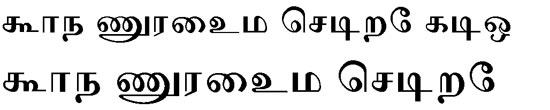
Tamil to English Dictionary: நெடு

This is the world's leading online source for english definitions/meanings, we have been helping millions of people improve their use of the tamil language with its free online services.


Write your word as a english and click to search button for the meaning of english language. It's a very simple & easy. use & enjoy....

அங்கி
angki (p. 5) s. A clock, long garment, gown, surplice, நெடுஞ்சட்டை. (c.) 2. (p.) A person, one with a body, அங்கத்தையுடை யவன், ex அங்கம், 3. p. The third lunar asterism of the Hindus, கார்த்திகை. 4. The thirteenth lunar asterism, அத்தநரள். 5. Fire, அக்கினி. 6. The god of fire, அக்கினி தேவன். அங்கி வழிபாடுகளியற்றுவன், I perform all rites due to fire, (பாரதம்). அங்கிதாரணை, s. The principle of fire as operative in the body. அங்கிநாள், s. The third lunar asterism. 2. The thirteenth lunar asterism, the day on which the god of fire was born. 26)
அடி
aṭi (p. 7) s. Source, origin, bottom, foundation, beginning, basis, ஆதி. 2. Lower part of a tree, mountain, page, &c., மரமுத லியவற்றினடி. 3. Lineage, ancestry, stock or family, descent, வமிசவழி. 4. Root or primitive of a word, the radical, முதனிலை. 5. A line in poetry, செய்யுளினோருறுப்பு. (See உறுப்பு). 6. A man's foot, கால். 7. A measure, twelve inches the length of a person's foot, also of a pace, step, ஓர்வகையளவு. 8. The print of a foot-step, foot-print, vestige, காற்சுவடு. 9. The sole of a sandal, shoe, &c., மிதியடியினடி. 1. Vicinity, neighborhood, nearness, proximity, சமீபம். 11. Underside, lower part, கீழ். (பஞ். 24.)-Note. There are five kinds of அடி as a metrical line. 1. குறளடி. 2. சிந்தடி. 3. அளவடி, or நேரடி. 4. நெடிலடி. 5. கழிநெடிலடி which see. அடிகொள்ள, inf. To begin, originate, be founded, தொடங்க. அடிகோல, inf. To lay a foundation for any building, அஸ்திவாரம்போட. 2. To take measures, undertake, make preparations, முயற்சிசெய்ய. அடிக்கடி, adv. Frequently, often repeatedly, reiteratedly, பலமுறை. அடிக்குடி, s. Suburbs; ex குடி, village. அடிக்குடில், s. The suburb of a town, 2. A village of the Vedda people. அடிக்குள்ளே. Within a moment, in the same moment, before the next step is taken. அடிச்சால், s. The first furrow in ploughing. அடிச்சீப்பு, s. The first formed and best plantains of the bunch. அடிச்சூடு, s. Heat felt in the sole of the foot when walking. அடிச்சேரி, s. Suburbs. See சேரி. அடிதலை, s. Order, regularity, வர லாறு. 2. Upside down, கீழ்மேல். 3. Beginning and end, ஆதியந்தம். அடிதலைதடுமாற்றம், s. Confusion, derangement, முற்றுந்தடுமாற்றம். அடித்தட்டு, s. The lowermost deck of a ship. அடித்தலம், s. Principal place, மு தலிடம். 2. Lower part, கீழிடம். 3. Foundation of a wall, அஸ்திவாரம். அடித்தழும்பு, s. The print of a footstep, vestige, காற்சுவடு. 2. The mark of a stripe, points of a rod, அடிபட்டதழும்பு. அடித்தளம், s. A ground-floor, தள வரிசைபோட்ட நிலம். 2. Lower part or foundation of a well, அடிப்பார். 3. Lower stratum or laying of a pile, அடிவரிசை. 4. The rear of an army, பின்னணி. அடிநா, s. The root or lower part of the tongue, நாவினடி. அடிபணிய, inf. To fall at one's feet, reverence, submit, obey, நமஸ்காரஞ்செய்ய. அடிபிடிக்க, inf. To get a clue to a thing, மூலத்தைப்பற்ற. 2. To pursue, பின்றொடர. 3. To discover one's footstep, காலடையாளம்பார்க்க. அடிபெயர, inf. To start, take a step, move from the spot where one stands, பேர. அடிப்பட, inf. To be in subjection, கீழ்ப்பட. அடிப்படுத்த, inf. To subdue, subject a country, a foe, bring into possession, கீழ்ப்படுத்த. அடிப்படை, s. The chief division of an army. 2. The first layer in a well, &c. அடிப்பட்டகாந்தி, s. one of the thirty-two kinds of prepared arsenic. அடிப்பட்டசாந்தி, s. Great meekness. அடிப்பட்டசான்றோர், s. Ancient sages. அடிப்பதற, inf. To tremble as the feet, கானடுங்க. 2. (fig.) [prov.] To fail in business, lose a situation, wife or property. 3. To be perplexed in consequence of failure, &c. அடிப்பந்தி, s. Head of the table or row of guests. அடிப்பலம், s. The first benefit or advantage received by a person, முதற்பலன். அடிப்பற்ற, inf. To be scorched-as rice by heat with want of water, &c., சுண்டுபற்ற, 2. To stick to the bottom of a vessel when boiling, அடியிலொட்ட. அடிப்பாடு, s. Path, way, beaten path, பாதை. 2. Usage, custom, பழக்கம். அடிப்பாய, inf. To leap as a child over a mark, play at leap-frog, தாண்ட. அடிப்பாரம், s. Ballast, the first layer of goods in a vessel. அடிப்பார்க்க, inf. To deliberate, think how to act யோசிக்க. 2. To measure time by the shadow, நிழலளந்து பொ ழுதுகுறிக்க. அடிப்பினை, s. Sand mixt with lead, வங்கமணல். அடிப்போட, inf. To begin, undertake, make the first effort, effect an object, தொடங்க. அடிமடக்கு, s. [in prosody.] Repetition of a word or words with different meanings in the beginning of a line, or the repetition of a line in a verse with different meanings, சித்திரக்கவியி லொன்று, as, ஆகங்கண்டகராலற்றவாடவர், ஆகங் கண்டகராலற்றவன்பினர். அடிமடி, s. A secret place in the waistcloth, உள்மடி. அடிமடை, s. The commencement of a water channel, முதல்மடை. அடிமண், s. The earth adhering to one's feet, taken for enchantments against him (வசியம்) or for witchcraft, காலிலொட்டியமண். அடிமயக்கு, s. Transposing the lines of a verse without destroying the sense, அடிமாற்றுகை. 2. A verse so formed, ஓர்பா, as, அங்கண்மதியமரவின்வாய்ப்பட்டென்ப, பூசல்வாயாப்புலம்புமனைகலங்கி. அடிமறிமண்டிலவாசிரியப்பா, s. One of the four kinds of ஆசிரியம், the lines of which are interchangeable at pleasure, the meaning remaining the same, ஓர்வகையாசிரியப்பா. அடிமறிமாற்றுப்பொருள்கோள், s. Construction in which the lines of a stanza are interchangeable, the harmony and meaning remaining the same, or the harmony only slightly affected. See பொருள்கோள், as, சுரையாழவம்மிமிதப்பவரையனை ய, யானைக்குநீத்துமுயற்குநிலையென்ப கானகநாடன் சுனை. அடிமுகனை, s. [vul.] Beginning-as of a story, &c. அடிமுடி, s. Order, regularity, வர லாறு. 2. From beginning to end, ஆதியந் தம். 3. Upside down, கீழ்மேல். 4. Head and foot, காலுந்தலையும். அடிமுரண்டொடை, s. One of the forty-three kinds of rhyme in which the first word of a line has a meaning opposite to that of the next, செய்யுட்டொடை யிலொன்று, as, இருள்பரந்தன்னமாநீர்மருங்கின், நிலவுகுவித்தன்னவெண்மணலொருசிறை, where darkness and moonlight are opposite. அடிமோனைத்தொடை, s. One of the forty-three kinds of rhyme in which each line begins with the same letter, ஓர் வகை மோனைத்தொடை. அடியடியாக, adv. [prov.] In succession, as the descent of title, &c., தலைமுறை தலைமுறையாக. அடியந்தாதி, s. A repetition in verse. See அந்தாதி. அடியளபெடை, s. Prolonging the sounds of long vowels at the beginning of every line, தொடைவிகற்பத்தொன்று. அடியறுக்கி, s. A flat piece of wood by which the potter marks his work and cuts it from the wheel below, மட்கலமறுக்குங்கருவி. அடியனாதி, s. Time immemorial, antiquity, தொன்றுதொட்டுள்ளகாலம். அடியார், s. [sing. அடியான்--அடி யாள்.] Slaves, servants as applied to devotees in reference to their deity, and used by persons of themselves in addressing superiors, to show respect, obedience or submission, தொண்டர். அடியிட, inf. To set on foot, commence an undertaking, a law suit, &c., தொடங்க. 2. To make a beginning in braiding--as the bottom of a basket, the first end of a mat, &c., பாய்முதலியவை முடைதற்கு அடியிட. அடியுரம், s. [prov.] Ancestral property, original stock. 2. Crop of a past year reserved for the sustenance of the following. 3. Manure put on the soil round a tree, &c., எரு. 4. Strength from food, power of wealth, &c.; ex உரம், strength. அடியெடுத்துவைக்க, inf. To begin to walk as children. அடியெதுகைத்தொடை, s. One of the forty-three kinds of rhymes in which the second letters of each line are of the same class, ஓரெதுகைத்தொடை. அடியேன், s. I your slave, your humble servant. அடியோடுகெட, inf. To be destroyed utterly, extirpated. அடியோட்டி, s. A triangular instrument with spikes, which, however placed, has one spike upward to pierce the feet of men or cattle; used in war, &c., a caltrop. அடிவயிறு, s. The lower part of the belly, the abdomen, கீழ்வயிறு. அடிவரலாறு, s. Source, principle, cause, காரணம். 2. Beginning, origin, bottom of a thing, தொடக்கம். 3. Ancient lines of ancestry, வமிசவரலாறு. அடிவரலாறாகத்தெரிதல். Understanding from the first. அடிவருட, inf. To chafe, stroke, or shampoo the legs of another. அடிவாரம், s. The foot of a hill, சாரல். அடிவானம், s. Horizon, திகாந்தம். அடிவிட--அடிவிரிய--அடிவிள்ள, inf. [prov.] To be cracked as the bottom of a chatty, &c. by use, அடியுடைய. அடிவைக்க, inf. To step, set a step, காலடிவைக்க. 2. To begin to walk as a child, நடக்கத்தொடங்க. 3. To intrude one's self into an affair, தலையிட. 4. To begin a work, ஆரம்பிக்க. மலையடிப்பட்டி, s. A village at the foot of a hill. சிற்றடி, s. A small or delicate foot.

அதிசரம்
aticrm (p. 11) s. Suspiration, sigh, நெட்டுயிர்ப்பு. (p.) 3) *
அயிரி
ayiri (p. 22) s. A knife for taking out the bones of fish, மீன்முள்ளரிகத்தி. 2. Long grass, நெட்டிப்புல். (p.) 22)
அயிரியம்
ayiriym (p. 22) s. A plant, நெட்டி, Aeschynemence aspera, L. 23)
ஆறு
āṟu (p. 43) s. A river, natural current, brook, channel or passage through shallows, a canal, நதி. (c.) 2. (p.) Way, road, path, mode, manner, rule, method, order, custom, circumstance, வழி. In this sense, in verse, the று, is sometimes omitted. 3. Morality, virtue, good conduct, way in a moral sense, the good or right way, ஒழுக்கம. சுரருலகெய்துமாறளித்தான. He endowed him with the bliss of the gods, or literally, granted that he should attain to the world of the gods. யான்வந்தவாசென்றியம்புதி Go and tell that I am come--ஆ for ஆறு. என்றவாறு. A form added to explanations of grammatical rules, &c., implying such is the meaning. ஆறலைக்க, inf. To rob in the highway, infest the road, வழிப்பறிக்க. (p.) ஆறலை--ஆறலைப்பு, v. noun. Highway-robbery, street-robbery, வழிப்பறி க்கை. ஆறலைக்கள்வருமளியராயினார். Even the highway-robbers have proved friends. (நடை.) ஆறாடி, s. A lascivious, idle fellow, a vagabond, a pest. 2. One not to be relied on, a changeling, man without character. ஆறுகட்ட, inf. To construct a dam across a river, construct the banks of a river. ஆறுகாட்டி, s. A guide, pilot, வழிகாட்டி. ஆறை--ஆற்றூர், s. The name of a town in the Carnatic. (p.) ஆறைநகர்காவலன், s. The king of that town. ஆற்றங்கரை, s. The bank of a river, shore of a river. ஆற்றிடைக்குறை, s. Blank, or dried spots in a river, an inlet, ait, அரங் கம்; [ex இடை, intermediate, et குறை, wanting.] ஆற்றிடைப்பட, inf. To be in the way, வழியிலிருக்க. 2. To meet in the way, வழியெதிர்ப்பட. (p.) ஆற்றுக்காலாட்டியர், s. Agricultural women of low caste, உழத்தியர். (p.) ஆற்றுக்கால், s. A dike, channel for conveying water to the fields, ஆற்று வாய்க்கால். ஆற்றுச்சுழி, s. A whirlpool, vortex, ஆற்றுநீர்ச்சுழி. ஆற்றுச்செருப்படி, s. A small water-plant, ஓர்பூடு. ஆற்றுணா, s. Rice tied up for a journey, கட்டுச்சோறு. (p.) ஆற்றுத்தும்மட்டி, s. Colocynth, பேய்க்கொம்மட்டி, Citrullus colocynthis, L. ஆற்றுநீர்ப்பொருள்கோள், s. The natural construction of a sentence. See பொருள்கோள். ஆற்றுநெட்டி, s. The நீர்ச்சுண்டி, a water-plant, Aeschynomene paludosa. ஆற்றுப்பச்சை, s. A curious, greenstone--one of the one-hundred-andtwenty kinds of minerals--as நாகப்பச்சை. ஆற்றுப்படுத்த, inf. To lead, direct or conduct a person into the right way, வழிப்படுத்த. 2. To give advice, to conduct into the path of virtue, நன் மார்க்கத்திலுட்படுத்த. (p.) ஆற்றுப்படை, v. noun. The act of conducting, directing, &c., either physically or morally. 2. A poem, the object of which is to conduct one to a superior. விறலியாற்றுப்படை, s. A songstress directing another to a benevolent man. பாணராற்றுப்படை, s. A singer directing another to a patron. கூத்தராற்றுப்படை, s. An actor on the stage directing another to a generous man. பொருநராற்றுப்படை, s. A buffoon directing another to a prince. ஆற்றுப்பாசி, s. A water-plant, ஓர்பூடு, Caulinia indica, L. ஆற்றுப்பித்தல்--ஆற்றோரம், s. Side or bank of a river. ஆற்றுப்பூவரசு, s. A tree, ஓர்மரம், Trewia nudiflora, L. ஆற்றுப்பெருக்கு, s. A swelling of a river. ஆற்றுமடை, s. The channel or bed of a river, ஆற்றுக்காலின்மடை. ஆற்றுமரி, s. A shrub, நீருமரி. ஆற்றுமல்லிகை, s. A species of the Arabian Jasmin, ஓர்மல்லிகை, Jasminum sambac. ஆற்றுமுகத்துவாரம், s. The mouth of a river. ஆற்றுமுள்ளி, s. A thorny plant growing by the river, ஓர்பூடு, Dilivaria ilicifolia. ஆற்றுமேலழகி, s. A plant, ஓர்பூடு, Celsia coromandeliana, L. ஆற்றுவாளை, s. A river-fish. See வாளை. ஆற்றெதிர்ப்பட, inf. To meet on the road. ஆற்றொழுக்கு, v. noun. The flowing of a river, stream, current, ஆற்றுநீரோ ட்டம். 2. Rules following each other in regular and natural order, (lit.) the flowing of a river--one of the four aspects of a grammatical rule. See சூத்திர நிலை. தீயாறுடையான், s. An immoral man. நல்லாறுடையான், s. A moral person, one whose conduct is agreeable to rule. சிற்றாறு, s. A rivulet, a brook. 66)
ஆள்
āḷ (p. 43) --ஆளு, கிறேன், ஆண்டேன், வேன், ஆள, v. a. To rule, reign, exercise royal power, whether supreme or delegated, அரசுசெய்ய. 2. To possess and employ slaves, அடிமையாள. 3. To possess and enjoy the produce of land, the use of a house, &c., ஆட்சிசெய்ய. 4. To govern a wife, household, &c., குடும்பத்தையாள. 5. To accept, adopt--as a servant, slave, &c., receive into protection, ஆட்கொள்ள. 6. To use, establish usage--as in language, மொ ழியாட்சிசெய்ய. 7. To cherish, maintain, cultivate, exercise, ஓம்ப. 8. To manage, direct, கையாள. (c.)--Note. An appellative affix is formed from ஆள் by adding அன், for the singular, and அர் for the plural-as பகையாளன், a foe; பகையாளர், foes. ஆளமாட்டாதவனுக்குப்பெண்டேன்? What does he want with a wife, who cannot govern her? எடுத்தாளாதபொருளுதவாது. A thing not used becomes useless. என்னைமகிழ்வாலிசைந்தாளில். If thou receivest me with cheerfulness into thy protection. நட்பாள்பவர். Those sincerely united in friendship. யாமத்துமாளுந்தொழில். Employed even by night. (குறள்.) சான்றோராலாளப்பட்டசொல். A word used by the learned ancients. மன்னுயிரோம்பியருளாள்வார். They who cherish and exercise charity toward all living. அல்லலருளாள்வார்க்கில்லை. Evil cannot assail the charitable. ஆண்டவன்--ஆண்டான், appel. noun. A ruler, governor, lord, master, ஆள்வோன். ஆண்டி, s. [fem. ஆண்டிச்சி.] A religious mendicant of the Siva sect, a devotee, சிவனடியான். 2. A ruler, an appellative of the deity, transferred to the devotee. ஆண்டை, s. [fem. ஆண்டைச்சி.] A master, lord, landlord--as spoken by low castes, in reference to their feudal chief of superior caste, எசமானன். சத்தியமாய்்ச்சொல்லுகிறேனாண்டைகேளீர். My lord, listen to me; I will confess the truth. (ஞானவெட்.) ஆட்சி, v. noun. Possession, heritage, inheritance, title, உரிமை. 2. Government, domination, rule, reign, ஆளு கை. 3. Use, practice, occupancy, usage-especially in language by classical writers, வழக்கம். ஆட்சித்தானம்--ஆட்சிராசி, s. [in astrology.] One of the five situations in which a planet has government--that of its being in a sign deemed its own, during which it exerts special benignity --an occurrence favorable to the birth of a child, &c. ஆட்சிப்பட, inf. To become one's right by long possession, தற்கிழமை யாக. நெடுநாளாயவனுக்காட்சிப்பட்ட தெய்வம். A spirit or demon that has long been subject to him, or with which he has long been familiar. ஆட்சிப்படுத்த, inf. To secure a title by long possession, தற்கிழமையாக்க. ஆளுகை, v. noun. Rule, government, domination, authority. ஆளுகைசெய்ய, inf. To exercise government. ஆள்வாரில்லாமாடு, s. A cow or bull appropriated to a temple, which is left to stray as it likes; such are well received and fed. 59)
இடறு
iṭṟu (p. 45) கிறேன், இடறினேன், வேன், இடற, v. a. To kick off or away, to sever or strike off a head, a limb, &c., with the foot, a bent bow, &c., பெயர்க்க. 2. v. n. To stumble, trip, strike the foot against, தடக்க. இடறொட்டமெனநெடியவரையுருட்டி. Rolling the towering mountains, as one might dash to pieces a pot-sherd with his feet. (இராமா.) கரடியிடறிவிளையாடுஞ்சுரம். The forest where the bear plays, knocking about (the fruits, &c.) with his feet. பரிகாரர்தலையிடறி. (An elephant) striking off the heads of horsemen. (பெரியபுராணம்.) காலிடறிவிழுந்தான். He stumbled and fell. பகைவரின்தலையையானையின்காலினாலிடறுவித்தான். He caused the heads of the enemies to be struck off, with the foot of an elephant. இடறுகட்டை, s. A stumbling block, hinderance, an obstruction. இடறல், v. noun. Stumbling, tripping. 2. Offence, scandal. இடறற்பட, inf. To take offence, to be offended, be hindered. 76)
இரு
iru (p. 50) க்கிறேன், ந்தேன், ப்பேன், க்க, v. n. To sit, sit down, உட்கார. 2. To live, be alive, exist, உயிர்வாழ. 3. To abide, reside, dwell, sojourn or stay in an appropriate place--as men in houses--beasts in the forest--fishes in water, &c., தங்க. 4. To be, wait, remain, be present, be at hand, சமுகத்திலிருக்க. 5. To be in reserve, in store, to remain--as an overplus, மீந்திருக்க. 6. To be ready, prompt, waiting for any duty or project, to be on the point of acting, going, &c., ஆயத்தமாயிருக்க. 7. To settle in a place, become fixed, established, நிலைபெற. 8. To last, remain, continue, endure, நீடி க்க. (c.) With என்று prefixed, it expresses expectation, desire, &c.--as வருவானென்றி ருக்கிறோம். We expect him. In the past tense with the gerund of a verb it serves to express the plu-perfect tense of that verb--as வந்திருந்தான். He had come. The gerund is often used with the locative and expresses the idea of procession--as நகரத்திலிருந்துநீங்கினான். He departed from the city. Sometimes இருந்து is an expletive (அசைச்சொல்)--as எழுந்திருந்தான். He is risen. இரு இரு. Wait, wait. 2. Sit down. இருக்கச்சொல்லியும்போய்விட்டான். Although I told him to wait, he went away. இருக்கட்டும் இருக்கட்டும். Let it be (emphatically). இருக்கிறதவ்வளவுதான். That is all there is. இருந்தல்லவோபடுக்கவேண்டும். Is it not necessary to sit before lying down? a phrase used to express the necessity of caution or deliberation in any pursuit. இருந்தாற்போலே செத்துப்போனான். He died unexpectedly. இருந்திருந்துகாரியமிறுகிக்கொண்டது. The case has at length assumed a serious aspect. மீன்பிடிக்க இருக்கிறான். He is about to go afishing. அவனின்னமிருக்கிறானா? Is he still alive? Is he still there, not gone yet? காரியமிப்படியிருக்கிறது. Such is the state of affairs. அந்தத்துரையிருக்கிறநாளிலே. During the period of that governor. நெடுநாளிருப்பார்கள். They will live long. 2. They will remain here long. அதுமெய்யென்றிருந்தேன். I thought it was true. அவனிருந்தாகிறதென்ன? அவனிருந்தும்பயனெ ன்ன? Of what use is he? இருக்கை, v. noun. Sitting, உட் கார்ந்திருக்கை. 2. A seat, ஆசனம். 3. Being, a state, or condition of being--chiefly applicable to the human species, இருப்பு. 4. s. (p.) Residence, dwelling, situation, இருப்பிடம். 5. A town, village, ஊர்ப் பொது. இருப்பு, v. noun. Sitting, mode of sitting--as of ascetics, &c., இருக்கை. 2. Being, condition state of being--chiefly of the human species, நிலை. 3. s. Residence, abode, dwelling, வாசஸ்தலம். 4. The appropriate place of any person or thing, the place where a person or thing is established, உரியவிடம். 5. A seat, பீடம். 6. Surplus, balance in hand, remainder of cash in hand after an expenditure, கையிருப்பு. 7. Money in reserve, amount in a treasury, பொக்கசத்திருப்பு. 8. Remaining commodities, residue, மீந்திருப் பவை. 9. Stores, merchandise, wares, சரக்கிருப்பு. அவனிருந்த இருப்பிலே சம்பாதித்துக்கொண்டா ன். He acquired his wealth in one place; i. e. without running hither and thither. உன்னிடத்திலின்ன மிருப்பென்ன? How much still remains in your hand (in money or goods)? அவனிடத்திலிருப்பிருக்கிறது. He has got money in hand. இருப்பிடம், s. Habitation, place of residence, appropriate, customary or established place of a person or thing, உறைவிடம். 2. The seat, the posteriors, ஆசனம். இருப்புப்பார்க்க, inf. To see how mush still remains in the store. 60) *
இழு
iẕu (p. 55) க்கிறேன், த்தேன், ப்பேன், க்க, v. a. To draw, pull, haul, drag, tug, drag to justice, to drag along the ground, ஈர்க்க. 2. To attract--as a magnet, ஊசி முதலியவீர்க்க. 3. To attract--as a snare, to entice, allure, inveigle, seduce, draw over to one's interests, வசமாக்க. 4. To strain, stretch, lengthen or attenuate by pulling, to draw out, நெடுகச்செய்ய. 5. To drag one into an affair, to cite, force one to court, &c., to drag one's name, &c. in support of an argument or practice, வலிகக. 6. To upbraid, drag out one's faults to view, to cast reproaches, insults, &c., புறத்திலிழு க்க. 7. To draw into, swallow up, engulph --as a stream, a whirl-pool, a whirl-wind, சுழித்துவாங்க. 7. To absorb--as a sponge, to absorb humors from the body, to draw-as a medicine or plaster, உறிஞ்ச. 8. To draw out the voice, lengthen the sound properly in singing, to draw in speaking, reading, &c., நீட்டிப்பேச. 9. To strain muscularly, distort the features or limbs in spasms, &c., to have the cramp, to be convulsed; in this sense, it is often used impersonally, வலியிழுக்க. 1. v. n. To linger, to be protracted, தாமதிக்க. இழுத்துப்பாடு. Sing, dwelling on the notes. தாய்வருமளவும்பேச்சிழுத்தாள். She protracted, continued the conversation, till her mother came. அந்தவழக்குவெகுபணமிழுத்துப்போட்டது. That law-suit has swallowed up a great deal of money. காரியமிழுத்துக்கொண்டுவருகின்றது. The affair is protracted, the business is delayed, being involved in various intricacies. இப்படியிழுத்துக்கொண்டுநின்றாலொன்றுந்தீராது. If you protract the matter so carelessly, you cannot expect a happy result. வழக்கிலேயிழுத்துவிட்டார்கள். They have dragged the matter into court. ஊர்க்காரியங்களையிழுக்க To make a long story, unnecessarily talking of other people's affairs. உன்காரியத்திலென்னையிழாதே. Do not draw me into your affairs, as a witness, party, &c. காரியத்திலிழுத்துக்கொண்டுநிற்கிறார்கள். They pull against or away from each other-as two parties, &c., they dissent, are unsettled (fig.), from the idea of two beasts tied together. இழுத்துக்கொண்டுவர, inf. To put off from day to day. என்கடனைத்தீர்க்காமலிழுத்துக்கொண்டுவருகிறான். He delays to pay the debt he owes me. இழுத்துப்பேச, inf. To speak drawlingly. இழுத்துவலிக்க, inf. To draw in a rope, or cord--as attached to a net, paper-kite, &c. இழுத்துவிட, inf. To put off, to protract, to delay, continue putting off and never fulfilling. 2. To bring into court, indict, prosecute, expose to the public. மடியைப்பற்றியிழுக்க, inf. To seize one's lap and pull him. காலிழுத்துநடக்க, inf. To trail the leg in walking--as a lame man. இழுபறி, s. A scuffle, a struggle, strife, squabble, வாது. இழுப்பு, v. noun. Drawing, pulling, draught, a pull, a tug, a twitch, இழுக் கை. 2. Attracting, attraction, allurement, inviting, engaging. 3. Distortion of the limbs or features by convulsions, cramp, &c. 4. Absorption. 5. Draught or force of a current, wind, &c. 6. Procrastination, tardiness, protraction, suspense, uncertainty. The meanings of the verb generally are applicable also to the verbal noun. அதிலே முன்னிழுப்புப்பின்னிழுப்பில்லை. In that matter, there can be no dispute one way or the other. இழுப்பறை, s. A box in a case, a drawer. இழுப்பாட்டம், s. Tardiness, protraction, procrastination. இழுப்பாட்டியம், s. [prov.] Procrastination, protraction, tardiness, delay--used instead of இழுப்பாட்டம். இழுப்பாணி, s. [prov.] A delayer, postponer, lingerer. 2. A moveable peg that fastens the yoke to the beam of the plough. இழுப்புண்ண, inf. To be drawn unwillingly--as some persons when they are compelled to attend court; to be forced or dragged into an affair. 2. To be allured, seduced, decoyed; to be diverted from the business in hand, be tempted, be led away by lust, be ensnared, சிக்கிக்கொள்ள. இழுப்புப்பறிப்புப்பட, inf. [vul.] To scuffle, struggle, contend. 2. To pull one another--as persons intoxicated, or in play. இழுவல், v. noun. [prov.] The act of drawing. 2. Putting off, lingering, delaying, postponing. 3. One who neglects his own affairs and busies himself with those of others. அவனொரு இழுவல். He is a busy-body, drawn into every one's business. இழுவை, v. noun. A being drawn, draught, இழுப்பு. 2. Any thing drawn-as a draught of thorns, timbers, fishes, &c., இழுக்கப்பட்டவை. 3. A long rope for draught, இழுக்கும்வடம். 4. The mark or point made on the ground by a thing drawn, சுவடு. இழுவைகண்டாலடிப்பார்க்கிறதேன்? When the track in which the thing was dragged is plain, why look for footsteps? 37)
உடல்
uṭl (p. 59) s. Body--human or brute, bodily constitution--one of the three obstacles to piety, சரீரம். 2. (p.) A consonant, மெய்யெழுத்து. 3. Gold, பொன். மறுப்படாவுடலேழுபொதிதந்துநீவாழியே. Do thou prosper giving (me) seven bags of gold. உடலிரண்டுயிரொன்று. A shellfish, கிளிஞ்சில். 2. Intimate friendship-two bodies but one life, சிநேகம். உடலிலான், s. Kama, the Hindu cupid, காமன். (p.) உடலெடுக்க, inf. To take a body, to be born. 2. [prov.] To fatten, become fat or fleshy--as cows. உடலெரிவு, s. Smarting or burning sensation all over the body. உடலெழுத்து, s. An inanimate letter, a consonant. உடல்வாசகம், s. The body of a writing in bonds, &c., exclusive of signatures and of a letter exclusive of salutation, &c., நெட்டெழுத்துவாசகம். உடல்வேலை, s. Body of a work, chiefly applied to painting or other ornamental work, பரும்படியானவேலை. உடற்கருவி, s. Body armor. உடற்குறை, s. A headless body, முண்டம். 2. Any blemish in the body, உறுப்புக்குறை. உடற்கூறு, s. Anatomy, the component parts of the human system, சரீ ரக்கூறு. உடற்கூற்றுத்தத்துவம், s. The principles of anatomy or the description of the component parts of the body. உடற்கொழுப்பு, s. A disease which creates a dislike to food. உடற்றழும்பு, s. A scar, a cicatrice, the mark of a stroke or blow, உடலின்மறு. குதிரையுடலன், s. [prov.] A bull having his belly straight and narrow as that of a horse. 84)
உன்
uṉ (p. 69) --உன்னு, உன்னுகிறேன், உன் னினேன், உன்னுவேன், உன்ன, v. a. To think, consider, exercise volition, to be anxious, நினைக்க. 2. To exert force--as in rising, leaping, &c., விரைந்தெழும்ப. 3. To pull, இழுக்க. 4. [prov.] To propel a swing by the joint effort of two persons stationed on opposite sides, உந்த. குதிரையுன்னிப்பாய்ந்தது. The horse sprang and leaped. பேசவுன்னுகிறான். He is just on the point of speaking (his mouth open, the words on his tongue, &c.). ஊ, s. One of the long vowels, நெட்டுயிரெழுத்திலொன்று. 2. A termination of the gerund in poetry, வினையெச்சவிகுதி-as உண்ணூ. 3. Flesh, meat, தசை. (p.) 4. (c.) An exclamation--as of pain, ஓரொ லிக்குறிப்பு.
உயிர்
uyir (p. 63) க்கிறேன், த்தேன், ப்பேன், க்க, v. n. To live, revive, come to life--as one dead; to be restored to life or feeling--as a benumbed or injured limb, to be reanimated, &c., உயிரடைய. 2. (p.) To breathe, respire, மூச்செறிய. 3. To blow or move--as a soft wind; to become diffused--as odors, வீச. 4. v. a. To issue, emit fragrance, &c., exhale, eject, discharge, set at liberty, வி டுக்க. 5. To give birth to, yield, produce, ஈன. 6. To smell, மோக்க. அவள்கருவுயிர்த்தாள். She has borne a child. மருவுயிர்க்குநறுந்துளவு. The fragrant Tulasi (Ocimum sanctum), which emits odor. (பாரத.) உயிர்த்தெழ, inf. To rise to life, to be restored to life, be reanimated, உயிரடைந்தெழ. உயிர்ப்பன, s. Living creatures, சுவாசமுடையன. உயிர்ப்பிக்க, inf. To cause to live, raise, or restore to life, to revive, reanimate, resuscitate, பிழைப்பிக்க. உயிர்ப்பு, v. noun. Reanimation, revival, உயிர்க்கை. 2. s. Breath, respiration, சுவாசம். 3. Wind, air, காற்று. 4. (fig.) Good smell, சுகந்தம். (p.) நெட்டுயிர்ப்பெறிய--நெட்டுயிர்ப்பு வீங்க, inf. To fetch a long breath, to sigh. 22)
உரை
urai (p. 65) s. Utterance, speaking, speech, பேச்சு. 2. A word, an expression, a sentence, a declaration, a saying, மொழி. 3. Explanation, interpretation, commentary, exposition, gloss, verbal renderings, &c., வியாக்கியானம். 4. Gold, பொன். 5. [in native lexicons.] The words for which synonymes of meanings are given, also the generic term of which the species are given, சொற்பயன். 6. Sound, ஒலி. 7. Eminence, உயர்ச்சி. 8. The written word, sacred writings, holy writ, as one of the three means of attaining knowledge, வேத மொழி; several kinds of உரை, or modes of explanation are given by Tamil Grammarians. The author of காரிகை has given four, viz.: 1. கருத்துரை, the main sentiment or scope of the text explained, also called தாற்பரியவுரை. 2. பதவுரை, verbal explanation, or interpretation, word by word, or clause by clause, also called கண்ணழிவுரை. 3. பொழிப்புரை, the substance of the text omitting rhetorical ornament, and adjuncts, or a free rendering of the text without interruption, also called பொழிப்புத் திரட்டுரை and பிண்டவுரை. --Note. The latter is the same as பதவுரை would be without the words of the text interspersed. 4. விரித்துரை, explanation at large, comment or exposition with proofs, illustrations, &c., also called அலகவுரை and விரியுரை; any of the preceding three, or any other kind of explanation may be included in this last. According to நன்னூல், உரை is divided into tow general classes, viz.: காண்டிகையுரை and விருத்தியுரை. 1. காண்டிகையுரை, brief exposition, or explanation of the text embracing five sub-divisions. (a) கருத்துரை, the scope of the text. (b) பதப்பொருள், verbal rendering being either as பதவுரை or as the scope and definition of பொழிப்புரை, given above, (c) உதாரணம், example for illustration. (d) வினா, anticipating objections, (lit.) proposing questions. (e) விடை, answering such objections or questions as may possibly occur. 2. விருத்தியுரை, copious or complete explanation embracing fourteen sub-divisions. 1. பாடம், giving the text or verse to be explained with different readings and choice exposition. 2. கருத்துரை, the general scope, or import of the text, as in காண்டிகை. 3. சொல்வகை, giving the parts of speech, or showing the grammatical connection when necessary to clear away obscurities. 4. சொ ற்பொருள், giving equivalent, literal words, or clauses as பதப்பொருள், in காண்டிகை, verbal renderings, &c. 5. தொகுத்துரை, a free rendering of the text as பொழிப்புரை, above. 6. உதாரணம், illustration by examples, as above. 7. வினா, anticipating objections, or raising questions as before. 8. விடை, answering such objections or giving reasons in support of the statements in the text. 9. விசேடம், special explanation, particular remarks. 1. விரிவு, supplying ellipses as of cases or otherwise. 11. அதிகாரம், determining the meaning of doubtful terms by reference to the subjects under discussion, as belonging to such a head, &c., or according to another exposition pointing out the beginning and ending of the discussion of the different subjects respectively, the opinions of different commentators. 12. துணிவு, deciding the meaning of terms concerning which there may be diversity of opinion. 13. பயன், inference, applications or recapitulation to show what is to be learnt by the text. 14. ஆசிரியவசனம், quotations, or textuary proofs from other authors. (p.) உரைகட்ட, inf. To comment on a work. உரைகாரன், s. A commentator, expositor, உரையாசிரியன். உரைக்கோள், s. The construction given by the commentator to the text, உரைகாரன்கருத்து. உரைசெய்ய, inf. To speak, declare, பேச. To make a commentary, வியாக்கியானம்பண்ண. உரைநூல், s. A work on which a commentary has been written, உரைபெற் றநூல். உரைபாடம்--உரையேடு, s. A work with its commentary. உரையாசிரியன், s. [used honorifically] A commentator, உரைகாரன். உரையாட, inf. To say, speak, tell, சொல்ல. 2. To converse, dispute, பேச. (p.) என்றுரையாடி நெடுங்கடல்வண்ணனெழுந்தருள. Having said thus, Vishnu who wears the color of the broad sea condescended to start--(பார.) உரையாயிருக்க, inf. To be in prose. உரையிலக்கணம், s. Rules for making commentaries. There are five according to சதுரகராதி, viz.: 1. பதம். 2. பதப்பொருள். 3. வாக்கியம். 4. வினா. 5. விடை. உரையிற்கோடல், v. noun. Additions to a text by a commentator--one of the உத்தி. உரையெழுத, inf. To write a commentary. உரைவன்மை, s. Eloquence, oratorical power, சாதுரியப்பேச்சு. 2. Forcible language that cannot be controverted, சொற்றிட்பம். உரைவாசகம், s. Prose composition, discourse, language. பாட்டுமுரையும், s. A poem with commentary. திருவள்ளுவருரை, s. The explanation of Tiruvalluvar's book. 58)
ஊளா
ūḷā (p. 71) --ஊளி, s. A kind of fish, நெடுவாய். (Rott.) 7)
Random Fonts
Sundaram-0807 Bangla Font
Sundaram-0807
Download
View Count : 22596
Tab Shakti-5 Bangla Font
Tab Shakti-5
Download
View Count : 10488
Sundaram-2865 Bangla Font
Sundaram-2865
Download
View Count : 21484
Akarathi Bangla Font
Akarathi
Download
View Count : 82106
Sundaram-0812 Bangla Font
Sundaram-0812
Download
View Count : 16206
Sundaram-0823 Bangla Font
Sundaram-0823
Download
View Count : 14742
Ananthabairavi Bangla Font
Ananthabairavi
Download
View Count : 25908
Singalam Bangla Font
Singalam
Download
View Count : 6899
TAU_Elango_Mohanam Bangla Font
TAU_Elango_Mohanam
Download
View Count : 13467
ELCOT-Trichy Bangla Font
ELCOT-Trichy
Download
View Count : 10556

Translation tools...

Privacy Policy   GDPR Policy   Terms & Conditions   Contact Us
Please like, if you love this website
close