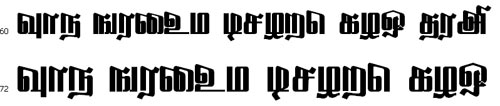
Tamil to English Dictionary: மோனை

This is the world's leading online source for english definitions/meanings, we have been helping millions of people improve their use of the tamil language with its free online services.


Write your word as a english and click to search button for the meaning of english language. It's a very simple & easy. use & enjoy....

அடி
aṭi (p. 7) s. Source, origin, bottom, foundation, beginning, basis, ஆதி. 2. Lower part of a tree, mountain, page, &c., மரமுத லியவற்றினடி. 3. Lineage, ancestry, stock or family, descent, வமிசவழி. 4. Root or primitive of a word, the radical, முதனிலை. 5. A line in poetry, செய்யுளினோருறுப்பு. (See உறுப்பு). 6. A man's foot, கால். 7. A measure, twelve inches the length of a person's foot, also of a pace, step, ஓர்வகையளவு. 8. The print of a foot-step, foot-print, vestige, காற்சுவடு. 9. The sole of a sandal, shoe, &c., மிதியடியினடி. 1. Vicinity, neighborhood, nearness, proximity, சமீபம். 11. Underside, lower part, கீழ். (பஞ். 24.)-Note. There are five kinds of அடி as a metrical line. 1. குறளடி. 2. சிந்தடி. 3. அளவடி, or நேரடி. 4. நெடிலடி. 5. கழிநெடிலடி which see. அடிகொள்ள, inf. To begin, originate, be founded, தொடங்க. அடிகோல, inf. To lay a foundation for any building, அஸ்திவாரம்போட. 2. To take measures, undertake, make preparations, முயற்சிசெய்ய. அடிக்கடி, adv. Frequently, often repeatedly, reiteratedly, பலமுறை. அடிக்குடி, s. Suburbs; ex குடி, village. அடிக்குடில், s. The suburb of a town, 2. A village of the Vedda people. அடிக்குள்ளே. Within a moment, in the same moment, before the next step is taken. அடிச்சால், s. The first furrow in ploughing. அடிச்சீப்பு, s. The first formed and best plantains of the bunch. அடிச்சூடு, s. Heat felt in the sole of the foot when walking. அடிச்சேரி, s. Suburbs. See சேரி. அடிதலை, s. Order, regularity, வர லாறு. 2. Upside down, கீழ்மேல். 3. Beginning and end, ஆதியந்தம். அடிதலைதடுமாற்றம், s. Confusion, derangement, முற்றுந்தடுமாற்றம். அடித்தட்டு, s. The lowermost deck of a ship. அடித்தலம், s. Principal place, மு தலிடம். 2. Lower part, கீழிடம். 3. Foundation of a wall, அஸ்திவாரம். அடித்தழும்பு, s. The print of a footstep, vestige, காற்சுவடு. 2. The mark of a stripe, points of a rod, அடிபட்டதழும்பு. அடித்தளம், s. A ground-floor, தள வரிசைபோட்ட நிலம். 2. Lower part or foundation of a well, அடிப்பார். 3. Lower stratum or laying of a pile, அடிவரிசை. 4. The rear of an army, பின்னணி. அடிநா, s. The root or lower part of the tongue, நாவினடி. அடிபணிய, inf. To fall at one's feet, reverence, submit, obey, நமஸ்காரஞ்செய்ய. அடிபிடிக்க, inf. To get a clue to a thing, மூலத்தைப்பற்ற. 2. To pursue, பின்றொடர. 3. To discover one's footstep, காலடையாளம்பார்க்க. அடிபெயர, inf. To start, take a step, move from the spot where one stands, பேர. அடிப்பட, inf. To be in subjection, கீழ்ப்பட. அடிப்படுத்த, inf. To subdue, subject a country, a foe, bring into possession, கீழ்ப்படுத்த. அடிப்படை, s. The chief division of an army. 2. The first layer in a well, &c. அடிப்பட்டகாந்தி, s. one of the thirty-two kinds of prepared arsenic. அடிப்பட்டசாந்தி, s. Great meekness. அடிப்பட்டசான்றோர், s. Ancient sages. அடிப்பதற, inf. To tremble as the feet, கானடுங்க. 2. (fig.) [prov.] To fail in business, lose a situation, wife or property. 3. To be perplexed in consequence of failure, &c. அடிப்பந்தி, s. Head of the table or row of guests. அடிப்பலம், s. The first benefit or advantage received by a person, முதற்பலன். அடிப்பற்ற, inf. To be scorched-as rice by heat with want of water, &c., சுண்டுபற்ற, 2. To stick to the bottom of a vessel when boiling, அடியிலொட்ட. அடிப்பாடு, s. Path, way, beaten path, பாதை. 2. Usage, custom, பழக்கம். அடிப்பாய, inf. To leap as a child over a mark, play at leap-frog, தாண்ட. அடிப்பாரம், s. Ballast, the first layer of goods in a vessel. அடிப்பார்க்க, inf. To deliberate, think how to act யோசிக்க. 2. To measure time by the shadow, நிழலளந்து பொ ழுதுகுறிக்க. அடிப்பினை, s. Sand mixt with lead, வங்கமணல். அடிப்போட, inf. To begin, undertake, make the first effort, effect an object, தொடங்க. அடிமடக்கு, s. [in prosody.] Repetition of a word or words with different meanings in the beginning of a line, or the repetition of a line in a verse with different meanings, சித்திரக்கவியி லொன்று, as, ஆகங்கண்டகராலற்றவாடவர், ஆகங் கண்டகராலற்றவன்பினர். அடிமடி, s. A secret place in the waistcloth, உள்மடி. அடிமடை, s. The commencement of a water channel, முதல்மடை. அடிமண், s. The earth adhering to one's feet, taken for enchantments against him (வசியம்) or for witchcraft, காலிலொட்டியமண். அடிமயக்கு, s. Transposing the lines of a verse without destroying the sense, அடிமாற்றுகை. 2. A verse so formed, ஓர்பா, as, அங்கண்மதியமரவின்வாய்ப்பட்டென்ப, பூசல்வாயாப்புலம்புமனைகலங்கி. அடிமறிமண்டிலவாசிரியப்பா, s. One of the four kinds of ஆசிரியம், the lines of which are interchangeable at pleasure, the meaning remaining the same, ஓர்வகையாசிரியப்பா. அடிமறிமாற்றுப்பொருள்கோள், s. Construction in which the lines of a stanza are interchangeable, the harmony and meaning remaining the same, or the harmony only slightly affected. See பொருள்கோள், as, சுரையாழவம்மிமிதப்பவரையனை ய, யானைக்குநீத்துமுயற்குநிலையென்ப கானகநாடன் சுனை. அடிமுகனை, s. [vul.] Beginning-as of a story, &c. அடிமுடி, s. Order, regularity, வர லாறு. 2. From beginning to end, ஆதியந் தம். 3. Upside down, கீழ்மேல். 4. Head and foot, காலுந்தலையும். அடிமுரண்டொடை, s. One of the forty-three kinds of rhyme in which the first word of a line has a meaning opposite to that of the next, செய்யுட்டொடை யிலொன்று, as, இருள்பரந்தன்னமாநீர்மருங்கின், நிலவுகுவித்தன்னவெண்மணலொருசிறை, where darkness and moonlight are opposite. அடிமோனைத்தொடை, s. One of the forty-three kinds of rhyme in which each line begins with the same letter, ஓர் வகை மோனைத்தொடை. அடியடியாக, adv. [prov.] In succession, as the descent of title, &c., தலைமுறை தலைமுறையாக. அடியந்தாதி, s. A repetition in verse. See அந்தாதி. அடியளபெடை, s. Prolonging the sounds of long vowels at the beginning of every line, தொடைவிகற்பத்தொன்று. அடியறுக்கி, s. A flat piece of wood by which the potter marks his work and cuts it from the wheel below, மட்கலமறுக்குங்கருவி. அடியனாதி, s. Time immemorial, antiquity, தொன்றுதொட்டுள்ளகாலம். அடியார், s. [sing. அடியான்--அடி யாள்.] Slaves, servants as applied to devotees in reference to their deity, and used by persons of themselves in addressing superiors, to show respect, obedience or submission, தொண்டர். அடியிட, inf. To set on foot, commence an undertaking, a law suit, &c., தொடங்க. 2. To make a beginning in braiding--as the bottom of a basket, the first end of a mat, &c., பாய்முதலியவை முடைதற்கு அடியிட. அடியுரம், s. [prov.] Ancestral property, original stock. 2. Crop of a past year reserved for the sustenance of the following. 3. Manure put on the soil round a tree, &c., எரு. 4. Strength from food, power of wealth, &c.; ex உரம், strength. அடியெடுத்துவைக்க, inf. To begin to walk as children. அடியெதுகைத்தொடை, s. One of the forty-three kinds of rhymes in which the second letters of each line are of the same class, ஓரெதுகைத்தொடை. அடியேன், s. I your slave, your humble servant. அடியோடுகெட, inf. To be destroyed utterly, extirpated. அடியோட்டி, s. A triangular instrument with spikes, which, however placed, has one spike upward to pierce the feet of men or cattle; used in war, &c., a caltrop. அடிவயிறு, s. The lower part of the belly, the abdomen, கீழ்வயிறு. அடிவரலாறு, s. Source, principle, cause, காரணம். 2. Beginning, origin, bottom of a thing, தொடக்கம். 3. Ancient lines of ancestry, வமிசவரலாறு. அடிவரலாறாகத்தெரிதல். Understanding from the first. அடிவருட, inf. To chafe, stroke, or shampoo the legs of another. அடிவாரம், s. The foot of a hill, சாரல். அடிவானம், s. Horizon, திகாந்தம். அடிவிட--அடிவிரிய--அடிவிள்ள, inf. [prov.] To be cracked as the bottom of a chatty, &c. by use, அடியுடைய. அடிவைக்க, inf. To step, set a step, காலடிவைக்க. 2. To begin to walk as a child, நடக்கத்தொடங்க. 3. To intrude one's self into an affair, தலையிட. 4. To begin a work, ஆரம்பிக்க. மலையடிப்பட்டி, s. A village at the foot of a hill. சிற்றடி, s. A small or delicate foot.
அனு
aṉu (p. 33) s. [sans. அநு.] The jaws, mandibles, கதுப்பு. Wils. p. 968. HANU. 2. prep. Following close, succeeding, together, தொடர்ச்சி. 3. Alliteration in poetry. மோனை. 4. Like, equal to, சமம். 5. A prefix to words from the Sanscrit implying after, like, in the same manner, with, together with, severally, each by each, &c. Wils. p. 31. ANU. (p.) அனுகமனம், s. Accompanying, உடன்போகுதல். Wils. p. 31. ANUGAMANA. அனுகரணம், s. Imitation, doing a thing like another, ஒன்றுபோற்செய்கை. Wils. p. 31. ANUKARAN'A. அனுகரணவோசை, s. Imitative sound. அனுகூலம், s. Favor, auspices, kindness, propitiousness, விக்கினமின்மை. 2. Success, prosperity, the accomplishment of an object, a happy issue, consummation, காரியசித்தி. Wils. p. 31. ANUKOOLA. இரண்டுபேருக்கு மனுகூலம்போலே தோன்றி. Appearing favorable to both parties. அனுகூலப்பட, inf. To succeed, be successful. அனுகூலன், s. Patron, benefactor. 2. (சுவைக்கொத்து.) A husband who does nothing in breach of his faith to his wife-one of the four சிங்காரநாயகர். அனுகூலி, s. Patron, benefactor. அனுகோதம், s. (Anat.) Cerebellum. அனுக்கிரகம், s. Favor, grace, benignity, அருள். Wils. p. 32. ANUGRAHA. 2. Illumination of souls,--one of the five acts ascribed to Siva, பஞ்சகிருத்தியத்தொ ன்று. See கிருத்தியம். அனுக்கிரககர்த்தா, s. The gracious Creator. அனுக்கிரகஞ்செய்ய--அனுக்கிரகம் பண்ண, inf. To exercise favor, be merciful. அனுக்கிரகாங்குரம், s. The sprouting of grace. அனுக்கிரகிக்க, inf. To be gracious, benignant, to bestow favor, show kindness, grant, be propitious, அருள்செ ய்ய. அனுக்கிரகிப்பு, v. noun. Favoring, aiding. அனுக்கிரமம், s. Order, regularity, train, கிரமம். Wils. p. 31. ANUKRAMA. அனுசந்தானம், s. Search, inquiry, investigation, ஆராய்வு. 2. Meditation, contemplation (on an image of the deity) in the mind, விடாயோகம். Wils. p. 36. ANUSAND'HANA. அனுசந்தானம்பண்ண, inf. To fix an arrow in the bow, வில்லிலம்புபூட்ட. அனுசந்திக்க, inf. To contemplate, meditate, விடாதுதியானிக்க. 2. To attach constantly as the arrow to the bow, அம்பிடைவிடாமற்பிரயோகிக்க. அனுசரணம்--அனுசரணை, s. Custom, habit, usage, comformity to usage, as, அனுசாரம். 2. Cleaving unto, பற்றி நடக்கை. 3. Attention, kindness, உபசாரம். Wils. p. 36. ANUSARAN'A. அனுசரன்--அனுசாரி, s. A follower, adherent, சார்ந்தோன். 2. A companion, assistant, உதவிக்காரன். Wils. p. 32. ANUCHARA and ANUCHARIN. அனுசரிக்க, inf. To follow, practise, adhere to (a friend, a deity, religious opinion, &c.,) பின்பற்ற. 2. To worship, serve, reverence, வழிபட. 3. To celebrate, observe, keep a day, rite, &c., கொண்டாட. 4. To apply, wait upon, make persevering application to, சார. 5. To join one's party, embrace one's opinion, unite with one, become a proselyte to, சேர.--Note. Perseverance is always implied; [ex அனுசாரம்.] இராசாவை யனுசரித்துய்யப் பெற்றேன். By continual application to the king, I have obtained promotion. அனுசரிக்கை--அனுசரிப்பு, v. noun. Following, celebrating, worshipping, &c. அனுசன்--அனுசாதன், s. A younger brother, தம்பி. Wils. p. 32. ANUJA and ANUJATA. (p.) அனுசாரம், s. Adherence to custom, following after, accompanying, &c., தொடர்தல். Wils. p. 36. ANUSARA. 2. Retrogression of a planet, வக்கிரம். அனுட்டானம்--அனுஷ்டானம் s. Exercise of prescribed daily duties, performance of religions rites, அனுட்டி ப்பு; [ex அநு, according to, et ஸ்தா, to stay.] Wils. p. 36. ANUSHTANA. அனுட்டானச்செம்பு, s. A pure pot used in the daily worship. அனுட்டிக்க, inf. To perform religious rites and ceremonies--as fasting, penance, bathing, repeating incantations, &c. விரதமுதலியவனுசரிக்க. 2. To practise, habituate one's self, observe, விடாதுதொடர. துராசாரமனுட்டித்துக் கெட்டுப்போனான். By an evil course of life he was ruined. அனுட்டிப்பு, v. noun. Performing, practising, (religious rites, &c.) observance. அனுதினம் Daily, எப்பொழுதும். Wils. p. 32. ANUDINA. அனுதினமும், Day by day, every day. அனுபந்தசதுஷ்டயம்--அனுபந்தம், s. Union, connection, இயைபு. Wils. p. 34. ANUBUND'HA. The four அனுபந்தம் or properties of a book to be mentioned in the preface are, விடயம். contents; சம்பந்தம், order; பிரயோசனம், object; and அதிகாரி, persons for whom intended. அனுபல்லவி, s. The stanza immediately following the chorus in the species of verse called பதம். See முத்திரைப்பல் லவம். அனுபவம், s. Feeling, experience, enjoying or suffering the results of actions done in former births. Wils. p. 34. ANUB'HAVA. அனுபவப்பட, inf. To be realized, 2. To be attended with success. அனுபவிக்க, inf. To enjoy, suffer, experience good or evil, enjoy or suffer the effects of actions performed in former births, enjoy the benefit of, துய்க்க; [ex அனுபவம்.] சுகதுக்கங்களிரண்டையுமனுபவிக்கிறோம். We experience both joy and sorrow. ஒருவன்வீட்டைப்பிறனொருவன் பத்தாண்டளவும் யாவருமறியவனுபவித்தால் அவ்வீடவனதே. If any one have the possession of the house of another for ten years, and this be generally known, the house becomes his. அனுபவிப்பு, v. noun. Enjoying, suffering, experiencing. அனுபாகம், s. (Anat.) Maxillary portion; [ex ஹநு, jaw.] அனுபானம், s. A fluid vehicle in medicine, drink taken with or after medicine. 2. An ingredient to take with, or after medicines, as sugar, &c. Wils. p. 33. ANUPANA. அனுபூதி, s. A boon or blessing obtained from the Supreme Being connected with or leading to final bliss, divine knowledge, favor, grace in reference to divine things. 2. Superhuman knowledge ascribed to or obtained from Siva. Wils. p. 34. ANUB'HOOTI. 3. Sentiment, சிந்தனை. அனுபோகம், s. Experience, practice, அப்பியாசம். 2. Enjoyment or suffering, அனுபவம். 3. Delight, mutual delight, இன்பம். 4. Venery, புணர்ச்சி. அனுபோகிக்க, inf. To enjoy, have mutual delight, sexual intercourse, experience good or evil. அனுமதி, s. Assent, approbation, consent, சம்மதி. 2. Order, command, கட் டளை. Wils. p. 34. ANUMATI. அவருடைய அனுமதிப்படி. By his order or in his name. அனுமரணம், s. The voluntary death of a widow on the funeral pile with the deceased husband, உடன்கட்டையேறுகை. Wils. p. 34. ANUMARAN'A. 2. A system of architecture. See சிற்பநூல். அனுமானம், s. Inference, illation-one of the modes in logic of arriving at a conclusion, as from smoke to infer the presence of fire, காரியத்தாற்காரணமறிகை. Wils. p. 34. ANUMANA. Some reckon the following four kinds; viz.: 1. தன்பொருட் டனுமானம். 2. பிறர்பொருட்டனுமானம். 3. அன் னுவயவனுமானம். 4. வெதிரேகவனுமானம். In அளவை the four are; 1. ஏதுவனுமானம், inference of an existing cause from sight of the effect, as of fire from the appearance of smoke. 2. பொதுவனுமானம், inference of the existence of a thing or reality of a thing by the presence of another, which is not wholly conclusive but probable and consistent. 3. எச்சவனு மானம், inference of a past cause from a present effect--as fishes in the rivers show that torrents have fallen on the mountains. 4. முதலனுமானம், inference of a future effect from a present cause-as that rainy clouds will bring rain. Another. 1. பூர்வக்காட்சி, inference of a thing from previous knowledge of its properties--as when we see a flower, we identify it from its smell. 2. அனுமானவ னுமானம், inference from an inference--as when we infer that a man is learned from his mode of treating a subject. 3. ஆகமவனுமானம், inference from the rules of Agamas--as the punishment is owing to former deeds. 2. Doubt, hesitancy uncertainty, conjecture, சமுசயம். அனுமானப்பிரமாணம், s. one of the eight laws of evidence, inference, காரியத்தாற்காரணத்தைக்காட்டுவது. அனுமானிக்க, inf. To neigh as a horse, குதிரைகனைக்க. 2. To doubt, hesitate, சந்தேகிக்க. 3. v. a. To imagine, infer, understand or determine by inference, காரியத்தாற்காரணமறிய. அனுமானிதம், v. noun. The neighing of a horse. அனுமேயம், s. The thing sought to be known as fire which is infered from smoke. Wils. p. 34. ANUMEYA. அனுமை, s. [in logic.] Inference, conclusion from premises, அர்த்தாபத்தி. Wils. p. 34. ANUMA. 2. Front of the temples close to the back of the eye, கண்ணிமையினடி. அனுராகம், [ex ரஞ்ச, desire.] Attachment, fondness, faithful love of a husband and wife. Wils. p. 35. ANURAGA. அனுராகபோகம், s. Sexual enjoyment. அனுராகமாலை, s. A poem. அனுரூபம், s. Likeness, resemblance. Wils. p. 35. ANUROOPA. அனுலோமசன்--அனுலோமன், s. The child or descendant of a high caste father by a low caste mother; [ex லோய, hair of the body.] Wils. p. 35. ANULOMAJA. அனுவக்கிரம், s. The transit of a planet in retrogression into the preceding sign. அனுவக்கிரேஷ்டம், s. The quantity expressed by இஷ்ட, 3°ree; 2. அனுவதிக்க, inf. To repeat what has been said before, திரும்பச்சொல்ல. அனுவாதம், s. Repetition of a reason or argument--opposed to புரோவா தம், வழிமொழிகை. 2. Abuse, reviling, நிந்தி க்கை; [ex வத, to speak.] Wils. p. 35. ANUVADA. அனூர்த்துவாஸ்தி, s. (Anat.) Upper maxillary bone. 102)
இணை
iṇai (p. 45) s. Union, conjunction, communion, fellowship, இசைவு. 2. Comparison, parallel, similitude, resemblance, ஒப்பு. 3. (p.) Two things of a kind, a pair, couple, brace, துணை. 4. A companion, associate, partner, escort, protector, துணைவன். 5. Desire, இச்சை. 6. Women's hair, கூந்தல். இணையினெஞ்சமே. O! mind, debased beyond comparison. (வைராக்.) இறைகழலிணைமேவியவிமலர். Holy men who unite themselves to the feet of the Supreme Being. இணைக்கயல், s. A couple of carpfish, figures of which in gold, silver, &c., form one of the eight auspicious articles placed on special occasions as good omens, also as pleasing to the gods, அட் டமங்கலத்தொன்று. 2. One of the emblems of royalty, அரசசின்னத்தொன்று. இணைக்கல்லை, s. Two leaf-plates --as set before a religious mendicant or pandarum, while feeding him. இணைக்குப்போக, inf. [prop. இணை யாகப்போக.] To walk with another, to walk abreast. இணைக்குறளாசிரியப்பா, s. A kind of ஆசிரியப்பா, some of whose middle lines are shorter than the first or last line. இணைமணிமாலை, s. A poem consisting either of the kind of verses called வெண்பா and அகவல், or வெண்பா and கலித்துறை, in hundred verses and composed in accordance with the rule of அந்தாதி--one of the பிரபந்தம். இணைமுரண்டொடை, s. [in poetry.] A kind of ryhme where the first two feet in a line are opposed to each other either in word or meaning, ஓர்தொடை-as சீறடிப்பேரகலல்குல். இணைமோனைத்தொடை, s. A species of rhyme in which the first letters of each of the first two feet are the same. See தொடை. இணையசை, s. A compound metrical syllable, நிரையசை. இணையடி or கழலிணை, s. The two feet. இணையடிசூட, inf. To adorn, crown one's self with the feet (of the deity or guru) regarding them as flowers.--Note. To place the feet of another on one's head, is a figurative form for expressing great reverence, devotedness, respect, &c. இணையளபெடைத்தொடை, s. A verse in which the first letter of the first two feet is protracted. இணையிட்டுப்பார்க்க, inf. To compare one thing with another. இணையியைபுத்தொடை, s. The repetition of the same letter in the last two feet of any line. See தொடை. இணையெதுகைத்தொடை, s. [in poetry.] The rhyming of the second letters of the first two feet in each line. இணையெழுத்து, s. A substituted letter, போலியெழுத்து. இணைவிழைச்சு, s. Unchastity, unchaste desire, கற்பில்லாமை. (நீதிநெறி.) 2. Sexual desires, காமம். (p.) கண்ணினை, s. A pair of eyes. 138)
இனம்
iṉm (p. 57) s. Kindred, relations, connections, affinity, relationship, சுற்றம். 2. Class, kind, species, caste, sort, குலம். 3. Association (with persons), union, fellowship, சம்பந்தம். 4. A company, collective body, a society, association, கூட்டம். 5. Flock, herd, shoal, swarm, திரள். 6. Attendants of kings, royal household, அரசர்க் குறுதிச்சுற்றம். See உறுதிச்சுற்றம். இனக்கட்டு, s. Family ramifications, connections, உறவின்முறை. 2. Bond of union between relations, பந்துக்கட்டு. 3. Subordination, due respect, &c. among the several branches of a family, relative bonds, முறைமை. இனஞ்சனம்--இனத்தார்சனத்தார், s. Relations, kindred and connexions, சுற்றத்தார். இனமொழிவிடை, s. One of the five kinds of இறைபயப்பது--an indirect answer. இனமோனை, s. A rhyme where the letters which begin a line or foot are not the same as those of the next line or foot, but of the same class, இன வெழுத்தால்வருமோனை. If the letters are of the வல்லினம் class, the rhyme is called வல்லினமோனை; if of the மெல்லினம் class, the rhyme is மெல்லினமோனை; if of the இடையினம் class, the rhyme is இடையின மோனை. இனம்பிரிக்க, inf. To divide into classes. இனம்பிரிய, inf. To be separated from the company. இனவழி, s. Descent from the same line or ancestry. 2. Being related to the same breed of cattle. இனவெதுகை, s. A species of rhyme in which the second letters of each stanza are of the same class; it is of three kinds, வல்லினவெதுகை, மெல்லின வெதுகை and இடையினவெதுகை. இனவெழுத்து, s. Relative letters --as the hard letters are to their respective nasals, or vice versa; also letters formed from the same sources which in the consonants run in couplets through the alphabet, and the long vowels to the short, and vice versa, இன மாயுள்ளவெழுத்துக்கள். பாவினம், s. The three classes of poems which partake of the nature of each of the four out of five classes of poems called, தாழிசை, துறைவிருத்தம். 1. Those that have some of the properties of வெண்பா are வெண்டாழிசை or வெள்ளொத் தாழிசை, வெண்டுறை and வெளிவிருத்தம். 2. Those of ஆசிரியம் are ஆசிரியத்தாழிசை, ஆசிரி யத்துறை and ஆசிரியவிருத்தம். 3. Those of கலிப்பா are கலித்தாழிசை, கலித்துறை and கலி விருத்தம். 4. Those of வஞ்சிப்பா are வஞ் சித்தாழிசை, வஞ்சித்துறை and வஞ்சிவிருத்தம். மூவினம், s. The three classes of consonants--as வல்லினம், the six hard sounding consonants--as க், ச், ட், த், ப், ற். 2. மெல்லினம், the six soft sounding consonants--as ங், ஞ், ண், ந், ம், ன். and 3. இடையினம், the six middle sounding conconsonants--as ய், ர், ல், வ், ழ், ள். 43)
ஒருவு
oruvu (p. 83) கிறேன், ஒருவினேன், வேன், ஒருவ, v. a. To leave, avoid, recede from, relinquish, abandon, renounce, நீக்க. 2. v. n. To be excepted, to fail, vary, தவிர. 3. To go or turn aside, விலக. (p.) ஒருவாதுதனிவருமாய்விடின். If invariably it occurs alone-இறைமகன்கோதொரீஇக்கொள்கைமுதுக்குறைவு. It is wise in a prince to receive the allegations of his subjects, rejecting, nevertheless all that is false. ஒரூஉமோனை, s. One of the fortythree kinds of rhyme. See தொடை. ஒருவு, v. noun. Leaving, receding, avoiding, separation, renunciation, நீங் குகை. 21)
கடை
kṭai (p. 88) s. End, extremity, termination, conclusion, முடிவு. 2. A shop, bazaar, market, அங்காடி. 3. (p.) Inferiority, baseness, meanness, lowness, the least, lowest, or worst kind, &c., கீழ்மை. 4. Way, வழி. 5. Termination of a particle, வினையெச்சவி குதி. 6. Place, room, இடம். 7. A form of the seventh case used also with verbs, to express if, when, after, &c., ஏழனுருபு. 8. A door, a gate-way, வாயில். 9. The outer gate, புறவாயில். 1. The clasp or other fastening of a neck-ornament, பணிப்பூட்டு. 11. Side, பக்கம். நீத்தக்கடை. If he leave-- (குறள்.) ஈதலியையாக்கடை. If it be not possible to bestow-நள்ளிமுதற்கிள்ளிகடையாக. From Nalli to Killi (reigned sixty-four kings called சோழர்). நாயிற்கடையாநாயேனை. Me who am the most degraded of dogs-அவன்கடைச்சென்றான். He approached him. கடைகட்ட, inf. To close a shop, கடைசாத்த. 2. To suspend a work, to discontinue, to make an end of--spoken diminutively. கடைகாப்பாளர்--கடைகாவலர், s. Door-keepers, porters, வாயில்காப்போர். கடைகெட்டவன், s. [vul.] An abandoned person, a wretch, முழுதுங்கெட் டவன். கடைக்கண், s. The outside corner of the eye, கட்கடை. 2. A benign look, கடாட்சம். கடைக்கண்கிடைக்கவேண்டும். I am anxious to get a propitious look, glance of your eye. கடைக்கண்ணாற்பார்க்க, inf. To glance, look sidewise. 2. To cast a propitious or benignant look. கடைக்கண்பார்வை, v. noun. A side look, a glance. 2. A propitious or benignant look, approbation, a token of favor. கடைக்கனல்--கடையனல், s. The final deluge-fire, ஊழித்தீ. கடைக்காப்பு, s. The last verse in the poem called பதிகம்--as an invocation, &c. கடைக்காரன், s. A shop-keeper. கடைக்குடல், s. The lower part of the bowels, கீழ்க்குடர். கடைக்குட்டி, s. The youngest child, a term of fondness, கடைப்பிள்ளை. கடைக்குறை, s. Elision in the termination of a word--as கோல், for கோ லம். கடைக்கூட்ட, inf. To effect, to produce a result--as the actions of a former birth are supposed to do, வினைப் பயனுறுவிக்க. 2. To unite man and wife, or a male and female of the brute creation, as former deeds are imagined to do. கடைக்கூழை, s. A species of rhyme, ஓர்தொடை. 2. The rear division of an army, படைப்பின்னணி. See கூழை. கடைக்கொள்ளி, s. A fire-brand burnt to the end, குறைக்கொள்ளி. கடைக்கோடி, s. [vul.] The very extremity, the utmost limit, ஈறு. கடைசால், s. [prov.] The finishing of a business, முடிவு. 2. Stern of a vessel--also written கடையால். கடைசாலொதுக்க, inf. To finish a business in hand. கடைச்சங்கம், s. The third and last of the ancient Madura colleges consisting of forty-nine literati, இறுதிச்சங் கம். கடைச்சரக்கு, s. Curry stuff, spices, &c., drugs, medicines, &c., sold in the bazaar, கடையில்விற்கப்படுஞ்சரக்கு. கடைச்சன், s. The youngest son, கடைப்பிள்ளை. கடைஞர், s. The laboring caste in agricultural districts, மருதநிலமாக்கள். கடைதலைப்பூட்டு, s. An inverted construction in poetry, by which the last word in a verse is connected with the first, விற்பூட்டுப்பொருள்கோள். கடைதிறப்பு, v. noun. Opening a door. In erotics, the section which relates to an application made for the opening of a door to a coming or expected lover; or in war poems, to a warrior returning in triumph after a victory, கதவுதிறக்கை. (p.) கடைத்தடம், s. Gate-way, வாயில். (p.) கடைத்தரம், s. The last class, the lowest or worst kind, கீழ்த்தரம். கடைத்தலை--கடைத்தலைவாயில்-கடைத்தலைவாய்தல், s. The outer gate, the outer court or yard, தலைவாயில். கடைத்தெரு, s. A market-street, a bazaar, கடைவீதி. கடைத்தேற, inf. [prop. கடத்தேற.] To be saved, to escape all afflictions. கடைத்தேற்றம், s. [prop. கடத்தேற் றம்.] Salvation. கடைநாள்--கடைமீன், s. The twenty-seventh lunar asterism, இரேவதி. (p.) கடைநிலை, s. A poem uttered by holy persons coming from a distance to the hero of the poem at the door of whose residence they stand and desire the door-keeper to inform his master of their arrival, ஓர்பிரபந்தம். (See பிரபந்தம்.) 2. An outside door, புறவாயில். (நீதிநெறி.) 3. The last letter of a word or verse, ஈற்றெழுத்து. (p.) கடைநிலைத்தீபகம், s. A word at the end of a sentence understood in other parts--one of the தீவகம். கடைநிலையளபெடை, s. The rhyme in which the last letter of each verse is lengthened. கடைநிலையெழுத்து, s. [in grammar.] Letters proper to end a word, இறுதிநிலை. கடைபோக, inf. To end, terminate, conclude, முடிய. 2. To be fulfilled, நிறைவேற. கடைபோட--கடைவைக்க, inf. To set up a shop, open a shop. கடைப்பட, inf. To be inferior, below mediocrity, to be last in quality or estimation, degree or order, இழிவாக. 2. To be practicable, capable of completion, நிறைவேற. என்னாலிதுகடைப்படாது. This will not be completed by me. கடைப்பாடு, s. Determination, தீர் மானிப்பு. 2. Inferiority, baseness, இழிவு. கடைப்பந்தி, s. The lower end of a dining table or of a row of guests, கடைசிப்பந்தி. கடைப்பிடி, s. Bearing in mind, remembering, ஞாபகம். 2. Indelible impressions of gratitude for benefits received, of duties to be performed, of the importance of virtue and religion, மறவா மை. 3. Certainty, ascertainment, established truth, தேற்றம். 4. Firm belief in the essentials of religion serving as the hope and support of the mind in reference to a future state, the last grasp of the soul, உறுதி. 5. Firm determination, firm resolve, either for good or evil, கரும முடிக்குந்துணிவு. 6. Doctrines, truth firmly believed as necessary to salvation, உறுதி யானகொள்கை. கடைப்பிடிக்க, inf. To ascertain clearly, to know certainly, தெளிய. 2. To determine, resolve firmly, be decided in purpose either in a good or evil course, துணிய. 3. To remember, to bear in mind benefits, to be grateful, &c., to be deeply sensible of one's obligations for favor received, மறவாமலிருக்க. 4. To have an abiding sense of the importance of virtue and religion, சன்மார்க்கத்திலுறுதியாயி ருக்க. 5. To have an unwavering faith in the essentials of religion, to embrace or take firm hold of religious instructions, &c., தேவபத்தியிலுறுதியாயிருக்க. 6. To grasp, resort to--as the soul for its last refuge, பற்ற. 7. To provide, be provident, be economical, வீண்செலவுசெய்யாது வைக்க. (p.) கதவிலரேதற்சார்ந்தார்வண்ணங்கடைப்பிடியாதார். Unkind are they who are forgetful of the situation of their friends. (காரிகையுரை.) மற்றதன்கள்ளங்கடைப்பிடித்தனன்று. It is important to have an abiding sense of the wiles of Yama. வாழ்க்கைக்குவேண்டும்பொருளறிந்துகடைப்பிடி த்தலும். Knowing and duly providing all things necessary for her household-(குறளுரை.) நன்மைகடைப்பிடி. Persevere in good works. (ஔவை). கடைப்பிறப்பு, s. The meanest species of birth in any class of beings, இழிந்தபிறப்பு. கடைப்புணர்முரண்--கடைமுரண், s. A species of rhyme when the last foot of every line is of opposite meaning, ஓர்தொடை. கடைப்புணர்வு--கடைப்பூட்டு, s. [in jewelry.] Clasp, hasp, அணியின்கடைப் புணர்வு. கடைப்புத்தி, s. [prov.] Stupidity, இழிந்தபுத்தி. 2. A piece of folly, பின்புத்தி. கடைப்போக்கு, s. The flood-gate of tank. கடைமடக்கு, s. [in rhetoric.] Continued recurrence of the same words at the end of each line through a stanza, but with different meanings, சொல்லணி யிலொன்று. See மடக்கு. கடைமுறை, s. The last time, eventually, கடைசிமுறை. (நீதிநெறி. 48.) கடைமோனை--கடையாகுமோனை, s. (See மோனை.) A rhyme when the first letter of the last foot of every line is the same, ஓர்தொடை. (p.) கடையயல், s. [in grammar.] The penultimate, ஈற்றயல். (p.) கடையர், s. (fem. கடைசியர்--க டைச்சியர்.) Laboring classes in agricultural districts, மருதநிலமாக்கள். (p.) கடையழிய, inf. To be afflicted with a painful and lingering disease, to suffer extremely, வருந்த. 2. To be distressed with poverty, வறுமையுற. 3. To degenerate, கேடுற. கடையனல், s. The fire by which the world will finally be consumed. கடையன், s. A man of the lowest rank, இழிந்தோன். கடையாகெதுகை, s. A rhyme, ஓர்தொடை. (p.) கடையாட்டம், s. [prov.] Lingering in disease, excessive suffering from disease, வருத்தம். 2. Vexation, teasing, imminence, trouble, annoyance, உலைவு, lit. mean work. கடையாட்டப்பட, inf. To drudge, to be employed in mean work. 2. To linger in disease, suffer exceedingly, வ ருந்த. 3. To be vexed. harassed. &c.-as a nurse by troublesome children, உ லைய. கடையாணி, s. A linch-pin, அச் சாணி. 2. A peg or pin used to keep a tenon in a mortise, or for any similar purpose, பூட்டாணி. கடையாந்தரம்--கடையீறு, s. [vul.] The very last, the extremity, &c.--as கடைசி. கடையாயார், s. Persons of the lowest rank, இழிந்தோர். கடையால், s. Stern of a vessel, தோணியின்பிற்புறம். See கடைசால், usage. கடையிணைமுரண், s. A rhyme when the last two feet of a line are of opposite meanings, ஓர்தொடை. (p.) கடையிணைமோனை, s. A consonance of the first letters in the last two feet of each line in a verse. (p.) கடையீடு, s. Land of the poorest quality, கடைத்தரமானநிலம். கடையுணி, s. [prov.] A mean fellow who eats what he can beg or pick up-- a worthless being, இழிந்தோன். கடையுண்ண, inf. [prov.] To linger in disease, வருத்தப்பட. 2. To be stinted or weak in growth--as a child, நசுங்க. 3. To be neglected, abused, &c.-- as a book, a utensil, &c.; in this meaning it is a term of displeasure, இகழப்பட. கடையுவா, s. The full moon, பௌரணை. (p.) கடையெழுஞ்சனி, s. The twelfth asterism in which Saturn is considered malignant in his influence, உத்திரம். See சனி. கடைவழி, s. Final salvation, the last path. கடைவழிக்குதவும். It will avail for the salvation of the soul. காதற்றஊசியும்வாராதுகாணுங்கடைவழிக்கே. Be assured that even an eyeless needle will not accompany you in that sad hour. கடைவளர, inf. To be enlarged-said of the genitals of a cow, &c., before yeaning, ஈனுங்காலத்திற்குறிவிரிய. கடைவள்ளல், s. The last of the third class of liberal men--he who bestows charity from motives of ostentation, கேட்டபின்கொடுப்போன். கடைவாய், s. The corner or extremities of the mouth, வாயின்கடை. கடைவாய்நக்கி, s. A great miser, உலுத்தன், lit. he who licks the corners of his mouth. கடைவாய்ப்பல், s. The double teeth, the grinders, the back teeth. கடைவாய்வழிய, inf. To drivel at the corners of the mouth--as old people or persons asleep, வாய்நீரொழுக. கடைவிரிக்க, inf. To spread out goods for sale in a shop or market, கடைதிறக்க. கடைவீதி, s. A market-street. கடைவைக்க, inf. To place goods for sale in a shop or bazaar. 2. To open a shop on an auspicious day after the new-year, கடைதிறக்க. பலசரக்குக்கடை, s. A shop where commodities of various kinds are sold. மளிகைக்கடை, s. A wholesale ware-house. காசுக்கடை, s. An exchange. அடிக்கடை, s. The first shop in a market-street. மருந்துக்கடை, s. An apothecary's shop. கசாய்க்கடை, s. (Tel.) A butcher's shop. சாராயக்கடை, s. An arrack shop. கீரைக்கடை, s. A green-grocer's shop. சவுளிக்கடை, s. A cloth-merchant's shop. விரற்கடை, s. The breadth of a finger. மீன்கடை, s. Fish-market. 10)
கதுவாய்
ktuvāy (p. 91) s. A scar or seam of a wound, வடு. 2. [in poetry.] Alliteration, of which there are two kinds, மேற்கதுவாய் and கீழ்க்கதுவாய். See மோனைத்தொடை. (p.) 20)
கீழ்
kīẕ (p. 113) adj. Inferior, base, mean, low, vulgar, degraded, disgraceful, dishonorable, கீழ்மையான. 2. Downward, lower; infernal, கீழான. 3. Eastern, eastward, easterly, கிழக்கு. கீழுதடு, s. The lower lip, அதரம். கீழுலகம்--கீழுலகு, s. The nether worlds, seven in number. (See உலகம்.) 2. Hell, நரகம். கீழோர், s. The mean, the vulgar, கீழ் மக்கள். 2. Out-cast, சண்டாளர். கீழோராயினுந்தாழவுரை. Speak submissively even to inferiors. கீழ்க்கண், s. A look from under the eye-lids, an ogling, indirect or sly look, a glance askance, கீழ்ப்பார்வை. 2. The lower part of the eye, the part below the pupil, கண்ணின்கீழ்ப்பக்கம். கீழ்க்குரல், s. A low tone of voice, அடிக் குரல். 2. [in singing.] Bass, மந்தவொலி. கீழ்சாதி--கீழ்ச்சாதி s. A low caste, தாழ்ந்தசாதி. 2. A person of low origin or obscure birth, கீழ்ப்பிறப்பு. கீழ்த்தரம், s. An inferior kind, degree or class; inferiority, தாழ்வானதரம். கீழ்த்தரக்காரன், s. An inferior a low person. கீழ்த்தொடை, s. The lower part of the thigh. கீழ்போகம், s. [prov.] Cultivation of edible roots. கீழ்ப்பயிர், s. Grain or herbage in the shade or overtopped by another plant; under-plants, அடிப்பயிர். கீழ்ப்பாடு, s. The lower side, கீழ்ப்பக் கம். 2. Subordination, inferiority, அடக் கம். (Little used.) கீழ்ப்பாறை, s. A subterranean cell or cavern, கீழறை. (Rott.) 2. An understratum of rock, கீழிருக்கும்பாறை. கீழ்ப்புறம், s. The lower side, the underside, கீழ்ப்பக்கம். 2. The leeward or the leaning side of a vessel, தாழ்ந்தபக்கம். கீழ்மகன், s. A person of low caste, a mean person, இழிந்தோன். 2. The planet saturn, சனி. கீழ்மக்கள், s. Inferiors, low-caste people, the base, the vulgar, the ignorant, இழிந்தோர். கீழ்மாரி--கீழ்வாரி, s. Rain or thunder in the distance, towards the horizon. கீழ்மாரிகொள்ளுகிறது. It thunders at a distance. கீழ்மாரிகொண்டுமுழங்க, inf. To thunder near the horizon. கீழ்வயிறு, s. The lower part of the belly, abdomen, அடிவயிறு. கீழ்க்கதுவாயளபெடை, s. [in prosody.] One of the eight அளபெடைத்தொடை, in which the first letter of every foot in a line, except the penultimate, is prolonged in sound. கீழ்க்கதுவாயியைபு, s. [in prosody.] A rhyme in which the last letter of every foot of a line, except the second, is the same ஒரியைபுத்தொடை. கீழ்க்கதுவாயெதுகை, s. [in prosody.] A rhyme or தொடை, in which the second letter, of every foot of a line, but the penultimate, is the same, ஓரெதுகைத்தொ டை. கீழ்க்கதுவாய், s. [in prosody.] Rhyming or தொடை in every foot but the penultimate; and in இயைபுத்தொடை, in every foot but the second, கதுவாய்த்தொ டையினொன்று. கீழ்க்கதுவாய்முரண், s. [in prosody.] A rhyme or தொடை, in which the first word in every foot of a line, except the penultimate, has different meanings, முரண் டொடை. கீழ்க்கதுவாய்மோனை, s. [in prosody.] A rhyme or தொடை in which the first letter of every foot of a line, but the penultimate, is the same, ஓர்மோனைத்தொடை. கீழ்மை, v. noun. Lowness, meanness, inferiority, baseness, இழிவு. 2. Submissiveness, humbleness, தாழ்மை. கீழண்டை, s. [vul.] East. கீழைத்தெரு, s. The eastern street. கீழைப்புறம், s. The eastern side, part. கீழ்ச்சீமை, s. the eastern country. கீழ்வாடை, s. The north-east wind. கீழ்விதேகம், s. The eastern Videha country--one of the nine divisions of the known continent. See விதேகம். கீழ்காய்நெல்லி, s. A medicinal plant, கீழாநெல்லி, Phillanthus niruri. கீழ்பால், s. The east, கிழக்கு. கீழ்பூமி, s. The lower or nether parts of the earth, பூமியின்கீழ்ப்புறம். 2. The nether worlds, கீழுலகம். கீழ்ப்பக்கம், s. The east side. 2. The underside. கீழ்வாயிலக்கம், s. Fractional parts or denominations. 2. [modern usage.] Denominator of a fraction--opposed to மேல் வாயிலக்கம், the numerator. கீழ்வாய், s. The chin, மோவாய், சிவு கம். 2. arithmetic.] Vulgar fractions, fractional parts; sometimes fractional denominations, கீழ்வாயிலக்கம். 3. (local) Pudendum muliebre; posteriors, கீழ்த்தா னம். 43)
குழிப்பு
kuẕippu (p. 129) s. (See under the verb, குழி.) A peculiar harmonic rhythm in verse, in which the மோனை rhyming of the metrical feet are discarded, but the correspondence of the letters, or syllables, ending each foot and beginning the next forms a pleasing hormony--as in the following: அணியுடன்றபரி, பரியுடன்றகரி, கரியுடன்றகொடி, யணியுதேர்--மணியுடன்றதனு, தனுவுடன்றகணை, கணை யுடன்றகரை, மலிதாப் பிணியுடன்றவம, ரமருடன்றவு ட, லுடலுடன்றவுயிர், பிரிதாப்--பணியுடன்றகுய, வுய ருடன்றபடை, படையுடன்றமறை, யாசனால். The horses chafed on their bits--The elephants were rendered impetuous by the horses--The cars, decked with flags, were violently propelled by the elephants--The bows tinkled with their bells--The arrows were shot forth from the bows--The blood gushed from the arrows' wounds--The battle fiercely raged--The bodies were sore smitten in the battle--The souls separated and fled from the bodies. Thus the pious chief (Joshua), high raised on his jewel-decked chariot, vanquished the opposing hosts. Here, the feet are not regarded, but குழிப்பு forms the harmony. The variety used is தனதனந்ததன--தனதனந்ததன--தனதனந்த தன--தனதனா. (Besch. Shen. Tam. Gram.) 2)
கூழை
kūẕai (p. 136) s. [the proper spelling would be கூளை; from Sans. Koola. Wils. p. 239.] The rear of an army, படையின்பின்னணி. 2. Division of an army, படைவகுப்பு. 3. Feathers, plumage, இறகு. (Compare கூரல்.) 4. Women's hair, பெண்மயிர். 5. Peacock's tail, மயிற்றோகை. [ex கூலம். tail.] 6. [an elongation of குழை, mire.] Mud, mire, சேறு. 7. [ex கூழ், gold.] Gold, பொன். 8. (சது.) Middle, centre, நடு. 9. A kind of snake, ஓர்பாம்பு. 1. Deficiency, that which is cut short, a stump, கடையின்மை. 11. [in prosody.] A kind of rhyme. தொடை, occurring in every foot except the last of a line; in the இயைபு rhyme, in every foot except the first; comprising five species, viz.: கூழைமோனை. கூழை யியைபு. கூழையெதுகை. கூழைமுரண். கூழையள பெடை. See under தொடை. காற்றாடிக்குவால்கூழையாய்போயிற்று. The tail of the paper kite is too short. கூழையாய்ப்போக, inf. To grow blunt. கூழைத்தொடை, s. The கூழை class of rhyme. கூழைப்படை, s. The rear of an army. 15)
தலை
tlai (p. 226) s. Head, சிரசு. 2. Chief, principal. தலைமை. 3. (fig.) A leader, தலைவன். 4. Origin, beginning, source, commencement, ஆதி. 5. Priority, precedence, superiority, பெருமை. 6. Point, top, end, apex, summit, நுனி. (c.) 7. Place, location, position, site, இடம். 8. The air, the etherial regions, ஆகாயம். 9. Space, surface, expanse, விரிவு. 1. Prong of a trident fork, சூலமுதலிய வற்றின்றலை. 11. A form of the ablative of place, ஏழனுருபு. தலைக்கொருபணங்கொடு. Give each one a fanam. தலைநில்லாப்பருவம். The time when the head cannot support itself; i. e. infancy. தலைக்குத்தலைபெரியதனம். Every one is master. தலைமறைவாயிருக்கிறான். He hides his head-is concealed. தலையிலைகடை. Beginning, middle and end. தலையாலேநடக்கிறான். He acts proudly, insolently, wickedly, &c. அவனுக்குத்தலைப்பத்தா. Has he ten heads? Is he equal to ten men? பெருந்தலைகளெல்லாமொன்றாய்கூடின. The great heads, big-wigs, are all collected together. தலையாலேமலைபிளப்பான். He would cleave a mountain with his head. தலைகட்ட, inf. To tie the hair. 2. To make selvedge of mats, cloth, &c. தலைகவிழ--தலைகவிழ்க்க, inf. To hang the head , either naturally, or through shame. See கவிழ், v. தலைகனத்துக்கொள்ள--தலைகனக்க, s. See கன, v. தலைக்கனம், s. Heaviness in the head. தலைகாட்ட, inf. To show the head, as a snake out of a hole. 2. To attend a festive ceremony, for a short time, out of respect. தலைகாட்டாதேஓடிப்போ. Don't step here, better go. தலைகீழ், s. Upside-down, topsy-turvy, inverted, out of order. தலைகீழாக--தலைகீழாய், adv. Head long, precipitately, as a flow of water. 2. Absurdly, improperly. தலைகீழாய்படம்பண்ணினான். He learnt his lesson perfectly. தலைகீழாய்நடக்க. To do things in a wrong way, &c., 2. To be haughty, arrogant, assuming, insolent, wicked. தலைகீழாய்நிற்க. To persist in an improper request. 2. To take extreme pains for a thing unattainable. தலைகுனிய, inf. To pay respect. 2. (lit.) As தலைகவிழ, to incline the head. தலைகொடுக்க, inf. To bear, to suffer, (commonly in the negative.) 2. To interpose assistance, to undertake the whole business. தலைகொய்ய, inf. To behead. (p.) தலைக்கடை--தலைக்கடைவாயில், s. Front gate, or entrance--oppos. to புழைக் கடை. தலைக்கட்ட, inf. To perform the ceremony of putting on the turban again after mourning. 2. To succeed, be completed, accomplished. 3. To prosper, thrive, grow powerful, கைகூட. எடுத்தகாரியந்தலைக்கட்டிவந்தது. The thing was accomplished. தலைக்கட்டு, v. noun. The first of a range of buildings. 2. The head of a family. (c.) 3. [loc.] The ceremony of putting on the turban, as above. தலைக்கட்டுக்கிரண்டுபணம்வரிவாங்கினான். He received two fanams tribute from each house in the first range. தலைக்கட்டுவரி, s. Tax on houses. தலைக்கருவி--தலைச்சீரா--தலைச்சோடு, s. A helmet. தலைக்கறுப்பு, s. The black appearance of the head; used to express the approach of some influential person. என்தலைக்கறுப்புக்கண்டமாத்திரத்திலெழும்புவான். He will rise as soon as he sees the back of my head. தலைக்காய், s. The first fruits of a tree, being the finest. தலைக்காவல், s. The chief or mainguard. தலைக்கிறுகிறுப்பு, s. Dizziness. தலைக்குடி, s. The chief family in a place. தலைக்குத்து, s. Headache. See குத்து. தலைக்குமேலே, Above, over, or upon the head. 2. Superior to one. 3. Exceeding all bounds--as price, anger, shame or pride. தங்களுடையசொல்என்தலைக்குமேலே. I take your word upon my head; i. e. shall obey. தலைமேற்றலையா. Is my head above you; i. e. can I disobey? தலைக்குலை. The first bunch of the season. 2. [prov.] The end of a bunch of fruit. தலைக்குறை, s. A headless body. See under குறை. தலைக்கூட, inf. To assemble. தலைக்கூட்ட, inf. To accomplish any object, as தலைக்கட்ட. தலைக்கெண்ணெய், s. Oil for the head, either for bathing or combing. தலைக்கொம்பு, s. The bent front of a palankeen pole. 2. The place occupied by the front man. 3. [prov.] (fig.) A superior person. See கொம்பாபிள்ளை. தலைக்கொள்ள, inf. To reach the head, as poison, madness, liquor, &c., 2. To get ahead, to overflow, as a torrent. 3. (with பாதம்.) To worship, reverence, as தலைமேற்கொள்ள. தலைக்கோடை, s. [prov. தலைச்சோழகம்.] Beginning, or head of the west wind. தலைக்கோலம், s. Head-dress, headornament, &c. தலைசாய்க்க, inf. To bow the head, in homage, &c. See சாய். v. a. தலைசீவ--தலைவார, inf. To comb the head. தலைச்சங்கம், s. The first college at Madura in former times, containing the sixty-four persons. தலைச்சன்--தலைச்சன்பிள்ளை, s. The first born, corresponding with இடைச்சன். தலைச்சன்பிள்ளைத்தாய்ச்சி, s. A woman pregnant for the first time. தலைச்சார்த்து--தலைச்சீலை, s. A headdress. 2. A form of head-dress of white cloth. 3. A square turban, said to have been introduced to imitate the form of the cross. தலைச்சீரா, s. A helmet. தலைச்சுமை--தலைமூட்டை, s. A load or burden for the head. 2. Carrying a burden on the head. 3. (fig.) An arduous duty, a burden. தலைச்சுருளி--தலைச்சுருள்வள்ளி, s. A kind of plant, ஈசுரவேர், Aristolochia Ind. தலைச்சுழல்--தலைச்சுற்றல்--தலைச்சுழ ற்சி, v. noun. [prov.] Vertigo, dizziness. swimming of the head. தலைச்சுற்று, v. noun. Dizziness. 2. [prov.] Circumference of the butt end of a tree for estimating its size, மரச்சுற்று. தலைச்செய்ய, inf. [prov.] To prosper, to flourish, சித்திக்க. (c.) தலைச்சேரி, s. The town called Tellichery, ஓரூர். தலைச்சேர்வை, s. A title, a heading. தலைச்சோடு, s. See தலைச்சீரா. தலைதடவ, inf. To do one an injury secretly. 2. To inveigle. to swindle. தலையைத்தடவிமூளையைஉறிஞ்சுகிறவன். One who sucks up the brain by stroking the head i. e. deceives and embezzles. தலைதடுமாற்றந்தந்துபுணர்ந்துரைத்தல், v. noun. Treating of subjects out of the usual order for some particular purpose, one of the தந்திரவுத்தி. தலைதடுமாற்றம், s. Confusion, derangement, disorder. தலைதட்ட, inf. To strike the measure with the hand. See தலைவெட்ட. தலைதலையாக, [adverbially.] Head by head, one by one. தலைதாழ, inf. To incline the head, in reverence, through shame, &c. தலைதீய, inf. [local.] To perish--used in cursing. தலைதுலுக்க--தலைகுலுக்க, inf. To shake the head as animals for sacrifice when the sacred water is poured on them. தலைதுவட்ட, inf. To wipe, and soak up the moisture from the head after bathing. தலைதெறிக்க, inf. To break off as the head; to be severed from the body. தலைதொங்க--தலைதூங்க--தலைநால. inf. To hang as the head of a person, sick, or dying; to droop as plants. தலைதொட, inf. To take an oath. 2. (Christ usage.) To become sponsor to a child in baptism. இல்லையென்றென்தலையைத்தொடு. Touch my head and swear that it is not so. தலைதோய, inf. [prov.] To bathe for ceremonial purification or for health, without the use of oil. தலைத்திமிர், s. Heaviness of the head through cold, &c. தலைத்திராணம், s. A helmet, தலைச்சிரா. (சது.) தலைநடுக்கம்--தலைநடுக்கு, v. noun. Dizziness, giddiness. தலைநடுங்க, inf. To be dizzy, giddy, to feel the head to swim. 2. To have the head in motion, from palsy, age, &c. தலைநாள், s. The first lunar asterism, அச்சுவினி. (சது.) 2. The first day. 3. Early times, former times. தலைநிமிர்த்த, inf. To raise the head as one prostrated, or in water. 2. (fig.) To improve one's circumstances. 3. To bring one up to manhood. 4. To establish one in business, &c. தலைநிமிர்ச்சி, v. noun. Carrying the head erect--a good sign in cattle. 2. Grown up, passed from childhood. 3. Superiority, notoriety, conspicuousness of characters. 4. Improving in circumstances. 5. Pride, superciliousness. தலைநீட்ட, inf. To stretch the head. 2. (fig.) To be forward in speaking, &c. தலைநோவு--தலைநோய், s. Headache. தலைபிரட்ட, inf. To agitate, to trouble. 2. To be in agitation as a torrent. தலைப்பட, inf. To unite. 2. To encounter, to attack, to assault. 3. To obtain, to attain. 4. To undertake, to begin. 5. To attempt, to try. 6. To come into an assembly, to enter, as a character on the stage. 7. To improve in circumstances. 8. To rise above others, above mediocrity, to excel. 9. To grow up, to thrive. 1. To attain bliss. திருடத்தலைப்பட்டான். He has begun to steal. தலைப்படுதானம், s. The first or highest kind of beneficence. See தானம். தலைப்பட்டை, s. A conical basket-cap, worn by fishermen. தலைப்பந்தி, s. The head of a row of guests, &c. தலைப்பற்று, s. [prov.] A large leaf of the talipot tree for an umbrella, &c. (See தளப்பற்று.) 2. A medicinal plaster for the head. See பற்று. (R.) தலைப்பனி, s. The commencement of the dewy season, முன்பனி. தலைப்பா--தலைப்பாகு--தலைப்பாகை. s. A turban. தலைப்பாடு, v. noun. Burden, responsibility, பொறுப்பு. 2. [prov.] Meeting, contact, junction, சந்திப்பு. இடந்தலைப்பாடு. Arrival at a place. தலைப்பாரம், s. Weight in the head, through cold, &c. 2. Weight of the head, compared with the body, as in an infant. 3. [prov.] The lading of a vessel when too much on the bow. தலைப்பாளை, s. The first spatha of the cocoa-nut and other palm trees. 2. [prov.] A kind of projecting head-ornament. தலைப்பித்தம், s. Giddiness of the head. தலைப்பிரட்டை, s. A tadpole, தவளைமீன். தலைப்பிரிய, v. n. To separate from, to leave, to depart, நீங்க. (p.) தலைப்பிரிக்க, v. a. To separate, cause separation; to disunite. தலைப்பிள்ளை, s. The first born child, as தலைச்சன். தலைப்புரட்டு--தலைப்பிரட்டு, v. noun. Trouble, vexation, annoyance; intricacy of business. 2. Agitation, as of a river, or torrent. தலைப்புரட்டுக்காரன், s. A vexatious person, a disturber. தலைப்புரட்டுக்கொள்ள, inf. To be annoyed, to be troubled with an intricate business. தலைப்புரட்டையெறும்பு, s. A kind of ant. See எறும்பு. தலைப்புரள, inf. To roll, or flow impetuously, as the sea, a river, &c. (p.) தலைப்புறம்--தலைவளம், s. The head or front side. தலைப்புற்று, s. A kind of canker on the head. (Beschi.) தலைப்பெயல், v. noun. The first rains, the former rain, முன்மாரி. (p.) தலைப்பெய்ய, inf. v. n. To rain heads; i. e. To assemble in great numbers, ஒன் றாகக்கூட. 2. v. a. To bring together, to unite, கூட்ட. (p.) தலைப்போட--தலையிட, inf. [prov.] To engage in, to take on one's self. (c.) தலைப்போர், s. [prov.] First part of an action, event, process. 2. Front, extremity of a place, முகனை. தலைமகள், s. Eldest daughter, மூத்த மகள். (c.) 2. Lady, matron, எசமானி. 3. Wife, மனைவி. தலைமகன், s. Eldest or first born son, மூத்தமகன். 2. A gentleman, துரைமகன். 3. A young gentleman, இளமட்டம். 4. The hero of a poem, வீரன். 5. The head or chief of a place, தலைவன். 6. One of good caste, சாதிமான். 7. A husband, கணவன். தலைமக்கள், s. (plu.) Persons of the first rank in a place. (p.) தலைமடக்கு, v. noun. A repetition of the first word of a line, as ஆதிமடக்கு. 2. Grain given from the harvest, to a woman in care of a rest-house, which she ties up and carries away on her head. தலைமடங்க, inf. To hang the head. 2. To submit. 3. To bend as the ears of the corn, கதிர்சாய. தலைமடை, s. The place where a small channel branches off from a larger. 2. The head of a channel for irrigation, also the end where the water is laved out on plants. தலைமண்டை--தலையோடு, s. The skull. தலைமயக்கம்--தலைமயக்கு, v. noun Swimming of the head, intoxication. தலைமயங்க, inf. To come together, to be brought together, to unite. 2. To assemble, to join, to meet, கூடிவர. 3. To mix, to be amalgamated, கலங்க. (p.) தலைமயிர், s. Hair of the head. தலைமயிர்வாங்க, inf. To shave off the hair for the first time. தலைமறையவிருக்க, inf. To remain concealed. தலைமாடு, s. (Gen. தலைமாட்டின்.) The head of a bed, place for the head when a person is lying down. See கால்மாடு. தலைமாடுகால்மாடாகக்கிடக்கிறான். He lies with his head where his feet should be. தலைமாணாக்கர், s. Head scholars. (c.) தலைமாலை, s. The garland of skulls worn by Siva, சிவன்மாலை. தலைமுழுக, inf. To bathe one's self, head and all. அவன்தலைமுழுகிப்போனான். She has bathed, --that is, had a monthly course. தலைமுழுக்கு, v. noun. Bathing with oil. 2. A woman's monthly courses, catamenia, மகளிர்சூதகம். தலைமுறி, s. [prov.] Piece of a fish, yam, &c., near the head. தலைமுறை, s. Generation, lineal descent. தலைமுறைகண்டவன். An ancestor. தலைமுறைதலைமுறையாக. From generation to generation. தலைமுறையில்லாததாழ்வு. Extinction of a generation or family. (R.) தலைமுறைப்பட்டவன். A person of an ancient and high family. தலைமுறையிலில்லாதவழக்கம். A custom unknown to one's ancestors. தலைமூட்டை, s. A load for the head. See தலைச்சுமை. தலைமூட்டைக்காரன், s. A porter. தலைமூர்ச்சனை, s. Trouble, vexation, தீராதகலக்கம். தலைமூளை,s. Brain in the head in distinction from the marrow in the bones. தலைமேற்கொள்ள, inf. To take on the head; i. e. to obey implicitly. 2. To express submission. 3. To reverence. தலைமோதிக்கொண்டுதிரிய, inf. To walk about beating the head from sorrow or despair. தலையசைக்க, inf. To nod the head in approval, or shake it in displeasure. தலயடி--தலையடிப்பு, v. noun. Trouble, vexation, annoyance. 2. The first threshing of corn, by beating the head of the sheaf against the ground. தலையடிக்க, inf. To be troubled with, to be the cause of trouble to one. தலையணை, s. Pillow, bolster, cushion. தலையலங்காரம், s. A head-dress. See தலைக்கோலம். (c.) தலையழிதல், v. noun. Being ruined, perishing--used in cursing. தலையவதாரம்பண்ண, inf. [prov.] To behead. See அவதாரம். தலையழுக்கு, s. [prov.] Uncleanness of the head. 2. (com. modeste.) Catamenia, மகளிர்தொடக்கு. தலையளிக்க, inf. To preserve, காக்க. (p.) தலையாகுமோனை, s. Rhyming of the first letter in each line. See மோனை. தலையாகெதுகை, s. A rhyme. See எதுகை. தலையாடி, appel. n. The topmost part of the trunk of a tree, commonly of a palm as unfit for use. தலையாட்டம்--தலைநடுக்கம், v. noun. Shaking of the head from age, palsy, &c. தலையாயார், s. (plu.) Cheif persons, the eminent, பெரியோர். (நீதிநெறி.) தலையாய்ச்சல், v. noun. [prov.] The first process, time, &c., the front part. தலையாரி, s. Bailiff, peon, a village watchman, or any native officer to execute the commands of a Magistrate. அதிகாரிவீட்டிலே திருடித் தலையாரிவீட்டிலே வைத்தான். He stole from the headman and placed what he stole in the watchman's house. தலையாரிவசம்பண்ண, inf. To commit to the watchmen. தலையாறு, s. The source of a river. தலையான, adj. Principal, chief. தலையானவன், appel. n. A chief. தலையிட, v. a. inf. To engage in, to ventrue on, to undertake, to take on one's self, to meddle with, to intermeddle, to concern one's self in. அதிலேயேன்தலையிட்டுக்கொள்ளுகிறாய். Why do you interfere in that business? தலையிடி, s. (inf. தலையிடிக்க.) A throbbing headache. தலையிலெடுத்துவிட--தலையில்தூக்கி விட, inf. To assist another to take up a load. தலையிலெழுத, inf. To write one's destiny in his head; ascribed to Brahma. தலையிலேறப்பார்க்க, inf. To endeavor to lord over others, or to treat them with disrespect. தலையிறக்கம், v. noun. Hanging the head through grief, chagri &c. தலையீற்று, v. noun. The first calving, yeaning, &c. 2. The firstling of cattle. தலையீற்றுப்பசு--தலையீற்றுக்கடாரி, s. A cow that has calved but once. தலையுடைக்க, inf. To break the head; i. e. to rack the brains and take great trouble in calculations, intricate business, &c. எவ்வளவாய்த்தலையுடைத்துக்கொண்டாலுங்கே ட்கிறானில்லை. Though I break me head for him. ever so much, he does not regard me. தலையுவா,s. The new moon. (p.) தலையெடுக்க, inf. To rise in circumstances, to recover one's standing. 2. To return to the attack when beaten by force. 3. To become eminent, celebrated. distinguished. 4. (lit.) To raise the head. தத்திக்குத்தித்தலையெடுத்துக்கொண்டான். He has risen in life, after many misfortunes. தலையெடுப்பு, v. noun. Amendment of circumstance. 2. Recovery from ruin. 3. Growing up, and establishing one's self in life, as a youth. 4. Loftiness. eminence, superiority, distinction. 5. Holding the head erect. தலையெடுப்பாய்ப்பேசாதே. Don't be arrogant in your remarks. தலையெடுப்பானகோபுரம். A lofty tower. தலையெழுத்து, s. Destiny, fate, as supposed to be written in the head by Brahma, according to the actions of previous births, தலைவிதி. 2. Signature to a bond or instrument, inserted at the beginning. 3. The heading or title of a book. 4. The first or capital letter in a writing. தலையேறுதண்டம், s. [prov.] Punishment above what one is able to bear. 2. (fig.) Excessive trouble or labour; compulsory service, அநியாயதண்டம். தலையைக்கொடுக்க--தலைகொடுக்க, inf. To step forward in one's behalf, in a case of exigency. 2. To expose one's self to danger for another. தலையைச்சுற்றியெறிய, inf. To detest utterly; to reject with disgust, disdain and scorn. தலையைநடுக்க, inf. To feel dizziness, sickness, slight intoxication--as from betel, tobacco, spirits, &c. தலையோடு, s. The skull. தலைவணங்க, inf. To do homage. 2. To fall or bend down--as corn in the field. See தலைமடங்க. தலைவரி, s. Poll-tax. 2. Heading. தலைவலி--தலைநோ, s. Headache. இதுதலைவலிதான். This is a task uselessly imposed. தலைவலியுங்காய்ச்சலுந் தனக்குவந்தாலல்லோதெ ரியும். Headache and fever, are know to the sufferer; i. e. each one knows his own trials. தலைவழிய, inf. To over-flow, as a cup or vessel. தலைவறை, s. A head land, cape, promontory. (Rare.) தலைவன், s. (plu. தலைவர், தலைவமார்.) A chief, a head man. 2. A king, a ruler, a governor. 3. An elder brother. 4. A husband. 5. A superior, a senior. (சது.) 6. A guru. 7. A master. தலைவாசகம், s. Introduction of a writing; preface, salutation, &c. முகவுரை. தலைவாசல்--தலைவாயில்--தலைவாய்தல், s. The main gate to a city, castle, house, &c. தலைவாரை--தலைவாரைப்பட்டை, s. [prov.] A basket cap, as தலைப்பட்டை. தலைவாழையிலை, s. The top leaf of a plantain tree. தலைவி, s. (mas. தலைவன்.) A lady, a mistress, a matron. 2. A wife, மனைவி. தலைவிதி, s. Fate written in the head. See தலையெழுத்து. தலைவிரிகோலம், s. Dishevelled locks of persons in a fright, in sorrow, &c. தலைவிரிச்சான், appel. n. One with matted hair, தலைமயிர்முடியாதவன். 2. A plant, சாரணை. 3. The plant செருப்படை. தலைவிரிச்சான்கூட்டம், s. A nickname given to the female sex, ஸ்திரீசனம். தலைவிரிச்சான் கூட்டந் தடியெடுத்தாலோட்டம். An effeminate mob is routed with a staff. தலைவிலை, s. The first or harvest price of grain, when it is plentiful, &c. தலைவிழுவான், appel. n. He (his head) will lie low--an expression of ill will. தலைவெட்ட, inf. To strike off the measure. 2. To behead, to decapitate. 3. (fig.) To do a treacherous act. தலைவெட்டுகிறவன். A villain. தலைவெட்டுங்காரியமோ. Is it a capital crime? தலைவெட்டு, v. noun. The first cutting. தலைவைக்க, inf. To engage in, to interfere, &c. See தலையிட. தண்ணீர்பாத்தியில்வந்துதலைவைத்திட்டதா. Did the water run into the beds. இளந்தலை, s. A young man. பெருந்தலை, s. A great man. நனந்தலை, s. A medium, the middle. குடுமித்தலை--கொண்டைத்தலை--சட்டித்தலை-சுட்டித்தலை--பரட்டைத்தலை--மொட்டைத்தலை, which see in their places. 9)

தொடை
toṭai (p. 262) s. The thigh, in which sense, for butcher's meat, are, பெருந்தொடை, the upper part of the thigh; பின்னந்தொடை, a hind-quarter; முன்னந்தொடை, a fore-quarter of a sheep, &c. 2. Flower-garland. பூமாலை. 3. Bow-string, நாண். 4. Arrow, அம்பு. 5. Surrounding wall, bulwark, fortification, மதிற்சுற்று. 6. Block projecting from a wall to support a beam, சுவர்ப்புறத்து நீண்டவுத்திரம். 7. A bunch of flowers, பூங் கொத்து. 8. Verse, poetry, பாட்டு. 9. A series, train, connexion, succession, tissue, composition, commonly poetic, தொடர்ச்சி. 1. Rhyme in poetry, செய்யுளுறுப்பினொன் று, [ex தொடு. (v.)--There are five classes of rhyme, each containing eight verieties, and three single ones making fortythree in all. The five classes are: 1. மோ னை, மோனைத்தொடை, the rhyming of the initial letter of the line or foot through the stanza. The varieties of this class are: 1. அடிமோனை, முதன்மோனை, rhyming of the initial in the foot of each line. 2. இணைமோனை, of the first two feet in each line. 3. பொழிப்புமோனை, of every other foot. 4. ஓரூஉமோனை, of the first and fourth foot. 5. கூழைமோனை, of all the feet in the line but the last. 6. மேற்கதுவாய்மோனை, in every foot bu the second. 7. கீழ்க்கதுவாய்மோனை, of all the feet but the penultimate. 8. முற்றுமோ னை, in every foot. II. இயைபு, இயைபுத்தொ டை, the rhyming of the last feet or letters in the lines. The varieties are: 1. அடிஇயைபு, முதலியைபு, rhyming of the last letter of the first foot in each line. 2. இணையியைபு, of the last letter of the first two feet. 3. பொழிப்பியைபு, of the last letter of every other foot. 4. ஓரூஉவியைபு, of the last letter in the first and fourth. 5. கூழை யியைபு, of the last letter in each foot except the last. 6. மேற்கதுவாயியைபு, in the last letter of every foot but the second. 7. கிழ்க்கதுவாயியைபு, of the last letter in every foot but the penultimate. 8. முற்றிழைபு, of the last letter in all the feet. III. எதுகை, எதுகைத்தொடை, rhyming of the second letter of every line in the stanza, comprising, 1. அடியெதுகை, முதலெதுகை, rhyming of the second letter of the first foot in each line. 2. இணையெதுகை, in the second letter of the two feet. 3. பொழிப்பெதுகை. that of every other foot. 4. ஓரூஉவேதுகை, that of the first fourth. 5. கூழையெது கை, that of all but the last. 6. மேற்கதுவா யெதுகை, that of all but the second. 7. கீழ்க்கதுவாயெதுகை, that of all but the penultimate. 8. முற்றெதுகை, in the second letter of all the feet. IV. முரண், முரண்டொ டை, a kind of poetry consisting of words taken in contrast, or by antithesis, as இருள்பரந்தன்னமாநீர்மருங்கின், நிலவுகுவிந்தன்னவெண் மணலொருசிறை, by the side of the waters, dark as the wide spread nocturnal gloom, the white sand appeared, as if the moonlight had formed itself into heaps. Of this there are eight varieties, as 1. அடிமுரண்,முதன் முரண், contrast in the first foot of the lines, with one another. 2. இணைமுரண், that in the first two feet of the lines. 3. பொ ழிப்புமுரண், that in every other foot of the lines. 4. ஓரூஉமுரண், that in the first and fourth. 5. கூழைமுரண், contrast in all but the last. 6. மேற்கதுவாய்முரண், in all but the second. 7. கீழ்க்கதுவாய்முரண், in all but the penultimate. 8. முற்றுமுரண், in all the feet. V. அளபெடைத்தொடை, rhyme formed by அளபெடை, or lengthening a letter for a verse, which are of eight varieties, as 1. அடி யளபெடை, முதலளபெடை, forming rhyme by அளபெடை, in the first of each line. 2. இணையளபெடை, in the first two feet. 3. பொ ழிப்பளபெடை in every other foot. 4. ஓரூஉவள பெடை, in the first and fourth. 5. கூழையள பெடை, in all but the last. 6. மேற்கதுவாயள பெடை, in all but the second. 7. கீழ்க்கது வாயளபெடை, in all but the penultimate. 8. முற்றளபெடை, in all the feet. VI. அந்தாதி, அந்தாதித்தொடை, rhyme by the occurrence of the last syllable, word or words in the stanza as the first of the sacceeding. VII. இரட்டைத்தொடை, by the repetition of the same in every foot through the line. VIII. செந்தொடை, poetry of numbers without rhyme, a kind of blank verse. For further particulars, see these in their respective places. தொடைமுறியஅடிக்க, inf. To break one's thigh in beating him. தொடைமேல்தொடைபோட, inf. To sit with one thigh on the other (deemed impolite.) தொடைதட்டிவெள்ளாழர், s. [in burlesque.] Barbers. தொடையகராதி, s. A division of சது ரகராதி, which see. தொடையிலேதட்ட, inf. To strike the thigh in token of bravery, defiance, admiration, surprize, &c. தொடையைநிமிண்ட, inf. To pinch the thigh as a punishment of a school boy, &c. தொடைவாழை, s. A tumor on the thigh near the groin. 2. [prov.] A shrub whose leaves are used to cure the tumor. தொடைவாழைப்புறப்பட்டுக்கிடக்கிறான். He lies sick of the thigh-tumor. தொடைவிகற்பம், s. The different species or varieties of rhyme. 46)
முகனை
mukṉai (p. 356) s. Beginning, introduction, exordium, the fore-part, front-corner, முதல்; [ex முகம், first et Sa. Na, giving.] Compare மோனை. நான்வந்தமுகனையிலேஅவன்போய்விட்டான். He went away about the time I arrived. முகனைக்காரன், s. A manager, superintendent, head-man, &c., முதலாளி. முகனைபண்ண, inf. To preside, to lead. முகனைமுடிவு, s. Beginning and end, ஆதியந்தம். எகனைமுகனை, s. Cause and result. (Colloq.) 19) *
முற்று
muṟṟu (p. 359) s. Entireness, completeness, மு ழுமை. 2. End, termination, முடிவு. 3. A finite verb, as வினைமுற்று. முற்றுத்தொடர்மொழி, s. A sentence, complete in sense and grammatical in construction. முற்றுப்பயனிலை, s. [in gram.] A finite verb. முற்றுப்பெற, inf. To be finished. முற்றுமடக்கு, s. [in rhet.] Repetition of a whole line through a stanza each time with a different meaning. முற்றுமுரண், s. Contrast in all the feet in rhyming. See தொடை, iv. 8. முற்றுமோனை, s. Rhyming in the first letter of all the feet. See தொடை, i. 8. முற்றுவினை, s. A finite verb, வினை முற்ற, as செய்தான், வந்தான், &c. முற்றெச்சம், s. A finite verb used for a வினையெச்சம். முற்றெதுகை, s. Rhyming of the second letter of all the feet. See தொடை, ill. 8. 16)
மோனம்
mōṉam (p. 370) s. Silence, muteness. See மெளனம். மோனர், s. [pl.] Sages, silent hermits, மௌனியர். (சது.) 36)
Random Fonts
Mallikai Bangla Font
Mallikai
Download
View Count : 10643
Tam Shakti 18 Bangla Font
Tam Shakti 18
Download
View Count : 5977
GIST-TMOTPattinathar Bangla Font
GIST-TMOTPattinathar
Download
View Count : 15226
NuwaraEliya Bangla Font
NuwaraEliya
Download
View Count : 7263
TAB-Nambi Bangla Font
TAB-Nambi
Download
View Count : 23563
Sindhu Bangla Font
Sindhu
Download
View Count : 30087
RojaACI Bangla Font
RojaACI
Download
View Count : 36143
Gist Tmot Parvathi Bangla Font
Gist Tmot Parvathi
Download
View Count : 44413
TBoomiS Bangla Font
TBoomiS
Download
View Count : 13210
Gist Tmot Krishnan Bangla Font
Gist Tmot Krishnan
Download
View Count : 17457

Translation tools...

Privacy Policy   GDPR Policy   Terms & Conditions   Contact Us
Please like, if you love this website
close