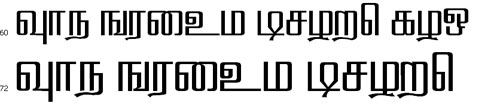
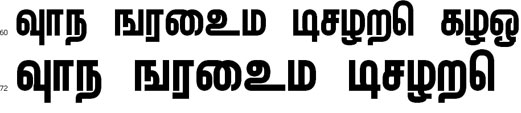
Tamil to English Dictionary: வந்தான்

This is the world's leading online source for english definitions/meanings, we have been helping millions of people improve their use of the tamil language with its free online services.


Write your word as a english and click to search button for the meaning of english language. It's a very simple & easy. use & enjoy....

அழை
aẕai (p. 33) க்கிறேன், த்தேன், ப்பேன், க்க, v. a. To invite, bid, call, accost respectfully, cite, summon, வாவென்ன. 2. To invoke the deity, &c., to adjure a spirit to take temporary possession of a person, in order to utter an oracle, வேண்டியழைக்க. 3. To lead, conduct, &c., கூட்டிப்போக. 4. To introduce as into an assembly, சபைக் கழைக்க. 5. To call (a snake, evil spirit, &c.,) by incantation, enchantment, &c., மந்திரத்தாலழைக்க. 6. To evoke, charm, invite or draw into union with, எத்தியழைக்க. அருத்தனே யடியேனாதரித்தழைத்தாலதெந்தவேயெ ன்றருளாயே. Oh! divine father, if I reverently invoke three, thou wilt condescened to own me as thine. (திருவாசகம்.) அவனையழைத்துக்கொண்டுவந்தான். He called and brought him. விருந்துக்கழைக்க, inf. To invite to a meal, or an entertainment. அழைக்கை, v. noun. A call, a calling, கூவுகை. அழைப்பு, v. noun. Invitation, request, citation, summons, invocation, விளிக்கை. 12)
ā (p. 34) . The second vowel of the alphabet, இரண்டாமுயிரெழுத்து. 2. A contraction of the infinitive ஆக, to become--as பெண் ணாப்பிறந்தவள், one become (born) a woman. 3. s. A neat, a cow or bull, பசுப்பொது. 4. A cow, பெண்பசு. 5. A she buffalo, பெண் ணெருமை. 6. A she elk, gayal, பெண்ம ரை. 7. An interjection of pity, regret, pain, desire, contempt, admiration, இரக்கச் சொல். 8. A particle expressive of eager desire, gaping for a thing--as, ஆவென்றுதிரிகி றான், he wanders in quest of what he can get. (See ஆவெனல்.) 9. An affix of interrogation, வினா--as விழித்தானா? is he awake? 1. The termination of the neg. neut. plural of verbs, எதிர்மறை யஃறிணைப் பன்மைவி குதி--as, அவைசெல்லா, they will not go. 11. A contracted form of the negative gerund, எதிர்மறை வினையெச்சவிகுதி--as உண்ணா வந்தான்; for உண்ணாமல்வந்தான், he came, not having eaten. 12. A contracted form of the neg. rel. participle, எதிர்மறைப்பெயரெச்ச விகுதி--as ஓடாக்குதிரை, for ஓடாதகுதிரை, a horse that will not run. 13. A poetic form of the gerund, வினையெச்சவிகுதி--as பாராவணங்காமகிழ்ந்தான், he saw, worshipped and rejoiced;--பாராவணங்கா for பார்த்துவண ங்கி. 14. A neg. particle which may be expressed or understood before the termination of any verb except the neut. plural--as நடவாதான், he will not walk; நட வாய், you will not walk, &c. 15. A poetic contraction of ஆறு, way or manner--as, யான்வந்தவாசென்றியம்புதியேல், if you will go and give information of my arrival. 16. A poetic name of the ஆச்சாமரம். 17. One of the letters on which to exercise the voice in singing, running through the notes of the octave--a musical mode, இசையிலோசை. 18. A prefix to Sanscrit words--as, ஆகன் னம், ஆசட்சு. ஆ கெட்டேன். Ah! I am undone. ஆ கொடுப்பாய். Oh! thou wouldst give thyself--i. e. thyself and thy family--to Yama the god of death; [vul.] generally used by women. ஆதீண்டுகுற்றி--ஆவுரிஞ்சுதறி, s. A rubbing post or stone for cows, erected as a meritorious deed of charity. ஆப்பி--ஆமயம், s. Cow-dung, கோமயம். காட்டா, s. A wild cow. காரா, s. Buffalo, (lit.) a black cow or ox. 16)
ஆவிருத்தி
āvirutti (p. 43) s. Term, times--when added to a number, முறை. 2. A complete number of the revolutions of a planet--as பரிவிருத்தி. Wils. p. 123. AVRITTI. (p.) இரண்டாவிருத்திவந்தான். He came twice. 39)
இது
itu (p. 45) s. This, this thing, it, சுட்டுச் சொல். இதுகாரியமாய்வந்தான், He has come on this account. இதற்குள். Within this. 2. Ere this, by this time, within or before this time. இதை-இதால்-இத்துடன். Oblique, forms of இது, occasionally found in approved writings as well as in common use. இதோ, This! lo! behold! இதோபார். Lo! see. இதோவந்தான். See, he is come. 157)
இராத்திரி
irāttiri (p. 50) s. Night, இரா. Wils. p. 73. RATRI. (c.) இராத்திரிகாலத்திலேதிரியாதே. Do not go out in night times. இராத்திரிமுழுதும். The whole night. இராத்திரிவந்தான். He came last night. பாதிராத்திரி, s. Midnight. 34)
உம்
um (p. 63) . A connective particle variously used, ஓரிடைச்சொல். 1. எதிர்மறையும்மை, the use of உம் with an affirmative, or negative expressing probability, possibility, &c., and implying the possibility, &c., of the contrary--as, சாத்தன்வருதற்குமுரியன், Sattan may perhaps come; அவன்வரவுங்கூடும், It is possible that he may come. 2. சிறப்பும்மை, the உம் of speciality, including உயர்வுசிறப் பும்மை, or superiority and இழிவுசிறப்பும்மை, or inferiority--as, ஞானிகளுமறியார்கள்சித்திரநதிமூல ம், Even the sages are unacquainted with the source of the சித்திரம் river; இவ்வூர்ப்பூனை யும்புலாறின்னாது, Even the cats of this place will not eat flesh (so sacred is it, so vile is the practice); பார்ப்பானுங்கள்ளுண்டான், Even a Brahman has been drinking toddy; இவனைநாயுந்தேடாது, Even a dog will not regard him. 3. ஐயவும்மை, the உம் in doubt, uncertainty, indecision, equivocal forms, probability, possibility--as, அவர்பத்தாயினுந் தருவார்பதினைந்தாயினுந்தருவார், Perhaps he may give ten or he may give fifteen; மழை பெய்தாலும்பெய்யும், It may perhaps rain; பத் தானுமெட்டானுங்கொடு, Give ten, or eight, ten would be preferred, but eight may do; வரினும்வருவான், It is probable that he may come. The உம் is often suppressed. 4. எச்சவும்மை, இறந்ததுதழீஇயவெச்சவும்மை, எதிரதுதழீ இயவெச்சவும்மை, the use of உம் implying another person, thing, or event, understood, and meaning likewise, too, even--as, அவனும் வந்தான், He also is come (implying that another is come or expected); நாம்பாடவும் வேண்டும், We must sing also (as well as dance, &c.); கேட்டும்படிக்கவேண்டும், By inquiry also we must learn (as well as by other means). 5. முற்றும்பை, indicating the whole of a number or series, universality, totality--as, ஒருவருக்குமையமில்லை, None can doubt; எங்குமில்லை, no where; இருகண்ணுஞ் சிவந்தன, both eyes reddened; எவ்விடமும், every where; இரண்டையுங்கொண்டுவா, Bring them both; எல்லாரும், எவரும், ஆரும்வந்தார், all, whoever, &c. came; மிகுந்தநாலுபணத்தை யுந்தா, Give me the remaining four fanams; மூவரும், all the three persons. 6. எண்ணும் மை, a numeral connective, corresponding with, and commonly repeated with each word of the series; நீயுமவனும்வந்தீர்கள், You and he came. The particle is sometimes joined to the last only--as, சாத்தன், கொற்றன், பூதனும் வந்தார்கள், Sattan, Kottan and Poodan came. Sometimes it is wholly omitted, and a pronoun including the series used instead--as, சாத்தன்கொற்றன்இவர்கள்வந்தார்கள். Sometimes the last noun in the series is used in the plural--as, சாத்தகோற்றவர்வந்தார்கள். 7. தெரிநிலையும்மை, the உம் of ascertainment, clear perception, or decision, used of three or more things concerning which doubt has been entertained, but which is now cleared up--as, ஆணுமன்றுபெண்ணுமன்று, It is neither male nor female (but in hermaphrodite); அவருண்பதுசோறுமல்ல, பணிகாரமுமல் ல, சாகமூலபலாதிகள், His food is neither rice nor cakes, but leaves, roots and fruits, &c. 8. ஆக்கவும்மை, உம் expressive of a change of state--as, பாலுமாயிற்று, This milk became medicine also; வலியனுமாயினான், He has become even a strong man. The above eight are given in நன்னூல். 9. உம் joined to an infinitive implies விரைவு, the immediate occurrence of the event--as, துரைகட்டளையிடவுங்காரியஞ்செய்துமுடிந்தது, As soon as the magistrate gave the order, the thing was done; அவர்சொல்லவுமுலகங்களுண் டாம், As soon as he speaks worlds appear. The உம் is often omitted, but then it is less expressive--as, நானிதைச்செய்யெனச்செய்கிறான், I say this and he does it. 1. உம் added to a verbal noun in poetry, sometimes gives it a gerund-like succession of the event--as, காண்டலுமிதுவேசொல்வான், Seeing him he spoke thus; வருதலுந்தழுவிக் கொண்டான், As soon as he came he embraced. 11. உம் is associated to the social ablative with the same meaning--as, கடுங்கணைதொடுத்தலோடும், As soon as the swift arrows were shot. 12. உம் added to the infinitive serves for optative, especially in epistolary usage but not in good style--as, தாங்கள்மறுமொழியனுப்பவும், May you please to send an answer; இப்படிச்செய்யவும், May you do so, I wish you to do so. 13. உம் added to the following forms of a verb, செய்து, செய்யின், செய்தால், has the force of though, although--as, அவனறிந்தும்வரவில்லை. Though he knew, he did not come; சொல்லி னும் or சொன்னாலும்அவன்கேளான், Though you may tell him he will not listen. 14. உம் added to இல் or இன் forms of the fifth case gives the force of the comparative degree --as, கந்தனினும்வலியனே, He is even stronger than Skanda. 15. A token of reproof, menace, anger, &c., also of attention, assent, doubt, non-compliance, &c., (see ஊம்)--as, உம்மெனத்தெழித்துரப்ப, He reproved his rashness by uttering the menacing sound உம் (ஸ்காந்தம்); கதைசொல்லுகி றேன்உம்கொட்டிக்கேள், I am going to tell you a story, show that you listen by saying உம்; உம்மெனுமார்பைத்தட்டும், The guilt of Brahmanicide manifested in a phantom threatened by saying உம் and striking on its breast (திருவிளையாடல்). 16. A termination of the imperative plural, முன்னிலைப்பன்மைவி குதி-- as, நீவிர்சொல்லும், say ye. It is often used honorifically in imperative singular --as, கடவுளேநீரிரங்கும், God be merciful. 17. A termination of verbs third pers. pres. or fut. tense sing. number, also of neut. plurals--as அவன்செய்யும், He does or will do it; சிங்கங்கள்முழங்கும், The lions roar, or will roar, செய்யுமென்முற்றுவிகுதி. 18. A modification of the pronoun நீர் when it is declined in the different cases--as, உம்மை, உம் மால், &c. 19. The termination of the future relative participle, எதிர்காலப்பெயரெச்ச விகுதி--as, உலகாளும்அரசர், Kings who govern the world. 2)

உருத்திரம்
uruttiram (p. 65) s. Fury, violent anger, rage, பெருங்கோபம்-- as இரௌத்திரம்; which see. 2. [in rhetoric.] Warlike rage as one of the nine emotions of the mind expressed by poetry, நவரசத்திலொன்று. (p.) 3. Turmeric, Curcuma longa, மஞ்சள். உருத்திராகாரமாய்வந்தான். He came in a furious attitude. உருத்திரபஞ்சமம், s. One of the musical modes, ஓர்பண். உருத்திரரோகம், s. Asthma, மா ரடைப்பு. உருத்திரன், s. A furious person, பெருங்கோபி. 20)
உருவு
uruvu (p. 65) கிறேன், உருவினேன், வேன், உருவ, v. a. To unsheath, draw out of a case or sheath, வாள்முதலியவற்றையுருவ. 2. To draw between the finger and the thumb--as a hair, thread, straw, &c., to free it from oil, moisture, &c.; or a necklace, to remove the beads; or a tamarind twig, to remove the leaves, &c., தழைமுதலிய வுருவ. 3. To draw the hand with pressure down a limb, or any part of the body, to allay pain, inflammation, &c., also down a pole, or other cylindrical body, சுளுக்குமுதலி யவற்றிற்குஉருவ. 4. To loosen or tighten a noose, கயிற்றையுருவ. 5. To pierce through, penetrate, pass through, enter, or transfix, --as an arrow, a needle, &c., ஊடுருவ. உருவினவாளுடனேவந்தான். He came with a drawn sword. நெஞ்சிலம்புபட்டுருவிற்று. The arrow reached the heart and pierced it. மெல்லெனப்பாயுந்தண்ணீர்கல்லையுமுருவப்பாயும். Gently flowing water will wear away even a rock. அவன்மார்பையுருவிப்புறப்பட்டது. (The dart) entered his breast and passed through him. கத்தியையுருவினான். He drew his sword. கீரையையுருவிப்போடு. Strip off the potherbs or greens. ஆற்றையுருவநடக்க. To ford, or wade through a river. உருவக்குத்த, inf. To stab, pierce, transpierce, transfix. உருவத்துளைக்க, inf. To bore through, or into, as with an instrument, or as beetles and other insects. உருவத்தைக்க, inf. To stitch through. 2. To nail through, transfix. 3. To pierce, or pass through--as a thorn, a weapon, a nail, &c.; ex. ஆணியுரு வத்தைத்தது, the nail is gone through. உருவுண்டுபோக, inf. To slip off-as beads from a string, to become loose, or to slip through, or become tight as a noose. உருவுதடம், s. [prov.] A noose, சுருக்கு. உருவொளி, s. Transparency, translucency. 41)
ஊசி
ūci (p. 69) s. A needle, இழைவாங்கி. 2. A Pin--as spike, குண்டூசி. 3. Tongue or index of a balance, நிறைகோலினடுமுள். (See under தராசு.) 4. Gnoman of a dial, கடிகாரத்தின்முள். 5. A style, எழுத்தாணி. கொல்லர்தெருவிலேயூசிமாறவந்தான். He is come to sell needles in the street of the smiths. ஊசிக்கண்--ஊசிக்காது--ஊசித்து ளை, s. The eye of a needle. ஊசிக்காந்தம், s. Loadstone, magnet, இரும்பிழுக்குங்காந்தக்கல். ஊசிக்கார், s. A kind of paddy, thin and long, ஓர்வகைநெல். ஊசிக்கால், s. Uprights in a building set on beams to support the ridge-beam, மச்சுக்கால். ஊசிக்கூடு, s. A needle-case, a tin-case. ஊசிப்பாலை, s. A species of பா லை plant. ஊசிப்புல், s. A kind of grass, ஓர்வகைப்புல். ஊசிமல்லிகை, s. A kind of jasmine, ஓர்வகைமல்லிகை. ஊசிமிடறு, s. A narrow throat like a needle, சிறுதொண்டை. ஊசிமிடறுந்தாழிவயிறும். A throat like a needle and a belly like a washerman's caldron--a glutton. ஊசிமுனை, s. The point of a needle, ஊசிநுனி. ஊசிமுனைநாட்டுமிடமாகிலும்நான்கொடுக்கிறதில் லை. I will give no ground, not even to fix the point of a needle upon. ஊசிமுனையிலேநிற்கிறான். He cannot endure to stay; lit. he stands on the point of a needle. ஊசியோட, inf. To pass the needle and thread through any thing, to sew. துன்னூசி, s. A nail which fastens the ploughshare to the plough. 36)
ஊடு
ūṭu (p. 69) s. [as உள்.] The inside, that which is intermediate, between, நடு. (சத. 18.) 2. [vul.] Wool, thread woven across the warp, தார்நூல்.--Note. Commonly ஊடு as an affix governs the dative--as அவர்களுக்கூடேவந்தான், he came between them. இந்தஅலுவல்களுக்கூடேயிதையுமெப்படிச்செய்வே ன். How can I possibly do this in the midst of so much business? கனவூடும். Even in a dream-- (பார.) ஊடறுக்க, inf. To cut through, separate and pass through, cleave, to sunder--as an arrow; to force one's way through people, jungle, beasts, &c., உள்ளறுக்க. 2. To determine between two parties, to decide differences, settle amicably, வழக்குத்தீர்க்க. ஊடாட, inf. To go about--as a domestic in a house, அகத்திலுலாவித்திரிய. 2. To frequent, பலகாற்பயில. 3. To deal, or be familiar with, பழக. 4. To be conversant with a subject--as of science, art, &c., கல்விபயில. பாரைக்கூடாடாதபாறைபசுமரத்தின்வேருக்கூடாடி விடும். A rock that cannot be moved by a crow-bar gives way to the roots of a tree. முட்டரோடாடியநட்புக்கருங்காலிக்கட்டையூடா டியகால். Friendship with the base is like a hard block thrown against the knee. மயிரூடாடாநட்புச்சிறிதுபொருளுடாடக்கெடும்... Friendship so close as not to admit of even a hair-like interruption may be destroyed by pecuniary dealings. ஊடாடிப்பார்க்க, inf. To search, examine, &c., to look into, ஆராய்ந்துபார்க்க. கல்வியிலூடாடிப்பார். Look into learning, learn. ஊடாட்டம், v. noun. Familiarity, intercourse, intimacy, பழகுகை. ஊடாட்டம்பண்ண, inf. To be familiar, have intercourse, with, பயிற்சி பண்ண. ஊடுசெல்ல, inf. To pass through a crowd, a jungle, &c. ஊடுதாக்க, inf. To oppose with firmness, பின்னிடாமலெதிர்நிற்க. 2. To compare two things with each other with regard to their strength. ஒன்றோடொன்றூடுதாக்க, inf. To oppose each other. ஊடுபற்ற, inf. To burn within a lamp--as wick when the oil is out, உள்ளேபற்றியெரிய. ஊடுபோக்க, inf. To run through, cause to pass through, உருவச்செய்ய. 2. To decide between parties, settle amicably, வழக்குத்தீர்க்க. ஊடுருவ, inf. To penetrate--as rays, air, a weapon; to transpierce, உள் ளேயுருவ. 2. v. n. To insinuate itself into, உட்செல்ல. ஊடுருவத்தைக்க, inf. To transpierce, to stitch through. ஊடூடே, adv. Here and there, irregularly interspersed, frequently, often, every now and then. 44)
எச்சம்
eccm (p. 73) s. Deficiency, defect, lack, குறைபாடு. 2. Remainder, remnant, சேஷம். 3. Orts, remains of food, whatever has come in contact with the mouth. spittle, &c., being deemed defiled, எச்சில். 4. Posterity, offspring, சந்ததி. 5. The dung of birds, fowls, wall-lizards, &c., பறவைமுதலி யவற்றின்மலம். 6. An elliptical, or unfinished word, sentence, பெயரெச்சமுதலியன; [ex எஞ்சு.] (p.) எச்சத்தாற்காணப்படும். (Their deeds) will be manifest in their posterity; i. e. in the prosperity, or adversity of their offspring. எச்சமிட, inf. To discharge excrement--as birds, &c., பறவைமலம்விசர்ச் சிக்க. பகையெச்சம். s. Suppressed anger. தீயெச்சம், s. The remainder of fire--as, வினைபகையென்றிரண்டினெச்சம், நினை யுங்காற்றீயெச்சம்போலத்தெறும், (Warlike) deeds which are not pushed to extremity (in the destruction of a foe) and hatred which is not executed but suppressed, will destroy like fire unextinguished. (குறள்.) நோயெச்சம், s. A reduced disease, the remains of a disease. ஈரெச்சம், s. In Grammar, the two classes of unfinished words. I. பெயரெச் சம் or participles, lit. words which require nouns to complete them. These embrace two classes, viz.: (1.) தெரிநிலை ப்பெயரெச்சம், or the participle of the common verb--as, வந்தமகன், the man who came; வருகின்றமகன், the man who comes; வரும்பிள்ளை, the child that will come. (2.) குறிப்புப்பெயரெச்சம் or பெயரெச்சக்குறிப்பு, the participle of the symbolic verb, which always ends in அ and often has the force of an adjective--as கரியகுதிரை, a black horse; கடுங்கண்ணகுதிரை, a fierceeyed horse, or a fierce horse; பொன்னகு திரை. a gold-like horse; அமர்முகத்தகுதிரை, a horse in the front of a battle; மூவிலைய வேல், a three-forked dart, a trident. II. வினையெச்சம், unfinished verbs, or such forms of the verb as require other terminate verbs, &c., to complete the sense. (1.) தெரிநிலைவினையெச்சம். In the past, it is called by Beschi, a gerund; there are five varieties; i. e. (1.) செய்து, பண்ணி, நிறீஇ for நிறுவி or நிறுத்தி; வளைஇ for வளைந்து or வளைத்து; இரீஇ for இருந்து or இருத்தி; கூய் for கூவி. (2.) செய்பு. (3.) செய்யா. (4.) செய்யூ. (5.) செய்தென--Notes. The first is the most common, and the only kind found in colloquial use. 2. The present, or infinitive, செய or செய்ய. 3. The future comprising six varieties. 1. செயின், செய்யின், செயில், செய்யில், செய்கில், these are all future subjunctive forms. 2. செய்யிய. 3. செய்யியர். 4. செய்வான். 5. செய்பாக்கு. 6. உண்பான், this termination occurs after a nasal only. The last five are equivalent to the infinitive, &c., they may be rendered by that with the potential of the verb, as given in நன்னூல். A few may be added: 1. செய் தால், the common subjunctive of the past, but often used for the future. 2. செய்தக்கால். 3. செய்தக்கடை, past or future subjunctives. 4. செய்தலும், காண்டலும். 5. செய்தலோடும், implying when, or as soon as. 6. ஏல், a contraction of எனில், is, in poetry, added to any finite verb to form the subjunctive--as உண்ணுமேல், உண்ணுமெனில். 2. வினையெச்சக்குறிப்பு or குறிப்புவினையெச்சம், gerund of symbolic verbs; of these there are but two, இன்றி and அன்றி from இல் and அல், these symbolic verbs being redundant. சொல்லெச் சம், elliptical, or incomplete words, or classes, ten in number. 1. பெயரெச்சம், participles as given above. 2. வினையெச் சம், unfinished forms of the verb. (See above.) 3. உம்மையெச்சம், a sentence in which a second உம் and its adjunct are understood--as, சாத்தனும்வந்தான், Sattan also is come, implying that others are come or expected. 4. சொல்லெச்சம், a clause in which சொல்லல் is understood --as, என்றார் for என்றுசொன்னார். 5. பிரிநிலை யெச்சம், a clause in which an exception of persons, or things is implied, see ஏ and ஓ--as, அவனேகொண்டான், he bought it, implying that others did not. 6. எனவெனெச்சம், a clause in which a verb, or a noun is required after என--as, கடலொல்லெனவொலித்தது, the sea roared with the sound of ஒல். 7. ஒழியிசையெச்சம், a clause in which a counterpart is understood--as உண்ணுதற்கோவந்தான், was it to eat that he came (implying that his object was otherwise)? 8. எதிர்மறை யெச்சம், the ellipsis of a negative, or denial--as அவனோகொண்டான், Was it he that bought it (implying a negative answer). 9. இசையெச்சம், ellipsis generally comprising two or more words, such as are not found in the above--as நின்னையா னகன்றாற்றுவனோ, Can I endure separation from you (indicating an affectionate attachment to the party addressed)? 1. குறிப்பெச்சம், symbolic terms, contractions, abbreviations, &c., comprising several kinds. (See குறிப்பு.) There is another form called முற்றெச்சம், a finite verb used in the place of a gerund--as உண்டான்வந்தான் for உண்டுவந்தான், eating he came. எச்சமிட, inf. To befoul, to soil with dung--spoken of birds. எச்சவனுமானம், s. Inference of a past cause from a present effect. See அநுமானம். எச்சவாய், s. [vul.] The sphincter of the anus, the podex, குதம். அட்டவெச்சம், s. The eight defects in the human body; i. e. 1. சிதடு or குருடு, blindness. 2. ஊமை, dumbness. 3. செவிடு, deafness. 4. கூன், crookedness of the back. 5. குறள், dwarfness. 6. முடம், lameness. (சது.) (in பிங்கலந்தை and திவாகரம், யகண், மா, hermaphroditism). 7. உறுப்புமயக்கம், a monstrous birth either by redundancy, defect, or misplacing of the members, &c. 8. உறுப்பில்பிண்டம், a shapeless production, or a birth with the features not properly developed. 23)
என்
eṉ (p. 75) கிறேன், றேன், பேன், என்ன, v. a. To say, name, pronounce, express, do, indicate, either by words or signs, expressed, or implied, என்றுசொல்ல. This is the common form for quotation, in which sense it generally occurs in all its various uses. In the infinitive and other parts it is commonly found with one ன் only. என்கு. I say. என்கும். We say. என்ப--என்பர்--என்மர்--என்மனார்--என்றிசினோ ர். They say, they may say, some say, &c. அப்படியென்கிறான். So he says. 2. He does so (the speaker making the sign or sound intended). இல்லையென்கிறேன். I say no-implying impatience, displeasure, emphasis, &c. பணமில்லையென்கிறான். He says he has no money. போவென்கிறேன். I tell you to go, lit. I say go, and implying I have said so before. அவனைப்போவென்னப்போகிறான். When I say go, he goes. காமதேனுவென்கிறபசு. The cow (of the supernals) called Kamadhanu. நானென்னுமெண்ணம். Self conceit, consequence. என்பவன், appel. n. He who says so. 2. He who is called so. பெரியானென்பவன். Perian, or he who is called Perian. ஆவென்ன, inf. To open the mouth, lit. to say ஆ. ஈயென்ன, inf. To show the teeth, lit. to say ஈ. என்பிக்க, inf. To cause another to say, to prove, சொல்லுவிக்க. அதையவன்வாயினாலேயுமக்கென்பிப்பேன். I will prove it to you from his mouth. என்று. The gerund of the verb என், used instead of என the infinitive (which is the poetic usage in this connexion), it serves to end a quotation and to connect it with the following part of the sentence, in which case it often corresponds to the conjunction that, வினையெச்சம். அவனையடித்தேனென்றுசொன்னான். He said that he struck him, lit. he said, I struck him. Note 1st. In connexion with appropriate verbs, என்று, and என often mean to expect, to think, imagine, to suppose, to pretend, to desire, எண்ணுதல் or some such verb being implied; பணந் தெய்வமென்றுநடக்கிறான், he makes money his god; அதுபுகையென்றிருந்தேன், I thought it was smoke, I took it for smoke; அவர்வருவாரென்றிருக்கிறேன், I expect him to come; அவன்சொன்னானென்றுவந்தாயா, have you came because he told you?--Note 2d. According to நன்னூல், என்று and என are இடைச்சொல் or particles, with several specific uses, the other parts of the verb are or may be included. 1. With பெயர் or names; அழுக்காறெனவொரு பாவி, the sinner called envy. (குறள்.) 2. With குறிப்பு or symbolic forms; சிக்கென வூன்றியவேர், the root which has taken firm hold; திடீரெனவந்தான், he came suddenly. 3. With இசை or (imitative) sounds; ஒல்லெனவொலித்தது, it sounded ஒல்; அடுக் கு or repititive symbolic terms are included in this class; படபடென்றுநடுங்கி னான், he trembled (shook, shivered, &c.) greatly; சுஃஃறென்னுந்தண்டோட்டுப்பெண் ணை, the palmyras whose green leaves rustled (emitted the sound of சுஃஃறு). 4. With எண் enumeration, in which they are equivalent to the copulative conjunction; சாத்தனெனக்கொற்றனெனப்பூதனெ னமூவரும்வந்தார், Sattan, Kottan and Bhuta came; தேனென்றுபாலென்றுவமையில்லாமொழி, words unequalled (in sweetness) by honey or milk. 5. With பண்பு or symbolic terms expressive of quality and intensity; சிவேரெனச்சிவந்தது, it reddened to a crimson; வெள்ளெனவா, come in the grey of the morning; வெள்ளெனவி ளர்த்தது, it became very white.--Note 3d. என்று and என also serve to express similitude, like, as, &c.; புலியெனப்பாய்ந் தான், he sprang like a tiger; காந்தளெனக் கைநீட்டி, extending her காந்தள்-like hand. --Note 4th. என and என்று are also used to express pre-eminence, &c.; இன்னதென் றில்லை, it is no matter which; ஆரென்றுநி னைத்தாய், who do you suppose I am? I am not to be treated thus, &c., உயிரென் றுபார்க்கவில்லை, he does not (or did not) regard even life; அவனுக்கின்னாரென்றில்லை, it is no matter to him who; குருவென் றுபேணுகின்றிலன், he does not respect even the guru; எவ்வளவென்றில்லை, it is no matter how much. 2. How much soever, how little soever. 3. It is illimitable, undefined, the quantity is unknown; வாய்வயிறென்றுபார்க்கிறதில்லை, he does not give himself time to eat.--Note 5th. என and என்று are also used with reiterative symbolic terms; மடம்டென்றொலித்த து, it sounded மட, மட; அடியடியென்றடித் தான், he beat him soundly; தலைதலையென்ற டித்துக்கொண்டான், he beat his head greatly through rage, grief, despair, &c.; lit. saying, 'Head, head;' வாய்வாயென்றடிக்க, to beat one's mouth greatly--in sorrow, despair, &c.; எறியெறியென்றெறிந்தான், he threw many times; lit. he threw, saying, 'Throw, throw.'--Note 6th. என and என்று, with a dative imply, designed or appointed for, sacred or devoted to, for the sake of, &c.; சுவாமிக்கென்றுநேர்ந் தது, it is vowed (devoted) to God; தன்பிள்ளைக்கென்றுவைத்துக்கொண்டான், he kept it for his child; எனக்கென்றெடுக்கமாட் டேன், I will not take it for myself-Note 7th. The subjunctive என்றால் joined to verbs or used when verbs are implied forms the subjunctive of those verbs.--Note 8th. The subjunctive என் னில், poetically, என்னின், if, is contracted into எனில் and எனின், and in classical usage to எல் and என்: உம் joined to those forms makes them though; they are added to other verbs or to nouns; ஓரடி யென்கிலும்நட, walk, if it be but one step. 40)
ē (p. 76) . One of the seven long vowels, நெட்டுயிரிலொன்று. 2. An arrow, அம்பு. 3. A particle of emphasis, &c., இடைச்சொல். In நன்னூல், it is said to have six different uses: 1. பிரிநிலை, a distinguishing particle-as அவனேசொன்னான், it was he who said it. In some cases, it would be used for self or selves in the plural where the connection demanded it--as he himself said it. 2. வினா, interrogative: அவனேகொண் டான், was it he that bought it? 3. எண், enumeration or copulative--as சாத்தனே கொற்றனே இருவரும்வந்தார், Sattan and Kottan both came; கடலே, கரையே, மரமே, மலரே, வளையே, இவ்வைந்து, the sea, the land, the tree, the flower, the conch, these five. 4. ஈற்றசை or அசைநிலை, a terminate expletive --as மல்லலோங்கெழில்யானைமருமம்பாய்ந்தொளித்த தே, (the weapon) lodged itself in the breast of the beautiful and powerful elephant. 5. தேற்றம், certainty, confidence, appeal, emphasis--as இதுள்ளதே, this is really true; முயற்குக்கோடில்லையே, the hare has no horns. 6. இசைநிறை, a poetic expletive for completing the metre--as ஏஏ இவ ளொருத்திபேடி, she is a hermaphrodite; பேடியோவென்றாரே, he said, is she an hermaphrodite? To these the commentator adds 7. எதிர்மறை, negative as implied by the tones and inflections of the speaker rather than expressed by the particle--as அவன்வந்தானே, he came, did he? implying he did not come. Another may also be given. 8. இகழ்ச்சி, an interjection of contempt--as எஏ--வைத்தியகாரா, oh, oh, (or fie, fie), thou stupid fellow. (p.) 5) *
ஏறு
ēṟu (p. 79) கிறேன், ஏறினேன், வேன், ஏற. v. n. [also used with the impers. terminations.] To rise, rise--as the heavenly bodies-as a kite, &c.; to emerge, இவர. 2. To get upon, mount, to ride a horse, a vehicle, வாகனமேற. 3. To enter, to penetrate--as a nail, a probe, a thorn; as thoughts or advice into the mind, &c., தைக்க. 4. To embark, to get into a boat or vessel, to be laden--as cargo, கப்பலேற. 5. To be elevated, high, beyond, &c.; to exceed mediocrity, to be excessive, redundant, superfluous, உயர. 6. To exceed in number, weight, measure, to rise in price, quality, &c., தொகைமுதலியவதிகரிக்க. 7. To pervade, to be diffused through the blood--as poison, நஞ்சேற. ஏறுகாலிறங்குகால்பார்க்க. To trace the track of an animal up and down a hill, to or from the water, &c.--as a hunter. குதிரையேறிவந்தான். He came on horseback. பயிரேறிவிட்டது. The corn is grown up. சொன்னதுமனதிலேறவில்லை. It did not enter his mind, he did not take notice of what was said. மாவேறமலையேறும். Small sums make a large total, lit. mountains are formed from atoms. இந்தத்தோணியிலெவ்வளவேறும். What is the tonnage of this dhoney? ஏற. [inf. of ஏறு, used adverbially.] High, much more, exceeding, மிக. அரைப்படிக்கேறக்கொடு. Give me more than half a measure. இதேறப்பெறும். This is worth more. விலையேறப்பெற்றது. That which is obtained at a high price. 2. That which is valuable, precious. ஏறக்கட்ட, inf. To build up, to edify, உயரக்கட்ட. 2. To refuse selling that the price may be increased, தானிய மேறக்கட்ட. 3. To be restrained, or to withhold as the clouds from raining, or a cow from giving milk, மழைமுதலியபெய் யாதிருக்க. 4. [local.] To collect scattered grain in a heap, இறைந்ததானியத்தைக்கூட்டிச் சேர்க்க. வானம்மழையேறக்கட்டிவிட்டது. The heaven has withheld the rain. ஏறக்கட்டித்தூக்க, inf. To hang up a thing. 2. To hang one up by the hands--as a school boy, a slave, &c., in order to flog him. ஏறக்குறைய--ஏறத்தாழ, s. More or less, about right, nearly. ஏறக்குறையப்பேச. to insult, to abuse. நூறுபேருக்கேறக்குறைய. About one-hundred persons. ஏறச்செலவழிக்க, inf. To spend extravagantly. ஏறவாங்க, inf. To buy cheaper, நயமாகவாங்க. 2. to be drawn up, distorted--as the neck by cold, &c., கழுத்தேற வாங்க. ஏறவிட, inf. To keep off a vessel from shore, மரக்கலத்தைக்கரைக்குத்தூரவிட. 2. To keep near to the wind--as a vessel, காற்றுமுகமாய்விட. 3. To turn a vessel to the shore, கரைசேரவிட. ஏறவிட்டேணியைவாங்கினதுபோல். Like removing the ladder a person has ascended. ஏறவிறங்கப்பார்க்க, inf. To stare at one, to gaze at one from head to foot, கேசாதிபாதமீறாகப்பார்க்க. நடந்தேற, inf. To be accomplished, to succeed. கரையேற, inf. To land, disembark. 2. To attain the shores of final salvation. ஏறாங்கடைசி, s. [prop. ஏறுகடை.] The very end, அறமுடிவு. ஏறாமேடு, s. A height which one cannot reach, or to which water cannot rise, உயர்ந்தமேடு. 2. An enterprise above one's power, செய்யக்கூடாதகாரியம். 3. An inconvenient engagement, unsuitable contract, &c.--as an unequal marriage, ஒவ்வாமை-- in use, ஏறாங்கடை ஏறிக்கொள்ள, inf. To establish one's self in a high office, &c., to arrive at a high state or sanctity, or to attain a higher degree in religion. See நிலை or பாதம். சாதியிலேயேறிக்கொண்டான். [prov.] He has risen in caste by marrying in a higher family (spoken sarcastically). ஏறிட, inf. To stick into, to cause to enter, to pierce, புகப்பண்ண. 2. To place, set up, fix, ஏற்ற. வில்லைவளைத்துநாணேறிட்டு. Bending the bow and fixing on the bowstring. பருவிற்சலாகையையேறிட்டான். He introduced the probe into the sore. ஏறிட்டுப்பார்க்க, inf. To look up. 2. To attend to one when speaking. 3. To look or stare at a person. என்னையேறிட்டுப்பார்க்கவில்லை. He did not even cast a look at me, he took no notice of me. Amongst the Hindus it is not deemed respectful to look at a superior in the face; even when addressing him or receiving his directions. ஏறுகடை, s. The very end, the extremity, முடிவானகடை. ஏறுகுதிரை, s. A riding horse. ஏறுக்குமாறு--ஏறுமாறு, s. Improper, unruly, or vicious behavior, தாறுமாறு. ஏறுசலாகை, s. [prov.] In building, a large lath passing through the ends of rafters, கைமரங்கோக்குஞ்சலாகை. ஏறுதுறை, s. A port, place of embarkation, exportation, &c., துறைமுகம். ஏறுநெற்றி, s. A high forehead (regarded as a fortunate mark in a man, but unlucky in a female--as calculated to cause an untimely death to her husband), also a mark of a masculine, imperious and irrascible temper, அகன்ற நெற்றி. ஏறுபடி, s. An extra batta or allowance above the stated proportion, to a servant, for expenditure in the temple, for an entertainment, &c., அதிகப்படி. ஏறுபெட்டி, s. [prov.] A toddydrawer's basket for carrying toddy, கள் ளேறுபெட்டி. ஏறுபொழுது, s. The sun as it rises toward the meridian. ஏறுமிராசி, s. The constellation in the sun's path from the equator to the northern solstitial point, உச்சத்திற்கேறு மிராசி. See இறங்குமிராசி. ஏறுவட்டம், s. The difference, less or more than sixty Indian hours, in the passage of the moon through any of the asterisms, also the difference in the கர ணம் and யோகம் as affected thereby, நட் சத்திரமுதலியனநாழிகையேறுமுறை. 2. In the division of the inheritance of lands, trades, &c., the excess above or the deficiency in equal shares, பங்கினளவுக்கதிகமா னநிலமுதலியன. ஏறுவால், s. A long tail--a good sign in certain animals, நீண்டவால். பசுஏறுவாலுமெருதுகூழைவாலும். A long tail for a cow and a short one for a bull are desirable. ஏறுவெய்யில். Increasing heat or sunshine as the sun rises towards the meridian, காலைவெய்யில்--opp. இறங்குவெய் யில். ஏறெடுக்க, inf. To lift up the head, eyes, &c., மேலெடுக்க. 82)
ஒடு
oṭu (p. 81) . A poetic form of the third case or social ablative, sometimes also used as an instrumental-meaning with, or by, மூன்றாம்வேற்றுமையுருபு. 2. A poetic expletive, ஓரிடைச்சொல். போதொடுபொதுள. The flowers being close. ஊசியொடுகுயின்றதூ சும்பட்டும். Cotton and silk sewed with a needle. கொடியொடுதுவக்குண்டான். He became entangled in a creeper. அவனொடுவந்தான். He came with him. 47)
Random Fonts
Pravi Bangla Font
Pravi
Download
View Count : 9473
Tab Shakti 7 Bangla Font
Tab Shakti 7
Download
View Count : 6822
ThamirabaraniTSC Bangla Font
ThamirabaraniTSC
Download
View Count : 14022
Gist Tmot Parvathi Bangla Font
Gist Tmot Parvathi
Download
View Count : 44579
Gist Tmot Krishnan Bangla Font
Gist Tmot Krishnan
Download
View Count : 17652
TSCVerdana Bangla Font
TSCVerdana
Download
View Count : 19750
KuranchiACI Bangla Font
KuranchiACI
Download
View Count : 16670
PonniTSC Bangla Font
PonniTSC
Download
View Count : 16496
TML Square Bangla Font
TML Square
Download
View Count : 21324
Sivabalan Bangla Font
Sivabalan
Download
View Count : 13452

Translation tools...

Privacy Policy   GDPR Policy   Terms & Conditions   Contact Us
Please like, if you love this website
close