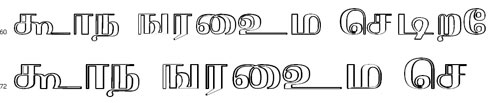
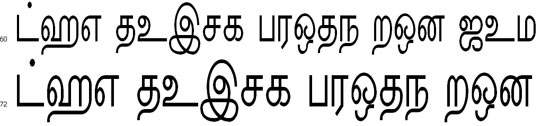
Tamil to English Dictionary: caboz

This is the world's leading online source for english definitions/meanings, we have been helping millions of people improve their use of the tamil language with its free online services.


Write your word as a english and click to search button for the meaning of english language. It's a very simple & easy. use & enjoy....

அகராதி
akrāti (p. 2) s. A dictionary, vocabulary. 2. An alphabetical index, table of contents; ex அகரம், et ஆதி, first. 38)
அக்கி
akki (p. 4) s. [ex அக்ஷி.] Eye, கண். (p.) 2. (c.) A kind of scabby disease or erysipelas on the breast or back, chiefly found in children, ஆனைக்கரப்பன். 3. Heat, உட்டணம். 4. An insect, ஓர்பூச்சி. அக்கிதாரை, s. The eye-ball. அக்கிபடலம், s. A disease of the eye. (M. Dic.) 6) *
அசர்
acr (p. 5) s. [prop. அசறு.] Scurf, dandruff, scab, தலைச்சுண்டு. (c.) 90) *
அசறு
acṟu (p. 6) s. Scab, dandruff, scurf, புண்ணிலசடு. (c.) 2. (p.) Mud, mire, சேறு. 3. A small insect, ஓர்வண்டு. 7)
அசாத்தியம்
acāttiyam (p. 6) s. [priv. அ et சாத்தி யம்.] Impracticability, unprofitableness, இ யலாமை. 2. Incurableness, irremediableness, குணமாகாமை. 3. Uncertainty, doubt, suspicion, நிலையின்மை. 17) *
அசை
acai (p. 7) கிறேன், ந்தேன், வேன், ய, v. n. To move, stir, tremble, ஆட. 2. To waver, quiver, totter, not being able to support a weight--as a slender waisted woman is poetically described to waver in walking, from the weight of her breasts, தள்ளாட. 3. (p.) To lodge, sojourn, dwell in an appropriate place-- as men in houses, towns, &c. beasts in the forest, fishes in water, &c., சஞ்சரிக்க. 4. (c.) To walk or ride for recreation, be active, be engaged in the performance of works, in distinction from the quiescence of the Gnani, உலாவ. 5. To be indolent, inactive, idle, சோம்ப. 6. To be disturbed, discomposed, agitated, கலங்க. 7. To be weary, exhausted, faint, துவள. 8. To fluctuate, hesitate, be confused by a rebuke, தத்தளிக்க. அசைகை, v. noun. Motion, moving, அசைவு. 2. Conjectural circumstance--as a rustling among leaves may excite conjecture of a snake being there, ஐயம். அசையாநிலை, s. A fixed state, immovableness, steadfastness. அசையாமணி, s. A bell seldom rung; attached to the royal palace to inform the sovereign of any calamity of other extraordinary event, ஆராய்ச்சிமணி. அசையாமை, neg. v. noun. Firmness, fixedness, immovableness. அசைவாட, inf. To hover, move or stir--as wind on the surface of water. அசைவு, v. noun. Shaking, moving, motion, அசைதல். 2. A kind of swinging shelf, ஊசல். 3. Motion, passion, emotion as applicable to the qualities of the mind, மனவெழுச்சி. 4. Stir, bustle, agitation, சஞ்சலம். 5. Weariness, failure, fainting, சோர்வு. 3)
அமச்R
amcR (p. 19) s. The office of a minister, மந்திரத்தொழில். 2. A minister, மந்திரி. (p.) அமச்சர், s. King's ministers, statesmen, senators, officers of state, மந் திரிகள். அமச்சியல், s. Office of a minister, மந்திரித்துவம். 2. A cabinet, council, மந்திராலோசனை. 3. A chapter on the duties of a minister, குறளின்பொருட்பாலு ளோரியல். 5)
அமரம்
amaram (p. 19) s. A Sanscrit vocabulary, the Amara kosha, ஓர்கிரந்தநிகண்டு. 14)
அமுது
amutu (p. 20) s. Ambrosia, அமுதம். 2. Sweetness, இனிமை. 3. Water, நீர். 4. Milk, பால். 5. Boiled rice, சோறு. 6. Food in general, போசனம். 7. A restorative medicine, elixir, cordial, ஓர்மருந்து. 8. Taste, சுவை. (p.) அமுதுசெய்ய, inf. To take food, (applicable to superiors.) அமுதுபடி, s. Raw rice. அமுதுமோர், s. Sour milk used for curdling. அமுதூட்ட, inf. To give food, nurse or suckle a child. See ஊட்டு. கட்டமுது, s. Rice tied up for a journey. 28)
அறு
aṟu (p. 33) கிறது, ந்தது, ம், அற, v. n. To be parted, detached, separated; to break as a rope, அறுபட. 2. To cease, become extinct, perish, end, vanish, அழிய. 3. To be decided, ended, தீர. (c.) அற, inf. [used adverbially.] With a verb it expresses; 1. Wholly, entirely, quite, முழுதும். 2. Intensely, excessively, மிகவும். 3. Negation, being without, as குற்றமற, without fault. அறச்செட்டுமுழுநஷ்டம். Selling things too dearly will cause entire loss; i. e. avarice causes loss. அறப்படித்தான். He has learnt all perfectly. எழுத்தறவாசி. Read with distinct articulation. அறக்கட்ட, inf. To tie tightly, இறுகக்கட்ட. 2. To monopolize, ஒருமிக்கக் கொள்ள. அறக்காய, inf. To be over-dried, over-boiled, over-heated. அறக்கூட்ட, inf. To sweep clean or thoroughly. அறக்கூர்மை, s. Excessive sharpness as of a writing style. அறச்சிவப்பு, s. Deep red, extremely red. அறச்சிறியது, appel. n. The smallest. அறப்பாடல், v. noun. [commonly, அறம்பாடல்.] Composing poetry containing imprecations or spells.--Note. Verses of this kind are supposed sometimes to be made without design, and thus to injure the maker and others. அறப்பார்க்க, inf. To examine thoroughly, sift. 2. To take measures to defeat, ruin or injure one by defamation. அறமிகுந்தால், v. part. At most, at the utmost, by any means, with the greatest effort. அறமிகுந்துவந்தாலும்வரட்டும். If it must come (if no effort will avert it) let it come. அறவிளக்க, inf. To polish thoroughly. அறவூத--அறவைக்க, inf. To refine metals by fire, புடமிட. அறாவிலை, s. An exorbitant price. அறுகுறை, s. A headless body, கவந்தம். அறுந்தருணம், s. Emergency, exigency. அறுந்தொகை, s. A sum, number, &c. in dividing, in which there is no remainder. அறுவாய், s. The parting made in sawing a piece of timber. 2. The opening of a cut or wound. 3. A junction, a conjunction of two periods of time, extremity, end. 4. Deficiency, what is wanted to complete a whole; [ex அறு, parted, et வாய், opening.] அறுவாய்நிறைந்தவயிர்மதி. The bright moon whose waning is restored. அற்றறுதி, s. A complete end, entire ruin. அற்றறுதிபற்றறுதியாய்விட்டது. All communion is withdrawn. அற்றான், s. A poor man, தரித் திரன், 2. A sage, முனிவன். அற்றுப்போக, inf. To be lost, to cease to be. தடையற, inf. [used adverbially.] Without impediment. அறவு, v. noun. Cessation, ceasing, extinction. 2. Parting, separation, breach. அறவுளி, s. Incantations performed over a sick person in order to restore him. 2. Cessation, end, முடிவு. அறுதல், v. noun. Finishing, liquidating a debt. 2. s. A broken thread, string, rope, bandage, &c. அறுந்திருப்பது. 3. A mean, despicable or faulty person, உதவாதவன் அந்த அறுதலையிங்கேவரவிடலாகாது, You must not allow that vagabond to be here. தாம்புமறுதல் தோண்டியும்பொத்தல். A broken rope and a leaky water-pot. அறுதலி, s. A widow, கைம்பெ ண்; [ex அறுதல், being plucked off (the marriage jewel), et இ, fem. termination; or அறு, torn off, et தலி, contracted from தாலி, the badge of marriage.] அறுதலிமகனுக்கங்கமெல்லாஞ்சேஷ்டை. The son of a widow is mischievous throughout his whole frame. அறுதி, v. noun. End, close, termination, முடிவு. 2. Decision, decisiveness, determination--as a decisive sale, entire renunciation of a title to landed property, தீர்ப்பு. 3. s. The purchaser's possession or title to property purchased, விற்கிரயச்சீட்டு. 4. Absence, non-existence, இல்லாமை. 5. Death, சாவு. அறுதியாய்ப்போயிற்று. It is settled, completed, ended. அறுதியிட்டுச்சொன்னான். He spoke decisively. நமக்குக்கிடைத்தது நமக்கறுதி. Thus much is realized and we shall not have to part with it. அந்தப்பழக்கத்தையறுதியாய்விட்டுவிட்டேன். I have relinquished that custom entirely. அறுதிக்கரை, s. The proper and just division or distribution of land. அறுதிச்சாதனம்--அறுதியுறுதி, s. A deed of transfer, அறுதிச்சீட்டு. அறுதிச்சொல், s. A decisive word or sentence. அறுதிப்பங்கு, s. What is given in full of all demands, a final allotment. அறுதிப்பாடு, s. Being accomplished, finished, decided. அறுதியிட, inf. To determine, to point a day, &c. 55)
அலி
ali (p. 28) s. That which is neuter, a hermaphrodite--applicable to human beings and to animals in general, பேடி. 2. (p.) Trees soft, pithy, without heart, unfit for timber, வயிரமில்லாதமரம். 3. The name of a tree, ஈறுவிலிமரம். 4. Yama, இயமன். (சது.) 5. Fire, நெருப்பு. அலிக்கிரகம், s. A neuter planet-either Mercury or Saturn. அலிநாள், s. A neuter lunar mansion. அலியெழுத்து, s. In the Alphabet, the guttural letter, ஆய்தம். 26) *
ஆனந்தம்
āṉntm (p. 44) s. A medicinal root, அரத்தை, Alpinia galanga, L. 2. A supposed inauspicious form of construction in poetry, பாக்குற்றங்களினோர்வகை. It is of six kinds; viz.: 1. எழுத்தானந்தம், lengthening the final long vowel or mute of the name of the patron of a poem, பாட்டுடைத்தலைவன்பெயர் சார்த்தியளபெழப்பாடுவது; உ-ம். நறுமாலைதாராய்தி ரையவோஒ வென்பள் செறுமாலைசென்றடைந்தபோ ழ்து. 2. சொல்லானந்தம், using a word in a poem, so that an undesigned, inauspicious meaning may be applied to its patron, இயற்பெயர்மருங்கின் மங்கலமழிக்குந்தொழிற் சொற்பு ணர்ப்பது; உ-ம். தண்மதியமின்னிவரிந்திலங்கும்வெ ண்குடைச்செங்கோல்விசய னெரிந்திலங்கும் வேலி னெழும். 3. பொருளானந்தம், inauspicious expressions of different kinds, in poems as following. (a) Stating in a poem written in praise of a king, or a great man, that the productions of his land are injured or ruined, இறைச்சிப்பொருளையூறுபடக்கூறுதல்; உ-ம். குட்டியுந்தாயுமவ்விடரகம்புக்குவீழ்ந்தன வீழக் குரங்குகளெல்லாமவற்றுக்கிரங்கி யழுது பெரியதோரார வாரமெழுந்ததவ்வரையை யொருவிப்போமினென்றான். (b.) Stating inauspicious actions as praise, மங்கலமழியக்கூறுகை; உ-ம். பீலிவிரித்துப்பலமயிலி ருந்தென வழிவந்தசைந்தவ்வருத்தத்தாற்றத்தங்கேசங்களை யெடுத்து முடிக்கில்லாதுவிரித்திருப்பரவன் வரைமேல். (c.) Stating an inapplicable comparison, உவமைக்காட்சியிலூனந்தோன்றக்கூறுவது; உ-ம். பெ யலொடு வைகிய வியன்கணிரும்பனத் தகலிருவிசும்பி னாஅரல்போலவாலிதின்மலர்ந்தபுன்கொடிமுசுண்டை. (d) Stating that a calamity or injury happened to that which is compared to the patron of the poem, பாட்டுடைத்தலைவனோ டுவமிக்கப்பட்டதற் கிடையூறுபடச் சொல்லுவது; உ-ம். வெற்பினிற்பொருத விறலோனன்ன பொற்புறு பரூஉத்தாட்போதகந்துரந்த. (e.) Comparing the patron of a poem to the meanest thing, இறப்பவிழிந்தவானந்த உவமை; உ-ம் வள்ளெயிற்றுப் பேழ்வாய் ஞமலிக்கு மான்குழா மெள்ளியிரிந்தாற்போ லெவ்வழியும் வள்ளற்கு மாலார்கடலன்ன மண்பரந்த வாட்டானை மேலாருமேலார் விரைந்து. (f) Comparing the meanest person or thing to the highest, இறப்ப வுயர்ந்த வானந்தவுவமை; உ-ம். இந்திரனேபோலுமிளஞ்சாத்தன் சாத்தற்கு மந்தரமேபோ ன்றுளது மல்லாகம் மந்தரத்துத் தாழருவிபோன்றுளதுதார் மாலையம்மாலை யேழுலகுநாறுமிணர், (g.) Comparing the patron of a poem to a thing that loses its power or eminence, இறந்துபாட்டு வமையானந்தம்; உ-ம். சென்றுபடுபரிதியிற்சிறந்ததோ ற்றத்தை. 4. யாப்பானந்தம், constructing a poem so that the name of its patron may follow a noun which is preceded by a word placed after the rhyming word of the stanza, முதற் றொடைமருங்கின் மொழிநிறுத்தொருபெயரிடைப்படுத் தவ்வழியிருசீர்ப்படப்பாடுவது; உ-ம். ஊகத்தினான்ம ல்குசோலையுழியனுயர்வரைவாய் மேகத்தினாலுமின்னாலு மெலிந்துநைந்த வாகத்தினானேற்கருளாயென்பணியு மைவாய் நாகத்தினான்மால் கடைந்திடப்பட்ட நளிகட லே. 5. தூக்கானந்தம், constructing a musical poem so that the name of its patron shall be inauspiciously, indistinctly, or abruptly pronounced, யாழொடுபுணர்ந்தபாவிற்பாட்டுடைத் தலைவன்பெயர் அமங்கலமாகத்தொனிக்கவும், ஒருவற் குப்புலனாகாதிருக்கவும், பிரிந்திசைக்கவும்பாடுதல். 6. தொடையானந்தம், placing the name of the patron of a poem at the beginning of the stanza, so that it may rhyme with அளபெ டை; அளபெடைத்தொடைப்பாட்டினுட்பாட்டுடைத் தலைவன்பெயர்சார்த்தியளபெடுப்பத்தொடுப்பது; உ-ம். வாஅ வழுதிமதுரைமறுகினிற்பொலிபகைமுனைப்போர். 7)
ஆனை
āṉai (p. 44) s. An elephant, யானை. 2. (M. Dic.) The அத்தி tree, Ficus racemosa. ஆனைகட்டுந்தறி--ஆனையணைதறி, s. A post to tie an elephant. ஆனைக்கண், s. Round, black spots in fruits, when they are over-ripe, or spoiled. ஆனைக்கண்படுதல்--ஆனைக்கண் வி ழுதல், v. noun. The appearing of spots, or defects in fruits. பலாப்பழமானைக்கண்பட்டுப் போயிற்று. The jack fruit has got a defect or flaw. ஆனைக்கதுப்பு, s. The frontal sinus of the elephant, from which secretion exudes when the animal is in rut. ஆனைக்களிமுளையான், s. A plant, ஓர்பூடு. ஆனைக்கற்றலை, s. A fish, ஓர்மீன். ஆனைக்காயம்--ஆனைப்பெருங்கா யம், s. A kind of assaf&oe;tida given to elephants, &c. See பெருங்காயம். ஆனைக்கால், s. A disease--the elephantiasis or large leg, Cochin leg, வாதக்கால். 2. A big tube fixed on the walls or roofs, for rain-water to pass through, தண்ணீர்க்குழாய். (c.) ஆனைக்காவல், s. Watchers to defend a garden, a field, &c., against elephants. ஆனைக்கூடம், s. An elephant's stall, ஆனைகட்டுமிடம். ஆனைக்கொம்பு--ஆனைக்கோடு--ஆ னைத்தந்தம், s. An elephant's tusks. 2. Ivory. ஆனைக்கொம்பன், s. A kind of rice, ஓர்வகைநெல். 2. A species of plantain--as ஆனைவாழை. ஆனைக்கோடன்சுரை, s. A gourd whose fruit is compared to the elephant's tusks, and is used for a curry, the snake gourd, ஓர்வகைச்சுரை. [Trichosanthes anguina.] ஆனைசேனை, s. A great quantity, abundance, மிகுதி. ஆனைச்சப்பரம், s. A seat on an elephant--as அம்பாரி. ஆனைச்சிலந்தி, s. A kind of scabby disease. ஆனைச்சிரங்கு, s. A kind of itch in large blisters. ஆனைச்சீரகம், s. A plant, ஓர்பூடு. ஆனைச்செவியடி, s. A pricklyleaved plant, ஓர்பூண்டு. 2. The lower part of the elephant's ear. ஆனைத்தடிச்சல், s. A kind of creeping plant with acid juice--used in polishing brass, ஓர்படர்கொடி. ஆனைத்தடிப்பு, s. A plant, ஓர்பூடு. ஆனைத்திசை, s. [in astrology.] North, வடக்கு. ஆனைத்திப்பிலி, s. Pericarps of Pothos officinalis, ஓர்வகைத்திப்பிலி. ஆனைத்தோட்டி, s. An elephant's hook or goad. ஆனைநெருஞ்சில், s. A low plant, a kind of spreading thistle--pricklyfruited Pedalium murex, ஓர்வகைநெருஞ்சில். ஆனைப்படுவன், s. A kind of scabby disease--as the அக்கி. ஆனைப்படை, s. An army of elephants. ஆனைப்பந்தி, s. An elephant's stall. 2. A row of elephants. ஆனைப்பாகன், s. An elephanteer, or one who tames or guides elephants. ஆனைப்பிச்சான், s. A plant, ஓர் பூண்டு. ஆனைப்பேன், s. An insect that lives in the brinjall plant, கத்தரிச்செடியிலு ண்டாகுமோர்பூச்சி. ஆனைமஞ்சள், s. A plant, ஓர்பூடு. ஆனைமதம், s. An elephant's rut. ஆனைமத்தகம், s. An elephant's skull or part of the head, கும்பம். இ. A short letter, similar to I in English, ஓர்குற்றெழுத்து. 2. A demonstrative prefix, சுட்டெழுத்து--as இந்த, this. 3. A termination of the second person singular, முன்னிலையொருமைவிகுதி--as உண்டி, thou hast eaten. 4. An imperative second person singular, முன்னிலையேவலொருமைவிகுதி-as சொல்லுதி, say thou. 5. A feminine appellative termination, பெண்பால்விகுதி-as கூனி, a hump-backed woman. 6. A singular termination, common to the masc. and fem., உயர்திணையொருமைவிகுதி--as மானி, an honorable person--பாவி, a sinner. 7. A termination in the singular, common to each gender, இருதிணைமுக்கூற்றொருமைவிகுதி --as செவியிலி, a man, woman, or animal without ears. 8. An expletive inserted at pleasure, when the preceding word ends with any letter except ய், and the following word begins with ய், சாரியை--as காலியாது, from கால், foot and யாது, which. 9. A termination of some participles, வினையெச்சவிகு தி--as எண்ணி, சொல்லி, &c. 1. A prefix to ஆனைமயிர், s. The hair of an elephant's tail. ஆனைமயிர்க்காப்பு, s. Bracelets of the hair of elephants' tails. ஆனைமலை, s. The name of a mountain in the south near Madura. ஆனைமுகவன்--ஆனைமுகன், s. Ganesa, விநாயகன். 2. An Asoor, கசமுகா சுரன். (p.) ஆனைமுதுகு, s. An elephant's back. ஆனையடி, s. The footsteps of an elephant. ஆனையறுகு, s. A kind of grass, ஓரறுகு. ஆனையறையும்புள்--ஆனையிறாஞ்சி ப்புள்--அனையுண்குருகு, s. A fabulous bird --said to devour the elephant. ஆனையிலத்தி, s. Elephant's dung. ஆனையூர்தி, s. Indra whose vehicle is the elephant, இந்திரன். 2. Ian, ஐயன். (p.) ஆனையேற்றம், s. Learning and practising to ride on an elephant, யானை யேறிப்பழகுகை. ஆனைவணங்கி, s. A kind of plant whose flower is supposed to resemble the trunk of an elephant. It is also fancied to be a preservative against the attack of a wild elephant, which, it is said, will retire abashed at the sight of it, தேட்கொடுக்குப்பூண்டு. ஆனைவாழை, s. A species of plantain, ஓர்வகைவாழை. ஆனைவிழுங்குமீன், s. A large fish --said to devour the elephant, திமிங்கிலம். ஆனைவீரர், s. One of the eight assistants of kings, அரசரெண்வகைத்துணை வரிலோர்வகையார். 19)

இடீகை
iṭīkai (p. 45) s. A commentary, glossary, ஆரியநூல்வியாக்கியானம். Wils. p. 359. DEEKA. 2. A Sanscrit Dictionary or vocabulary, ஆரியவகராதி. 91)
இயல்பு
iylpu (p. 48) s. Nature, property, quality, natural or essential quality, instinct, genius, குணம். 2. Conduct, a proper course of conduct, good character, ஒழுக்கம். 3. A prescribed rule, order, method, custom, habit, முறை. 4. State, condition, circumstances, situation, rank, class, &c.--as applicable to man, brute, vegetable, &c., தன்மை. 5. Propriety, regularity, legitimacy, genuineness, நேர்மை. 6. Simplicity, plainness, honesty, frankness, இயற்கை. இயல்பினானில்வாழ்க்கைவாழ்பவன். The householder who discharges his domestic duties with propriety. (குறள்.) இயல்பானபகை, s. What is naturally uncongenial or counteracting-as medicine to the disease. இயல்பானபகையாளி, s. A foe by nature--as the cat to birds. இயல்புதப்பிப்போக, inf. To be dishonest, to act dishonestly, live disorderly, go beyond the proper bounds. இயல்புப்புணர்ச்சி, s. [in grammar.] Combination of words suffering no change, விகாரங்களின்றிப்பதம்புணர்வது--as பொன்மணி. (p.) நல்லியல்புடையோன், s. One of a good nature. தீயியல்புடையோன், s. One of a bad nature. 11)
Random Fonts
PothigaiTSC Bangla Font
PothigaiTSC
Download
View Count : 14305
Akarathi Bangla Font
Akarathi
Download
View Count : 80935
GIST-TMOTHeena Bangla Font
GIST-TMOTHeena
Download
View Count : 11645
TAU_Elango_Godavari Bangla Font
TAU_Elango_Godavari
Download
View Count : 15144
TAB-ELCOT-Kovai Bangla Font
TAB-ELCOT-Kovai
Download
View Count : 8507
Pandian Bangla Font
Pandian
Download
View Count : 22016
TAU_Elango_Krishna Bangla Font
TAU_Elango_Krishna
Download
View Count : 12478
TAU_Elango_Panchali Bangla Font
TAU_Elango_Panchali
Download
View Count : 33143
TAU-Valluvar Bangla Font
TAU-Valluvar
Download
View Count : 20902
Tab Shakti-2 Bangla Font
Tab Shakti-2
Download
View Count : 8552

Translation tools...

Privacy Policy   GDPR Policy   Terms & Conditions   Contact Us
Please like, if you love this website
close