Tamil to English Dictionary: gavya

This is the world's leading online source for english definitions/meanings, we have been helping millions of people improve their use of the tamil language with its free online services.


Write your word as a english and click to search button for the meaning of english language. It's a very simple & easy. use & enjoy....

இளக்கு
iḷkku (p. 56) கிறேன், இளக்கினேன், வே ன், இளக்க, v. a. To relax, slacken, relax a spring, &c., to loosen a rope, &c., to soften, mollify, cause another to yield, to work on one's feelings, to cause to relent, move the heart, appease, conciliate; to soften or moisten the throat, chest, &c.--as with liquids, fruits, conserves, இளகச்செய்ய. கையையிளக்கிவிட்டான். He gave liberally. வயிற்றையிளக்க, inf. To relax the bowels by cathartics. 2. To relieve the bowels by discharging their contents. 4)
உம்
um (p. 63) . A connective particle variously used, ஓரிடைச்சொல். 1. எதிர்மறையும்மை, the use of உம் with an affirmative, or negative expressing probability, possibility, &c., and implying the possibility, &c., of the contrary--as, சாத்தன்வருதற்குமுரியன், Sattan may perhaps come; அவன்வரவுங்கூடும், It is possible that he may come. 2. சிறப்பும்மை, the உம் of speciality, including உயர்வுசிறப் பும்மை, or superiority and இழிவுசிறப்பும்மை, or inferiority--as, ஞானிகளுமறியார்கள்சித்திரநதிமூல ம், Even the sages are unacquainted with the source of the சித்திரம் river; இவ்வூர்ப்பூனை யும்புலாறின்னாது, Even the cats of this place will not eat flesh (so sacred is it, so vile is the practice); பார்ப்பானுங்கள்ளுண்டான், Even a Brahman has been drinking toddy; இவனைநாயுந்தேடாது, Even a dog will not regard him. 3. ஐயவும்மை, the உம் in doubt, uncertainty, indecision, equivocal forms, probability, possibility--as, அவர்பத்தாயினுந் தருவார்பதினைந்தாயினுந்தருவார், Perhaps he may give ten or he may give fifteen; மழை பெய்தாலும்பெய்யும், It may perhaps rain; பத் தானுமெட்டானுங்கொடு, Give ten, or eight, ten would be preferred, but eight may do; வரினும்வருவான், It is probable that he may come. The உம் is often suppressed. 4. எச்சவும்மை, இறந்ததுதழீஇயவெச்சவும்மை, எதிரதுதழீ இயவெச்சவும்மை, the use of உம் implying another person, thing, or event, understood, and meaning likewise, too, even--as, அவனும் வந்தான், He also is come (implying that another is come or expected); நாம்பாடவும் வேண்டும், We must sing also (as well as dance, &c.); கேட்டும்படிக்கவேண்டும், By inquiry also we must learn (as well as by other means). 5. முற்றும்பை, indicating the whole of a number or series, universality, totality--as, ஒருவருக்குமையமில்லை, None can doubt; எங்குமில்லை, no where; இருகண்ணுஞ் சிவந்தன, both eyes reddened; எவ்விடமும், every where; இரண்டையுங்கொண்டுவா, Bring them both; எல்லாரும், எவரும், ஆரும்வந்தார், all, whoever, &c. came; மிகுந்தநாலுபணத்தை யுந்தா, Give me the remaining four fanams; மூவரும், all the three persons. 6. எண்ணும் மை, a numeral connective, corresponding with, and commonly repeated with each word of the series; நீயுமவனும்வந்தீர்கள், You and he came. The particle is sometimes joined to the last only--as, சாத்தன், கொற்றன், பூதனும் வந்தார்கள், Sattan, Kottan and Poodan came. Sometimes it is wholly omitted, and a pronoun including the series used instead--as, சாத்தன்கொற்றன்இவர்கள்வந்தார்கள். Sometimes the last noun in the series is used in the plural--as, சாத்தகோற்றவர்வந்தார்கள். 7. தெரிநிலையும்மை, the உம் of ascertainment, clear perception, or decision, used of three or more things concerning which doubt has been entertained, but which is now cleared up--as, ஆணுமன்றுபெண்ணுமன்று, It is neither male nor female (but in hermaphrodite); அவருண்பதுசோறுமல்ல, பணிகாரமுமல் ல, சாகமூலபலாதிகள், His food is neither rice nor cakes, but leaves, roots and fruits, &c. 8. ஆக்கவும்மை, உம் expressive of a change of state--as, பாலுமாயிற்று, This milk became medicine also; வலியனுமாயினான், He has become even a strong man. The above eight are given in நன்னூல். 9. உம் joined to an infinitive implies விரைவு, the immediate occurrence of the event--as, துரைகட்டளையிடவுங்காரியஞ்செய்துமுடிந்தது, As soon as the magistrate gave the order, the thing was done; அவர்சொல்லவுமுலகங்களுண் டாம், As soon as he speaks worlds appear. The உம் is often omitted, but then it is less expressive--as, நானிதைச்செய்யெனச்செய்கிறான், I say this and he does it. 1. உம் added to a verbal noun in poetry, sometimes gives it a gerund-like succession of the event--as, காண்டலுமிதுவேசொல்வான், Seeing him he spoke thus; வருதலுந்தழுவிக் கொண்டான், As soon as he came he embraced. 11. உம் is associated to the social ablative with the same meaning--as, கடுங்கணைதொடுத்தலோடும், As soon as the swift arrows were shot. 12. உம் added to the infinitive serves for optative, especially in epistolary usage but not in good style--as, தாங்கள்மறுமொழியனுப்பவும், May you please to send an answer; இப்படிச்செய்யவும், May you do so, I wish you to do so. 13. உம் added to the following forms of a verb, செய்து, செய்யின், செய்தால், has the force of though, although--as, அவனறிந்தும்வரவில்லை. Though he knew, he did not come; சொல்லி னும் or சொன்னாலும்அவன்கேளான், Though you may tell him he will not listen. 14. உம் added to இல் or இன் forms of the fifth case gives the force of the comparative degree --as, கந்தனினும்வலியனே, He is even stronger than Skanda. 15. A token of reproof, menace, anger, &c., also of attention, assent, doubt, non-compliance, &c., (see ஊம்)--as, உம்மெனத்தெழித்துரப்ப, He reproved his rashness by uttering the menacing sound உம் (ஸ்காந்தம்); கதைசொல்லுகி றேன்உம்கொட்டிக்கேள், I am going to tell you a story, show that you listen by saying உம்; உம்மெனுமார்பைத்தட்டும், The guilt of Brahmanicide manifested in a phantom threatened by saying உம் and striking on its breast (திருவிளையாடல்). 16. A termination of the imperative plural, முன்னிலைப்பன்மைவி குதி-- as, நீவிர்சொல்லும், say ye. It is often used honorifically in imperative singular --as, கடவுளேநீரிரங்கும், God be merciful. 17. A termination of verbs third pers. pres. or fut. tense sing. number, also of neut. plurals--as அவன்செய்யும், He does or will do it; சிங்கங்கள்முழங்கும், The lions roar, or will roar, செய்யுமென்முற்றுவிகுதி. 18. A modification of the pronoun நீர் when it is declined in the different cases--as, உம்மை, உம் மால், &c. 19. The termination of the future relative participle, எதிர்காலப்பெயரெச்ச விகுதி--as, உலகாளும்அரசர், Kings who govern the world. 2)
ஊன்று
ūṉṟu (p. 72) கிறேன், ஊன்றினேன், வே ன், ஊன்ற, v. a. To plant, set, fix, place firmly, rest upon with pressure--as a pole in propelling, fixing a boat, a musket, a lever, &c., நிறுத்த. 2. To lay down premises in an argument, நியாயத்திற்குமூலத்தைஸ்தாபிக்க. 3. To grasp, hold, strike root as trees, gain a firm footing, become established in a place, இறுகப்பிடிக்க. 4. v. n. To lean upon, recline, or depend on a staff, a person, &c., சார. 5. To be steadfast, firm, intent upon, உறுதியாய்நிற்க. ஊன்றக்கொடுத்ததடியென்னுச்சியையுடைக்கிறது. The staff which I gave him to lean upon, breaks my head; i. e. the good I have done him has turned out evil. கையூன்றிக்கரணம்போடவேண்டும். To tumble, the hands must be fixed on the ground; i. e. nothing can be done without money, means, &c. மழையூன்றிப்பேய்கிறது. It rains hard or incessantly. மேகங்காலூன்றிமழைபெய்தது. The clouds resting on the horizon poured down torrents. நிலத்திற்சிக்கெனவூன்றியவேர். Roots stuck firmly in the ground. ஒத்தகடப்பாட்டிற்றாளுன்றியெய்து. Exerting themselves in their proper calling. ஊன்றக்கட்ட, inf. To edify, ratify. ஊன்றிக்கேட்க, inf. To interrogate with much emphasis, press for an answer, உறுதியாய்வினாவ. 2. To hear attentively, கருத்தாய்ச்செவிகொடுக்க. ஊன்றிக்கொள்ள inf. To gain a firm footing in a place, office, &c.; to establish one's self, நிலைபெற. 2. To lean or depend upon, சார்ந்திருக்க. ஊன்றிச்சொல்ல, inf. To speak, or pronounce with distinct articulation, உறுதியாய்ச்சொல்ல. ஊன்றித்தாங்க, inf. To press on a pole in stopping, or poling a boat, ஊன்றித்தள்ள. ஊன்றிநடக்க, inf. To walk cautiously, firmly, &c.--as on slippery ground. 2. To walk firmly as one regaining the use of his limbs. 3. To walk with a firm foot so as to secure a quick pace. கோலையூன்றிக்கொண்டுநடக்கிறான். He walks with the assistance of a staff. ஊன்றிப்படிக்க, inf. To read poetry with proper pauses. 2. To sing with proper articulation, emphasis, &c. ஊன்றிப்பார்க்க, inf. To look steadfastly, intently, &c., நோக்கிப்பார்க்க. 2. To consider a thing maturely, to fix the mind intently on the object of consideration, ஆராய்ந்துபார்க்க. 3. To feel, try--as a fruit, &c., pressing it with the hand, கையினாலழுத்திப்பார்க்க. ஊன்றிப்பிடிக்க, inf. To seize firmly, hold tight, இறுகப்பிடிக்க. 2. To mark faults severely, கூர்மையாய்க்குற்றம் பிடிக்க. 3. To hold fast an opinion, பிடி வாதமாயிருக்க. ஊன்றிப்பேச, inf. To speak emphatically or forcibly, உறுதியாய்ப்பேச. இந்தநியாயத்திலூன்றிப்பேசு. Urge this argument, insist upon it. ஊன்றிப்போட, inf. To confirm an opinion, accusation, evidence, &c., ஸ்திரப்படுத்திவிட. ஊன்றிமிதிக்க, inf. To tread cautiously--as one on a well-beam, step firmly, steadily, &c. ஊன்றியெழுத, inf. To press or indent well in writing. ஊன்றிவைக்க, inf. To establish a family. 2. To settle one in life, business, &c. 3. to confirm, settle one in an opinion in a slight degree. ஊன்றுகால், s. A stay, a prop, உதைகால். ஊன்றுகோல், s. A staff, a walking stick, a support, பற்றுக்கோடு. எழுத்தையூன்ற, inf. To put a point over a letter which makes it mute. நாற்றையூன்ற, inf. To set plants.
எழுவாய
eẕuvāy (p. 75) s. Beginning, origin, source, cause, ஆதி. 2. [in grammar.] The nominative case, the subject, முதல்வேற்று மை; [ex எழு, rising, et வாய், place.] எழுவாயும்பயனிலையும். The nominative and its verb, or other concluding word.--Note. In Tamil the substantive verb is rarely used. இந்தக்கதைக்கெழுவாயென்ன. What gave rise to this affair? எழுவாயுருபு--எழுவாய்வேற்றுமை, s. The first, or nominative case, முதல் வேற்றுமை.--Note. The words ஆனவன், ஆனது, &c., which represent the nominative case are rarely expressed but understood. எழுவாயெழுஞ்சனி, s. The tenth lunar mansion, மகநாள். 23)
ஒத்துக்கொள்ள
ottukkoḷḷ (p. 81) inf. To assent, admit, accede to, allow, grant, concede, yield, acknowledge, சம்மதிக்க. 2. To fit, to be suitable, be convenient, comport with, தகுதியாக. 3. To take to account, credit, கணக்கிலேற்றுக்கொள்ள. காலமுநேரமுமொத்துக்கொள்ளவில்லை. The time and the season are not propitious according to the nativity which prognosticates evil, &c. 2. It is not a convenient time. இருவருமொத்துக்கொண்டுபொய்ச்சாட்சிசொன் னார்கள். They both gave false depositions by previous agreement. 16)
ஒப்பு
oppu (p. 82) கிறேன், ஒப்பினேன், வேன், ஒப்ப, v. n. To agree to, accede, assent to, சம்மதிக்க. 2. To be like, to resemble, ஒக்க. மனதொப்பிக்கொடுத்தான். He gave it willingly, gladly. ஒப்பச்செய்ய, inf. To act so as to satisfy. ஒத்துக்கொள்ளச்செய்ய. ஒப்பச்சொல்ல, inf. To speak or propose to the approbation of others, ஒத்துக்கொள்ளச்சொல்ல. ஒப்பராவ, inf. To file a balance. ஒப்பராவி, s. A balance-maker.
கக்குரீதி
kkkurīti (p. 85) s. A difficulty, கர்க்கசம். கக்குரீதிபட்சமாய்நாலுபணங்கொடுத்தான். He gave four fanams with much difficulty. கக்குரீதியாயிருக்கும். It will be difficult. 16) *
கன
kṉ (p. 102) க்கிறேன், த்தேன், ப்பேன், க்க, v. a. To be heavy, to become heavy, massive, solid, thick, hard, injurated, பாரமா யிருக்க. 2. To be thick, close, crowded, numerous, பருக்க. 3. To be abundant, copious, to outweigh, &c., அதிகரிக்க; the infinitive used adverbially expresses very much. கனக்கக்கொடுத்தான். He gave plentifully. கனத்தஉடைமைக்கனர்த்தமில்லை. Solid property will not soon be injured. காரியங்கனத்துக்கொண்டது. The matter has become more serious. குற்றங்கனத்துக்கொண்டது. The crime is aggravated. குரல்கனத்துப்போயிற்று. The voice is become heavy, hoarse--as of one who has reached manhood, one who drinks liquor, &c. கனத்தஆக்கினை, s. Severe punishment. கனத்தகுடி, s. An illustrious and noble family. கனத்தசமுசாரம், s. A numerous family. கனத்ததோல், s. Thick skin--as that of a beast or of the hand, &c., hardened and thickened by labor. கனத்தநாள், s. A critical day in diseases--as the day of new or full moon, &c., when the influence of the planets is unusually powerful, aggravating disease, &c. On such days it is deemed improper to bathe, take medicine, &c. (c.). கனத்தபயிர், s. A thick crop. கனத்தபனி, s. A heavy dew. கனத்தமனிதன், s. A large heavy man. சரீரங்கனத்துக்கொள்ள, inf. To become heavy--as the body, by disease, humors, corpulency, &c. தலைகனத்துக்கொள்ள, inf. To grow heavy--as the head through cold. வயிறுகனத்துக்கொள்ள, inf. To have indigestion. 2. To eat a belly-full, to be well stuffed. 3. To become gravid; sometimes in this meaning, spoken in contempt, of pregnancy from illicit intercourse. கனப்பு, v. noun. [vul.] Thickness, becoming thick, கனம். 2. Weight, heaviness, solidity, gravidity, பாரம். 3. The hardness of a swelling, அழுத்தம். 4. stoutness, lustiness, grossness, கொழுப்பு. 5. Pride, self-importance, இறுமாப்பு. உன்கனப்பெடுத்துப்போடுவேன். I will reduce you. சரீரக்கனப்பு, s. Heaviness of the body--as in plethora, &c. தலைக்கனப்பு, s. Heaviness in the head. வயிற்றுக்கனப்பு, s. Heaviness of the system from indigestion, constipation, &c. 29)
காண்
kāṇ (p. 103) கிறேன், கண்டேன், பேன், காண, v. a. To see, perceive, behold, view, descry, பார்க்க. 2. To gain sight of a deity, or a great person, the new moon. &c., மங் கலமாகக்காண. 3. To find, meet with, ascertain, gain the knowledge of, be aware of, recognize, தெரிய. 4. To experience, know, feel, உணர. 5. To discover, invent, originate, கண்டறிய. 6. To think, consider, invistigate, ஆராய. 7. To obtain, get, secure, have, derive, பெற. 8. To know the truth, perceive the deity in the vedas and other sacred writings, உண்மையறிய. 9. (p.) To worship, venerate, reverence, make obeisance, வணங்க. 1. To cause, do, effect, செய்ய. 11. To understand fully or perfectly, to have clear perceptions, தெளிய. 12. To preceive by any of the senses, see, hear, feel, &c., பொறியாலறிய. 13. v. n. To seem, prove, to be, to be found, to appear, தோன்ற. 14. To be sufficient, to amount to--as profit, &c., நிரம்ப. 15. To appear, become visible, evident, &c., வெளிப் பட. 16. To accrue, result--as profit, &c., பலன்பட. 17. (p.) To exist, subsist--as a quality, &c., உண்டாக. கண்டதுகாணப்பறைத்தலைவெட்டு. Strike the bushet as it comes, don't be exact. கண்டதைக்கண்டுகொள்ளும். Be content with what you get as profit, produce, &c. கண்டொன்றுகாணாமையொன்று. One thing before the face and another behind the back. சூரியனைக்கண்டஇருள்போல். Like darkness at the approach of the sun. பலகண்டங்கண்டு. Distributing into parts. சூடுகண்டாலுருகும். It will melt if it feel the heat. தூண்டுசுடரனையசோதிகண்டாய். Behold! a light as bright as a fresh trimmed lamp. அதென்னிடத்தில்லைகண்டீரா. I have none, did you not see. முனைவன்கண்டதுமுதனூலாகும். What the first author made is original. காணத்தோன்றஇடுதல்--காணத்தோன்றக்கொண் டுபோதல். Giving and taking in sufficient quantity. காணுங்காணாதாகக்கொடுத்தார். He gave hardly enough. The gerund corresponds with the word 'seeing,' அவர்குருவாயிருப்பதைக்கண்டு அ வர்சொற் கேட்கவேண்டும். Seeing he is a Guru, we must pay deference to his words. காண்டோழி. Hear, my female friend-spoken by a lady. அதுசெலவுக்குக்காணும். That will be sufficient for the expense. சோற்றைக்காணக்காண அவனுக்குத்திமிரெடுக்கின்ற து. The more rice he gets, the more proud and insolent he becomes. தொகையைச்சதுரங்காணல். Squaring a number. புன்செய்யைநன்செய்காணல். Distinguishing the difference between the soils nanja and punja. காட்டைநகர்காணல். Transforming a forest to a city. கண்டநாடெல்லாந்திரிய, inf. To wander about, to rove. கண்டபடிசெய்ய, inf. To act at random, rashly, &c. கண்டபலன், s. The profit realized. கண்டுகொள்ள, inf. To meet, visit. கண்டுங்காணாமை, s. Connivance. கண்டுசந்திக்க, inf. To visit. கண்டுசாய்ப்பாய்விட்டுவிட, inf. To connive at, wink at a thing. கண்டுசெய்ய, inf. To imitate. கண்டுதரிசிக்க, inf. To view, discern by the sight. கண்டுபாவிக்க, inf. To imitate, copy, imagine. கண்டுபாவனை, s. Acting by mere imitation. கண்டுபிடிக்க, inf. To find, discover, detect, explore. கண்டுமுதல், s. Produce in kind --as பத்துமரக்கால்விதைக்கநூறுமரக்கால்கண்டுமுத லாகும், ten maracals of seed will yield one-hundred maracals. கண்டுமுதல்பண்ண, inf. To collect revenue personally. கண்டெடுக்க, inf. To pick up, find and pick up. கைகண்டது, s. That which was experienced, ascertained by practice, tested, proved--as கைகண்டமருந்து, கைகண் டகாரியம், கைகண்டதுணை. காணப்பட, inf. To appear, to be perceived, seen. காணப்படாத, rel. part. Invisible. காணப்படாதது, appel. noun. That which is invisible. காணப்பட்டது, appel. n. That which is visible. காணப்போக, inf. To visit one. காணக்கடி, s. An unseen bite, sting, &c., the bite, &c., of a reptile, in the dark, அறியாவிஷக்கடி. காணாக்கிரகம்--காணாக்கோள் s. Rare phenomena in nature, unseen planets, real, or imaginary, &c., கரந்துறை கோள். காணாத்தலம்--காணாஸ்தலம் s. The privities, genitals, உபத்தம். காணாதேபோக--காணாமற்போக. inf. To be lost. காணாமற்றிருடினவன், appel. n. One who has taken a thing slyly, clandestinely. காணாமை, s. Invisibility. காணார், appel. n. Enemies--those who will not bow, பகைவர். செய்கைகாண, inf. To be newly cultivated, or cultivated anew, as land. உண்மையைக்காண, inf. To discover, perceive, or understand the truth, especially divine truth. ஈரங்காண, inf. To become moist --as a floor, land, &c. ஈரங்கண்டால்முளைக்கும். If it feel the moisture, the seed will sprout. ஈரங்கண்டாற்கால்வைக்கக்கூடாது. If the ground becomes wet, one cannot walk well. காணும், (the future of காண் in the third pers. neuter.) This form, in colloquial use, is equivalent to sir. 2. In poetry, it is often expletive. போங்காணும். Go, sir. தரியாதுகாணுந்தனம். Wealth is unstable. (நல்வழி.) அப்படியல்லகாணும். It is not so. காண், An expletive of the second person, ஓரிடைச்சொல். காண்டக்க, rel. part. Beautiful, graceful, as காணத்தக்க. காணல்--காண்டல் v. noun. Seeing, காணுகை. 2. Appearance, தோற்றம். 3. Reverence, வணங்கல். 4. The act of abtaining, பெறுதல். காண்பிக்க, inf. To cause to be, to convince, காட்ட. 2. To show, exhibit, adduce, display, represent, தெரிவிக்க. 3. To point, direct, சுட்டிக்காட்ட. காண்பித்துக்கொள்ள, inf. To chide, reprimand, blame, reprove. காண்பித்தல், v. noun. Showing, காட்டல்.
காலம்
kālam (p. 104) s. Time. duration, பொழுது-Note. In Hindu philosophy, காலம் is said by the Saivas to have proceeded from மோகினி Maya, and to be a co-efficient cause with Siva in the acts of creation, preservation and destruction. It is Time personified, and according to the Hindu metaphysicians, one of the seven வித்தியாத் துவம். (சிவ. சி.) 2. Season of the year or life; also a specific time of the day, பருவம். 3. A seasonable or proper time, opportunity, season, சமயம். Wils. p. 216. KALA. 4. Day-break, விடியல். 5. (fig.) (c.) The time appointed for death, as distinguished from that for accident death, முடிவு. 6. [in gram.] Tense; also, the characteristic of a tense, வினையின்காலம். The three tenses are, இறந்தகாலம், எதிர்காலம், நிகழ்காலம். 7. [in music.] The three measure--as (1.) விளம் பம், slow. (2.) துரிதம், quick. &c. (3.) மத் திமம், the medium. 8. Epoch, era, யுகம். 9. Weather, காலவியல்பு. காலத்துக்குத்தக்ககோலம். Adapting one's self to the times. காலத்துக்குத்தக்கதாய்நடக்க. inf. To live according to circumstances. காலம்போம்வார்த்தைநிற்கும். Time files, but words remain. காலகதி, s. Events of time, காலநடை. காலகதியை யாவருங் கடக்கமாட்டார்கள். None cane escape the events of time. காலகருமம்--காலகன்மம், s. Employments, duties, &c., appropriate to an age, time, season, stage of life, &c., காலத்துக் குரியசெய்கை. காலக்கிரமம், s. The course of time; chronological order, காலவொழுங்கு. காலக்கிரயம், s. The price of the articles for the time being; current or market price, காலவிலை. காலக்குறி, s. Signs of the time. காலக்கொடுமை, s. The evils, calamities, &c., of time. காலங்கண்டவன், s. An experienced man; an aged person. காலங்கரந்தபெயரெச்சம், s. [in gram.] A relative participle without the characteristics of the tenses--as in கொல் யானை. காலங்கழிக்க, inf. To pass time கா லம்போக்க. காலங்கழிய, inf. To pass--as time, நாட்கழிய. காலங்கூட, inf. [local.] To die. காலசக்கரம், s. The different number of years of influence ascribed to the respective planets as operative on the lives of persons, ஆயுள்நியதிச்சக்கரம். 2. The aggregate of the years of the nine planets according to their respective influence, கிரகபலச்சக்கரம். 3. Period or term of life, ஆயுட்காலம். Wils. p. 216. KALACHAKRA.. அவனுக்குக்காலச்சக்கரமுடிவுவந்துவிட்டது. The end of his term is come. காலசங்கதி, s. Intelligence, news or events of the time or the day. காலசங்கை, s. Guess of time from mere inspection, காலஉத்தேசம். 2. Reckoning of time, காலக்கணக்கு. (p.) காலசந்தி, s. The daily morning worship; also applicable to that at noon and evening. 2. The interval between any two yugas, kalpas, &c. See கற்பம் and சந்தி. திரிகாலசந்தி, s. Worship in the morning, at noon and in the evening. காலசுகம், s. Favorableness of the time, astrologically and superstitiously considered. காலஞ்செல்ல, inf. To depart this life, to die. 2. [prov.] To be late. காலக்ஷயம்--காலட்சயம், s. Passing one's time or days, காலக்கழிவு. காலக்ஷேபம்--காலட்சேபம் s. Passing one's time or days; circumstances, welfare, &c., காலங்கழிக்கை. 2. Means of subsistence, சீவனம். Wils. p. 216. KALAKSHEPA. 3. [among the Vaishnavas.] The reading of the sacred books, திருவாய் மொழியோதல். உமதுகாலட்சேபம் எப்படி. How do you do; i.e. how are your affairs? காலதருமம்--காலதன்மம், s. The events appropriate to certain times or yugas respectively, காலத்தன்்மை. Wils. p. 217. KALAD'HARMMA. காலதாமதம், s. Delay, protraction, procrastination, தாமசம். காலதுரிதம், s. The rapid progress of time, காலத்தின்விரைவு. காலத்திரயம், s. The three divisions of time--as past, present, and future; also the three tenses, முக்காலம். காலநியமம், s. Events happening in their respective and appropriate seasons, according to the actions that gave them birth, காலநியதி. 2. Religious ceremonies according to the given periods of the year or day, காலக்கடன். காலநிரூபணம், s. Chronology. (modern usage.) காலநுட்பம், s. A small portion of time, காலத்தின்நுண்ணியபங்கு. காலநெடுமை--நெடுங்காலம், s. Length of time, a long time. காலநேமி, s. An Asura, ஓர் அசுரன். Wils. p. 217. KALANEMI. காலநேரம், s. Time in reference to the influences of planets upon the fortune, health, &c., of a person. காலநோக்காடு, s. [prov. in child-birth.] Natural and timely labor. காலந்தள்ள, inf. To pass one's days, to pass one's time, to maintain one's self, to live, காலம்போக்க. காலப்பரிச்சேதம், s. Discernment--as to the time of an event or the existences of a thing. It is one of the three பரிச்சேதம் modes of ascertaining facts. காலபரிபாகம், s. The maturity of the soul, or time for its attaining bliss, having eliminated its good and evil propensities. காலபேதம்--காலவித்தியாசம்--கால வேற்றுமை, s. Difference of time with respect to the changes it produces. காலபோகம், s. A crop of grain or fruits in the proper season. 2. The enjoyment or suffering resulting from previous moral actions, to which a living being at distant times is subjected, காலப் பயனுகர்வு. காலப்பெயர், s. Nouns or names of time--as year, month. 2. Nouns derived from names of time--as பங்குனன் (one born in the பங்குனி month). காலப்பெயர்ச்சி, s. Change of season or monsoon; unseasonable weather, கால விகற்பம். காலமயக்கம்--காலமயக்கு, s. [in gram.] An improper use of the tenses, காலவழு. 2. An allowed deviation in the use of tenses, காலவழுவமைதி. காலமலைவு, s. Confusion of statement in regard to time--as asserting that the lotus blooms in the evening, or the lily during the day. காலமல்லாக்காலம், s. An unfortunate, fatal time; an unseasonable time, அகாலம். காலமழை, s. Rain in the proper season, பருவத்திற்பெய்யுமழை. காலமறிய, inf. To know the times so as to adapt one's self to them, காலவகைய றிய. 2. To know things past, present or future intuitively or by apiritual sight --as yogis, காலவியற்கையறிய. காலமாறு, Morning by morning, every morning, காலைதோறும். (c.). காலமானம், s. [in arith.] Time measure. காலமிருத்து, s. Death at the destined season--as distinguished from accidental death, விதித்தகாலத்திலடையுமரணம். காலமே--காலத்தாலே. In the morning, early, betimes. காலம்பண்ண--காலம்பண்ணிப்போக, inf. To finish one's time, to die. காலம்பார்க்க, inf. To look or watch for a proper time or opportunity, சமயம் பார்க்க. காலம்புரள, inf. To present a manifest revolution--as in the order of things; to be irregular, deranged, &c.--as the events of a time--as toddy-drawers seen riding in palankeens, &c. காலம்போக்க, inf. To pass the times. 2. To while away time. காலவகை, s. Seasons, times, காலக் கூறுபாடு. 2. Circumstances depending on time, காலவேறுபாடு. காலவர்த்தமானம், s. Events of the times. காலவழக்கம், s. Customs of the times. காலவழு, s. [in gram.] An improper use of the tenses--as the past for the future, &c., காலக்குற்றம். காலவாகுபெயர், s. [in gram.] Nouns of time or portions of time, used by metonymy for what is intimately connected with time--as கார்த்திகை, the name of a month, for a plant which mostly blossoms during the month. காலவிடைநிலை, s. [in gram.] Characteristics of tenses, காலத்தைக்காட்டுமிடை நிலை. They are 1. த், ட், ற், and இன் for the past. 2. ஆநின்று, கின்று and கிறு for the present. 3. ப், ல், for the future. There are some other characteristics-as மன், இசின், ய், இ, ன், &c. காலவிரைவு, v. noun. Swiftness or rapid flight of time. காலாகாலம், s. Times seasonable and unseasonable, auspicious and inauspicious, நற்காலந்துர்க்காலம். 2. One time or another, not often, not frequently. (c.) காலாக்கினி, s. The fire which is to destroy the world at the end of the great yuga; a deluge-fire said to be in reserve in the nethermost part of the earth. Wils. p. 218. KALAGNI. 2. One of the two-hundred and twenty-four புவ னம் under the regency of Kálágni. காலாக்கினியுருத்திரம், s. One of the thirty-two உபநிடதம். காலாக்கினியுருத்திரர், s. Rudra or the deity in the lowest region, in charge of the deluge-fire. There are ten subordinate Rudras, who resemble their chief. காலாந்தம், s. The end of time, கால முடிவு; [ex. அந்தம்.] காலாந்தரம், s. Intermediate space of time, process of time, காலநடை. 2. Meanwhile, காலவிடை; [ex அந்தரம், interval.] காலேச்சுரவாதம், s. The metaphysical philosophy which maintains that Time is God. காலோசிதம், s. A fit, proper time, உச் சிதகாலம்; [ex உசிதம்.] அந்தியகாலம், s. The time of death. ஆங்கால மெய்வருந்த வேண்டா வதுதானே தேங்காய்க் கிளநீர்போற் சேருமே, போங்காலம் காட்டானை தின்ற கனியதுபோ லாகுமே தேட்டாளன் றேடுந் தனம். Wealth shall or itself accumulate at the appointed time of increase, as the liquor within a cocoanut, and no toll is required; but at the fixed time for ruin, the riches of a hard-working man shall pass away like the contents of a woodapple eaten by an elephant. எக்காலமும். At what time soever, always. சாங்காலம், s. The time of death or ruin. திரிகாலம்--முக்காலம், s. The three divisions of time, present, past, and future. 2.The three tenses of a verb. திரிசந்திகாலம். The three parts or divisions of the day: viz., காலை, morning. உச்சி, noon. மாலை, evening. புண்ணியகாலம், s. See under புண்ணி யம். போங்காலம், s. The time of separation or ruin. 155) *

குளிர்
kuḷir (p. 131) -- குளிரு, கிறது, ந்தது, குளிரும், குளிர, v. n. To be cold, chilly, frigid; to be cold to the touch; to be moist, damp, குளிர்கொள்ள. 2. To be cool, to be refreshed, குளிர்ச்சியுற. 3. To be refreshing, gratifying, pleasant, cheering to the touch, sight or hearing; to be engaging, attactive, benignant--as the countenance, இதமாக. 4. To be appeased, consoled, comforted, சாந்தமுற. 5. To die--spoken of death in time of epidemies, when fear of the avenging goddess prevents the use of the proper word, வசூரிமுதலியவியாதியால்மரிக்க. அப்பாவென்றால்உச்சிகுளிருமா. Will merely saying அப்பா afford relief? i. e. not mere words, but actions are necessary. அவன்ஒரு குளிர்ந்தகொள்ளி. He is a coldblodded persons; a man of a fair speech, but an enemy at heart. இப்பொழுதுஎனக்குமனங்குளிர்ந்தது. I am now refreshed, satisfied, gratified, appeased, &c. உச்சிகுளிர்ந்தது. The head has been cooled or refreshed--as on hearing joyful intelligence, &c. எனக்குக்குளிருகின்றது. I feel cold. என்வயிறுகுளிர்ந்ததுபோல உன்மாளிகையுங்குளிர வேண்டும். May you and your family be refreshed as I have been--an expression of thanks for favors received. சரீரமெல்லாங்குளிர்ந்தது. The whole body is refreshed. குளந்தைஅம்மைவார்த்துக்குளிர்ந்துபோயிற்று. The child has died of small-pox. குளிரப்பண்ண--குளிரவைக்க, inf. To cool wines, spirits, &c. 2. To refresh, to satisfy the appetite, the mind, &c.; to regale, to oblige, to appease. கண்குளிரப்பார்த்தான். He feasted his eyes with a gratifying sight. காதுகுளிரக்கேட்டேன். My ears were refreshed by hearing. நிலங்குளிரமழைபெய்தது. It rained abundantly so as to cool the earth. மனங்குளிரக்கொடுத்தேன். I gave him as much as he desired. குளிர்ந்தகிரணம், s. A gratifying light, lustre, &c.--as of the moon, a gem, &c. குளிர்ந்தகுரல், s. A pleasant voice in singing. குளிர்ந்தசரீரம், s. A cool temperament of body. குளிர்ந்தநிழல், s. Refreshing shade. குளிர்ந்தநிறம், s. A gay, cheerful, fine color. குளிர்ந்தநீர், s. cool water. 2. Cooled water after boiling, &c. 3. Good water in gems. குளிர்ந்தபார்வை, s. Engaging, attractive, benignant looks. குளிர்ந்தமுகம், s. Benignant expression of countenance. குளிர்ந்தபூமி, s. A cool climate. குளிர்ந்தபேச்சு--குளிர்ந்தவசனம்--கு ளிர்ந்தவார்த்தை, s. Pleasant, comforting, gratifying language. குளிர்ந்தவாசனை, s. Refreshing odors. குளிர்ந்தமனம், s. A calm, composed mind. 2. A benevolent mind. 3. A pleasant temper, an obliging disposition. குளிர்ந்தபரிமளம், s. A kind of native arsenic, சீதாங்கபாஷாணம். குளிர்ந்துகொல்லி, s. A cold blooded person. குளிர்ந்துகிடக்க--குளிர்ந்துபோக, inf. To become cold--as water after boiling. 2. To die--used auspiciously in time of epidemics. குளிர்ச்சி, v. noun. [imp. குளிர்த்தி. vul. குளுத்தி.] Coolness, refrigeration, சீதளம். 2. That which is refreshing, pleasant, gratifying, appeasing; cooling offerings, திருத்திசரம். கண்ணுக்குக்குளிர்ச்சி. Refreshing to the eyes. தெய்வத்துக்குக்குளிர்த்திசெய்தான். He gave cooling fruits to appease the goddess or demon. குளிர்ச்சிப்பண்டம்--குளிர்மைப்பண் டம், s. Any thing that is cooling, refrigerative. குளிர்ச்சியானசாப்பாடு--குளிர்மையான சாப்பாடு, s. Refreshing or cooling kinds of food. குளிர்ச்சியாயிருக்க, inf. To be cool, refreshing to the system. குளிர்ப்பிக்க--குளிர்விக்க, inf. v. a. To cool, to refrigerate; to refresh with water, perfumes, &c.; to gratify the mind, sight, &c., குளிரச்செய்ய. 8)
கூடு
kūṭu (p. 133) கிறேன், கூடினேன், வேன், கூட, v. n. To join with, to combine, coalesce, பொருந்த. 2. To collect or crowd together, to assemble; to congregate, convene muster, கூட்டங்கூட. 3. To associate or consort with one, சங்கர த்தஞ்செய்ய. 4. To unite, knit--as broken bones, பொருந்த. 5. To cohabit, கூடிவாழ. 6. To meet--as rivers in confluence, or as roads, சந்திக்க. 7. To become reconciled, pacified, conciliated, இணங்க. 8. To be able, be possible, practicable, attainable, இயல. 9. To be lawful, expedient, proper, decent, தகுதியாக. 1. To be fit, to be serviceable, to be suitable, பிரயோசனப்பட. 11. To become possessed of, to attain, அடைய. 12. To accumulate, to hoarded or stored up, தொகை சேர. 13. To come to pass, to be brought about, to be effected, சித்திக்க. 14. To be annexed, superadded, அதனமாய்ச்சேர. 15. To come in conjunction--as planets, &c., கிரகங் கள்கூட. 16. To commence, to take place, தொடங்க. 17. v. a. (சது.) To pursue, follow out; to seek, தேட. பன்றியோடுகூடியகன்றும்பீதின்னும். A calf in company with a swine will learn to devour filth; i. e. a man will conform to his associates. இதுஅவனாலேகூடும். He is able to do it. இனிஅவன்கூடான். Henceforth, he will be good-for-nothing. இதுகாரியத்துக்குக்கூடும். This will serve the purpose. நடுவழியிலேகூடினான். He met me in the middle of the road. கூடிப்பிரியேல். Break not (old) friendships. (Av.) அமாவாசைகூடிவிட்டது. [prov.] The time of new moon has already come. ஆளோடேகூடிவிட்டான். He has begun to come into society (from obscurity or boyhood). 2. He is convalescent; he is getting around. ஆகக்கூடியதொகை. The total amount. கூடிக்கொள்ள, inf. To band together; to form an association, to take part in, to side with. 2. To meet together, to assemble. 3. To exceed, surpass. 4. To gain strength and vigor. கூடிவர, inf. To accompany. 2. To prosper, succeed. கூடிநாடித்திரிய, inf. To associate or consort with one, to be on terms of close friendship. கூடாநட்பு, s. False friendship. கூடாவுவமை, s. [in rhet.] A simile in which the comparison is made with a thing having only a hypothetical existence, ஓர்உவமையலங்காரம். கூடாவொழுக்கம், s. Immoral conduct --as of anchorets who in secret break their vows. கூடல், v. noun. Approaching, assembling, &c.; seeking, uniting, cohabiting, being possible, &c.--as the verb கூடு. See also கூடல். s. கூடாமை, neg. [v. noun.] Impropriety, indecorum, பொருந்தாமை. 2. Inability, impossibility, impracticability. கூட்டரவு, v. noun. Collection, aggregate, series, பொருட்கூட்டம். 2. Crowd, association, combination. கூட, inf. [adverbially.] Together, in company, collecting together. 2. Even, also; often in composition with உம். 3. More than due, more than enough, too much; additionally. 4. part. With, together with. எல்லாருங்கூடவாருங்கள். Come all together. குருவுக்குக்கூடப்பயப்படான். He is not afraid even of his guru. அவன்வீட்டிலேதண்ணீர்கூடக்குடியார்கள்.... They will not drink even water in his house--said in disparagement. நான்கூடஅறியேன். I also know it. அவனுக்குக்கூடக்கொடுத்துப்போட்டீர். You have given him too much. ஐந்துரூபாய்கூடத்தந்தார். He gave five rupees in addition. என்கூடவா. Come with me. கூடிய--கூடின, rel. part. Practicable, possible, convenient, proper, &c. என்னாற்கூடியபணிவிடைக்குக்காத்திருக்கிறேன். I am ready to do any service in my power. கூடியமட்டும்--கூடியமாத்திரம். As far or as much as possible; as much as one is able; to the utmost. கூடும். It is possible, proper, fit, practicable, lawful, &c. கூடாது. It is impossible, impracticable, inconvenient, improper, unlawful, unfit, &c. 2. Note to be done--either as command or an entreaty--according to the manner and tone of the speaker. கால்கைகூடாது. My hands and feet are worn out; i. e. with hard work. என்னாற்கூடாது. I cannot; I will not. கூடாதகாரியம். An impossible thing. கூடலர்--கூடார், s. Enemies, foes, aliens, பகைவர். 26)
கைகுளிர
kaikuḷir (p. 140) inf. [adverbially in combination.] Liberally, freely, at pleasure--as in கைகுளிரக்கொடுத்தான், he gave freely. 16)
கைக்கூலி
kaikkūli (p. 140) s. A bribe. (c.) 2. [among moormen.] Money given by the father and mother-in-law to the bridegroom. (local.) கைக்கூலிகட்டினான். He gave bribes. 23)
கொளுத்து
koḷuttu (p. 147) கிறேன், கொளுத்தினேன், வேன், கொளுத்த, v. a. To kindle a light; to set on fire; to inflame, ignite. தீப்பற்றுவிக்க. 2. To instigate quarrels; to enkindle strife, சண்டைமூட்ட. 3. To play the lute or other stringed instrument, வீணைமுதலியன வாசிக்க. (p.) 4. To impart, instil, or infuse knowledge, to form the mind, அறிவுகொ ளுத்த. (p.) 5. To light or fire a rocket, பாணங்கொளுத்த. 6. To spread a rumor, தூற்ற. 7. To reprove sharply, கண்டிக்க. 8. v. n. (fig.) To burn, to scorch--as the sun, வெயிற்கொளுத்த. வெயிற்கொளுத்துகிறது. The sun is scorching. பாணத்தைக்கொளுத்தினான். He has lighted [fired] a rocket. அவன் என்னுடைய குற்றத்தையெல்லாங் கொளுத்தி விட்டான். He has blazed abroad my faults. என்மனமெரியும்படிகொளுத்திவிட்டான்..... He made my mind to burn [with anger.] நான்அவனைநன்றாய்க்கொளுத்திவிட்டேன். I gave him a sharp, severe reprimand. கொளுத்திவைக்க, inf. To light, kindle, set on fire. நரம்புக்கருவியைக்கொளுத்த, inf. To play on stringed instruments. (p.) விளக்குக்கொளுத்த, inf. To kindle a light. வீடுகொளுத்த, inf. To set a house on fire. 11)
Random Fonts
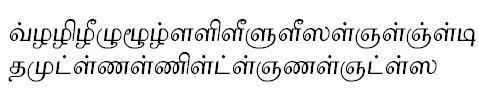
Sundaram-0823 Bangla Font
Sundaram-0823
Download
View Count : 14743
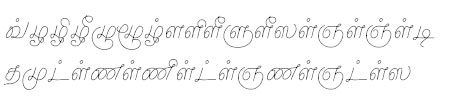
TAU_Elango_Manimekalai Bangla Font
TAU_Elango_Manimekalai
Download
View Count : 16005
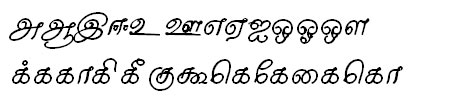
PonniTSC Bangla Font
PonniTSC
Download
View Count : 16977
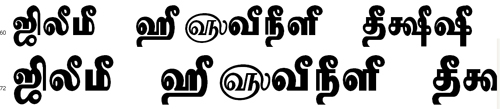
Sashi Bangla Font
Sashi
Download
View Count : 8267
TAU_Elango_Malyamar Bangla Font
TAU_Elango_Malyamar
Download
View Count : 9047
Tab Shakti-14 Bangla Font
Tab Shakti-14
Download
View Count : 11618
Tam Shakti 7 Bangla Font
Tam Shakti 7
Download
View Count : 22680
Imayam Bangla Font
Imayam
Download
View Count : 9324
GIST-TMOTChanakya Bangla Font
GIST-TMOTChanakya
Download
View Count : 25998
Sundaram-0807 Bangla Font
Sundaram-0807
Download
View Count : 22599

Translation tools...

Privacy Policy   GDPR Policy   Terms & Conditions   Contact Us
Please like, if you love this website
close