Tamil to English Dictionary: nitida

This is the world's leading online source for english definitions/meanings, we have been helping millions of people improve their use of the tamil language with its free online services.


Write your word as a english and click to search button for the meaning of english language. It's a very simple & easy. use & enjoy....

அங்கம்
angkam (p. 5) s. A limb, member, part or organ of the body, அவயவம். 2. Body, உடல். 3. Mark, sign, அடையாளம். 4. Skeleton, எலும்புக்கூடு. 5. Symmetry, well formed human or other shape as of letters, &c., as பாவனை. 6. (p.) A division of learning comprehending such science as is considered dependent on the Vedas; hence called வே தாங்கம், சாங்கம், உபாங்கம் and பிரத்தியாங்கம். 7. A country, ஓர்தேயம். 8. A language, ஓர்பா ஷை. 9. A bedstead, கட்டில். Wils, p. 9. and 1. ANGA. அங்கசன், s. Kama, The Indian Cupid, மன்மதன்; ex ஜ, to be born. (p.) அங்கசாதனம், s. A sign, mark. (c.) 2. The signs of the stars, &c., at one's birth. அங்கசாதனம்பிடித்தல். Finding out any thing by signs or circumstances fixing suspicion upon one. அங்கசேட்டை--அங்கசேஷ்டை, s. Distortion of the countenance from habit, grimace; ex சேஷ்டை, gesture. அங்கநியாசம், s. A mental appropriation or the assignment of various parts of the body to tutelary divinities, by touching the several parts, and applying sacred ashes, accompanied with incantations, according to the usual mode of Hindu worship; ex. நியாஸ, arrangement. (p.) அங்கபடி--அங்கவடி, s. Stirrup, குதிரையங்கபடி. (c.) அங்கப்பிரதக்கணம்--அங்கப்பிரதட் சிணம், s. A mode of worship by rolling round a temple after a car, &c., turning to the right, in performance of a vow, &c.; (c.) ex பிர, before, et தட்சிணம், right. அங்கப்பிராயச்சித்தம், s. Expiation for bodily impurity, especially the oblation offered by the heir at the first funeral obsequies to remove the impurity contracted during the period of mourning. (c.) அங்கமாலை, s. A பிரபந்தம் or poem describing the principal members of the body, such as the eye, face, breasts, &c., in the female, and shoulders, arms, breast, &c., in the male. The order of description must be from the feet to the hair of the head, or from the head to the feet. (p.) அங்கயோகம், s. The eight qualities of a Yogi. See யோகம். (p.) அங்கரக்கா, s. [local] அங்கரட்சா. A jacket, மெய்ச்சட்டை. அங்கரட்சிணி, s. A coat of mail. (p.) அங்கராகம், s. Anointing the body with perfumes, sacred ashes, sandal, &c., ex ராகம், anointing. (p.) அங்கர், s. Inhabitants of the country, அங்கம். அங்கர்கோமான், s. Kannan the king of the அங்கம், country, கன்னன். (p.) அங்கவியல், s. The constituents of royalty. See அரசியல். (p.) அங்கவீனன், s. One who has bodily defects, குரூபி. (c.) அங்காதிபாதம், s. A system of anatomy; ex ஆதி first, et பாதம். (p.) அனங்கன், s. [priv. அந்.] One without body, உடலிலி. 2. The Deity, கடவுள். 3. Kama, மன்மதன். (p.) 15)
அடி
aṭi (p. 8) க்கிறேன், த்தேன், ப்பேன், க்க, v. a. To beat, lash, smite, scourge, stamp, blow or beat as wind, வீச. 2. To defeat, overcome, wash away, carry away as waves, flowing water, &c., to flap, (as with wings) மோத. 3. [vul.] To kill, slay, slaughter, கொல்ல. 4. To fasten, make firm, drive in, அறைய. 5. To act with force and energy, make thorough work of, முயற் சியுடன்செய்ய. 6. v. n. To emit as a scent, வாசனையடிக்க--Note. This word joined to other verbs increases their intensity, as, மழையடித்துப்பெய்கிறது, It rains very hard. பேச்சிலேயடித்துவிட்டான், He confuted by argument,--spoke with fluency and overwhelming eloquence. அடித்துச்சொல்லிக்கொண் டுபோ, Speak fast, forcibly, fluently, &c. Added to neuter infinitives, it makes them active, as, சிதறடிக்க, to disperse. அடிகாற்று, s. [prov.] A very powerful wind, a strong gale, a tempest. அடித்துக்கொள்ள, inf. To beat one's self. அவனுக்கு அதிஷ்டம் அடிக்கிறது. Good fortune abounds to him. 4)
அத்து
attu (p. 13) கிறேன், அத்தினேன், வேன், அத்த, v. a. To join, attach, unite, make to agree, to combine, இசைக்க. (p.) 2. To apply as medicine to a wound, மருந்தொற்ற. 3. To lean, rest, stay upon, சார, also (fig.) to depend upon, துணைப்பற்ற. 4. v. n. To reach, arrive at, அடைய. இரண்டுதுண்டையொன்றாயத்தித்தைத்தான். He united and sewed the two pieces. மருந்தைக்காயத்தின்மேலத்திவைத்தான், He applied the medicine to the wound. என் தோளையத்திக்கொண்டுவரலாகாதா. Is it wrong for you to lean on my shoulder? அந்தச்சமாசாரம்எசமான்காதிலுமத்திப்போய்விட்டது. That news has reached our master's ears. அத்து, v. noun. Uniting, joining, making to agree, இசைப்பு. 2. A seam, the joining of cloth, &c., தைக்கை. 34)
அபிஷேகம்
apiṣēkam (p. 17) --அபிடேகம், s. Sacred or royal bathing, or anointing as an inaugurating ceremony a king, a guru, &c.; the daily bathing of an idol with Ganges' water, oil, ghee, milk, திருமுழுக்கு. Wils. p. 56. AB'HISHEKA. அபிஷேகக்கூட்டு, s. Macerated spices, &c.. for anointing an idol. அபிஷேகம்பண்ண, inf. To anoint, pour water, milk, butter, honey, fruit, &c., upon an idol. கனகாபிஷேகம், s. The pouring of gold. பட்டாபிஷேகம், s. Unction, the act of initiating into office. அன்னாபிஷேகம், s. The pouring of boiled rice. 6) *
ஆ
ā (p. 34) . The second vowel of the alphabet, இரண்டாமுயிரெழுத்து. 2. A contraction of the infinitive ஆக, to become--as பெண் ணாப்பிறந்தவள், one become (born) a woman. 3. s. A neat, a cow or bull, பசுப்பொது. 4. A cow, பெண்பசு. 5. A she buffalo, பெண் ணெருமை. 6. A she elk, gayal, பெண்ம ரை. 7. An interjection of pity, regret, pain, desire, contempt, admiration, இரக்கச் சொல். 8. A particle expressive of eager desire, gaping for a thing--as, ஆவென்றுதிரிகி றான், he wanders in quest of what he can get. (See ஆவெனல்.) 9. An affix of interrogation, வினா--as விழித்தானா? is he awake? 1. The termination of the neg. neut. plural of verbs, எதிர்மறை யஃறிணைப் பன்மைவி குதி--as, அவைசெல்லா, they will not go. 11. A contracted form of the negative gerund, எதிர்மறை வினையெச்சவிகுதி--as உண்ணா வந்தான்; for உண்ணாமல்வந்தான், he came, not having eaten. 12. A contracted form of the neg. rel. participle, எதிர்மறைப்பெயரெச்ச விகுதி--as ஓடாக்குதிரை, for ஓடாதகுதிரை, a horse that will not run. 13. A poetic form of the gerund, வினையெச்சவிகுதி--as பாராவணங்காமகிழ்ந்தான், he saw, worshipped and rejoiced;--பாராவணங்கா for பார்த்துவண ங்கி. 14. A neg. particle which may be expressed or understood before the termination of any verb except the neut. plural--as நடவாதான், he will not walk; நட வாய், you will not walk, &c. 15. A poetic contraction of ஆறு, way or manner--as, யான்வந்தவாசென்றியம்புதியேல், if you will go and give information of my arrival. 16. A poetic name of the ஆச்சாமரம். 17. One of the letters on which to exercise the voice in singing, running through the notes of the octave--a musical mode, இசையிலோசை. 18. A prefix to Sanscrit words--as, ஆகன் னம், ஆசட்சு. ஆ கெட்டேன். Ah! I am undone. ஆ கொடுப்பாய். Oh! thou wouldst give thyself--i. e. thyself and thy family--to Yama the god of death; [vul.] generally used by women. ஆதீண்டுகுற்றி--ஆவுரிஞ்சுதறி, s. A rubbing post or stone for cows, erected as a meritorious deed of charity. ஆப்பி--ஆமயம், s. Cow-dung, கோமயம். காட்டா, s. A wild cow. காரா, s. Buffalo, (lit.) a black cow or ox. 16)
ஆசாரியன்
ācāriyaṉ (p. 36) s. A spiritual teacher and guide, the Guru who initiates the disciples into the mysteries of his religion, குரு. 2. A master or teacher of science or general literature, a preceptor, doctor, professor, உபாத்தியாயன். 3. A name of Drona the military preceptor of the Pandavas and Gurus, துரோணாசாரியன். Wils. p. 16. ACHARYA. ஆசாரியபட்டம், s. The authority or title of a priest give him at his ordination. ஆசாரியபிஷேகம்--ஆசாரியாபிடே கம்--ஆசாரியாபிஷேகம், s. The anointing or ordination of a Guru or Priest. ஆசாரியபுருஷன், s. As ஆசாரியன். 51) *
ஆறு
āṟu (p. 43) s. and adj. Six (6.) six things, ஓரெண். 2. As a prefix to words beginning with consonants, the initial is often shortened, especially when the number is specific--as அறுசுவை, the six flavors. (c.) அவ்வாறு. Six by six, six to each, six of each. அறுகுணன், s. The deity--he who possesses the six attributes, கடவுள்; [ex குணம், quality.] (p.) அறுகோணம், s. A hexagon. 2. A magical diagram of two equilateral triangles, one laid over the other so that their sides may be parallel, making six outward and six inward angles. அறுசமயம், s. The six systems of religion maintained by Hindus. See சமயம். அறுதொழிலோர், s. Brahmans-from the six duties prescribed to them, வேதியர். See தொழில், office. அறுபகை, s. The six hurtful propensities--as காமம், &c. See பகை. அறுபருவம், s. The six seasons of the year--as கார், கூதிர், &c. See பருவம். அறுபொழுது, s. The six different portions of the day; 1. மாலை, the first four hours after sunset, or ten nalikies. 2. யாமம், four hours, or ten nalikies after மாலை. 3. வைகறை, four hours after யாமம் or before sunrise. 4. காலை or விடியல், four hours after sunrise or வைகறை. 5. நண்பகல், from eleven A. M. to two P. M. 6. ஏற்பாடு, from three to six P. M. அறுவர், s. Six persons--men or women. (p.)--Note. For other similar words, see அறு. ஆறங்கம், s. The six subjects embraced in வேதாங்கம்; which see. (p.) ஆறாமீனறவோட்டு, s. The transit of the sun through the pleiades, regarded by seamen, as a critical or disastrous season, when rough weather is to be looked for. ஆறுகட்டி, s. A kind of ear-ring worn by a set of Pandarams. ஆறுகாடு, s. [commonly ஆற்காடு.] A town near Vellore, சடாரணியம். (p.) 65)
ஆல்
āl (p. 43) . The chief form of the third case, or instrumental ablative--implying cause, agency, instrumentality, expressing by, by means of, with, by way of, in consequence of, மூன்றாம்வேற்றுமையுருபு. 2. A poetic expletive, usually annexed to the finite verb, also to nouns, அசைச்சொல். 3. A form of the subjunctive, joined to the gerund, or in poetry, to the finite verb, expressing if, வினையெச்சவிகுதி. 4. An optative termination expressing may, let, &c., வியங்கோள் விகுதி. 5. A negative form of the optative--as அழால், don't weep. 6. A form of affirmation, for yes, ஆமெனல். This definition, though given in Saturagarady and Negundu, is not proved by examples. 7. A form of the third case, expressing each, every, distributively. (p.) நீவந்தால். If you come. நாடாமால். It is a country, or one's native land. ஊராலொருதேவகுலம். A temple in every country. மரீஇ யதோரால். May you know--or know --know you what has happened. வாளால்வெட்டினான். He cut with a sword. அரசனாலாகியமனை. A house built by the king. 6)
இகல்
ikl (p. 45) --இகலு, கிறேன், இகன்றேன், வேன், இகல, v. a. To hate, oppose, to be inimical to, பகைக்க. 2. To oppose in war, to fight, பொர. 3. To vie with, be rival to, compete with, எதிர்க்க. 4. To dispute, contend, வாக்குவாதஞ்செய்ய. Note.--The infinitive and some other parts of this verb are used as particles of comparison--as குலியமோடிகலியவங்கை, hands resembling vermilion. வரையிகலவளர்தோள். Shoulders grown so large as to vie with mountains. இரண்டுகுருவிகளிகலிப்பாடுகின்றன. Two birds are vieing with each other in song. 8)
இரசம்
iracam (p. 48) s. Flavor, relish; what is tasteful, agreeable, palatable, delicious; taste in general, good or bad--also the six flavors. (See சுவை.) 2. Sweetness, இனிமை. 3. Sweet juice of fruits, &c., vegetable juice in general, சாறு. 4. Mercury, quicksilver, hydrargyrum, பாதரசம். 5. (p.) One of the juices of the body, சத்ததாதுவினொன்று. (See தாது.) It corresponds more with chyle than any other, but probably it is fanciful. 6. Pepper-water made of several ingredients, மிளகுநீர். 7. [in rhetoric.] The passions or emotions of the mind expressed by gesture, exhibited in action and transferred to poetry, வீரமுதலியவெண்சுவை. Of these eight are given; viz.: 1. வீரம் or வீரியம், courage. 2. அச்சம், பயம், or பயானகம், fear, terror. 3. இழிப்பு, விபற்சம், குற்சை, அருவரு ப்பு, abominating, loathing at or disgusting. 4. வியப்பு or அற்புதம், wonder, surprise, astonishment. 5. காமம், சிங்காரம், சிருங்காரம், love, sexual love. 6. அவலம் or கருணை, acute sensibility, weakness, tenderness, mercy, pity, clemency. 7. உருத்திரம், கோ பம், இரௌத்திரம், பெருங்கோபம், warlike fury, wrath, displeasure, rage. 8. நகை, பெரு நகை or ஆசியம், laughter, mirth, risibility, great or intense laughter, laughing in contempt. By some, சாந்தம், tranquillity, equanimity, peace, abstraction or the stoicism of the ascetics; and by others வற்சலம், parental tenderness are given as a ninth meaning; இரசம் is added at pleasure with the loss in some cases of its initial-as வீராசம், இழிப்பிரசம், &c. Wils. p. 697. RASA. இரசகந்தாயம், s. Tribute, the fatness of the earth. இரசகந்தாயமாய்ப்பேச, inf. To speak pleasingly. இரசகருப்பூரம், s. Muriate of mercury, ஓர்மருந்து. இரசகுண்டு, s. [prop. இரசக்குண் டு.] A globular glass filled with mercury as a decoration at weddings, &c., also as a charm. இரசகுளிகை--இரசமாத்திரை, s. A quick-silver pill employed in medicine, இரசத்தினாற்செய்தமாத்திரை. 2. [in alchemy.] A pill feigned to be used by a class of persons called சித்தர், now in the world of Indra, who thereby perform supernatural actions--as கமனஞ்செய்கை, or passing through the air to any desired place, சித்தர்குளிகை. இரசக்கட்டு, s. Condensed mercury, சூதக்கட்டு. இரசக்கிணறு--இரசக்குழி, s. A pit or mine where quick-silver is obtained. இரசக்குடுக்கை, s. A little bottle of mercury. இரசசிந்தூரம், s. Red precipitate of mercury. இரசஞ்சுத்திபண்ண, inf. To purify quick-silver. இரசதாது, s. Quick-silver, சூதம். Wils. p. 698. RASAD'HATU. இரசதாளி, s. A species of plantain, கப்பல்வாழை. இரசத்தைக்கட்டிப்புடமிட, inf. To reduce mercury by decoction. இரசத்தைப்பஸ்மமாக்க, inf. To reduce mercury into powder. இரசநாதம், s. Quick-silver, இர சம். Wils. p. 698. RASANATHA. இரசபஸ்பம்--இரசபஸ்மம்--இரச பற்பம், s. Mercury reduced to white powder, a kind of muriate of mercury or calcinated mercury, சூதபஸ்பம். Wils. p. 698. RASAB'HASMAN. இரசபாஷாணம், s. A kind of prepared arsenic. இரசப்பிரீதி--இரசமாதா, s. One of the hundred-and-twenty kinds of arsenic in its natural state. இரசமணி, s. Hard globules of mercury prepared by incantations, &c., and worn as an amulet in order to prevent evil, cure diseases, to promote success in undertakings, &c. இரசமுறிக்க, inf. To prepare mercury for medicine. 2. To carry mercury off from the body. இரசலிங்கம், s. Vermilion, சாதி லிங்கம். 2. A case of mercury for a linga. இரசவாதம்--இரசவித்தை, s. Alchemy--one of the sixty-four கலைஞானம். இரசவாதம்பண்ண, inf. To practise the art of alchemy. இரசவாதி, s. An alchemist. இரசவாழை--இரதவாழை, s. [improp. இதரைவாழை.] A species of plantain, பேயன்வாழை. இரசவைப்பு, s. Any preparation from mercury--as a muriate, sulphate, &c., an amalgam. இரசனை, s. Flavor, deliciousness, sweetness, delicacy, சுவை. 2. The tongue, நாக்கு. 3. Juice, sap, essence, சாறு. இரசாதிபதி--இரசாதிபன், s. [in astrology.] The sun or one of the planets presiding over fruits, vegetables, &c., for the given years, இரசவஸ்துகட்கதி காரியாங்கிரகம். இரசாபாசம், A loss of flavor, or of juice. இரசேந்திரம், s. The philosopher's stone, இரசத்தினாற்செய்த ஏந்திரம். Wils. p. 699. RASENDRA. இரசேந்திரியம், s. The tongue, நாக்கு. இரசிக்க, inf. To be pleasant to the taste, ear or mind; to delight, gratify உருசிக்க. இரசிப்பு, v. noun. Sweetness, flavor, இனிமை. 40) *

இலிங்கம்
ilingkam (p. 54) s. A sign, mark, token, symbol, அடையாளம். 2. The penis. ஆண்குறி. 3. The phallus or linga--a representation of the membra viri et mulieris used in temples as an object of worship, and regarded as deity under this emblem. It is also made of gold or silver and worn in a casket on the arm, the breast, or some other part of the body, as an amulet and as an object of veneration and worship. In both these cases it represents both sexes in conjunction, being emblematical of Siva and Sacti, or the male and female energies of the deity, சிவலிங்கம். In the Agama philosophy three lingas are mentioned; viz.: 1. Streelinga (ஸ்திரீலிங்கம்) the same as விந்து--the female linga common to male and female--including in both sexes the organs for secreting and containing the seminal fluid. 2. Purshalinga (புருட லிங்கம்) same as நாதம் (Natha) male linga, also common to both sexes, including in both sexes the genital organs for transmitting and combining the two productions essential to generation. 3. Napunchakalinga, (நபுஞ்சகம்) same as அலி, Ali or Alilinga, the neuter or rather hermaphrodite linga, being the physiological foundation of the other two, both as to their organization and functions. The image linga often bears this name; these three are distinguished by the terms அவன், அவள், அது. They are physiological and are found in such works as தத்துவக்கட்டளை, &c. There is another class of lingas called பஞ்சலிங் கம், the five lingas, popularly represented as deity under the emblems of the five elements, and worshipped in as many celebrated temples, viz.: பிருதிவிலிங்கம், earth-linga, worshipped at Canjeevara-அப்புலிங்கம், water-linga, worshipped at Tiruvanaicka--தேயுலிங்கம், fire linga, worshipped at Tiruvannamalay--வாயுலிங்கம், air-linga, worshipped at Tirukalatti-ஆகாயலிங்கம், ether-linga, worshipped at Sethumbaram. These are properly of a metaphysical or mystical character and belong to the arcana of Hinduism. The above designations are for popular use and are given from their physiological connection with the five bodies or casements of the soul, whose natural bases are the elements. earth, water, fire, air and ether, respectively. Among the initiated, the following are the terms employed, viz.: 1. ஸ்திரீலிங் கம், Streelinga--this is properly the organ entire--male and female with its functions; it is a figure (உரூபம்) the only one of the five to which form is ascribed. There is but one image, the representation of this. The சரிதை course of worship, i. e. the popular puranic course belongs to this. 2. புல்லிங்கம், this is defined to be உணர்வு; the course here is that of instruction and perception as to the action of the instrument, &c. To this belongs the கிரியை course of worship, the second great stage. 3. நபுஞ் சகலிங்கம், this is the stage of darkness, of neutrality, called the stage of darkness and doubt, and, as a course of worship, is included in the succeeding one. 4. பரமலிங் கம், this comes under the dominion of மயேச் சுரன், the concealer, and is called மறைப்பு; the course here is that of யோகம், the third great stage. 5. மகாலிங்கம், this is தெளிவு, the course of ஞானம், the last stage which exempts from births, and secures absorption in the supreme essence. Wils. p. 72. LINGA. இலிங்ககோளம், s. Glans penis. (Anat.) இலிங்கங்கட்டி--இலிங்கதாரி, s. One who wears the linga. இலிங்கசங்கமம், s. Symbols of the sexes united--probably a personification of the active energy of the deity and of matter, represented in metal. &c., or formed in the mind as objects of contemplation and worship. இலிங்கசூலை, s. A kind of venereal disease. இலிங்கபுடோல், s. The ஐவிரலி, creeper, Bryonia, L. இலிங்கபுராணம், s. One of the eighteen Puranas, புராணம்பதினெட்டிலொ ன்று. இலிங்கப்புற்று, s. A kind of venereal disease. இலிங்கரோகம், s. The venereal disease, ஆண்குறியில்வருமோர்புண். இலிங்கர்--இலிங்கிகள், s. Ascetics, Rishis who wear the Linga, சைவ தவப்பாலோர். இலிங்கி, s. An ascetic. 2. A worshipper of Siva, under the phallic emblem. 3. A hypocrite, a pretended devotee. ஸ்படிகலிங்கம், s. A linga made of quartz. பாணலிங்கம், s. A stone in the form of a linga--found in the river Nurbudda. பிரசாதலிங்கம், s. What is dedicated to Siva. பார்த்திபலிங்கம், s. Any thing assumed as an emblem of linga, and worshipped. சுயம்புலிங்கம், s. A linga supposed to be self-existent. சங்கமலிங்கம், s. A man of the Changama sect. குருலிங்கம், s. A spiritual father, a confessor. 17)
உடந்தை
uṭntai (p. 59) s. Fellowship, companionship, confederacy, partnership, proprietorship, heirship, கூட்டுறவு. 2. Connexion, concert, union, combination, participation, சேர்க்கை. (c.) ஒல்லையிற்றருமங்களுக்குடந்தையாய். Uniting at once in fellowship with every virtue. (பாரதம்.) அவனிதற்குடந்தையாளி. He is a partner. 2. He is a joint-heir. 3. He is accessary to it. அவனுக்குமெனக்குமுடந்தையில்லை. I have no connexion with him. 2. I am not related to him. 3. I have no business with him. 4. I disown him. உடந்தைப்பட, inf. To consent, become accessary, to have a hand in, be engaged in, ஒருமிக்க. 76)
உடை
uṭai (p. 59) s. A species of thorny tree, குடைவேல், Acacia--in the adjective and genitive forms, ஐ is changed into அம், as-உடமுள், the thorn of the உடை tree. 98)
உணர்
uṇr (p. 59) --உணரு, கிறேன், உணர்ந்தே ன், வேன், உணர, v. a. To be conscious, to feel mentally, to perceive, understand, comprehend, arrive at, or possess full and perfect knowledge, அறிய. 2. To discern, distinguish, பகுத்தறிய. 3. To think, reflect or consider, meditate, contemplate, நினைக்க. 4. To feel, perceive by the touch, பரிசித்தறிய. 5. To learn, acquire knowledge, கற்றறிய. 6. To become reconciled-as man and wife, be reunited after a love quarrel, ஊடறீர. 7. To become free from delusion, doubt, error, &c.--as in waking from sleep; recovering from languor; acquiring spiritual perception, &c., தெளிய. (p.) தெய்வப்புலவனுக்குநாவுணருஞ்சித்திரவோடாவிக்கு க்கையுணரும். The tongue of the inspired poet and the hand of the painter perform their functions intuitively. [prov.] உற்றுணரெங்களிலொருவன். One of us who have been initiated. (பாரதம்.) உணராமை, neg. v. noun. Stupor, want of perception, knowledge, feeling, &c., அறியாமை. 2. Insanity, intoxication, infatuation, bewilderment, உன்மத்தம். உணருமறிவு, s. Instinct, intuition. 2. Ready apprehension, cleverness. உணர்ந்தோர்--கற்றுணர்ந்தோர், s. The learned, persons of profound erudition, men of ability. உணர், v. noun. Feeling, perception, knowledge, intellect, உணர்வு. உணர்ச்சி, v. noun. Consciousness, feeling, intuition, perception, discernment, understanding, sensibility, knowledge, wisdom, judgment, experience, reason, learning, &c., acquiring knowledge, உணர்வு. என்காலிலேயுணர்ச்சியில்லை. My leg is devoid of feeling, affected by paralysis, &c. உணர்தல், v. noun. Being reconciled--as man and wife after a lovequarrel. ஊடலுணர்தல்புணர்தலிவைகாமங்கூடியார்பெற் றபயன். Disunion, reconciliation and the pleasures of love, those are the fruits of matrimony. (குறள்.) உணர்த்தி, s. [vul. prop. உணர்ச்சி.] Feeling. உணர்த்தியற்றவன், s. A man past feeling, one devoid of sensibility. உணர்த்தியுள்ளவன், s. A man of sensibility, one who is affected by the wants of others. உணர்வு, v. noun. Feeling, consciousness, intuition, perception, understanding, knowledge by means of the senses, உணர்கை. 2. Clear discernment, intellect, reason, தெளிவு. 3. Cessation from sleep, love quarrels, &c., ஊடலுந் துயிலுநீங்கல். 4. Acquiring of knowledge, learning, experience, acquaintance with science, &c., கற்றுணர்கை. 5. A sense, புலன். 6. Separation, நீங்கல். உணரவுணருமுணர்வுடையாரைப்புணரப்புணருமா மின்பம். To be united in friendship with the prudent who think of what they ought to think is productive of the highest felicity. (நாலடி.) உள்ளத்துணர்வுடையான். A man of great wisdom. உணர்வுகேடு, s. Forgetfulness, listlessness, inattention, உணர்ச்சியின்மை. 2. Want of understanding, அறிவீனம். நுண்ணுணர்வு, s. An acute perception. தேர்ந்தவுணர்வினன், s. A man of improved understanding. தளர்ந்தவுணர்வினன், s. A dull man, one slow of understanding. 114)
உன்
uṉ (p. 69) pron. The genitive of நீ; which see. உனக்கெனக்கென்றுசண்டைகொடுக்கிறது. To quarrel about the right of possession with regard to any thing. 9) *
Random Fonts
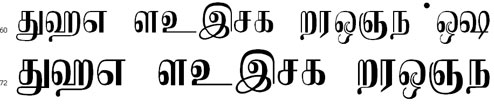
Ks_Kamban Bangla Font
Ks_Kamban
Download
View Count : 11145
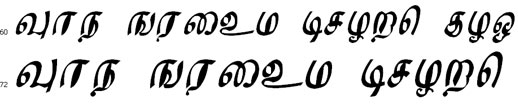
Sundaram-0831 Bangla Font
Sundaram-0831
Download
View Count : 14973
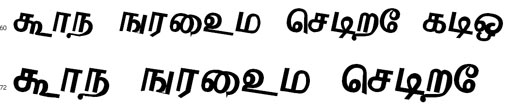
SM-Tamil-01 Bangla Font
SM-Tamil-01
Download
View Count : 38561
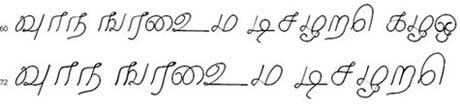
Sivagami Bangla Font
Sivagami
Download
View Count : 10120
Baamini Bangla Font
Baamini
Download
View Count : 958136
Sivabalan Bangla Font
Sivabalan
Download
View Count : 13841
Malayamarutham Bangla Font
Malayamarutham
Download
View Count : 11992
TAU_Elango_Rathnam Bangla Font
TAU_Elango_Rathnam
Download
View Count : 8195
Tab Shakti 10 Bangla Font
Tab Shakti 10
Download
View Count : 20633
Kksblack Bangla Font
Kksblack
Download
View Count : 10887

Translation tools...

Privacy Policy   GDPR Policy   Terms & Conditions   Contact Us
Please like, if you love this website
close