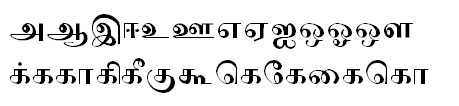
Tamil to English Dictionary: classical

This is the world's leading online source for english definitions/meanings, we have been helping millions of people improve their use of the tamil language with its free online services.


Write your word as a english and click to search button for the meaning of english language. It's a very simple & easy. use & enjoy....

அதகடி
atkṭi (p. 10) s. [prov.] Menace, threat, persisting in a claim, unreasonable hector, &c., அதட்டு. (Not a classical word.) 13)
அருமை
arumai (p. 26) s. Rareness, scarceness, scantiness, அபூர்வம். 2. Preciousness, desirableness, pre-eminence. மேன்மை. 3. Difficulty, laboriousness, வருத்தம். 4. Impossibility, unattainableness, கூடாமை. 5. Delicacy, சிறப்பு.--Note. As an adjective, மை is dropped before a consonant with a change of that, when required in combination, and அரு may be changed into அரிய with or without து, or the last vowel may be dropped, and the first lengthened as in ஆருயிர், precious life. அருங்கலைநாயகன், s. Buddha, the lord of eminent sciences, புத்தன். அருங்கலைவினோதன், s. one devoted to learning; one whose time is spent in cultivating the arts and sciences. அருங்கிடை, s. Extreme hunger from long abstinence, &c., பட்டிணி. அருங்கிடைகிடக்க, inf. To be in a starving condition. அருங்கேடன், s. One who is imperishable, who will always prosper. (குறள்.) 2. (c.) A very treacherous man, a profligate wretch. அருங்கோடை, s. Vehement heat. 2. Severe drought. அருஞ்சிறை, s. Rigorous servitude, கடுஞ்சிறை. (Ram.) 2. Hell, நரகம். அருநரகம், s. A cruel hell. அருநிலை, s. Difficult standing said of a ford when impassable. அருநிழல், s. A slight shade. அருநெறி, s. A narrow or difficult way. 2. Gate-way or entrance. அருந்தமிழ், s. Elegant Tamil. அருந்தவம், s. Rigid austerities. அருந்தவர், s. Ascetics. அருந்தூதன், s. A tormentor, one who inflicts pain, வேதனைசெய்வோன். அருமருந்து, s. Nectar, அமிர்தம். In classical works, this in the form அருமருந்தன்னபிள்ளை is contracted to அருமந்த, precious as nectar, as, அருமந்தபிள்ளை. A very dear child, அருமந்ததேர். A very costly chariot. அருமறை, s. The sacred Vedas. Ell. 145. 4. அருமறைக்கொடியோன், s. A name of Dronácharya, the military preceptor of the Pandavas and Kurus, because of the Vedic device on his banner. அருமைப்படுத்த, inf. To make scarce, hard, difficult. 2. To impart reluctantly, make much of. அரும்பண்டம், s. A rare article, choice wares, valuable commodity. அரும்பிணி, s. An incurable disease. (நாலடி.) Ell. 118. அரும்பூட்டு, s. [prov.] A girdle, waist-string, necklace, &c., so short as scarcely to be brought to meet, a string, rope, &c., so short as to be tied with difficulty, a bow-string so short as to be liable to break if brought up too far, any thing too little, too short, too narrow, &c., எட்டாப்பூட்டு. 2. Difficulty in settling a negotiation, agreement, &c., இணக்கக்கூடாமை. 3. Entanglement, ensnarement, மோசத்திலகப்படுகை. 4. Forced connection in language, clauses disconnected or not joined naturally, difficult or unnatural; construction, தொடர்ச்சி யின்மை. சொற்களையரும்பூட்டாய்த் தொடுத்துப்பேசினான். He spoke in an unconnected manner. அரும்பொருள், s. Excellent advice, hard doctrine, a rare or difficult meaning. 2. A choice or precious article. அருவினை, s. A great sin. அருவினைகளைந்து. The five great sins. தெய்வமொருவனென்றேத்தி யொருமித்திருந்தால் அருவினைகளைந்துமறும். The five great sins will be forgiven him who worships the one God with singleness of heart. (கம்பன்.) 5)
ஆள்
āḷ (p. 43) --ஆளு, கிறேன், ஆண்டேன், வேன், ஆள, v. a. To rule, reign, exercise royal power, whether supreme or delegated, அரசுசெய்ய. 2. To possess and employ slaves, அடிமையாள. 3. To possess and enjoy the produce of land, the use of a house, &c., ஆட்சிசெய்ய. 4. To govern a wife, household, &c., குடும்பத்தையாள. 5. To accept, adopt--as a servant, slave, &c., receive into protection, ஆட்கொள்ள. 6. To use, establish usage--as in language, மொ ழியாட்சிசெய்ய. 7. To cherish, maintain, cultivate, exercise, ஓம்ப. 8. To manage, direct, கையாள. (c.)--Note. An appellative affix is formed from ஆள் by adding அன், for the singular, and அர் for the plural-as பகையாளன், a foe; பகையாளர், foes. ஆளமாட்டாதவனுக்குப்பெண்டேன்? What does he want with a wife, who cannot govern her? எடுத்தாளாதபொருளுதவாது. A thing not used becomes useless. என்னைமகிழ்வாலிசைந்தாளில். If thou receivest me with cheerfulness into thy protection. நட்பாள்பவர். Those sincerely united in friendship. யாமத்துமாளுந்தொழில். Employed even by night. (குறள்.) சான்றோராலாளப்பட்டசொல். A word used by the learned ancients. மன்னுயிரோம்பியருளாள்வார். They who cherish and exercise charity toward all living. அல்லலருளாள்வார்க்கில்லை. Evil cannot assail the charitable. ஆண்டவன்--ஆண்டான், appel. noun. A ruler, governor, lord, master, ஆள்வோன். ஆண்டி, s. [fem. ஆண்டிச்சி.] A religious mendicant of the Siva sect, a devotee, சிவனடியான். 2. A ruler, an appellative of the deity, transferred to the devotee. ஆண்டை, s. [fem. ஆண்டைச்சி.] A master, lord, landlord--as spoken by low castes, in reference to their feudal chief of superior caste, எசமானன். சத்தியமாய்்ச்சொல்லுகிறேனாண்டைகேளீர். My lord, listen to me; I will confess the truth. (ஞானவெட்.) ஆட்சி, v. noun. Possession, heritage, inheritance, title, உரிமை. 2. Government, domination, rule, reign, ஆளு கை. 3. Use, practice, occupancy, usage-especially in language by classical writers, வழக்கம். ஆட்சித்தானம்--ஆட்சிராசி, s. [in astrology.] One of the five situations in which a planet has government--that of its being in a sign deemed its own, during which it exerts special benignity --an occurrence favorable to the birth of a child, &c. ஆட்சிப்பட, inf. To become one's right by long possession, தற்கிழமை யாக. நெடுநாளாயவனுக்காட்சிப்பட்ட தெய்வம். A spirit or demon that has long been subject to him, or with which he has long been familiar. ஆட்சிப்படுத்த, inf. To secure a title by long possession, தற்கிழமையாக்க. ஆளுகை, v. noun. Rule, government, domination, authority. ஆளுகைசெய்ய, inf. To exercise government. ஆள்வாரில்லாமாடு, s. A cow or bull appropriated to a temple, which is left to stray as it likes; such are well received and fed. 59)
இலக்கணம்
ilkkṇm (p. 52) --இலட்சணம், s. A mark or spot, அடையாளம். 2. Quality, property;, inherent, natural or distinguishing characteristics, good or estimable qualities, இயல்பு. 3. Appropriate or required properties or perfections--as of the deity, அசாதாரணதருமம். 4. Compound parts, qualities or members, உறுப்புகள். 5. Elegance, symmetry, being well proportioned or formed, comeliness, decency, beauty, சிறப்பு. 6. Philology, grammar, இலக்கியத்தினமைதி, embracing five parts, பஞ்சலக்கணம்; viz.: 1. எழுத்திலக்கணம், orthography or the nature and powers of letters with the changes that occur in the construction and combination of words. 2. சொல்லிலக்கணம், etymology or the nature, properties and use of words. 3. பொருளிலக்கணம், properties of things, (1. அகப்பொருள். 2. புறப்பொருள்.) 4. யாப்பிலக் கணம், prosody. 5. அணியிலக்கணம், rhetoric. இலக்கணச்சாட்சி, s. Grammatical authority. இலக்கணச்சிதைவு, s. The change of a word from its original form, including syncope, elision, augmentation, &c., grammatical anomaly, இலக்கணவழு. இலக்கணச்சுழி, s. A lucky curve or curvature in the lines of the body, in the hair of horses, &c., நற்சுழி. இலக்கணச்சொல், s. Proper words or words in their natural state--the first of the six classes. See வழக்கு. இலக்கணநூல், s. Grammar, a treatise on grammar or philology. இலக்கணப்போலி, s. Words resembling இலக்கணச்சொல்--being compound words with the natural order reserved, words usual but not elegant. See வழக்கு. இலக்கணவழக்கு, s. The grammatical use of a word, அறுவகைவழக்கினுளொன்று. இலக்கணவழு, s. A deviation from grammatical rule, a solecism. இலக்கணவிலக்கியம், s. Grammatical works and classical writings as cognate branches of learning--distinguished from others. இலக்கணவிளக்கம், s. A work on Tamil grammar, இயற்றமிழ்நூலிலொன்று. இலக்கணவிளக்கச்சூறாவளி, s. A treatise on Tamil grammar written in confutation of the above. இலக்கணி, s. A grammarian, இயற்றமிழாசிரியன். 16) *
இலக்கியம்
ilakkiyam (p. 52) s. A mark or butt, குறி. Wils. p. 714. LAKSHYAN. 2. (p.) Example from classical writings to illustrate grammatical rules and to show the authority of words or any special usage, உதாரணம். 3. Classical writings according to the usages of which grammatical rules are formed, any ancient classical work or usage, சான்றோர்செய்யுள். இலக்கியங்காட்ட, inf. To quote examples from literary or historical works. 22) *
உடைமை
uṭaimai (p. 59) s. Property, possessing, having, owning, உரிமை. 2. The thing possessed, property, possessions, movable property, உரியவை. 3. Jewels, ornaments, ஆபரணம். 4. Wealth, riches, opulence, செ ல்வம். In the first meaning it is often in classical language affixed to other words. உடைமையுளின்மைவிருந்தோம்பலோம்பாமடமை... Poor in the midst of wealth are they who ignorantly neglect the duties of hospitality. (குறள்.) கல்வியுடைமைபொருளுடைமையென்றிரண்டுசெல் வமுஞ்செல்வமெனப்படும். The two possessions, viz.: knowledge and wealth are possessions indeed. (நீதிநெ.) உடைமைக்காரன்--உடைமையாள ன், s. A proprietor, possessor, an owner. 2. An opulent person. அன்புடைமை, s. Love, affection, kind-heartedness. அறிவுடைமை, s. The possession of knowledge, knowledge. அருளுடைமை, s. Grace, benevolence. 100)
உட்கார்
uṭkār (p. 59) --உட்காரு, கிறேன், ந்தே ன், வேன், உட்கார, v. n. [vul.] To sit, sit down, (not classical) also written உளுக்கார. உட்காருவிக்க, inf. To seat, provide with a seat, cause to sit, உளுக்காரச் செய்ய. 106)
உலகம்
ulkm (p. 65) --உலகு, (Sans. லோக.) World, universe, உலோகம். 2. The earth, பூமி. 3. Country, territory, நாடு. 4. Region, திசை. 5. (fig.) The inhabitants of the world, உலகத்தார். 6. The sky, etherial regions, ஆகாயம். 7. The learned, the good, சான்றோர், 8. (fig.) Created beings or existences, every thing except the Supreme, சிருட்டிப்பொருள்கள். (தத். 37.) 9. Enjoyments, or sufferings apportioned to the soul in the present birth, உலோகானுபவம். (ஞா. 779.) 1. Earthliness, worldliness, secularity, உலகத்தன்மை. 11. A word auspicious to begin a poem, மங்கலச்சொற்களினொன்று. உலகஞ்சொல்லுகிறது. The country says so, such is the public opinion. உலகந்தோன்றிநின்றழிய. To appear, abide and perish periodically--as the universe-உலகசஞ்சாரம், s. Inhabiting the world, பூமியிற்சஞ்சரிக்கை. உலகசயன், s. Buddha, புத்தன். (p.) உலகநடை--உலகவழக்கம்--உலக வழக்கு, s. Fashion, custom, usage, உலகொழுக்கம். 2. Secularity, conformity to custom--as marrying, &c., உலகாசாரம். 3. [in grammar.] Colloquial language-as opposed to இயற்சொன்னடை, செய்யுள் வழக்கு, &c. உலகநாதன், s. The Supreme Being--as Lord of the world, கடவுள். 2. Bramah the creator of the world, பிரமன். (p.) உலகநீதி, s. Morality, நன்னெறி. 2. The rules, or customs of the world-as distinguished from those of religion, or of ascetic life, உலகநடை. 3. Natural law, இயல்பானநீதி. 4. The existing laws of the country, தேசவியற்கைநீதி. 5. Name of a work on morality, ஓர்நூல். உலகநேத்திரன், s. The sun, சூரி யன். (p.) உலகபயித்தியம், s. Worldly pomp, vanity, secularity--as opposed to the feelings and practice of the ascetic, உலக மயக்கம். உலகபாந்தவன், s. The sun, சூரிய ன். (p.) உலகப்பரப்பு, s. The world considered in its expanse, உலகவிரிவு. உலகப்பற்று, s. Attachment to the world, mundane, or sensual attachments, உலகபந்தம். உலகப்புரட்டன், s. One who holds opinions and acts contrary to the sentiments of the wise. உலகமலையாமை, s. One of the ten அழகு or beauties of language, classical usage, &c. See அழகு. உலகமலைவு, s. [in rhetoric.] Incongruity, impossibility, absurdity--as அலை கடல்களேழுந்தூர்த்தந்தாத்தினூடே--மலையனையமால் யானையோட்டிக்--கலவாரை--நீறுசெய்துவையநெ டுங்குடைக்கீழ்வாழ்வித்தான்--மாறாச்சீர்வையையார் கோன், the Pandian king of Madura of endless fame filled the seven seas with sand, drove his elephant through the sky, reduced his enemies to ashes, and brought the whole world under his sway. (அலங்.) உலகமாதா, s. The mother of the world--applied to Sarasvati, சரச்சுவதி. 2. Lukshmi, இலக்குமி. 3. Parvati, பார்ப் பதி. (p.) உலகமீன்றாள், s. Parvati the wife of Siva, the mother of the world, பார்ப்பதி. (p.) உலகமுண்டோன், s. Vishnu the world-eater, விட்டுணு. (p.) உலகரட்சகன், s. The saviour or protector of the world. உலகரட்சணியம்--உலகரட்சை, s. Protection, or salvation of the world. உலகர், s. Worldlings, those engrossed by worldly pursuits. (தீ. 335.) (p.) உலகவழக்கம், s. The customs of the world. உலகவாசை--உலகவாஞ்சை, s. Ardent love of worldly, or sensual enjoyments, உலகவிருப்பம். உலகவாழ்வு, s. Temporal prosperity. உலகளந்தோன், s. Vishnu the measurer of the world, விட்டுணு. (p.) உலகாசாரம், s. Relative duties, the customs, rites or duties to be performed according to the country, caste, rank, relation, &c., of persons respectively. உலகாயிதம், s. A system of materialism, or atheistical epicurianism, அறுசமயங்களிலொன்று. See சமயம். (p.) உலகாள--உலகோம்ப, inf. To govern, protect his country--as one of the duties of a king. உலகாள்வோன், s. A monarch, உலோகாதிபன். உலகியல், s. The customs of the world, உலகநடை. உலகோம்பல், v. noun. Preserving the world--one of the six occupations of kings. See தொழில். உலகோற்பத்தி, s. The origin, or development of worlds. மேலுலகு, s. The upper worlds, which are seven in number, viz.: பூலோ கம், புவர்லோகம், சுவர்லோகம், மகாலோகம், சன லோகம், தபோலோகம், சத்தியலோகம். கீழுலகு, s. The lower worlds or regions; which are also seven, அதலம், விதலம், சுதலம், தராதலம், இரசாதலம், மகாதலம், பாதாளம். மூவுலகம், s. The three worlds, viz.: சொர்க்கம், மத்தியம், பாதாளம். மூவுலகாளி, s. God, (lit.) the sovereign of the three worlds, கடவுள். (p.) மூவுலகுணர்ந்தோன், s. He who comprehends the three worlds, God, க டவுள். 2. Argha, அருகன். (p.) மூவுலகேந்தி, s. God as the supporter of the three worlds, கடவுள். (p.) 79)

என்
eṉ (p. 75) கிறேன், றேன், பேன், என்ன, v. a. To say, name, pronounce, express, do, indicate, either by words or signs, expressed, or implied, என்றுசொல்ல. This is the common form for quotation, in which sense it generally occurs in all its various uses. In the infinitive and other parts it is commonly found with one ன் only. என்கு. I say. என்கும். We say. என்ப--என்பர்--என்மர்--என்மனார்--என்றிசினோ ர். They say, they may say, some say, &c. அப்படியென்கிறான். So he says. 2. He does so (the speaker making the sign or sound intended). இல்லையென்கிறேன். I say no-implying impatience, displeasure, emphasis, &c. பணமில்லையென்கிறான். He says he has no money. போவென்கிறேன். I tell you to go, lit. I say go, and implying I have said so before. அவனைப்போவென்னப்போகிறான். When I say go, he goes. காமதேனுவென்கிறபசு. The cow (of the supernals) called Kamadhanu. நானென்னுமெண்ணம். Self conceit, consequence. என்பவன், appel. n. He who says so. 2. He who is called so. பெரியானென்பவன். Perian, or he who is called Perian. ஆவென்ன, inf. To open the mouth, lit. to say ஆ. ஈயென்ன, inf. To show the teeth, lit. to say ஈ. என்பிக்க, inf. To cause another to say, to prove, சொல்லுவிக்க. அதையவன்வாயினாலேயுமக்கென்பிப்பேன். I will prove it to you from his mouth. என்று. The gerund of the verb என், used instead of என the infinitive (which is the poetic usage in this connexion), it serves to end a quotation and to connect it with the following part of the sentence, in which case it often corresponds to the conjunction that, வினையெச்சம். அவனையடித்தேனென்றுசொன்னான். He said that he struck him, lit. he said, I struck him. Note 1st. In connexion with appropriate verbs, என்று, and என often mean to expect, to think, imagine, to suppose, to pretend, to desire, எண்ணுதல் or some such verb being implied; பணந் தெய்வமென்றுநடக்கிறான், he makes money his god; அதுபுகையென்றிருந்தேன், I thought it was smoke, I took it for smoke; அவர்வருவாரென்றிருக்கிறேன், I expect him to come; அவன்சொன்னானென்றுவந்தாயா, have you came because he told you?--Note 2d. According to நன்னூல், என்று and என are இடைச்சொல் or particles, with several specific uses, the other parts of the verb are or may be included. 1. With பெயர் or names; அழுக்காறெனவொரு பாவி, the sinner called envy. (குறள்.) 2. With குறிப்பு or symbolic forms; சிக்கென வூன்றியவேர், the root which has taken firm hold; திடீரெனவந்தான், he came suddenly. 3. With இசை or (imitative) sounds; ஒல்லெனவொலித்தது, it sounded ஒல்; அடுக் கு or repititive symbolic terms are included in this class; படபடென்றுநடுங்கி னான், he trembled (shook, shivered, &c.) greatly; சுஃஃறென்னுந்தண்டோட்டுப்பெண் ணை, the palmyras whose green leaves rustled (emitted the sound of சுஃஃறு). 4. With எண் enumeration, in which they are equivalent to the copulative conjunction; சாத்தனெனக்கொற்றனெனப்பூதனெ னமூவரும்வந்தார், Sattan, Kottan and Bhuta came; தேனென்றுபாலென்றுவமையில்லாமொழி, words unequalled (in sweetness) by honey or milk. 5. With பண்பு or symbolic terms expressive of quality and intensity; சிவேரெனச்சிவந்தது, it reddened to a crimson; வெள்ளெனவா, come in the grey of the morning; வெள்ளெனவி ளர்த்தது, it became very white.--Note 3d. என்று and என also serve to express similitude, like, as, &c.; புலியெனப்பாய்ந் தான், he sprang like a tiger; காந்தளெனக் கைநீட்டி, extending her காந்தள்-like hand. --Note 4th. என and என்று are also used to express pre-eminence, &c.; இன்னதென் றில்லை, it is no matter which; ஆரென்றுநி னைத்தாய், who do you suppose I am? I am not to be treated thus, &c., உயிரென் றுபார்க்கவில்லை, he does not (or did not) regard even life; அவனுக்கின்னாரென்றில்லை, it is no matter to him who; குருவென் றுபேணுகின்றிலன், he does not respect even the guru; எவ்வளவென்றில்லை, it is no matter how much. 2. How much soever, how little soever. 3. It is illimitable, undefined, the quantity is unknown; வாய்வயிறென்றுபார்க்கிறதில்லை, he does not give himself time to eat.--Note 5th. என and என்று are also used with reiterative symbolic terms; மடம்டென்றொலித்த து, it sounded மட, மட; அடியடியென்றடித் தான், he beat him soundly; தலைதலையென்ற டித்துக்கொண்டான், he beat his head greatly through rage, grief, despair, &c.; lit. saying, 'Head, head;' வாய்வாயென்றடிக்க, to beat one's mouth greatly--in sorrow, despair, &c.; எறியெறியென்றெறிந்தான், he threw many times; lit. he threw, saying, 'Throw, throw.'--Note 6th. என and என்று, with a dative imply, designed or appointed for, sacred or devoted to, for the sake of, &c.; சுவாமிக்கென்றுநேர்ந் தது, it is vowed (devoted) to God; தன்பிள்ளைக்கென்றுவைத்துக்கொண்டான், he kept it for his child; எனக்கென்றெடுக்கமாட் டேன், I will not take it for myself-Note 7th. The subjunctive என்றால் joined to verbs or used when verbs are implied forms the subjunctive of those verbs.--Note 8th. The subjunctive என் னில், poetically, என்னின், if, is contracted into எனில் and எனின், and in classical usage to எல் and என்: உம் joined to those forms makes them though; they are added to other verbs or to nouns; ஓரடி யென்கிலும்நட, walk, if it be but one step. 40)
எல்லாம்
ellām (p. 74) s. All, the whole, every, முழுதும். Like other universal terms, this admits உம், which however is often omitted, when the word is not used as a prefix; when it occupies the place of an adjective, its ம் is lost, and உம் is added to the word which it qualifies.--Note. In classical usage எல்லாம் takes அற்று as its declining particle--as மரமெல்லாவற்றையுங்கண்டான், he has seen all the trees. எல்லாத்திசைகளும். The whole horizon. எல்லாநம்மையும். All of us. எல்லீர்நும்மையும். All of you. எல்லாப்பூமியும்--பூமியெல்லாம். All the land, the whole of the land. 2. The whole earth. எல்லாரும்--எல்லோரும். All persons, அனை வரும். எல்லாரையும்--எல்லார்தம்மையும். All of them. எல்லோமும். We all, all of us, நாமெல்லாம். நீங்ககெல்லாரும். Impr. for நீவிரெல்லாரும். அவர்களெல்லாரும். All of them.--Note. The superlative being unknown in Tamil, the comparative is employed, as in the following and similar instances. The universality of the term gives it a superlative meaning. எல்லாரிலுமேலானவர். The greatest of all. 2. The most high. அதுஎல்லாவற்றிலும்மேலானது. It is the highest of all. 8)
கத்தியம்
kattiyam (p. 92) s. Prose, composition in imitation of classical writings, இலக்கண மின்றியிலக்கணப்பாட்டுப்போற்சொல்வது. 2. Cloth, சீலை. 3. Drapery of superior quality, நல் லாடை. (பாரதி.) (p.) 17) *
காவியம்
kāviyam (p. 105) s. An epic poem, epic poetry --considered as one of the sixty-four கலைஞானம். Wils. p. 219. KAVYA. See கலைஞானம்; [ex கவி, poet.] காவியம்பாட, inf. To compose a poem. பஞ்சகாவியம், s. The five ancient classic poems in Tamil; viz.: 1. சிந்தாமணி. 2. சிலப்பதிகாரம். 3. வளையாபதி. 4. மணிமே கலை. 5. குண்டலகேசி. 37)
குண்டலகேசி
kuṇṭlkēci (p. 118) s. An epic poem, being one of the five ancient classic poems in Tamil, ஓரிலக்கியநூல். See under காவியம். 34) *
சிலப்பதிகாரம்
cilpptikārm (p. 186) s. A celebrated poem recounting the adventures of a merchant called கோவலன், who lost his life by selling an ancle-ring. It is a Jaina production of classical authority; one of the five இலக் கியம் in Tamil, பஞ்சவிலக்கியத்தொன்று; [ex சி லம்பு.] 18)
செந்தமிழ்
centmiẕ (p. 202) s. Pure, classical Tamil, unmixed with foreign words--oppos. to கொடுந்தமிழ்; [ex செம்மை, right.] (p.) செந்தமிழ்க்குரியோன், appel. n. The God Bhairava, வயிரவன். 2. Agastya, அகஸ்தியன். செந்தமிழ்நாடு-செந்தமிழ்நிலம், s. The Pandyan country, Madura and the parts around, where Tamil was spoken in its purity, பாண்டிநாடு; which is stated in the following stanza-சந்தனப்பொதியச் செந்தமிழ்முனியுஞ் சௌந்தரபாண்டியன் எனுந்தமிழ்நாடனும் சங்கப்புதல்வருந் தழைந்தினிதிருக்கும் மங்கலப்பாண்டி வளநாடென்ப. செந்தமிழ்வழக்கு, s. Classical usage in Tamil. செந்தமிழிலக்கணம், s. A Tamil grammar of the higher dialect, in Latin by Beschi; translated into English. 112)
Random Fonts
TAU_Elango_Mullai Bangla Font
TAU_Elango_Mullai
Download
View Count : 17898
TAB-Pattinathar Bangla Font
TAB-Pattinathar
Download
View Count : 20435
Tab Shakti-13 Bangla Font
Tab Shakti-13
Download
View Count : 13825
Bavani Bangla Font
Bavani
Download
View Count : 23197
TAU-Kabilar Bangla Font
TAU-Kabilar
Download
View Count : 19077
Hamsathvani Bangla Font
Hamsathvani
Download
View Count : 10459
Tam Shakti 32 Bangla Font
Tam Shakti 32
Download
View Count : 22123
Ranjani Regular Bangla Font
Ranjani Regular
Download
View Count : 9807
Tam Appar Bangla Font
Tam Appar
Download
View Count : 49059
Kamaas Bangla Font
Kamaas
Download
View Count : 15876

Translation tools...

Privacy Policy   GDPR Policy   Terms & Conditions   Contact Us
Please like, if you love this website
close