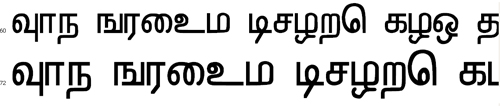
Tamil to English Dictionary: descending

This is the world's leading online source for english definitions/meanings, we have been helping millions of people improve their use of the tamil language with its free online services.


Write your word as a english and click to search button for the meaning of english language. It's a very simple & easy. use & enjoy....

இராகு
irāku (p. 50) s. The ascending node regarded as one of the nine planets in the form of a monstrous serpent or dragon, which, with கேது the descending node, is feigned to grasp the sun and moon and thus to cause eclipses, கரும்பாம்பு. Wils. p. 75. RAHU. இராகுகாலம், s. An inauspicious portion of time containing an hour and a half, occurring daily, being that part which is under the influence of இராகு. 7)
இராசி
irāci (p. 50) s. A zodiacal sign, ஓரை. 2. (p.) A collection, flock, constellation, cluster, assemblage, கூட்டம். 3. Heap, accumulation, குவியல். Wils. p. 75. RAS'I. 4. Assortment, row, class, file, regularity in conduct, ஒழுங்கு. Wils. p. 72. RAJI. The twelve signs of the zodiac are: 1. மேடம், Aries. 2. இடபம், Taurus. 3. மிதுனம், Gemini, twin daughters. 4. கர்க்கடகம், Cancer. 5. சிங்கம், Leo. 6. கன்னி, Virgo. 7. துலாம், Libra. 8. விருச்சிகம், Scorpio. 9. தனு, Sagittarius. 1. மகரம், Capricornus. 11. கும்பம், Aquarius. 12. மீனம், Pisces-Of these, six are in the northern hemisphere and are called உத்தராயணராசி, and six in the southern, named, தட்சணாயனராசி--the three first and three last are ஏறுமிராசி, ascending signs--and the intermediate, இ றங்குமிராசி, descending signs. --Note. In astrology, the zodiac is divided into three equal parts of four signs each, in reference to their supposed influences--as சரராசி, the four signs auspicious to movements, as journeyings, &c., Aries, Cancer, Libra, and Capricornus; ஸ்திரராசி, the four signs auspicious to stationary actions or employments, Taurus, Leo, Scorpio, and Aquarius; and உபயராசி, the four signs alike auspicious to both classes, Gemini, Virgo, Sagittarius, and Pisces. இராசிக்காரன்--இராசியுள்ளவன், s. A fortunate person, a lucky fellow. இராசிச்சக்கரம்--இராசிவட்டம், s. The zodiac. இராசிநாதன், s. The ruling planet at the time of a configuration, இராசிக்கதி காரியானகிரகம். இராசிபுடம், s. [in astrology.] The situation of the planets in the signs, இராசிகளிற்கிரகநிற்குநிலை. இராசிப்பணம், s. Coin in quantity--each piece not being separately examined. இராசிப்பிரிவு, s. The passage of a planet from one constellation to another, இராசிகடக்கை. இராசிப்பொருத்தம், s. Agreement in several particulars, between the zodiacal signs of a man and woman in order to their being adapted to each other for marriage, மணப்பொருத்தம்பத்தி னொன்று. 2. The supposed influence of one's sign--spoken when any thing unfavorable happens, இராசிப்பலன். இராசிமண்டலம், s. The zodiac, இராசிவட்டம். 2. [in astronomy.] Zodiacal sign, ஓரை. இராசிமண்டலங்குறையிற்சேரே, If less, add twelve signs to it. இராசியளக்க, inf. To measure a heap of grain. இராசியானநடை, s. Regular conduct, good behavior. இராசிராசியாய், adv. In heaps, companies, assemblages, by files, rows, &c. இராசிவக்கிரம், s. [in astronomy.] Retrogression of a planet to the next sign. 17)
இறங்கு
iṟngku (p. 57) கிறேன், இறங்கினேன், வேன், இறங்க, v. n. To descend, pass down a declivity or ladder, sink lower; to get down a tree, a precipice, &c.; to step down, alight from a horse, &c.; to crawl down, சரிய. 2. To descend voluntarily--as a bird, தாழலிறங்க. 3. To descend by degrees through air, water, or any other resisting medium--as leaves or other light substances; to fall or sink gradually or slowly; to fall--as rain; to flow down--as a torrent; to fall--as grain from the ear, மழைமுதலிய வையிறங்க. 4. To disembark, get out of a boat, or from one boat into another of smaller size, கப்பலினின்றிறங்க. 5. To be taken down, unladed, unladen, disburdened, சாமானிறங்க. 6. To fall or sink into the appropriate place--as a post into its hole, to be driven home--as a nail, உள்ளிறங்க. 7. To sink--as a denser body, to settle to the bottom--as earth in water, water in oil, &c., அமிழ. 8. To arrive at a place other than one's home, to pitch, alight, encamp --as an army. to halt, பாளயமிறங்க. 9. To get into the right road, நேர்வழியிலிறங்க. 1. To be brought down or reduced, தாழ்வடைய. 11. To abate--as fever commencing with the head and descending to the extremities, சுரமிறங்க. 12. To become reduced, or to descend--as bile in the system (which rising to the brain is supposed to cause mental derangement); hence to be cured of mental aberration, பித்தமிறங்க. 13. To subside--as animal poison in the system (which is supposed to descend from the head to the extremities), விடமிறங்க. கபாலநீர்கண்ணிலேயிறங்குகிறது. The humors of the head have descended into the eyes, causing cataract, depriving the person of sight, &c. ஒருதுறையிலிறங்கிவிட்டான். He has found a resting place; his mind is settled. இறங்காத்துறை, s. A place not convenient or proper for landing, or lodging. 2. (fig.) An improper marriage, connection, &c. இறங்குதுறை, s. A place of debarkation. 2. (fig.) Means, ways for effecting a thing, வழிவகை. இறங்குபொழுது, s. The time of sunset, சாய்பொழுது. இறங்குபொழுதிலேமருந்துகுடி. Take medicine when the sun declines; implying that the disease will thereby decline. இறங்குமிராசி, s. The six signs through which the sun passes in its southern course, சூரியனிறங்குமாறிராசிகள். இறக்கம், v. noun. Descending-as of food into the stomach; descent of a bird, a stream; debarkation from a boat, going down a ladder, &c., இறங்கு கை. 2. A descent, declivity, slope, declination, சரிவு. 3. A ford, இறங்குதுறை. 4. The drying up of the pustules in the small pox, measles and other similar diseases--so applied because it is supposed to begin at the head and to descend, அம்மைமுதலியவிறக்கம். 5. Paths and tracks of beasts in a jungle, மிருகங்கள் செல்வழி. நோயாளிக்குச்சோற்றிறக்கமில்லை. The patient is unable to swallow his food. இறக்கத்திலிருக்க, inf. To be in a low place, to be below. அவன்காரியம்இறக்கத்திலிருக்கிறது. His business is on the decline. இறங்கல், v. noun. The swelling of the glandula by an excess of wind, &c., அண்டமிறங்கல். 2. The subsiding of swelling, &c. from the head to the extremities, விக்கமிறங்கல். இறவு, v. noun. Lapse, passage, a place of descent, செல்கை. 5)
உன்மனை
uṉmaṉai (p. 69) s. [in the Yoga practice.] The mind, or soul in the lower or descending அவத்தை, &c.-- the converse of சமனை. (உப. 16.) 17) *
கதிர்
ktir (p. 91) s. Ray of light, a beam, a gleam, கிரணம். 2. The sun, சூரியன். 3. A spinner's spindle, a goldsmith's pin, a spike, an awl, &c., இருப்புக்கதிர். 4. An ear or spike of corn, grass, &c., பயிர்க்கதிர். 5. Spokes of a wheel, the radii of a circle, தேரினுட்பரப்பின் மரம். கதிரடிக்க, inf. To beat out or tread out corn. கதிரவன்--கதிரோன், s. The sun, சூரியன். (p.) கதிரறுக்க, inf. To reap or cut the ears of corn. கதிரீன, inf. To ear--as corn. கதிரெழுதுகள், s. Atoms or dust appearing in a sunbeam, twenty-four of which make half a hair's point. கதிர்கொய்தல், v. noun. Plucking ears of corn. கதிர்க்கட்டு, s. A sheaf, அரிக்கட்டு. கதிர்க்கம்பி--கதிர்க்கோல், s. A spindle, a goldsmith's pin on which he fastens a head, &c., for working on. கதிர்க்காம்பு, s. The stalk of an ear of corn. கதிர்க்குஞ்சம், s. A bunch of corn ears to adorn a house, &c., கதிர்க்கற்றை. கதிர்க்குடலை, s. Corn with the ear shot out and shooting out. கதிர்செய்ய, inf. To emit rays-as the sun, கிரணம்வீச. கதிர்த்தாக்கம், v. noun. Bending with the weight of ears--said of corn. கதிர்நாள்--செங்கதிர்நாள், s. The twelfth lunar asterism, உத்திரநாள். (p.) கதிர்புறப்படுதல், v. noun. Putting forth-as ears of corn. கதிர்ப்பகை, s. Names of இராகு and கேது, the ascending and descending nodes--regarded as planets. கதிர்ப்பக்குவம், s. Corn formed into the ear. கதிர்ப்பக்குவமானநெல், s. Paddy grown to the height of earing. கதிர்ப்பயிர், s. Corn in the ear. கதிர்ப்புல், s. Grass bearing ears, ஓர்வகைப்புல். கதிர்ப்போர், s. A stack of corn, a rick of corn. கதிர்மகன், s. The planet Saturn, சனி. 2. Sugriva, சுக்கிரீவன். 3. Kannen, கன்னன். 4. Yama--the regent of the dead, நமன். (p.) கதிர்வாங்குதல்--கதிர்வீசுதல், v. noun. Shooting out ears of corn. கதிர்வால், s. The arista, the awn of a corn, &c. கதிர்விட, inf. To cast a phosphoric light, coruscate--as animalcul&ae; in sea-water. தொண்டைக்கதிர், s. The stage in growing corn when it is ready to shoot out ears. இராக்கதிர், s. The moon, சந்திரன். (p.) பசுங்கதிர், s. Young ears of corn. அமுதகதிரோன், s. The moon, சந் திரன். (p.) நெற்கதிர், s. An ear, a spike of paddy. 12)
கிரகணம்
kirakaṇam (p. 109) s. Taking, grasping, seizure, taking up, பற்றுகை. 2. An eclipse, lit. the seizing of the sun or moon by the imaginary planets இராகு and கேது; சந்திரசூரிய கிரகணம். 3. Comprehension, கிரகிப்பு. Wils. p. 34. GRAHAN'S. கிரகணகாலம், s. The time of an eclipse. கிரகணங்கணிக்க, inf. To calculate eclipses. கிரகணசங்கை, s. Likelihood of the occurrence of an eclipse--as when the sun is near the ascending or descending node, கிரகணம் வருமென்ற உத்்தேசம். கிரகணந்தீண்டல்--கிரகணந்தொடல்-கிரகணம்பற்றுதல்--கிரகணம்பிடித்தல், v. noun. Beginning of an eclipse, lit. touching or grasping. கிரகணபரிசம்--கிரகணபரிசனம், s. The beginning of an eclipse. கிரகணபுண்ணியகாலம், s. The sacred time of an eclipse, when fasting, ablutions and other religious rites are deemed more meritorious than at other times. கிரகணமோசனம்--கிரகணமோட்சம், s. The end of an eclipse. கிரகணமோசனமாகுதல்--கிரகணம்விடு தல் v. noun. Ending of an eclipse. பக்கக்கிரகணம், s. Eclipses of the sun and moon, or moon and sun in succeeding changes of the moon. காணாக்கிரகணம்--பாதாளகிரகணம், s. An invisible eclipse. சந்திரகிரகணம், s. An eclipse of the moon; a lunar eclipse. சூரியகிரகணம், s. An eclipse of the sun; a solar eclipse. பாரிசகிரகணம், s. A partial eclipse. முழுக்கிரகணம், s. A total eclipse. வலயக்கிரகணம்--கங்கணகிரகணம், s. An annular eclipse. 69) *
கீழ்
kīẕ (p. 113) s. Place or space, under, below, beneath, downward, low or nether; the bottom, கீழிடம். 2. The east, கிழக்கு. 3. A pit, a hole, பள்ளம். 4. The nether regions, the worlds below, கீழுலகம். 5. Forgetfulness, மறதி. 6. Bridle, reins, bit, கடிவாளம். 7. A low caste, கீழ்மக்கள். (p.) கீணர், s. [கீழ்நர்.] Low, mean people, the base, the vulgar, எளியோர். கீழது, s. That which is under or below; bottom. கீழதுமேலதாக்கிப்போட, inf. To overturn, upset, capsize; to overthrow, to defeat. கீழறுக்க, inf. To burrow, to excavate, to make a subterranean passage, to undermine, பூமியிற் சுரங்கஞ்செய்ய. 2. (fig.) To undermine, to injure by any underhand, clandestine means, சதிசெய்ய. கீழறை, s. An under-ground room, a cellar, நிலவறை. 2. A cavern, a cell, a hole or passage under ground, வளை. கீழாக, inf. To become depressed, to sink--as a stalk, a heap of muck, &c.; to deteriorate, to waste--as the body by use or disease; or as property, &c., தாழ் வடைய. கீழாக--கீழாய s. Under, below, beneath. கீழாயிருக்க, inf. To be below, to be mean, to be inferior. கீழாலவத்தை, s. 'Descending states of the soul.' State and degree of consciousness, commencing with objective sensations and descending to subjective feeling and contemplation, the mind receding farther and farther from objective impressions and associations. Hindu physiologists fancy that the mind descends from its seat in the forehead to its other seats, the neck, breast, umbilicus and terminus rectum. (தத்துவக். சிவ. சி.) கீழிருக்க, inf. To lie under, to be under one's dominion or control. கீழாறு, s. A river under ground, பூமி யினுள்ளோடுமாறு. 2. A river in the Congu country, கொங்குதேசத்தாறு. கீழாறுகொண்டுபோயிற்று. The under ground river has carried it away--said of things lost without knowing how. கீழுக்குப்போக, inf. To be diminishes, to be reduced. அவன்புத்தியுங்கல்வியும்வரவரக்கீழுக்குப்போகி றது. His understanding and knowledge are more and more diminishing. கீழோங்கி, s. [prov.] An inferior class or fishermen--as distinguished from மே லோங்கி, a higher rank. கீழ்நோக்க, inf. To look downward, to tend downward, கீழ்ப்பார்க்க. 2. To be sensual, grovelling, to tend toward secularities, இழிவானதைவிரும்ப. 3. To be on the decline--as to wealth, &c.; to go to ruin, to come to naught, தாழ்வடைய. கீழ்நோக்கித்திட்ட--கீழ்நோக்கியேச inf. To use obscene language, to assail with very indecent speech. கீழ்நோக்கு--கீழ்நோக்கம் v. noun. Looking downward, downward tendency, கீழ்ப்பார்வை. 2. Low or grovelling pursuits, a base inclination; underhand, clandestine purpose. கீழ்மேலாக, adv. Upside down. கீழ்ப்பட, inf. To be subdued, to yield, to be submissive, to become inferior, கீழ்ப்படிய. 2. To be subject, to be subordinate, to submit to, அடங்க. 3. To be degraded, mean, base, இழிவுபட. கீழ்ப்படிய--கீழ்ப்பணிய inf. To submit, to yield, to obey. கீழ்ப்படியாத்தனம்--கீழ்ப்படியாமை, s. Disobedience, insubordination. கீழ்ப்படிவு, v. noun. Submission, obedience, subordination, subjection, கீழ்ப்ப ணிவு. 2. Docility, tractableness, அமைவு. கீழ்ப்படுத்த--கீழ்ப்படியப்பண்ண, inf. To subdue, to subject, to subordinate, to subjugate, to quell, அடக்க. 2. To lower, to bring down, to reduce, தாழ்வுபடு த்த. 3. To degrade, ஈனப்படுத்த. கீழ்நோக்கினநட்சத்திரம், s. [in astro.] A lunar mansion looking downward-opposed to மேனோக்கினநட்சத்திரம். They are twelve in number. (உள்ளமு.) கீழ்நோக்கினராசி, s. [in astrol.] A zodiacal sign which looks downward.-Note. These signs, as well as the கீழ்நோக் கினநட்சத்திரம், are favorable for planting esculent roots and digging wells. கீழ்மேற்றென்வடல், s. The east, west, north and south. 42)
கேது
kētu (p. 139) s. [in mythol.] Cauda draconis (dragon's tail) or the red serpent into which the trunk of the Asura Sainhikeya, severed from the head (Rahu) by Vishnu, at the churning of the sea of milk, was changed; and which, with Caput draconis, is said to swallow the sun and moon for betraying them. This causes eclipses. 2. [in astron.] The descending node, supposed by most of the Hindu astronomers to be one of those heavenly bodies rarely visible. 3. A mark, a sign, a symbol, அடையாளம். 4. A banner, a flag; a standard of distinction, கொடி. 5. A comet, a meteor--as in தூமகேது. Wils. p. 247. KETU. 41) *
கோள்
kōḷ (p. 151) v. noun. [from கொள், v.] Taking, having, receiving, seizing, influencing, கொள் ளுகை. 2. s. Columny, aspersion, backbiting, defamation, false accusation, குறளை. 3. Informing against, malicious tale-bearing, புறந்தூற்றல். (c.) 4. Disaster, misfortune, impediment, இடையூறு. 5. Killing, slaughter, கொலை. 6. A lie, falsehood, பொய். 7. Strength, power, வலி. 8. Quality, property, nature, character, reputation, குணம். 9. Evil, vice, தீமை. 1. A planet, either visible or invisible; also other heavenly phenomena, கிரகம். 11. A lunar constellation, நட்சத்திரம். 12. Opinion, tenet, faith, belief, creed, கோட்பாடு. 13. A day, நாள். (சது.) கோளில்பொறியில். Like, the sentient organs when unfit for their functions. (குற). கோட்காரன்--கோட்சொல்லி, s. A talebearer, a slanderer, an informer, a divulger. கோட்கூறு, s. [in astrol.] A division of the rising sign into thirty parts, being the number of its degrees. (See இலக்கி னம்.) 2. Good or evil from the influence of the planets, கிரகங்களின்கோளாறு. கோட்சொல்ல, inf. To calumniate, inform against. 2. To act the part of a tale-bearer, to slander, to divulge secrets injuriously. கோளன், s. A tale-bearer, கோளுரைப் போன். கோள்குண்டணி, s. Tale-bearing and calumny. (c.) கோள்முடிய, inf. [prov.] To fabricate or tell tales; to enrage another's mind by slanderous reports. காணுங்கோள், s. The visible planets. See கிரகம். கரந்துறைகோள், s. Phenomena of the heavens, sometimes invisible and fanciful, but most of them regarded as ominous-as இராகு, Caput draconis, or the ascending node; கேது, Cauda draconis or the descending node; சூரியப்பிரதிவிம்பம், a sundog or false appearance of a second sun; பரிவேடம், halo round the sun or moon; வால்வெள்ளி, comets; வானவில், rainbow; தூமம், meteor, indistinct smoky phenomena. Four other invisible கோள், (காணா க்கோள்.) are spoken of as being of special importance in casting nativities and in other astrological calculations; viz: 1. குளிகன். 2. யமகண்டன். 3. அத்தப் பிரகரன். 4. காலன். 5. அருக்கன். கோளினால்வருந்தீங்கு. Evil influences of the planets. தீக்கோள், s. A malignant planet. நற்கோள், s. A benignant planet. 62)
சந்தானம்
cantāṉam (p. 159) s. Offspring, progeny, issue, சந்ததி. 2. Race, descent, lineage, family, pedigree, line, வமிசம். (c.) 3. Series, consecutive series, regular succession, concatenation, தொடர்பு. 4. Succession of an order--as of a priesthood, &c., குரு பாரம்பரை. 5. One of the five trees of Swerga, that yield whatever is desired, ஐந்தருவிலொன்று. W. p. 888. SANTANA. சந்தானகுரு, s. The family Guru. சந்தானந்தழைக்க, inf. To increase and prosper as a family, used in compliment, benediction, &c., மங்கலமொழி. சந்தானபாரம்பரை, s. Genealogy, family, lineage. சந்தானமற்றவன், s. A man without issue, one who has no son to perform the monthly and annual funeral rites; which is a thing greatly deplored, and evidence of sins in the present or some former birth. A term of reproach. சந்தானலட்சுமி, s. The gift of a numerous offspring. (c.) சந்தானவிரதம், s. A fast observed to obtain offspring. சந்தானவழி, s. Lineage either ascending or descending. (p.) சந்தானவிருத்தி, s. Family increase and succession. புத்திரசந்தானம், s. A male issue, a son. (c.) 93) *
சிகி
ciki (p. 181) s. A peacock, மயில். 2. Fire, நெருப்பு. 3. Kéthu, the personified descending node, கேது; [ex சிகை, crest, flame, &c.] W. p. 843. S'IKHIN. (p.) 35) *
செந்நாகம்
cennākm (p. 203) s. Kéthu the descending node--as செம்பாம்பு, (கேது.) (p.) 24)
செம்
cem (p. 204) adj. Red, straight, beautiful, &c., See செம்மை. செம்பசலை--செம்பசளை, s. A plant. See பசலை. செம்பஞ்சி--செம்பஞ்சு, s. Red cotton. See பஞ்சி. செம்பஞ்சூட்ட, inf. To coat the soles of a lady's feet with red cotton. (p.) செம்படாம், s. Red cloth, red vestments; [ex படாம்.] செம்படிகம், s. Red crystal. (M. Dic.) செம்படை, s. [prov.] Reddishness of hair, &c. (used in jaffna.) செம்பட்டை, s. As செம்படை. (c.) செம்பட்டைத்தலை, s. A red head. செம்பட்டைமயிர்--செம்பட்டமயிர், s. Red or golden hair. செம்பட்டு, s. Red silk, சிவந்தபட்டு. செம்பண்ணை, s. Cock's comb, காவற் பண்ணை. செம்பரத்தை--செவ்வரத்தை, s. The shoe-flower shrub. [loc. சப்பாத்துச்செடி.] செம்பருத்தி, s. The cotton plant with red flowers. செம்பருந்து, s. The red kite with a white neck. (p.) செம்பலகை, s. Brick-stone, செங்கல். (p.) செம்பவளச்சம்பா, s. A kind of reddish rice. செம்பழம், s. [prov.] Fruit turning yellow or red as it ripens. See செங்காய். செம்பாகம், s. A moiety, half, an equal share, சரிபாகம். 2. The natural construction, unforced meaning of a passage, word, &c. 3. A natural, flowing and easy style in writing. See பாகம். காமத்திற்செம்பாகமன்று. In coition, unequal desire of the two. (குறள்.) செம்பாடு, s. [prov.] Red soil. (See செங்காடு.] 2. Any thing soiled or tinged with red earth, செம்மண்ணடைந்தது. செம்பாட்டுத்தரை--செம்பாட்டுமண், s. [prov.] As செம்மண். செம்பாதி, s. An exact half, சரிபாதி. செம்பாம்பு, s. Kéthu the descending node, as the red tail of the dragon, கேது. See செந்நாகம். செம்பரைமீன், s. A kind of fish. செம்பால், s. Blood, இரத்தம். (சது.) Compare சீம்பால். செம்பாளை, s. [prov.] A reddish kind of paddy, ஓர்நெல். செம்பிரால், s. [vul.] The name of a red fish, ஓர்மீன். செம்புளிச்சை, s. A kind of red Hibiscus canabinus. See புளிச்சை. செம்புறைக்கல், s. As செம்பூரான்கல். (R) செம்புலி, s. A tawny colored tiger. செம்புனல், s. Blood; (lit.) red fluid. (p.) செம்பூரான்--செம்பூரம், s. A species of red centiped, See பூரான். செம்பூரான்கல், s. [com. செம்புராங் கல்.] A kind of stone resembling the color of the centiped, laterite. செம்பொடி, s. Red sand or powder, செம்மணல். செம்பொன், s. Fine gold, பொன். 2. One of the kinds of gold, that of reddish color. See பசும்பொன். (p.) செம்பொன்மலை, s. Mount Meru. 2. (R.) A mountain producing copper, செம்புமலை. (p.) செம்மணல், s. Red sand. செம்மணி, s. A ruby, மாணிக்கம். 2. The name of different kinds of red stones--as பதுமராகம், செம்பு, குருவிந்தம், குருந்தக்கல், மாம்சகந்தி. 3. Red beads, சிவப்புமணி. 4. [prov.] One of the circles about the pupils of the eye. செம்மண், s. Red earth, red soil. (c.) செம்மந்தாரை, s. A tree, ஓர்பூமரம். செம்மயிற்கொன்றை--செம்மயிற்கொண் டை, s. A plant, ஓர்பூஞ்செடி. செம்முருங்கை, s. A red species of முருங்கை tree. See முருங்கை. செம்முள்ளி, s. A species of முள்ளி plant, Barleria prionitis, L. செம்மூக்கன், s. [prov.] A species of alligator, ஓர்முதலை. 2. A kind or rat, ஓரெலி. (M. Dic.) செம்மொழி, s. Right words, proper sentiments, good advice, &c. 2. [in philos.] Words in their natural order. செம்மொழிச்சிலேடை, s. [in log.] Ambiguity, a verse allowing two different constructions--as வேதனைக்கூற்றைத்தவிர்க் கும். It will remove many afflictions, or it will remove Brahma (birth) and Yama (death.) செம்மேனி, s. A copper colored body, சிவந்தமேனி. 6)
நிபாதம்
nipātam (p. 277) s. Falling, descending, இறங் குகை; [ex நி, neg.] W. p. 468. NIPATA. 2. Subjection, subordination, cessation of active energy. See சத்திநிபாதம். 42) *
பஞ்ச
pañca (p. 290) --பஞ்சம், adj. Five-fold, ஐந்து. W. p. 493. PANCHAT or PANCHAN. பஞ்சகச்சஞ்சொருக, inf. To tuck up the cloth in five ways. See சொருகு, v. பஞ்சகச்சாயம், s. Five kinds of cakes. பஞ்சகதி, s. The five paces of the horse. See துரககதி. பஞ்சகந்தம், s. The five aromatics. See கந்தம். பஞ்சகம், s. Any thing of five parts. பஞ்சகம்மாளர், s. [also பஞ்சாளர்.] The five castes of mechanics. See கம்மாளர், under கம். பஞ்சகர்த்தாக்கள், s. The five deities, or forms of deity performing operations for the benefit of souls. 1. பிரமா, creator, or evolver of the universe; 2. விட்டுணு, preserver, who furnishes each soul with its allotted portion of jois, and sorrows, as the results of former actions; 3. உருத்திரன், destroyer, reducing souls and worlds to their primitive elements; 4. மகேசுரன், obscurer, darkening the understanding, that the soul may act, and work off its accumulation of moral evil, so as to become ripe for salvation; 5. சதாசிவன், enlightener of illuminator, who imparts divine grace, and prepares the soul for emancipation, and union with the deity. See பஞ்சகிருத்தியம், under கிருத்தியம். பஞ்சகலாத்தானங்கள், s. The five parts of the body touched by the gurus in giving தீட்சை. பஞ்சகலை, s. The five developments of the soul in its beatification are; நிவிர்தி, பிரதிஷ்டை, வித்தை, சாந்தி,சாந்தியாதீதம். (தத்துவ.) பஞ்சகல்யாணி, s. A horse whose feet and forehead are white. See கலியாணி. பஞ்சகன்னியர், s. The five famous women worshipped by females, as able to confer benefits. See கன்னிகை. பஞ்சகாவியம், s. The five ancient classic poems. See காவியம். பஞ்சகிருத்தியம், s. The five operations performed by five பஞசகர்த்தாக்கள். See ஐந் தொழில், கிருத்தியம். பஞ்சகுரோசஎல்லை, s. The distance of five calls of குரோசம், around Benares, within which no foreign religionist, or other unclean person, should come. பஞ்சகோசம், s. The five sheaths of the soul. See கோசம். பஞ்சகோணம், s. A pentagon. See ஐங்கோணம். பஞ்சகோலம், s. The mixture of five spices, சுக்கு, திப்பிலி, திப்பிலிமூலம், செவ்வியம், and சித்திரமூலம்; [ex Kola. pepper.] பஞ்சகௌடம், s. The five divisions of Bengal or the கௌடம் country. See கௌடம். பஞ்சகௌவியம், The five products of the cow, used in ceremonial purifications, viz. milk, curds, ghee, urine and dung, ஆனிடத்தைந்து. பஞ்சகௌவியம்கூட்டித்தெளித்தல். Mixing the five ingredients and sprinkling the the floor, &c.--Note. The same mixture is administered to the woman after child-birth; also sprinkled on the child at the time of purification. பஞ்சகொ?வியப்பிராசினம். Eating the above compound as a purification. பஞ்சசத்தி, s. The five saktis. See சத்தி. பஞ்சசயனம், s. The five kinds of beds. See சயனம். பஞ்சசிகை, s. The five parts of the body which the Shastras forbid to be shaved; the crown of the head, the two eye-brows, and the arms from the elbow to the hand. பஞ்சசுத்தி, s. The five purifications. See சுத்தி. பஞ்சணை, s. [com. for பஞ்சசயனம்.] The five kinds of mattresses, filled with silk-cotton, red cotton, white cotton, hair, or feathers. 2. See பஞ்சு. பஞ்சதந்திரம், s. [in politics.] The five means of accomplishing one's object; 1. மித்திரபேதம், sowing discord among friends; 2. சுகிர்லாபம், associating with equals; 3. சக்திவிக்கிரகம், associating with a foe and ruining him; 4. அர்த்தநாசம், spending one's property to gain an object; 5. அசம்பிரெட்சியம், acting without inquiry, examination, &c. பஞ்சதந்திரக்கதை, s. Panchatantra. பஞ்சதம்--பஞ்சதை, s. Death, dissolution og the five elements of whose aggregate the body consists, மரணம். பஞ்சதரு--பஞ்சதாரு, s. The five trees in Swerga. See ஐந்தரு, தரு. பஞ்சதன்மாத்திரை, s. The five grounds of knowledge by the senses. See தன் மாத்திரை. பஞ்சதாது, s. The five elements, earth, water, fire, air, ether. பஞ்சதாரை, s. (Tel. பசார.) Sugar, சருக்கரை. பஞ்சதிரவிடம், s. The five provinces of Southern India. See திராவிடம். பஞ்சதிரவியம், s. The five productions of the cow used in purification. See கௌவியம். பஞ்சநகம், s. An elephant. 2. A tortoise, ஆமை. W. p. 493. PANCHANAKHA. பஞ்சநகக்கூர்மையோன், s. A tortoise as having five divisions in its claws. பஞ்சநதி, s. The Punjaub having five rivers, as famous for sacred bathing. பஞ்சநிம்பம், s. The five parts of the Neem, or Margosa tree; the flowers fruit, leaves, bark and root; [ex நிம்பம், margosa.] பஞ்சபட்சி, s. The five birds for augury. See பஞ்சபட்சிக்காதல், under காதல். --The letters, அ, இ, உ, எ, and ஒ, are applied to the birds, and the following accidents, உண்டி, feeding, நடை, walking, அரசு, governing, தூக்கம், sleeping, and சாவு; dying. பஞ்சபட்சிக்காதல், s. A treatise on augury. பஞ்சபட்சிவேளை, s. Augury from the eating, sleeping, walking, governing and dying of the five birds, between the full and the new moon. 2. An auspicious hour, ascertained by augury. பஞ்சபர்வங்கள், s. Five religious ceremonial days in each fortnight. பஞ்சபாணம், s. [alsoஐங்கணை.] The five arrows of Kama consisting of five kinds of flowers; வனசம், lotus; 2. குதம், mango; 3. அசோகு, ashoka; 4. முல்லை, jasmine; 5. நீலம், blue water lily. பஞ்சபாணன், s. Kama, the god of love, as armed with the five arrows, காமன். பஞ்சபாணாவஸ்தை, s. The five effects produced by the arrows of Kama; சுப்பிரயோகம், thinking and talking of the person loved; 2. விப்பிரயோகம், sighing and lamenting; 3. சோகம், heat or feverishness, nausea and languishing; 4. மோகம், weeping and bewliderment of the faculties; 5. மரணம், death or suspension of the natural powers. பஞ்சபாணி, s. Parvati, as armed with five arrows, பார்வதி. பஞ்சபாண்டவர், s. [pl.] The five Pandavas. See ஐவர். பஞ்சபாதகம், s. [pl.] [also பஞ்சமாபாதகம்.] The five heinous sins; கொலை, murder; 2. காமம், lust; 3. களவு, theft or fraud; 4. கள்ளுண், drinking intoxicating liquor; 5. குருநிந்தை, abuse of the Guru. (சது) --Some Omit காமம், and others, குருநிந்தை. and give பொய், instead. பஞ்சபாதகன், s. One guilty of the five heinous. 2. One very oppers sive, and unjust, as பஞ்சமாபாதகன். பஞ்சபாத்திரம், s. A kind of vessel of five plates collectively, or made of five metals, used by advanced religionists, to hold water for purification, பஞ்சலோக பாத்திரம். 2. (R.) The centre piece of this vessel. பஞ்சபூதம், s. The five elements; earth, air, fire, water, and ether. பஞ்சபூதஅணு, s. The five atomic bases. See பரமாணு under பரமம். பஞ்சப்பிராணன், s. The five vital airs constituting life--commonly reckoned ten. See வாயு. பஞ்சமகதி, s. Final bliss, liberation from births and absorption in the deity --there being four other states, மோட்சம். பஞ்சமகாயக்கியம், s. The five special sacrifices or oblations. See யாகம்; [ex மகா et யக்கியம்.] பஞ்சமம், s. One of the five musical modes, ஓர்பண். 2. One of the seven musical notes, சத்தசுரத்தொன்று. W. p. 493. PANCHAMA. See நிஷாதம். பஞ்சமலம், s. The five evils attaching to the soul, ஐவகைமலம். பஞ்சமன், s. A low caste man; (lit.) a fifth man, one not belonging to either of the first four castes, ஐந்தாஞ்சாதியான். பஞ்சமாசத்தம், s. The five kinds of musical sounds; also the sources of the sounds. See கருவி. பஞ்சமாபாதகம், s. The five heinous sins, as பஞ்சபாதகம். பஞ்சமாபாதகன், s. A grievous sinner, one quilty of the five heinous crimes, பஞ்சபாதகன். 2. A very oppressive, unjust of cruel man, துஷ்டன். (c) பஞ்சமி, s. The fifth day of the moon, either in her increase or decrease, ஐந் தாந்திதி. 2. The last five of the lunar days; a death occurring on the first of these is portentous of death to five others in the house, or it vicinity; on the second day to four others, &., on which account, if the death occur on the first day, the corpse is carried out through a hole made in the wall, the house is vacated for months, and various ceremonies are performed to appease the incensed goddess, அவிட்டமுத லைந்துநாள், commonly தனிஷ்டபஞ்சமி. 3. The goddess Durga, துற்கை, அவிட்டபஞ்சமி. The last five lunar days, as பஞ்சமி, 2. பஞ்சமிதேவதை--பஞ்சமிப்பேய், s. [prov.] The tutelary deity of the five unlucky days. பஞ்சமியிற்செத்தவீடு, s. A house forsaken in consequence of a death occurring in one of the பஞ்சமி days. 2. பஞ்சமுகாஸ்திரம், s. A five pointed weapon; [ex முகம், et அஸ்திரம்.] பஞ்சமூலம், s. Five kinds of medicinal roots, of which there are two classes. See மூலம். பஞ்சமூலகஷாயம், s. A decoction of five different medicinal roots. See கஷாயம். பஞ்சயாகம்--பஞ்சவெச்சம், s. The five daily sacraments or oblations, as பஞ்சமாகாயக்கியம். See எச்சம். பஞ்சரத்தினம், s. Five precious stones. 2. The name of a treatise, ஓர்பிரபந்தம். பஞ்சராசிகம், s. Rule of five, ஐந்தொ கைவினா. பஞ்சராத்திரம், s. A sect of Vaishnuvas. பஞ்சலக்கணம், s. The five parts of Grammar. See இலக்கணம். பஞ்சலிங்கம், s. The five kinds of Linga, represented by the five elements. See இலிங்கம். பஞ்சலோகம், s. The five simple metals. See உலோகம். 2. A mixture of the five, ஐவகைலோகக்கலப்பு. பஞ்சவர்தூதன், s. Vishnu, once employed as a messenger for the five பஞ்ச வர், or Pandavas, விஷ்ணு. பஞ்சவர்னம், s. The five colors; white, black, red, yellow and green. பஞ்சவர்னக்கிளி, s. The finest species of parrot. See கிளி. பஞ்சவாசம், s. The five aromatics or spices. See பஞ்சகந்தம். பஞ்சவிஷயம், s. The object of the five senses; the whole material world See புலன். பஞ்சாக்கரம்--பஞ்சாக்ஷரம், s. The five lettered incantation, சிவாயநம, which see. பஞ்சாக்கினி, s. The five fires amidst which the devotee performs austerities. one toward each quarter and the sun over-head; or, according to others, a fire in the centre. 2. The five mystic fires in the body, given as இராகம், கோபம், காமம், சடம், தீபனம். Compare தீ. பஞ்சாக்கினிமத்தி, s. The centre of an area in which are five fires, as a place for the performance of austerities. பஞ்சாங்கம், s. An almanac embracing five things; lunar days or phases of the moon, திதி; solar days or week, வாரம்; periods of the asterisms, நட்சத்திரம்; the yogas, யோகம்; and karnas, கரணம்; [ex அங்கம், member, அ becoming ஆ in combination.] பஞ்சாங்கங்கணித்தல்--பஞ்சாங்கம் எ ண்ணுதல், v. noun. Calculating an almanac. பஞ்சாங்கஞ்சொல்லுதல், v. noun. Notifying special days and periods, with the ceremonies to be performed, as the household priest to princes. பஞ்சாங்கதெண்டன்-பஞ்சாங்கநமஸ்கா ரம், s. Prostrating the five members of the body, the feet, hands and head to the earth. Compare சாஷ்டாங்கம். பஞ்சாங்கபலன், s. Astrological results for the year as given in the almanac. பஞ்சாங்கமானியம், s. Land held free by such a brahman for his duty. பஞ்சாங்கவாக்கியம், s. [in Hindu astron.] The table of the moon's given longitudes from apogee and daily motions for two hundred and fortyeight days. பஞ்சாங்குலம், s. The castor-plant whose leaves resemble the five digits, ஆமணக்கு; [ex அங்குலம்.] பஞ்சாசயம், s. The five receptacles in the body are: ஆமாசயம், the stomach; 2. இரத்தசயம், the heart; 3. கர்ப்பாசயம், the womb; 4. சலாசயம், the bladder; 5. மலாசயம், rectum. பஞ்சாக்ஷரம், s. As பஞ்சாக்கரம். பஞ்சாமிர்தம்--பஞ்சாமுதம், s. The five delicacies; milk, curds, ghee, sugar, and honey. (in Wils.) 2. (R.) A mixture of plantains, cocoa kernel, milk, sugar and honey, used in anointing an idol. பஞ்சாமிலம், s. An aggregate of the five acids, jujube. இலந்தை; pomegranate, மாதளை; sorrel, புளியாரை; emblica, நெல்லி, citron, எலுமிச்சை; [ex ஆமிலம்.] W. p. 494. PANCHAMILA. பஞ்சாயுதம், s. The five weapons of Vishnu; the discus, club, chank, bow and sword. 2. [prov.] A gold ornament worn by children or women, on the neck with the tali, bearing in relief the five weapons of Vishnu. It is of two kinds, அரசிலைப்பஞ்சாயுதம், one made in the form of fig-leaf; வட்டப்பஞ்சாயுதம், one in a circular form, ஓராபரணம். பஞ்சாயுதபாணி-பஞ்சாயுதன், s. Vishnu, as bearing the five weapons. பஞ்சார்க்கம், s. Five phenomena of the heavens constantly recurring in connexion with the planets; regarded as exerting planetary influence of an unpropitious character taken into account in astrological computation, viz.: 1. தூமம், smaoke; 2. விதிபாதம், one of twentyseven astrological yogas; 3. வில் or இந்திரவில், rainbow; 4. பரிவேடம், halo; 5. சேது, the descending node. பஞ்சார்க்கதோஷம், s. [in astrol.] Evil influence or result of any of the five அர்்க்கம். பஞ்சாவத்தை, s. The five states of the human intellect. See அவத்தை. பஞ்சாளர், s. [pl.] Mechanics--as பஞ் சகம்மாளர். பஞ்சானனன், s. Siva the five-faced, சிவன்; [ex ஆனனம்.] பஞ்சீகரணம், s. The operation of the five elements in the human body, by the varied union of which, according to the Tatwa philosophy, the different mental and physical actions are performed, பூதங்களாலுண்டானதேகஸ்திதி. பஞ்சேந்திரியம், s. The organs of sense, also of action. See இந்திரியம். 7) *

Random Fonts
TAMu_Kadampari Bangla Font
TAMu_Kadampari
Download
View Count : 9172
Tam Kannadasan Bangla Font
Tam Kannadasan
Download
View Count : 18494
Ila Sundaram (Set) Bangla Font
Ila Sundaram (Set)
Download
View Count : 245787
Sundaram-0812 Bangla Font
Sundaram-0812
Download
View Count : 15737
KuranchiACI Bangla Font
KuranchiACI
Download
View Count : 16716
Abohi Bangla Font
Abohi
Download
View Count : 9021
Mallikai Bangla Font
Mallikai
Download
View Count : 10793
Arangam Bangla Font
Arangam
Download
View Count : 15811
TAU-Kambar Bangla Font
TAU-Kambar
Download
View Count : 36520
Nallur Bangla Font
Nallur
Download
View Count : 38391

Translation tools...

Privacy Policy   GDPR Policy   Terms & Conditions   Contact Us
Please like, if you love this website
close