Tamil to English Dictionary: intended)

This is the world's leading online source for english definitions/meanings, we have been helping millions of people improve their use of the tamil language with its free online services.


Write your word as a english and click to search button for the meaning of english language. It's a very simple & easy. use & enjoy....

அதிகாரம்
atikāram (p. 10) s. Power, authority, rule, dominion, prerogative, ஆளுகை. 2. Chapter, Section, நூலுறுப்பு. Wils. p. 22. AD'HIKARA. 3. Ownership, சுதந்திரம். (In பாரதி.) 4. Predominancy, excess, அதிகரிப்பு. 5. One of the fourteen subdivisions of விருத் தியுரை, which see. 6. (St.) Order, regularity, ஒழுங்கு. 7. Fitness, competency, worthiness, eligibility, தகுதி. 8. Disposition, nature, பண்பு; ex அதி, et காரம். அதிகாரஞ்செல்ல, inf. To extend authority. 2. To take effect. அதிகாரத்தலைவன், s. A chief, ruler. அதிகாரப்புறனடை, s. Explanatory notes on a chapter in a literary work. அதிகாரவுரை, s. One of the fourteen subdivisions of விருத்தியுரை. அதிகாரன்--அதிகாரி, s. Superintendent, director, ruler, master, one in authority, a superior, மேல்விசாரணைக் காரன். அதிகாரி--அதிகாரிகன் s. [in grammar.] One of the eleven subjects treated of in the introduction of a book, கற் போன். (See பாயிரம்.) 2. [in philosophy, literature, &c.] The persons, for whom a work is written, as it regards competency, eligibility, worthiness, &c., as the ஞானநூல் for such as act up to the prescribed rules. The persons are three, கருமகாண்டி, பத்திகாண்டி, ஞானகாண்டி, who are the principal, and the following eight who are subordinates, கருமி, முமூட்சு, அப்பியாசி, அனுபவி, ஆரூடன், விவேகி, விரத்தன், தேவகதியன். 54) *
அத்தியட்சன்
attiyaṭcaṉ (p. 13) s. An overseer, a superintendent, மேல்விசாரணைக்காரன். 12) *
அனு
aṉu (p. 33) s. [sans. அநு.] The jaws, mandibles, கதுப்பு. Wils. p. 968. HANU. 2. prep. Following close, succeeding, together, தொடர்ச்சி. 3. Alliteration in poetry. மோனை. 4. Like, equal to, சமம். 5. A prefix to words from the Sanscrit implying after, like, in the same manner, with, together with, severally, each by each, &c. Wils. p. 31. ANU. (p.) அனுகமனம், s. Accompanying, உடன்போகுதல். Wils. p. 31. ANUGAMANA. அனுகரணம், s. Imitation, doing a thing like another, ஒன்றுபோற்செய்கை. Wils. p. 31. ANUKARAN'A. அனுகரணவோசை, s. Imitative sound. அனுகூலம், s. Favor, auspices, kindness, propitiousness, விக்கினமின்மை. 2. Success, prosperity, the accomplishment of an object, a happy issue, consummation, காரியசித்தி. Wils. p. 31. ANUKOOLA. இரண்டுபேருக்கு மனுகூலம்போலே தோன்றி. Appearing favorable to both parties. அனுகூலப்பட, inf. To succeed, be successful. அனுகூலன், s. Patron, benefactor. 2. (சுவைக்கொத்து.) A husband who does nothing in breach of his faith to his wife-one of the four சிங்காரநாயகர். அனுகூலி, s. Patron, benefactor. அனுகோதம், s. (Anat.) Cerebellum. அனுக்கிரகம், s. Favor, grace, benignity, அருள். Wils. p. 32. ANUGRAHA. 2. Illumination of souls,--one of the five acts ascribed to Siva, பஞ்சகிருத்தியத்தொ ன்று. See கிருத்தியம். அனுக்கிரககர்த்தா, s. The gracious Creator. அனுக்கிரகஞ்செய்ய--அனுக்கிரகம் பண்ண, inf. To exercise favor, be merciful. அனுக்கிரகாங்குரம், s. The sprouting of grace. அனுக்கிரகிக்க, inf. To be gracious, benignant, to bestow favor, show kindness, grant, be propitious, அருள்செ ய்ய. அனுக்கிரகிப்பு, v. noun. Favoring, aiding. அனுக்கிரமம், s. Order, regularity, train, கிரமம். Wils. p. 31. ANUKRAMA. அனுசந்தானம், s. Search, inquiry, investigation, ஆராய்வு. 2. Meditation, contemplation (on an image of the deity) in the mind, விடாயோகம். Wils. p. 36. ANUSAND'HANA. அனுசந்தானம்பண்ண, inf. To fix an arrow in the bow, வில்லிலம்புபூட்ட. அனுசந்திக்க, inf. To contemplate, meditate, விடாதுதியானிக்க. 2. To attach constantly as the arrow to the bow, அம்பிடைவிடாமற்பிரயோகிக்க. அனுசரணம்--அனுசரணை, s. Custom, habit, usage, comformity to usage, as, அனுசாரம். 2. Cleaving unto, பற்றி நடக்கை. 3. Attention, kindness, உபசாரம். Wils. p. 36. ANUSARAN'A. அனுசரன்--அனுசாரி, s. A follower, adherent, சார்ந்தோன். 2. A companion, assistant, உதவிக்காரன். Wils. p. 32. ANUCHARA and ANUCHARIN. அனுசரிக்க, inf. To follow, practise, adhere to (a friend, a deity, religious opinion, &c.,) பின்பற்ற. 2. To worship, serve, reverence, வழிபட. 3. To celebrate, observe, keep a day, rite, &c., கொண்டாட. 4. To apply, wait upon, make persevering application to, சார. 5. To join one's party, embrace one's opinion, unite with one, become a proselyte to, சேர.--Note. Perseverance is always implied; [ex அனுசாரம்.] இராசாவை யனுசரித்துய்யப் பெற்றேன். By continual application to the king, I have obtained promotion. அனுசரிக்கை--அனுசரிப்பு, v. noun. Following, celebrating, worshipping, &c. அனுசன்--அனுசாதன், s. A younger brother, தம்பி. Wils. p. 32. ANUJA and ANUJATA. (p.) அனுசாரம், s. Adherence to custom, following after, accompanying, &c., தொடர்தல். Wils. p. 36. ANUSARA. 2. Retrogression of a planet, வக்கிரம். அனுட்டானம்--அனுஷ்டானம் s. Exercise of prescribed daily duties, performance of religions rites, அனுட்டி ப்பு; [ex அநு, according to, et ஸ்தா, to stay.] Wils. p. 36. ANUSHTANA. அனுட்டானச்செம்பு, s. A pure pot used in the daily worship. அனுட்டிக்க, inf. To perform religious rites and ceremonies--as fasting, penance, bathing, repeating incantations, &c. விரதமுதலியவனுசரிக்க. 2. To practise, habituate one's self, observe, விடாதுதொடர. துராசாரமனுட்டித்துக் கெட்டுப்போனான். By an evil course of life he was ruined. அனுட்டிப்பு, v. noun. Performing, practising, (religious rites, &c.) observance. அனுதினம் Daily, எப்பொழுதும். Wils. p. 32. ANUDINA. அனுதினமும், Day by day, every day. அனுபந்தசதுஷ்டயம்--அனுபந்தம், s. Union, connection, இயைபு. Wils. p. 34. ANUBUND'HA. The four அனுபந்தம் or properties of a book to be mentioned in the preface are, விடயம். contents; சம்பந்தம், order; பிரயோசனம், object; and அதிகாரி, persons for whom intended. அனுபல்லவி, s. The stanza immediately following the chorus in the species of verse called பதம். See முத்திரைப்பல் லவம். அனுபவம், s. Feeling, experience, enjoying or suffering the results of actions done in former births. Wils. p. 34. ANUB'HAVA. அனுபவப்பட, inf. To be realized, 2. To be attended with success. அனுபவிக்க, inf. To enjoy, suffer, experience good or evil, enjoy or suffer the effects of actions performed in former births, enjoy the benefit of, துய்க்க; [ex அனுபவம்.] சுகதுக்கங்களிரண்டையுமனுபவிக்கிறோம். We experience both joy and sorrow. ஒருவன்வீட்டைப்பிறனொருவன் பத்தாண்டளவும் யாவருமறியவனுபவித்தால் அவ்வீடவனதே. If any one have the possession of the house of another for ten years, and this be generally known, the house becomes his. அனுபவிப்பு, v. noun. Enjoying, suffering, experiencing. அனுபாகம், s. (Anat.) Maxillary portion; [ex ஹநு, jaw.] அனுபானம், s. A fluid vehicle in medicine, drink taken with or after medicine. 2. An ingredient to take with, or after medicines, as sugar, &c. Wils. p. 33. ANUPANA. அனுபூதி, s. A boon or blessing obtained from the Supreme Being connected with or leading to final bliss, divine knowledge, favor, grace in reference to divine things. 2. Superhuman knowledge ascribed to or obtained from Siva. Wils. p. 34. ANUB'HOOTI. 3. Sentiment, சிந்தனை. அனுபோகம், s. Experience, practice, அப்பியாசம். 2. Enjoyment or suffering, அனுபவம். 3. Delight, mutual delight, இன்பம். 4. Venery, புணர்ச்சி. அனுபோகிக்க, inf. To enjoy, have mutual delight, sexual intercourse, experience good or evil. அனுமதி, s. Assent, approbation, consent, சம்மதி. 2. Order, command, கட் டளை. Wils. p. 34. ANUMATI. அவருடைய அனுமதிப்படி. By his order or in his name. அனுமரணம், s. The voluntary death of a widow on the funeral pile with the deceased husband, உடன்கட்டையேறுகை. Wils. p. 34. ANUMARAN'A. 2. A system of architecture. See சிற்பநூல். அனுமானம், s. Inference, illation-one of the modes in logic of arriving at a conclusion, as from smoke to infer the presence of fire, காரியத்தாற்காரணமறிகை. Wils. p. 34. ANUMANA. Some reckon the following four kinds; viz.: 1. தன்பொருட் டனுமானம். 2. பிறர்பொருட்டனுமானம். 3. அன் னுவயவனுமானம். 4. வெதிரேகவனுமானம். In அளவை the four are; 1. ஏதுவனுமானம், inference of an existing cause from sight of the effect, as of fire from the appearance of smoke. 2. பொதுவனுமானம், inference of the existence of a thing or reality of a thing by the presence of another, which is not wholly conclusive but probable and consistent. 3. எச்சவனு மானம், inference of a past cause from a present effect--as fishes in the rivers show that torrents have fallen on the mountains. 4. முதலனுமானம், inference of a future effect from a present cause-as that rainy clouds will bring rain. Another. 1. பூர்வக்காட்சி, inference of a thing from previous knowledge of its properties--as when we see a flower, we identify it from its smell. 2. அனுமானவ னுமானம், inference from an inference--as when we infer that a man is learned from his mode of treating a subject. 3. ஆகமவனுமானம், inference from the rules of Agamas--as the punishment is owing to former deeds. 2. Doubt, hesitancy uncertainty, conjecture, சமுசயம். அனுமானப்பிரமாணம், s. one of the eight laws of evidence, inference, காரியத்தாற்காரணத்தைக்காட்டுவது. அனுமானிக்க, inf. To neigh as a horse, குதிரைகனைக்க. 2. To doubt, hesitate, சந்தேகிக்க. 3. v. a. To imagine, infer, understand or determine by inference, காரியத்தாற்காரணமறிய. அனுமானிதம், v. noun. The neighing of a horse. அனுமேயம், s. The thing sought to be known as fire which is infered from smoke. Wils. p. 34. ANUMEYA. அனுமை, s. [in logic.] Inference, conclusion from premises, அர்த்தாபத்தி. Wils. p. 34. ANUMA. 2. Front of the temples close to the back of the eye, கண்ணிமையினடி. அனுராகம், [ex ரஞ்ச, desire.] Attachment, fondness, faithful love of a husband and wife. Wils. p. 35. ANURAGA. அனுராகபோகம், s. Sexual enjoyment. அனுராகமாலை, s. A poem. அனுரூபம், s. Likeness, resemblance. Wils. p. 35. ANUROOPA. அனுலோமசன்--அனுலோமன், s. The child or descendant of a high caste father by a low caste mother; [ex லோய, hair of the body.] Wils. p. 35. ANULOMAJA. அனுவக்கிரம், s. The transit of a planet in retrogression into the preceding sign. அனுவக்கிரேஷ்டம், s. The quantity expressed by இஷ்ட, 3°ree; 2. அனுவதிக்க, inf. To repeat what has been said before, திரும்பச்சொல்ல. அனுவாதம், s. Repetition of a reason or argument--opposed to புரோவா தம், வழிமொழிகை. 2. Abuse, reviling, நிந்தி க்கை; [ex வத, to speak.] Wils. p. 35. ANUVADA. அனூர்த்துவாஸ்தி, s. (Anat.) Upper maxillary bone. 102)
அலங்காரம்
alangkāram (p. 27) s. Ornament, decoration, embellishment, சிறப்பு. 2. Beauty, அழகு. 3. Rhetorical ornament, figures of language, rhetoric, அணியிலக்கணம். 4. One of the sixty-four கலைஞானம், கலைஞானமறுபத் துநான்கினொன்று. Wils. p. 73. ALANKARA. There are thirty-five figures of language; viz.: 1. தன்மை, a word or phrase expressing the nature of a thing. 2. உவமை, a parable. 3. உருவகம், metaphor. 4. தீவகம், a word once used and understood in the other parts of the sentence. 5. பின் வருநிலை, the repetition of the word beginning a sentence with the same or a different signification. 6. முன்னர்விலக்கு, rejecting a truth asserted, by showing its absurdity. 7. வேற்றுமைப்பொருள்வைப்பு, establishing the truth of a particular fact by a general truth. 8. வேற்றுமை, contrast. 9. விபாவனை separating effects from their proper causes and attributing them to other causes alluded to. 1. ஒட்டு, an allegory. 11. அதிசயம், hyperbole or exaggerated description. 12. தற்குறிப்பேற்றம், a principal kind of metaphor. 13. ஏது, a figure showing the cause, &c. 14. நுட்பம், a figure which presents a suitable idea, by a corresponding hint, &c. 15. இலேசம், a figure in which a trifling excuse is given, as a cloak for a thing of greater magnitude. 16. நிரனிறை, one of the eight kinds of construction of a sentence, i. e. the separate successive arrangements of a series of nouns and their verbs in natural or reverse order. 17. ஆர்வமொழி, an affectionate word or phrase. 18. சுவை, the passions or emotions of the mind expressed by gesture, exhibited in action and transferred to poetry. 19. தன்மேம்பாட் டுரை, self-adulation. 2. பரியாயம், a figure in rhetoric by which one thing is told and another connected with it is intended. 21. சமாயுதம், the accomplishing of one's object by indirect means. 22. உதாத்தம், a figure which expresses copiousness, richness, enterprise, &c. 23. அவநுதி, denying the character, quality or essence of a person or thing in order to attribute the same to others. 24. சிலேடை, a word of double interpretation. 25. விசேடம், distinguishing a cause by ascribing to it effects which it is inadequate to produce. 26. ஒப்புமைக்கூட்டம். enumeration of analogous words, &c. 27. விரோதம், opposition. 28. மாறுபடுபுகழ்நிலை, praising a person or thing to the disparagement of another. 29. புகழாப்புகழ்ச்சி, praise, flattery, &c., couched in terms of dispraise. 3. நிதரிசனம், feigning a thing in nature as doing good or evil to another, a species of personification as a mode of moral instruction. 31. புணர்நிலை, a figure in which the same epithets or attributes are adapted to two or more different subjects. 32. பரிவ ருத்தனை, a figure in rhetoric, describing an exchange of beauties, excellencies. 33. வாழ்த்து, congratulation. 34. சங்கீரணம், the blending of several figures. 35. பாவிகம், moral instruction, inference, applications, &c., from events related in epic poems. அலங்காரநைவேத்தியம், s. An offering made in front of a temple, for show. அலங்காரபஞ்சகம், s. A poem of a hundred verses, (lit.) the five forms of beauty. It is a series of five kinds of verses; viz.: வெண்பா, கலித்துறை, அக வல், ஆசிரியவிருத்தம், சந்தவிருத்தம். (இவ்வகை யே மாறிமாறி நூறுசெய்யுள் அந்தாதித்துப்பாடுவது.) அலங்காரப்படுத்த, inf. To adorn, சிங்காரிக்க. அலங்காரப்பிரியன், s. Vishnu. அலங்காரப்பேச்சு, s. Fine, elegant language, flattery. 33) *
ஆக்கிராணம்
ākkirāṇam (p. 36) s. Smelling, மணத் தல். Wils. p. 16. AG'HRAN'A. 2. The nose, மூக்கு. 3. A kind of medicinal snuff intended to dispel humors from the head, to clear the brain, &c., மூக்கிற்போடுமோர்மருந் துப்பொடி. (p.) ஆக்கிராணப்பொடி, s. Sunff. 11)
ஆராய்
ārāy (p. 41) கிறேன், ந்தேன், வேன், ஆ ராய, v. a. To investigate, scrutinize, examine, inquire, deliberate, contemplate, explore, சோதிக்க. 2. To seek, seek for, தேட; [ex ஆர், et ஆய்.] கண்டாராய்மனமே. Consider well, O my soul. ஆராய்ந்துபார்க்க, inf. To examine well, search into, inquire after. ஆராய்ச்சி, v. noun. Search, examination, investigation, deliberation, சோத னை. 2. [pers. noun.] [prov.] A sheriff or bailiff, one who has the command of the inferior officers in a court or office, a superintendent, தலையாரி. ஆராய்ச்சி--ஆராய்ச்சிமணி, s. A bell attached to a royal palace, rung by those who seek for justice from the king. ஆராய்வு, v. noun. Search, examination, investigation. 2. Extensive acquaintance with science and general knowledge, நுண்ணறிவு. 21)
இசை
icai (p. 45) s. A sound, noise, ஒலி. 2. Praise, புகழ். 3. A word, சொல். 4. A tune, melody, மிடற்றாற்பிறக்குமிசை. 5. Instrumental music, நரம்பிற்பிறக்குமிசை. 6. Sound, harmony in music, a harmonious or musical sound, tone, note, &c., இசைப்பாட்டு. Also a term common to the different parts in music. (p.) (சது.)--The seven principal sounds or notes in the vocal and instrumental music of the Hindus are called, சுரம், in singing, and நரம்பு, on stringed instruments; they are, 1. குரல், the guttural sound, the sound coming from the throat, மிடற்றாற்குரல். 2. துத்தம், the second tone of the gamut, or நி modulated by the tongue, நாவினாற்றுத்தம். 3. கைக்கிளை, the sound caused by the palate, அண்ணத்தாற்கைக்கிளை. 4. உழை, the cerebral, or the sound coming from the head, சிரத்தாலுழை. 5. இளி, that which proceeds from the forehead, நெற்றியாலிளி. 6. விளரி, the pectoral, or that which proceeds from the breast, நெஞ்சால்விளரி. 7. தாரம், that from the nose, or nasal, மூக் காற்றாரம்.--These sounds, they compare: 1. With those of animals--as that of a peacock, a bull, a sheep, &c. 2. With the different tastes of milk, honey, &c. 3. With the different scents of jasmin, nymph&oe;a, &c.--The letters (அட்சரம்.) by which they express these notes are as follow: 1. ஆஅ. 2. ஈஇ. 3. ஊஉ. 4. ஏஎ. 5. ஐஇ. 6. ஓஒ. 7. ஔஉ.--The time or measure, (மாத்திரை,) of these notes is as follows:The 1st note குரல் contains 4 measures நான்கு குரல். 2d துத்தம் contains 4 measures நான்குதுத்தம். 3d கைக்கிளை ,, 2 ,, இரண்டுகைக்கிளை. 4th உழை ,, 3 ,, மூன்றுழை. 5th இளி ,, 4 ,, நான்கிளி. 6th விளரி ,, 3 ,, மூன்றுவிளரி. 7th தாரம் ,, 2 ,, இரண்டுதாரம். From the combinations of these notes or sounds, are formed seven different kinds of airs or tunes; (பாலை) viz.: 1. செம்பாலை, or the air in which the first note is doubled, குரலேகுரல். 2. படுமலைப் பாலை, the air in which the second and first notes are compounded, துத்தமேகுரல். 3. செவ்வழிப்பாலை, the air in which the third and the first notes are compounded, கைக்கிளையேகுரல். 4. அரும்பாலை, the air in which the fourth and the first notes are compounded, உழையேகுரல். 5. கொடி ப்பாலை, the air in which the fifth and first notes are compounded, இளியேகுரல். 6. விளரிப்பாலை, the air in which the sixth and first notes are compouned, விளரியே குரல். 7. மேற்செம்பாலை, the air in which the seventh and first notes are compounded, தாரமேகுரல்.--The differences of these tunes are as follow; viz.: 1. கொ டிப்பாலை, a tune higher than செம்பாலை. 2. விளரிப்பாலை and மேற்செம்பாலை, tunes higher than கொடிச்செம்பாலை.--The three different parts in music are: 1. மந்தவிசை, bass, or the lowest pitch--also called, மந்தரம் or காகுளி. 2. மத்திமலிசை, tenor or medium--also called, மதுரம் or சமன். 3. தாரவிசை, treble or the highest pitch-also called, உச்சம் or வல்லிசை.--The different parts are not sung together, but one after another in succession--மந்த விசை, takes its pitch in the key note of the bass--the மத்திமவிசை, in the fifth-and the உச்சம், in the octave. The term is also applied to the several notes or sounds of the octave--also called சுரம்-as the first சுரம், the second சுரம், &c., and the whole are called the சரளி or gamut. இசைகேடு, s. Dissonance, discord, want of harmony, சுரபேதம். 2. Dishonor, disgrace, ill-fame, அவகீர்த்தி. 3. Want of opportunity, inconvenience, inauspiciousness--as of a day, ஒத்துக்கொள் ளாமை. 4. [prov.] Reduced state, emaciated state, இடைந்துபோனநிலைமை. இசைகொள்ள, inf. To be renowned, கீர்த்திபெற. இசைக்குழல், s. A musical windinstrument, ஊதுகுழல். இசைத்தமிழ், s. One of the three kinds of Tamil odes, or other poetry adapted to song--also the various changes made to accommodate language to music, முத்தமிழினொன்று. இசைத்திரிபு, s. A change of tune by mistake, ஓசைப்பிறழ்வு. 2. Variation in music, இசைமாறுகை. 3. A different enunciation of the same terms, according to the different senses they are intended to convey, இசையறுத்துக்கூறுகை-as செம்பொன்பதின்கழஞ்சு, may be செம்பு ஒன் பதின்கழஞ்சு, the copper is nine கழஞ்சு--or செம்பொன் பதின்கழஞ்சு, the fine gold is ten கழஞ்சு. So குறும்பரம்பு may be குறும்பர் அம்பு, the army of territorial chiefs-or குறும் பரம்பு, a short board used for smoothing ploughed fields. இசைநாள், s. The twenty-fifth, also the twenty-sixth lunar mansions, பூரட்டாதி and உத்திரட்டாதி. இசைநிறை, s. [in poetry.] The use of a letter, or word to fill the measure-an expletive, ஓரிடைச்சொல்; as ஏஎ யிவ ளொருத்திபேடி. Heh! This is a hermaphrodite. இசைநூல், s. The science of music. இசைப்பாட்டு, s. A melody, tune, song, காந்தாரம். இசைமடந்தை, s. Sarasvati, the wife of Brahma; the goddess of speech, of music, fame, praise, &c., சரச்சுவதி. (p.) இசையுள்ளான், s. A man of fame or praise. இசையெச்சம், s. [in grammar.] Ellipsis or omission of a word, சொல் லெச்சம். இசையெடுக்க, inf. To pitch or begin a tune. இசைவல்லோர்--இசைவாணர். s. Proficients in music, சங்கீதபாடகர். 2. Heavenly choristers, கந்தருவர். 39)
உத்தி
utti (p. 60) s. Union, agreement, connection, இசைவு. Wils. p. 685. YUKTI. 2. The art which a scientific or literary author employs in treating his subject-such as the general plan, divisions, subdivisions, mode of discussion, examples, quoting authorities, showing how the sentiments of others agree with, or differ from his own, &c. In the பாயிரம் of நன்னூல், thirty-two particulars are given as proper to be kept in view by such writers, தந்திரவு த்தி. The thirty-two rules of criticism regarding writing are as follows: 1. நுதலிப் புகுதல். 2. ஒத்துமுறைவைப்பு. 3. தொகுத்துச்சுட் டல். 4. வகுத்துக்காட்டல். 5. முடித்துக்காட்டல். 6. முடிவிடங்கூறல். 7. தானெடுத்துமொழிதல். 8. பிறன்கோட்கூறல். 9. சொற்பொருள்விரித்தல். 1. தொடர்சொற்புணர்த்தல். 11. இரட்டுறமொழிதல். 12. ஏதுவின்முடித்தல். 13. ஒப்பின்முடித்தல். 14. மாட்டெறிந்தொழுகல். 15. இறந்ததுவிலக்கல். 16. எதிரதுபோற்றல். 17. முன்மொழிந்துகோடல். 18. பின்னதுநிறுத்தல். 19. விகற்பத்தின்முடித்தல். 2. முடிந்ததுமுடித்தல். 21. உரைத்துமென்றல். 22. உரைத்தாமென்றல். 23. ஒருதலைதுணிதல். 24. எடுத்துக்காட்டல். 25. எடுத்தமொழியினெய்தவைத்தல். 26. இன்னதல்லதிதுவெனமொழிதல். 27. எஞ்சிய சொல்லினெய்தக்கூறல். 28. பிறநூன்முடிந்ததுதா னுடன்படுதல். 29. தன்குறிவழக்கமிகவெடுத்துரைத் தல். 3. சொல்லின்முடிவினப்பொருள்முடித்தல். 31. ஒன்றினமுடித்தறன்னினமுடித்தல். 32. உய்த் துணரவைப்பு. 3. Knowledge, அறிவு. 4. A gold ornament, intended as an image of Lukshmi, worn by women, திருவுறுப்பு. 5. Yellow or tawny spots on the skin, chiefly of women, considered as a beauty, தேமல். 6. Spots on the neck of the cobra, or hooded snake, பாம்பின்படப்பொறி. 7. Words, language, discourse, பேச்சு. 8. Wealth, செல்வம். 9. Pendants, hangings--as swing, &c., தூக்கங்கள். 1. Opium, அபின். (p.)
என்
eṉ (p. 75) கிறேன், றேன், பேன், என்ன, v. a. To say, name, pronounce, express, do, indicate, either by words or signs, expressed, or implied, என்றுசொல்ல. This is the common form for quotation, in which sense it generally occurs in all its various uses. In the infinitive and other parts it is commonly found with one ன் only. என்கு. I say. என்கும். We say. என்ப--என்பர்--என்மர்--என்மனார்--என்றிசினோ ர். They say, they may say, some say, &c. அப்படியென்கிறான். So he says. 2. He does so (the speaker making the sign or sound intended). இல்லையென்கிறேன். I say no-implying impatience, displeasure, emphasis, &c. பணமில்லையென்கிறான். He says he has no money. போவென்கிறேன். I tell you to go, lit. I say go, and implying I have said so before. அவனைப்போவென்னப்போகிறான். When I say go, he goes. காமதேனுவென்கிறபசு. The cow (of the supernals) called Kamadhanu. நானென்னுமெண்ணம். Self conceit, consequence. என்பவன், appel. n. He who says so. 2. He who is called so. பெரியானென்பவன். Perian, or he who is called Perian. ஆவென்ன, inf. To open the mouth, lit. to say ஆ. ஈயென்ன, inf. To show the teeth, lit. to say ஈ. என்பிக்க, inf. To cause another to say, to prove, சொல்லுவிக்க. அதையவன்வாயினாலேயுமக்கென்பிப்பேன். I will prove it to you from his mouth. என்று. The gerund of the verb என், used instead of என the infinitive (which is the poetic usage in this connexion), it serves to end a quotation and to connect it with the following part of the sentence, in which case it often corresponds to the conjunction that, வினையெச்சம். அவனையடித்தேனென்றுசொன்னான். He said that he struck him, lit. he said, I struck him. Note 1st. In connexion with appropriate verbs, என்று, and என often mean to expect, to think, imagine, to suppose, to pretend, to desire, எண்ணுதல் or some such verb being implied; பணந் தெய்வமென்றுநடக்கிறான், he makes money his god; அதுபுகையென்றிருந்தேன், I thought it was smoke, I took it for smoke; அவர்வருவாரென்றிருக்கிறேன், I expect him to come; அவன்சொன்னானென்றுவந்தாயா, have you came because he told you?--Note 2d. According to நன்னூல், என்று and என are இடைச்சொல் or particles, with several specific uses, the other parts of the verb are or may be included. 1. With பெயர் or names; அழுக்காறெனவொரு பாவி, the sinner called envy. (குறள்.) 2. With குறிப்பு or symbolic forms; சிக்கென வூன்றியவேர், the root which has taken firm hold; திடீரெனவந்தான், he came suddenly. 3. With இசை or (imitative) sounds; ஒல்லெனவொலித்தது, it sounded ஒல்; அடுக் கு or repititive symbolic terms are included in this class; படபடென்றுநடுங்கி னான், he trembled (shook, shivered, &c.) greatly; சுஃஃறென்னுந்தண்டோட்டுப்பெண் ணை, the palmyras whose green leaves rustled (emitted the sound of சுஃஃறு). 4. With எண் enumeration, in which they are equivalent to the copulative conjunction; சாத்தனெனக்கொற்றனெனப்பூதனெ னமூவரும்வந்தார், Sattan, Kottan and Bhuta came; தேனென்றுபாலென்றுவமையில்லாமொழி, words unequalled (in sweetness) by honey or milk. 5. With பண்பு or symbolic terms expressive of quality and intensity; சிவேரெனச்சிவந்தது, it reddened to a crimson; வெள்ளெனவா, come in the grey of the morning; வெள்ளெனவி ளர்த்தது, it became very white.--Note 3d. என்று and என also serve to express similitude, like, as, &c.; புலியெனப்பாய்ந் தான், he sprang like a tiger; காந்தளெனக் கைநீட்டி, extending her காந்தள்-like hand. --Note 4th. என and என்று are also used to express pre-eminence, &c.; இன்னதென் றில்லை, it is no matter which; ஆரென்றுநி னைத்தாய், who do you suppose I am? I am not to be treated thus, &c., உயிரென் றுபார்க்கவில்லை, he does not (or did not) regard even life; அவனுக்கின்னாரென்றில்லை, it is no matter to him who; குருவென் றுபேணுகின்றிலன், he does not respect even the guru; எவ்வளவென்றில்லை, it is no matter how much. 2. How much soever, how little soever. 3. It is illimitable, undefined, the quantity is unknown; வாய்வயிறென்றுபார்க்கிறதில்லை, he does not give himself time to eat.--Note 5th. என and என்று are also used with reiterative symbolic terms; மடம்டென்றொலித்த து, it sounded மட, மட; அடியடியென்றடித் தான், he beat him soundly; தலைதலையென்ற டித்துக்கொண்டான், he beat his head greatly through rage, grief, despair, &c.; lit. saying, 'Head, head;' வாய்வாயென்றடிக்க, to beat one's mouth greatly--in sorrow, despair, &c.; எறியெறியென்றெறிந்தான், he threw many times; lit. he threw, saying, 'Throw, throw.'--Note 6th. என and என்று, with a dative imply, designed or appointed for, sacred or devoted to, for the sake of, &c.; சுவாமிக்கென்றுநேர்ந் தது, it is vowed (devoted) to God; தன்பிள்ளைக்கென்றுவைத்துக்கொண்டான், he kept it for his child; எனக்கென்றெடுக்கமாட் டேன், I will not take it for myself-Note 7th. The subjunctive என்றால் joined to verbs or used when verbs are implied forms the subjunctive of those verbs.--Note 8th. The subjunctive என் னில், poetically, என்னின், if, is contracted into எனில் and எனின், and in classical usage to எல் and என்: உம் joined to those forms makes them though; they are added to other verbs or to nouns; ஓரடி யென்கிலும்நட, walk, if it be but one step. 40)
ஏவு
ēvu (p. 79) கிறேன், ஏவினேன், வேன், ஏவ, v. a. To command, order, give directions to, கட்டளையிட. 2. To incite, stir up, prompt, stimulate, move, inspire, rouse, instigate, set on, தூண்ட. 3. To send, despatch, அனுப் ப. 4. To discharge (arrows &c.), shoot, throw, cast, எய்ய. 5. To excite and despatch (a demon against one), செலுத்த. ஏவாமக்கள்மூவாமருந்து. Sons who need not be directed by their parents are a continual comfort to them. அரக்கனேவியவேல். The dart thrown by the demon. ஏவிவிட, inf. To excite, prompt, rouse, instigate, set on. 2. To send a devil against one. ஏவும்வினைமுதல், s. See இயற்றும் வினைமுதல். 2. The subject of an active verb used in a causative signification-as அரசனாலயங்கட்டினான், the king built a house; i. e. caused a house to be built. ஏவுவான், s. A master, a superintendent, director, ஏவுகிறவன். 70)
ஓட்டு
ōṭṭu (p. 84) கிறேன், ஓட்டினேன், வேன், ஓட்ட, v. a. To cause to run, to drive, propel, despatch, steer a vessel, செலுத்த. 2. To drive away, put to flight, chase, expel, exile, to disperse ignorance, darkness, ஓ டச்செய்ய. (தீ. 11.) 3. To pass in, insert, உட்செலுத்த. அந்தமாட்டையோட்டிக்கொண்டுபோய்விட்டான். He has driven away that cow. அந்தப்பேயையோட்டிப்போட்டான். He has expelled that demon. அவர்களைக்காட்டிலோட்டிவிட்டான். He has forced them into the jungle. ஓட்டி, s. A driver--used in combination--as ஈயோட்டி, fly-flapper; பே யோட்டி, an enchanter; படவோட்டி--சம் பானோட்டி, a boatman; ஆளோட்டி, a superintendent of laborers. ஓட்டு, v. noun. Sailing of a vessel, கப்பலோட்டம். 2. An assuming course of conduct. அந்தவோட்டிங்கேசெல்லாது. That course of conduct will not be tolerated here. எல்லாவோட்டுங்குல்லாவிலே. The value of the canoe is in the outrigger; i. e. all the matter hangs on him. [prov.] இந்தக்காற்றுநின்றாற்சென்னபட்டணத்திற்கு எத் தனைநாளோட்டிற்போகலாம். In how many days' sail may we reach Madras with this wind? 81)
கட்டு
kṭṭu (p. 88) s. A tie, a bandage, a fastening, a ligature, a knot, கட்டியகட்டு. 2. A boil, abscess, tumor, imposthume, கட்டி. 3. Fabrication, forgery, invention, counterfeiting, contrivance, கட்டுக்கதை. 4. Restraint, confinement, limitation, thraldom, ஆணை. 5. Plot, compact, conspiracy, contract, பந்துக்கட்டு. 6. A spell, enchantment, magical power or influence exerted on a person or thing, divination, தடைக்கட் டு. 7. A building, erection, structure, organization, frame of the animal system, யாக்கை. 8. Guard, sentry, watch, patrol, காவல். 9. A bundle, a packet, a pack, a bale, a faggot, a bunch, மூட்டை. 1. Divination, conjuration in the uttering of oracles--as giving information of lost property, foretelling events, giving directions, &c., by the aid of a demon, குறி. 11. Certainty, infallibility in statements, &c., உறுதி. 12. A dam, ridge, causeway, வரம்பு. 13. Positive injunctions, established rules, duties, obligations, &c.--as of caste, religion, connexions, &c., கட்டுப்பாடு. 14. (p.) Abundance, plenty, மிகுதி. 15. Fortification, protection, defence, அரண். 16. The side of a mountain, மலைப்பக்கம். எல்லாருமொருகட்டாயிருக்கிறார்கள். They have all plotted together. பெண்சாதிகாற்கட்டுப்பிள்ளைவாய்க்கட்டு. A wife shackles the feet, and a child stops the mouth; i. e. a married man with a family can neither go, nor eat as he pleases. அவன்என்கட்டுக்குள்ளேநிற்கிறஆளல்ல. He is not subject to my influence--he does not listen to my advice, &c. கட்டழகு, s. Great beauty, பேரழ கு. 2. Ornament, அலங்காரம். கட்டழல், s. A vehement fire. கட்டாடி, s. [prov.] A person temporarily possessed for the purpose of uttering oracles or கட்டு, a species of divination inferior to சன்னதம், குறிசொல்வோ ன். 2. A washerman in respect, considered as a diviner; many of this caste having been celebrated in this character, வண்ணான். 3. A chief of the washer tribe, வண்ணார்தலைவன். கட்டாண்மை, s. Bravery, superior heroism, intrepidity, பேராண்மை. கட்டிரதம்--கட்டுத்தேர், s. A car constructed for a particular occasion made anew every year. கட்டிளமை, s. Tender age, being very young. கட்டிளமையோன், s. A young lad. கட்டுக்கடக்க, inf. To exceed the limits, banks, &c.; violate established rules, positive injunctions, &c. கட்டுக்கடங்காதது, appel. n. That which is unrestrainable, unmanageable, ungovernable. கட்டுக்கட்ட, s. To tie up a pack, &c., மூட்டைகட்ட. 2. To fabricate, invent a fiction, a slander, பொய்க்கதைகட்ட. 3. To tie cloths to a boil in applying medicine, பருவுக்குமருந்துகட்ட. கட்டுக்கதை--கட்டுவிசேஷம், s. A fable, a fiction, mythological tales. கட்டுக்கரப்பான், s. Eruption on a child. கட்டுக்கலியாணம், s. [prov.] A wedding, marriage ceremony, &c., festival--from the bridegroom's tying the marriage symbol on the bride's neck. கட்டுக்கழுத்தி, s. A married woman, she who wears the தாலி, மங்கலமங் கை. கட்டுக்காரன், s. [prov.] (fem. கட் டுக்காரி.) A diviner, a conjurer, குறிசொல் வோன். கட்டுக்காவல், s. A very strict guard, close custody--applied to the protection of girls arrived at the age of puberty, &c., great care, great strictness, கட்டானகாவல். கட்டுங்காவலுமாயிருக்க, inf. To be in close confinement. கட்டுக்கிடை--கட்டுக்கிடையன், s. Cloth or other goods lying long unsold, நாட்பட்டசரக்கு. கட்டுக்குத்தகை, s. A contract or lease of land for many years together, a contract for a whole dhoney without reference to the number of trips, the weight of the cargo, &c. கட்டுக்கூட்டு, s. [prov.] A fabrication, a forgery, a fiction, a fable, கட் டுக்கதை. 2. An intertexture of letters, a cipher, மாற்றியெழுதப்பட்டது. கட்டுக்கேட்க, inf. To consult a diviner. கட்டுக்கொடி, s. A tether, a rope stretched along the ground to which cattle, goats, &c., are tied by the leg in a row at night, ஆடுமாடுகட்டுங்கயிறு. கட்டுக்கொதித்தல், v. noun. Throbbing, &c.--as a boil. கட்டுக்கோப்பு, s. A building, fabric. 2. An exaggeration. கட்டுச்சூலை, s. A disease, the node, குலைக்கட்டு. கட்டுச்சொல், s. A falsehood, an untruth. கட்டுச்சொல்ல, inf. To divine, conjure. கட்டுச்சோறு--கட்டுசோறு, s. Boiled rice, &c., tied up for a journey, ஆற் றுணா. கட்டுடைக்க, inf. [prov.] To be broken--as a blister, boil, &c. கட்டுடைத்தல்--கட்டுமுறித்தல், v. noun. Making a large breach--as a river in its banks, the sea in the shore --as in the breaking up at the universal deluge. கட்டுண்ணல், v. noun. Being bound, &c., கட்டப்படுதல். கட்டுண்ணி, s. One who has been frequently bound. கட்டுத்தளர, inf. To grow slack --as a tie; to be loose--as a bale, &c. கட்டுத்தறி, s. A post to which an elephant may be tied, யானைமுதலியன கட்டுங்கம்பம். கட்டுத்திரவியம், s. [prov.] Treasure bound up in one's cloth, &c., பொற்கிழி. கட்டுத்திரள, inf. [prop. கட்டிதிர ள.] To form or swell--as a tumor. கட்டுத்தையல், s. A kind of firm sewing. கட்டுத்தோணி--கட்டுப்படகு, s. A dhoney or vessel of which the seams are sewed together. கட்டுப்பட, inf. To yield to, to submit, be influenced by, be brought under the power of, be overcome by, கட் டுக்குள்ளடங்க. 2. To be bound by spells or otherwise restrained, மந்திரமுதலியவற் றாற்கட்டுப்பட. 3. To be constipated--as the system; to be obstructed--as waters, as humors in the system, blood, urine, menstruation, &c., தடைப்பட. ஒருமயிரினாலேகட்டுப்படுவான். He may be bound by a single hair; i. e. he will be easily persuaded or prevailed upon. கட்டுப்படுத்த, inf. To restrain, confine, subdue, subordinate, control, restrict, subject, கட்டுக்குளடக்க. கட்டுப்பண்ண, inf. To stop, prevent. கட்டுப்பாடு, s. Mutual obedience or harmony--as among relations, பந்துக் கட்டு. 2. Self-restraint, thraldom, கட்டுப் படுகை. 3. League, band, conspiracy, faction, confederacy, கட்சி. 4. Compact, social bond or union, relative, national, religious or other tie, bond, &c., இணக் கம். கட்டுப்பாடுபண்ண, inf. To bring under, or keep in order. கட்டுப்பானை, s. A float or raft constructed by joining a number of earthen pots together. கட்டுப்பிடித்துப்பார்க்க, inf. To ascertain the origin and cure of a disease by a magical exercise--a sort of divination. கட்டுப்பூட்டு, s. [prov.] Ornaments for the body, jewels, ஆபரணம். கட்டுப்பெட்டி, s. [vul.] A stiff basket braided with ratan, olas, &c., fastened by tying, for holding clothes, &c. கட்டுப்பேச்சு--கட்டுவார்த்தை--க ட்டுவிசேஷம், s. A fabricated story, fiction, வீண்கதை. கட்டுமட்டு, s. [prov.] Sparingness, carefulness, providentness, அளவாய்ச்செல விடுகை. 2. Unanimity, oneness of feeling, ஒத்ததன்மை. 3. Taciturnity, அடக்கம். கட்டுமட்டாய்ப்பேச, inf. To speak with ability. கட்டுமரம், s. A float or raft, a catamaran, மிதவை. கட்டுமாமரம், s. An engrafted large kind of mango tree, ஓர்வகைமாமரம்--also called ஒட்டுமாமரம். கட்டுமாம்பழம், s. A mango fruit which, when it matures, is protected with a case. எட்டியிலேகட்டுமரம்பழமுண்டாமோ. Will the bitter poisonous எட்டி tree produce mangos? கட்டுமுகனை, s. [prov.] Authority, custody, trust, அதிகாரம். 2. management, direction, administration, supervision, superintendence, மேல்விசாரணை. 3. Economy, frugality, husbandry, சிக்கனம். 4. Strictness, rigor, restraint, precision, limitation, restriction, check, confinement, constraint, கண்டிப்பு. 5. Exclusion, debarring, தடை. கட்டுரை, s. An avowal, a solemn declaration, undoubted truth, infallible expression, உறுதிச்சொல். 2. A pithy or sententious expression, a proverb, பழ மொழி. 3. Metaphorical language, magnifying or depreciating by figure of speech, புனைந்துரை. கட்டுரையன்றுபட்டாங்கே. This is not an exaggeration, but the plain truth. (பிரபுலிங்.) கட்டுவடம், s. A necklace, மணி மாலை. கட்டுவர்க்கம், s. Clothes, all sorts of wearing apparel, உடை. கட்டுவாக்கியம், s. Puns, quibbles, a conundrum. கட்டுவாங்கம், s. A club, &c., கட டங்கம். கட்டுவிட, inf. To be loosened, untied, கட்டவிழ. 2. To be broken, கட்ட ற. 3. To loosen--as the joints and muscles at death, உடற்பொருத்துவிட. 4. To be reduced, weakened--as the body, பலவீனப்பட. கட்டுவிட்டுப்பாய, inf. To burst out and flow--as water by making a breach in an embankment. கட்டுவேலை, s. A fabric, a structure, building. கட்டோசை, s. A tremendous noise, a loud report, பேரொலி. கட்டோடே, adv. [vul.] Wholly, entirely--used with words implying rejection, destruction, &c., or with negatives. கட்டோடேயழிந்துபோயிற்று. It is utterly ruined. என்னிடத்திலேகட்டோடேயில்லை. I have none at all. கட்டோடேதள்ள, inf. To reject utterly. நடுக்கட்டு, s. A girdle. 2. The middle building of a house. சாதிக்கட்டு, s. The customs, duties, obligations, &c., of caste. சமயக்கட்டு, s. Religious bonds, obligations. சரீரக்கட்டு, s. A compact body, firm constitution. சரீரக்கட்டானவன், s. One with a strong constitution. நீர்க்கட்டு, s. A stoppage of urine, strangury. மலக்கட்டு, s. Constipation, costiveness. மலக்கட்டுச்சன்னி, s. A fit of apoplexy causing constipation. முறைக்கட்டு, s. [prov.] Marrying a girl within the degrees of consanguinity. உட்கட்டு, s. A woman's necklace. பின்கட்டு, s. The back building of a house. 2. Tackling the arms together behind the back. முன்கட்டு, s. The foremost portion of a house containing two or more ranges one behind the other. 37)

காது
kātu (p. 104) s. Ear, செவி. 2. The eye of a needle, ஊசியின்காது. The pan of a gun, துப்பாக்கிக்காது. 4. The bottom of a tobacco leaf near the stem, (See சோணை.) 5. The top of an ola bond, as far as the hole through which it is filed; also the stamped part of an indenture or bond, which is nipped off, when the bond becomes null and void, உடன்படிக்கையின்காது. 6. Eye of an umbrella wire, which plays round the whale bone, குடைக்கம்பியின்காது. 7. The ear of a machine or vessel--as இராட்டினக்காது. 8. A small wedge to hold a tenon, handle or peg in its place, இறுக்கலாப்பு. காதுக்கிட்டால்முகத்துக்கழகு. Rings, &c., put in the ear are ornaments to the face. காதுங்காதும்வைத்தாற்போல். With the utmost secrecy, ear to ear, &c. எனக்குக்காதுகேளாது. I am deaf. காதடி, s. [vul. காதவடி.] The back part of the cheek, செவியடி. காதடைப்பு, v. noun. Deafness occasioned by a fall, blow, disease, &c. காதணி, s. An ear-ornament; of this there are sixteen kinds: viz., கடிப் பிணை, கம்பி, கன்னப்பூ, கன்னாவதங்கம், குணுக்கு, குண்டலம், குழை, கொட்டை, செவிமலர், தாட ங்கம், தூக்கம், தொங்கல், தோடு, மஞ்சிகை, வல் லிகை, வேடம். காதற--காதறுந்துபோக, inf. To have the perforated part of the ear cut or torn off. காதறுக்க, inf. To rend the ear by tearing off the ear-rings. 2. To cancel a bond, commonly by mutilating it. காதறுத்தகூலிகைமேலே. Tearing the ear and getting booty; i. e. doing injustice and getting money. காதறுப்பான், s. A sore that appears round the ear, காதைச்சுற்றிவரும் இரணம். காதறை, s. One whose ear has been cut off, or mutilated. 2. The cavity of the ear. காதற்றமுறி, s. A cancelled ola bond. காதார, adv. With one's own ear. காதாரக்கேட்க, inf. To hear with one's own ears. காதாரக்கேட்டசாட்சி, s. An ear-witness. காதிலேசொல்ல, inf. To whisper in the ear. காதிலேயடிபட, inf. To be uttered in one's hearing. காதிலேயோத, inf. To whisper in the ear. 2. To initiate a disciple by whispering a மந்திரம் in the ear. 3. To give private advice. காதிலேவிழ, inf. To reach the ears, to be heard. காதுகடிக்க, inf. To whisper, to buzz in the ear. காதுகுத்த, inf. To bore, perforate or pierce the ear. நீயெனக்குக்காதுகுத்துகிறாயா. Do you pierce my ear? (Do you teach me?) காதுகுளிர, inf. To be gratifying to the ear--as good news, a good voice, sweet music, &c. காதுகேளாதவன், s. A deaf man. காதுகொடுக்க, inf. To give ear, to hearken, to listen, to give attention. என்சொல்லுக்குக்காதுகொடுத்தான். He has given ear to my words. காதுக்கின்பமான, Pleasing to the ear. காதுக்குடைச்சல், s. An itching, tingling sensation in the ear. காதுக்குத்து--காதுநோய், s. Ear-ache. காதுக்குறும்பி, s. Ear-wax, cerumen. காதுச்சோணை--காதுத்தண்டு, s. The lobe of the ear. காதுதூர, inf. To close the perforation of the ear. காதுத்துவாரம்--காதுத்துளை s. A perforation or hole in the ear intended for jewels. காதுப்பூ, s. A flower-shaped ear-ornament, for females. காதுப்பூச்சி, s. [prov.] A small kind of centipede, said to be very dangerous if it get into the ear, செவிப்பாம்பு. காதுமடல், s. The gristles of the ear, காதின் இதழ். காதுமந்தம், s. Dullness of hearing, காதடைப்பு. காதுமந்தன், s. A person dull of hearing. காதுமுருத்து, s. [prov.] The hard gristles of the ear. காதுவளர்க்க, inf. To promote the proper growth of the lobe of the ear for wearing jewels. காதுவிடாய், s. Weakness or lassitude in hearing, occasioned by hunger or sickness. காதுவெட்ட--காதுநறுக்க--காதுகிள்ள, inf. [prov.] To tear or nip off the stamped part of an ola bond, or otherwise to mutilate it as an indication of its being cancelled, உடன்படிக்கையின் காத றுக்க. காதெழுச்சி, s. A sore in the ear, கா தில் வரும் ஓர்நோய். காதைநெறிக்க, inf. To prick up the ears. காதைப்பொத்த, inf. To stop the ear. காதோதி, s. A malicious whisperer. காதோலை, s. An ear-ornament, often a rolled ola, colored red; used also to enlarge the perforation, whence the name, காதுக்கிடும் ஓலை.--Note. A person is considered naked with nothing in the ear. இல்லிக்காது, s. Ears with the hole very small--opposed to தொன்னைக்காது. கீழ்க்காது, s. The lower part of the ear. சோணைக்காது--சோணை பெருத்த காது, s. Large ear-laps, not perforated. தொள்ளைக்காது--வடிகாது--வார்காது, s. Ears with the hole much enlarged. மேற்காது, s. The upper part of the ear. வடுகக்காது, s. Large ear-laps artificially made. 23)
காய்
kāy (p. 104) க்கிறது, த்தது, க்கும், க்க, v. n. To bear fruit; to yield, produce, form--as fruit, காய்காய்க்க. 2. To form hard bunches, callous parts, knots, warts. excrescence. &c., on the body--as from wounds, walking, using tools, &c., தழும்புண்டாக. 3. to grow callous, காய்ப்புக்காய்க்க. கைகாய்த்தாற்கமுகுகாய்க்கும். If the hands become callous with watering it, the areca will bear fruit; i. e. constant application will produce the intended result. நடந்துநடந்து காலெல்லாம் காய்த்துப்போயிற்று... From continual walking the feet have grown callous. தோள்காய்ந்துப்போயிற்று. The shoulder is become callous by carrying, &c. காய்க்கும்பருவம், s. The period of yielding fruit. 2. Age of child-bearing. காய்த்தமரம், s. A tree that has borne fruit. 2. A tree loaded with fruit. காய்த்தமரங்கல்லெறியுண்ணும். Stones will be thrown at the tree which is loaded with fruit; i. e. parents and persons of wealth, influence and responsibility have many causes for vexation. காய்ப்பு, v. noun. Produce of a tree, &c., a crop of fruit or grain, காய்க்கை. 2. Callosity, callousness, thick skin, தடிப்பு. 3. A scar, தழும்பு. 92)
காரியம்
kāriym (p. 104) s. Affair, thing, business, concern, matter, subject, occurrence, circumstance, incident, topic, event, transaction, கருமம். 2. An action, operation, a deed, process, செய்கை. 3. Object, purpose, design, விஷயம். 4. Effect, result, product, issue,--as apposed to காரணம், பயன். Wils. p. 215. KARYYA. 5. Expediency, fitness, profitableness, இலாபம். காரியகருமமில்லாதவன். One not concerned about any thing, not troubled with business. அதுனக்குக்காரியமல்ல, நீயேன்பேசுகிறாய். You have nothing to so with it, why do you speak? அதுகாரியமல்ல, இதுவே உனக்குக் காரியம். That is not expedient, but this will be profitable for you. காரணகாரியத்தைக்காட்டுகிறது. The effect shows or implies the cause. காரியகேவலம், s. Transient unconsciousness of the living soul during its station in any of the five அவஸ்தை. காரியசகலம், s. Imperfect knowledge of the living soul during its station in any of the five அவஸ்தை. காரியசுத்தம், s. Clear and distinct perception of the living soul during its station in any of the five அவஸ்தை. காரியகர்த்தா, s. A maker, an accomplisher--as in educing, sustaining and destroying worlds, &c. 2. An agent, a superintendent. காரியகாரன், s. An agent, a commissioner, காரியம்பார்க்கிறவன். 2. An attorney, an advocate, காரியதுரந்தரன். 3. A man of business, one clever in business, வேலை யிலே சாதுரியன். காரியகுரு, s. A guru who seeks his own interest, whose living is his chief object-opposed to காரணகுரு. காரியக்கெட்டி, s. A man successful in his undertakings, adopting proper means; a business-like man. காரியசாதகம், s. Perseverance in an undertaking, காரியத்தில்முயலுகை. 2. Accomplishing an object, காரியசித்தி. Wils. p. 215. KARYASAD'HKA. காரியசாதனம், s. Means of effecting an object; instruments, implements, aid, காரியத்தைமுற்றுவிக்கும் ஏது. காரியசித்தி, s. Success in an undertaking, accomplishment, காரியங்கைகூடுகை. காரியதரிசி, s. Secretary, superintendent, manager, காரியத்தலைவன். காரியத்தலைவன், s. A superintendent, a manager. காரியந்துரந்தரன்--காரியஸ்தன், s. A competent manager, superintendent, agent, one who conducts business, காரியத் தில்வல்லவன். காரியத்தடை, s. An impediment or obstacle to business, கருமவிடையூறு. காரியத்தவறு, s. Failure in a business, வேலைத்தவறு. 2. Ill success, கைகூடாமை. காரியத்தாழ்ச்சி, s. Ill success, கைகூ டாமை. 2. Loss; காரியநஷ்டம். காரியத்தாழ்ச்சிவராமற்பார்க்க, inf. To see that there be no failure of success. காரியத்துக்குத்தக்கதாய்ப்பேச, inf. To speak as the nature of a thing requires. காரியத்துக்குவர, inf. To answer the purpose; to be expedient, profitable; to be prosperous. காரியநிருவாகி, s. A manager, a superintendent, an advocate. காரியபாகம், s. Good management, frugality, economy, judicious or prudent direction. காரியபேதம், s. Disappointment in an affair, காரியம்வேறுபடுகை. காரியப்பட, inf. To be effected; to be produced, wrought or operated on, காரிய முண்டாக. 2. To succeed, to avail, கைகூட. காரியப்படுத்த, inf. To effect, to accomplish, காரியமுடிக்க. 2. To transact, to manage, காரியநடத்த. காரியப்பாடு, v. noun. Effect, result, production. காரியப்பிழை, Failure in an undertaking, காரியவழு. 2. Ill success, கைகூடாமை. காரியப்பொறுப்பு, Responsibility. காரியாகாரியம், s. What is and what is not to matter. 2. Circumstances, affairs. காரியமாயிருக்க, inf. To be busy; to be useful. காரியமாய்ப்பேச, inf. To speak of a thing as important. காரியமாய்ப்போக, inf. To go on an errand. காரியமானபேச்சு, s. Important conversation; a speech well adapted to the occasion. காரியமுடிக்க, s. To accomplish, to execute. காரியமுடிப்பு, s. The sum and substance of a business, an affair, &c. காரியமுடிய, inf. to be accomplished --as an object; to terminate--as one's life, &c. காரியம்பலிக்க, inf. To succeed, காரி யஞ்சித்திக்க. காரியம்பார்க்க, inf. To do a business, to manage a business. காரியம்பெற, inf. To attain one's object. காரியம்பேதிக்க, inf. To change or alter--as an affair. 2. To be thwarted. காரியவாகுபெயர், s. Names in which the effect is by metonymy, used for the cause, as in அலங்காரம். காரியவிசாரணை, s. Superintendence, supervision. காரியவிரோதம், s. Opposition in an undertaking, rivalry. காரியவிலக்கணை, s. [in rhetoric.] Metonymy of an effect for the cause. காரியவிலக்கு, s. [in rhetoric.] The negation of a thing or event by the nonexistence of the effect, &c., or by the presence of contrary effects, ஓரலங்காரம். காரியாவத்தை--காரியாவஸ்தை, s. Subordinate, minor states or அவத்தை of the living soul, being five in காரியகேவலம், five in காரியசகலம். and five in காரியசுத்தம், and thus constituting fifteen காரியாவத்்தை. (சிவப்.) காரியானுமானம், s. [in logic.] A posteriori reasoning; inference from effect to cause--opposed to காரணானுமானம். (சிவ. சி.) காரிரத்தம்--காருன்னி s. A plant, ஆடு தின்னாப்பாலை. Aristolochia, L. 125) *
Random Fonts
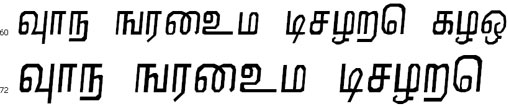
Viththi Bangla Font
Viththi
Download
View Count : 13617
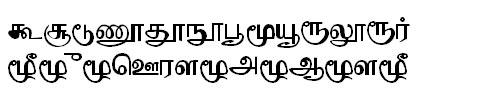
Nirmala Bangla Font
Nirmala
Download
View Count : 94267
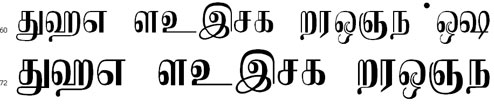
TMNews Bangla Font
TMNews
Download
View Count : 10103
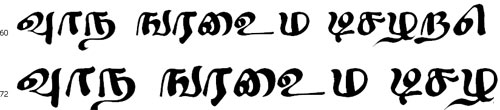
Sri-TSC Bangla Font
Sri-TSC
Download
View Count : 21577
TAU_Elango_Themmangu Bangla Font
TAU_Elango_Themmangu
Download
View Count : 9353
Ks_Kamban Bangla Font
Ks_Kamban
Download
View Count : 11298
Tam Shakti 12 Bangla Font
Tam Shakti 12
Download
View Count : 18941
Sindhu Bangla Font
Sindhu
Download
View Count : 30978
Denisha Bangla Font
Denisha
Download
View Count : 11179
Imayam Bangla Font
Imayam
Download
View Count : 9394

Translation tools...

Privacy Policy   GDPR Policy   Terms & Conditions   Contact Us
Please like, if you love this website
close