Tamil to English Dictionary: myself

This is the world's leading online source for english definitions/meanings, we have been helping millions of people improve their use of the tamil language with its free online services.


Write your word as a english and click to search button for the meaning of english language. It's a very simple & easy. use & enjoy....

அகங்காரம்
akngkārm (p. 1) s. Pride, self-consequence, கருவம். 2. One of the four intellectual powers, the energy which excites to action, அந்தக்கரணங்களிலொன்று. (See இந்தி ரியம்.) 3. Self-consciousness, individuality, regarding one's self as performing actions instead of the deity as operating within, நானெனுஞ்செருக்கு. 4. (p.) An operating cause of transmigration, பிறவிக்குமூலம்; ex அகம் myself, et காரம் that which acts. அகங்காரகிரந்தி--அகங்காரக்கிரந்தி, s. The bond of the three evil principles, மும்மலம், which bind the soul from eternity, and subject it to births. (p.) அகங்காரத்திரயம், s. The three அ கங்காரம், viz. முக்கியவகங்காரம், முக்கியாமுக்கி யவகங்காரம், and அமுக்கியவகங்காரம். (p.) அகங்காரி, s. A proud person. 16)
என்
eṉ (p. 75) கிறேன், றேன், பேன், என்ன, v. a. To say, name, pronounce, express, do, indicate, either by words or signs, expressed, or implied, என்றுசொல்ல. This is the common form for quotation, in which sense it generally occurs in all its various uses. In the infinitive and other parts it is commonly found with one ன் only. என்கு. I say. என்கும். We say. என்ப--என்பர்--என்மர்--என்மனார்--என்றிசினோ ர். They say, they may say, some say, &c. அப்படியென்கிறான். So he says. 2. He does so (the speaker making the sign or sound intended). இல்லையென்கிறேன். I say no-implying impatience, displeasure, emphasis, &c. பணமில்லையென்கிறான். He says he has no money. போவென்கிறேன். I tell you to go, lit. I say go, and implying I have said so before. அவனைப்போவென்னப்போகிறான். When I say go, he goes. காமதேனுவென்கிறபசு. The cow (of the supernals) called Kamadhanu. நானென்னுமெண்ணம். Self conceit, consequence. என்பவன், appel. n. He who says so. 2. He who is called so. பெரியானென்பவன். Perian, or he who is called Perian. ஆவென்ன, inf. To open the mouth, lit. to say ஆ. ஈயென்ன, inf. To show the teeth, lit. to say ஈ. என்பிக்க, inf. To cause another to say, to prove, சொல்லுவிக்க. அதையவன்வாயினாலேயுமக்கென்பிப்பேன். I will prove it to you from his mouth. என்று. The gerund of the verb என், used instead of என the infinitive (which is the poetic usage in this connexion), it serves to end a quotation and to connect it with the following part of the sentence, in which case it often corresponds to the conjunction that, வினையெச்சம். அவனையடித்தேனென்றுசொன்னான். He said that he struck him, lit. he said, I struck him. Note 1st. In connexion with appropriate verbs, என்று, and என often mean to expect, to think, imagine, to suppose, to pretend, to desire, எண்ணுதல் or some such verb being implied; பணந் தெய்வமென்றுநடக்கிறான், he makes money his god; அதுபுகையென்றிருந்தேன், I thought it was smoke, I took it for smoke; அவர்வருவாரென்றிருக்கிறேன், I expect him to come; அவன்சொன்னானென்றுவந்தாயா, have you came because he told you?--Note 2d. According to நன்னூல், என்று and என are இடைச்சொல் or particles, with several specific uses, the other parts of the verb are or may be included. 1. With பெயர் or names; அழுக்காறெனவொரு பாவி, the sinner called envy. (குறள்.) 2. With குறிப்பு or symbolic forms; சிக்கென வூன்றியவேர், the root which has taken firm hold; திடீரெனவந்தான், he came suddenly. 3. With இசை or (imitative) sounds; ஒல்லெனவொலித்தது, it sounded ஒல்; அடுக் கு or repititive symbolic terms are included in this class; படபடென்றுநடுங்கி னான், he trembled (shook, shivered, &c.) greatly; சுஃஃறென்னுந்தண்டோட்டுப்பெண் ணை, the palmyras whose green leaves rustled (emitted the sound of சுஃஃறு). 4. With எண் enumeration, in which they are equivalent to the copulative conjunction; சாத்தனெனக்கொற்றனெனப்பூதனெ னமூவரும்வந்தார், Sattan, Kottan and Bhuta came; தேனென்றுபாலென்றுவமையில்லாமொழி, words unequalled (in sweetness) by honey or milk. 5. With பண்பு or symbolic terms expressive of quality and intensity; சிவேரெனச்சிவந்தது, it reddened to a crimson; வெள்ளெனவா, come in the grey of the morning; வெள்ளெனவி ளர்த்தது, it became very white.--Note 3d. என்று and என also serve to express similitude, like, as, &c.; புலியெனப்பாய்ந் தான், he sprang like a tiger; காந்தளெனக் கைநீட்டி, extending her காந்தள்-like hand. --Note 4th. என and என்று are also used to express pre-eminence, &c.; இன்னதென் றில்லை, it is no matter which; ஆரென்றுநி னைத்தாய், who do you suppose I am? I am not to be treated thus, &c., உயிரென் றுபார்க்கவில்லை, he does not (or did not) regard even life; அவனுக்கின்னாரென்றில்லை, it is no matter to him who; குருவென் றுபேணுகின்றிலன், he does not respect even the guru; எவ்வளவென்றில்லை, it is no matter how much. 2. How much soever, how little soever. 3. It is illimitable, undefined, the quantity is unknown; வாய்வயிறென்றுபார்க்கிறதில்லை, he does not give himself time to eat.--Note 5th. என and என்று are also used with reiterative symbolic terms; மடம்டென்றொலித்த து, it sounded மட, மட; அடியடியென்றடித் தான், he beat him soundly; தலைதலையென்ற டித்துக்கொண்டான், he beat his head greatly through rage, grief, despair, &c.; lit. saying, 'Head, head;' வாய்வாயென்றடிக்க, to beat one's mouth greatly--in sorrow, despair, &c.; எறியெறியென்றெறிந்தான், he threw many times; lit. he threw, saying, 'Throw, throw.'--Note 6th. என and என்று, with a dative imply, designed or appointed for, sacred or devoted to, for the sake of, &c.; சுவாமிக்கென்றுநேர்ந் தது, it is vowed (devoted) to God; தன்பிள்ளைக்கென்றுவைத்துக்கொண்டான், he kept it for his child; எனக்கென்றெடுக்கமாட் டேன், I will not take it for myself-Note 7th. The subjunctive என்றால் joined to verbs or used when verbs are implied forms the subjunctive of those verbs.--Note 8th. The subjunctive என் னில், poetically, என்னின், if, is contracted into எனில் and எனின், and in classical usage to எல் and என்: உம் joined to those forms makes them though; they are added to other verbs or to nouns; ஓரடி யென்கிலும்நட, walk, if it be but one step. 40)
கங்கணம்
kangkaṇam (p. 85) s. A bangle or bracelet, கடகம். 2. An arm-ring worn between the wrist and the elbow, கைவளை. 3. A yellow cord which the Hindus tie with a piece of turmeric to the right arm of the bridegroom and the left arm of the bride, also round the arm of such as bind themselves by a religious vow, காப்பு. Wils. p. 178. KANKAN'A. 4. A water-fowl, ஓர்நீர்வாழும்ப றவை. கங்கணங்கட்டிக்கொள்ளுகிறது. To tie such a cord. இது காரியத்தைக்குறித்துக் கங்கணங் கட்டிக்கொண் டேன். I have bound myself to undertake the business. நீஏன்கங்கணங்கட்டிக்கொண்டுதிரிகிறாய். Why are you so pertinaciously set on doing this? 17) *
கொள்
koḷ (p. 147) --கொள்ளு, கிறேன், கொண் டேன், வேன், கொள்ள, v a. To take, receive with the hand, வாங்கிக்கொள்ள. 2. To contain, hold, comprehend, have, comprise, embrace, அடக்கிக்கொள்ள. 3. To buy, purchase, விலைக்குக்கொள்ள. 4. To accept, approve of, admit, அங்கீகரிக்க. 5. To take a wife, to marry, பெண்கொள்ள. 6. To take --as food, medicine, sleep, rest, &c., உணவு முதலியகொள்ள. 7. To conceive--as in the womb, in the mind or in the heart. 8. To get, to acquire, பெற்றுக்கொள்ள. 9. v. n. To be contained in, அடங்க. As an auxiliary to other verbs, கொள் denotes, continuation, certainly, &c., of the action, and that the fruit of it reverts to the agent-as படித்துக்கொள்ளுகிறான். He continues to study, குதிரையைவாங்கிக்கொண்டேன். I bought a horse for myself. The verb is generally found in composition with other words --as வாங்கிக்கொள்ள, பெண்கொள்ள, உட்கொள்ள, &c., and very rarely in the personal finite forms in common usage, except in the third meaning. கொள்வாருமில்லைகொடுப்பாருமில்லை.... There are none who receive, none who give. கொண்டிருந்துகுலம்பேசுகிறதா? Would it be proper to twit a family after you have taken a wife from it? கொண்டான், s. A husband, புருஷன். 2. A play as கொண்டல். See under கொண் டு, for other words. கொண்டுபோக, inf. To carry, to convey; to take away. கொள்க, [obtative.] May take, accept, or may uderstand. உமதுசித்தத்தின்படிகொள்க. You may take it as you please. கொள்கலம், s. A vessel, a salver, a dish; a receptacle for sandal-paste, or other ointments, or for ornaments, &c., சாந்துமுதலியபெய்கலம். 2. A cup of palm leaf, or bamboo to eat from, பிழர. (சது.) A beggar's dish, இரப்போர்கலம். கொள்கை, v. noun. The act of taking, getting, &c. See, கொள், v. 2. Quality, nature, habit, state, குணம். 3. Liking, fondness, regard, attachment, intimacy, சினேகம். 4. Opinions, tenets, belief, கோ ட்பாடு. 5. Knowledge, instruction, அறிவு. அவருக்குமிவருக்குமிகுந்தகொள்கை. [prov.] They two are very intimate. கிழவியிவனோடேமிகுந்தகொள்கையாயிருக்கிறாள். The old woman is very fond of him. கொள்கொம்பு, s. A prop supporting vines. (R.) கொள்வனை--கொள்வனவு--கொள்வினை, v. noun. Buying, borrowing; taking receiving வியாபாரக்கொள்ளுகை. 2. Marrying a wife, பெண்கொள்ளுகை. கொள்வனைகொடுப்பனை, v. noun. Borrowing and lending. 2. Giving and receiving in marriage. 3. [vul. loc.] Taking, receiving; buying, borrowing, கொள்ளுகை. கொள்விலை--கொள்கிரயம், s. The first or prime cost, the sum paid for a thing exclusive of profit, &c., கொண்டவிலை. 2. [prov.] Purchase, purchased land or property, விலைக்குக்கொண்டது. 3. One of the three species of real property. See சீதனம் and பிதிரார்ச்சிதம். கொள்விலைக்காணி, s. [prov.] Land attained by purchase, as distinguished from lands by dowry and inheritance. கொள்விலைக்காரன், s. The purchaser of land, &c. கொள்வோன், s. One who buys, or one who accepts any thing. 2. (நன்.) a pupil, student, learner, கற்போன். கொள்ள, [adverbially.] While, when-as நான்வரக்கொள்ள, while I was coming. 2. Since, therefore, because, as இருக்கக்கொ ள்ள, since it is so. ஆகக்கொள்ள, in the phrase நாளையவன்வருவானாகக்கொள்ள, he will come tomorrow, therefore, [tarry.] 3. (Rott.) as கொள்க in the phrase கொள் ளாதநோய்கொள்ள, may you be seized with an insupportable disease--a malediction. 4. [prov.] More, further on, in or under --as கொஞ்சங்கொள்ளவார், pour out a little more; also in கொள்ளக்கொடு, insert a lever, or land, further in, further under, &c., or let a pair of scissors or pincers take a good hold; and in கொள்ளப்பிடி, take hold further in measuring cloth. கொளல்வினா, s. [in gram.] One of the six kinds of interrogation, implying a desire to obtain the thing mentioned --as அரிசியுளதோ, have you got any rice? wishing to buy some. கொள்ளல்--கொளல், v. noun. Taking, receiving, obtaining, buying, &c. கொள்ளற்பாடு, [prov.] Estimation, worth, honor, மேன்மை. கொள்ளாதசெய்கை, s. A fragrantly wicked, unbearable act. கொள்ளாதசிறை, s. One assiduous as a slave--spoken of an affectionate, faithful wife, or a dependent. கொள்ளாதபுகழ், s. Unbounded praise. கொள்ளாமை, v. noun. (neg.) Excessiveness transcedency, pre-eminence in good or evil. 2. Disagreement, discordance, enmity, பகை. வாய்கொள்ளாப்பேச்சு. Language not proper to be used. கொள்ளார், s. Haters, enemies, பகை வர். (சது.) இரட்டித்துக்கொள்ள, inf. See இரட் டிக்க. அர்த்தங்கொள்ள, ஆசைகொள்ள, தலைகொள்ள, துயர்கொள்ள, நாட்கொள்ள, நிலைகொள்ள, நீர்கொள் ள, பைத்தியங்கொள்ள, மேற்கொள்ள, வேர்கொள்ள, are some of the compounds. 15)

நான்
nāṉ (p. 275) pron. [Gen. என், or என்னுடைய.] I. யான். 2. [in the agama philos.] Self-consequence, &c. See நானெனதெனல்.--Note. In composition it is sometimes used for நால். (four), as நான்கு. நானாய், I myself, of or by myself, of my own accord. நானெனதெனல், v. noun. Saying I and mine. 2. [in the agamas.] A form used to express self-conquence and the feelings that excite to energy and action but which must be suppressed before the soul is ripe for absorption. நானென்றஎண்ணம், s. Self-importance, presumption, egotism. நானென்றிருந்தவர்கள் எத்தனையோ பெயர் போய் விட்டார்கள். How many, who flourished and boasted, are gone!
மட்டு
mṭṭu (p. 341) s. Measure, quantity, standard, degree, size, proportion, amount, அளவு. 2. Limit, extent, boundary, scope, range, எல்லை. 3. Estimate, conjecture from the eye, hand or mind, உத்தேசம். 4. Moderateness, tolerableness, that which is middling or common-place, மிதம். (c.) 5. (சது.) Toddy, fermented liquor, கள். அம்மட்டு--அம்மட்டும்--அந்தமட்டும். So much, so far. எம்மட்டு-எம்மட்டும்--எந்தமட்டும். How much, how far? என்மட்டிலேநானிருக்கிறேன். I am for myself. மட்டறிய--மட்டிட, inf. To guess, to make an estimate, மதிப்பிட. 2. To bear in mind so as to recognize, or identify; to know well, பழகியறிய. 3. To liken, compare with, ஒப்பிட. 4. To bind, stint, limit, அளவேற்படுத்த. மட்டாய், adv. Moderately, temperately. 2. Passably, tolerably. 3. As much as is needed. 4. Sparingly, parsimoniously, frugally. மட்டாய்ச்செலவிடு. Be frugal. மட்டாயெடு. Take what will answer the purpose. பேதிமட்டாய்நடக்கிறது. Cholera-cases are few. மட்டானவன், appel. n. A man of ordinary appearance, rank or abilities; one of middle size. 2. A man rather below the common standard, in rank, &c., தாழ்ந்தவன். மட்டிட்டிருக்க, inf. To be limited. மட்டில்லாமை, neg. v. noun. Immensity. 2. Extravagance. 3. Illimitability. மட்டுக்கட்ட, inf. To form a judgment from appearances, to know by observation, நிதானிக்க. 2. To recognize, to identify, அறிந்துகொள்ள. 3. To infer, மதி க்க. 4. To comprehend, தெரிய. 5. To make an estimate, மதிப்புச்செய்ய. 6. To stint, to limit. 7. To hinder, தடுக்க. மட்டுக்கு. To the extent required, to a certain extent, to a limited extent, sparingly. மட்டுக்குறித்தல், v. noun. Fixing a limit, determining an extent. மட்டுக்குமட்டு, s. In proportion to the time, number, want, &c., சரிக்குச்சரி. 2. A due or equal proportion. 3. A proportion of a small quantity, கொஞ்சத்திற் கொஞ்சம். மட்டுக்குமிஞ்ச--மட்டுமிஞ்ச--மட்டுக டக்க, inf. To exceed bounds. 2. To become incurable--as a disease; irrecoverable--as a debt, &c. 3. To be excessive. மட்டுக்கும், adv. So much, so far. மட்டுக்கோல், s. A measuring rod, as மட்டக்கோல். (R.) மட்டுத்தப்ப, inf. To miss an aim, take the wrong direction, இலக்குத்தவற. 2. To exceed propriety, to behave or speak disrespectfully or impolitely, மரியாதைத வற. 3. To live extravagantly, அளவுகட க்க. 4. To act conceitedly; to assume airs, மிதமிஞ்ச. மட்டுத்தப்பானபேச்சு. Disrespectful language. 2. Self-conceited talk. மட்டுத்தப்பானநடை. Disrespectful behavior. 2. Extravagance in living; vanity, self-conceit. மட்டுத்தப்பானபழக்கம். Disreputable, low practices. மட்டுத்தப்பிச்செலவழிக்கிறது. Being profuse in expenditure. மட்டுத்திட்டம், s. Guess, estimate, conjecture, கணிப்பு. 2. Character, circumstances, one's worth, merit, யோக்கி யம். 3. Extent, amount, limit, அளவு. 4. Integrity, principle. மட்டுத்திட்டப்படுத்த--மட்டுத்திட்டம் பண்ண--மட்டுத்திட்டம்பார்க்க, inf. To limit, restrain. 2. To weigh one's character, குணத்தைநிறுக்க. 3. To bring to a settlement, to balance affairs, முடிவுகட்ட. மட்டுப்பட, inf. To be measured, guaged. 2. To be limited, circumscribed, restrained, curbed, confined. 3. To be comprehended, understood. 4. To decrease, to grow less. மட்டுப்படுத்த--மட்டுப்பண்ண, inf. To limit, circumscribe, restrain, check, confine, govern. 2. To make an estimate, ascertain a number, quantity or amount, மதிக்க. மட்டுப்பிடிக்க, inf. To recognize, to identify, அறிய. 2. To comprehend, ascertain, குறிக்க. 3. To decide, determine, தீர்மானிக்க. மட்டுமதிப்பு--மட்டுமரியாதை--மட்டு மருங்கு, s. Due regard for another's character or rank. 2. Politeness, good manners. 3. Upright, good, moral behaviour. மட்டுமதியம், s. [prov.] Actual measurement, அளவு. 2. Moderation, மிதம். 3. As மட்டுத்திட்டம். மட்டும், adv. Until, so far, as far. அந்தஊர்மட்டும்போவோம். Let us go as far as the town. 8)
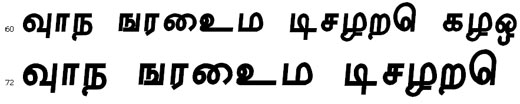
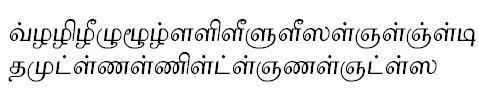
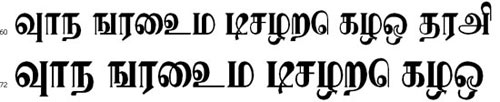
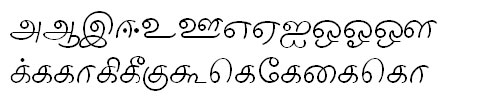
Random Fonts
TAU_Elango_Mullai Bangla Font
TAU_Elango_Mullai
Download
View Count : 18004
Tab Shakti 8 Bangla Font
Tab Shakti 8
Download
View Count : 8985
Tam Shakti 13 Bangla Font
Tam Shakti 13
Download
View Count : 19134
GIST-TMOTPadma Bangla Font
GIST-TMOTPadma
Download
View Count : 13268
Vavuniya Bangla Font
Vavuniya
Download
View Count : 13889
Sundaram-0827 Bangla Font
Sundaram-0827
Download
View Count : 12546
Moderntamil Bangla Font
Moderntamil
Download
View Count : 27272
Tab Shakti-22 Bangla Font
Tab Shakti-22
Download
View Count : 17462
Malayamarutham Bangla Font
Malayamarutham
Download
View Count : 11482
Latha Bangla Font
Latha
Download
View Count : 1431429

Translation tools...

Privacy Policy   GDPR Policy   Terms & Conditions   Contact Us
Please like, if you love this website
close