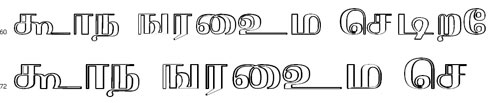
Tamil to English Dictionary: refers

This is the world's leading online source for english definitions/meanings, we have been helping millions of people improve their use of the tamil language with its free online services.


Write your word as a english and click to search button for the meaning of english language. It's a very simple & easy. use & enjoy....

அடி
aṭi (p. 7) s. Source, origin, bottom, foundation, beginning, basis, ஆதி. 2. Lower part of a tree, mountain, page, &c., மரமுத லியவற்றினடி. 3. Lineage, ancestry, stock or family, descent, வமிசவழி. 4. Root or primitive of a word, the radical, முதனிலை. 5. A line in poetry, செய்யுளினோருறுப்பு. (See உறுப்பு). 6. A man's foot, கால். 7. A measure, twelve inches the length of a person's foot, also of a pace, step, ஓர்வகையளவு. 8. The print of a foot-step, foot-print, vestige, காற்சுவடு. 9. The sole of a sandal, shoe, &c., மிதியடியினடி. 1. Vicinity, neighborhood, nearness, proximity, சமீபம். 11. Underside, lower part, கீழ். (பஞ். 24.)-Note. There are five kinds of அடி as a metrical line. 1. குறளடி. 2. சிந்தடி. 3. அளவடி, or நேரடி. 4. நெடிலடி. 5. கழிநெடிலடி which see. அடிகொள்ள, inf. To begin, originate, be founded, தொடங்க. அடிகோல, inf. To lay a foundation for any building, அஸ்திவாரம்போட. 2. To take measures, undertake, make preparations, முயற்சிசெய்ய. அடிக்கடி, adv. Frequently, often repeatedly, reiteratedly, பலமுறை. அடிக்குடி, s. Suburbs; ex குடி, village. அடிக்குடில், s. The suburb of a town, 2. A village of the Vedda people. அடிக்குள்ளே. Within a moment, in the same moment, before the next step is taken. அடிச்சால், s. The first furrow in ploughing. அடிச்சீப்பு, s. The first formed and best plantains of the bunch. அடிச்சூடு, s. Heat felt in the sole of the foot when walking. அடிச்சேரி, s. Suburbs. See சேரி. அடிதலை, s. Order, regularity, வர லாறு. 2. Upside down, கீழ்மேல். 3. Beginning and end, ஆதியந்தம். அடிதலைதடுமாற்றம், s. Confusion, derangement, முற்றுந்தடுமாற்றம். அடித்தட்டு, s. The lowermost deck of a ship. அடித்தலம், s. Principal place, மு தலிடம். 2. Lower part, கீழிடம். 3. Foundation of a wall, அஸ்திவாரம். அடித்தழும்பு, s. The print of a footstep, vestige, காற்சுவடு. 2. The mark of a stripe, points of a rod, அடிபட்டதழும்பு. அடித்தளம், s. A ground-floor, தள வரிசைபோட்ட நிலம். 2. Lower part or foundation of a well, அடிப்பார். 3. Lower stratum or laying of a pile, அடிவரிசை. 4. The rear of an army, பின்னணி. அடிநா, s. The root or lower part of the tongue, நாவினடி. அடிபணிய, inf. To fall at one's feet, reverence, submit, obey, நமஸ்காரஞ்செய்ய. அடிபிடிக்க, inf. To get a clue to a thing, மூலத்தைப்பற்ற. 2. To pursue, பின்றொடர. 3. To discover one's footstep, காலடையாளம்பார்க்க. அடிபெயர, inf. To start, take a step, move from the spot where one stands, பேர. அடிப்பட, inf. To be in subjection, கீழ்ப்பட. அடிப்படுத்த, inf. To subdue, subject a country, a foe, bring into possession, கீழ்ப்படுத்த. அடிப்படை, s. The chief division of an army. 2. The first layer in a well, &c. அடிப்பட்டகாந்தி, s. one of the thirty-two kinds of prepared arsenic. அடிப்பட்டசாந்தி, s. Great meekness. அடிப்பட்டசான்றோர், s. Ancient sages. அடிப்பதற, inf. To tremble as the feet, கானடுங்க. 2. (fig.) [prov.] To fail in business, lose a situation, wife or property. 3. To be perplexed in consequence of failure, &c. அடிப்பந்தி, s. Head of the table or row of guests. அடிப்பலம், s. The first benefit or advantage received by a person, முதற்பலன். அடிப்பற்ற, inf. To be scorched-as rice by heat with want of water, &c., சுண்டுபற்ற, 2. To stick to the bottom of a vessel when boiling, அடியிலொட்ட. அடிப்பாடு, s. Path, way, beaten path, பாதை. 2. Usage, custom, பழக்கம். அடிப்பாய, inf. To leap as a child over a mark, play at leap-frog, தாண்ட. அடிப்பாரம், s. Ballast, the first layer of goods in a vessel. அடிப்பார்க்க, inf. To deliberate, think how to act யோசிக்க. 2. To measure time by the shadow, நிழலளந்து பொ ழுதுகுறிக்க. அடிப்பினை, s. Sand mixt with lead, வங்கமணல். அடிப்போட, inf. To begin, undertake, make the first effort, effect an object, தொடங்க. அடிமடக்கு, s. [in prosody.] Repetition of a word or words with different meanings in the beginning of a line, or the repetition of a line in a verse with different meanings, சித்திரக்கவியி லொன்று, as, ஆகங்கண்டகராலற்றவாடவர், ஆகங் கண்டகராலற்றவன்பினர். அடிமடி, s. A secret place in the waistcloth, உள்மடி. அடிமடை, s. The commencement of a water channel, முதல்மடை. அடிமண், s. The earth adhering to one's feet, taken for enchantments against him (வசியம்) or for witchcraft, காலிலொட்டியமண். அடிமயக்கு, s. Transposing the lines of a verse without destroying the sense, அடிமாற்றுகை. 2. A verse so formed, ஓர்பா, as, அங்கண்மதியமரவின்வாய்ப்பட்டென்ப, பூசல்வாயாப்புலம்புமனைகலங்கி. அடிமறிமண்டிலவாசிரியப்பா, s. One of the four kinds of ஆசிரியம், the lines of which are interchangeable at pleasure, the meaning remaining the same, ஓர்வகையாசிரியப்பா. அடிமறிமாற்றுப்பொருள்கோள், s. Construction in which the lines of a stanza are interchangeable, the harmony and meaning remaining the same, or the harmony only slightly affected. See பொருள்கோள், as, சுரையாழவம்மிமிதப்பவரையனை ய, யானைக்குநீத்துமுயற்குநிலையென்ப கானகநாடன் சுனை. அடிமுகனை, s. [vul.] Beginning-as of a story, &c. அடிமுடி, s. Order, regularity, வர லாறு. 2. From beginning to end, ஆதியந் தம். 3. Upside down, கீழ்மேல். 4. Head and foot, காலுந்தலையும். அடிமுரண்டொடை, s. One of the forty-three kinds of rhyme in which the first word of a line has a meaning opposite to that of the next, செய்யுட்டொடை யிலொன்று, as, இருள்பரந்தன்னமாநீர்மருங்கின், நிலவுகுவித்தன்னவெண்மணலொருசிறை, where darkness and moonlight are opposite. அடிமோனைத்தொடை, s. One of the forty-three kinds of rhyme in which each line begins with the same letter, ஓர் வகை மோனைத்தொடை. அடியடியாக, adv. [prov.] In succession, as the descent of title, &c., தலைமுறை தலைமுறையாக. அடியந்தாதி, s. A repetition in verse. See அந்தாதி. அடியளபெடை, s. Prolonging the sounds of long vowels at the beginning of every line, தொடைவிகற்பத்தொன்று. அடியறுக்கி, s. A flat piece of wood by which the potter marks his work and cuts it from the wheel below, மட்கலமறுக்குங்கருவி. அடியனாதி, s. Time immemorial, antiquity, தொன்றுதொட்டுள்ளகாலம். அடியார், s. [sing. அடியான்--அடி யாள்.] Slaves, servants as applied to devotees in reference to their deity, and used by persons of themselves in addressing superiors, to show respect, obedience or submission, தொண்டர். அடியிட, inf. To set on foot, commence an undertaking, a law suit, &c., தொடங்க. 2. To make a beginning in braiding--as the bottom of a basket, the first end of a mat, &c., பாய்முதலியவை முடைதற்கு அடியிட. அடியுரம், s. [prov.] Ancestral property, original stock. 2. Crop of a past year reserved for the sustenance of the following. 3. Manure put on the soil round a tree, &c., எரு. 4. Strength from food, power of wealth, &c.; ex உரம், strength. அடியெடுத்துவைக்க, inf. To begin to walk as children. அடியெதுகைத்தொடை, s. One of the forty-three kinds of rhymes in which the second letters of each line are of the same class, ஓரெதுகைத்தொடை. அடியேன், s. I your slave, your humble servant. அடியோடுகெட, inf. To be destroyed utterly, extirpated. அடியோட்டி, s. A triangular instrument with spikes, which, however placed, has one spike upward to pierce the feet of men or cattle; used in war, &c., a caltrop. அடிவயிறு, s. The lower part of the belly, the abdomen, கீழ்வயிறு. அடிவரலாறு, s. Source, principle, cause, காரணம். 2. Beginning, origin, bottom of a thing, தொடக்கம். 3. Ancient lines of ancestry, வமிசவரலாறு. அடிவரலாறாகத்தெரிதல். Understanding from the first. அடிவருட, inf. To chafe, stroke, or shampoo the legs of another. அடிவாரம், s. The foot of a hill, சாரல். அடிவானம், s. Horizon, திகாந்தம். அடிவிட--அடிவிரிய--அடிவிள்ள, inf. [prov.] To be cracked as the bottom of a chatty, &c. by use, அடியுடைய. அடிவைக்க, inf. To step, set a step, காலடிவைக்க. 2. To begin to walk as a child, நடக்கத்தொடங்க. 3. To intrude one's self into an affair, தலையிட. 4. To begin a work, ஆரம்பிக்க. மலையடிப்பட்டி, s. A village at the foot of a hill. சிற்றடி, s. A small or delicate foot.

அண்மை
aṇmai (p. 10) s. Nearness, that which is near, சமீபம். (p.) அணித்து, sym. v. That which is near. அண்மைச்சுட்டு, s. [in gram.] The demonstrative which refers to a person, place or thing near, opposed to சேய்மைச் சுட்டு, as இவன்கொடியன். 12)
அந்தரம்
antaram (p. 14) s. Open space, வெளி. 2. Intermediate space, இடை. 3. Ether, as the vehicle of light and sound--supposed to pervade all things and to extend through the universe, பஞ்சபூதத்திலொன்று. 4. The sky, atmosphere, ஆகாயம். Wils. (p.) 37. ANTARA. 5. Temple, தேவர்கோயில். 6. Singleness, loneliness, solitariness, தனி மை. 7. Disaster, mishap, dilemma, தீமை. (பஞ். 49.) 8. End, taken distributively, end of each, முடிவு. 9. Difference, dissension, பேதம். 1. Measure, அளவு. 11. Remainder after subtraction, difference, சேஷம். 12. Period of time, காலம். (சது.) 13. Darkness, இருள். 14. Crowd, கூட்டம். (p.)--Note. All the meanings may be referred to the idea of within and without. (S. Dic.) In combination some variety of meaning is found, as, தேசாந்தரம், a foreign country; வருஷாந்தரம், every year; மாதாந்தரம், every month; முகாந்தரம், on account of; தீவரந்தரம், the remotest isle, &c. அந்தரஆண்டு, s. The time between any given points. [அந்தரம். 2.] அந்தரகாமி, s. A horse which goes above the earth, through the air, ஆகாய மார்க்கமாய்ச்செல்லும்பரி. [அந்தரம். 4.] அந்தரசைவம், s. One of the divisions of the Saiva religion, ஓர்சைவம். அந்தரச்சிந்து, s. One of the thirtytwo kinds of arsenic in its natural state, கற்பாஷாணம். அந்தரதிசை, s. A nine-fold subdivision of the period of a planet's influence on a person's life, கிரகநிலை. [அந் தரம். 2.] அந்தரத்தாமரை, s. A species of lotus whose roots float in the water, not adhering to the soil, ஆகாயத்தாமரை. [அந்தரம். 4.] அந்தரத்திலேநிற்க, inf. To be forsaken by all, be abandoned. [அந்தரம். 1.] என்னையந்தரத்திலேவிட்டான். He has forsaken me. அந்தரபவனி, s. Motion through the air, ஆகாயகமனம். 2. (fig.) Very great swiftness, மிகுவேகம். 3. [prov.] Any thing that goes swiftly, வேகமாய்ச்செல் லுவது. [அந்தரம். 4.] அந்தரப்பிசாசுகள், s. The evil spirits of the air. [அந்தரம். 4.] அந்தரமத்திமபுத்தி, s. Difference between the mean and true daily motion of the sun, or of a planet. [அந் தரம். 4.] அந்தரவல்லி, s. A medicinal creeper, கொல்லன்கோவை. [அந்தரம். 4.] அந்தரவனம், s. An uninhabited desert land. [அந்தரம், 1.] அந்தரவாசம், v. noun. Dwelling in the air, ஆகாயத்தில்வசிக்கை. 2. (s.) A medicinal shrub, ஓர்மருந்துப்பூடு. [அந்தரம். 4.] அந்தரவாயு, s. Hydrocele, வீம பீசம், [அந்தரம் 2.] அந்தரவீச்சு, v. noun. Beating the air. அந்தரவீச்சுக்காரன், s. One who beats the air, a cheat, a fraudulent man. [அந்தரம். 4.] அந்தராயம், s. Disaster, obstacle, mishap, dilemma, exigency, impediment தீமை. (p.) Wils. p. 38. ANTARAYA. [அந்தரம். 7.] அந்தராளம், s. Middle, intermediate space, நடு, Wils. p. 38. ANTARALA. (p.) See கர்ப்பகிரகம். [அந்தரம். 2.] அந்தராளன், s. The son of an அனுலோம father, and பிரதிலோம mother, அனுலோமத்தந்தைக்கும் பிரதிலோமத்தாய்க்கும்பிறந் தபிள்ளை. அந்தரி, s. A goddess as inhabiting the &ae;rial regions, ஆகாயவாணி. 2. Durga, துர்க்கை. 3. Parvati, பார்வதி. (p.) [அந்தரம். 4.] 57)
அனு
aṉu (p. 33) s. [sans. அநு.] The jaws, mandibles, கதுப்பு. Wils. p. 968. HANU. 2. prep. Following close, succeeding, together, தொடர்ச்சி. 3. Alliteration in poetry. மோனை. 4. Like, equal to, சமம். 5. A prefix to words from the Sanscrit implying after, like, in the same manner, with, together with, severally, each by each, &c. Wils. p. 31. ANU. (p.) அனுகமனம், s. Accompanying, உடன்போகுதல். Wils. p. 31. ANUGAMANA. அனுகரணம், s. Imitation, doing a thing like another, ஒன்றுபோற்செய்கை. Wils. p. 31. ANUKARAN'A. அனுகரணவோசை, s. Imitative sound. அனுகூலம், s. Favor, auspices, kindness, propitiousness, விக்கினமின்மை. 2. Success, prosperity, the accomplishment of an object, a happy issue, consummation, காரியசித்தி. Wils. p. 31. ANUKOOLA. இரண்டுபேருக்கு மனுகூலம்போலே தோன்றி. Appearing favorable to both parties. அனுகூலப்பட, inf. To succeed, be successful. அனுகூலன், s. Patron, benefactor. 2. (சுவைக்கொத்து.) A husband who does nothing in breach of his faith to his wife-one of the four சிங்காரநாயகர். அனுகூலி, s. Patron, benefactor. அனுகோதம், s. (Anat.) Cerebellum. அனுக்கிரகம், s. Favor, grace, benignity, அருள். Wils. p. 32. ANUGRAHA. 2. Illumination of souls,--one of the five acts ascribed to Siva, பஞ்சகிருத்தியத்தொ ன்று. See கிருத்தியம். அனுக்கிரககர்த்தா, s. The gracious Creator. அனுக்கிரகஞ்செய்ய--அனுக்கிரகம் பண்ண, inf. To exercise favor, be merciful. அனுக்கிரகாங்குரம், s. The sprouting of grace. அனுக்கிரகிக்க, inf. To be gracious, benignant, to bestow favor, show kindness, grant, be propitious, அருள்செ ய்ய. அனுக்கிரகிப்பு, v. noun. Favoring, aiding. அனுக்கிரமம், s. Order, regularity, train, கிரமம். Wils. p. 31. ANUKRAMA. அனுசந்தானம், s. Search, inquiry, investigation, ஆராய்வு. 2. Meditation, contemplation (on an image of the deity) in the mind, விடாயோகம். Wils. p. 36. ANUSAND'HANA. அனுசந்தானம்பண்ண, inf. To fix an arrow in the bow, வில்லிலம்புபூட்ட. அனுசந்திக்க, inf. To contemplate, meditate, விடாதுதியானிக்க. 2. To attach constantly as the arrow to the bow, அம்பிடைவிடாமற்பிரயோகிக்க. அனுசரணம்--அனுசரணை, s. Custom, habit, usage, comformity to usage, as, அனுசாரம். 2. Cleaving unto, பற்றி நடக்கை. 3. Attention, kindness, உபசாரம். Wils. p. 36. ANUSARAN'A. அனுசரன்--அனுசாரி, s. A follower, adherent, சார்ந்தோன். 2. A companion, assistant, உதவிக்காரன். Wils. p. 32. ANUCHARA and ANUCHARIN. அனுசரிக்க, inf. To follow, practise, adhere to (a friend, a deity, religious opinion, &c.,) பின்பற்ற. 2. To worship, serve, reverence, வழிபட. 3. To celebrate, observe, keep a day, rite, &c., கொண்டாட. 4. To apply, wait upon, make persevering application to, சார. 5. To join one's party, embrace one's opinion, unite with one, become a proselyte to, சேர.--Note. Perseverance is always implied; [ex அனுசாரம்.] இராசாவை யனுசரித்துய்யப் பெற்றேன். By continual application to the king, I have obtained promotion. அனுசரிக்கை--அனுசரிப்பு, v. noun. Following, celebrating, worshipping, &c. அனுசன்--அனுசாதன், s. A younger brother, தம்பி. Wils. p. 32. ANUJA and ANUJATA. (p.) அனுசாரம், s. Adherence to custom, following after, accompanying, &c., தொடர்தல். Wils. p. 36. ANUSARA. 2. Retrogression of a planet, வக்கிரம். அனுட்டானம்--அனுஷ்டானம் s. Exercise of prescribed daily duties, performance of religions rites, அனுட்டி ப்பு; [ex அநு, according to, et ஸ்தா, to stay.] Wils. p. 36. ANUSHTANA. அனுட்டானச்செம்பு, s. A pure pot used in the daily worship. அனுட்டிக்க, inf. To perform religious rites and ceremonies--as fasting, penance, bathing, repeating incantations, &c. விரதமுதலியவனுசரிக்க. 2. To practise, habituate one's self, observe, விடாதுதொடர. துராசாரமனுட்டித்துக் கெட்டுப்போனான். By an evil course of life he was ruined. அனுட்டிப்பு, v. noun. Performing, practising, (religious rites, &c.) observance. அனுதினம் Daily, எப்பொழுதும். Wils. p. 32. ANUDINA. அனுதினமும், Day by day, every day. அனுபந்தசதுஷ்டயம்--அனுபந்தம், s. Union, connection, இயைபு. Wils. p. 34. ANUBUND'HA. The four அனுபந்தம் or properties of a book to be mentioned in the preface are, விடயம். contents; சம்பந்தம், order; பிரயோசனம், object; and அதிகாரி, persons for whom intended. அனுபல்லவி, s. The stanza immediately following the chorus in the species of verse called பதம். See முத்திரைப்பல் லவம். அனுபவம், s. Feeling, experience, enjoying or suffering the results of actions done in former births. Wils. p. 34. ANUB'HAVA. அனுபவப்பட, inf. To be realized, 2. To be attended with success. அனுபவிக்க, inf. To enjoy, suffer, experience good or evil, enjoy or suffer the effects of actions performed in former births, enjoy the benefit of, துய்க்க; [ex அனுபவம்.] சுகதுக்கங்களிரண்டையுமனுபவிக்கிறோம். We experience both joy and sorrow. ஒருவன்வீட்டைப்பிறனொருவன் பத்தாண்டளவும் யாவருமறியவனுபவித்தால் அவ்வீடவனதே. If any one have the possession of the house of another for ten years, and this be generally known, the house becomes his. அனுபவிப்பு, v. noun. Enjoying, suffering, experiencing. அனுபாகம், s. (Anat.) Maxillary portion; [ex ஹநு, jaw.] அனுபானம், s. A fluid vehicle in medicine, drink taken with or after medicine. 2. An ingredient to take with, or after medicines, as sugar, &c. Wils. p. 33. ANUPANA. அனுபூதி, s. A boon or blessing obtained from the Supreme Being connected with or leading to final bliss, divine knowledge, favor, grace in reference to divine things. 2. Superhuman knowledge ascribed to or obtained from Siva. Wils. p. 34. ANUB'HOOTI. 3. Sentiment, சிந்தனை. அனுபோகம், s. Experience, practice, அப்பியாசம். 2. Enjoyment or suffering, அனுபவம். 3. Delight, mutual delight, இன்பம். 4. Venery, புணர்ச்சி. அனுபோகிக்க, inf. To enjoy, have mutual delight, sexual intercourse, experience good or evil. அனுமதி, s. Assent, approbation, consent, சம்மதி. 2. Order, command, கட் டளை. Wils. p. 34. ANUMATI. அவருடைய அனுமதிப்படி. By his order or in his name. அனுமரணம், s. The voluntary death of a widow on the funeral pile with the deceased husband, உடன்கட்டையேறுகை. Wils. p. 34. ANUMARAN'A. 2. A system of architecture. See சிற்பநூல். அனுமானம், s. Inference, illation-one of the modes in logic of arriving at a conclusion, as from smoke to infer the presence of fire, காரியத்தாற்காரணமறிகை. Wils. p. 34. ANUMANA. Some reckon the following four kinds; viz.: 1. தன்பொருட் டனுமானம். 2. பிறர்பொருட்டனுமானம். 3. அன் னுவயவனுமானம். 4. வெதிரேகவனுமானம். In அளவை the four are; 1. ஏதுவனுமானம், inference of an existing cause from sight of the effect, as of fire from the appearance of smoke. 2. பொதுவனுமானம், inference of the existence of a thing or reality of a thing by the presence of another, which is not wholly conclusive but probable and consistent. 3. எச்சவனு மானம், inference of a past cause from a present effect--as fishes in the rivers show that torrents have fallen on the mountains. 4. முதலனுமானம், inference of a future effect from a present cause-as that rainy clouds will bring rain. Another. 1. பூர்வக்காட்சி, inference of a thing from previous knowledge of its properties--as when we see a flower, we identify it from its smell. 2. அனுமானவ னுமானம், inference from an inference--as when we infer that a man is learned from his mode of treating a subject. 3. ஆகமவனுமானம், inference from the rules of Agamas--as the punishment is owing to former deeds. 2. Doubt, hesitancy uncertainty, conjecture, சமுசயம். அனுமானப்பிரமாணம், s. one of the eight laws of evidence, inference, காரியத்தாற்காரணத்தைக்காட்டுவது. அனுமானிக்க, inf. To neigh as a horse, குதிரைகனைக்க. 2. To doubt, hesitate, சந்தேகிக்க. 3. v. a. To imagine, infer, understand or determine by inference, காரியத்தாற்காரணமறிய. அனுமானிதம், v. noun. The neighing of a horse. அனுமேயம், s. The thing sought to be known as fire which is infered from smoke. Wils. p. 34. ANUMEYA. அனுமை, s. [in logic.] Inference, conclusion from premises, அர்த்தாபத்தி. Wils. p. 34. ANUMA. 2. Front of the temples close to the back of the eye, கண்ணிமையினடி. அனுராகம், [ex ரஞ்ச, desire.] Attachment, fondness, faithful love of a husband and wife. Wils. p. 35. ANURAGA. அனுராகபோகம், s. Sexual enjoyment. அனுராகமாலை, s. A poem. அனுரூபம், s. Likeness, resemblance. Wils. p. 35. ANUROOPA. அனுலோமசன்--அனுலோமன், s. The child or descendant of a high caste father by a low caste mother; [ex லோய, hair of the body.] Wils. p. 35. ANULOMAJA. அனுவக்கிரம், s. The transit of a planet in retrogression into the preceding sign. அனுவக்கிரேஷ்டம், s. The quantity expressed by இஷ்ட, 3°ree; 2. அனுவதிக்க, inf. To repeat what has been said before, திரும்பச்சொல்ல. அனுவாதம், s. Repetition of a reason or argument--opposed to புரோவா தம், வழிமொழிகை. 2. Abuse, reviling, நிந்தி க்கை; [ex வத, to speak.] Wils. p. 35. ANUVADA. அனூர்த்துவாஸ்தி, s. (Anat.) Upper maxillary bone. 102)
அமை
amai (p. 20) கிறேன், ந்தேன், வேன், ய, v. n. To yield, come to a right state, submit, comply, obey, acquiesce, சம்மதிக்க. 2. To become settled, peaceable, quiet; to subside, படிய. 3. To be at one's disposal, as a thing that may be effected, acquired, brought to good order, &c., வசமாக. 4. To fit, suit, join nicely, be adapted to, இசைய. 5. To be destined, be subject to a divine appointment or destiny, good or bad, விதிக்குட்பட. 6. To be made, formed, adjusted, திருந்த. 7. To be satisfied, contented, composed, comfortable, resigned, திருத்தியாக. 8. (in the third person only) To be enough, sufficient, போ துமாக. 9. To happen, occur, come to pass, சம்பவிக்க. 1. To belong to, be connected or combined with, be appropriate to, பொ ருந்த. 11. To be obtained, அமர. (p.)--Note. Most of the meanings of this word have reference to the mind. சாஸ்திரத்திற்கமைந்துநடக்கிறவன், He is one who obeyed the shasters. ஐம்புலனமைந்தவன், s. One who has suppressed the five senses, or to whom the senses are subject. இது என்விசாரணைக்கமைந்த காரியம். It is a matter at my disposal. என்விருப்பத்திற்கமைந்தபடிநடந்தது. It has occurred to my satisfaction. சுகதுக்கம் ஊழின்படி அமையும். Good and evil are appointed according to former character. செயுநீர்மைசெய்யாதமைகலாவாறு. Owing to dissatisfaction at inability to do charity. (குறள். 22. அதி.) அமையவுண்மின். Eat enough. இரட்சிப்பு இறைவனுக்கமைந்தது. Salvation is of God. அமையாமை, neg. v. noun. Unsubmission, insubordination, disquietness, unfitness, கீழ்ப்படியாமை. அமைவு, v. noun. Subjection, subordination, acquiescence, பொருந்துகை. 2. Composure of mind, tranquillity, contentment, மனவமைதி. 3. Repression of the senses, subjection of the mental powers, அடக்கம். அமைவடக்கம், s. Concealment, security, silence. அமைவன், s. The god of the Jainas, அருகன். 2. An ascetic, துறந்தோன். 3. A ஞானி. 4. (in general.) One who controls the passions, அடக்கமுடையோன். 5. A learned man, அறிவுடையோன். (p.) 35)
அராகம்
arākm (p. 23) s. Insatiable desire, greediness, covetousness, இச்சையடங்காமை. 2. A tune, ஓர்பண். 3. The sound of certain notes on the lute, supposed to have some reference to a barren soil, பாலையாழ்த்திறம். 4. Red as a color, செவப்பு. See இராகம். 5. A succession of short letters in verse rapidly repeated, முடுகியல். 6. Gold, பொன். (p.) 39)
அற்பம்
aṟpam (p. 33) s. Littleness, any thing of trifling import, of small consequence, insignificance, சிறுமை. 2. Inferiority, a trifle, இழிவு. Wils. p. 74. ALPA. 3. Slightness, இலேசு. 4. (p.) A dog, நாய். அற்ப ஆசை கோடிதவத்தைக்கெடுக்கும். The coveting of a small thing destroys the penance of years. இதொரு அற்பகாரியம். This is a trifling thing. அற்பசங்கை--அற்பாசமனம், s. The act of making urine, modesté--in reference to those who wear the string. அற்பத்தனம், s. Vileness, meanness. அற்பபுத்தி, s. Low wit, folly, silliness. அற்பமாய், adv. Meanly, basely, vilely. அற்பன், s. (pl. அற்பர்.) An inferior, low-caste or ill-bred person, a mean person. அற்பனுக்குப்பவிஷுவந்தாலத்தராத்திரியிற்குடை பிடிப்பான். If a mean person has obtained wealth, he will carry an umbrella even at midnight. 67)
அளவை
aḷvai (p. 33) s. Measure, a definite quantity, அளவு. 2. Bound, limit, எல்லை. 3. A measure, or thing to measure with, அளவுக்கருவி. 4. A medium of knowledge, காட்சிமுதலியபிரமாணங்கள். 5. The name of a logical work, அளவைநூல். 6. Day, நாள். There are eight ways of obtaining the true knowledge of a thing or occurrence; viz.: 1. காட்சி, by the senses, especially the sight--by experiments, பிரத்தியட்சப்பிர மாணம். 2. அனுமானம், by inference, by drawing conclusions from what has been admitted or is supposed true--as நெருப்பிற்கு வியாப்பியம் புகையென்றறிதல், where smoke is, there is fire. 3. ஆகமம், by the testimony or assertions of great men, either orally or in writing, பெரியோர்வாய்ச்சொல். 4. அரு த்தாபத்தி, by deduction established from premises, அந்நியதாவநுபபத்தி--as இரவிலுணவி ல்லாமற் பகலுண்ணாதவனுக்குப் பருத்தல்கூடாதென் னுமுணர்ச்சி. 5. உவமானம், by similarity or likeness, comparison, மரை பசுப்போலென்னுமு ணர்ச்சி. 6. அபாவம், proof of non-existence-as முன்னில்லை, பின்னில்லை, முழுதுமில்லை, ஒன்றி ன்மற்றொன்றில்லை. 7. ஐதீகம், by traditional testimony--as இம்மாத்திற்பேயுளதென்பது, this tree is haunted by the devil. 8. சம்பவம், proof of co-existence--as ஆயிரத்தினூறுண்டெ னல், where a thousand is, there is a hundred. (p.) அளவையாகுபெயர், s. A metonymy in reference to measure, weight, number, &c. In Nannool, four kinds are given, எண்ணலளவையாகுபெயர், எடுத்தல ளவையாகுபெயர், முகத்தலளவையாகுபெயர், and நீட்டலளவையாகுபெயர். 15) *
ஆகாமியம்
ākāmiyam (p. 35) s. Vileness, impiety, deviation from the rules prescribed in the shasters, அதிக்கிரமம். 2. (p.) The actions of the present life in reference to their effects in future births. See கன்மம். 15) *
ஆரூடம்
ārūṭam (p. 41) s. Rising, the state of being risen or having ascended, ஏறுகை. Wils. p. 119. AROOD'HA. (p.) 2. The point in reference to the zodiac, where a person stands to consult the astrologer--or the sign designated by that, mentioned at the time--one of the three parts in divination made by astrologers. See கவிப்பு and உத யம். ஆரூடம்பார்க்க, inf. To foretell, to divine by the aspect of the planets and the signs of the zodiac, in reference to the place where the person stands; also by consulting the five kinds of birds, according to the rules of augury. ஆரூடன், s. One in a religion who has retired from the world, ஞானத் திற்றேறினவன். (p.) கருடாரூடன், s. Vishnu riding on a hawk. (p.) இரதாரூடன், s. One riding on a chariot. (p.) இடபாரூடன், s. Siva riding on a bull. (p.) 42)
ஆள்
āḷ (p. 43) s. A person, grown man, ஆண் மகன். 2. A man of property, power, influence, consequence, &c., ஆடவன். 3. A servant, slave, அடிமை. 4. A laborer, messenger, கூலியாள். 5. A devotee, தொண்டன். 6. The common termination of the third person singular feminine, பெண்பாற்படர்க்கை யொருமைவிகுதி. ஆளானான். He has attained to manhood, has become a person of consequence. அவனதற்காளோ? Is he competent for that? மரங்களாளாய்ப்போயின. The trees have arrived at maturity. ஆட்காட்டி, s. The forefinger, சுட்டுவிரல். 2. A bird, the lapwing, which screeches on the approach of a person by night, ஓர்பறவை. ஆட்கூலி, s. The hire of a workman. ஆட்கொல்லி, s. A murderer, manslayer, homicide, assassin, கொலை காரன். 2. (fig.) Gold, money, பணம். ஆட்கொள்ள, inf. To employ as a servant, admit as a worshipper, devotee, &c.--used in reference to the deity, or a great person--implying grace or condescension in the receiver, and benefit to the person taken, அடிமைகொள்ள. ஆட்பட, inf. To become a servant, devotee, &c., commonly to a deity. 2. [prov.] To rise from obscurity, become a man of some property, or consequence. 3. To come to manhood. 4. To regain strength, &c., after sickness. அவனென்னாலேயாட்பட்டான். He became eminent by me. ஆட்படுத்த, inf. To adopt one as a devotee, servant, &c. 2. To raise a person from obscurity. 3. To rear, bring up a person from a child to a man, cherish, nourish. ஆட்பார்க்க, inf. To seek another. 2. To watch as a thief, guard himself against detection. 3. To look for persons for any bad purpose--as a prostitute, &c.--as Yama the god of death. ஆட்பார்த்துழலுமருளில்கூற்றுண்மையால். Since Yama the merciless god of death, who goes about looking for his victims, does actually exist. (நாலடி). ஆளரி, s. Vishnu in his incarnation as a lion. ஆளன்கீழப்பெண்சாதி, s. A wife. ஆளானவன், s. One who is arrived at the state of manhood. 2. One who is become eminent, or exalted over others. ஆளொட்டி--ஆளொதுங்கி, s. A hiding place, மறைவு. 2. A sentry-box, காவற்கூடு. ஆளோட்டி, s. A slave-driver, task-master, overseer of workmen, ஆளை வேலைகொள்வோன். ஆள்தேறுதல், v. noun. Recovering strength or stoutness. ஆள்த்திட்டம்--ஆட்டிட்டம், s. Depth, capacity of a person. 2. Marks for recognizing a person, recognizance. ஆள்வணங்கி, s. A tree, Ficus, L. ஆள்வினை, s. Energy, alacrity, diligence, application, exertion, perseverance, an enterprise, முயற்சி. 2. Bravery, உற்சாகம். (p.) ஆள்வினையுடைமை, s. The possession of energy. (p.) வீட்டாள், s. A house-servant. சிற்றாள், s. A servant boy. 58)
ஆள்
āḷ (p. 43) --ஆளு, கிறேன், ஆண்டேன், வேன், ஆள, v. a. To rule, reign, exercise royal power, whether supreme or delegated, அரசுசெய்ய. 2. To possess and employ slaves, அடிமையாள. 3. To possess and enjoy the produce of land, the use of a house, &c., ஆட்சிசெய்ய. 4. To govern a wife, household, &c., குடும்பத்தையாள. 5. To accept, adopt--as a servant, slave, &c., receive into protection, ஆட்கொள்ள. 6. To use, establish usage--as in language, மொ ழியாட்சிசெய்ய. 7. To cherish, maintain, cultivate, exercise, ஓம்ப. 8. To manage, direct, கையாள. (c.)--Note. An appellative affix is formed from ஆள் by adding அன், for the singular, and அர் for the plural-as பகையாளன், a foe; பகையாளர், foes. ஆளமாட்டாதவனுக்குப்பெண்டேன்? What does he want with a wife, who cannot govern her? எடுத்தாளாதபொருளுதவாது. A thing not used becomes useless. என்னைமகிழ்வாலிசைந்தாளில். If thou receivest me with cheerfulness into thy protection. நட்பாள்பவர். Those sincerely united in friendship. யாமத்துமாளுந்தொழில். Employed even by night. (குறள்.) சான்றோராலாளப்பட்டசொல். A word used by the learned ancients. மன்னுயிரோம்பியருளாள்வார். They who cherish and exercise charity toward all living. அல்லலருளாள்வார்க்கில்லை. Evil cannot assail the charitable. ஆண்டவன்--ஆண்டான், appel. noun. A ruler, governor, lord, master, ஆள்வோன். ஆண்டி, s. [fem. ஆண்டிச்சி.] A religious mendicant of the Siva sect, a devotee, சிவனடியான். 2. A ruler, an appellative of the deity, transferred to the devotee. ஆண்டை, s. [fem. ஆண்டைச்சி.] A master, lord, landlord--as spoken by low castes, in reference to their feudal chief of superior caste, எசமானன். சத்தியமாய்்ச்சொல்லுகிறேனாண்டைகேளீர். My lord, listen to me; I will confess the truth. (ஞானவெட்.) ஆட்சி, v. noun. Possession, heritage, inheritance, title, உரிமை. 2. Government, domination, rule, reign, ஆளு கை. 3. Use, practice, occupancy, usage-especially in language by classical writers, வழக்கம். ஆட்சித்தானம்--ஆட்சிராசி, s. [in astrology.] One of the five situations in which a planet has government--that of its being in a sign deemed its own, during which it exerts special benignity --an occurrence favorable to the birth of a child, &c. ஆட்சிப்பட, inf. To become one's right by long possession, தற்கிழமை யாக. நெடுநாளாயவனுக்காட்சிப்பட்ட தெய்வம். A spirit or demon that has long been subject to him, or with which he has long been familiar. ஆட்சிப்படுத்த, inf. To secure a title by long possession, தற்கிழமையாக்க. ஆளுகை, v. noun. Rule, government, domination, authority. ஆளுகைசெய்ய, inf. To exercise government. ஆள்வாரில்லாமாடு, s. A cow or bull appropriated to a temple, which is left to stray as it likes; such are well received and fed. 59)
இராசி
irāci (p. 50) s. A zodiacal sign, ஓரை. 2. (p.) A collection, flock, constellation, cluster, assemblage, கூட்டம். 3. Heap, accumulation, குவியல். Wils. p. 75. RAS'I. 4. Assortment, row, class, file, regularity in conduct, ஒழுங்கு. Wils. p. 72. RAJI. The twelve signs of the zodiac are: 1. மேடம், Aries. 2. இடபம், Taurus. 3. மிதுனம், Gemini, twin daughters. 4. கர்க்கடகம், Cancer. 5. சிங்கம், Leo. 6. கன்னி, Virgo. 7. துலாம், Libra. 8. விருச்சிகம், Scorpio. 9. தனு, Sagittarius. 1. மகரம், Capricornus. 11. கும்பம், Aquarius. 12. மீனம், Pisces-Of these, six are in the northern hemisphere and are called உத்தராயணராசி, and six in the southern, named, தட்சணாயனராசி--the three first and three last are ஏறுமிராசி, ascending signs--and the intermediate, இ றங்குமிராசி, descending signs. --Note. In astrology, the zodiac is divided into three equal parts of four signs each, in reference to their supposed influences--as சரராசி, the four signs auspicious to movements, as journeyings, &c., Aries, Cancer, Libra, and Capricornus; ஸ்திரராசி, the four signs auspicious to stationary actions or employments, Taurus, Leo, Scorpio, and Aquarius; and உபயராசி, the four signs alike auspicious to both classes, Gemini, Virgo, Sagittarius, and Pisces. இராசிக்காரன்--இராசியுள்ளவன், s. A fortunate person, a lucky fellow. இராசிச்சக்கரம்--இராசிவட்டம், s. The zodiac. இராசிநாதன், s. The ruling planet at the time of a configuration, இராசிக்கதி காரியானகிரகம். இராசிபுடம், s. [in astrology.] The situation of the planets in the signs, இராசிகளிற்கிரகநிற்குநிலை. இராசிப்பணம், s. Coin in quantity--each piece not being separately examined. இராசிப்பிரிவு, s. The passage of a planet from one constellation to another, இராசிகடக்கை. இராசிப்பொருத்தம், s. Agreement in several particulars, between the zodiacal signs of a man and woman in order to their being adapted to each other for marriage, மணப்பொருத்தம்பத்தி னொன்று. 2. The supposed influence of one's sign--spoken when any thing unfavorable happens, இராசிப்பலன். இராசிமண்டலம், s. The zodiac, இராசிவட்டம். 2. [in astronomy.] Zodiacal sign, ஓரை. இராசிமண்டலங்குறையிற்சேரே, If less, add twelve signs to it. இராசியளக்க, inf. To measure a heap of grain. இராசியானநடை, s. Regular conduct, good behavior. இராசிராசியாய், adv. In heaps, companies, assemblages, by files, rows, &c. இராசிவக்கிரம், s. [in astronomy.] Retrogression of a planet to the next sign. 17)
உம்
um (p. 63) . A connective particle variously used, ஓரிடைச்சொல். 1. எதிர்மறையும்மை, the use of உம் with an affirmative, or negative expressing probability, possibility, &c., and implying the possibility, &c., of the contrary--as, சாத்தன்வருதற்குமுரியன், Sattan may perhaps come; அவன்வரவுங்கூடும், It is possible that he may come. 2. சிறப்பும்மை, the உம் of speciality, including உயர்வுசிறப் பும்மை, or superiority and இழிவுசிறப்பும்மை, or inferiority--as, ஞானிகளுமறியார்கள்சித்திரநதிமூல ம், Even the sages are unacquainted with the source of the சித்திரம் river; இவ்வூர்ப்பூனை யும்புலாறின்னாது, Even the cats of this place will not eat flesh (so sacred is it, so vile is the practice); பார்ப்பானுங்கள்ளுண்டான், Even a Brahman has been drinking toddy; இவனைநாயுந்தேடாது, Even a dog will not regard him. 3. ஐயவும்மை, the உம் in doubt, uncertainty, indecision, equivocal forms, probability, possibility--as, அவர்பத்தாயினுந் தருவார்பதினைந்தாயினுந்தருவார், Perhaps he may give ten or he may give fifteen; மழை பெய்தாலும்பெய்யும், It may perhaps rain; பத் தானுமெட்டானுங்கொடு, Give ten, or eight, ten would be preferred, but eight may do; வரினும்வருவான், It is probable that he may come. The உம் is often suppressed. 4. எச்சவும்மை, இறந்ததுதழீஇயவெச்சவும்மை, எதிரதுதழீ இயவெச்சவும்மை, the use of உம் implying another person, thing, or event, understood, and meaning likewise, too, even--as, அவனும் வந்தான், He also is come (implying that another is come or expected); நாம்பாடவும் வேண்டும், We must sing also (as well as dance, &c.); கேட்டும்படிக்கவேண்டும், By inquiry also we must learn (as well as by other means). 5. முற்றும்பை, indicating the whole of a number or series, universality, totality--as, ஒருவருக்குமையமில்லை, None can doubt; எங்குமில்லை, no where; இருகண்ணுஞ் சிவந்தன, both eyes reddened; எவ்விடமும், every where; இரண்டையுங்கொண்டுவா, Bring them both; எல்லாரும், எவரும், ஆரும்வந்தார், all, whoever, &c. came; மிகுந்தநாலுபணத்தை யுந்தா, Give me the remaining four fanams; மூவரும், all the three persons. 6. எண்ணும் மை, a numeral connective, corresponding with, and commonly repeated with each word of the series; நீயுமவனும்வந்தீர்கள், You and he came. The particle is sometimes joined to the last only--as, சாத்தன், கொற்றன், பூதனும் வந்தார்கள், Sattan, Kottan and Poodan came. Sometimes it is wholly omitted, and a pronoun including the series used instead--as, சாத்தன்கொற்றன்இவர்கள்வந்தார்கள். Sometimes the last noun in the series is used in the plural--as, சாத்தகோற்றவர்வந்தார்கள். 7. தெரிநிலையும்மை, the உம் of ascertainment, clear perception, or decision, used of three or more things concerning which doubt has been entertained, but which is now cleared up--as, ஆணுமன்றுபெண்ணுமன்று, It is neither male nor female (but in hermaphrodite); அவருண்பதுசோறுமல்ல, பணிகாரமுமல் ல, சாகமூலபலாதிகள், His food is neither rice nor cakes, but leaves, roots and fruits, &c. 8. ஆக்கவும்மை, உம் expressive of a change of state--as, பாலுமாயிற்று, This milk became medicine also; வலியனுமாயினான், He has become even a strong man. The above eight are given in நன்னூல். 9. உம் joined to an infinitive implies விரைவு, the immediate occurrence of the event--as, துரைகட்டளையிடவுங்காரியஞ்செய்துமுடிந்தது, As soon as the magistrate gave the order, the thing was done; அவர்சொல்லவுமுலகங்களுண் டாம், As soon as he speaks worlds appear. The உம் is often omitted, but then it is less expressive--as, நானிதைச்செய்யெனச்செய்கிறான், I say this and he does it. 1. உம் added to a verbal noun in poetry, sometimes gives it a gerund-like succession of the event--as, காண்டலுமிதுவேசொல்வான், Seeing him he spoke thus; வருதலுந்தழுவிக் கொண்டான், As soon as he came he embraced. 11. உம் is associated to the social ablative with the same meaning--as, கடுங்கணைதொடுத்தலோடும், As soon as the swift arrows were shot. 12. உம் added to the infinitive serves for optative, especially in epistolary usage but not in good style--as, தாங்கள்மறுமொழியனுப்பவும், May you please to send an answer; இப்படிச்செய்யவும், May you do so, I wish you to do so. 13. உம் added to the following forms of a verb, செய்து, செய்யின், செய்தால், has the force of though, although--as, அவனறிந்தும்வரவில்லை. Though he knew, he did not come; சொல்லி னும் or சொன்னாலும்அவன்கேளான், Though you may tell him he will not listen. 14. உம் added to இல் or இன் forms of the fifth case gives the force of the comparative degree --as, கந்தனினும்வலியனே, He is even stronger than Skanda. 15. A token of reproof, menace, anger, &c., also of attention, assent, doubt, non-compliance, &c., (see ஊம்)--as, உம்மெனத்தெழித்துரப்ப, He reproved his rashness by uttering the menacing sound உம் (ஸ்காந்தம்); கதைசொல்லுகி றேன்உம்கொட்டிக்கேள், I am going to tell you a story, show that you listen by saying உம்; உம்மெனுமார்பைத்தட்டும், The guilt of Brahmanicide manifested in a phantom threatened by saying உம் and striking on its breast (திருவிளையாடல்). 16. A termination of the imperative plural, முன்னிலைப்பன்மைவி குதி-- as, நீவிர்சொல்லும், say ye. It is often used honorifically in imperative singular --as, கடவுளேநீரிரங்கும், God be merciful. 17. A termination of verbs third pers. pres. or fut. tense sing. number, also of neut. plurals--as அவன்செய்யும், He does or will do it; சிங்கங்கள்முழங்கும், The lions roar, or will roar, செய்யுமென்முற்றுவிகுதி. 18. A modification of the pronoun நீர் when it is declined in the different cases--as, உம்மை, உம் மால், &c. 19. The termination of the future relative participle, எதிர்காலப்பெயரெச்ச விகுதி--as, உலகாளும்அரசர், Kings who govern the world. 2)
உய்
uy (p. 63) க்கிறேன், த்தேன், ப்பேன், க்க, v. a. To put in motion, cause to go, discharge, let go, let fly, send, emit, cast, throw, செலுத்த. 2. To ride, drive a carriage, &c., வாகனமூர. 3. To effect, accomplish, bring about, collect, gather together, காரியத்தைமுடிக்க. 4. To carry on, conduct literally, or morally, lead an army, &c., to manage, guide, direct, influence, operate, நடத்த. 5. To place, put in, shoot in, throw or cast in, plunge into, அமிழ்த்த. 6. To cause to arrive at, சேர்க்க. 7. To place, வைக்க. 8. To enjoy, experience, அனுபவிக்க. (p.) (குறள்.) உய்த்துச்சொரியினும்போகாதம. That which is apportioned by fate, though rejected, will not leave. (p.) (குறள்.) காதலகாதலறியாமையுய்க்கிற்பின். If (a king) enjoy the objects of his desire, (his foes) being unacquainted with those desires-(குறள்.) உய்த்துணர, inf. To discern, to distinguish, exercise thought, &c., ஆ ராய்ந்தறிய. உய்த்துணரவைப்பு, s. The use of such terms, descriptions, or definitions in a written work, as may require the exercise of thought, reference to other parts, &c., in order to comprehend them, ஆராய்ந்தறியவைக்கை--one of the thirty-two உத்தி in நன்னூல். உய்த்தலில்பொருண்மை, s. Poetry composed in such terms only as are necessary to express the author's meaning, கருதியபொருள்தோன்றப்பாடப்படுவது. உய்ப்பு, v. noun. Discharging, emission, accomplishment, &c., including all the meanings of the verb, உய்க் கை. 25)
Random Fonts
Hindolam Bangla Font
Hindolam
Download
View Count : 13703
Tam Nambi Bangla Font
Tam Nambi
Download
View Count : 20729
Thenmoli Bangla Font
Thenmoli
Download
View Count : 11377
Tab Shakti-1 Bangla Font
Tab Shakti-1
Download
View Count : 9531
Sundaram-0812 Bangla Font
Sundaram-0812
Download
View Count : 15675
Tam Kannadasan Bangla Font
Tam Kannadasan
Download
View Count : 18439
Tam Appar Bangla Font
Tam Appar
Download
View Count : 49199
Sivagami Bangla Font
Sivagami
Download
View Count : 9725
Tam Chandra Bangla Font
Tam Chandra
Download
View Count : 48583
Gist Tmot Krishnan Bangla Font
Gist Tmot Krishnan
Download
View Count : 17640

Translation tools...

Privacy Policy   GDPR Policy   Terms & Conditions   Contact Us
Please like, if you love this website
close