Tamil to English Dictionary: sentence

This is the world's leading online source for english definitions/meanings, we have been helping millions of people improve their use of the tamil language with its free online services.


Write your word as a english and click to search button for the meaning of english language. It's a very simple & easy. use & enjoy....

அத்தம்
attam (p. 12) s. Signification as of a word or sentence, half, &c. See அர்த்தம். (p.) Wils. p. 69. ARTHA, and 71. ARDD'HA. அத்தகோளம், s. A hemisphere. அத்தசகாயம், s. Pecuniary aid, பொருளுதவி. அத்தசாமம்--அத்தராத்திரி, s. Midnight. Wils. p. 71. ARDD'HARATRA. அத்தசாமப்பூசை, s. Pooja performed at midnight. See பூசை. அத்தநாரீசுரன், s. Siva, he who is half woman. Wils. p. 71. ARDD'HANARISHA. அத்தமண்டபம், s. The court in a temple next to the sacred shrine. See கருப்பகிரகமண்டபம். அத்தாதுரம், s. Desire for wealth, covetousness, பொருளாசை. அத்தோதயம்--அர்த்தோதயம், s. The rising of the sun and moon, in conjunction, at the beginning of which, the sun is in Capricorn on a Sunday in the month of January, and the moon in the 22d asterism, and the 17th யோகம்; deemed a most auspicious moment for religious bathing, alms-giving and other duties. These five things do not occur together oftener than once in sixty years. An important circumstance is the half rising of the sun, with which are connected the four other things abovementioned, ஓர்விசேடநாள். அத்தோதயஸ்நானம், s. Bathing at the auspicious period of the அத்தோதயம். 24)
அநு
anu (p. 14) . A particle in Sanscrit, signifying together, &c. See அனு, for this and most of its combinations. Wils. p. 31. ANU. அநுகூலம், s. Favor, auspices, kindness propitiousness, விக்கினமின்மை. Wils. p. 31. ANUKULA. 2. Success, prosperity, the accomplishment of an object, a happy issue, consummation, காரியசித்தி. See அனுகூலம். (c.) அநுகூலப்பட, inf. To prove successful. அநுதாபம், s. Repentance, மன ஸ்தாபம். Wils. p. 32. ANUTAPA. அநுநாதம், s. An echo, எதிரொலி. Wils. p. 33. ANUNADA. அநுலாபம், s. Tautology, repetition, கூறியதுகூறல். Wils. p. 35. ANULAPA. அநுவக்கிரகம், s. The retrograde transit of a planet. See அனுவக்கிரம். அநுவசனம், s. Concordance of words or sentences with each other, ஒத்த வாக்கியம். Wils. p. 35. ANUVACHANA. 42) *
அருத்தம்
aruttam (p. 25) --அர்த்தம், s. Meaning signification, import, motive, கருத்து. 2. Wealth, property, substance, gold, பொ ருள். 3. Fruit, profit, result, consequence, பயன். 4. Gold, பொன். 5. Added to Sanscrit words in the sense of the dative case 'for,' thus: விமோசனார்த்தம், for liberation. Wils. p. 69. ARTHA. 6. Half, பாதி. (See அர்த்தம்.) Wils. p. 71. ARDD'HA. அருத்தகோளம்--அர்த்தகோளம், s. A hemisphere. அருத்தசந்திரன், s. The crescent moon, the moon in the first quarter. Wils. p. 71. ARDD'HACHANDRA. அருத்தசந்திரபாணம், s. An arrow used in ancient wars with a head like the crescent moon. அருத்தசாமம், s. Half a watch, one and a half hours. Wils. p. 71. ARDD'HAYAMA. 2. [vul.] midnight. அருத்தசாமபூசை, s. The midnight sacrifice. அருத்தநாரீசன்--அருத்தநாரீசுரன், s. Siva. Wils. p. 71. ARDD'HANAREESHA. அருத்தபாகை, s. The meaning or essence of the Vedas, வேதநூற்பொருள். See கருமம்பாகை, and ஞானம்பாகை. அருத்தலோபம், s. Covetousness, avarice. See under பாதகம். Wils. p. 7. ARTHALOB'HA. அருத்தவிற்பத்தி, s. Skill in explaining the meaning of a word or sentence. அருத்தவேதம், s. One of the four secondary Vedas. அருத்தாங்கீகாரம், v. noun. Being half-minded, undecided. அருத்தாந்தரநியாசம், s. Difference of meaning, a secondary or figurative sense, வேற்றுப்பொருள்வைப்பணி, Wils. p. 7. ARTHANTARANYASA. அருத்தாபத்தி--அருத்தாபத்திப்பிர மாணம், s. [in logic.] Deduction or conclusion from premises given, an inference from circumstances, உள்ளுறைப்பொ ருட்குறிப்பு. (See அளவை;) [ex ஆபத்தி, gaining.] Wils. p. 7. ARTHAPATTI. 20)
அறு
aṟu (p. 33) கிறது, ந்தது, ம், அற, v. n. To be parted, detached, separated; to break as a rope, அறுபட. 2. To cease, become extinct, perish, end, vanish, அழிய. 3. To be decided, ended, தீர. (c.) அற, inf. [used adverbially.] With a verb it expresses; 1. Wholly, entirely, quite, முழுதும். 2. Intensely, excessively, மிகவும். 3. Negation, being without, as குற்றமற, without fault. அறச்செட்டுமுழுநஷ்டம். Selling things too dearly will cause entire loss; i. e. avarice causes loss. அறப்படித்தான். He has learnt all perfectly. எழுத்தறவாசி. Read with distinct articulation. அறக்கட்ட, inf. To tie tightly, இறுகக்கட்ட. 2. To monopolize, ஒருமிக்கக் கொள்ள. அறக்காய, inf. To be over-dried, over-boiled, over-heated. அறக்கூட்ட, inf. To sweep clean or thoroughly. அறக்கூர்மை, s. Excessive sharpness as of a writing style. அறச்சிவப்பு, s. Deep red, extremely red. அறச்சிறியது, appel. n. The smallest. அறப்பாடல், v. noun. [commonly, அறம்பாடல்.] Composing poetry containing imprecations or spells.--Note. Verses of this kind are supposed sometimes to be made without design, and thus to injure the maker and others. அறப்பார்க்க, inf. To examine thoroughly, sift. 2. To take measures to defeat, ruin or injure one by defamation. அறமிகுந்தால், v. part. At most, at the utmost, by any means, with the greatest effort. அறமிகுந்துவந்தாலும்வரட்டும். If it must come (if no effort will avert it) let it come. அறவிளக்க, inf. To polish thoroughly. அறவூத--அறவைக்க, inf. To refine metals by fire, புடமிட. அறாவிலை, s. An exorbitant price. அறுகுறை, s. A headless body, கவந்தம். அறுந்தருணம், s. Emergency, exigency. அறுந்தொகை, s. A sum, number, &c. in dividing, in which there is no remainder. அறுவாய், s. The parting made in sawing a piece of timber. 2. The opening of a cut or wound. 3. A junction, a conjunction of two periods of time, extremity, end. 4. Deficiency, what is wanted to complete a whole; [ex அறு, parted, et வாய், opening.] அறுவாய்நிறைந்தவயிர்மதி. The bright moon whose waning is restored. அற்றறுதி, s. A complete end, entire ruin. அற்றறுதிபற்றறுதியாய்விட்டது. All communion is withdrawn. அற்றான், s. A poor man, தரித் திரன், 2. A sage, முனிவன். அற்றுப்போக, inf. To be lost, to cease to be. தடையற, inf. [used adverbially.] Without impediment. அறவு, v. noun. Cessation, ceasing, extinction. 2. Parting, separation, breach. அறவுளி, s. Incantations performed over a sick person in order to restore him. 2. Cessation, end, முடிவு. அறுதல், v. noun. Finishing, liquidating a debt. 2. s. A broken thread, string, rope, bandage, &c. அறுந்திருப்பது. 3. A mean, despicable or faulty person, உதவாதவன் அந்த அறுதலையிங்கேவரவிடலாகாது, You must not allow that vagabond to be here. தாம்புமறுதல் தோண்டியும்பொத்தல். A broken rope and a leaky water-pot. அறுதலி, s. A widow, கைம்பெ ண்; [ex அறுதல், being plucked off (the marriage jewel), et இ, fem. termination; or அறு, torn off, et தலி, contracted from தாலி, the badge of marriage.] அறுதலிமகனுக்கங்கமெல்லாஞ்சேஷ்டை. The son of a widow is mischievous throughout his whole frame. அறுதி, v. noun. End, close, termination, முடிவு. 2. Decision, decisiveness, determination--as a decisive sale, entire renunciation of a title to landed property, தீர்ப்பு. 3. s. The purchaser's possession or title to property purchased, விற்கிரயச்சீட்டு. 4. Absence, non-existence, இல்லாமை. 5. Death, சாவு. அறுதியாய்ப்போயிற்று. It is settled, completed, ended. அறுதியிட்டுச்சொன்னான். He spoke decisively. நமக்குக்கிடைத்தது நமக்கறுதி. Thus much is realized and we shall not have to part with it. அந்தப்பழக்கத்தையறுதியாய்விட்டுவிட்டேன். I have relinquished that custom entirely. அறுதிக்கரை, s. The proper and just division or distribution of land. அறுதிச்சாதனம்--அறுதியுறுதி, s. A deed of transfer, அறுதிச்சீட்டு. அறுதிச்சொல், s. A decisive word or sentence. அறுதிப்பங்கு, s. What is given in full of all demands, a final allotment. அறுதிப்பாடு, s. Being accomplished, finished, decided. அறுதியிட, inf. To determine, to point a day, &c. 55)
அறை
aṟai (p. 33) s. The sound of a letter, எழுத்தினோசை. 2. A word or sentence as uttered (not as written), சொல். 3. A rock, பாறை. 4. Peak of a mountain, மலையுச்சி. (p.) 5. A room, a chamber, cell, a separate apartment of a house, அறைவீடு. 6. (c.) Drawer of a box or otherwise, பெட்டிய றை. 7. (p.) The apartment in a chessboard, அரங்கு. 8. The cells in a bee-hive, தேன்கூட்டினறை. 9. Hanging ornaments, தூக்கங்கள். 1. A curtain, திரைச்சீலை. 11. An excavation, cavern, முழைஞ்சு. அறைகுறை, s. Wants, necessities, troubles. அறைகுறைபார்க்க, inf. To repair damages. அறைகூவ, inf. To challenge, summon to combat. (p.) அறைக்கட்டுக்கட்ட, inf. To build rooms and apartments in a house. 2. To construct a temporary temple on a certain festival. அறைபோக, inf. To undermine, make an underground passage, கீழறுக்க. 2. To desert to an enemy. அறைமுறையிட, inf. To complain, state one's wants and complaints. அறையுங்குறையுமான, rel. part. Incomplete, unfinished, half-done. 2. Injured, loose, defective, torn. அறைவீடு, s. A house with separate rooms or cells. 2. A room, chamber, room for security. நிலவறை, s. A cellar, a dungeon. 61)
அலங்காரம்
alangkāram (p. 27) s. Ornament, decoration, embellishment, சிறப்பு. 2. Beauty, அழகு. 3. Rhetorical ornament, figures of language, rhetoric, அணியிலக்கணம். 4. One of the sixty-four கலைஞானம், கலைஞானமறுபத் துநான்கினொன்று. Wils. p. 73. ALANKARA. There are thirty-five figures of language; viz.: 1. தன்மை, a word or phrase expressing the nature of a thing. 2. உவமை, a parable. 3. உருவகம், metaphor. 4. தீவகம், a word once used and understood in the other parts of the sentence. 5. பின் வருநிலை, the repetition of the word beginning a sentence with the same or a different signification. 6. முன்னர்விலக்கு, rejecting a truth asserted, by showing its absurdity. 7. வேற்றுமைப்பொருள்வைப்பு, establishing the truth of a particular fact by a general truth. 8. வேற்றுமை, contrast. 9. விபாவனை separating effects from their proper causes and attributing them to other causes alluded to. 1. ஒட்டு, an allegory. 11. அதிசயம், hyperbole or exaggerated description. 12. தற்குறிப்பேற்றம், a principal kind of metaphor. 13. ஏது, a figure showing the cause, &c. 14. நுட்பம், a figure which presents a suitable idea, by a corresponding hint, &c. 15. இலேசம், a figure in which a trifling excuse is given, as a cloak for a thing of greater magnitude. 16. நிரனிறை, one of the eight kinds of construction of a sentence, i. e. the separate successive arrangements of a series of nouns and their verbs in natural or reverse order. 17. ஆர்வமொழி, an affectionate word or phrase. 18. சுவை, the passions or emotions of the mind expressed by gesture, exhibited in action and transferred to poetry. 19. தன்மேம்பாட் டுரை, self-adulation. 2. பரியாயம், a figure in rhetoric by which one thing is told and another connected with it is intended. 21. சமாயுதம், the accomplishing of one's object by indirect means. 22. உதாத்தம், a figure which expresses copiousness, richness, enterprise, &c. 23. அவநுதி, denying the character, quality or essence of a person or thing in order to attribute the same to others. 24. சிலேடை, a word of double interpretation. 25. விசேடம், distinguishing a cause by ascribing to it effects which it is inadequate to produce. 26. ஒப்புமைக்கூட்டம். enumeration of analogous words, &c. 27. விரோதம், opposition. 28. மாறுபடுபுகழ்நிலை, praising a person or thing to the disparagement of another. 29. புகழாப்புகழ்ச்சி, praise, flattery, &c., couched in terms of dispraise. 3. நிதரிசனம், feigning a thing in nature as doing good or evil to another, a species of personification as a mode of moral instruction. 31. புணர்நிலை, a figure in which the same epithets or attributes are adapted to two or more different subjects. 32. பரிவ ருத்தனை, a figure in rhetoric, describing an exchange of beauties, excellencies. 33. வாழ்த்து, congratulation. 34. சங்கீரணம், the blending of several figures. 35. பாவிகம், moral instruction, inference, applications, &c., from events related in epic poems. அலங்காரநைவேத்தியம், s. An offering made in front of a temple, for show. அலங்காரபஞ்சகம், s. A poem of a hundred verses, (lit.) the five forms of beauty. It is a series of five kinds of verses; viz.: வெண்பா, கலித்துறை, அக வல், ஆசிரியவிருத்தம், சந்தவிருத்தம். (இவ்வகை யே மாறிமாறி நூறுசெய்யுள் அந்தாதித்துப்பாடுவது.) அலங்காரப்படுத்த, inf. To adorn, சிங்காரிக்க. அலங்காரப்பிரியன், s. Vishnu. அலங்காரப்பேச்சு, s. Fine, elegant language, flattery. 33) *
அவிரோதம்
avirōtam (p. 31) s. [priv. அ, et விரோ தம், opposition.] Concord, concurrence, non-opposition, விரோதமின்மை. Wils. p. 85. AVIROD'HA. அவிரோதச்சிலேடை, s. A figure in Rhetoric in which a sentence is taken in different meanings or one opposite to its apparent sense. அவிரோதவுந்தியார், s. The name of a book composed by சாந்தலிங்கசாமி. 6)
ஆறு
āṟu (p. 43) s. A river, natural current, brook, channel or passage through shallows, a canal, நதி. (c.) 2. (p.) Way, road, path, mode, manner, rule, method, order, custom, circumstance, வழி. In this sense, in verse, the று, is sometimes omitted. 3. Morality, virtue, good conduct, way in a moral sense, the good or right way, ஒழுக்கம. சுரருலகெய்துமாறளித்தான. He endowed him with the bliss of the gods, or literally, granted that he should attain to the world of the gods. யான்வந்தவாசென்றியம்புதி Go and tell that I am come--ஆ for ஆறு. என்றவாறு. A form added to explanations of grammatical rules, &c., implying such is the meaning. ஆறலைக்க, inf. To rob in the highway, infest the road, வழிப்பறிக்க. (p.) ஆறலை--ஆறலைப்பு, v. noun. Highway-robbery, street-robbery, வழிப்பறி க்கை. ஆறலைக்கள்வருமளியராயினார். Even the highway-robbers have proved friends. (நடை.) ஆறாடி, s. A lascivious, idle fellow, a vagabond, a pest. 2. One not to be relied on, a changeling, man without character. ஆறுகட்ட, inf. To construct a dam across a river, construct the banks of a river. ஆறுகாட்டி, s. A guide, pilot, வழிகாட்டி. ஆறை--ஆற்றூர், s. The name of a town in the Carnatic. (p.) ஆறைநகர்காவலன், s. The king of that town. ஆற்றங்கரை, s. The bank of a river, shore of a river. ஆற்றிடைக்குறை, s. Blank, or dried spots in a river, an inlet, ait, அரங் கம்; [ex இடை, intermediate, et குறை, wanting.] ஆற்றிடைப்பட, inf. To be in the way, வழியிலிருக்க. 2. To meet in the way, வழியெதிர்ப்பட. (p.) ஆற்றுக்காலாட்டியர், s. Agricultural women of low caste, உழத்தியர். (p.) ஆற்றுக்கால், s. A dike, channel for conveying water to the fields, ஆற்று வாய்க்கால். ஆற்றுச்சுழி, s. A whirlpool, vortex, ஆற்றுநீர்ச்சுழி. ஆற்றுச்செருப்படி, s. A small water-plant, ஓர்பூடு. ஆற்றுணா, s. Rice tied up for a journey, கட்டுச்சோறு. (p.) ஆற்றுத்தும்மட்டி, s. Colocynth, பேய்க்கொம்மட்டி, Citrullus colocynthis, L. ஆற்றுநீர்ப்பொருள்கோள், s. The natural construction of a sentence. See பொருள்கோள். ஆற்றுநெட்டி, s. The நீர்ச்சுண்டி, a water-plant, Aeschynomene paludosa. ஆற்றுப்பச்சை, s. A curious, greenstone--one of the one-hundred-andtwenty kinds of minerals--as நாகப்பச்சை. ஆற்றுப்படுத்த, inf. To lead, direct or conduct a person into the right way, வழிப்படுத்த. 2. To give advice, to conduct into the path of virtue, நன் மார்க்கத்திலுட்படுத்த. (p.) ஆற்றுப்படை, v. noun. The act of conducting, directing, &c., either physically or morally. 2. A poem, the object of which is to conduct one to a superior. விறலியாற்றுப்படை, s. A songstress directing another to a benevolent man. பாணராற்றுப்படை, s. A singer directing another to a patron. கூத்தராற்றுப்படை, s. An actor on the stage directing another to a generous man. பொருநராற்றுப்படை, s. A buffoon directing another to a prince. ஆற்றுப்பாசி, s. A water-plant, ஓர்பூடு, Caulinia indica, L. ஆற்றுப்பித்தல்--ஆற்றோரம், s. Side or bank of a river. ஆற்றுப்பூவரசு, s. A tree, ஓர்மரம், Trewia nudiflora, L. ஆற்றுப்பெருக்கு, s. A swelling of a river. ஆற்றுமடை, s. The channel or bed of a river, ஆற்றுக்காலின்மடை. ஆற்றுமரி, s. A shrub, நீருமரி. ஆற்றுமல்லிகை, s. A species of the Arabian Jasmin, ஓர்மல்லிகை, Jasminum sambac. ஆற்றுமுகத்துவாரம், s. The mouth of a river. ஆற்றுமுள்ளி, s. A thorny plant growing by the river, ஓர்பூடு, Dilivaria ilicifolia. ஆற்றுமேலழகி, s. A plant, ஓர்பூடு, Celsia coromandeliana, L. ஆற்றுவாளை, s. A river-fish. See வாளை. ஆற்றெதிர்ப்பட, inf. To meet on the road. ஆற்றொழுக்கு, v. noun. The flowing of a river, stream, current, ஆற்றுநீரோ ட்டம். 2. Rules following each other in regular and natural order, (lit.) the flowing of a river--one of the four aspects of a grammatical rule. See சூத்திர நிலை. தீயாறுடையான், s. An immoral man. நல்லாறுடையான், s. A moral person, one whose conduct is agreeable to rule. சிற்றாறு, s. A rivulet, a brook. 66)
இணை
iṇai (p. 45) க்கிறேன், த்தேன், ப்பேன், க்க, v. a. To join, unite, conjoin, adjust, combine, சேர்க்க. 2. To couple, join in pairs, fasten together, connect, கூட்ட. 3. To compose verses, sentences, &c., வாசகமிணைக்க. 140)
இருதயம்
irutayam (p. 50) s. The heart--as the seat of the passions, or emotions, உள்ளம். 2. The heart--as the chief seat of life, the breast, bosom, உயர்நிலை. 3. The mind, the seat of the faculties, and of thought, மனம். Wils. p. 978. HRUDAYA. 4. The intrinsic meaning or substance of a verse of sentence, கருத்துரை. இருதயகமலம், s. The heart--as the consecrated seat of the deity. 70) *
உதாரம்
utāram (p. 60) s. Liberality, generosity, munificence, கொடை. 2. Boldness or confidence in speaking, eloquence, manliness in carriage and address, clearness of perception and judgment, தாராளம். 3. (fig.) Assumed authority in speech, or action, self-consequence, taking liberties with a superior, மேட்டிமை. Wils. p. 147. UDARA. 4. [in rhetoric.] The chief point in a sentence which though not expressed, is clearly implied, குறிப்பிற்றோன்றியபொருள். உதாரகுணம்--உதாரத்துவம், s. Liberality, generosity, munificence, bountifulness, கொடுக்குங்குணம். உதாரன்--உதாரி, s. A liberal person, கொடையாளி. 2. A person of good address and confidence, manliness, &c., பேச்சுத்தீரமுள்ளவன். 10)
உரை
urai (p. 65) s. Utterance, speaking, speech, பேச்சு. 2. A word, an expression, a sentence, a declaration, a saying, மொழி. 3. Explanation, interpretation, commentary, exposition, gloss, verbal renderings, &c., வியாக்கியானம். 4. Gold, பொன். 5. [in native lexicons.] The words for which synonymes of meanings are given, also the generic term of which the species are given, சொற்பயன். 6. Sound, ஒலி. 7. Eminence, உயர்ச்சி. 8. The written word, sacred writings, holy writ, as one of the three means of attaining knowledge, வேத மொழி; several kinds of உரை, or modes of explanation are given by Tamil Grammarians. The author of காரிகை has given four, viz.: 1. கருத்துரை, the main sentiment or scope of the text explained, also called தாற்பரியவுரை. 2. பதவுரை, verbal explanation, or interpretation, word by word, or clause by clause, also called கண்ணழிவுரை. 3. பொழிப்புரை, the substance of the text omitting rhetorical ornament, and adjuncts, or a free rendering of the text without interruption, also called பொழிப்புத் திரட்டுரை and பிண்டவுரை. --Note. The latter is the same as பதவுரை would be without the words of the text interspersed. 4. விரித்துரை, explanation at large, comment or exposition with proofs, illustrations, &c., also called அலகவுரை and விரியுரை; any of the preceding three, or any other kind of explanation may be included in this last. According to நன்னூல், உரை is divided into tow general classes, viz.: காண்டிகையுரை and விருத்தியுரை. 1. காண்டிகையுரை, brief exposition, or explanation of the text embracing five sub-divisions. (a) கருத்துரை, the scope of the text. (b) பதப்பொருள், verbal rendering being either as பதவுரை or as the scope and definition of பொழிப்புரை, given above, (c) உதாரணம், example for illustration. (d) வினா, anticipating objections, (lit.) proposing questions. (e) விடை, answering such objections or questions as may possibly occur. 2. விருத்தியுரை, copious or complete explanation embracing fourteen sub-divisions. 1. பாடம், giving the text or verse to be explained with different readings and choice exposition. 2. கருத்துரை, the general scope, or import of the text, as in காண்டிகை. 3. சொல்வகை, giving the parts of speech, or showing the grammatical connection when necessary to clear away obscurities. 4. சொ ற்பொருள், giving equivalent, literal words, or clauses as பதப்பொருள், in காண்டிகை, verbal renderings, &c. 5. தொகுத்துரை, a free rendering of the text as பொழிப்புரை, above. 6. உதாரணம், illustration by examples, as above. 7. வினா, anticipating objections, or raising questions as before. 8. விடை, answering such objections or giving reasons in support of the statements in the text. 9. விசேடம், special explanation, particular remarks. 1. விரிவு, supplying ellipses as of cases or otherwise. 11. அதிகாரம், determining the meaning of doubtful terms by reference to the subjects under discussion, as belonging to such a head, &c., or according to another exposition pointing out the beginning and ending of the discussion of the different subjects respectively, the opinions of different commentators. 12. துணிவு, deciding the meaning of terms concerning which there may be diversity of opinion. 13. பயன், inference, applications or recapitulation to show what is to be learnt by the text. 14. ஆசிரியவசனம், quotations, or textuary proofs from other authors. (p.) உரைகட்ட, inf. To comment on a work. உரைகாரன், s. A commentator, expositor, உரையாசிரியன். உரைக்கோள், s. The construction given by the commentator to the text, உரைகாரன்கருத்து. உரைசெய்ய, inf. To speak, declare, பேச. To make a commentary, வியாக்கியானம்பண்ண. உரைநூல், s. A work on which a commentary has been written, உரைபெற் றநூல். உரைபாடம்--உரையேடு, s. A work with its commentary. உரையாசிரியன், s. [used honorifically] A commentator, உரைகாரன். உரையாட, inf. To say, speak, tell, சொல்ல. 2. To converse, dispute, பேச. (p.) என்றுரையாடி நெடுங்கடல்வண்ணனெழுந்தருள. Having said thus, Vishnu who wears the color of the broad sea condescended to start--(பார.) உரையாயிருக்க, inf. To be in prose. உரையிலக்கணம், s. Rules for making commentaries. There are five according to சதுரகராதி, viz.: 1. பதம். 2. பதப்பொருள். 3. வாக்கியம். 4. வினா. 5. விடை. உரையிற்கோடல், v. noun. Additions to a text by a commentator--one of the உத்தி. உரையெழுத, inf. To write a commentary. உரைவன்மை, s. Eloquence, oratorical power, சாதுரியப்பேச்சு. 2. Forcible language that cannot be controverted, சொற்றிட்பம். உரைவாசகம், s. Prose composition, discourse, language. பாட்டுமுரையும், s. A poem with commentary. திருவள்ளுவருரை, s. The explanation of Tiruvalluvar's book. 58)
உள்
uḷ (p. 67) . The root of a symbolic verb signifying being, which, in poetic usage is complete in its inflections--as உளேன், or உள்ளேன், I exist, &c. 2. The third person singular of the inferior class (see உண்டு), and the participle with its appellatives are the only parts in common use. --Note. The participle and its derivations are joined to nouns to form adjectives and appellatives and to show the possession of the quality indicated--as உள்ளகாரியம், a real thing, fact. உளர். They are--as அவருளர். உள்ள, rel. part. Existing, which exists, is real, genuine, essential. உள்ளகதை, s. A real story, an authentic narrative, a fact, a reality. உள்ளது, appl. n. The truth, it is true, உண்மை. 2. That which exists, உண் டானது. உள்ளதற்குள். Among the few there are. உள்ளதற்குள்ளேயிவன்சமர்த்தன். He is the most competent among them. 2. He is tolerably clever. உள்ளதுசொல்லு. Speak the truth. உள்ளதுரியதெல்லாம். The whole of one's property to the last mite. உள்ளதைமறையாதே. Conceal not the truth. உள்ளதோஇல்லதோ? It is true or not? உள்ளநாளுள்ளமட்டும். All this time, or always--a phrase indicating dissatisfaction. உள்ளபடி. Truly, really as to right, according to the actual state. உள்ளபடிமுடியும். It will end right. உள்ளபணிவிடைசெய்வேன். I will do whatever service you have. என்னாயிசுள்ளநாள்மட்டும். As long as I live. உள்ளபசுமை, s. Real truth, ஐய மற்றஉண்மை. 2. Real prosperity, மெய்வா ழ்வு. உள்ளபிள்ளை, [vul. prov.] A child of rich parents--the opposite to வறிய பிள்ளை. உள்ளமை, s. [prov. prop. உண்மை.] Truth, reality, sincerity, probity. உள்ளவன், s. A moneyed man, a rich person, பொருளுடையவன். 2. A proprietor, உரியவன். குணமுள்ளமனிதன், s. A man of good disposition. பணமுள்ளவன், s. A man of money. உள்ளளவும், [prop. உள்ளவளவும்.] For ever, as long as aught shall be, the whole period of the world's existence, இருக்குமட்டும்.--Note. In this and similar sentences formed with this word, terms of universality are implied. நானுள்ளளவுமும்மைப்பிரியேன். I will not forsake you as long as I live. உள்ளார், s. Those who are (present, &c.), இருப்போர். மண்ணுள்ளார், s. Terrestrial inhabitants. விண்ணுள்ளார், s. The celestials. 53)
எச்சம்
eccm (p. 73) s. Deficiency, defect, lack, குறைபாடு. 2. Remainder, remnant, சேஷம். 3. Orts, remains of food, whatever has come in contact with the mouth. spittle, &c., being deemed defiled, எச்சில். 4. Posterity, offspring, சந்ததி. 5. The dung of birds, fowls, wall-lizards, &c., பறவைமுதலி யவற்றின்மலம். 6. An elliptical, or unfinished word, sentence, பெயரெச்சமுதலியன; [ex எஞ்சு.] (p.) எச்சத்தாற்காணப்படும். (Their deeds) will be manifest in their posterity; i. e. in the prosperity, or adversity of their offspring. எச்சமிட, inf. To discharge excrement--as birds, &c., பறவைமலம்விசர்ச் சிக்க. பகையெச்சம். s. Suppressed anger. தீயெச்சம், s. The remainder of fire--as, வினைபகையென்றிரண்டினெச்சம், நினை யுங்காற்றீயெச்சம்போலத்தெறும், (Warlike) deeds which are not pushed to extremity (in the destruction of a foe) and hatred which is not executed but suppressed, will destroy like fire unextinguished. (குறள்.) நோயெச்சம், s. A reduced disease, the remains of a disease. ஈரெச்சம், s. In Grammar, the two classes of unfinished words. I. பெயரெச் சம் or participles, lit. words which require nouns to complete them. These embrace two classes, viz.: (1.) தெரிநிலை ப்பெயரெச்சம், or the participle of the common verb--as, வந்தமகன், the man who came; வருகின்றமகன், the man who comes; வரும்பிள்ளை, the child that will come. (2.) குறிப்புப்பெயரெச்சம் or பெயரெச்சக்குறிப்பு, the participle of the symbolic verb, which always ends in அ and often has the force of an adjective--as கரியகுதிரை, a black horse; கடுங்கண்ணகுதிரை, a fierceeyed horse, or a fierce horse; பொன்னகு திரை. a gold-like horse; அமர்முகத்தகுதிரை, a horse in the front of a battle; மூவிலைய வேல், a three-forked dart, a trident. II. வினையெச்சம், unfinished verbs, or such forms of the verb as require other terminate verbs, &c., to complete the sense. (1.) தெரிநிலைவினையெச்சம். In the past, it is called by Beschi, a gerund; there are five varieties; i. e. (1.) செய்து, பண்ணி, நிறீஇ for நிறுவி or நிறுத்தி; வளைஇ for வளைந்து or வளைத்து; இரீஇ for இருந்து or இருத்தி; கூய் for கூவி. (2.) செய்பு. (3.) செய்யா. (4.) செய்யூ. (5.) செய்தென--Notes. The first is the most common, and the only kind found in colloquial use. 2. The present, or infinitive, செய or செய்ய. 3. The future comprising six varieties. 1. செயின், செய்யின், செயில், செய்யில், செய்கில், these are all future subjunctive forms. 2. செய்யிய. 3. செய்யியர். 4. செய்வான். 5. செய்பாக்கு. 6. உண்பான், this termination occurs after a nasal only. The last five are equivalent to the infinitive, &c., they may be rendered by that with the potential of the verb, as given in நன்னூல். A few may be added: 1. செய் தால், the common subjunctive of the past, but often used for the future. 2. செய்தக்கால். 3. செய்தக்கடை, past or future subjunctives. 4. செய்தலும், காண்டலும். 5. செய்தலோடும், implying when, or as soon as. 6. ஏல், a contraction of எனில், is, in poetry, added to any finite verb to form the subjunctive--as உண்ணுமேல், உண்ணுமெனில். 2. வினையெச்சக்குறிப்பு or குறிப்புவினையெச்சம், gerund of symbolic verbs; of these there are but two, இன்றி and அன்றி from இல் and அல், these symbolic verbs being redundant. சொல்லெச் சம், elliptical, or incomplete words, or classes, ten in number. 1. பெயரெச்சம், participles as given above. 2. வினையெச் சம், unfinished forms of the verb. (See above.) 3. உம்மையெச்சம், a sentence in which a second உம் and its adjunct are understood--as, சாத்தனும்வந்தான், Sattan also is come, implying that others are come or expected. 4. சொல்லெச்சம், a clause in which சொல்லல் is understood --as, என்றார் for என்றுசொன்னார். 5. பிரிநிலை யெச்சம், a clause in which an exception of persons, or things is implied, see ஏ and ஓ--as, அவனேகொண்டான், he bought it, implying that others did not. 6. எனவெனெச்சம், a clause in which a verb, or a noun is required after என--as, கடலொல்லெனவொலித்தது, the sea roared with the sound of ஒல். 7. ஒழியிசையெச்சம், a clause in which a counterpart is understood--as உண்ணுதற்கோவந்தான், was it to eat that he came (implying that his object was otherwise)? 8. எதிர்மறை யெச்சம், the ellipsis of a negative, or denial--as அவனோகொண்டான், Was it he that bought it (implying a negative answer). 9. இசையெச்சம், ellipsis generally comprising two or more words, such as are not found in the above--as நின்னையா னகன்றாற்றுவனோ, Can I endure separation from you (indicating an affectionate attachment to the party addressed)? 1. குறிப்பெச்சம், symbolic terms, contractions, abbreviations, &c., comprising several kinds. (See குறிப்பு.) There is another form called முற்றெச்சம், a finite verb used in the place of a gerund--as உண்டான்வந்தான் for உண்டுவந்தான், eating he came. எச்சமிட, inf. To befoul, to soil with dung--spoken of birds. எச்சவனுமானம், s. Inference of a past cause from a present effect. See அநுமானம். எச்சவாய், s. [vul.] The sphincter of the anus, the podex, குதம். அட்டவெச்சம், s. The eight defects in the human body; i. e. 1. சிதடு or குருடு, blindness. 2. ஊமை, dumbness. 3. செவிடு, deafness. 4. கூன், crookedness of the back. 5. குறள், dwarfness. 6. முடம், lameness. (சது.) (in பிங்கலந்தை and திவாகரம், யகண், மா, hermaphroditism). 7. உறுப்புமயக்கம், a monstrous birth either by redundancy, defect, or misplacing of the members, &c. 8. உறுப்பில்பிண்டம், a shapeless production, or a birth with the features not properly developed. 23)

என்
eṉ (p. 75) கிறேன், றேன், பேன், என்ன, v. a. To say, name, pronounce, express, do, indicate, either by words or signs, expressed, or implied, என்றுசொல்ல. This is the common form for quotation, in which sense it generally occurs in all its various uses. In the infinitive and other parts it is commonly found with one ன் only. என்கு. I say. என்கும். We say. என்ப--என்பர்--என்மர்--என்மனார்--என்றிசினோ ர். They say, they may say, some say, &c. அப்படியென்கிறான். So he says. 2. He does so (the speaker making the sign or sound intended). இல்லையென்கிறேன். I say no-implying impatience, displeasure, emphasis, &c. பணமில்லையென்கிறான். He says he has no money. போவென்கிறேன். I tell you to go, lit. I say go, and implying I have said so before. அவனைப்போவென்னப்போகிறான். When I say go, he goes. காமதேனுவென்கிறபசு. The cow (of the supernals) called Kamadhanu. நானென்னுமெண்ணம். Self conceit, consequence. என்பவன், appel. n. He who says so. 2. He who is called so. பெரியானென்பவன். Perian, or he who is called Perian. ஆவென்ன, inf. To open the mouth, lit. to say ஆ. ஈயென்ன, inf. To show the teeth, lit. to say ஈ. என்பிக்க, inf. To cause another to say, to prove, சொல்லுவிக்க. அதையவன்வாயினாலேயுமக்கென்பிப்பேன். I will prove it to you from his mouth. என்று. The gerund of the verb என், used instead of என the infinitive (which is the poetic usage in this connexion), it serves to end a quotation and to connect it with the following part of the sentence, in which case it often corresponds to the conjunction that, வினையெச்சம். அவனையடித்தேனென்றுசொன்னான். He said that he struck him, lit. he said, I struck him. Note 1st. In connexion with appropriate verbs, என்று, and என often mean to expect, to think, imagine, to suppose, to pretend, to desire, எண்ணுதல் or some such verb being implied; பணந் தெய்வமென்றுநடக்கிறான், he makes money his god; அதுபுகையென்றிருந்தேன், I thought it was smoke, I took it for smoke; அவர்வருவாரென்றிருக்கிறேன், I expect him to come; அவன்சொன்னானென்றுவந்தாயா, have you came because he told you?--Note 2d. According to நன்னூல், என்று and என are இடைச்சொல் or particles, with several specific uses, the other parts of the verb are or may be included. 1. With பெயர் or names; அழுக்காறெனவொரு பாவி, the sinner called envy. (குறள்.) 2. With குறிப்பு or symbolic forms; சிக்கென வூன்றியவேர், the root which has taken firm hold; திடீரெனவந்தான், he came suddenly. 3. With இசை or (imitative) sounds; ஒல்லெனவொலித்தது, it sounded ஒல்; அடுக் கு or repititive symbolic terms are included in this class; படபடென்றுநடுங்கி னான், he trembled (shook, shivered, &c.) greatly; சுஃஃறென்னுந்தண்டோட்டுப்பெண் ணை, the palmyras whose green leaves rustled (emitted the sound of சுஃஃறு). 4. With எண் enumeration, in which they are equivalent to the copulative conjunction; சாத்தனெனக்கொற்றனெனப்பூதனெ னமூவரும்வந்தார், Sattan, Kottan and Bhuta came; தேனென்றுபாலென்றுவமையில்லாமொழி, words unequalled (in sweetness) by honey or milk. 5. With பண்பு or symbolic terms expressive of quality and intensity; சிவேரெனச்சிவந்தது, it reddened to a crimson; வெள்ளெனவா, come in the grey of the morning; வெள்ளெனவி ளர்த்தது, it became very white.--Note 3d. என்று and என also serve to express similitude, like, as, &c.; புலியெனப்பாய்ந் தான், he sprang like a tiger; காந்தளெனக் கைநீட்டி, extending her காந்தள்-like hand. --Note 4th. என and என்று are also used to express pre-eminence, &c.; இன்னதென் றில்லை, it is no matter which; ஆரென்றுநி னைத்தாய், who do you suppose I am? I am not to be treated thus, &c., உயிரென் றுபார்க்கவில்லை, he does not (or did not) regard even life; அவனுக்கின்னாரென்றில்லை, it is no matter to him who; குருவென் றுபேணுகின்றிலன், he does not respect even the guru; எவ்வளவென்றில்லை, it is no matter how much. 2. How much soever, how little soever. 3. It is illimitable, undefined, the quantity is unknown; வாய்வயிறென்றுபார்க்கிறதில்லை, he does not give himself time to eat.--Note 5th. என and என்று are also used with reiterative symbolic terms; மடம்டென்றொலித்த து, it sounded மட, மட; அடியடியென்றடித் தான், he beat him soundly; தலைதலையென்ற டித்துக்கொண்டான், he beat his head greatly through rage, grief, despair, &c.; lit. saying, 'Head, head;' வாய்வாயென்றடிக்க, to beat one's mouth greatly--in sorrow, despair, &c.; எறியெறியென்றெறிந்தான், he threw many times; lit. he threw, saying, 'Throw, throw.'--Note 6th. என and என்று, with a dative imply, designed or appointed for, sacred or devoted to, for the sake of, &c.; சுவாமிக்கென்றுநேர்ந் தது, it is vowed (devoted) to God; தன்பிள்ளைக்கென்றுவைத்துக்கொண்டான், he kept it for his child; எனக்கென்றெடுக்கமாட் டேன், I will not take it for myself-Note 7th. The subjunctive என்றால் joined to verbs or used when verbs are implied forms the subjunctive of those verbs.--Note 8th. The subjunctive என் னில், poetically, என்னின், if, is contracted into எனில் and எனின், and in classical usage to எல் and என்: உம் joined to those forms makes them though; they are added to other verbs or to nouns; ஓரடி யென்கிலும்நட, walk, if it be but one step. 40)
Random Fonts
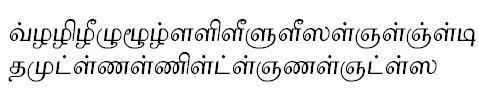
Sundaram-0831 Bangla Font
Sundaram-0831
Download
View Count : 14410
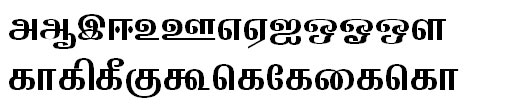
Elcot Thanjavur Bangla Font
Elcot Thanjavur
Download
View Count : 26353
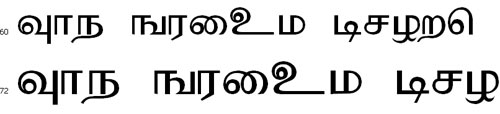
Tam Kamala Bangla Font
Tam Kamala
Download
View Count : 15976
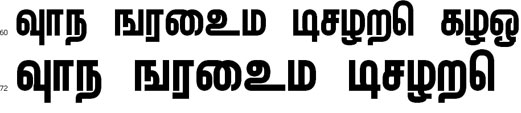
TAB-ELCOT-Kovai Bangla Font
TAB-ELCOT-Kovai
Download
View Count : 8507
Tam Appar Bangla Font
Tam Appar
Download
View Count : 49030
PothigaiTSC Bangla Font
PothigaiTSC
Download
View Count : 14303
Alankaram Bangla Font
Alankaram
Download
View Count : 334716
Sundaram-1351 Bangla Font
Sundaram-1351
Download
View Count : 12634
Karmukil Bangla Font
Karmukil
Download
View Count : 11871
Aabohi Bangla Font
Aabohi
Download
View Count : 22481

Translation tools...

Privacy Policy   GDPR Policy   Terms & Conditions   Contact Us
Please like, if you love this website
close