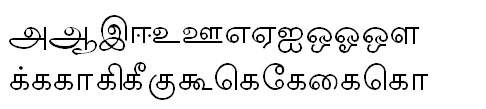
Tamil to English Dictionary: கேள்

This is the world's leading online source for english definitions/meanings, we have been helping millions of people improve their use of the tamil language with its free online services.


Write your word as a english and click to search button for the meaning of english language. It's a very simple & easy. use & enjoy....

அம்ம
amm (p. 21) . A word calling for attention, கேளெனல், as அம்மகொற்றா. Listen, Kottan. 2. An expletive, உரையசைச்சொல், as, பயனின்றுமன்றம்மகாமம். It is plain that lust is injurious. (p.) 18)
ஆள்
āḷ (p. 43) --ஆளு, கிறேன், ஆண்டேன், வேன், ஆள, v. a. To rule, reign, exercise royal power, whether supreme or delegated, அரசுசெய்ய. 2. To possess and employ slaves, அடிமையாள. 3. To possess and enjoy the produce of land, the use of a house, &c., ஆட்சிசெய்ய. 4. To govern a wife, household, &c., குடும்பத்தையாள. 5. To accept, adopt--as a servant, slave, &c., receive into protection, ஆட்கொள்ள. 6. To use, establish usage--as in language, மொ ழியாட்சிசெய்ய. 7. To cherish, maintain, cultivate, exercise, ஓம்ப. 8. To manage, direct, கையாள. (c.)--Note. An appellative affix is formed from ஆள் by adding அன், for the singular, and அர் for the plural-as பகையாளன், a foe; பகையாளர், foes. ஆளமாட்டாதவனுக்குப்பெண்டேன்? What does he want with a wife, who cannot govern her? எடுத்தாளாதபொருளுதவாது. A thing not used becomes useless. என்னைமகிழ்வாலிசைந்தாளில். If thou receivest me with cheerfulness into thy protection. நட்பாள்பவர். Those sincerely united in friendship. யாமத்துமாளுந்தொழில். Employed even by night. (குறள்.) சான்றோராலாளப்பட்டசொல். A word used by the learned ancients. மன்னுயிரோம்பியருளாள்வார். They who cherish and exercise charity toward all living. அல்லலருளாள்வார்க்கில்லை. Evil cannot assail the charitable. ஆண்டவன்--ஆண்டான், appel. noun. A ruler, governor, lord, master, ஆள்வோன். ஆண்டி, s. [fem. ஆண்டிச்சி.] A religious mendicant of the Siva sect, a devotee, சிவனடியான். 2. A ruler, an appellative of the deity, transferred to the devotee. ஆண்டை, s. [fem. ஆண்டைச்சி.] A master, lord, landlord--as spoken by low castes, in reference to their feudal chief of superior caste, எசமானன். சத்தியமாய்்ச்சொல்லுகிறேனாண்டைகேளீர். My lord, listen to me; I will confess the truth. (ஞானவெட்.) ஆட்சி, v. noun. Possession, heritage, inheritance, title, உரிமை. 2. Government, domination, rule, reign, ஆளு கை. 3. Use, practice, occupancy, usage-especially in language by classical writers, வழக்கம். ஆட்சித்தானம்--ஆட்சிராசி, s. [in astrology.] One of the five situations in which a planet has government--that of its being in a sign deemed its own, during which it exerts special benignity --an occurrence favorable to the birth of a child, &c. ஆட்சிப்பட, inf. To become one's right by long possession, தற்கிழமை யாக. நெடுநாளாயவனுக்காட்சிப்பட்ட தெய்வம். A spirit or demon that has long been subject to him, or with which he has long been familiar. ஆட்சிப்படுத்த, inf. To secure a title by long possession, தற்கிழமையாக்க. ஆளுகை, v. noun. Rule, government, domination, authority. ஆளுகைசெய்ய, inf. To exercise government. ஆள்வாரில்லாமாடு, s. A cow or bull appropriated to a temple, which is left to stray as it likes; such are well received and fed. 59)
இகும்
ikum (p. 45) . A poetic expletive, அசைச் சொல்--as காண்டிகுமல்லமோகொண்கநின்கேளே? Have we not seen what your friendship is, O! maritime ruler? 14)
இந்திரை
intirai (p. 46) s. Lukshmi, இலக்குமி. (p.) 2. Orpiment, a prepared arsenic, அரிதாரம். இந்திரைகேள்வன், s. Vishnu, the consort of Lukshmi, விட்டுணு. இந்திரைக்குமூத்தாள், s. The goddess of ill-luck, the elder sister of Lukshmi, மூதேவி. 19) *
உமை
umai (p. 62) s. Parvati, wife of Siva. பார்ப்பதி. Wils. p. 162. UMA. (p.) உமாகுரு, s. The Himalaya mountains. Wils. p. 162. UMAGURU. உமாசகிதன், s. Siva--as united with உமை who forms his left side, or according to the mystical philosophy, by means of whom he carries on his operations, சிவன்; [ex சகிதம், cohabiting.] உமாசுதன்--உமைமகன், s. Son of Parvati, as Ganesa, Skanda, or Veerapattra, உமையின்புதல்வன். Wils. p. 162. UMASUTA. உமாபதி--உமைகேள்வன், s. Siva, சிவன். Wils. p. 162. UMAPATI. 80)
உம்
um (p. 63) . A connective particle variously used, ஓரிடைச்சொல். 1. எதிர்மறையும்மை, the use of உம் with an affirmative, or negative expressing probability, possibility, &c., and implying the possibility, &c., of the contrary--as, சாத்தன்வருதற்குமுரியன், Sattan may perhaps come; அவன்வரவுங்கூடும், It is possible that he may come. 2. சிறப்பும்மை, the உம் of speciality, including உயர்வுசிறப் பும்மை, or superiority and இழிவுசிறப்பும்மை, or inferiority--as, ஞானிகளுமறியார்கள்சித்திரநதிமூல ம், Even the sages are unacquainted with the source of the சித்திரம் river; இவ்வூர்ப்பூனை யும்புலாறின்னாது, Even the cats of this place will not eat flesh (so sacred is it, so vile is the practice); பார்ப்பானுங்கள்ளுண்டான், Even a Brahman has been drinking toddy; இவனைநாயுந்தேடாது, Even a dog will not regard him. 3. ஐயவும்மை, the உம் in doubt, uncertainty, indecision, equivocal forms, probability, possibility--as, அவர்பத்தாயினுந் தருவார்பதினைந்தாயினுந்தருவார், Perhaps he may give ten or he may give fifteen; மழை பெய்தாலும்பெய்யும், It may perhaps rain; பத் தானுமெட்டானுங்கொடு, Give ten, or eight, ten would be preferred, but eight may do; வரினும்வருவான், It is probable that he may come. The உம் is often suppressed. 4. எச்சவும்மை, இறந்ததுதழீஇயவெச்சவும்மை, எதிரதுதழீ இயவெச்சவும்மை, the use of உம் implying another person, thing, or event, understood, and meaning likewise, too, even--as, அவனும் வந்தான், He also is come (implying that another is come or expected); நாம்பாடவும் வேண்டும், We must sing also (as well as dance, &c.); கேட்டும்படிக்கவேண்டும், By inquiry also we must learn (as well as by other means). 5. முற்றும்பை, indicating the whole of a number or series, universality, totality--as, ஒருவருக்குமையமில்லை, None can doubt; எங்குமில்லை, no where; இருகண்ணுஞ் சிவந்தன, both eyes reddened; எவ்விடமும், every where; இரண்டையுங்கொண்டுவா, Bring them both; எல்லாரும், எவரும், ஆரும்வந்தார், all, whoever, &c. came; மிகுந்தநாலுபணத்தை யுந்தா, Give me the remaining four fanams; மூவரும், all the three persons. 6. எண்ணும் மை, a numeral connective, corresponding with, and commonly repeated with each word of the series; நீயுமவனும்வந்தீர்கள், You and he came. The particle is sometimes joined to the last only--as, சாத்தன், கொற்றன், பூதனும் வந்தார்கள், Sattan, Kottan and Poodan came. Sometimes it is wholly omitted, and a pronoun including the series used instead--as, சாத்தன்கொற்றன்இவர்கள்வந்தார்கள். Sometimes the last noun in the series is used in the plural--as, சாத்தகோற்றவர்வந்தார்கள். 7. தெரிநிலையும்மை, the உம் of ascertainment, clear perception, or decision, used of three or more things concerning which doubt has been entertained, but which is now cleared up--as, ஆணுமன்றுபெண்ணுமன்று, It is neither male nor female (but in hermaphrodite); அவருண்பதுசோறுமல்ல, பணிகாரமுமல் ல, சாகமூலபலாதிகள், His food is neither rice nor cakes, but leaves, roots and fruits, &c. 8. ஆக்கவும்மை, உம் expressive of a change of state--as, பாலுமாயிற்று, This milk became medicine also; வலியனுமாயினான், He has become even a strong man. The above eight are given in நன்னூல். 9. உம் joined to an infinitive implies விரைவு, the immediate occurrence of the event--as, துரைகட்டளையிடவுங்காரியஞ்செய்துமுடிந்தது, As soon as the magistrate gave the order, the thing was done; அவர்சொல்லவுமுலகங்களுண் டாம், As soon as he speaks worlds appear. The உம் is often omitted, but then it is less expressive--as, நானிதைச்செய்யெனச்செய்கிறான், I say this and he does it. 1. உம் added to a verbal noun in poetry, sometimes gives it a gerund-like succession of the event--as, காண்டலுமிதுவேசொல்வான், Seeing him he spoke thus; வருதலுந்தழுவிக் கொண்டான், As soon as he came he embraced. 11. உம் is associated to the social ablative with the same meaning--as, கடுங்கணைதொடுத்தலோடும், As soon as the swift arrows were shot. 12. உம் added to the infinitive serves for optative, especially in epistolary usage but not in good style--as, தாங்கள்மறுமொழியனுப்பவும், May you please to send an answer; இப்படிச்செய்யவும், May you do so, I wish you to do so. 13. உம் added to the following forms of a verb, செய்து, செய்யின், செய்தால், has the force of though, although--as, அவனறிந்தும்வரவில்லை. Though he knew, he did not come; சொல்லி னும் or சொன்னாலும்அவன்கேளான், Though you may tell him he will not listen. 14. உம் added to இல் or இன் forms of the fifth case gives the force of the comparative degree --as, கந்தனினும்வலியனே, He is even stronger than Skanda. 15. A token of reproof, menace, anger, &c., also of attention, assent, doubt, non-compliance, &c., (see ஊம்)--as, உம்மெனத்தெழித்துரப்ப, He reproved his rashness by uttering the menacing sound உம் (ஸ்காந்தம்); கதைசொல்லுகி றேன்உம்கொட்டிக்கேள், I am going to tell you a story, show that you listen by saying உம்; உம்மெனுமார்பைத்தட்டும், The guilt of Brahmanicide manifested in a phantom threatened by saying உம் and striking on its breast (திருவிளையாடல்). 16. A termination of the imperative plural, முன்னிலைப்பன்மைவி குதி-- as, நீவிர்சொல்லும், say ye. It is often used honorifically in imperative singular --as, கடவுளேநீரிரங்கும், God be merciful. 17. A termination of verbs third pers. pres. or fut. tense sing. number, also of neut. plurals--as அவன்செய்யும், He does or will do it; சிங்கங்கள்முழங்கும், The lions roar, or will roar, செய்யுமென்முற்றுவிகுதி. 18. A modification of the pronoun நீர் when it is declined in the different cases--as, உம்மை, உம் மால், &c. 19. The termination of the future relative participle, எதிர்காலப்பெயரெச்ச விகுதி--as, உலகாளும்அரசர், Kings who govern the world. 2)
ஊம்
ūm (p. 70) s. An interjection formed from உம் lengthened, a particle indicative of attention, assent, &c. ஊமெனல், v. noun. Denoting attention, assent, &c. கதைசொல்லுகிறேன்ஊமென்றுகேள். I will tell you a story, show that you listen by saying ஊம். அவனூமென்னவுமில்லை. He does not say a word, he does not open his lips. 12)
ஒச்சை
occai (p. 81) s. [colloquial.] Parched food, காந்தற்சோறு. 2. Close attention to a distant sound, &c., உற்றுக்கேட்கை. ஒச்சைகொடுத்துக்கேள். Listen closely, hearken. 37)
ஒன்று
oṉṟu (p. 84) s. One (the numeral), ஒன் றென்னுமெண். 2. One thing, அஃறிணையொரு மை. 3. Union, coalescence, ஐக்கம். 4. In construction, it means either, or--as ஒன் றுதீவினையைவிடு, ஒன்றுஅதின்பயனைநுகர், either abandon your evil deeds, or take the consequences. ஒன்றத்தனைகொடுத்தால்நானிரண்டத்தனைகொடுப் பேன். If he has given once as much, I will give twice. ஒன்றாறுகிறானில்லை. He so wonders that he knows not when to cease extolling. 2. His sorrow, regret, &c. is unremitted. ஒன்றிலிருந்தொன்றிலேபாய்தல். Talking loosely, incoherently, jumping from one thing to another. ஒன்றினுளொன்று. One among another, reciprocally, mutually. ஒன்றுகேள். Listen to a word of advice, hear what I have to say. ஒன்றுக்குமசையான். He is moved by nothing. ஒன்றுமொன்றுமிரண்டென்றுதெரியாதவன். A person so ignorant that he cannot tell that one and one make two. ஒன்றுவிட்டொருநாள். Every other day, alternate days. ஒன்றேயொன்று. One only. ஒன்றோஅவனாலேகேடு. Have I sustained but one loss by him? நான்சொன்னதொன்று, அவன்செய்ததொன்று. I told him one thing and he did another. மனமொன்றுவாக்கொன்று. His profession is one thing and intention another. ஒன்றரை, s. One and a half. ஒன்றன்கூட்டம், s. A collection of similar things, ஒருபொருட்கூட்டம். (p.) ஒன்றன்பால், s. [in grammar.] Neuter singular of the irrational class, அஃறி ணையொருமைப்பால். ஒன்றாய், adv. Together, altogether, ஒன்றாக. ஒன்றாலொன்றும். By any means, யாதொன்றினாலும். ஒன்றாலொன்றுங்குறையில்லை. There is no lack at all--commonly applied to provisions, the country produce, &c. ஒன்றி, s. [vul. ஒண்டி.] One, alone, solitary, lonely (spoken of persons), தனி. ஒன்றிக்காரன்--ஒன்றியாள், s. A bachelor, a widower, a single or lonely person, தனியாள். ஒன்றினமுடித்தறன்னினமுடித்தல், v. noun. [in grammar.] Forming a rule or definition so as to include others, ஒருத்தி. ஒன்றுக்கு. For one thing, viz.: to make water--the common expression among school boys when asking to go out for this purpose. ஒன்றுக்கிருக்க, inf. To sit or squat down or go for one thing, viz.: to make water, நீர்விட. ஒன்றுக்குப்போக, inf. To make water. ஒன்றுக்கொன்று. To or for each other. ஒன்றுக்கொன்றுசரி. They are equal, alike, &c. ஒன்றுக்கொன்றுபேசிக்கொண்டார்கள். [vul.] They have called each other by hard names. ஒன்றுக்கொன்றுவித்தியாசம். Different one from another. ஒன்றுபட, inf. To become reconciled, ஒப்புரவாக. 2. To be united, to coalesce, பொருந்த. ஒன்றுபடுத்த, inf. To bring about a union or acquaintance between persons, ஒருமைப்படுத்த. 2. To reconcile, ஒப் புரவாக்க. ஒன்றுபாதி, s. [prov.] A moiety, a half-commonly of land, அரை. 2. Midnight, நடுச்சாமம். அவன்தன்சரக்கையொன்றுபாதியாகவிற்றுப்போட் டான். He sold his goods at half price. ஒன்றுமண்டடி--ஒன்றுமன்றடி, s. Concord, union, harmony, intimate familiarity. 2. Confusion, want of order or system. ஒன்றுமறியாதவன், s. One who knows nothing. ஒன்றுமறியாதவனுமில்லைஎல்லாமறிந்தவனுமில்லை. None is so ignorant as to know nothing --none so wise as to know every thing. ஒன்றுமற்றவன், s. A useless person, உபயோகமற்றவன். 2. A very poor person, தரித்திரன். ஒன்றுமில்லாமை--ஒன்றுமின்மை, s. Utter destitution, the relinquishing of every thing--as an act of devotion. (அறநெறி.) ஒன்றேகால், s. One and a quarter. ஒன்றொழிபொதுச்சொல், s. [in grammar.] Terms common to both genders, one only of which is understood, the other being excluded by the connexion, இருதிணையாண்பெண்ணுளொன்றனை யொழிக்கும்பொதுச்சொல்--as ஆயிரமக்கள்பொரு தார், a thousand persons fought; i. e. men. 33)
கன்னம்
kaṉṉam (p. 102) s. Cheeks, கதுப்பு. 2. An instrument for breaking into houses, கன்னக்கோல். (c.) 3. (p.) Ear,காது. Wils p. 195. KARN'A. 4. An elephant's ears, யானைச்செவி. 5. Nerves, நரம்பு. 6. Hypothenuse of a right angled triangle, or the diagonal of a tetragon, அக்ஷகன்னம். 7. True distance of a planet from the earth, கிரகமார்க்கவளவு. 8. A goldsmith, பொற்கொல் லன். (சது.) 9. The scale or dish of a balance, தராசுத்தட்டு. கன்னகடூரம், s. Harsh, grating, dissonant sound, uncouth to the ear. கன்னக்காரன், s. A burglar, கன் னமிடுபவன். கன்னக்கிரந்தி--கன்னப்புற்று, s. A swelling in the cheek from the venereal disease, கன்னத்தில்வருமோர்நோய். கன்னக்கோல், s. An implement for breaking through the walls of houses, கன்னகம். கன்னக்கோல்வைக்க--கன்னமிட, inf. To commit burglary by breaking through a wall. கன்னசூலை, s. A tumor in the region of the cheek, one of the arthritic class of diseases. See சூலை. கன்னத்தட்டு, s. [as கன்னம்.] The dish of a balance, சிறுதராசுத்தட்டு. கன்னத்திலேயடிக்க--கன்னத்திலே யறைய--கன்னத்திற்போட inf. To slap the face, to box the ears. கன்னபரம்பரைஞானம்--கன்னபா ரம்பரியம். s. Tradition, oral transmission of intelligence, history, news, meaning, &c., பரம்பரைக்கேள்வியால்வந்தஞானம். கன்னபாகம், s. The ear, காது. கன்னபூரம், s. A kind of ear-ornament, காதணியினொன்று. 2. The ear, காது. கன்னபூஷணம், s. Ear-ornaments, காதணி. கன்னப்பரிசை, s. The whiskers or beard on the cheek. கன்னப்பள்ளம், s. The hollow of the cheek. கன்னப்பிளவை, s. A cancer or scirrous affection in the cheek--as கபோ லப்பிளவை. கன்னப்பூ, s. A kind of female ear-ornament, காதணியிலொன்று. கன்னப்பொறி, s. The temples, the upper part of the side of the head, காதினருகானபொறி. கன்னமதம், s. Secretion from the temples of the elephant, யானைமும்மதத்தி லொன்று. கன்னமீசை, s. [prov.] The whiskers. கன்னமூலம், s. The interior or root of the ear, காதினடி. கன்னவேதம்--கன்னவேதை, s. [as காதுகுத்துகை.] Perforating the ear, for ear-rings with appropriate ceremonies. Wils. p. 195. KARN'AVEDA. கன்னாவதங்கம், s. An ear-ornament, காதணிவகுப்பு. கசகன்னம், s. Voluntary motion of the ear. 2. A kind of magical trick. 75)
கருத்து
kruttu (p. 96) s. object, design, intention, purpose, motive, எண்ணம். 2. Wish, desire, inclination, விருப்பம். 3. Meaning, import, sense, signification, scope, matter, purport, தாற்பரியம். 4. Opinion, judgment, thought, notion, idea, sentiment, doctrine, அபிப்பிராயம். 5. Supposition, conjecture, imagination, சித்தம். 7. Consideration, attention, சிந்தனை, 8. Genius, ingenuity, penetration, discrimination, விவேகம். 9. Intentness, mental application, கவனம். கருத்தாய்க்கேள். Listen attentively. கருத்தோடுபார்த்தால்நீயதைக்கண்டுபிடிப்பாய். You will find it if you look for it carefully. சாப்பாட்டிலேகருத்தில்லை. I have no inclination for food. கருத்தறிய, inf. To know one's design, intention, &c., உட்கருத்தைத்தெரிய. கருத்தாளி, s. A person of genius, Judgement, discrimination, acumen, penetration, discernment, புத்திசாலி. கருத்தானபாட்டு, s. A poem abstruse and full of meaning. கருத்துக்கொள்ள, inf. To have a mind for a thing--as for labor, food, learning, &c., to be inclined to. கருத்துப்பிசகு, s. A wrong construction, or erroneous interpretation. கருத்துப்பிரிய, inf. To occur to the mind--as a good idea, plan, &c. 2. to be understood, comprehended, &c.--as an idea. கருத்துப்பொருள், s. Mental objects as opposed to காட்சிப்பொருள்--an object of sense. கருத்துரை, s. A commentary giving the scope of the text, பொழிப்புரை. கருத்துரைக்க, inf. To give the scope or substance of the text as a commentator, &c. கருத்துவெளிப்படுத்த, inf. To disclose one's intention, to make known one's opinion, &c. கருத்தெடுக்க, inf. To devise, invent a scheme, lay a project, discover the sense of a passage, to find out a meaning, கருத்தைக்காண. கருத்தொட்ட, inf. To consture a difficult, passage, to put a construction on a passage, 2. To construe by supplying what is wanting. 3. To wrest or distort an author's meaning. 4. To meditate (as on the Deity), to apply the mind closely. வஞ்சகக்கருத்து, s. A deceitful design, treachery. கவிக்கருத்து, s. An author's meaning. 2. The meaning of a poem. கள்ளக்கருத்து, s. A sly purpose, a sinister view, cunning, dissimulation. நூற்கருத்து, s. The meaning of a book, rule, passage, &c. 2. The opinion of an author as given in his writing. 146) *
கல்
kl (p. 96) s. A stone, gravel, pebble, grit, சிலை. 2. Precious stones, அரதனம். 3. A rock, a crag, பெருங்கல். 4. A brick--also called செங்கல். 5. (p.) A mountain, மலை. கல்நாட்ட, inf. To set up stones to show the limits of provinces, sometimes as a menace to an invading foe. 2. To set up a stone, or build a monument of some deceased person. கல்நாதம்--கல்வீரியம்--கல்வேகம், s. Green vitriol, அன்னபேதி. கல்நார்--கல்லின்காரம்--கற்சத்து-கற்சவளை s. A kind of fossil, an incombustible substance, asbestos--used for decayed gums, &c., ஓர்மருந்து. கல்நெஞ்சு, s. A stony heart, a hard heart, வன்்னெஞ்சு. அவன்நெஞ்சுகல்லாய்ப்போயிற்று. His heart is petrified. கல்நெஞ்சன்--கல்நெஞ்சுள்ளவன், s. A hard hearted, unfeeling, or unrelenting person. கல்மடி, s. [vul.] A hard udder of a cow, காய்மடி. கல்மதம்--கன்மதம், s. Rock alum-one of the one hundred and twenty kinds of minerals. கல்மலை--கன்மலை, s. A rock, கல் வெற்பு, Alum plumosum. கல்மழை--கல்மாரி--கன்மழை, s. Hail, a shower of hailstones. கல்முதிரை, s. The tree yielding satin wood, Chloroxylon swietenia. கல்மொந்தன், s. A species of plantain, ஓர்வாழை. கல்லகம், s. A rocky mountain, மலை. கல்லக்காரம், s. Candied molasses, candy, பனங்கற்கண்டு. கல்லக்காரம்விளைய, inf. To become candied-as the molasses of sweet toddy. கல்லங்காய், s. A fruit which becomes as hard as a stone, கற்காய். கல்லடிக்க, inf. To hew or cut stone. 2. To strike the foot against a stone. கல்லடிமூலம், s. A kind of arsenic, ஓர்பாஷாணம். கல்லடைப்பு, s. Retention of urine by gravel, நீரடைக்குமோர்நோய், Calculus. கல்லளை--கல்வளை, s. A cleft or chasm in a rock or mountain. மலைமுழைஞ்சு. கல்லறுக்க, inf. To make bricks, commonly, கல்லரிய. கல்லறை, s. A vault, a cave hewn out in a rock, sepulchre, a tomb, பிரேதக் குழி. 2. A cavern, குகை. 3. A room with a mortar or stone roof and floor, கல்வீடு. கல்லாங்காசு, s. A small round tile with which children play. கல்லாசாரி, s. A master-mason, an architect, கற்றச்சரின்தலைவன். கல்லிலேநாருரிக்க, inf. To strip fibres from a stone; i. e. to seek for what is unattainable or impossible--an absurdity. 2. To obtain by very great labor. கல்லிழைக்க, inf. To set precious stones, கற்பதிக்க. கல்லீயம், s. A hard kind of lead, pewter, வன்மையானஈயம். கல்லுக்காரர், s. Lapidaries, இரத் தினம்விற்போர். கல்லுக்குத்த, inf. [prov.] To frustrate a business by accusations or underhand representation, காரியத்தைத்தடைசெய்ய. கல்லுதிரி, s. A species of small pox with hard pustules, ஓரம்மை. (See உதிரி.) 2. [prov.] A kind of rice, ஓர்நெல். கல்லுத்தீர, inf. To cut and polish gems. கல்வெட்ட. கல்லுத்தூக்க, inf. To take up the anchor of a dhoney, to weigh anchor, நங் கூரந்தூக்க.--Note. Small boats and catamarans have frequently a stone for an anchor, and hence the preceding form. கல்லுப்பார், s. A rocky stratum, reefs, கற்பார். கல்லுப்பாவ--கற்பாவ, inf. To pave, to floor with stone, flag. கல்லுப்பாவினதரை, s. A pavement, stone floor. கல்லுப்பு, s. A kind of mineral salt, salt in lumps, ஓருப்பு. கல்லுப்பொளிய--கற்பொளிய, inf. [com.] To hew and pick grind stones, கல்லுக்கொத்த. கல்லுப்பொறுக்கி--கற்பொறுக்கி, s. A bird that eats little stones, தூதுணு ம்புறா. கல்லுப்போட, inf. To cast a stoneanchor, நங்கூரம்போட. 2. (fig.) To frustrate a business by accusations or under-hand representations, காரியத்தைத்தடை செய்ய. கல்லுயர்தோள், s. A mountain-like shoulder. கல்லுரல், s. A stone-mortar, கல் லினாற்செய்யப்பட்டவுரல். கல்லுவைக்க, inf. [prov.] To cast anchor. (See கல்லுப்போட.) 2. To apply snake-stones to venomous bites with incantations, &c., விஷக்கல்வைக்க. 3. To set a stone on the forehead as a punishment, the head being bent backward, and the face set toward the sun, நெற்றியிற் கல்லுவைக்க. 4. To crect a stone at a funeral ceremony (a சாச்சடங்கு, personifying a deceased ancestor, whose spirit is supposed to enter and remain in it while the ceremonies are performed. A deification of the soul is supposed to take place and the stone is made an object of worship, சிலைதாபிக்க. கல்லுவைத்துப்பார்க்க, inf. To apply snake-stones to venomous bites with enchantment, incantations, &c. கல்லுளி, s. A stone-cutter's chisel, கல்வெட்டுமுளி. கல்லுளிச்சித்தர், s. A sort of mendicants who carry chains in their hands. கல்லுளித்தச்சன், s. A stone-cutter. கல்லுளியுருக்கு, s. Steel of a very hard kind used for cutting stone. கல்லூசி, s. A medicinal stone. கல்லூற்று, s. A spring in a rocky soil, in wells, கல்லூறுநீரூற்று. கல்லூற்றுத்தண்ணீர், s. Water springing from a rock. கல்லெடுப்பு, v. noun. The bearing of a funeral stone. கல்லெரிப்பு--கல்லெரிப்புமேகம், s. Incontinence of urine, நீர்ச்சுருக்குநோய். (Mat. Ind.) கல்லெறி, v. noun. The throwing of a stone, கல்லெறிகை. 2. s. The distance of a stone's throw, கல்லெறிதூரம். 3. A sling, கவண். கல்லெறிய, inf. To throw or fling a stone, to pelt with stones. கல்லெறிதூரம், s. The distance of a stone's throw. கல்லைநீராக்கி, s. A kind of ore, மாமிசபேதி. கல்லொட்டி, s. A snail, நத்தை, (M. Dic.) கல்வீடு, s. A stone of brick-built house. கல்வெட்டி, s. A stone-cutter, a lapidary. கல்வெட்டுபவன். கல்வெட்டு, s. A stone cutting, engraving in stones, சிலாசாதனம். 2. A stanza, foretelling or commemorating some important event; such stanzas appear sometimes to have been engraven in stone (whence the name), a recorded prediction, அழியாதசொல். 3. [prov.] A stanza commemorative of the death of an ancestor, mentioning the day and hour of the moon when it happened, kept by the descendants to assist in determining the precise time for the annual funeral rites, புகழ்ச்சிசெய்யுள். 4. [prov.] The mane of a well-known stanza, believed to have been written during the period of a Tamil Dynasty in Ceylon, foretelling, as it is interpreted, a succession of different foreign powers, and the final restoration of native rule, in those regions. It is as follows: முன்னைக்குளக்கோட்டன்மூட்டுந்திருப்பணியைப்பின்னைப்பரங்கிபிரிப்பனே--மன்னா கேள்--பூனைக் கண்செங்கண்புகைக்கண்ணனாண்டபின்பு--மரனே வடுகாய்வரும். 'The sacred edifices which the king Koolakottan reared, the Portuguese will demolish, listen O king-after the reign of the cat-eyed, the redeyed and the smoke-eyed, O thou deereyed, the Vaduca will succeed.' There is a different version of the last line, but it does not affect the general meaning-the smoke-eyed are said to be the present dominant power. கல்வெள்ளி, s. A mixture of tin and iron. இரும்பும்வெள்ளீயமுங்கலந்தது. 2. [prov.] Hard inferior silver mixed with much alloy. கல்வேதி, s. A kind of ore, சகஸ் ரபேதி. கற்கட்ட, inf. To build with stones or bricks without cement, to wall a well, &c., கல்லாற்கட்ட. 2. To set stones, enchase, கற்பதிக்க. கற்கட்டுமோதிரம், s. A ring set with a stone. கற்கண்டு, s. Sugar-candy. கற்கருசிலை, s. A plant. கற்கனல், s. A kind of native arsenic. கற்காந்தம், s. A kind of loadstone. கற்காமி, s. The same as அல்மதம். கற்காரம், s. Lapis infernalis, காரக் கல். கற்காவி, s. Ochre, காவிக்கல். கற்குடல், s. Costiveness, constipation, மந்தக்குடல். கற்குவியல்,கற்குவை, s. A heap of stones. கற்குளிக்க, inf. To dive for gems, கடலில்குளித்திரத்தினமெடுக்க. கற்கொத்தி, s. A species of wild pigeon--as கற்பொறுக்கிப்புறா. கற்சட்டி, s. A stone-pot, கல்லி னாற்செய்தசட்டி. கற்சரீரம், s. A hard, stone-like body, whether of men or brutes,வன் மையானவுடல். கற்சாகம், s. Emerald, மரகதம். (M. Dic) கற்சாடி, s. A stone-jar, a stonepitcher, கல்லினாற்செய்தசாடி. கற்சிற்பர், s. Stone masons, bricklayers, stone-cutters, &c., கற்றச்சர். See சிற்பர். கற்சுண்ணாம்பு, s. Stone-lime. கற்சுவர், s. A brick or stone-wall, கல்லினாற்செய்தசுவர். கற்படி, s. A stone-step, or flight of stone-steps. கல்லினாற்செய்தபடி. கற்படுக்க, inf. To pave, கற்பதிக்க. கற்படை--கற்புழை, s. A secret way into a fort, a sally-port, கோட்டையிற் கள்ளவழி. கற்பதிக்க, inf. To pave, கல்லுப் படுக்க. 2. To set precious stones, enchase, மணிபதிக்க. கற்பதித்தவிடம்--கற்படுத்ததரை, s. A paved place. கற்பரன், s. A kind of native arsenic, வெள்ளைப்பாஷாணம். கற்பரிபாஷாணம், s. A kind of arsenic occurring in rocks, அதம்பம். கற்பலகை, s. A slate, a stoneslate. கற்பற்று, s. Stony concretion in chemical preparation, minerals, &c., to be cleared away, கிட்டக்கல். கற்பாசி, s. A dried pale-colored rock moss. கற்பாடு, s. [prov.] Stony ground left uncultivated, கல்லுள்ளவிடம். கற்பாஷாணம், s. A kind of native arsenic. கற்பாவை, s. A figure made of stone, a statue. கற்பாழி, s. A cavern in rock, ம லைக்குகை. கற்பாறை, s. A rock, கற்றிட்டை. கற்பூசரம், s. A mountain containing lead, நாகமலை (M. Dic.) கற்பூமி, s. Stony ground, கல்லுள் ளபூமி. கற்பை, s. [prov.] A merchant's or jeweller's bag of weights, scales, touchstone, &c., நிறைகற்பெய்யும்பை. கற்பொடி, s. Green vitriol,அன்ன பேதி. கற்றச்சன், s. A stone-cutter, a hewer of stone, கல்லடிப்பவன். கற்றளம், s. A floor of stone, a pavement. பருக்கைக்கல்--பருக்காங்கல், s. A gravel stone. பச்சைக்கல், s. Green stone, green quartz, Avanturine. 2. A green stone, Diallage. (Dr. Heyne.) 3. The same as கதிக்கும்பச்சை. விஷக்கல், s. A stone applied to the bite of snakes. குருந்தக்கல், s. The same as கு ருந்தம். நெருப்புக்கல், s. Lapis infernalis, Nitrate of Silver, காடிக்காரம். (M. Dic.) மாக்கல், s. Steatite, Spanish chalk, a whetstone. துருக்கல், s. Iron stone. குழிக்கல், s. The same as கலுவம். கருங்கல், s. Black or blue stone, black Hornblende, Sienite. See Dr. Ainslie's Mat. Med. காய்ச்சுகல், s. A counterfeit gem. தீட்டுகல், s. A whetstone. வெண்கல், s. White stone, quartz. தேய்கல், s. A touchstone. 275)
காது
kātu (p. 104) s. Ear, செவி. 2. The eye of a needle, ஊசியின்காது. The pan of a gun, துப்பாக்கிக்காது. 4. The bottom of a tobacco leaf near the stem, (See சோணை.) 5. The top of an ola bond, as far as the hole through which it is filed; also the stamped part of an indenture or bond, which is nipped off, when the bond becomes null and void, உடன்படிக்கையின்காது. 6. Eye of an umbrella wire, which plays round the whale bone, குடைக்கம்பியின்காது. 7. The ear of a machine or vessel--as இராட்டினக்காது. 8. A small wedge to hold a tenon, handle or peg in its place, இறுக்கலாப்பு. காதுக்கிட்டால்முகத்துக்கழகு. Rings, &c., put in the ear are ornaments to the face. காதுங்காதும்வைத்தாற்போல். With the utmost secrecy, ear to ear, &c. எனக்குக்காதுகேளாது. I am deaf. காதடி, s. [vul. காதவடி.] The back part of the cheek, செவியடி. காதடைப்பு, v. noun. Deafness occasioned by a fall, blow, disease, &c. காதணி, s. An ear-ornament; of this there are sixteen kinds: viz., கடிப் பிணை, கம்பி, கன்னப்பூ, கன்னாவதங்கம், குணுக்கு, குண்டலம், குழை, கொட்டை, செவிமலர், தாட ங்கம், தூக்கம், தொங்கல், தோடு, மஞ்சிகை, வல் லிகை, வேடம். காதற--காதறுந்துபோக, inf. To have the perforated part of the ear cut or torn off. காதறுக்க, inf. To rend the ear by tearing off the ear-rings. 2. To cancel a bond, commonly by mutilating it. காதறுத்தகூலிகைமேலே. Tearing the ear and getting booty; i. e. doing injustice and getting money. காதறுப்பான், s. A sore that appears round the ear, காதைச்சுற்றிவரும் இரணம். காதறை, s. One whose ear has been cut off, or mutilated. 2. The cavity of the ear. காதற்றமுறி, s. A cancelled ola bond. காதார, adv. With one's own ear. காதாரக்கேட்க, inf. To hear with one's own ears. காதாரக்கேட்டசாட்சி, s. An ear-witness. காதிலேசொல்ல, inf. To whisper in the ear. காதிலேயடிபட, inf. To be uttered in one's hearing. காதிலேயோத, inf. To whisper in the ear. 2. To initiate a disciple by whispering a மந்திரம் in the ear. 3. To give private advice. காதிலேவிழ, inf. To reach the ears, to be heard. காதுகடிக்க, inf. To whisper, to buzz in the ear. காதுகுத்த, inf. To bore, perforate or pierce the ear. நீயெனக்குக்காதுகுத்துகிறாயா. Do you pierce my ear? (Do you teach me?) காதுகுளிர, inf. To be gratifying to the ear--as good news, a good voice, sweet music, &c. காதுகேளாதவன், s. A deaf man. காதுகொடுக்க, inf. To give ear, to hearken, to listen, to give attention. என்சொல்லுக்குக்காதுகொடுத்தான். He has given ear to my words. காதுக்கின்பமான, Pleasing to the ear. காதுக்குடைச்சல், s. An itching, tingling sensation in the ear. காதுக்குத்து--காதுநோய், s. Ear-ache. காதுக்குறும்பி, s. Ear-wax, cerumen. காதுச்சோணை--காதுத்தண்டு, s. The lobe of the ear. காதுதூர, inf. To close the perforation of the ear. காதுத்துவாரம்--காதுத்துளை s. A perforation or hole in the ear intended for jewels. காதுப்பூ, s. A flower-shaped ear-ornament, for females. காதுப்பூச்சி, s. [prov.] A small kind of centipede, said to be very dangerous if it get into the ear, செவிப்பாம்பு. காதுமடல், s. The gristles of the ear, காதின் இதழ். காதுமந்தம், s. Dullness of hearing, காதடைப்பு. காதுமந்தன், s. A person dull of hearing. காதுமுருத்து, s. [prov.] The hard gristles of the ear. காதுவளர்க்க, inf. To promote the proper growth of the lobe of the ear for wearing jewels. காதுவிடாய், s. Weakness or lassitude in hearing, occasioned by hunger or sickness. காதுவெட்ட--காதுநறுக்க--காதுகிள்ள, inf. [prov.] To tear or nip off the stamped part of an ola bond, or otherwise to mutilate it as an indication of its being cancelled, உடன்படிக்கையின் காத றுக்க. காதெழுச்சி, s. A sore in the ear, கா தில் வரும் ஓர்நோய். காதைநெறிக்க, inf. To prick up the ears. காதைப்பொத்த, inf. To stop the ear. காதோதி, s. A malicious whisperer. காதோலை, s. An ear-ornament, often a rolled ola, colored red; used also to enlarge the perforation, whence the name, காதுக்கிடும் ஓலை.--Note. A person is considered naked with nothing in the ear. இல்லிக்காது, s. Ears with the hole very small--opposed to தொன்னைக்காது. கீழ்க்காது, s. The lower part of the ear. சோணைக்காது--சோணை பெருத்த காது, s. Large ear-laps, not perforated. தொள்ளைக்காது--வடிகாது--வார்காது, s. Ears with the hole much enlarged. மேற்காது, s. The upper part of the ear. வடுகக்காது, s. Large ear-laps artificially made. 23)
கிண்டு
kiṇṭu (p. 109) கிறேன், கிண்டினேன், வேன்,கிண் ட, v. a. To dig, excavate, delve, hoe up, தோண்ட. 2. To make a pit, a hollow--as in the ground, a hole in a wall, &c., குழிதோ ண்ட. 3. To dig up; to dig out; to obtain by digging, கிளறியெடுக்க. 4. To poke, stir with a ladle; to scratch--as a fowl; pick or work up--as crows; burrow--as rats, &c.; to work up with a stick, an iron-bar, &c., கிளற. 5. (fig.) to probe, to scrutinize, to investigate, to inquire or pry into a matter; to search, to examine, ஆராய. 6. To gnaw--as worms on the body, as animalcula under the skin, &c., புழுமுதலியனகிண்ட. 7. To prompt, நினைப்பூட்ட. 8. To excite--as to a quarrel, &c., பகையெழுப்ப. கிண்டக்கிண்டக்கீரையும்மயிரும், The more you probe it, the more it is hair with the greens; i.e. the more insignificant. மண்கிண்டிவயிறுவளர்க்கிறவன். A husbandman, (diminutively) one who lives by digging. அம்பட்டன்குப்பையைக் கிண்டினால்மயிர்மயிராய்ப் புறப்படும். If you turn up the dung-hill of a barber, you will find only clippings of hair. கிண்டிக்கிண்டிக்கேட்க--விசேஷங்கிண் ட, inf. To inquire into a thing very minutely, to pump one, to ask inquisitively. கிண்டிக்கிளறிப்பார்க்க, inf. To dig out and search. 2. To make a thorough search, to make a thorough investigation. கிண்டிக்கொடுக்க, inf. To stir, to keep stirring--as the fire, the pap, &c. 2. (fig. To prompt. 3. To increase, to aggravate--as a quarrel. நீயவனைச்சற்றேகிண்டிக்கொடு. Prompt him a little. கிண்டிப்பார்க்க, inf. To dig and look --as for yams, &c., 2. fig.) To make injuiry by different means to find out the truth. அவனண்டைபோய்ச் செய்திஎன்னவென்றுகிண் டிப்பார். Go to him and search out the matter. கிண்டிவிட, inf. To dig up, to dig round the roots of plants, grain &c. 2. To excite, to stir up, to incite. 3. To bring a thing to one's notice, to suggest. கிண்டிவிட்டுக் கேளிக்கைப்பார்க்கிறது..... To stir up or excite others to quarrel or fight, and delight in it. கல்லுக்கிண்ட, inf. To dig up stones. களிக்கிண்ட, inf. To cook hasty-pudding, by stirring. கிழங்குகிண்ட, inf. To dig up கிழங்கு. புழுக்கிண்ட, inf. To burrow--as worms in the ground, working up plants, &c. 2. To stir or irritate--as worms in a sore, &c. கிண்டல்கிளறல், v. noun. Digging yams, &c. 48)
குணம்
kuṇam (p. 118) s. Quality, attribute, property, பண்பு. 2. Disposition, temper, nature, தன் மை. 3. Good quality, moral or physical; proper temperament, virtue, நற்குணம். 4. Attribute, perfection, excellence--as of a deity, இலட்சணம். 5. Grace, beauty--as of a style or composition; merit, freedom from fault or defect--opposed to குற்றம், மேன்மை. 6. Wholesomeness, healthfulness, சுகம். 7. Soundness of intellect; normal state of the mental feelings, சொஸ்த புத்தி. 8. Indication, symptoms--as of a disease, வியாதியின்குறி. 9. Color--as a quality, நிறம். 1. Smoothness, சீர்மை. 11. Properties; functional powers or principles in nature, operative in all sentient beings; the sourses of the dispositions, &c., தத்துவம். 12. Thread, cord, string, &c., நூல், கயிறு. 13. A bow-string, நாணி. 14. Property, essence, original principle, சத்து. 15. [in physics.] Varicties, modifications, products of bodies, உடற்குணம். Wils. p. 291. GUN'A. 16. A water-pot, a pitcher--as குடம். குணத்தைமாற்றக்குருவில்லை. No guru can change the temper. குணத்தோடேகேள். Hear me with a right spirit and patience. குணநாடிகுற்றமுநாடி. Having examined the excellencies and faults--as of a style, a speech, &c. குணமதுகைவிடேல். Hold to what is good and proper; cease not to show a good disposition. குணமென்னுங்குன்றேறிநின்றார்வெகுளிகணமேயுங் காத்தலரிது. It is hard to divert, even for a moment, the anger of those who stand upon the mountain of virtue; i. e. who excel virtue. (குறள்.) அதிலுமிதுகுணம். This is better than that. அவனுக்குத்தாய்தந்தைகுணம்பிடிபடுகிறது. His parents' disposition and temper begin to be visible in him. குணகுணி, s. [in gram. and log.] Attribute and subject--as in செந்தாமரை, where செம்மை is the attribute, குணம், and தாமரை the subject, குணி. குணகுணிப்பெயர்கள், s. [in gram.] Abstract noun and subjective noun. (நன்.) குணக்ஞன்--குணஞ்ஞன், s. A pleasant, good-natured, agreeable person; one of an excellent disposition, நற்குணமுள் ளவன். Wils. p. 291. GUN'AG'NA. குணக்குன்று, s. A virtuous man; lit. a mountain of excellent qualities. குணக்கேடு, s. Bad temper, bad disposition; disobliging, unkind, கெட்டகுணம். 2. Fatal symptoms in disease, அசாத்தியக் குறி. குணக்கேடன்--குணங்கெட்டவன்--கு ணமில்லாதவன், s. An ill-natured person. குணங்காட்ட, inf. To exhibit natural characteristic qualities, dispositions or propensities. 2. To betray symptoms-as diseases; to indicate good or bad weather--as seasons. 3. To betray mean descent, low caste, &c., by mean behavior. குணங்குறி, s. Disposition, features, characteristics, குணமுங்குறியும். குணங்குறியறிய, inf. To know one's disposition and character. குணங்குறியுள்ளவன், s. A man of good disposition, and other good characteristics. குணசந்தி, s. [in gram.] A form of combining words of Sanscrit origin-as சுர and இந்திரன், make சுரேந்திரன், வடமொ ழிச்சத்தியிலொன்று. குணசாலி, s. A good-natured man or woman; one of an excellent disposition. குணசீலன், s. One abounding in excellent qualities. குணசுபாவம்--குணப்பிரகிருதி, s. Natural disposition. குணஷ்டை, s. Delinquency, defect, flaw, குணதோஷம். 2. Difficulty, trouble, தொந்தரை. குணத்தன்மை, s. [in rhet.] Description of qualities, one of the four subdivisions of தன்மையலங்காரம். குணத்திரயம், s. The three properties in nature--purity, passion and darkness. Wils. p. 291. GUN'ATTRAYA. See முக்குணம். குணத்துக்குவர, inf. To grow better, to amend, to reform. 2. To recover from illness. 3. To be reconciled, இணங்க. குணத்தொகை, s. See பண்புத்தொகை. குணத்தொனி, s. The twang or sound of a bow-string. குணநிதி, s. A benevolent, kind person, நற்குணநிறைந்தவன். 2. the Deity, கடவுள். குணபத்திரன், s. The Deity, கடவுள். 2. The name of the preceptor and guru of மண்டலவன் the author of Nighandu. 3. Argha, அருகன். குணபேதம், s. Change of disposition for the worse, degeneracy, குணவேற்றுமை. 2. Unfavorable symptoms in a disease, வியாதிவேற்றுமைக்குணம். 3. Abnormal state of the mental powers--as idiocy, insanity, &c.; derangement, மாறுபாடான குணம். அவன்குணம்பேதித்திருக்கிறது. He is changed for the worse. குணப்பட, inf. To come to a right state, temper, disposition, &c.; to be changed for the better, to become tractable, docile, சீர்ப்பட. 2. To recover from sickness, to get well, சுகமடைய. 3. To improve --as crops, &c., to recover strength, to grow, to thrive, திறப்பட. 4. To reform, to amend in morals, to improve in disposition, character or habits, நடைதிருந்த. 5. [in Christian usage.] To be converted, to repent, to be penitent, மனந்திரும்ப. குணப்படுத்த, inf. v. a. To improve, to make better, to correct, to reform, to restore to a good state, to health, &c.; to remedy, சீர்திருத்த. 2. To convert, மனந்திரும்பச்செய்ய. குணப்பட்டவன், s. [in Christian usage.] One who has repented; a convert. குணப்பண்பு, s. [in gram.] Sensible qualities of objects--as bitterness, whiteness--as distinguished from குறிப்புப்பண்பு, ideal quality, and தொழிற்பண்பு, acting quality. See பண்பு. குணப்பிழை, s. Ill nature, bad temper or disposition, குணக்கேடு. 2. Ill success, பயனின்மை. 3. Unfavorable signs in disease, &c., அசாத்தியம். குணப்பெயர், s. [in gram.] Names of qualities; abstract nouns; denotative nouns signifying attributes only--as கரு மை, அழகு--opposed to குணிப்பெயர்; பண்புப் பெயர். 2. Names either concrete or connotating, derived from abstractnouns --as கரியன், அழகன். குணமணி, s. One of an excellent disposition. குணமறிய, inf. To know one's disposition. 2. To understand or ascertain the symptoms of a disease. குணமாக்க, inf. v. a. To cure, heal; to restore to health. 2. To reform, to amend, to correct. குணமாயிருக்க, inf. To be whole, well, sound; to be well-conditional. 2. To be gratifying, pleasing, palatable. குணம்மாற, inf. To change--as temper, disposition, character, symptoms, either for the better or worse. குணமுங்குற்றமும், s. Good and bad, virtues and vices, beauties and defects, commendation and censure, &c. குணமுடையவன்--குணமுள்ளவன், s. A kind-hearted, good-natured, generous man. 2. A well-bred man. குணமுற்றவன், s. A good-natured man. குணமுற்றவன் மணமுற்றவன்; குணமற்றவன் மண மற்றவன். A good-natured man will be praised; but an ill-natured man, despised. குணரத்தினாகரன், s. One whose benevolence is like the sea; [ex இரத்தினாகரம்.] குணவதி, s. A very good natured person. Wils. p. 292. GUN'AVATI. குணவந்தன்--குணவான், s. A well-disposed person; one of a good disposition. குணவவநுதி, s. [in rhet.] A kind of அவநூதி figure, in which a prorperty or quality universally predicated of an object is apparently denied, by affirming the opposite, either ironically or ambiguously. குணவாகடம்--குணபாடல், s. A treatise on the signs and symptoms of diseases, ஓர்வைத்தியநூல். குணவாகுபெயர், s. [in gram.] Names of qualities or attributes, used by metonymy for objects possessing those qualities or attributes--as in நீலஞ்சூடினாள். குணவாக்கு, s. Peculiar temper or habit. குணவிலக்கு, s. [in rhet.] Negation of a property or quality in a person or thing from the presence of its opposite, ஓரலங்காரம். குணவுவமம்--குணவுவமை, s. [in rhet.] A species of simile; similitude, of qualities and properties. See பண்புவமை. குணன், s. A man of good qualities, generally found in compounds--as in அறுகுணன், சற்குணன். குணாதீதம், s. Freedom from all properties, குணங்கடந்துநிற்கை. குணாதீதன், s. God, He who is above all attributes; He whose attributes and perfections transcend our comprehension, கடவுள். Wils. p. 292. GUN'ATEE'TA. குணாலயன், s. The deity--as the seat and source of all perfections, கடவுள். இனியகுணம், s. A pleasant temper or disposition. நிர்க்குணன், s. The deity--as void of all properties, கடவுள். Wils. p. 474. NIRGUN'A. சத்துவகுணம், s. The first of the three principles, or properties in nature. 2. Nobleness of mind; magnanimity. 3. The exalted disposition of an ascetic's mind by which he disdains worldly delights, greatness, honors, &c. சற்குணம்--சுகுணம்--நற்குணம், s. A good disposition, kindness, benevolence, virtue. சற்குணன்--சற்குணி, s. A virtuous person; a good-natured person. சாத்தியகுணம், s. [in medi.] The condition or state of being curable; favorable symptoms; hopeful case. குணி, s. One endowed with good qualities, a good-tempered person, நற்குண முடையான். 2. [in gram.] A subject, any thing which possesses attributes or qualities--as distinguished from குணம், also, the names of such things, பண்பி. 3. [ex குணம், bow-string.] A bow, வில். (சது.) குணிப்பெயர், s. [in gram.] Concrete or subjective noun; a denotative name which signifies a subject only and not an attribute or quality--as மதுரை, தாம ரை--opposed to குணப்பெயர். துர்க்குணம்--தீக்குணம், s. Bad disposition, ill-nature, vice. நாய்க்குணம், s. Doggedness, rudeness, cynicalness. பேய்க்குணம், s. Devilishness, foolishness. மழைக்குணம், s. Sign or appearance of rain. நாற்குணம், s. The four prevalent or prominent human qualities. These are subdivided, and four are ascribed to each sex. 1. ஆடூஉக்குணம், the masculine: 1. அறிவு, knowledge, intelligence, clear perception. 2. நிறை, equanimity, self-control. 3. ஓர்ப்பு, fortitude, firmness, deci sion. 4. கடைப்பிடி, confidence, full persuasion, perseverance. II. மகடூஉக்குணம், the feminine: 1. நாணம், shyness, coyness, bashfulness--with regard to the other sex. 2. மடம், simplicity, weakness of intellect, want of clear perception. 3. அச்சம், timidity, fear, diffidence. 4. பயிர் ப்பு, delicacy; modesty; shrinking from what is mean or vile. முக்குணம், s. The three principles in nature, Satva, Raja, and Tama, which are the ultimate source of all quality or character in man, and may be indefinitely developed and expanded. The more generic and prominent development is three-fold, making nine gunas. Satva-guna-- goodness, produces illumination and mildness in thought, word and deed. Operating in these directions, it becomes an 'unfailling and perfect light to the soul, arousing it and making it ready to eat the fruit of its own doings' Raja-guna--passion, produces for the soul the propensity to excessive occupation in thought, word and deed, and asperity in the same. By these means it prepares the soul to receive pleasure and pain, according to its karmma or the law of its fate. Tama-guna brings forth arrogance, that egotistic guna which says 'there is none like me,' &c., and wilfulness or depraved will. By these means it welcomes all sensual objects and brings them to the soul. The first stage in the soul's spiritual progress is a degree of self-knowledge by which it has a view of these gunas and its relations to them. To each of these gunas belong certain peculiar qualifications. I. சத்துவகுணம் or சாத்துவிகம். Ist. ஞானம், wisdom. 2d. அருள், grace. 3d. தவம், penance. 4th. பொறை, patience. 5th. வாய் மை, veracity. 6th. மேன்மை, greatness, excellence. 7th. மௌனம், silence, taciturnity. 8th. ஐம்பொறியடக்கல், restraint of the five senses. The Satva principle is the source of truth, and the predominance of it renders its possessor virtuous, gentle, devout, charitable, chaste, honest, &c. II. இரசகுணம் or இராசதம். 1st. மனவூக்கம், mental exertion. 2d. ஞானம், discretion. 3d. வீரம், fortitude. 4th. தவம், penance. 5th. தருமம், charity. 6th. தா னம், liberality. 7th. கல்வி, erudition. 8th. கேள்வி, inquiry, instruction. The Raja principle is the source of sensual desire, worldly covetousness, pride and falsehood, and is the cause of pain. III. தமகுணம் or தாமதம். 1st. பேருண்டி, rioting or banqueting. 2d. நெடுந்துயில், long sleep. 3d. சோம்பு sluggishness. 4th. நீதிவழு, deviation from justice. 5th. ஒழுக் கவழு, deviation from virtue. 6th. வஞ்சம். deceit. 7th. மறதி, forgetfulness. 8th. பொய், lying, falsehood. 9th. கோபம், anger. 1th. காமம், lust, lasciviousness. 11th. கொலை, murder. The Tama principle is the source of folly, ignorance, mental blindness, worldly delusion, &c.--Note. These three gunas, according to the Agama school, are developed from Prakruti (மூலப்பிரகிருதி,) and constitute all those physical and psychical aspects, which, under the determining power of the will, form the functional qualities of an organized soul. (சிவ-சி.) In the Vedantic, idealist philosophy the gunas are the ideal attributes of Mula-Prakruti which, in its turn, is but an illusion or mistaken representation of Brahm. அறுகுணம்--இச்சுரன்முக்கியகுணம், s. The principal attributes of Isvara or God are six in number. 1. சர்வஞ்ஞத்துவம், omniscience. 2. சர்வேசுரத்துவம், supremacy. 3. சர்வநியந்திருத்துவம், pre-ordination. 4. சர் வாந்தரியாமித்துவம், omnipresence. 5. சர்வகற் பிதத்துவம், unlimited creative power. 6. சர்வ சத்தித்துவம், almightiness. (சது.) Another enumeration is-- 1. தன்வயத்தனாதல், selfexistence. 2. முதலிலனாதல், eternity. 3. உடம்பிலனாதல், immateriality. 4. எல்லாநல முளனாதல், benevolence. 5. எங்கும்வியாபகனா தல், omnipresence. 6. எவற்றிற்குங்காரணனா தல், being the Creator of all things.-Note. The latter enumeration is found in Roman Catholic writings. எண்குணம், s. The eight attributes of the deity. Authors differ in their enumerations and definitions of them. The enumeration of பரிமேலழகர், the commentator of the Cural, as agreeing with the Agamas, is:--1. தன்வயத்தனாதல், self-existence, independence. 2. தூயவுடம்பினனாதல், immaculateness. 3. இயற்கையுணர்வினனாதல், intuitive wisdom. 4. முற்றுமுணர்தல், omniscience. 5. இயல்பாகவே பாசங்களினீங்கிநிற் றல், freedom from the snares and illusions to which a derived intelligence is exposed. 6. பொருளுடைமை, unbounded kindness. 7. முடிவிலாற்றலுடைமை, omnipotence. 8. வரம்பிலின்பமுடைமை, infinite happiness. Another enumeration, as given in Jaina books, is--1. கடையிலாஞானம், infinite wisdom. 2. கடையிலாக்காட்சி, omniscience. 3. கடையிலாவீரியம், omnipotence. 4. கடையிலாவின்பம், boundless happiness. 5. நாமமின்மை, being nameless. 6. கோத்தி ரமின்மை, without descent. 7. ஆயுவின்மை, without age; eternal. 8. அந்தாரயமின்மை, unobstructed. 13)

Random Fonts
GIST-TMOTKalyani Bangla Font
GIST-TMOTKalyani
Download
View Count : 12948
TAU_Elango_Devi Bangla Font
TAU_Elango_Devi
Download
View Count : 8206
Sindhubairavi Bangla Font
Sindhubairavi
Download
View Count : 13294
GIST-TMOTIlango Bangla Font
GIST-TMOTIlango
Download
View Count : 12063
Tam Kamala Bangla Font
Tam Kamala
Download
View Count : 15980
JanaTamil Bangla Font
JanaTamil
Download
View Count : 25530
Preethi Bangla Font
Preethi
Download
View Count : 16589
UthayaNet Bangla Font
UthayaNet
Download
View Count : 16622
Mathi Bangla Font
Mathi
Download
View Count : 15173
Tab Shakti-14 Bangla Font
Tab Shakti-14
Download
View Count : 11093

Translation tools...

Privacy Policy   GDPR Policy   Terms & Conditions   Contact Us
Please like, if you love this website
close