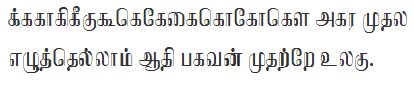
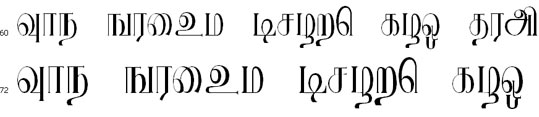
Tamil to English Dictionary: க்கவர

This is the world's leading online source for english definitions/meanings, we have been helping millions of people improve their use of the tamil language with its free online services.


Write your word as a english and click to search button for the meaning of english language. It's a very simple & easy. use & enjoy....

அகப்பட
akppṭ (p. 2) inf. [ex அகம், inside, et. படு.] To be obtained, கிடைக்க. [with dat.] as அது எனக்ககப்படாது. 2. [with nom.] To be ensnared, entangled, உட்பட as தந்திரத்தில் நானகப்பட்டேன். 3. [with nom. and dat.] To be within one's power, influence, advice, &c., வசப்பட as ஒருவனுக்கும் நானகப்ப டேன். 4. To submit, become subordinate, கீழ்ப்பட as கட்டளைக்கவனகப்படான். (c.) அகப்படுத்த, inf. To entrap, ensnare, involve, உட்படுத்த. 11)
அக்கரம்
akkaram (p. 3) --அட்சரம், s. A letter of the alphabet, a character, the marks on an amulet, எழுத்து. Wils. p. 4. AKSHARA. (p.) *அக்கரசுதகம்--அடசரசுதகம், s. A kind of play in writing, arranging letters in a fanciful manner, மிறைக்கவியி லொன்று. அக்கரவிலக்கணம்--அட்சரலட்ச ணம், s. The properties, forms, names, powers, &c. of letters, orthography. 2. One of the sixty-four கலைஞானம், ex இலக் கணம். அக்கராரம்பம்--அட்சராரம்பம், s. Beginning to teach a child the letters of the alphabet, with appropriate ceremonies, on the fifth year. 46) *
அடி
aṭi (p. 7) s. Source, origin, bottom, foundation, beginning, basis, ஆதி. 2. Lower part of a tree, mountain, page, &c., மரமுத லியவற்றினடி. 3. Lineage, ancestry, stock or family, descent, வமிசவழி. 4. Root or primitive of a word, the radical, முதனிலை. 5. A line in poetry, செய்யுளினோருறுப்பு. (See உறுப்பு). 6. A man's foot, கால். 7. A measure, twelve inches the length of a person's foot, also of a pace, step, ஓர்வகையளவு. 8. The print of a foot-step, foot-print, vestige, காற்சுவடு. 9. The sole of a sandal, shoe, &c., மிதியடியினடி. 1. Vicinity, neighborhood, nearness, proximity, சமீபம். 11. Underside, lower part, கீழ். (பஞ். 24.)-Note. There are five kinds of அடி as a metrical line. 1. குறளடி. 2. சிந்தடி. 3. அளவடி, or நேரடி. 4. நெடிலடி. 5. கழிநெடிலடி which see. அடிகொள்ள, inf. To begin, originate, be founded, தொடங்க. அடிகோல, inf. To lay a foundation for any building, அஸ்திவாரம்போட. 2. To take measures, undertake, make preparations, முயற்சிசெய்ய. அடிக்கடி, adv. Frequently, often repeatedly, reiteratedly, பலமுறை. அடிக்குடி, s. Suburbs; ex குடி, village. அடிக்குடில், s. The suburb of a town, 2. A village of the Vedda people. அடிக்குள்ளே. Within a moment, in the same moment, before the next step is taken. அடிச்சால், s. The first furrow in ploughing. அடிச்சீப்பு, s. The first formed and best plantains of the bunch. அடிச்சூடு, s. Heat felt in the sole of the foot when walking. அடிச்சேரி, s. Suburbs. See சேரி. அடிதலை, s. Order, regularity, வர லாறு. 2. Upside down, கீழ்மேல். 3. Beginning and end, ஆதியந்தம். அடிதலைதடுமாற்றம், s. Confusion, derangement, முற்றுந்தடுமாற்றம். அடித்தட்டு, s. The lowermost deck of a ship. அடித்தலம், s. Principal place, மு தலிடம். 2. Lower part, கீழிடம். 3. Foundation of a wall, அஸ்திவாரம். அடித்தழும்பு, s. The print of a footstep, vestige, காற்சுவடு. 2. The mark of a stripe, points of a rod, அடிபட்டதழும்பு. அடித்தளம், s. A ground-floor, தள வரிசைபோட்ட நிலம். 2. Lower part or foundation of a well, அடிப்பார். 3. Lower stratum or laying of a pile, அடிவரிசை. 4. The rear of an army, பின்னணி. அடிநா, s. The root or lower part of the tongue, நாவினடி. அடிபணிய, inf. To fall at one's feet, reverence, submit, obey, நமஸ்காரஞ்செய்ய. அடிபிடிக்க, inf. To get a clue to a thing, மூலத்தைப்பற்ற. 2. To pursue, பின்றொடர. 3. To discover one's footstep, காலடையாளம்பார்க்க. அடிபெயர, inf. To start, take a step, move from the spot where one stands, பேர. அடிப்பட, inf. To be in subjection, கீழ்ப்பட. அடிப்படுத்த, inf. To subdue, subject a country, a foe, bring into possession, கீழ்ப்படுத்த. அடிப்படை, s. The chief division of an army. 2. The first layer in a well, &c. அடிப்பட்டகாந்தி, s. one of the thirty-two kinds of prepared arsenic. அடிப்பட்டசாந்தி, s. Great meekness. அடிப்பட்டசான்றோர், s. Ancient sages. அடிப்பதற, inf. To tremble as the feet, கானடுங்க. 2. (fig.) [prov.] To fail in business, lose a situation, wife or property. 3. To be perplexed in consequence of failure, &c. அடிப்பந்தி, s. Head of the table or row of guests. அடிப்பலம், s. The first benefit or advantage received by a person, முதற்பலன். அடிப்பற்ற, inf. To be scorched-as rice by heat with want of water, &c., சுண்டுபற்ற, 2. To stick to the bottom of a vessel when boiling, அடியிலொட்ட. அடிப்பாடு, s. Path, way, beaten path, பாதை. 2. Usage, custom, பழக்கம். அடிப்பாய, inf. To leap as a child over a mark, play at leap-frog, தாண்ட. அடிப்பாரம், s. Ballast, the first layer of goods in a vessel. அடிப்பார்க்க, inf. To deliberate, think how to act யோசிக்க. 2. To measure time by the shadow, நிழலளந்து பொ ழுதுகுறிக்க. அடிப்பினை, s. Sand mixt with lead, வங்கமணல். அடிப்போட, inf. To begin, undertake, make the first effort, effect an object, தொடங்க. அடிமடக்கு, s. [in prosody.] Repetition of a word or words with different meanings in the beginning of a line, or the repetition of a line in a verse with different meanings, சித்திரக்கவியி லொன்று, as, ஆகங்கண்டகராலற்றவாடவர், ஆகங் கண்டகராலற்றவன்பினர். அடிமடி, s. A secret place in the waistcloth, உள்மடி. அடிமடை, s. The commencement of a water channel, முதல்மடை. அடிமண், s. The earth adhering to one's feet, taken for enchantments against him (வசியம்) or for witchcraft, காலிலொட்டியமண். அடிமயக்கு, s. Transposing the lines of a verse without destroying the sense, அடிமாற்றுகை. 2. A verse so formed, ஓர்பா, as, அங்கண்மதியமரவின்வாய்ப்பட்டென்ப, பூசல்வாயாப்புலம்புமனைகலங்கி. அடிமறிமண்டிலவாசிரியப்பா, s. One of the four kinds of ஆசிரியம், the lines of which are interchangeable at pleasure, the meaning remaining the same, ஓர்வகையாசிரியப்பா. அடிமறிமாற்றுப்பொருள்கோள், s. Construction in which the lines of a stanza are interchangeable, the harmony and meaning remaining the same, or the harmony only slightly affected. See பொருள்கோள், as, சுரையாழவம்மிமிதப்பவரையனை ய, யானைக்குநீத்துமுயற்குநிலையென்ப கானகநாடன் சுனை. அடிமுகனை, s. [vul.] Beginning-as of a story, &c. அடிமுடி, s. Order, regularity, வர லாறு. 2. From beginning to end, ஆதியந் தம். 3. Upside down, கீழ்மேல். 4. Head and foot, காலுந்தலையும். அடிமுரண்டொடை, s. One of the forty-three kinds of rhyme in which the first word of a line has a meaning opposite to that of the next, செய்யுட்டொடை யிலொன்று, as, இருள்பரந்தன்னமாநீர்மருங்கின், நிலவுகுவித்தன்னவெண்மணலொருசிறை, where darkness and moonlight are opposite. அடிமோனைத்தொடை, s. One of the forty-three kinds of rhyme in which each line begins with the same letter, ஓர் வகை மோனைத்தொடை. அடியடியாக, adv. [prov.] In succession, as the descent of title, &c., தலைமுறை தலைமுறையாக. அடியந்தாதி, s. A repetition in verse. See அந்தாதி. அடியளபெடை, s. Prolonging the sounds of long vowels at the beginning of every line, தொடைவிகற்பத்தொன்று. அடியறுக்கி, s. A flat piece of wood by which the potter marks his work and cuts it from the wheel below, மட்கலமறுக்குங்கருவி. அடியனாதி, s. Time immemorial, antiquity, தொன்றுதொட்டுள்ளகாலம். அடியார், s. [sing. அடியான்--அடி யாள்.] Slaves, servants as applied to devotees in reference to their deity, and used by persons of themselves in addressing superiors, to show respect, obedience or submission, தொண்டர். அடியிட, inf. To set on foot, commence an undertaking, a law suit, &c., தொடங்க. 2. To make a beginning in braiding--as the bottom of a basket, the first end of a mat, &c., பாய்முதலியவை முடைதற்கு அடியிட. அடியுரம், s. [prov.] Ancestral property, original stock. 2. Crop of a past year reserved for the sustenance of the following. 3. Manure put on the soil round a tree, &c., எரு. 4. Strength from food, power of wealth, &c.; ex உரம், strength. அடியெடுத்துவைக்க, inf. To begin to walk as children. அடியெதுகைத்தொடை, s. One of the forty-three kinds of rhymes in which the second letters of each line are of the same class, ஓரெதுகைத்தொடை. அடியேன், s. I your slave, your humble servant. அடியோடுகெட, inf. To be destroyed utterly, extirpated. அடியோட்டி, s. A triangular instrument with spikes, which, however placed, has one spike upward to pierce the feet of men or cattle; used in war, &c., a caltrop. அடிவயிறு, s. The lower part of the belly, the abdomen, கீழ்வயிறு. அடிவரலாறு, s. Source, principle, cause, காரணம். 2. Beginning, origin, bottom of a thing, தொடக்கம். 3. Ancient lines of ancestry, வமிசவரலாறு. அடிவரலாறாகத்தெரிதல். Understanding from the first. அடிவருட, inf. To chafe, stroke, or shampoo the legs of another. அடிவாரம், s. The foot of a hill, சாரல். அடிவானம், s. Horizon, திகாந்தம். அடிவிட--அடிவிரிய--அடிவிள்ள, inf. [prov.] To be cracked as the bottom of a chatty, &c. by use, அடியுடைய. அடிவைக்க, inf. To step, set a step, காலடிவைக்க. 2. To begin to walk as a child, நடக்கத்தொடங்க. 3. To intrude one's self into an affair, தலையிட. 4. To begin a work, ஆரம்பிக்க. மலையடிப்பட்டி, s. A village at the foot of a hill. சிற்றடி, s. A small or delicate foot.

அட்டம்
aṭṭam (p. 9) --அஷ்டம், s. Eight, எட்டு. (p.) Wils. p. 92. ASHTAN. அட்டகணம்--அஷ்டகணம், s. [in poetry.] The eight kinds of feet with which the invocation of a poem may begin; four indicative of good, and four of evil. See கணம். அஷ்டகம், s. A collection or series of eight things, எட்டின்கூட்டம். 2. A Sanscrit poem, every eight stanzas of which are of the same kind of verse, வடமொழியினோர்பிரபந்தம். Wils. p. 91. ASHTAKA. அஷ்டகருமம், s. The eight kinds of கருமம். (p.) See கருமம். அஷ்டகிரி, s. The eight sacred mountains. See கிரி. அஷ்டகுற்றம், s. The eight imperfections of creatures. See குற்றம். அஷ்டகுன்மம், s. Eight different kinds of disease occasioned by obstructions. See குன்மம். அஷ்டகை, s. The eighth திதி, as அட்டமி. 2. One of the twenty one sacrificial rites, இருபத்தொருயாகத்திலொன்று. அஷ்டகோணம்--அஷ்டதிக்கு, s. The eight regions or cardinal points, எட்டுத்திசை. See கோணம். அஷ்டசித்தி--அஷ்டமாசித்தி, s. The eight super-human powers, எண்வ கைச்சித்தி. See சித்தி. அஷ்டசுபம்--அஷ்டமங்கலம், s. The eight auspicious objects, to meet which is thought a favorable omen. See மங்கலம். அஷ்டதந்திரவாதம், s. One of the eighty disorders from flatulency, combining eight bad symptoms. அஷ்டதனம், s. The eight special advantages; viz. 1. ரூபம், beauty. 2. சம்பத்து, acquisitions. 3. வித்தை, skill. 4. விவேகம், wit, ingenuity. 5. குணம், good disposition. 6. தனம், gold. 7. நல் லகுலம், good caste. 8. வயது, age. அஷ்டதானபரீட்சை, s. The eight symptoms of disease. See பரீட்சை. அஷ்டதிக்கயம், s. The eight elephants of the cardinal points, எட்டுத்திசை யானை. See திக்கயம். அஷ்டதிக்குப்பாலகர், s. The regents of the eight cardinal points, எண் டிசைப்பாலகர். See திக்குப்பாலகர். அஷ்டநாகம்--அஷ்டமாநாகம், s. The eight serpents, எண்வகைநாகம். See நாகம். அஷ்டபந்தனம், s. One of the eight forms of puja. 2. Binding the cardinal points by incantations, &c. See திக்குக்கட்டு. அஷ்டபந்தனஞ்சாத்த, inf. To put a mixture of wax, resin, vermilion, frankincense, butter, &c., in the niche around a stone idol. அஷ்டபோகம், s. The eight species of enjoyment. See போகம். அஷ்டப்பிரமாணம், s. The eight laws of evidence. See பிரமாணம். அஷ்டமணம், s. The eight kinds of marriage. See மணம். அஷ்டமச்சனி--அஷ்டமத்துச்சனி, s. Saturn situated in the eighth sign from that of one's birth, when his influence is deemed the most malignant, எட்டாமிடத்துச்சனி. அஷ்டமாந்தம், s. The eight kinds of disease in children. See மாந்தம். அஷ்டமி, s. The eighth day of the moon, either waxing or waning, எட் டாந்திதி. 2. The eighth of any series or number, எட்டாவது. அஷ்டமூர்த்தம், s. The eight forms assumed by Siva, spiritual and natural, regarded as his bodies. அஷ்டமூர்த்தி, s. Siva, சிவன். See the preceding. அஷ்டமூலம், s. The eight medicinal roots. See மூலம். அஷ்டமெய்ப்பரிசம்--அட்டமெய் ப்பரிசம், s. The eight sensations of the body. See மெய்ப்பரிசம். அஷ்டயோகம்--அஷ்டாங்கயோ கம், s. The eight things to be observed by a Yogi. See யோகம். அஷ்டலட்சணம், s. The eight attributes of God. See குணம். அஷ்டலட்சுமி, s. The goddess of fortune, or patroness of wordly things, எண்வகையிலக்குமி, viz. 1. தனலட்சுமி, patroness of riches. 2. தானியலட்சுமி, patroness of grain. 3. தைரியலட்சுமி, patroness of boldness. 4. சௌரியலட்சுமி, patroness of bravery. 5. வித்தியாலட்சுமி, patroness of science. 6. கீர்த்திலட்சுமி, partroness of fame. 7. விசயலட்சுமி, patroness of victory. 8. இராச்சியலட்சுமி, patroness of kingdoms. அஷ்டலோகபஸ்பம், s. A medicine composed of eight metals: 1. பொன், gold. 2. வெள்ளி, silver. 3. செம்பு, copper. 4. இரும்பு, iron. 5. வெண்கலம், white copper. 6. தரா, brass. 7. வங்கம், lead. 8. துத்தநாகம், zinc, with different salts and vegetable juices; the whole prepared by fire and reduced to powder to be used in various diseases. அஷ்டவசுக்கள், s. The eight வ சுக்கள், a class of தேவர் or gods. See வசுக்கள். அஷ்டவணிககுணம், s. The eight qualities of a good tradesman. See வ ணிககுணம். அஷ்டவருக்கம், s. The eight things used for medicines. 1. சீரகம், cumin, 2. கருஞ்சீரகம், black cumin. 3. சுக்கு, dry ginger. 4. மிளகு, pepper. 5. திப்பிலி, long pepper. 6. இந்துப்பு, rock salt. 7. பெருங்காயம், assaf&oe;tida. 8. ஓ மம்--அசமதாகம், the omum seed. 2. The eight astrological divisions of the rising sign at the time of one's birth. அஷ்டவருக்கு, s. Impr. for அஷ் டவருக்கம் in the latter meaning. அஷ்டவிகாரம், s. The eight evil dispositions of men. See விகாரம். அஷ்டவூறு, s. The eight perceptions of the senses. See ஊறு. அஷ்டவெச்சம், s. The eight natural defects of the body. See எச்சம். அஷ்டவெற்றி, s. The eight kinds of conquest. See புறத்திணை. அஷ்டவெற்றிமாலை, s. The eight kinds of wreaths with which conquerors were crowned. See வெற்றிமாலை. அஷ்டாங்கம், s. The eight parts of the body, viz., the feet, hands, shoulders, forehead, breast. அஷ்டாங்கநமஸ்காரம், s. Worship with the eight members of the body, the feet, hands, shoulders, breast and forehead, கால்கள், கைகள், தோள்கள், மார்பு, நெற்றி என்னும் எண்வகையுறுப்புக்களினாற் செய்யும் வணக்கம். அஷ்டாங்கநிலந்தோய்தல், v. noun. Prostrating on the face, causing the above eight members to come in contact with the ground. அஷ்டாங்கயோகம், s. The eight qualities and observances of a Yogi. See யோகம். அஷ்டாதசகணம், s. The eighteen classes of celestials. See கணம். அஷ்டாதசகுணம், s. The eighteen properties of the body, யாக்கைக்குறுகுற்றம் பதினெட்டு. See யாக்கை. அஷ்டாதசதருமசாஸ்திரம், s. The eighteen books of the Hindu law and doctrine. See தருமநூல். அஷ்டாதசபாடை, s. The eighteen languages of India. See பாடை. அஷ்டாதசபுராணம், s. The eighteen Puranas. See புராணம். அஷ்டாதசமூலம், s. The eighteen kinds of medicinal roots; viz. 1. கொடிவேலி. A shrub, Plumbago Zeylanica, L. 2. எருக்கு. A shrub, Asclepias gigantea, L. 3. நொச்சி. A medicinal tree, Vitex Negundo, L. 4. முருங்கை. The Moringa tree, Hyperanthera Moringa, L. 5. மாவிலங்கை. A tree, Crat&ae;va Tapia, L. 6. சங்சங்குப்பி. A shrub, Volkameria inermis, L. 7. தழுதாழை. A tree, Clerodendrum phlomidis, L. 8. குமிழ், A shrub, Gmelina Asiatica, L. 9. பாதிரி. A tree, Bignonia Chelonoides, L. 1. வில்வம், A sacred tree, Crat&ae;va religiosa, L. 11. கண்டங்கத்தரி. A medicinal plant, Solanum Jacquini, L. 12. கறிமுள்ளி. A thorny plant, Solanum Indicum, L. 13. சிற்றாமல்லி, The wild jasmine, Jasminum augustifolium, L. 14. பேராமல்லி. A spreading jasmine, Jasminum undulatum, L. 15. வேர்க்கொம்பு. Green ginger, Amomum Zingiber, L. 16. கரந்தை. A plant, Oivmum Basilicum, L. 17. தூதளை. Three lobed nightshade, Solanum trilobatum, L. 18. நன்னாரி. Country sarsaparilla, Periploca Indica, L. அஷ்டாதசோபபுராணம், s. The eighteen treatises on history and mythology; ex அஷ்டாதச-உப-புராணம்.] viz. 1. உசனம். 2. கபிலம். 3. காளி. 4. சனற் குமாரம். 5. சாம்பவம். 6. சிவதன்மம். 7. சௌ ரம். 8. தூருவாசம். 9. நந்தி. 1. நாரசிங்கம். 11. நாரதீயம். 12. பராசரம். 13. பார்க்கவம். 14. ஆங்கிரம். 15. மாரீசம். 16. மானவம். 17. வாசிட்டலைங்கம். 18. வாருணம். அஷ்டாவதானம், s. The art of attending to eight things or studies at once, ஒரேவேளையிலெட்டுக்காரியத்தைச் சிந்திக்கை. அஷ்டாவதானி, s. One who is skilled in the above art. அஷ்டைச்சுவரியம், s. Essentials for prosperity, or eight kinds of wealth, எண்வகைச்செல்வம். See ஐசுவரியம். 6)
அபகரி
apakari (p. 15) க்கிறேன், த்தேன், ப்பேன், க்க, v. a. To seize by fraud, dispossess, defraud, usurp, steal, வஞ்சனையாய்க்கவர. 2. To bereave, deprive of, plunder, கொள்ளை யிட; [ex அபகாரம்.] 18) *
அரி
ari (p. 23) க்கிறேன், த்தேன், ப்பேன், க்க, v. a. To sift, separate larger and smaller bodies with the hand, sieve, riddle, &c., கொ ழிக்க. 2. To separate rubbish from dried leaves with the hand, in order to gather the latter for fuel, சருகரிக்க. 3. To beat and wash away, as flowing water on sand, or waves on the shore, washing away the earth and leaving the pebbles, &c. behind, நீர்மணலையரிக்க. 4. To wash rice, separate dust and grit from rice, &c., by washing; or particles of gold, silver, &c., கழுவிப்பி ரிக்க. 5. To gnaw as white ants and other vermin, செல்முதலியவரிக்க. 6. To corrode, as rust, &c., cut away, as caustics, consumemar, as moths, கல்ல. 7. To tease, vex by importunity, as creditors, an urgent child, &c., மனதையலைக்க. 8. To take away one's property by little and little, சிறிதுசிறிதாக க்கவர. 9. [in arith.] To divide, பங்கிட. அரித்துப்பிடுங்குகிறான். He teases or vexes by incessant entreaties, (lit.) he stings or bites as lice. மணிகளையரித்தெடுத்தான். He separated and took the precious stones. அரிகறையான், s. A teasing person, (lit.) a gnawing white ant. அரிபிளவை, s. A cancerous formation, constantly eating into the flesh, ஓர்வகைப்பரு. அரிபுழு, s. Worms constantly grawing and causing itching irritation, &c. (c.) அரிபெட்டி, s. A sieve or cullender, சல்லடை. அரிமணல், s. Fine sand. அரிப்பு, v. noun. Sifting, separating. 2. Nibbling, gnawing, &c. 3. Itching. 4. Corrosion. 5. Smartness. (c.) அரிப்பன்--அரிப்பான்--அரிப்புக் காரன், s. A sifter, one who sifts sand in the street, or the dust of the goldsmith. அரிப்புக்கூடை, s. A riddle.
அருக்கன்
arukkaṉ (p. 25) --அர்க்கன், s. The sun, சூரியன். Wils. p. 68. ARKA. அருக்கபுத்தி, s. The daily motion of the sun in his apparent orbit, சூரிய கதி, also used for its mean motion for some stated days. அருக்கவிக்கேபம்--அருக்கவிக்ஷே பம்--அருக்கவிட்சேபம், s. The latitude of the sun, சூரியாட்சம். அருக்கனிலை, s. The place of the sun, astrologically considered, சூரியனிலை. அருக்கன்வீதி, s. The ecliptic divided into three parts of four sigus each. 2)
அவுக்கவுக்கெனல்
avukkvukkeṉl (p. 31) v. noun. Sounding as hawking, vomiting, &c., severely and in quick succession, ஒலிக்குறிப்பு. 2. Being eager, hasty, earnest, விரைதல். (c.) அவுக்கவுக்கென்றுதின்கிறான். He eats greedily, hastily, &c. அவு்ககவுக்கென்றுவாந்திக்கிறான். He is vomiting greatly. நாய் அவுக்கவுக்கென்று விழுகிறது. The dog attacks (us) barking eagerly. அவுக்கவுக்கென்று வேலைசெய்கிறான். He works with great diligence, or with eagerness, for his pay. அவுக்கவுக்கென்றோடுகிறான், He runs about his business with great eagerness. 15)
ஆக்கம்
ākkm (p. 35) s. An abstract from ஆகு தல், or ஆக்குதல், indicating change from one state or quality to another--as in இவன் நல்லவனானான், he has become a good man. 2. Gain, profit, acquisition, இலாபம். 3. Wealth, prosperity, riches, fortune, affluence, செல்வம். 4. Gold, பொன். 5. Lakshmi, இலக்குமி. 6. The front division of an army, கொடிப்படை. 7. Elevation, எழு ச்சி. 8. Enlargement, increase, பெருக்கம். (p.) ஆக்கச்சொல், s. A word or phrase used metonymically, ஆகுபெயர்ச்சொல்; such as, விட்டவாக்கச்சொல், விடாதவாக்கச் சொல், விட்டும்விடாதவாக்கச்சொல். ஆக்கஞ்செப்பல், v. noun. One of the ten அவத்தை--talking much of a loved one. ஆக்கப்பெயர், s. Nouns or names given at pleasure, arbitrary signs differing slightly from the pure, இடுகுறிப்பெயர். It is of two kinds; viz.: 1. இடுகுறியாக்கப் பெயர்; as முட்டை, though already an arbitrary sign to denote an egg has yet the signification of Subramanian, as a name given to him subsequently by பொய்யாமொழிப்புலவர், at his own request. 2. காரணவாக்கப்பெயர்; as மலைமகண்மகன், the son of Parvati--the above Subramanian himself. ஆக்கப்பொருள், s. A meaning given to a word or phrase not originally and directly belonging to it, ஆகுபெயர்ப் பொருள். ஆக்கவினைக்குறிப்பு, s. A verb indicating a natural change of state or quality, ஓர்குறிப்புவினை, as இவன் நல்லவனாயிருக் கிறான். 22) *
ஆனந்தம்
āṉntm (p. 44) s. A medicinal root, அரத்தை, Alpinia galanga, L. 2. A supposed inauspicious form of construction in poetry, பாக்குற்றங்களினோர்வகை. It is of six kinds; viz.: 1. எழுத்தானந்தம், lengthening the final long vowel or mute of the name of the patron of a poem, பாட்டுடைத்தலைவன்பெயர் சார்த்தியளபெழப்பாடுவது; உ-ம். நறுமாலைதாராய்தி ரையவோஒ வென்பள் செறுமாலைசென்றடைந்தபோ ழ்து. 2. சொல்லானந்தம், using a word in a poem, so that an undesigned, inauspicious meaning may be applied to its patron, இயற்பெயர்மருங்கின் மங்கலமழிக்குந்தொழிற் சொற்பு ணர்ப்பது; உ-ம். தண்மதியமின்னிவரிந்திலங்கும்வெ ண்குடைச்செங்கோல்விசய னெரிந்திலங்கும் வேலி னெழும். 3. பொருளானந்தம், inauspicious expressions of different kinds, in poems as following. (a) Stating in a poem written in praise of a king, or a great man, that the productions of his land are injured or ruined, இறைச்சிப்பொருளையூறுபடக்கூறுதல்; உ-ம். குட்டியுந்தாயுமவ்விடரகம்புக்குவீழ்ந்தன வீழக் குரங்குகளெல்லாமவற்றுக்கிரங்கி யழுது பெரியதோரார வாரமெழுந்ததவ்வரையை யொருவிப்போமினென்றான். (b.) Stating inauspicious actions as praise, மங்கலமழியக்கூறுகை; உ-ம். பீலிவிரித்துப்பலமயிலி ருந்தென வழிவந்தசைந்தவ்வருத்தத்தாற்றத்தங்கேசங்களை யெடுத்து முடிக்கில்லாதுவிரித்திருப்பரவன் வரைமேல். (c.) Stating an inapplicable comparison, உவமைக்காட்சியிலூனந்தோன்றக்கூறுவது; உ-ம். பெ யலொடு வைகிய வியன்கணிரும்பனத் தகலிருவிசும்பி னாஅரல்போலவாலிதின்மலர்ந்தபுன்கொடிமுசுண்டை. (d) Stating that a calamity or injury happened to that which is compared to the patron of the poem, பாட்டுடைத்தலைவனோ டுவமிக்கப்பட்டதற் கிடையூறுபடச் சொல்லுவது; உ-ம். வெற்பினிற்பொருத விறலோனன்ன பொற்புறு பரூஉத்தாட்போதகந்துரந்த. (e.) Comparing the patron of a poem to the meanest thing, இறப்பவிழிந்தவானந்த உவமை; உ-ம் வள்ளெயிற்றுப் பேழ்வாய் ஞமலிக்கு மான்குழா மெள்ளியிரிந்தாற்போ லெவ்வழியும் வள்ளற்கு மாலார்கடலன்ன மண்பரந்த வாட்டானை மேலாருமேலார் விரைந்து. (f) Comparing the meanest person or thing to the highest, இறப்ப வுயர்ந்த வானந்தவுவமை; உ-ம். இந்திரனேபோலுமிளஞ்சாத்தன் சாத்தற்கு மந்தரமேபோ ன்றுளது மல்லாகம் மந்தரத்துத் தாழருவிபோன்றுளதுதார் மாலையம்மாலை யேழுலகுநாறுமிணர், (g.) Comparing the patron of a poem to a thing that loses its power or eminence, இறந்துபாட்டு வமையானந்தம்; உ-ம். சென்றுபடுபரிதியிற்சிறந்ததோ ற்றத்தை. 4. யாப்பானந்தம், constructing a poem so that the name of its patron may follow a noun which is preceded by a word placed after the rhyming word of the stanza, முதற் றொடைமருங்கின் மொழிநிறுத்தொருபெயரிடைப்படுத் தவ்வழியிருசீர்ப்படப்பாடுவது; உ-ம். ஊகத்தினான்ம ல்குசோலையுழியனுயர்வரைவாய் மேகத்தினாலுமின்னாலு மெலிந்துநைந்த வாகத்தினானேற்கருளாயென்பணியு மைவாய் நாகத்தினான்மால் கடைந்திடப்பட்ட நளிகட லே. 5. தூக்கானந்தம், constructing a musical poem so that the name of its patron shall be inauspiciously, indistinctly, or abruptly pronounced, யாழொடுபுணர்ந்தபாவிற்பாட்டுடைத் தலைவன்பெயர் அமங்கலமாகத்தொனிக்கவும், ஒருவற் குப்புலனாகாதிருக்கவும், பிரிந்திசைக்கவும்பாடுதல். 6. தொடையானந்தம், placing the name of the patron of a poem at the beginning of the stanza, so that it may rhyme with அளபெ டை; அளபெடைத்தொடைப்பாட்டினுட்பாட்டுடைத் தலைவன்பெயர்சார்த்தியளபெடுப்பத்தொடுப்பது; உ-ம். வாஅ வழுதிமதுரைமறுகினிற்பொலிபகைமுனைப்போர். 7)
ஆர்
ār (p. 41) க்கிறேன், த்தேன், ப்பேன், க்க, v. a. To fill, நிறைக்க. 2. To bind, tie, கட்ட, 3. To put on clothes, jewels, &c., அணிய. 4. To cause to join, unite, knit, பொருத்த. 5. To give food, ஊட்ட. 6. To war, fight, join battle, பொர. 7. v. n. To sound, resound, roar as the sea, as thunder, to cry aloud, ஒலிக்க. (p.) ஆர்த்துக்குதித்துவிழ. To fall eagerly on an object of desire. ஆர்த்துவிரைந்துபோக. To go in great eagerness, anxiety, with shouts of joy, victory, &c. தேசார்க்கும்வேலான். One armed with a dart emitting splendid rays. அடிச்சிலம்பார்ப்பச்சென்றாள். She passed on, her ankle rings resounding. பகிரண்டம்வெடிக்கவார்த்தான். He shouted so loud as to burst even the surrounding globes. (இராமா.) ஆர்த்தல், v. noun. Dressing, அணி தல். 2. Sounding, ஒலித்தல். 3. Binding, கட்டல். 4. Fighting, பொருதல். ஆர்ப்பு, v. noun. A loud noise, roaring, clamor, பேரொலி. 2. Laughter, hearty laughing, neighing, சிரிப்பு. 3. A battle, போர். 4. A tie, bandage, கட்டு. (p.) 5. [prov.] A small particle of a broken thorn, &c. found in ulcers, முண்முதலியமுரிந்ததுகள். குதிரையினார்ப்பு. The neighing of horses. 55)
ஆவா
āvā (p. 43) . An expression of pity, இரக் கக்குறிப்பு. 2. An expression of surprise, அதிசயக்குறிப்பு. ஆவாகுறவர்தவமாரளக்கவல்லாரே. Oh! who can calculate the merit of the penance performed by Kuravars; i. e. it is incalculably meritorious. 25) *
இரத்தம்
irattam (p. 49) s. Red, crimson, சிவ ப்பு. (p.) 2. Blood--as one of the seven தாது, or constituent parts of the body, உதிரம். Wils. p. 69. RAKTA. 3. (p.) Red coral, பவளம். இரத்தகதசுரம், s. A fever affecting the blood. இரத்தகாசம்--இரத்தடசயம், s. Spitting of blood, Hemoptysis, காசவியாதி யிலொன்று. இரத்தக்கட்டி, s. Clot or congelation of blood. இரத்தக்கண்ணன், s. A fierce, irascible man, கோபக்கண்ணன். இரத்தக்கலப்பு--இரத்தவுறவு, s. Consanguinity, இரத்தசம்பந்தம். இரத்தக்கலப்பிலேபெண்கொள்ளல். Taking a wife from among one's kindred. இரத்தக்கவிச்சு, s. [vul.] Offensive smell of blood, இரத்தநாற்றம். இரத்தக்கழிச்சல், s. Dysentery, bloody flux, இரத்தபேதி. இரத்தக்கறை, s. A stain of blood on cloth, dried gore in a wound, &c. 2. Blood extravasated and coagulated on the lungs. 3. A collection of blood in local inflammations, contusions, &c. இரத்தக்கனப்பு, s. Obesity, a full or morbid state of the blood, plethora, இரத்தமீறுகை. 2. (fig.) Pride, arrogance, கருவம். இரத்தக்காட்டேரி, s. A female demon. See காட்டேரி இரத்தக்கிராணி, s. Discharge of blood from the bowels, ஓர்வகையிரத்தபேதி. இரத்தக்கொதி, s. [prov.] Heat of blood in youth inflamed with sexual desires, lasciviousness. 2. Feverish state of blood, such a state of the system as induces anger, venery, derangement, &c., fulness of system, plethora. இரத்தக்கொழுப்பு, s. High mettle, wantonness, the state of being high-fed, voluptuousness, இரத்தபுஷ்டி. 2. (fig.) Pride, arrogance, &c., கருவம். இரத்தக்கோமாரி, s. A disease of cows producing a discharge of blood, மாட்டுக்குவருமோர்நோய். இரத்தங்கக்க, inf. To raise or eject blood whether from disease or injury. இரத்தங்கன்ற, inf. To turn black and hard--as a bruise or contusion. இரத்தங்குத்திவாங்க--இரத்தமெடு க்க, இரத்தம்வாங்க, inf. To bleed, to take blood from. இரத்தங்குபீரிட--இரத்தம்பீரிட, inf. To spring, flow or spout--as blood from a vein. இரத்தசாகம், s. The செங்கீரை plant. இரத்தசாட்சி, s. Martyrdom. (Christian usage.) இரத்தசூலை, s. Swelling in the abdomen from obstruction of the menses, operating as a preventive of pregnancy, சூதகவாயு. இரத்தச்சுரப்பு, s. Local inflammation, இரத்தவூறல். 2. Fulness of blood, இரத்தப்பெருக்கு. 3. Suffusion of blood from a bruise, இரத்தச்செறிவு. 4. (fig.) Insolence, haughtiness, இரத்தக்கொழுப்பு. இரத்தஞ்சாக, inf. To look aghast, appear pallid. இரத்தஞ்சிந்த, inf. To shed blood. 2. (fig.) To kill. இரத்தஞ்சுண்ட, inf. To have the blood dried--as in emaciation. 2. To turn pale by having the feelings wounded or mortified. 3. To be reduced in flesh by hunger, fasting, &c., be emaciated. இரத்தத்துடிப்பு, v. noun. Thrilling of the blood in seeing or hearing a near relation under suffering, also superstitiously supposed to take place on such an event, though not seen or heard of. இரத்தத்தொடர்வு, s. Relation, consanguinity, இரத்தசம்பந்தம். இரத்தநரம்பு, s. Vein, blood-vessel, இரத்தநாடி. இரத்தபலி, s. Libation of blood which it is supposed some of the deities partake, இரத்தஞ்சிந்தும்பலி. 2. Bloody sacrifice, இரத்தத்தோடுசெலுத்தும்பலி. 3. (fig.) Murder, கொலை. இரத்தபாத்தியம், s. Consanguinity, kin. இரத்தபாஷாணம், s. One of the thirty-two kinds of prepared arsenic. இரத்தபித்தம், s. The name of a disease, a vehement casting up or vomiting of blood. இரத்தப்பசப்பு--இரத்தப்பசுமை, Plumpness of body, fulness, sleekness, இரத்தபுஷ்டி. இரத்தப்பழி, s. Blood-guiltiness, revenge for blood-shed. இரத்தப்பிரமியம், s. A urinary passing of blood--as in bad cases of gonorrh&oe;a, ஓர்நோய். இரத்தப்பிரவாகம், s. A flood or deluge of blood, இரத்தப்பெருக்கு. இரத்தப்பிரவை, s. One of the seven hells, ஏழுநரகத்தொன்று. இரத்தப்பிரியன், s. A bloodthirsty man. இரத்தப்பீனசம், s. A species of inflammation in the head with discharges of blood. இரத்தப்புடையன், s. A species of the beaver snake, the bite of which speedily causes hemorrhage from the eyes, nose, mouth and other passages. இரத்தமண்டலி, s. A very venomous kind of snake whose bite causes the blood to issue from the pores. இரத்தமாடன், s. A demon fabled to be dreadfully cruel. இரத்தமாரணம், s. The காவிக்கல் --Reddle, red chalk. இரத்தமூலம், s. Hemorrhoids. இரத்தவலிப்பு, s. Convulsion by too great a fulness of blood. இரத்தவள்ளி, s. A species of red yam. இரத்தவாரி, s. Immoderate flow of menses. See துவாலை. இரத்தவிரியன், s. A species of beaver snake. இரத்தவெறி, s. Wanton cruelty, high mettle. 2. Fury from drinking blood. இரத்தாசயம், s. The heart--as the receptacle of blood. இரத்தாம்பரம், s. Red vestments, blood-colored cloth, சிவப்புச்சீலை; [ex அம் பரம், vesture.] இரத்தோற்பலம், s. The red waterlily, செங்குவளை, Nymph&oe;a rubra; [ex உற்பலம், lily.] Wils. p. 692. RUKTOTPALA. 15) *
இரு
iru (p. 50) க்கிறேன், ந்தேன், ப்பேன், க்க, v. n. To sit, sit down, உட்கார. 2. To live, be alive, exist, உயிர்வாழ. 3. To abide, reside, dwell, sojourn or stay in an appropriate place--as men in houses--beasts in the forest--fishes in water, &c., தங்க. 4. To be, wait, remain, be present, be at hand, சமுகத்திலிருக்க. 5. To be in reserve, in store, to remain--as an overplus, மீந்திருக்க. 6. To be ready, prompt, waiting for any duty or project, to be on the point of acting, going, &c., ஆயத்தமாயிருக்க. 7. To settle in a place, become fixed, established, நிலைபெற. 8. To last, remain, continue, endure, நீடி க்க. (c.) With என்று prefixed, it expresses expectation, desire, &c.--as வருவானென்றி ருக்கிறோம். We expect him. In the past tense with the gerund of a verb it serves to express the plu-perfect tense of that verb--as வந்திருந்தான். He had come. The gerund is often used with the locative and expresses the idea of procession--as நகரத்திலிருந்துநீங்கினான். He departed from the city. Sometimes இருந்து is an expletive (அசைச்சொல்)--as எழுந்திருந்தான். He is risen. இரு இரு. Wait, wait. 2. Sit down. இருக்கச்சொல்லியும்போய்விட்டான். Although I told him to wait, he went away. இருக்கட்டும் இருக்கட்டும். Let it be (emphatically). இருக்கிறதவ்வளவுதான். That is all there is. இருந்தல்லவோபடுக்கவேண்டும். Is it not necessary to sit before lying down? a phrase used to express the necessity of caution or deliberation in any pursuit. இருந்தாற்போலே செத்துப்போனான். He died unexpectedly. இருந்திருந்துகாரியமிறுகிக்கொண்டது. The case has at length assumed a serious aspect. மீன்பிடிக்க இருக்கிறான். He is about to go afishing. அவனின்னமிருக்கிறானா? Is he still alive? Is he still there, not gone yet? காரியமிப்படியிருக்கிறது. Such is the state of affairs. அந்தத்துரையிருக்கிறநாளிலே. During the period of that governor. நெடுநாளிருப்பார்கள். They will live long. 2. They will remain here long. அதுமெய்யென்றிருந்தேன். I thought it was true. அவனிருந்தாகிறதென்ன? அவனிருந்தும்பயனெ ன்ன? Of what use is he? இருக்கை, v. noun. Sitting, உட் கார்ந்திருக்கை. 2. A seat, ஆசனம். 3. Being, a state, or condition of being--chiefly applicable to the human species, இருப்பு. 4. s. (p.) Residence, dwelling, situation, இருப்பிடம். 5. A town, village, ஊர்ப் பொது. இருப்பு, v. noun. Sitting, mode of sitting--as of ascetics, &c., இருக்கை. 2. Being, condition state of being--chiefly of the human species, நிலை. 3. s. Residence, abode, dwelling, வாசஸ்தலம். 4. The appropriate place of any person or thing, the place where a person or thing is established, உரியவிடம். 5. A seat, பீடம். 6. Surplus, balance in hand, remainder of cash in hand after an expenditure, கையிருப்பு. 7. Money in reserve, amount in a treasury, பொக்கசத்திருப்பு. 8. Remaining commodities, residue, மீந்திருப் பவை. 9. Stores, merchandise, wares, சரக்கிருப்பு. அவனிருந்த இருப்பிலே சம்பாதித்துக்கொண்டா ன். He acquired his wealth in one place; i. e. without running hither and thither. உன்னிடத்திலின்ன மிருப்பென்ன? How much still remains in your hand (in money or goods)? அவனிடத்திலிருப்பிருக்கிறது. He has got money in hand. இருப்பிடம், s. Habitation, place of residence, appropriate, customary or established place of a person or thing, உறைவிடம். 2. The seat, the posteriors, ஆசனம். இருப்புப்பார்க்க, inf. To see how mush still remains in the store. 60) *
இறு
iṟu (p. 57) கிறது, இற்றது, ம், இற, v. n. To break, to be snapped off--as a stick, a rope; to be severed--as a limb, to be broken, lopped or cut off, be truncated, ஒடிய. 2. To perish, die, to be slain, சாவ. 3. To end, terminate, cease, become extinet, முடிவுற. 4. To decay, moulder, crumble, to be corroded; to decay--as a bone, கெட. (p.) அந்தக்குடியிற்றிறந்துபோயிற்று. That family has been reduced to indigence, and ruined. இறுமுறி, s. A discharged bond from which a piece is torn off. இறுவதஞ்சாமை, neg. v. noun. Fearlessness of loss--one of the eight qualities of a merchant, வணிகரெண்குணத் திலொன்று. இறுவரை, s. End, முடிவு. செறுநரைக்காணிற்சுமக்கவிறுவரைகாணிற்கிழக்கா ந்தலை. On seeing your foes, take them on your head (show them all attention); when the time of their departure comes, they will fall head-long of themselves. இறுவரையும்--இறுமளவும். Until death. இறுவாய், s. End, termination, இறுதி. இற்றுப்போக, inf. To be broken. இற்றுவிழ, inf. To break off and fall. குலையிற்றுவிழுந்தது. The bunch of fruit is fallen off. இறல், v. noun. Destruction, கேடு. இறுதி, s. End, termination, ending, expiration of a term, &c., முடிவு. 2. Death, perishing, extinction, சாவு. 3. Limit, bound, extent, எல்லை. உயிரிறுதியளவுங்கைவிடேன். Till death I will not forsake thee. இறுதிகாலம், s. The time of death, the end of all things, முடிவுகாலம். இறுதிநிலைத்தீவகம்--இறுதிவிளக்கு, s. A figure in rhetoric, an ellipsis. See தீவகம். 20)
Random Fonts
Tab Shakti-1 Bangla Font
Tab Shakti-1
Download
View Count : 10219
TAU_Elango_Manimekalai Bangla Font
TAU_Elango_Manimekalai
Download
View Count : 16181
TBoomiS Bangla Font
TBoomiS
Download
View Count : 13988
Tam Shakti 30 Bangla Font
Tam Shakti 30
Download
View Count : 6824
Tam Shakti 34 Bangla Font
Tam Shakti 34
Download
View Count : 10100
Sundaram Regular Bangla Font
Sundaram Regular
Download
View Count : 18693
Ranjani Bangla Font
Ranjani
Download
View Count : 10092
Tam Shakti 28 Bangla Font
Tam Shakti 28
Download
View Count : 8083
GIST-TMOTKomala Bangla Font
GIST-TMOTKomala
Download
View Count : 13190
TAU_Elango_Janani Bangla Font
TAU_Elango_Janani
Download
View Count : 12428

Translation tools...

Privacy Policy   GDPR Policy   Terms & Conditions   Contact Us
Please like, if you love this website
close