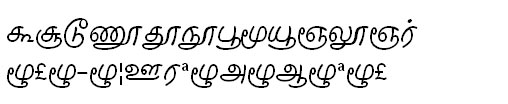
kuṇam (p. 118) s. Quality, attribute, property, பண்பு. 2. Disposition, temper, nature, தன் மை. 3. Good quality, moral or physical; proper temperament, virtue, நற்குணம். 4. Attribute, perfection, excellence--as of a deity, இலட்சணம். 5. Grace, beauty--as of a style or composition; merit, freedom from fault or defect--opposed to குற்றம், மேன்மை. 6. Wholesomeness, healthfulness, சுகம். 7. Soundness of intellect; normal state of the mental feelings, சொஸ்த புத்தி. 8. Indication, symptoms--as of a disease, வியாதியின்குறி. 9. Color--as a quality, நிறம். 1. Smoothness, சீர்மை. 11. Properties; functional powers or principles in nature, operative in all sentient beings; the sourses of the dispositions, &c., தத்துவம். 12. Thread, cord, string, &c., நூல், கயிறு. 13. A bow-string, நாணி. 14. Property, essence, original principle, சத்து. 15. [in physics.] Varicties, modifications, products of bodies, உடற்குணம். Wils. p. 291. GUN'A. 16. A water-pot, a pitcher--as குடம். குணத்தைமாற்றக்குருவில்லை. No guru can change the temper. குணத்தோடேகேள். Hear me with a right spirit and patience. குணநாடிகுற்றமுநாடி. Having examined the excellencies and faults--as of a style, a speech, &c. குணமதுகைவிடேல். Hold to what is good and proper; cease not to show a good disposition. குணமென்னுங்குன்றேறிநின்றார்வெகுளிகணமேயுங் காத்தலரிது. It is hard to divert, even for a moment, the anger of those who stand upon the mountain of virtue; i. e. who excel virtue. (குறள்.) அதிலுமிதுகுணம். This is better than that. அவனுக்குத்தாய்தந்தைகுணம்பிடிபடுகிறது. His parents' disposition and temper begin to be visible in him. குணகுணி, s. [in gram. and log.] Attribute and subject--as in செந்தாமரை, where செம்மை is the attribute, குணம், and தாமரை the subject, குணி. குணகுணிப்பெயர்கள், s. [in gram.] Abstract noun and subjective noun. (நன்.) குணக்ஞன்--குணஞ்ஞன், s. A pleasant, good-natured, agreeable person; one of an excellent disposition, நற்குணமுள் ளவன். Wils. p. 291. GUN'AG'NA. குணக்குன்று, s. A virtuous man; lit. a mountain of excellent qualities. குணக்கேடு, s. Bad temper, bad disposition; disobliging, unkind, கெட்டகுணம். 2. Fatal symptoms in disease, அசாத்தியக் குறி. குணக்கேடன்--குணங்கெட்டவன்--கு ணமில்லாதவன், s. An ill-natured person. குணங்காட்ட, inf. To exhibit natural characteristic qualities, dispositions or propensities. 2. To betray symptoms-as diseases; to indicate good or bad weather--as seasons. 3. To betray mean descent, low caste, &c., by mean behavior. குணங்குறி, s. Disposition, features, characteristics, குணமுங்குறியும். குணங்குறியறிய, inf. To know one's disposition and character. குணங்குறியுள்ளவன், s. A man of good disposition, and other good characteristics. குணசந்தி, s. [in gram.] A form of combining words of Sanscrit origin-as சுர and இந்திரன், make சுரேந்திரன், வடமொ ழிச்சத்தியிலொன்று. குணசாலி, s. A good-natured man or woman; one of an excellent disposition. குணசீலன், s. One abounding in excellent qualities. குணசுபாவம்--குணப்பிரகிருதி, s. Natural disposition. குணஷ்டை, s. Delinquency, defect, flaw, குணதோஷம். 2. Difficulty, trouble, தொந்தரை. குணத்தன்மை, s. [in rhet.] Description of qualities, one of the four subdivisions of தன்மையலங்காரம். குணத்திரயம், s. The three properties in nature--purity, passion and darkness. Wils. p. 291. GUN'ATTRAYA. See முக்குணம். குணத்துக்குவர, inf. To grow better, to amend, to reform. 2. To recover from illness. 3. To be reconciled, இணங்க. குணத்தொகை, s. See பண்புத்தொகை. குணத்தொனி, s. The twang or sound of a bow-string. குணநிதி, s. A benevolent, kind person, நற்குணநிறைந்தவன். 2. the Deity, கடவுள். குணபத்திரன், s. The Deity, கடவுள். 2. The name of the preceptor and guru of மண்டலவன் the author of Nighandu. 3. Argha, அருகன். குணபேதம், s. Change of disposition for the worse, degeneracy, குணவேற்றுமை. 2. Unfavorable symptoms in a disease, வியாதிவேற்றுமைக்குணம். 3. Abnormal state of the mental powers--as idiocy, insanity, &c.; derangement, மாறுபாடான குணம். அவன்குணம்பேதித்திருக்கிறது. He is changed for the worse. குணப்பட, inf. To come to a right state, temper, disposition, &c.; to be changed for the better, to become tractable, docile, சீர்ப்பட. 2. To recover from sickness, to get well, சுகமடைய. 3. To improve --as crops, &c., to recover strength, to grow, to thrive, திறப்பட. 4. To reform, to amend in morals, to improve in disposition, character or habits, நடைதிருந்த. 5. [in Christian usage.] To be converted, to repent, to be penitent, மனந்திரும்ப. குணப்படுத்த, inf. v. a. To improve, to make better, to correct, to reform, to restore to a good state, to health, &c.; to remedy, சீர்திருத்த. 2. To convert, மனந்திரும்பச்செய்ய. குணப்பட்டவன், s. [in Christian usage.] One who has repented; a convert. குணப்பண்பு, s. [in gram.] Sensible qualities of objects--as bitterness, whiteness--as distinguished from குறிப்புப்பண்பு, ideal quality, and தொழிற்பண்பு, acting quality. See பண்பு. குணப்பிழை, s. Ill nature, bad temper or disposition, குணக்கேடு. 2. Ill success, பயனின்மை. 3. Unfavorable signs in disease, &c., அசாத்தியம். குணப்பெயர், s. [in gram.] Names of qualities; abstract nouns; denotative nouns signifying attributes only--as கரு மை, அழகு--opposed to குணிப்பெயர்; பண்புப் பெயர். 2. Names either concrete or connotating, derived from abstractnouns --as கரியன், அழகன். குணமணி, s. One of an excellent disposition. குணமறிய, inf. To know one's disposition. 2. To understand or ascertain the symptoms of a disease. குணமாக்க, inf. v. a. To cure, heal; to restore to health. 2. To reform, to amend, to correct. குணமாயிருக்க, inf. To be whole, well, sound; to be well-conditional. 2. To be gratifying, pleasing, palatable. குணம்மாற, inf. To change--as temper, disposition, character, symptoms, either for the better or worse. குணமுங்குற்றமும், s. Good and bad, virtues and vices, beauties and defects, commendation and censure, &c. குணமுடையவன்--குணமுள்ளவன், s. A kind-hearted, good-natured, generous man. 2. A well-bred man. குணமுற்றவன், s. A good-natured man. குணமுற்றவன் மணமுற்றவன்; குணமற்றவன் மண மற்றவன். A good-natured man will be praised; but an ill-natured man, despised. குணரத்தினாகரன், s. One whose benevolence is like the sea; [ex இரத்தினாகரம்.] குணவதி, s. A very good natured person. Wils. p. 292. GUN'AVATI. குணவந்தன்--குணவான், s. A well-disposed person; one of a good disposition. குணவவநுதி, s. [in rhet.] A kind of அவநூதி figure, in which a prorperty or quality universally predicated of an object is apparently denied, by affirming the opposite, either ironically or ambiguously. குணவாகடம்--குணபாடல், s. A treatise on the signs and symptoms of diseases, ஓர்வைத்தியநூல். குணவாகுபெயர், s. [in gram.] Names of qualities or attributes, used by metonymy for objects possessing those qualities or attributes--as in நீலஞ்சூடினாள். குணவாக்கு, s. Peculiar temper or habit. குணவிலக்கு, s. [in rhet.] Negation of a property or quality in a person or thing from the presence of its opposite, ஓரலங்காரம். குணவுவமம்--குணவுவமை, s. [in rhet.] A species of simile; similitude, of qualities and properties. See பண்புவமை. குணன், s. A man of good qualities, generally found in compounds--as in அறுகுணன், சற்குணன். குணாதீதம், s. Freedom from all properties, குணங்கடந்துநிற்கை. குணாதீதன், s. God, He who is above all attributes; He whose attributes and perfections transcend our comprehension, கடவுள். Wils. p. 292. GUN'ATEE'TA. குணாலயன், s. The deity--as the seat and source of all perfections, கடவுள். இனியகுணம், s. A pleasant temper or disposition. நிர்க்குணன், s. The deity--as void of all properties, கடவுள். Wils. p. 474. NIRGUN'A. சத்துவகுணம், s. The first of the three principles, or properties in nature. 2. Nobleness of mind; magnanimity. 3. The exalted disposition of an ascetic's mind by which he disdains worldly delights, greatness, honors, &c. சற்குணம்--சுகுணம்--நற்குணம், s. A good disposition, kindness, benevolence, virtue. சற்குணன்--சற்குணி, s. A virtuous person; a good-natured person. சாத்தியகுணம், s. [in medi.] The condition or state of being curable; favorable symptoms; hopeful case. குணி, s. One endowed with good qualities, a good-tempered person, நற்குண முடையான். 2. [in gram.] A subject, any thing which possesses attributes or qualities--as distinguished from குணம், also, the names of such things, பண்பி. 3. [ex குணம், bow-string.] A bow, வில். (சது.) குணிப்பெயர், s. [in gram.] Concrete or subjective noun; a denotative name which signifies a subject only and not an attribute or quality--as மதுரை, தாம ரை--opposed to குணப்பெயர். துர்க்குணம்--தீக்குணம், s. Bad disposition, ill-nature, vice. நாய்க்குணம், s. Doggedness, rudeness, cynicalness. பேய்க்குணம், s. Devilishness, foolishness. மழைக்குணம், s. Sign or appearance of rain. நாற்குணம், s. The four prevalent or prominent human qualities. These are subdivided, and four are ascribed to each sex. 1. ஆடூஉக்குணம், the masculine: 1. அறிவு, knowledge, intelligence, clear perception. 2. நிறை, equanimity, self-control. 3. ஓர்ப்பு, fortitude, firmness, deci sion. 4. கடைப்பிடி, confidence, full persuasion, perseverance. II. மகடூஉக்குணம், the feminine: 1. நாணம், shyness, coyness, bashfulness--with regard to the other sex. 2. மடம், simplicity, weakness of intellect, want of clear perception. 3. அச்சம், timidity, fear, diffidence. 4. பயிர் ப்பு, delicacy; modesty; shrinking from what is mean or vile. முக்குணம், s. The three principles in nature, Satva, Raja, and Tama, which are the ultimate source of all quality or character in man, and may be indefinitely developed and expanded. The more generic and prominent development is three-fold, making nine gunas. Satva-guna-- goodness, produces illumination and mildness in thought, word and deed. Operating in these directions, it becomes an 'unfailling and perfect light to the soul, arousing it and making it ready to eat the fruit of its own doings' Raja-guna--passion, produces for the soul the propensity to excessive occupation in thought, word and deed, and asperity in the same. By these means it prepares the soul to receive pleasure and pain, according to its karmma or the law of its fate. Tama-guna brings forth arrogance, that egotistic guna which says 'there is none like me,' &c., and wilfulness or depraved will. By these means it welcomes all sensual objects and brings them to the soul. The first stage in the soul's spiritual progress is a degree of self-knowledge by which it has a view of these gunas and its relations to them. To each of these gunas belong certain peculiar qualifications. I. சத்துவகுணம் or சாத்துவிகம். Ist. ஞானம், wisdom. 2d. அருள், grace. 3d. தவம், penance. 4th. பொறை, patience. 5th. வாய் மை, veracity. 6th. மேன்மை, greatness, excellence. 7th. மௌனம், silence, taciturnity. 8th. ஐம்பொறியடக்கல், restraint of the five senses. The Satva principle is the source of truth, and the predominance of it renders its possessor virtuous, gentle, devout, charitable, chaste, honest, &c. II. இரசகுணம் or இராசதம். 1st. மனவூக்கம், mental exertion. 2d. ஞானம், discretion. 3d. வீரம், fortitude. 4th. தவம், penance. 5th. தருமம், charity. 6th. தா னம், liberality. 7th. கல்வி, erudition. 8th. கேள்வி, inquiry, instruction. The Raja principle is the source of sensual desire, worldly covetousness, pride and falsehood, and is the cause of pain. III. தமகுணம் or தாமதம். 1st. பேருண்டி, rioting or banqueting. 2d. நெடுந்துயில், long sleep. 3d. சோம்பு sluggishness. 4th. நீதிவழு, deviation from justice. 5th. ஒழுக் கவழு, deviation from virtue. 6th. வஞ்சம். deceit. 7th. மறதி, forgetfulness. 8th. பொய், lying, falsehood. 9th. கோபம், anger. 1th. காமம், lust, lasciviousness. 11th. கொலை, murder. The Tama principle is the source of folly, ignorance, mental blindness, worldly delusion, &c.--Note. These three gunas, according to the Agama school, are developed from Prakruti (மூலப்பிரகிருதி,) and constitute all those physical and psychical aspects, which, under the determining power of the will, form the functional qualities of an organized soul. (சிவ-சி.) In the Vedantic, idealist philosophy the gunas are the ideal attributes of Mula-Prakruti which, in its turn, is but an illusion or mistaken representation of Brahm. அறுகுணம்--இச்சுரன்முக்கியகுணம், s. The principal attributes of Isvara or God are six in number. 1. சர்வஞ்ஞத்துவம், omniscience. 2. சர்வேசுரத்துவம், supremacy. 3. சர்வநியந்திருத்துவம், pre-ordination. 4. சர் வாந்தரியாமித்துவம், omnipresence. 5. சர்வகற் பிதத்துவம், unlimited creative power. 6. சர்வ சத்தித்துவம், almightiness. (சது.) Another enumeration is-- 1. தன்வயத்தனாதல், selfexistence. 2. முதலிலனாதல், eternity. 3. உடம்பிலனாதல், immateriality. 4. எல்லாநல முளனாதல், benevolence. 5. எங்கும்வியாபகனா தல், omnipresence. 6. எவற்றிற்குங்காரணனா தல், being the Creator of all things.-Note. The latter enumeration is found in Roman Catholic writings. எண்குணம், s. The eight attributes of the deity. Authors differ in their enumerations and definitions of them. The enumeration of பரிமேலழகர், the commentator of the Cural, as agreeing with the Agamas, is:--1. தன்வயத்தனாதல், self-existence, independence. 2. தூயவுடம்பினனாதல், immaculateness. 3. இயற்கையுணர்வினனாதல், intuitive wisdom. 4. முற்றுமுணர்தல், omniscience. 5. இயல்பாகவே பாசங்களினீங்கிநிற் றல், freedom from the snares and illusions to which a derived intelligence is exposed. 6. பொருளுடைமை, unbounded kindness. 7. முடிவிலாற்றலுடைமை, omnipotence. 8. வரம்பிலின்பமுடைமை, infinite happiness. Another enumeration, as given in Jaina books, is--1. கடையிலாஞானம், infinite wisdom. 2. கடையிலாக்காட்சி, omniscience. 3. கடையிலாவீரியம், omnipotence. 4. கடையிலாவின்பம், boundless happiness. 5. நாமமின்மை, being nameless. 6. கோத்தி ரமின்மை, without descent. 7. ஆயுவின்மை, without age; eternal. 8. அந்தாரயமின்மை, unobstructed. 13)