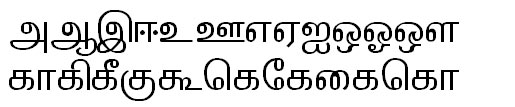
Tamil to English Dictionary: முதற்

This is the world's leading online source for english definitions/meanings, we have been helping millions of people improve their use of the tamil language with its free online services.


Write your word as a english and click to search button for the meaning of english language. It's a very simple & easy. use & enjoy....

அகப்பொருள்
akpporuḷ (p. 2) s. [ex. அகம், mind, et பொருள்.] Rules for amatory poems, அ கப்பொருள்விதி. 2. Rules for reasoning, தர்க் கவிதி. 3. mental enjoyments in love, இன் பம். 4. A book treating of mental delectation, ஓரிலக்கணம். அகப்பொருள் is developed in these three constituents, viz., 1. முதற்பொருள், primary arrangements of nature with regard to (a) நிலம், soil, in five varieties, and (b) பொழுது, time in two grand divisions. 2. கருப்பொருள், natural peculiarities incidental to each of the divisions of the soil under 14 heads viz., (a) ஆரணங்கு, peculiar gods belonging to a place, tutelary deities or penates, (b) உயர்ந் தோர், chiefs or lords of the district, (c) இழிந்தோர், subjects or inhabitants under them, (d) புள், birds, (e) விலங்கு, beasts, (f) ஊர், city or town, (g) நீர், water, (h) பூ, flowers, (i) மரம். trees, (j) உணா, food, (k) பறை, drum, (l) யாழ், musical instruments, (m) பண், tune, and (n) தொழில், occupation, trade or mode of earning a livelihood. 3. உரிப்பொருள், essential characteristics of lovers. The subject matter of this treatise, to which the two former are auxiliary or conducive, is developed in five dispositions or actions, either mental or coporal, viz., (a) புணர்தல், union or the state in which husbands and wives are together in their family, (b) பிரிதல், separation when for lawful purposes, (c) இருத்தல், the state in which they continue solitary, especially the bride, (d) ஊடல், love quarrels, (e) இ ரங்கல், weeping and lamentation in any period of their life for any cause. These five characteristics are respectively ascribed to the above five species of soil, as appropriately adapted to their nature, as புணர்தல் to குறிஞ்சி, பிரிதல் to பாலை, இருத்தல் to முல்லை, ஊடல் to மருதம், and இரங்கல் to நெய்தல். இந் த ஐந்து ஒழுக்கத்தையுங்குறித்துப் பாடும்பொழுது அத தற்குக்குறித்த திணையிலுள்ள கருப்பொருள்களையெடுத் துப் பாடுதன்முறையாம். (p.) அகப்பொருட்கோவை, s. A poem which treats of அகப்பொருள். 22) *
அசல்
acl (p. 6) s. (Hin.) A very excellent thing, a first rate thing, உயர்ந்தது. 2. The original, முதற்பிரதி. (c.) 4)
அடி
aṭi (p. 7) s. Source, origin, bottom, foundation, beginning, basis, ஆதி. 2. Lower part of a tree, mountain, page, &c., மரமுத லியவற்றினடி. 3. Lineage, ancestry, stock or family, descent, வமிசவழி. 4. Root or primitive of a word, the radical, முதனிலை. 5. A line in poetry, செய்யுளினோருறுப்பு. (See உறுப்பு). 6. A man's foot, கால். 7. A measure, twelve inches the length of a person's foot, also of a pace, step, ஓர்வகையளவு. 8. The print of a foot-step, foot-print, vestige, காற்சுவடு. 9. The sole of a sandal, shoe, &c., மிதியடியினடி. 1. Vicinity, neighborhood, nearness, proximity, சமீபம். 11. Underside, lower part, கீழ். (பஞ். 24.)-Note. There are five kinds of அடி as a metrical line. 1. குறளடி. 2. சிந்தடி. 3. அளவடி, or நேரடி. 4. நெடிலடி. 5. கழிநெடிலடி which see. அடிகொள்ள, inf. To begin, originate, be founded, தொடங்க. அடிகோல, inf. To lay a foundation for any building, அஸ்திவாரம்போட. 2. To take measures, undertake, make preparations, முயற்சிசெய்ய. அடிக்கடி, adv. Frequently, often repeatedly, reiteratedly, பலமுறை. அடிக்குடி, s. Suburbs; ex குடி, village. அடிக்குடில், s. The suburb of a town, 2. A village of the Vedda people. அடிக்குள்ளே. Within a moment, in the same moment, before the next step is taken. அடிச்சால், s. The first furrow in ploughing. அடிச்சீப்பு, s. The first formed and best plantains of the bunch. அடிச்சூடு, s. Heat felt in the sole of the foot when walking. அடிச்சேரி, s. Suburbs. See சேரி. அடிதலை, s. Order, regularity, வர லாறு. 2. Upside down, கீழ்மேல். 3. Beginning and end, ஆதியந்தம். அடிதலைதடுமாற்றம், s. Confusion, derangement, முற்றுந்தடுமாற்றம். அடித்தட்டு, s. The lowermost deck of a ship. அடித்தலம், s. Principal place, மு தலிடம். 2. Lower part, கீழிடம். 3. Foundation of a wall, அஸ்திவாரம். அடித்தழும்பு, s. The print of a footstep, vestige, காற்சுவடு. 2. The mark of a stripe, points of a rod, அடிபட்டதழும்பு. அடித்தளம், s. A ground-floor, தள வரிசைபோட்ட நிலம். 2. Lower part or foundation of a well, அடிப்பார். 3. Lower stratum or laying of a pile, அடிவரிசை. 4. The rear of an army, பின்னணி. அடிநா, s. The root or lower part of the tongue, நாவினடி. அடிபணிய, inf. To fall at one's feet, reverence, submit, obey, நமஸ்காரஞ்செய்ய. அடிபிடிக்க, inf. To get a clue to a thing, மூலத்தைப்பற்ற. 2. To pursue, பின்றொடர. 3. To discover one's footstep, காலடையாளம்பார்க்க. அடிபெயர, inf. To start, take a step, move from the spot where one stands, பேர. அடிப்பட, inf. To be in subjection, கீழ்ப்பட. அடிப்படுத்த, inf. To subdue, subject a country, a foe, bring into possession, கீழ்ப்படுத்த. அடிப்படை, s. The chief division of an army. 2. The first layer in a well, &c. அடிப்பட்டகாந்தி, s. one of the thirty-two kinds of prepared arsenic. அடிப்பட்டசாந்தி, s. Great meekness. அடிப்பட்டசான்றோர், s. Ancient sages. அடிப்பதற, inf. To tremble as the feet, கானடுங்க. 2. (fig.) [prov.] To fail in business, lose a situation, wife or property. 3. To be perplexed in consequence of failure, &c. அடிப்பந்தி, s. Head of the table or row of guests. அடிப்பலம், s. The first benefit or advantage received by a person, முதற்பலன். அடிப்பற்ற, inf. To be scorched-as rice by heat with want of water, &c., சுண்டுபற்ற, 2. To stick to the bottom of a vessel when boiling, அடியிலொட்ட. அடிப்பாடு, s. Path, way, beaten path, பாதை. 2. Usage, custom, பழக்கம். அடிப்பாய, inf. To leap as a child over a mark, play at leap-frog, தாண்ட. அடிப்பாரம், s. Ballast, the first layer of goods in a vessel. அடிப்பார்க்க, inf. To deliberate, think how to act யோசிக்க. 2. To measure time by the shadow, நிழலளந்து பொ ழுதுகுறிக்க. அடிப்பினை, s. Sand mixt with lead, வங்கமணல். அடிப்போட, inf. To begin, undertake, make the first effort, effect an object, தொடங்க. அடிமடக்கு, s. [in prosody.] Repetition of a word or words with different meanings in the beginning of a line, or the repetition of a line in a verse with different meanings, சித்திரக்கவியி லொன்று, as, ஆகங்கண்டகராலற்றவாடவர், ஆகங் கண்டகராலற்றவன்பினர். அடிமடி, s. A secret place in the waistcloth, உள்மடி. அடிமடை, s. The commencement of a water channel, முதல்மடை. அடிமண், s. The earth adhering to one's feet, taken for enchantments against him (வசியம்) or for witchcraft, காலிலொட்டியமண். அடிமயக்கு, s. Transposing the lines of a verse without destroying the sense, அடிமாற்றுகை. 2. A verse so formed, ஓர்பா, as, அங்கண்மதியமரவின்வாய்ப்பட்டென்ப, பூசல்வாயாப்புலம்புமனைகலங்கி. அடிமறிமண்டிலவாசிரியப்பா, s. One of the four kinds of ஆசிரியம், the lines of which are interchangeable at pleasure, the meaning remaining the same, ஓர்வகையாசிரியப்பா. அடிமறிமாற்றுப்பொருள்கோள், s. Construction in which the lines of a stanza are interchangeable, the harmony and meaning remaining the same, or the harmony only slightly affected. See பொருள்கோள், as, சுரையாழவம்மிமிதப்பவரையனை ய, யானைக்குநீத்துமுயற்குநிலையென்ப கானகநாடன் சுனை. அடிமுகனை, s. [vul.] Beginning-as of a story, &c. அடிமுடி, s. Order, regularity, வர லாறு. 2. From beginning to end, ஆதியந் தம். 3. Upside down, கீழ்மேல். 4. Head and foot, காலுந்தலையும். அடிமுரண்டொடை, s. One of the forty-three kinds of rhyme in which the first word of a line has a meaning opposite to that of the next, செய்யுட்டொடை யிலொன்று, as, இருள்பரந்தன்னமாநீர்மருங்கின், நிலவுகுவித்தன்னவெண்மணலொருசிறை, where darkness and moonlight are opposite. அடிமோனைத்தொடை, s. One of the forty-three kinds of rhyme in which each line begins with the same letter, ஓர் வகை மோனைத்தொடை. அடியடியாக, adv. [prov.] In succession, as the descent of title, &c., தலைமுறை தலைமுறையாக. அடியந்தாதி, s. A repetition in verse. See அந்தாதி. அடியளபெடை, s. Prolonging the sounds of long vowels at the beginning of every line, தொடைவிகற்பத்தொன்று. அடியறுக்கி, s. A flat piece of wood by which the potter marks his work and cuts it from the wheel below, மட்கலமறுக்குங்கருவி. அடியனாதி, s. Time immemorial, antiquity, தொன்றுதொட்டுள்ளகாலம். அடியார், s. [sing. அடியான்--அடி யாள்.] Slaves, servants as applied to devotees in reference to their deity, and used by persons of themselves in addressing superiors, to show respect, obedience or submission, தொண்டர். அடியிட, inf. To set on foot, commence an undertaking, a law suit, &c., தொடங்க. 2. To make a beginning in braiding--as the bottom of a basket, the first end of a mat, &c., பாய்முதலியவை முடைதற்கு அடியிட. அடியுரம், s. [prov.] Ancestral property, original stock. 2. Crop of a past year reserved for the sustenance of the following. 3. Manure put on the soil round a tree, &c., எரு. 4. Strength from food, power of wealth, &c.; ex உரம், strength. அடியெடுத்துவைக்க, inf. To begin to walk as children. அடியெதுகைத்தொடை, s. One of the forty-three kinds of rhymes in which the second letters of each line are of the same class, ஓரெதுகைத்தொடை. அடியேன், s. I your slave, your humble servant. அடியோடுகெட, inf. To be destroyed utterly, extirpated. அடியோட்டி, s. A triangular instrument with spikes, which, however placed, has one spike upward to pierce the feet of men or cattle; used in war, &c., a caltrop. அடிவயிறு, s. The lower part of the belly, the abdomen, கீழ்வயிறு. அடிவரலாறு, s. Source, principle, cause, காரணம். 2. Beginning, origin, bottom of a thing, தொடக்கம். 3. Ancient lines of ancestry, வமிசவரலாறு. அடிவரலாறாகத்தெரிதல். Understanding from the first. அடிவருட, inf. To chafe, stroke, or shampoo the legs of another. அடிவாரம், s. The foot of a hill, சாரல். அடிவானம், s. Horizon, திகாந்தம். அடிவிட--அடிவிரிய--அடிவிள்ள, inf. [prov.] To be cracked as the bottom of a chatty, &c. by use, அடியுடைய. அடிவைக்க, inf. To step, set a step, காலடிவைக்க. 2. To begin to walk as a child, நடக்கத்தொடங்க. 3. To intrude one's self into an affair, தலையிட. 4. To begin a work, ஆரம்பிக்க. மலையடிப்பட்டி, s. A village at the foot of a hill. சிற்றடி, s. A small or delicate foot.
ஆதி
āti (p. 38) s. Source, cause, primitiveness, beginning. மூலம். 2. Excellency, முத ன்மை. 3. The Supreme Being, கடவுள். 4. An independent sovereign, a supreme ruler, an emperor, இறைவன். 5. A master, proprietor or one to whom a right or duty is owing, எசமான். 6. The sun, சூரியன். 7. Running in a direct course, நேரோடுகை. 8. Antiquity, பழமை. 9. Siva, சிவன். 1. Vishnu, விட்டுணு. 11. Brahma, பிரமன். 12. Argha, அருகன். 13. Buddha, புத்தன். 14. Joined with a noun, it includes the thing mentioned and the rest of its series--as பிரமாதி. 15. A mode of time or measure in music, ஆதிதாளம். 16. (சது. for மாதி.) A circular course, மண்டலமாயோடுகை. (p.) ஆதிகடவுள், s. The primeval deity. ஆதிகாரணம், s. A primary cause. ஆதிக்கடுஞ்சாரி, s. Solder, a metallic cement said to consist of nine salts, நவச்சாரம். ஆதிக்கல்நாதம்-ஆதிக்கல்பேதம், s. A drug--green vitriol, sulphate of iron, அன்னபேதி. ஆதிக்குடி, s. Soap, சவுக்காரம். ஆதிக்குரு, s. Earth impregnated with soda, பூநீறு. ஆதிசாரம், s. One of the thirty-two kinds of architecture, சிற்பநூல்முப்பத்திரண் டிலொன்று. ஆதிசேஷன்--ஆதிசேடன், s. A fabulous serpent supposed to support the earth on his head--king of the serpents, அனந்தன். He is said to have existed prior to the creation of the world and to continue to exist after its destruction; [ex சேஷன், who remains.] ஆதிச்சனி, s. The tenth lunar mansion, மகநாள். (p.) ஆதித்தாய், s. The first mother-Eve. (Christian usage.) ஆதிநாதர், s. One of the nine Sidd'has. See சித்தர். (p.) ஆதிநாராயணன், s. Vishnu, விட் டுணு. 2. The diamond, வச்சிரக்கல். ஆதிநூல், s. The Vedas, the sacred writings, வேதம். 2. [in grammar.] As முதனூல். (p.) ஆதிபகவன், s. God--as in அகர முதலவெழுத்தெல்லாமாதி பகவன்முதற்றே யுலகு. (p.) ஆதிபத்தியம், s. Supreme or paramount government. (p.) ஆதிபரன், s. The primeval God-the Supreme Being as the cause of all things. (p.) ஆதிபலம், s. Nut-meg, சாதிக்காய். ஆதிபாடை, s. The original or ancient language--Sanscrit. ஆதிபுங்கவன், s. The deity, கட வுள். 2. Argha, அருகன். (p.) ஆதிமகாகுரு, s. Blue vitriol, துரிசி. ஆதிமகாநாதம், s. Iron-sand, உலோகமணல். ஆதிமடக்கு, s. Repetition of a word at the beginning of a line. (p.) ஆதிமார்க்கம், s. The principal or high road, the right and straight way. ஆதிமுதல்--ஆதிமூலம், s. Rudiment, first principle, primeval cause, முதற்காரணம். 2. The Supreme Being, கடவுள். 3. [in astrology.] The governing planet, ஆட்சிக்கிரகம். (p.) ஆதிமூர்த்தி--ஆதியங்கடவுள், s. The deity as the source of all. (p.) ஆதியந்தகாலம்--ஆதியந்தகாலநாடி, s. The full duration of an eclipse expressed in Naliki and Vinaliki. &c. ஆதியந்தபாதிச்சா, s. Tabular correction for the parallax of the orbit of the planets, from the first of Capricornus to six signs, சீக்கிர உச்சம்--also called, மகரச்சா. ஆதியந்தமில்லாதவர், s. He who has no beginning nor end--the eternal godhead. ஆதியொடிடைமடக்கு, s. The repetition of a word in the beginning and middle of a line with different meanings, முதலுமிடையுமடக்கு. (p.) ஆதியொடுகடைமடக்கு, s. Repetition of a word in the beginning and end of a line. (p.) ஆதிவராகன், s. Vishnu, விட்டுணு. (p.) ஆதிவருணர், s. The first caste-Brahmans, பார்ப்பார். (p.) 51)
ஆனந்தம்
āṉntm (p. 44) s. A medicinal root, அரத்தை, Alpinia galanga, L. 2. A supposed inauspicious form of construction in poetry, பாக்குற்றங்களினோர்வகை. It is of six kinds; viz.: 1. எழுத்தானந்தம், lengthening the final long vowel or mute of the name of the patron of a poem, பாட்டுடைத்தலைவன்பெயர் சார்த்தியளபெழப்பாடுவது; உ-ம். நறுமாலைதாராய்தி ரையவோஒ வென்பள் செறுமாலைசென்றடைந்தபோ ழ்து. 2. சொல்லானந்தம், using a word in a poem, so that an undesigned, inauspicious meaning may be applied to its patron, இயற்பெயர்மருங்கின் மங்கலமழிக்குந்தொழிற் சொற்பு ணர்ப்பது; உ-ம். தண்மதியமின்னிவரிந்திலங்கும்வெ ண்குடைச்செங்கோல்விசய னெரிந்திலங்கும் வேலி னெழும். 3. பொருளானந்தம், inauspicious expressions of different kinds, in poems as following. (a) Stating in a poem written in praise of a king, or a great man, that the productions of his land are injured or ruined, இறைச்சிப்பொருளையூறுபடக்கூறுதல்; உ-ம். குட்டியுந்தாயுமவ்விடரகம்புக்குவீழ்ந்தன வீழக் குரங்குகளெல்லாமவற்றுக்கிரங்கி யழுது பெரியதோரார வாரமெழுந்ததவ்வரையை யொருவிப்போமினென்றான். (b.) Stating inauspicious actions as praise, மங்கலமழியக்கூறுகை; உ-ம். பீலிவிரித்துப்பலமயிலி ருந்தென வழிவந்தசைந்தவ்வருத்தத்தாற்றத்தங்கேசங்களை யெடுத்து முடிக்கில்லாதுவிரித்திருப்பரவன் வரைமேல். (c.) Stating an inapplicable comparison, உவமைக்காட்சியிலூனந்தோன்றக்கூறுவது; உ-ம். பெ யலொடு வைகிய வியன்கணிரும்பனத் தகலிருவிசும்பி னாஅரல்போலவாலிதின்மலர்ந்தபுன்கொடிமுசுண்டை. (d) Stating that a calamity or injury happened to that which is compared to the patron of the poem, பாட்டுடைத்தலைவனோ டுவமிக்கப்பட்டதற் கிடையூறுபடச் சொல்லுவது; உ-ம். வெற்பினிற்பொருத விறலோனன்ன பொற்புறு பரூஉத்தாட்போதகந்துரந்த. (e.) Comparing the patron of a poem to the meanest thing, இறப்பவிழிந்தவானந்த உவமை; உ-ம் வள்ளெயிற்றுப் பேழ்வாய் ஞமலிக்கு மான்குழா மெள்ளியிரிந்தாற்போ லெவ்வழியும் வள்ளற்கு மாலார்கடலன்ன மண்பரந்த வாட்டானை மேலாருமேலார் விரைந்து. (f) Comparing the meanest person or thing to the highest, இறப்ப வுயர்ந்த வானந்தவுவமை; உ-ம். இந்திரனேபோலுமிளஞ்சாத்தன் சாத்தற்கு மந்தரமேபோ ன்றுளது மல்லாகம் மந்தரத்துத் தாழருவிபோன்றுளதுதார் மாலையம்மாலை யேழுலகுநாறுமிணர், (g.) Comparing the patron of a poem to a thing that loses its power or eminence, இறந்துபாட்டு வமையானந்தம்; உ-ம். சென்றுபடுபரிதியிற்சிறந்ததோ ற்றத்தை. 4. யாப்பானந்தம், constructing a poem so that the name of its patron may follow a noun which is preceded by a word placed after the rhyming word of the stanza, முதற் றொடைமருங்கின் மொழிநிறுத்தொருபெயரிடைப்படுத் தவ்வழியிருசீர்ப்படப்பாடுவது; உ-ம். ஊகத்தினான்ம ல்குசோலையுழியனுயர்வரைவாய் மேகத்தினாலுமின்னாலு மெலிந்துநைந்த வாகத்தினானேற்கருளாயென்பணியு மைவாய் நாகத்தினான்மால் கடைந்திடப்பட்ட நளிகட லே. 5. தூக்கானந்தம், constructing a musical poem so that the name of its patron shall be inauspiciously, indistinctly, or abruptly pronounced, யாழொடுபுணர்ந்தபாவிற்பாட்டுடைத் தலைவன்பெயர் அமங்கலமாகத்தொனிக்கவும், ஒருவற் குப்புலனாகாதிருக்கவும், பிரிந்திசைக்கவும்பாடுதல். 6. தொடையானந்தம், placing the name of the patron of a poem at the beginning of the stanza, so that it may rhyme with அளபெ டை; அளபெடைத்தொடைப்பாட்டினுட்பாட்டுடைத் தலைவன்பெயர்சார்த்தியளபெடுப்பத்தொடுப்பது; உ-ம். வாஅ வழுதிமதுரைமறுகினிற்பொலிபகைமுனைப்போர். 7)
இருது
irutu (p. 50) s. A season of two months. (See பருவம்.) 2. The monthly flowings of females, catamenia, மகளிர்சூதகம். Wils. p. 168. RUTU. 3. The first menstrual discharge, மகளிர்முதற்பூப்பு. 4. (தத்துவ-24.) Office, function, operation--as the evolving, carrying forward and reduction of nature by the deity, கடவுளின்முத்தொழில். இருதுசாந்தி--இருதுசாந்திக்கலியா ணம், s. The ceremony incident to a girl's arriving at puberty, when offerings are made to the moon to appease that malignant deity, that he may not injure her or attempt her chastity, சோபனகலியா ணம். இருதுவாக, inf. To menstruate, பூக்க. 71) *
உதறு
utṟu (p. 60) கிறேன், உதறினேன், வேன், உதற, v. a. To shake off, throw off by shaking, to shake a thing, especially a cloth; to shake the feet, hands, &c.; to shake itself --as an animal; to shake the head--as a dog having something in its mouth, உதறிப் போட. 2. To shake or thrust off a person, animal or thing that adheres to one; to extricate one's self from another in wrestling by shaking, pushing, &c., விதிர்க்க. 3. To shake off a business, affairs, office, &c., தள்ளிவிட. 4. To snatch or wrest one's self from the grasp of another. (See திமிற.) 5. (fig.) To renounce friends and social life for the desert--as an ascetic, நீக்க. 6. To strike--as the hands, feet, &c. through pain, grief, fear, anger, &c., துக்கமுதலியவற் றாற்கைவிதிர்க்க. 7. v. n. To shake with ague, fever, palsy, &c., நடுங்க. உதறிக்கொண்டுபோகிறான். He is refractory. இனஞ்சனம்யாவையுமுதறிவிட்டுப்போனான். He has utterly renounced his relations and friends--as a devotee, or to form other connections. என்வார்த்தையையுதறிவிடாதே. Do not reject what I say. உதறிமுறிப்பான், s. The விஷ்ணு காந்தை plant, Spharanthus Indicus. உதறுகாலி, s. A cow that kicks, or twitches away its leg and will not be milked, உதறுகாற்பசு. 2. A woman that shakes her feet in walking, உதறுகாற் பெண்--such a woman is supposed to bring evil upon her children and household. உள்ளதையுங்கெடுத்தாளுதறுகாலிவந்து. When this woman who shakes her feet in walking joined the family she destroyed all its wealth. கையையுதற, inf. To shake the hands when under the influence of strong emotion, especially grief. 4) *
உத்தமம்
uttamam (p. 60) s. Perfection, virtue, excellence, goodness, நன்மை. 2. The chief, principal, or best of the kind--whether persons or things; eminence, superiority, nobleness, uprightness, sincerity, மேன்மை. Wils. p. 141. UTTAMA. உத்தமஞானம், s. The knowledge of good and the soul. உத்தமதானம், s. Reward of merit, gifts of the highest kind--as gifts obtained in the paths and virtue and bestowed on the meritorious, நல்லோர்க்கீ கை. See தானம். உத்தபட்சம், s. First rate, kind, class, &c., முதற்பட்சம். உத்தமபரி, s. The கொத்துமல்லி plant, Coriandrum sativum, L. 2. A horse of superior quality--being onehundred inches high and one-hundredand-twenty-four long, சிரேஷ்டகுதிரை. உத்தமபலம், s. The முந்திரிகை fruit, Anacardium occidentale, Cashew. உத்தமபாத்திரம், s. Characters or persons of the highest moral excellency, . உத்தமபுருஷன், s. A person of straight morality, a very good man, சன் மார்க்கன். 2. A person of excellent symmetry of body, இலட்சணமுடையான். 3. [in grammar.] The first person, தன்மை. Wils. p. 141. UTTAMAPURUSHA. உத்தமமத்திமமதமம். Good, bad, and indifferent. உத்தமவிம்சதி, s. The first twenty years of the Hindu cycle, வருடமறுபதில்மு தலிருபது. உத்தமன், s. A good, superior person, or a man of sterling worth, சற் குணன். உத்தமாங்கம், s. The head, the principal part of the body, தலை. Wils. p. 141. UTTAMANGUM. உத்தமாராதனை, s. The worship of the true God. 2. The best form of worship. உத்தமி--உத்தமை, s. A good woman, நல்லவன். Wils. p. 141. UTTAMA. 2. Parvati, பார்ப்பதி. (p.) உத்தமோத்தமம், s. The highest perfection, the best of all, மிகுநன்மை. 30)
உபாதானம்
upātāṉam (p. 62) s. [pref. உப.] Proximate cause, the material cause--as clay is to the earthen vessel; gold to the ring from which they are made, cause, origin, முதற்காரணம். 2. Presents to priests or religious mendicants of uncooked rice, &c., usually a handful, அரிசிப்பிச்சை. When cooked it is called, அன்னதானம். 3. Restraining the organs of sense, ஐம்புலனடக்கு கை. Wils. p. 16. UPADANA. 47) *
உழு
uẕu (p. 67) கிறேன், தேன், வேன், உழ, v. a. To plough, ஏருழ. 2. [with the impersonal terminations.] To root up--as pigs, நிலத்தைக்கிளைக்க. பன்றிநிலத்தையெல்லாமுழுதுபோட்டது. The hogs have ploughed up all the field. உழக்கோல், s. A goad used to drive oxen when ploughing. உழத்தி, s. (plu. உழத்தியர்.) A female of the ploughman caste. See உழவர். உழத்திப்பாட்டு, s. A kind of poem. See பள்ளு. உழுதகாடு, s. A ploughed highland. உழுதநிலம், s. Ploughed land. உழுதுண்போர், s. Those who cultivate fields belonging to others and subsist upon a share of the produce. 2. The fourth or Vellale caste, வேளாளர். உழுதுண்டுவாழ்வாரேவாழ்வார்மற்றெல்லாந்தொ ழுதுண்டுபின்செல்பவர். Those who till the ground enjoy plenty and happiness, the rest being followers and servants of the great depend on their assistance. (குறள்.) தொழுதூண்சுவையிலுழுதூணினிது. To cultivate ground and live by it is more satisfactory than to procure maintenance from others by serving them. உழுதுபுழுதியாக்க, inf. To plough and harrow, to waste. உழுபடை, s. A plough, கலப்பை; [ex படை, implements.] உழுவளைப்பு, s. The turnings in ploughing, தொழுப்பு. உழவு, v. noun. Ploughing, உழு கை. 2. (fig.) (p.) Agriculture, husbandry, tillage, பயிர்செய்யுந்தொழில். உழவின்மிகுத்தஊதியமில்லை. There is no occupation which yields greater profit than agriculture. உழவடைக்க, inf. To make over to another a piece of land for purposes of cultivation. உழவர்--உழவோர், s. Ploughmen, cultivators, agriculturists, husbandmen, inhabitants of agricultural districts, மருதநிலமாக்கள். 2. The fourth or Vellale caste, வேளாளர். 3. (p.) [ex உழப்பு.] Warriors, heroes, படைவீரர். உழவிடை, s. Cessation from ploughing. உழவீரம், s. Condition of the ground when it is sufficiently moist to be ploughed. உழவுகட்ட, inf. [prov.] To take the lead--as the first of several teams in ploughing, to mark the course, &c., முதற்சால்போக. உழவுகட்டி, s. Clods in a ploughed field, உழும்பொழுதுபெயருமண்கட்டி. உழவுகாலம், s. Ploughing season. உழவுகுண்டை--உழவுமாடு--உழ வெருது. Oxen trained to the plough. உழவுகோல், s. A ploughman's rod or staff, an ox goad, தாற்றுக்கோல். 2. A horse whip, குதிரைச்சம்மட்டி. உழவுகோல்கொண்டூர்ந்தனன். He drove (the horse) with a whip. உழவுசால், s. A furrow, படைச் சால். உழவுசெய்ய, inf. To plough, practise agriculture, உழ. உழவுத்தொழில், s. Ploughing, tillage, husbandry, பயிர்செய்யுந்தொழில். உழவுபொறுத்தமாடு, s. A powerful, well trained ox that works easily. உழவுமழை, s. Rain that falls in the ploughing and sowing season. உழுகை, v. noun. Ploughing, agriculture. உழுநர், s. Ploughmen, உழவர். 23)
எதுகை
etukai (p. 73) s. Initial rhyme, commonly occurring in the second letter of every line in the stanza. (See தொடை.) 2. [vul.] (fig.) Agreement, union, consonance, similarity, பொருத்தம். (p.) தலையாகெதுகை, s. In rhyme, similarity of the first class in which all the letters except the initial of the first foot in each line through the stanza are the same--as சொற்போர்புரிவர்நான்மறை யாறங்கமுணர்ந்ததொழுகுலத்தோர், விற்போர்புரிவர் நெடியசிலையிராமனனையவிறல்வேந்தர், பொற்போர் புரிவர் பிறர்பொருளுந்தம்போற் பேணிப்புரிவணிகர், நெற்போர்புரிவரந்நகரில்வேளாண்குலத்து நெறியி னரே. இடையாகெதுகை, s. Consonance of a medial kind in which the second letter only ryhmes--as அகரமுதலவெழுத் தெல்லாமாதி, பகவன்முதற்றேயுலகு. கடையாகெதுகை, s. Consonance of an inferior order including every kind except the two given above. ஆசெதுகை, s. An exception to the general rule of எதுகை; i. e. when the second letter of the first line is ய, ர, ல, or ழ, it may be omitted in the following lines when necessary. வழியெதுகை, s. The agreement of the second and third letters in the first, second, and sometimes the third feet in every line through the stanza. நெடிலெதுகை, s. The rhyming of the long consonants in a poem--as ஆவாவென்றேயஞ்சினராழ்ந்தாரொருசாரார், கூகூ வென்றேகூவிளிகொண்டாரொருசாரார், மாமாவென் றேமாய்ந்தனர்நீந்தாரொருசாரார், ஏகீர்நாகீரென்செய் துமென்றாரொருசாரார். இனவெதுகை, s. The rhyming of the same class of consonants in a poem. It consists of three kinds: 1. வல்லின வெதுகை, the consonance which occurs when the second letter of each line of a stanza is any one of the வல்லினம் consonants, உ-ம். தக்கார்தகவிலரென்பதவரவ ரெச்சத்தாற்காணப்படும். 2. மெல்லினவெதுகை, the consonance which occurs when the second letter of each line of a stanza is any one of the மெல்லினம் consonants, உ-ம். அன்பீனுமார்வமுடைமையதுவீனுநண்பென் னுநாடாச்சிறப்பு. 3. இடையினவெதுகை, the consonance which occurs when the second letter of each line of a stanza is any one of the இடையினம் consonants, உ-ம். எல்லா விளக்கும் விளக்கல்ல சான்றோர்க்குப் பொய்யாவிளக்கேவிளக்கு. 51) *
கடை
kṭai (p. 88) s. End, extremity, termination, conclusion, முடிவு. 2. A shop, bazaar, market, அங்காடி. 3. (p.) Inferiority, baseness, meanness, lowness, the least, lowest, or worst kind, &c., கீழ்மை. 4. Way, வழி. 5. Termination of a particle, வினையெச்சவி குதி. 6. Place, room, இடம். 7. A form of the seventh case used also with verbs, to express if, when, after, &c., ஏழனுருபு. 8. A door, a gate-way, வாயில். 9. The outer gate, புறவாயில். 1. The clasp or other fastening of a neck-ornament, பணிப்பூட்டு. 11. Side, பக்கம். நீத்தக்கடை. If he leave-- (குறள்.) ஈதலியையாக்கடை. If it be not possible to bestow-நள்ளிமுதற்கிள்ளிகடையாக. From Nalli to Killi (reigned sixty-four kings called சோழர்). நாயிற்கடையாநாயேனை. Me who am the most degraded of dogs-அவன்கடைச்சென்றான். He approached him. கடைகட்ட, inf. To close a shop, கடைசாத்த. 2. To suspend a work, to discontinue, to make an end of--spoken diminutively. கடைகாப்பாளர்--கடைகாவலர், s. Door-keepers, porters, வாயில்காப்போர். கடைகெட்டவன், s. [vul.] An abandoned person, a wretch, முழுதுங்கெட் டவன். கடைக்கண், s. The outside corner of the eye, கட்கடை. 2. A benign look, கடாட்சம். கடைக்கண்கிடைக்கவேண்டும். I am anxious to get a propitious look, glance of your eye. கடைக்கண்ணாற்பார்க்க, inf. To glance, look sidewise. 2. To cast a propitious or benignant look. கடைக்கண்பார்வை, v. noun. A side look, a glance. 2. A propitious or benignant look, approbation, a token of favor. கடைக்கனல்--கடையனல், s. The final deluge-fire, ஊழித்தீ. கடைக்காப்பு, s. The last verse in the poem called பதிகம்--as an invocation, &c. கடைக்காரன், s. A shop-keeper. கடைக்குடல், s. The lower part of the bowels, கீழ்க்குடர். கடைக்குட்டி, s. The youngest child, a term of fondness, கடைப்பிள்ளை. கடைக்குறை, s. Elision in the termination of a word--as கோல், for கோ லம். கடைக்கூட்ட, inf. To effect, to produce a result--as the actions of a former birth are supposed to do, வினைப் பயனுறுவிக்க. 2. To unite man and wife, or a male and female of the brute creation, as former deeds are imagined to do. கடைக்கூழை, s. A species of rhyme, ஓர்தொடை. 2. The rear division of an army, படைப்பின்னணி. See கூழை. கடைக்கொள்ளி, s. A fire-brand burnt to the end, குறைக்கொள்ளி. கடைக்கோடி, s. [vul.] The very extremity, the utmost limit, ஈறு. கடைசால், s. [prov.] The finishing of a business, முடிவு. 2. Stern of a vessel--also written கடையால். கடைசாலொதுக்க, inf. To finish a business in hand. கடைச்சங்கம், s. The third and last of the ancient Madura colleges consisting of forty-nine literati, இறுதிச்சங் கம். கடைச்சரக்கு, s. Curry stuff, spices, &c., drugs, medicines, &c., sold in the bazaar, கடையில்விற்கப்படுஞ்சரக்கு. கடைச்சன், s. The youngest son, கடைப்பிள்ளை. கடைஞர், s. The laboring caste in agricultural districts, மருதநிலமாக்கள். கடைதலைப்பூட்டு, s. An inverted construction in poetry, by which the last word in a verse is connected with the first, விற்பூட்டுப்பொருள்கோள். கடைதிறப்பு, v. noun. Opening a door. In erotics, the section which relates to an application made for the opening of a door to a coming or expected lover; or in war poems, to a warrior returning in triumph after a victory, கதவுதிறக்கை. (p.) கடைத்தடம், s. Gate-way, வாயில். (p.) கடைத்தரம், s. The last class, the lowest or worst kind, கீழ்த்தரம். கடைத்தலை--கடைத்தலைவாயில்-கடைத்தலைவாய்தல், s. The outer gate, the outer court or yard, தலைவாயில். கடைத்தெரு, s. A market-street, a bazaar, கடைவீதி. கடைத்தேற, inf. [prop. கடத்தேற.] To be saved, to escape all afflictions. கடைத்தேற்றம், s. [prop. கடத்தேற் றம்.] Salvation. கடைநாள்--கடைமீன், s. The twenty-seventh lunar asterism, இரேவதி. (p.) கடைநிலை, s. A poem uttered by holy persons coming from a distance to the hero of the poem at the door of whose residence they stand and desire the door-keeper to inform his master of their arrival, ஓர்பிரபந்தம். (See பிரபந்தம்.) 2. An outside door, புறவாயில். (நீதிநெறி.) 3. The last letter of a word or verse, ஈற்றெழுத்து. (p.) கடைநிலைத்தீபகம், s. A word at the end of a sentence understood in other parts--one of the தீவகம். கடைநிலையளபெடை, s. The rhyme in which the last letter of each verse is lengthened. கடைநிலையெழுத்து, s. [in grammar.] Letters proper to end a word, இறுதிநிலை. கடைபோக, inf. To end, terminate, conclude, முடிய. 2. To be fulfilled, நிறைவேற. கடைபோட--கடைவைக்க, inf. To set up a shop, open a shop. கடைப்பட, inf. To be inferior, below mediocrity, to be last in quality or estimation, degree or order, இழிவாக. 2. To be practicable, capable of completion, நிறைவேற. என்னாலிதுகடைப்படாது. This will not be completed by me. கடைப்பாடு, s. Determination, தீர் மானிப்பு. 2. Inferiority, baseness, இழிவு. கடைப்பந்தி, s. The lower end of a dining table or of a row of guests, கடைசிப்பந்தி. கடைப்பிடி, s. Bearing in mind, remembering, ஞாபகம். 2. Indelible impressions of gratitude for benefits received, of duties to be performed, of the importance of virtue and religion, மறவா மை. 3. Certainty, ascertainment, established truth, தேற்றம். 4. Firm belief in the essentials of religion serving as the hope and support of the mind in reference to a future state, the last grasp of the soul, உறுதி. 5. Firm determination, firm resolve, either for good or evil, கரும முடிக்குந்துணிவு. 6. Doctrines, truth firmly believed as necessary to salvation, உறுதி யானகொள்கை. கடைப்பிடிக்க, inf. To ascertain clearly, to know certainly, தெளிய. 2. To determine, resolve firmly, be decided in purpose either in a good or evil course, துணிய. 3. To remember, to bear in mind benefits, to be grateful, &c., to be deeply sensible of one's obligations for favor received, மறவாமலிருக்க. 4. To have an abiding sense of the importance of virtue and religion, சன்மார்க்கத்திலுறுதியாயி ருக்க. 5. To have an unwavering faith in the essentials of religion, to embrace or take firm hold of religious instructions, &c., தேவபத்தியிலுறுதியாயிருக்க. 6. To grasp, resort to--as the soul for its last refuge, பற்ற. 7. To provide, be provident, be economical, வீண்செலவுசெய்யாது வைக்க. (p.) கதவிலரேதற்சார்ந்தார்வண்ணங்கடைப்பிடியாதார். Unkind are they who are forgetful of the situation of their friends. (காரிகையுரை.) மற்றதன்கள்ளங்கடைப்பிடித்தனன்று. It is important to have an abiding sense of the wiles of Yama. வாழ்க்கைக்குவேண்டும்பொருளறிந்துகடைப்பிடி த்தலும். Knowing and duly providing all things necessary for her household-(குறளுரை.) நன்மைகடைப்பிடி. Persevere in good works. (ஔவை). கடைப்பிறப்பு, s. The meanest species of birth in any class of beings, இழிந்தபிறப்பு. கடைப்புணர்முரண்--கடைமுரண், s. A species of rhyme when the last foot of every line is of opposite meaning, ஓர்தொடை. கடைப்புணர்வு--கடைப்பூட்டு, s. [in jewelry.] Clasp, hasp, அணியின்கடைப் புணர்வு. கடைப்புத்தி, s. [prov.] Stupidity, இழிந்தபுத்தி. 2. A piece of folly, பின்புத்தி. கடைப்போக்கு, s. The flood-gate of tank. கடைமடக்கு, s. [in rhetoric.] Continued recurrence of the same words at the end of each line through a stanza, but with different meanings, சொல்லணி யிலொன்று. See மடக்கு. கடைமுறை, s. The last time, eventually, கடைசிமுறை. (நீதிநெறி. 48.) கடைமோனை--கடையாகுமோனை, s. (See மோனை.) A rhyme when the first letter of the last foot of every line is the same, ஓர்தொடை. (p.) கடையயல், s. [in grammar.] The penultimate, ஈற்றயல். (p.) கடையர், s. (fem. கடைசியர்--க டைச்சியர்.) Laboring classes in agricultural districts, மருதநிலமாக்கள். (p.) கடையழிய, inf. To be afflicted with a painful and lingering disease, to suffer extremely, வருந்த. 2. To be distressed with poverty, வறுமையுற. 3. To degenerate, கேடுற. கடையனல், s. The fire by which the world will finally be consumed. கடையன், s. A man of the lowest rank, இழிந்தோன். கடையாகெதுகை, s. A rhyme, ஓர்தொடை. (p.) கடையாட்டம், s. [prov.] Lingering in disease, excessive suffering from disease, வருத்தம். 2. Vexation, teasing, imminence, trouble, annoyance, உலைவு, lit. mean work. கடையாட்டப்பட, inf. To drudge, to be employed in mean work. 2. To linger in disease, suffer exceedingly, வ ருந்த. 3. To be vexed. harassed. &c.-as a nurse by troublesome children, உ லைய. கடையாணி, s. A linch-pin, அச் சாணி. 2. A peg or pin used to keep a tenon in a mortise, or for any similar purpose, பூட்டாணி. கடையாந்தரம்--கடையீறு, s. [vul.] The very last, the extremity, &c.--as கடைசி. கடையாயார், s. Persons of the lowest rank, இழிந்தோர். கடையால், s. Stern of a vessel, தோணியின்பிற்புறம். See கடைசால், usage. கடையிணைமுரண், s. A rhyme when the last two feet of a line are of opposite meanings, ஓர்தொடை. (p.) கடையிணைமோனை, s. A consonance of the first letters in the last two feet of each line in a verse. (p.) கடையீடு, s. Land of the poorest quality, கடைத்தரமானநிலம். கடையுணி, s. [prov.] A mean fellow who eats what he can beg or pick up-- a worthless being, இழிந்தோன். கடையுண்ண, inf. [prov.] To linger in disease, வருத்தப்பட. 2. To be stinted or weak in growth--as a child, நசுங்க. 3. To be neglected, abused, &c.-- as a book, a utensil, &c.; in this meaning it is a term of displeasure, இகழப்பட. கடையுவா, s. The full moon, பௌரணை. (p.) கடையெழுஞ்சனி, s. The twelfth asterism in which Saturn is considered malignant in his influence, உத்திரம். See சனி. கடைவழி, s. Final salvation, the last path. கடைவழிக்குதவும். It will avail for the salvation of the soul. காதற்றஊசியும்வாராதுகாணுங்கடைவழிக்கே. Be assured that even an eyeless needle will not accompany you in that sad hour. கடைவளர, inf. To be enlarged-said of the genitals of a cow, &c., before yeaning, ஈனுங்காலத்திற்குறிவிரிய. கடைவள்ளல், s. The last of the third class of liberal men--he who bestows charity from motives of ostentation, கேட்டபின்கொடுப்போன். கடைவாய், s. The corner or extremities of the mouth, வாயின்கடை. கடைவாய்நக்கி, s. A great miser, உலுத்தன், lit. he who licks the corners of his mouth. கடைவாய்ப்பல், s. The double teeth, the grinders, the back teeth. கடைவாய்வழிய, inf. To drivel at the corners of the mouth--as old people or persons asleep, வாய்நீரொழுக. கடைவிரிக்க, inf. To spread out goods for sale in a shop or market, கடைதிறக்க. கடைவீதி, s. A market-street. கடைவைக்க, inf. To place goods for sale in a shop or bazaar. 2. To open a shop on an auspicious day after the new-year, கடைதிறக்க. பலசரக்குக்கடை, s. A shop where commodities of various kinds are sold. மளிகைக்கடை, s. A wholesale ware-house. காசுக்கடை, s. An exchange. அடிக்கடை, s. The first shop in a market-street. மருந்துக்கடை, s. An apothecary's shop. கசாய்க்கடை, s. (Tel.) A butcher's shop. சாராயக்கடை, s. An arrack shop. கீரைக்கடை, s. A green-grocer's shop. சவுளிக்கடை, s. A cloth-merchant's shop. விரற்கடை, s. The breadth of a finger. மீன்கடை, s. Fish-market. 10)

காரகம்
kārakam (p. 104) s. Agency, causality, causation, காரணத்துவம். 2. Means, instrument, expedient, &c., to accomplish an action, கருவி. 3. A doing, an action, செயல். 4. [in grammar.] The agent, the subject of a verb, வினைமுதல். 5. The cases of nouns depending in construction on verbs, and not on nouns, வினைகொண்டுவேற்றுமை முடிவது. Wils. p. 213. KARAKA. The six grammatical காரகம் are: 1. கருத்தாகாரகம், nominative case to a verb--as சாத்தன்சேர்ந்தான். 2. கருமகாரகம், objective case, governed by a verb--as சாத்தானைச்சேர்ந்தான். 3. கருவிகாரகம், instrumental ablative, followed by a verb-as வாளால்வெட்டினான். 4. கோளிக்காரகம், dative case, depending on a verb--as சாத்தானுக்குக் கொடுத்தான். 5. அவதிக்காரகம், ablative of motion--as சாத்தனிற்பிரிந்தான். 6. இடக்காரகம், local ablative--as சாத்தனிடஞ்சென்றான். காரகக்கருவி, s. Any of the காரகவேது, in operation, as distinguished from ஞாபகக்கருவி. காரகத்துணைக்கருவி, s. Instruments, &c.--as the wheel of the potter, தொழிற் றுணைக்காரணம். காரகநிமித்தக்கருவி, s. The agent of an action, செய்கையின்நிமித்தகாரணம். காரகமுதற்கருவி, s. The proximate cause--as the clay for a pot, செய்கையின் முதற்காரணம். காரகவேது, s. The three causes in the performance of an action, as காரகக் கருவி. 2. [in rhetoric.] Assigning extraordinary causes in accounting for an event; one of the two kinds of ஏதுவலங் காரம், the other being ஞாபகவேது. காரகன், s. [in grammar.] The agent, a doer, an operator, செய்பவன். Wils. p. 213. KARAKA. காரடம்--காரடவித்தை s. (Tel. ாரமு.) Juggling, tricks. காரடன், s. A juggler, a double-dealer. 101)
காரணம்
kārṇm (p. 104) s. Cause, origin, source, தோற்றத்துக்கு மூலம். 2. Principle, essential element, மூலம். 3. Instrument or means, கருவி. 4. [in logic.] Cause, reason, the ground of an assertion or argument, ஏது. occasion, நோக்கம். Wils. p. 213. KARANA. 6. One of the twenty-eight Agamas, ஆகமம் இருபத்தெட்டிலொன்று. According to the Hindu Philosophy, காரணம் is three fold, viz.: முத ற்காரணம், துணைக்காரணம், நிமித்தகாரணம், முத ற்காரணம், material, proximate cause--as clay from which pottery is made, or the primitive Maya out of which the universe was produced. துணைக்காரணம், secondary, instrumental, or co-efficient cause--as the wheel used by a potter, or the Sakti (energy) of the god Siva. நிமித்தகாரணம், the efficient cause or the agent--as the potter, in the manufacture of wares, or the god Siva in the production of worlds. சர்வத்துக்குமாதிகாரணமானவர். The first cause or creator of all things. காரணகர்த்தா--காரணகடவுள் s. The Supreme Being--the Chief Agent in all things, முதற்கடவுள். 2. Any supposed miracle-working deity, அற்புத கடவுள். காரணகாட்சி, s. Demonstration 'a priori', or from an axiom. Rott. 2. A pleasing and marvellous sight. காரணகாரியம், s. Cause and effect, காரமுங்காரியமும். காரணகுரு, s. A guru whose sole object is the spiritual benefit of his disciples, மெய்க்குரு--opposed to கரியகுரு. காரணக்குறி, s. [in gram.] Derived names or appellatives, as one of the classes of nouns--opposed to இடுகுறி,கார ணப்பெயர். 2. Presage, omen, prognostic, a sign showing beforehand what is to happen, முன்னறிகுறி. காரணங்காட்ட, inf. To affirm a cause, to ascribe or show reasons, ஏதுகாட்ட. காரணகேவலம், s. Absolute unconsciousness of the soul during its involution in காரணமாயை. It is one of the three காரணாவஸ்தை. காரணசகலம், s. Conscious state of the soul during its manifestation in the world, and consequent subjection to births and deaths; one of the three காரணாவஸ்தை. காரணசரீரம், s. The most subtile embryo of the body, as originally and eternally existing with the soul. (See சரீரத்திரயம்.) In the Vedantic philosophy, the original principle of spiritual ignorance, in which the soul is enveloped during the period of its non-absorption in Brahm. காரணசுத்தம், s. Complete liberation from பாசம், and the attainment of perfect purity and happiness; one of the three காரணாவஸ்தை. காரணச்சிறப்புப்பெயர், s. [in grammar.] Derived names limited in their application--as முடி, a crown so called because it is put on முடி, the head, ஒன் றற்குரியகாரணப்்பெயர். காரணச்சொல், s. A story, a narrative, கதை. (p.) 2. A derived word. காரணப்பெயர், s. [in grammar.] Derivative names. காரணப்பொதுப்பெயர், s. [in grammar.] Derived names extending to various classes--as அணி, jewel; so called because it embraces various kinds of jewels, which are worn, பலவற்றிற்குரியகார ணப்பெயர். காரணமாயிருக்க, inf. To be the author of the thing. காரணமாயை, s. Maya as the primitive, original substance from which all the manifestations of matter and spirit are evolved, and into which they are again resolved at the destruction of the universe, அகிலத்துக்கும் வித்தானமாயை. see மாயை. காரணமுகாந்திரம், s. Motive. காரணவணு, s. According to some atheistical schools, primitive or original atoms, by the fortuitous combination of which, the worlds were originated. காரணவாகுபெயர், s. Names in which the cause is, by the way of metonymy, used for the effect--as in திருவாசகம். காரணவிசேஷம், s. Chief or principal things. (p.) காரணவிடுகுறி, s. A name which, though given originally as descriptive of a class of objects, is applied to individuals of the class, though destitute of the qualities which it describes--as மறவன், கறங்கு. காரணவிலக்கணை, s. [in rhetoric.] Metonymy of a cause for the effect. காரணவிலக்கு, s. [in rhetoric.] Negation of effects from the absence of a cause, ஓரலங்காரம். காரணன், s. The first cause, நிமித்தன். 2. The Supreme Being, கடவுள். 3. Any deity supposed to work miracles, அற் புதகடவுள். 4. A king, அரசன். 5. The name of a kind of arsenic, மிரதபாஷாணம். காரணாவத்தை--காரணாவஸ்தை, s. The three principal, causative states or அவத் தை of the soul--கேவலம், சகலம் and சுத்தம், --as distinguished from காரியாவத்தை. காரணானுமானம், s. [in logic.] A priori reasoning; inference from cause to effect --opposed to காரியானுமானம். (சிவ. சி.) மூலகாரணம், s. The primeval cause. மொழிமுதற்காரணம், s. The first principle of a word. காரணி, s. Parvati, பார்வதி. 103)
குந்தி
kunti (p. 121) s. The mother of the three elder Pandava princes, பாண்டவர் மூவரின் தாய். Wils. p. 229. KUNTI. 2. Toddy, fermented liquor, கள்ளு. குந்திபுதல்வன்--குந்திமைந்தன், s. Yudhisht'ra--as the son of Kunti; also, any of the other sons of Kunti. குந்திமுதற்புதல்வன், s. Karna, the eldest son of Kunti during her pretended maidenhood, கன்னன். 23)
Random Fonts
TAU_1_Elango_Barathi Bangla Font
TAU_1_Elango_Barathi
Download
View Count : 7867
Tam Shakti 30 Bangla Font
Tam Shakti 30
Download
View Count : 6305
GIST-TMOTKannagi Bangla Font
GIST-TMOTKannagi
Download
View Count : 18568
Lakshmi Bangla Font
Lakshmi
Download
View Count : 19578
LT-ET-Ramya Bangla Font
LT-ET-Ramya
Download
View Count : 180928
Tam Shakti 12 Bangla Font
Tam Shakti 12
Download
View Count : 18449
Tab Shakti-16 Bangla Font
Tab Shakti-16
Download
View Count : 6936
Sundaram-0808 Bangla Font
Sundaram-0808
Download
View Count : 18192
TAU_Elango_Anjali Bangla Font
TAU_Elango_Anjali
Download
View Count : 16454
Mani Bangla Font
Mani
Download
View Count : 23799

Translation tools...

Privacy Policy   GDPR Policy   Terms & Conditions   Contact Us
Please like, if you love this website
close