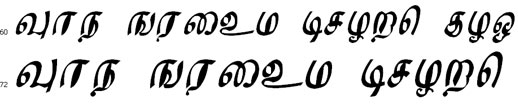
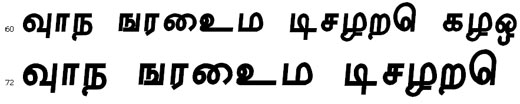
Tamil to English Dictionary: றுபாடு

This is the world's leading online source for english definitions/meanings, we have been helping millions of people improve their use of the tamil language with its free online services.


Write your word as a english and click to search button for the meaning of english language. It's a very simple & easy. use & enjoy....

அத்தியாயம்
attiyāyam (p. 13) s. Section or division of a book, படலம். 2. A chapter or lecture of the Vedas, வேதநூலைவிரித்தவிலக்கி யத்தின்கூறுபாடு. 3. Sacred writings, வேதம். Wils. p. 24. AD'HYAYA. 22) *
இத்தை
ittai (p. 46) s. A poetic expletive joined to verbs of the second person, முன்னிலை யசைச்சொல். நீயொன்றுபாடித்தை. Sing something. 2)
உப
upa (p. 61) . A Sanscrit prefix implying that which is secondary, auxiliary, near by, over, together with, less &c., ஒருபசர்க்கை. Wils. p. 152. UPA. உபகசிதம், s. Laughter, சிரிப்பு. Wils. p. 159. UPAHASITA. உபகதை, s. An ancient anecdote or story told in proof or illustration of a subject, கிளைக்கதை. உபகந்தம், s. Perfume, வாசனை. Wils. p. 153. UPAGANTH'A. உபகரணம், s. Implements, means, materials, apparatus, துணைக்கருவி. 2. Things required for a sacrifice--as grain, ghee, fuel, &c., எத்தினங்கள். 3. Insignia of royalty, அரசசின்னம். Wils. p. 152. UPAKARAN'A. உண்டிமருந்தோடுறையுளுபகரணங்கொண்டுய்த்த னான்காவதம். Furnishing food, physic, lodging and all needful aid to the devout forms the four special duties of the householder. (அருங்கலச்செப்பு.) பூசோபகரணம், s. Things necessary for performing a puja. உபகாசம், s. Ridicule, பரிகாசம். Wils. p. 16. UPAHASA. உபகாரம், s. [opp. to அபகாரம்.] Favor, kindness, benefit, assistance, சகா யம். 2. Use, advantage, உதவி. 3. Protection, patronage, ஆதரிப்பு. Wils. p. 152. UPAKARA. 4. Wils. P. 159. UPAHARA. A donation, a present, a gift, a benefaction, a contribution, ஈகை. உபகாரவபகாரங்களிரண்டுமில்லாதவன். A useless person, one who does neither good nor evil. உபகரிக்க, inf. To render aid, do a kindness, to benefit, favor, help, assist, patronize, உதவ. 2. To bestow, grant, உபகாரஞ்செய்ய. 3. To exercise benevolence--as the deity to souls, தயைசெய்ய. 4. To be affable, polite, obliging, civil, உபசாரஞ்செய்ய. உபகாரகன்--உபகாரன் s. A friend, a supporter, a benefactor, a donor, a liberal person. Wils. p. 152. UPAKARAKA. உபகாரஞ்செய்ய--உபகாரம்பண் ண, inf. To favor, benefit, succor. உபகாரி, s. (mas. or fem.) A benefactor or benefactress, one who gives liberally. 2. An obliging person. லோகோபகாரம், s. Favor or benefit done to the world. பிரதியுபகாரம், s. A favor in return, a recompense. கையுபகாரம், s. Aid by means of the hand--as lending a hand. வாயுபகாரம், s. Aid or help by means of speech--a word in season. பரோபகாரம், s. Favor or benefit to others, philanthropy. Wils. p. 515. PAROPAKARIN. ஜனோபகாரம், s. Favor to mankind in general, philanthropy. உபகிருதம்--உபகிருதி, s. Help, aid, favor, உதவுகை. Wils. p. 153. UPAKRITA and UPAKRITI. உபகேசி, s. Parvati, பார்ப்பதி. (p.) உபக்கிரமம், s. Beginning, ஆரம் பம். Wils. p. 153. UPAKRAMAM. உபக்கிரமிக்க, inf. To begin, ஆ ரம்பிக்க. உபசங்காரம், s. Reduction to original elements--as when the deity destroys the world, &c., அழிக்கை. 2. [in logic.] Refutation, ஆட்சேபம். 3. Excluding, விலக்குதல். Wils. p. 158. UPASUMHARA. உபசத்தி, s. Union, meeting, ஐக் கம். 2. Service, உதவி. 3. Donation, ஈகை. Wils. p. 158. UPASATTI. உபசமனம், s. Tranquillity, cessation from external actions for the purpose of silent contemplations, அமைவு. Wils. p. 158. UPASHAMA. உபசரணை, s. Civility, compliment, reverence, respect, politeness, உப சாரம். உபசரணைபண்ண, inf. To show civility, respect, &c. உபசருக்கம்--உபசர்க்கம்--உபசர் க்கை, s. A Sanscrit auxiliary prefix, forming a component part of a word, வடமொழிமுதனிலையடை--as பிர in பிரசங்கம், உப in உபசாரம், &c. Wils. p. 159. UPASARGA. உபசாந்தம்--உபசாந்தி, s. Calmness, tranquillity, alleviation, mitigation, அமைவு. Wils. p. 158. UPASHANTA and UPASHANTI. 2. Kindness, mildness, gentleness, தயை. 3. Freedom from the power and agitation of the passions, the calmness of the mind of the ascetic, விருப்புவெறுப்பின்மை. வியாதியுபசாந்தமாயிற்று. The disease is become milder. வியாதிக்குபசாந்திசெய்யவேண்டும். A remedy must be applied to mitigate the disease. உபசாந்தமானமருந்து, s. A mild medicine. 2. A medicine calculated to mitigate a disease, also an anodyne. உபசாபம், s. Disunion, வேறுபாடு. 2. Treachery, treason, துரோகம். Wils. p. 154. UPAJAPA. உபசாரகன்--உபசாரன்--உபசாரி, s. A polite person, உபசரிப்பவன். உபசாரம், s. Civility, politeness, urbanity, attention to a guest, affability, blandness, மரியாதை. 2. Salutation, compliment, obeisance, complaisance, வாழ்த்து. 3. Reverence, homage, acts of worship, duty, வழிபாடு. 4. A present, உபகாரம். 5. External honors done to a deity or holy person, including sixteen kinds, சோடசோ பசாரம், viz.: 1. தூபம், burning incense. 2. தீபம், placing lamps (before an idol). 3. நைவேத்தியம், eatables. 4. தாம்பூலம், betel and nut. 5. சந்தனம், sandal wood, &c. for anointing. 6. புட்பம், strewing flowers. 7. கர்ப்பூரம், camphor. 8. சலம், water for the feet, &c. 9. எண்ணெய், oil. 1. கண்ணாடி, mirrors. 11. சாமரை, hair fans. 12. குடை, umbrella. 13. கொடி, flags. 14. விசிறி, fans. 15. ஆல வட்டம், large circular fans. 16. வத்திரம், cloths. Wils. p. 153. UPACHARA. உபசரிக்க, inf. To compliment, show respect, to receive and wait on with marks of attention, treat with civility, உபசாரஞ்செய்ய. 2. to make obeisance, மரியாதைபண்ண. 3. To reverence a deity, perform service--as strewing flowers before idols or holy persons, வழிபட. உபசாரஞ்செய்ய--உபசாரம்பண் ண, inf. To treat with civility. உபசாரஞ்சொல்ல, inf. To give compliments, pay respects, to salute. உபசாரப்பணிவிடை, s. Civility, attention, obeisance. உபசாரமறியாதவன், s. A rude, unpolite, uncivil man. உபசாரவசனம், s. Obliging discourse, words spoken in compliment. உபசாரவந்தனம், s. Civilities and obeisance. 27)
ஊறு
ūṟu (p. 71) s. Touch, feeling, sensation, தீண்டுகை. 2. Misfortune, obstacle, disaster, mishap, இடையூறு. 3. A scar, a wound, a maim, a hurt, or injury inflicted by violence, காயம். 4. Killing, murder, கொலை. 5. Evil, mischief, blight, தீமை; [ex உறு.] (p.) --Note. There are eight kinds of ஊறு or sensations given, viz.: 1. வெம்மை, heat. 2. தண்மை, cold. 3. மேன்மை, Softness, thinness, fineness. 4. வன்மை, hardness. 5. நொய்மை, slenderness, tenuity. 6. சீர்மை. smoothness. 7. இழுமெனல், slipperiness, 8. சருச்சரை, roughness, unevenness. ஊறுகாட்டினர்க்கு. To those who inflict wounds, &c. ஊறுகொள்ள, inf. To receive a hurt, suffer violence, காயங்கொள்ள. (இ ராமா.) ஊறுகோள், s. Injury, violence, wounds inflicted, காயம். 2. Murder, கொ லை. (p.) ஊறுபாடு, s. Wounds, scars, காயம். 2. Injury, damage, violence, தீமை. 3. The four ways of inflicting injury, viz.: எறிதல், குத்தல், வெட்டல் and எய்தல். ஊறுவைக்க, inf. To cause a mark, or scar--as with the nails, teeth, &c.; to wound. 9)
கடகடத்தல்
kṭkṭttl (p. 87) --கடகடெனல், v. noun. Clattering, rattling, rumbling, clicking, கடகடென்றொலித்தல். 2. Shaking, tottering, a word imitative of sound and motion, கடகடவென்றுபோதல். கடகடென்றுபாடஞ்சொன்னான். He repeated his lesson without hesitation. பல்லுக்கடகடென்றாடுகிறது. My tooth is loose. பெட்டிக்குள்ளேயாதோவொன்று கடகடென்கிறது. Something rattles in the box. கடகடென்றோட, inf. To run at a rattling rate. கடகடப்பு, v. noun. A clatter, a rattling, rumbling, a clicking, ஈரடுக்கொ லிக்குறிப்பு. 3) *
காலம்
kālam (p. 104) s. Time. duration, பொழுது-Note. In Hindu philosophy, காலம் is said by the Saivas to have proceeded from மோகினி Maya, and to be a co-efficient cause with Siva in the acts of creation, preservation and destruction. It is Time personified, and according to the Hindu metaphysicians, one of the seven வித்தியாத் துவம். (சிவ. சி.) 2. Season of the year or life; also a specific time of the day, பருவம். 3. A seasonable or proper time, opportunity, season, சமயம். Wils. p. 216. KALA. 4. Day-break, விடியல். 5. (fig.) (c.) The time appointed for death, as distinguished from that for accident death, முடிவு. 6. [in gram.] Tense; also, the characteristic of a tense, வினையின்காலம். The three tenses are, இறந்தகாலம், எதிர்காலம், நிகழ்காலம். 7. [in music.] The three measure--as (1.) விளம் பம், slow. (2.) துரிதம், quick. &c. (3.) மத் திமம், the medium. 8. Epoch, era, யுகம். 9. Weather, காலவியல்பு. காலத்துக்குத்தக்ககோலம். Adapting one's self to the times. காலத்துக்குத்தக்கதாய்நடக்க. inf. To live according to circumstances. காலம்போம்வார்த்தைநிற்கும். Time files, but words remain. காலகதி, s. Events of time, காலநடை. காலகதியை யாவருங் கடக்கமாட்டார்கள். None cane escape the events of time. காலகருமம்--காலகன்மம், s. Employments, duties, &c., appropriate to an age, time, season, stage of life, &c., காலத்துக் குரியசெய்கை. காலக்கிரமம், s. The course of time; chronological order, காலவொழுங்கு. காலக்கிரயம், s. The price of the articles for the time being; current or market price, காலவிலை. காலக்குறி, s. Signs of the time. காலக்கொடுமை, s. The evils, calamities, &c., of time. காலங்கண்டவன், s. An experienced man; an aged person. காலங்கரந்தபெயரெச்சம், s. [in gram.] A relative participle without the characteristics of the tenses--as in கொல் யானை. காலங்கழிக்க, inf. To pass time கா லம்போக்க. காலங்கழிய, inf. To pass--as time, நாட்கழிய. காலங்கூட, inf. [local.] To die. காலசக்கரம், s. The different number of years of influence ascribed to the respective planets as operative on the lives of persons, ஆயுள்நியதிச்சக்கரம். 2. The aggregate of the years of the nine planets according to their respective influence, கிரகபலச்சக்கரம். 3. Period or term of life, ஆயுட்காலம். Wils. p. 216. KALACHAKRA.. அவனுக்குக்காலச்சக்கரமுடிவுவந்துவிட்டது. The end of his term is come. காலசங்கதி, s. Intelligence, news or events of the time or the day. காலசங்கை, s. Guess of time from mere inspection, காலஉத்தேசம். 2. Reckoning of time, காலக்கணக்கு. (p.) காலசந்தி, s. The daily morning worship; also applicable to that at noon and evening. 2. The interval between any two yugas, kalpas, &c. See கற்பம் and சந்தி. திரிகாலசந்தி, s. Worship in the morning, at noon and in the evening. காலசுகம், s. Favorableness of the time, astrologically and superstitiously considered. காலஞ்செல்ல, inf. To depart this life, to die. 2. [prov.] To be late. காலக்ஷயம்--காலட்சயம், s. Passing one's time or days, காலக்கழிவு. காலக்ஷேபம்--காலட்சேபம் s. Passing one's time or days; circumstances, welfare, &c., காலங்கழிக்கை. 2. Means of subsistence, சீவனம். Wils. p. 216. KALAKSHEPA. 3. [among the Vaishnavas.] The reading of the sacred books, திருவாய் மொழியோதல். உமதுகாலட்சேபம் எப்படி. How do you do; i.e. how are your affairs? காலதருமம்--காலதன்மம், s. The events appropriate to certain times or yugas respectively, காலத்தன்்மை. Wils. p. 217. KALAD'HARMMA. காலதாமதம், s. Delay, protraction, procrastination, தாமசம். காலதுரிதம், s. The rapid progress of time, காலத்தின்விரைவு. காலத்திரயம், s. The three divisions of time--as past, present, and future; also the three tenses, முக்காலம். காலநியமம், s. Events happening in their respective and appropriate seasons, according to the actions that gave them birth, காலநியதி. 2. Religious ceremonies according to the given periods of the year or day, காலக்கடன். காலநிரூபணம், s. Chronology. (modern usage.) காலநுட்பம், s. A small portion of time, காலத்தின்நுண்ணியபங்கு. காலநெடுமை--நெடுங்காலம், s. Length of time, a long time. காலநேமி, s. An Asura, ஓர் அசுரன். Wils. p. 217. KALANEMI. காலநேரம், s. Time in reference to the influences of planets upon the fortune, health, &c., of a person. காலநோக்காடு, s. [prov. in child-birth.] Natural and timely labor. காலந்தள்ள, inf. To pass one's days, to pass one's time, to maintain one's self, to live, காலம்போக்க. காலப்பரிச்சேதம், s. Discernment--as to the time of an event or the existences of a thing. It is one of the three பரிச்சேதம் modes of ascertaining facts. காலபரிபாகம், s. The maturity of the soul, or time for its attaining bliss, having eliminated its good and evil propensities. காலபேதம்--காலவித்தியாசம்--கால வேற்றுமை, s. Difference of time with respect to the changes it produces. காலபோகம், s. A crop of grain or fruits in the proper season. 2. The enjoyment or suffering resulting from previous moral actions, to which a living being at distant times is subjected, காலப் பயனுகர்வு. காலப்பெயர், s. Nouns or names of time--as year, month. 2. Nouns derived from names of time--as பங்குனன் (one born in the பங்குனி month). காலப்பெயர்ச்சி, s. Change of season or monsoon; unseasonable weather, கால விகற்பம். காலமயக்கம்--காலமயக்கு, s. [in gram.] An improper use of the tenses, காலவழு. 2. An allowed deviation in the use of tenses, காலவழுவமைதி. காலமலைவு, s. Confusion of statement in regard to time--as asserting that the lotus blooms in the evening, or the lily during the day. காலமல்லாக்காலம், s. An unfortunate, fatal time; an unseasonable time, அகாலம். காலமழை, s. Rain in the proper season, பருவத்திற்பெய்யுமழை. காலமறிய, inf. To know the times so as to adapt one's self to them, காலவகைய றிய. 2. To know things past, present or future intuitively or by apiritual sight --as yogis, காலவியற்கையறிய. காலமாறு, Morning by morning, every morning, காலைதோறும். (c.). காலமானம், s. [in arith.] Time measure. காலமிருத்து, s. Death at the destined season--as distinguished from accidental death, விதித்தகாலத்திலடையுமரணம். காலமே--காலத்தாலே. In the morning, early, betimes. காலம்பண்ண--காலம்பண்ணிப்போக, inf. To finish one's time, to die. காலம்பார்க்க, inf. To look or watch for a proper time or opportunity, சமயம் பார்க்க. காலம்புரள, inf. To present a manifest revolution--as in the order of things; to be irregular, deranged, &c.--as the events of a time--as toddy-drawers seen riding in palankeens, &c. காலம்போக்க, inf. To pass the times. 2. To while away time. காலவகை, s. Seasons, times, காலக் கூறுபாடு. 2. Circumstances depending on time, காலவேறுபாடு. காலவர்த்தமானம், s. Events of the times. காலவழக்கம், s. Customs of the times. காலவழு, s. [in gram.] An improper use of the tenses--as the past for the future, &c., காலக்குற்றம். காலவாகுபெயர், s. [in gram.] Nouns of time or portions of time, used by metonymy for what is intimately connected with time--as கார்த்திகை, the name of a month, for a plant which mostly blossoms during the month. காலவிடைநிலை, s. [in gram.] Characteristics of tenses, காலத்தைக்காட்டுமிடை நிலை. They are 1. த், ட், ற், and இன் for the past. 2. ஆநின்று, கின்று and கிறு for the present. 3. ப், ல், for the future. There are some other characteristics-as மன், இசின், ய், இ, ன், &c. காலவிரைவு, v. noun. Swiftness or rapid flight of time. காலாகாலம், s. Times seasonable and unseasonable, auspicious and inauspicious, நற்காலந்துர்க்காலம். 2. One time or another, not often, not frequently. (c.) காலாக்கினி, s. The fire which is to destroy the world at the end of the great yuga; a deluge-fire said to be in reserve in the nethermost part of the earth. Wils. p. 218. KALAGNI. 2. One of the two-hundred and twenty-four புவ னம் under the regency of Kálágni. காலாக்கினியுருத்திரம், s. One of the thirty-two உபநிடதம். காலாக்கினியுருத்திரர், s. Rudra or the deity in the lowest region, in charge of the deluge-fire. There are ten subordinate Rudras, who resemble their chief. காலாந்தம், s. The end of time, கால முடிவு; [ex. அந்தம்.] காலாந்தரம், s. Intermediate space of time, process of time, காலநடை. 2. Meanwhile, காலவிடை; [ex அந்தரம், interval.] காலேச்சுரவாதம், s. The metaphysical philosophy which maintains that Time is God. காலோசிதம், s. A fit, proper time, உச் சிதகாலம்; [ex உசிதம்.] அந்தியகாலம், s. The time of death. ஆங்கால மெய்வருந்த வேண்டா வதுதானே தேங்காய்க் கிளநீர்போற் சேருமே, போங்காலம் காட்டானை தின்ற கனியதுபோ லாகுமே தேட்டாளன் றேடுந் தனம். Wealth shall or itself accumulate at the appointed time of increase, as the liquor within a cocoanut, and no toll is required; but at the fixed time for ruin, the riches of a hard-working man shall pass away like the contents of a woodapple eaten by an elephant. எக்காலமும். At what time soever, always. சாங்காலம், s. The time of death or ruin. திரிகாலம்--முக்காலம், s. The three divisions of time, present, past, and future. 2.The three tenses of a verb. திரிசந்திகாலம். The three parts or divisions of the day: viz., காலை, morning. உச்சி, noon. மாலை, evening. புண்ணியகாலம், s. See under புண்ணி யம். போங்காலம், s. The time of separation or ruin. 155) *
குணம்
kuṇam (p. 118) s. Quality, attribute, property, பண்பு. 2. Disposition, temper, nature, தன் மை. 3. Good quality, moral or physical; proper temperament, virtue, நற்குணம். 4. Attribute, perfection, excellence--as of a deity, இலட்சணம். 5. Grace, beauty--as of a style or composition; merit, freedom from fault or defect--opposed to குற்றம், மேன்மை. 6. Wholesomeness, healthfulness, சுகம். 7. Soundness of intellect; normal state of the mental feelings, சொஸ்த புத்தி. 8. Indication, symptoms--as of a disease, வியாதியின்குறி. 9. Color--as a quality, நிறம். 1. Smoothness, சீர்மை. 11. Properties; functional powers or principles in nature, operative in all sentient beings; the sourses of the dispositions, &c., தத்துவம். 12. Thread, cord, string, &c., நூல், கயிறு. 13. A bow-string, நாணி. 14. Property, essence, original principle, சத்து. 15. [in physics.] Varicties, modifications, products of bodies, உடற்குணம். Wils. p. 291. GUN'A. 16. A water-pot, a pitcher--as குடம். குணத்தைமாற்றக்குருவில்லை. No guru can change the temper. குணத்தோடேகேள். Hear me with a right spirit and patience. குணநாடிகுற்றமுநாடி. Having examined the excellencies and faults--as of a style, a speech, &c. குணமதுகைவிடேல். Hold to what is good and proper; cease not to show a good disposition. குணமென்னுங்குன்றேறிநின்றார்வெகுளிகணமேயுங் காத்தலரிது. It is hard to divert, even for a moment, the anger of those who stand upon the mountain of virtue; i. e. who excel virtue. (குறள்.) அதிலுமிதுகுணம். This is better than that. அவனுக்குத்தாய்தந்தைகுணம்பிடிபடுகிறது. His parents' disposition and temper begin to be visible in him. குணகுணி, s. [in gram. and log.] Attribute and subject--as in செந்தாமரை, where செம்மை is the attribute, குணம், and தாமரை the subject, குணி. குணகுணிப்பெயர்கள், s. [in gram.] Abstract noun and subjective noun. (நன்.) குணக்ஞன்--குணஞ்ஞன், s. A pleasant, good-natured, agreeable person; one of an excellent disposition, நற்குணமுள் ளவன். Wils. p. 291. GUN'AG'NA. குணக்குன்று, s. A virtuous man; lit. a mountain of excellent qualities. குணக்கேடு, s. Bad temper, bad disposition; disobliging, unkind, கெட்டகுணம். 2. Fatal symptoms in disease, அசாத்தியக் குறி. குணக்கேடன்--குணங்கெட்டவன்--கு ணமில்லாதவன், s. An ill-natured person. குணங்காட்ட, inf. To exhibit natural characteristic qualities, dispositions or propensities. 2. To betray symptoms-as diseases; to indicate good or bad weather--as seasons. 3. To betray mean descent, low caste, &c., by mean behavior. குணங்குறி, s. Disposition, features, characteristics, குணமுங்குறியும். குணங்குறியறிய, inf. To know one's disposition and character. குணங்குறியுள்ளவன், s. A man of good disposition, and other good characteristics. குணசந்தி, s. [in gram.] A form of combining words of Sanscrit origin-as சுர and இந்திரன், make சுரேந்திரன், வடமொ ழிச்சத்தியிலொன்று. குணசாலி, s. A good-natured man or woman; one of an excellent disposition. குணசீலன், s. One abounding in excellent qualities. குணசுபாவம்--குணப்பிரகிருதி, s. Natural disposition. குணஷ்டை, s. Delinquency, defect, flaw, குணதோஷம். 2. Difficulty, trouble, தொந்தரை. குணத்தன்மை, s. [in rhet.] Description of qualities, one of the four subdivisions of தன்மையலங்காரம். குணத்திரயம், s. The three properties in nature--purity, passion and darkness. Wils. p. 291. GUN'ATTRAYA. See முக்குணம். குணத்துக்குவர, inf. To grow better, to amend, to reform. 2. To recover from illness. 3. To be reconciled, இணங்க. குணத்தொகை, s. See பண்புத்தொகை. குணத்தொனி, s. The twang or sound of a bow-string. குணநிதி, s. A benevolent, kind person, நற்குணநிறைந்தவன். 2. the Deity, கடவுள். குணபத்திரன், s. The Deity, கடவுள். 2. The name of the preceptor and guru of மண்டலவன் the author of Nighandu. 3. Argha, அருகன். குணபேதம், s. Change of disposition for the worse, degeneracy, குணவேற்றுமை. 2. Unfavorable symptoms in a disease, வியாதிவேற்றுமைக்குணம். 3. Abnormal state of the mental powers--as idiocy, insanity, &c.; derangement, மாறுபாடான குணம். அவன்குணம்பேதித்திருக்கிறது. He is changed for the worse. குணப்பட, inf. To come to a right state, temper, disposition, &c.; to be changed for the better, to become tractable, docile, சீர்ப்பட. 2. To recover from sickness, to get well, சுகமடைய. 3. To improve --as crops, &c., to recover strength, to grow, to thrive, திறப்பட. 4. To reform, to amend in morals, to improve in disposition, character or habits, நடைதிருந்த. 5. [in Christian usage.] To be converted, to repent, to be penitent, மனந்திரும்ப. குணப்படுத்த, inf. v. a. To improve, to make better, to correct, to reform, to restore to a good state, to health, &c.; to remedy, சீர்திருத்த. 2. To convert, மனந்திரும்பச்செய்ய. குணப்பட்டவன், s. [in Christian usage.] One who has repented; a convert. குணப்பண்பு, s. [in gram.] Sensible qualities of objects--as bitterness, whiteness--as distinguished from குறிப்புப்பண்பு, ideal quality, and தொழிற்பண்பு, acting quality. See பண்பு. குணப்பிழை, s. Ill nature, bad temper or disposition, குணக்கேடு. 2. Ill success, பயனின்மை. 3. Unfavorable signs in disease, &c., அசாத்தியம். குணப்பெயர், s. [in gram.] Names of qualities; abstract nouns; denotative nouns signifying attributes only--as கரு மை, அழகு--opposed to குணிப்பெயர்; பண்புப் பெயர். 2. Names either concrete or connotating, derived from abstractnouns --as கரியன், அழகன். குணமணி, s. One of an excellent disposition. குணமறிய, inf. To know one's disposition. 2. To understand or ascertain the symptoms of a disease. குணமாக்க, inf. v. a. To cure, heal; to restore to health. 2. To reform, to amend, to correct. குணமாயிருக்க, inf. To be whole, well, sound; to be well-conditional. 2. To be gratifying, pleasing, palatable. குணம்மாற, inf. To change--as temper, disposition, character, symptoms, either for the better or worse. குணமுங்குற்றமும், s. Good and bad, virtues and vices, beauties and defects, commendation and censure, &c. குணமுடையவன்--குணமுள்ளவன், s. A kind-hearted, good-natured, generous man. 2. A well-bred man. குணமுற்றவன், s. A good-natured man. குணமுற்றவன் மணமுற்றவன்; குணமற்றவன் மண மற்றவன். A good-natured man will be praised; but an ill-natured man, despised. குணரத்தினாகரன், s. One whose benevolence is like the sea; [ex இரத்தினாகரம்.] குணவதி, s. A very good natured person. Wils. p. 292. GUN'AVATI. குணவந்தன்--குணவான், s. A well-disposed person; one of a good disposition. குணவவநுதி, s. [in rhet.] A kind of அவநூதி figure, in which a prorperty or quality universally predicated of an object is apparently denied, by affirming the opposite, either ironically or ambiguously. குணவாகடம்--குணபாடல், s. A treatise on the signs and symptoms of diseases, ஓர்வைத்தியநூல். குணவாகுபெயர், s. [in gram.] Names of qualities or attributes, used by metonymy for objects possessing those qualities or attributes--as in நீலஞ்சூடினாள். குணவாக்கு, s. Peculiar temper or habit. குணவிலக்கு, s. [in rhet.] Negation of a property or quality in a person or thing from the presence of its opposite, ஓரலங்காரம். குணவுவமம்--குணவுவமை, s. [in rhet.] A species of simile; similitude, of qualities and properties. See பண்புவமை. குணன், s. A man of good qualities, generally found in compounds--as in அறுகுணன், சற்குணன். குணாதீதம், s. Freedom from all properties, குணங்கடந்துநிற்கை. குணாதீதன், s. God, He who is above all attributes; He whose attributes and perfections transcend our comprehension, கடவுள். Wils. p. 292. GUN'ATEE'TA. குணாலயன், s. The deity--as the seat and source of all perfections, கடவுள். இனியகுணம், s. A pleasant temper or disposition. நிர்க்குணன், s. The deity--as void of all properties, கடவுள். Wils. p. 474. NIRGUN'A. சத்துவகுணம், s. The first of the three principles, or properties in nature. 2. Nobleness of mind; magnanimity. 3. The exalted disposition of an ascetic's mind by which he disdains worldly delights, greatness, honors, &c. சற்குணம்--சுகுணம்--நற்குணம், s. A good disposition, kindness, benevolence, virtue. சற்குணன்--சற்குணி, s. A virtuous person; a good-natured person. சாத்தியகுணம், s. [in medi.] The condition or state of being curable; favorable symptoms; hopeful case. குணி, s. One endowed with good qualities, a good-tempered person, நற்குண முடையான். 2. [in gram.] A subject, any thing which possesses attributes or qualities--as distinguished from குணம், also, the names of such things, பண்பி. 3. [ex குணம், bow-string.] A bow, வில். (சது.) குணிப்பெயர், s. [in gram.] Concrete or subjective noun; a denotative name which signifies a subject only and not an attribute or quality--as மதுரை, தாம ரை--opposed to குணப்பெயர். துர்க்குணம்--தீக்குணம், s. Bad disposition, ill-nature, vice. நாய்க்குணம், s. Doggedness, rudeness, cynicalness. பேய்க்குணம், s. Devilishness, foolishness. மழைக்குணம், s. Sign or appearance of rain. நாற்குணம், s. The four prevalent or prominent human qualities. These are subdivided, and four are ascribed to each sex. 1. ஆடூஉக்குணம், the masculine: 1. அறிவு, knowledge, intelligence, clear perception. 2. நிறை, equanimity, self-control. 3. ஓர்ப்பு, fortitude, firmness, deci sion. 4. கடைப்பிடி, confidence, full persuasion, perseverance. II. மகடூஉக்குணம், the feminine: 1. நாணம், shyness, coyness, bashfulness--with regard to the other sex. 2. மடம், simplicity, weakness of intellect, want of clear perception. 3. அச்சம், timidity, fear, diffidence. 4. பயிர் ப்பு, delicacy; modesty; shrinking from what is mean or vile. முக்குணம், s. The three principles in nature, Satva, Raja, and Tama, which are the ultimate source of all quality or character in man, and may be indefinitely developed and expanded. The more generic and prominent development is three-fold, making nine gunas. Satva-guna-- goodness, produces illumination and mildness in thought, word and deed. Operating in these directions, it becomes an 'unfailling and perfect light to the soul, arousing it and making it ready to eat the fruit of its own doings' Raja-guna--passion, produces for the soul the propensity to excessive occupation in thought, word and deed, and asperity in the same. By these means it prepares the soul to receive pleasure and pain, according to its karmma or the law of its fate. Tama-guna brings forth arrogance, that egotistic guna which says 'there is none like me,' &c., and wilfulness or depraved will. By these means it welcomes all sensual objects and brings them to the soul. The first stage in the soul's spiritual progress is a degree of self-knowledge by which it has a view of these gunas and its relations to them. To each of these gunas belong certain peculiar qualifications. I. சத்துவகுணம் or சாத்துவிகம். Ist. ஞானம், wisdom. 2d. அருள், grace. 3d. தவம், penance. 4th. பொறை, patience. 5th. வாய் மை, veracity. 6th. மேன்மை, greatness, excellence. 7th. மௌனம், silence, taciturnity. 8th. ஐம்பொறியடக்கல், restraint of the five senses. The Satva principle is the source of truth, and the predominance of it renders its possessor virtuous, gentle, devout, charitable, chaste, honest, &c. II. இரசகுணம் or இராசதம். 1st. மனவூக்கம், mental exertion. 2d. ஞானம், discretion. 3d. வீரம், fortitude. 4th. தவம், penance. 5th. தருமம், charity. 6th. தா னம், liberality. 7th. கல்வி, erudition. 8th. கேள்வி, inquiry, instruction. The Raja principle is the source of sensual desire, worldly covetousness, pride and falsehood, and is the cause of pain. III. தமகுணம் or தாமதம். 1st. பேருண்டி, rioting or banqueting. 2d. நெடுந்துயில், long sleep. 3d. சோம்பு sluggishness. 4th. நீதிவழு, deviation from justice. 5th. ஒழுக் கவழு, deviation from virtue. 6th. வஞ்சம். deceit. 7th. மறதி, forgetfulness. 8th. பொய், lying, falsehood. 9th. கோபம், anger. 1th. காமம், lust, lasciviousness. 11th. கொலை, murder. The Tama principle is the source of folly, ignorance, mental blindness, worldly delusion, &c.--Note. These three gunas, according to the Agama school, are developed from Prakruti (மூலப்பிரகிருதி,) and constitute all those physical and psychical aspects, which, under the determining power of the will, form the functional qualities of an organized soul. (சிவ-சி.) In the Vedantic, idealist philosophy the gunas are the ideal attributes of Mula-Prakruti which, in its turn, is but an illusion or mistaken representation of Brahm. அறுகுணம்--இச்சுரன்முக்கியகுணம், s. The principal attributes of Isvara or God are six in number. 1. சர்வஞ்ஞத்துவம், omniscience. 2. சர்வேசுரத்துவம், supremacy. 3. சர்வநியந்திருத்துவம், pre-ordination. 4. சர் வாந்தரியாமித்துவம், omnipresence. 5. சர்வகற் பிதத்துவம், unlimited creative power. 6. சர்வ சத்தித்துவம், almightiness. (சது.) Another enumeration is-- 1. தன்வயத்தனாதல், selfexistence. 2. முதலிலனாதல், eternity. 3. உடம்பிலனாதல், immateriality. 4. எல்லாநல முளனாதல், benevolence. 5. எங்கும்வியாபகனா தல், omnipresence. 6. எவற்றிற்குங்காரணனா தல், being the Creator of all things.-Note. The latter enumeration is found in Roman Catholic writings. எண்குணம், s. The eight attributes of the deity. Authors differ in their enumerations and definitions of them. The enumeration of பரிமேலழகர், the commentator of the Cural, as agreeing with the Agamas, is:--1. தன்வயத்தனாதல், self-existence, independence. 2. தூயவுடம்பினனாதல், immaculateness. 3. இயற்கையுணர்வினனாதல், intuitive wisdom. 4. முற்றுமுணர்தல், omniscience. 5. இயல்பாகவே பாசங்களினீங்கிநிற் றல், freedom from the snares and illusions to which a derived intelligence is exposed. 6. பொருளுடைமை, unbounded kindness. 7. முடிவிலாற்றலுடைமை, omnipotence. 8. வரம்பிலின்பமுடைமை, infinite happiness. Another enumeration, as given in Jaina books, is--1. கடையிலாஞானம், infinite wisdom. 2. கடையிலாக்காட்சி, omniscience. 3. கடையிலாவீரியம், omnipotence. 4. கடையிலாவின்பம், boundless happiness. 5. நாமமின்மை, being nameless. 6. கோத்தி ரமின்மை, without descent. 7. ஆயுவின்மை, without age; eternal. 8. அந்தாரயமின்மை, unobstructed. 13)

கூறு
kūṟu (p. 136) s. Part, portion, share, subdivision, பங்கு. 2. The natural, chemical, chemical, or anatomical parts of a man of other animal; component, original parts, or principles of material existences. இயற்கைக்கூறு. 3. Modification and diversities in the forms of bodies; varied evolutions of primitive matter, விகாரத்தன்மை. 4. Section, division, department, பகுதி. 5. The properties, qualities or nature of a thing; characteristic symptoms of a disease, கூறுபாடு. 6. Effect, result, product, காரணகாரியங்களின் வகை; [ex குறு, to shorten by division, &c.] 7. v. noun. Proclamation, publication, அறிவிக்கை; [ex கூறு to proclaim.] 8. s. Oily grain, எள்ளு. (M. Dic. முழுக்கூறும்வேண்டும். I want it all. கூறிட--கூறுசெய்ய, inf. To cut in two, bisect, subdivide. 2. To set in portions or small quantities. கூறுகூறாக்க, inf. To cut or separate into portions; to apportion. கூறுவைக்க, inf. To set in portions or separate quantities, to distribute and set in small heaps--as a retailer for sale. கூறுகொள்ள, inf. To stuff, cram, press any thing down with a stick, the feet or the hands. குழந்தை மண்ணைக் கூறுகொள்ளுகிறது. The child eats sand. சோற்றைகூறுகொள்ளுகிறான். [prov.] He thrusts rice into his mouth. கூறுபட, inf. To be divided or resolved into its primitive elements. கூறுபடுத்த, inf. To analyze, to distribute. 2. To resolve or reduce bodies into their original parts or primitive elements; to produce the varied transformations of nature. கூறோலை--கூற்றோலை, s. An ola-writing for the division of property among heirs. தைபிற்கூறு, s. The latter part of January. நடுக்கூற்றிலே, In the middle; in the middle part. மாசிமுற்கூறு, s. The first part of February. அக்கினியின்கூறு, s. The effects of heat in the system, &c. 2. Heat, caloric. சரீரக்கூறு, s. The temperament of the body. 2. The component anatomical parts of the body. நேர்கூறு, s. A proper quantity in composition, mixture. &c. மூலக்கூறு, s. The radical parts of a substance. See மூலம். வாயுவின்கூறு, s. The component parts of atmospheric air. 2. The effects of the vital airs on the system, or the powers derived from them, viz. walking, running, standing, sitting, &c. வியாதியின்கூறு, On account of, or occasioned by, the disease. 21)
கூறுபாடு
kūṟupāṭu (p. 136) v. noun. Portion, division, share, section, பங்கு. 2. Subdivision, classification, பிரிவு. 3. Diversified forms of matter. 4. Results, effects. 5. Constituents or component parts; quality or nature, தன்மை; [ex கூறு, portion.] உடற்கூறுபாடு, s. The temperament of the body. See under உடல். 23)
கோணு
kōṇu (p. 150) கிறது, கோணினது, ம், கோண, v. n. (Sa. Kon'a, crooked.) To be crooked, bent, curved, angular, serpentine, வளைய. 2. To be or become awry, oblique, aslant, askant, கோணலாயிருக்க. (c.) 3. To deviate, diverge, or turn out of the proper course, நெறிபிறழ. 4. To be warped or discouraged in mind; to be changed--as circumstances, மாறுபட. முதற்கோணினால் முற்றுங்கோணும். If the beginning goes wrong, all will be wrong. This is superstitiously believed. கோணிக்கோணிகொடுப்பதிலுங் கோணாமற்காணி கொடுப்பதுஉத்தமம். It is better to give a little (காணி) with a good will than much (கோணி) with reluctance. கோணக்கோணஇழுக்க, inf. To distort the limbs, features, &c., as cramps, convulsion, &c. கோணிக்கொடுக்க, inf. To give unwillingly. (c.) முகத்தைக்கோணவைக்க, inf. To avert the countenance. 2. To make a wry face. முகங்கோண, inf. To look sour, harsh. கோணல், v. noun. Crookedness, wryness, obliquity, deviation, deffection, வளைவு. 2. A hump; a hump-backed person, கூன். 3. Obliquity of mind, deceit, guile, மாறுபாடு (சது.) கோணல்குணங்கல், v. noun. Uneasiness of mind. (c.) கோணல்வாசல்--கோணவாசல், s. A winding gate. (c.) கோணல்வாயன், s. (fem. கோணல்வாய் ச்சி.) A wry mouthed man. 24)
கோண்
kōṇ (p. 150) s. Crookedness, defectiveness, வளைவு. 2. Unjust government; injustice, கொடுங்கோன்மை. 3. Obliquity of disposition, subtlety, மாறுபாடு. 4. (Sa. Ghon'a.) The spout or projecting mouth of a vessel, பாத்திரத்தின்மூக்கு. (p.) கோணெடுக்க--கோணலெடுக்க, inf. To rectify a crooked thing, to correct an irregularity. கோண்விழ--கோணல்விழ, inf. To become crooked. 26)
கோளாறு
kōḷāṟu (p. 151) s. [vul.] Disaster, calamity, confusion, disorder, difficulty, முறைபிறழ்வு. 2. [prov.] Quarrel, tumult, scuffle, சண்டை. 3. Variance, மாறுபாடு. 4. [loc.] Nature, peculiar qualities, features, temperament, &c., குணங்குறி. என்வயிறுகோளாறாயிருக்கிறது. My stomach is in disorder. கோளாறுகாரன், s. One who causes confusion. 2. A quarrelsome person. 3. A witty person. கோளாறுபண்ண, inf. To quarrel; cause difficulties. 2. To molest. மழைக்கோளாறு, s. Changable, stormy weather unfavorable to navigation. 2. [loc.] Cloudness--as மழைக்கோலம். கிரகங்களின்கோளாறு, s. [prov.] Evil influences of the planets. 57)
சந்திரன்
cantiraṉ (p. 159) s. Chandra, the moon as a planet or deity, திங்கள். (c.) 2. [in combination.] A pre-eminent or dignified personage--as இராமச்சந்திரன். சந்திரனைப்பார்த்துநாய்குலைத்தாற்போல. As if the dog had barked at the moon, i. e., mere chatter to no purpose. சந்திரகணம், s. One of the four auspicious feet with which to begin a poem --consisting of one நிரை and two நேர். See கணம். (p.) சந்திரகதி--சந்திரபுத்தி, s. The daily motion of the moon. சந்திரகலை, s. The phases of the moon. 2. The breath of the left nostril. (c.) See சூரியகலை. சந்திரகாந்தம்--சந்திரகாந்தச்சிலை, s. A kind of mineral gem, the moon-stone, said to emit moisture, when placed in the moon-light; and believed by some to be a congelation of the moon's rays. See சூரியகாந்தம். சந்திரகாந்திப்பூ, s. A moon-flower, a flower which turns towards the moon. சந்திரகாவி, s. A kind of radish color made from the செநதுருக்கம் flower or Bastard saffron. Carthamus tinctorius. Ains. v. 2. p. 364. 2. A reddish ochre, செங்காவிமண். 3. A kind of red cloth, ஓர்வகைப்புடவை. (c.) சந்திரகாவிப்பட்டு, s. Silk of a red colour. சந்திரகிரகணம், s. A lunar eclipse. See கிரகணம். சந்திரகும்பம், s. A sacred water-pot dedicated to the moon. See கும்பம். சந்திராதித்தர்--சந்திரசூரியர், s. The sun and moon. (c.) சந்திராதித்தருள்ளவரைக்கும். As long as the sun and moon exist. சந்திரசூடன்--சந்திரசேகரன், s. Siva, the moon crested. சந்திரதரிசனம், s. The first sight of the New Moon on an auspicious evening.-Note. If the time be not auspicious, the sight is avoided. 2. The ceremony of showing either the crescent or full moon to a child, for the first time, on an auspicious evening. சந்திரப்பிரவை, s. The moon's rays, moon-light. 2. [loc.] A sect for an image on festival occasions. 3. [com. சந்திரப்பிறை.] A female ornament. See சூரியப்பிரவை. சந்திரநாகம், s. A black serpent, இராகு; the dragon's head or ascending node, in Astronomy. சந்திரபீசம், s. The cochineal insect. சந்திரபுடம், s. Moon's longitude. சந்திரமண்டலம், s. The orb or disk of the moon, சந்திரவிம்பம். 2. The moon's halo, பரிவேடம். 3. [in the human body.] The head and the shoulders. (p.) சந்திரமத்திம்புத்தி, s. [in astron.] The mean motion of the moon in a fixed time --as a day, an hour, &c. சந்திரமானம், s. [in astron.] A calculation made from the motion of the moon in its orbit. See சாந்திரமானம். சந்திரமந்தோச்சம், s. [in astron.] The moon's apsis. சந்திரமுருகு, s. An ear ornament shaped like the crescent moon. (c.) சந்திரமோலி--சந்திரமௌலி, s. Siva, the moon crested. There are other compounds--as திங்கண்மோலி, மதிமோலி, &c. சந்திரரேகை--சந்திரலேகை, s. The moon's digits. சந்திரரோகம், s. A kind of leprosy, [in the gospels] lunacy, ஓர்குட்டம். (c.) சந்திரலவணம், s. A medicinal salt, Rock salt, இந்துப்பு. சந்திரலோகம், s. The region or sphere of the moon. சந்திரவட்டம், s. One of the three umbrellas of Argha. சந்திரவட்டக்குடை, s. A large white umbrella used in processions. சந்திரவருஷம்--சந்திரனாண்டு, s. Lunar year. சந்திரவமிசம், s. The lunar race, the race of kings from Chandra, his son Buddha, his son Purúravas, &c. சந்திரவலயம்--சந்திரவளையம், s. [prov.] A brass ring filled with pebbles and used as a small tabour. They are held one on each thumb, by public singers, கைச்சிலம்பு. சந்திரவாதம், s. A system of religion in which the moon is god. சந்திரவிம்பம், s. The disk of the moon. சந்திரனாள்--சந்திரனாட்கூறுபாடு, s. The phases of the moon, திதி. சந்திரோதயம், s. Moon-rise. (c.) 107)
தடாதடி
tṭātṭi (p. 222) s. [prov.] Molestation, disturbance, கலக்கம். 2. Perverseness, injustice, unfairness, usurpation, மாறுபாடு. Compare படுதடி. தடாதடிக்காரன், s. (com. தடியடிக்கா ரன்.) An usurper, extortioner. 2)
திரி
tiri (p. 239) கிறேன், ந்தேன், வேன், திரிய, v. n. To walk about, to wander, to ramble, to go here and there, to stray, to be unsettled, உழல. (c.) 2. To change, to vary, மாற. 3. To perish, அழிய. 4. To turn. to whirl; to revolve--as the heavenly bodies, உருள. 5. To be twisted; to be convolved, சுருள. 6. to revolve, as the soul in transmigrations, பிறவியிற்சுழல. 7. To vary or swerve from truth, மனங்கோண. 8. To be variegated, as a landscape, to be diversified, மாறுபட. 9. [with an infinitive preceding.] To be near or exposed to, as சாகத்திரிந்தேன், I was near dying. 1. [in gram.] To be changed as letters for their correlatives, &c., in combination or otherwise, எழுத்துத்திரிய. லகாரம்றகாரமாகவும்ளகாரம்டகரமாவுந்திரிந்தன..... The letter ல is changed to ற, and the letter ள to ட. கூடிநாடித்திரிய, inf. To associate with one. See கூடு, v. கெட்டுப்போகத்திரிய, inf. To go to ruin. முகந்திரிதல், v. noun. Change of countenance. (p.) திரிந்துவர, inf. To come round; to go about, or endeavor to accomplish. திரிசொல், s. Variable words, used, according to Rottler, principally by the learned. 1. Different names of the some thing. 2. A word with different meanings. 3. Words not in common use. 4. Metaphorical words. 5. Words declined or modified. திரிய--திரியவும், [prov.] [adverbially.] Again, furthermore, moreover, திரும்பவும். திரிதல்--திரிகை, v. noun. Roaming about, changing places. திரிபு--திரிவு, v. noun. Change, alteration, mutation, variation, diversity, வே றுபாடு. 2. [in gram.] Permutation, metathesis, &c., புணர்ச்சிவிகாரத்தொன்று. 3. One of the three obstacles to the attainment of heaven. See முத்திவிக்கினம். திரிபுக்காட்சி--திரிவுக்காட்சி, s. [in log.] Optical illusion, misconception in objects of sense; i. e. mistaking one thing for another, as a post for a thief, ஒன் றைமற்றொன்றாகமதித்தல். சொற்றிரிபு, s. Change in the form of a word, as of a gerund for an infinitive. பொருட்டிரிபு, Change of meaning, or compound terms having different meanings, according to the manner in which they are read or accented. திரிபுவிகாரம், s. [in gram.] The change of one letter for another. திரிபணி, s. A figure of speech, a metaphor, ஓரலங்காரம், as தாடகமலத்தானடந்து கட்குவளையானோக்கி, she walked with red lotus legs, and looked forth with குவளை flower eyes. 40)
Random Fonts
Tamil ACI Bangla Font
Tamil ACI
Download
View Count : 13660
Code2001 Bangla Font
Code2001
Download
View Count : 15576
UthayaNet Bangla Font
UthayaNet
Download
View Count : 16753
GIST-TMOTHeena Bangla Font
GIST-TMOTHeena
Download
View Count : 11766
SM-Tamil-01 Bangla Font
SM-Tamil-01
Download
View Count : 37706
Tharakai Bangla Font
Tharakai
Download
View Count : 13778
Jaffna Bangla Font
Jaffna
Download
View Count : 14491
TAU_Elango_Sabari Bangla Font
TAU_Elango_Sabari
Download
View Count : 10517
Vavuniya Bangla Font
Vavuniya
Download
View Count : 13889
aTamilApple Bangla Font
aTamilApple
Download
View Count : 10411

Translation tools...

Privacy Policy   GDPR Policy   Terms & Conditions   Contact Us
Please like, if you love this website
close