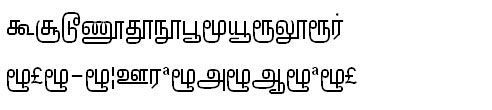
Tamil to English Dictionary: ழிச்ச

This is the world's leading online source for english definitions/meanings, we have been helping millions of people improve their use of the tamil language with its free online services.


Write your word as a english and click to search button for the meaning of english language. It's a very simple & easy. use & enjoy....

அப
apa (p. 15) prep. A particle--prefixed to Sanscrit words--implying inferiority, privation, separation, contrariety, &c. ஒருப சர்க்கை. Wils. p. 42. APA. அபகரணம், s. Impropriety, illtreatment, injury, தீயொழுக்கம். Wils. p. 42. APAKARANA. அபகாரம், s. Ingratitude, ungrateful acts, நன்றியற்றசெய்கை. 2. Injury, offence, effrontery, insult, mischief, தீமை; opp. to உபகாரம். Wils. p. 42. APAKARA. அபகாரி, s. An ingrate, நன்றி கெட்டவன். 2. A defrauder, cheat, எத்தன். 3. One who does evil to another, an evildoer, துஷ்டன். Wils. p. 42. APAKARIN. அபகீர்த்தி, s. Infamy, disgrace, dishonor, disrepute, கனவீனம். Wils. p. 42. APAKIRTI. அபகீர்த்திபெற்றவன். One who is dishonored. அபக்கியாதி, s. Disrepute, disesteem. See அவக்கியாதி; opp. to பிரக் கியாதி. அபக்கியாதியானகாரியம், s. A shameful, ignominious thing. அபக்கிரோசம், s. Reviling, abusing. Wils. p. 42. APAKROSHA. அபசகுனம், s. A bad omen, துர்க்குறி. அபசத்தம், s. Ungrammatical language, வழூஉமொழி. 2. Vain talk, வீண் பேச்சு. 3. Inauspicious expression, அசு பமொழி. Wils. p. 45. APASHABDA. அபசயம்--அபசெயம், s. Defeat, vanquishment, தோல்வி. அபசயப்பட, inf. To be defeated, தோற்க. See படு, v. அபசரணம், s. Departure, egress, புறப்பாடு. Wils. p. 46. APSARANA. அபசரிதம்--அபசரிதை, s. History of bad transactions, துர்ச்சரித்திரம். 2. Improper conduct, துன்னடை. அபசவ்வியம், s. The right side, வலதுபக்கம். Wils. p. 46. APASAVYA. அபசாரம், s. Incivility, disrespect, affront, irreverence, impropriety, உபசார மின்மை. 2. Non-conformity to the Shasters, wrong conduct, misbehavior, குற் றம்; [ex சர, to move, go.] Wils. p. 42. APACHARA. உபசாரஞ்செய்தவர்க்கபசாரம்பண்ணுகிறது. To return civility with incivility. உமக்கென்னாலென்ன அபசாரம்வந்தது? What injury have I done you? or what reproach have I brought upon you? அபசாரி, s. An impolite man, one who deviates from the Shasters, a bad man, மரியாதையில்லான். Wils. p. 42. APACHARIN. அபச்சாயை--அவச்சாயை, s. A shadowless being, as a deity or celestial being, சாயையற்றது. 2. An unlucky shadow, ஓர்மரணக்குறி. 3. Deduction according to the time of the year from the length of the person's shadow, cast by the sun or moon, in calculating the hour of the day or night, தள்ளுபடிநிழல்; [ex சாயா, shadow.] (p.) Wils. p. 42. APACHCHAYA. அபதேசம், s. Evasion, prevarication, disguise by dress, &c., pretence, contrivance, தந்திரம்; [ex திச, to show.] (p.) Wils. p. 43. APDESHA. அபமிருத்து, s. Sudden death, dying of some casualty, not of sickness or decay, அகாலமரணம். Wils. p. 43. APAMRITYU. அபரூபம், s. Deformity, ugliness அவலட்சணம். (p.) Wils. p. 45. APARUPA. 2. Scarceness, அருமை. (c.) அபவருக்கம், s. Final beatitude, deliverance from births, exemption from farther transmigration, முத்தி; [ex வரு, to leave.] Wils. p. 45. APAVARGA. அபவாகம், s. Inference, deduction, அருத்தாபத்தி. Wils. p. 45. APAVAHA. அபவாதம், s. Censure, abuse, reproach, பழிச்சொல். 2. Defamation, slander, scandal, பொய்ச்சாட்டு. 3. Contradiction, opposition, ஒவ்வாப்பேச்சு. Wils. p. 45. APAVADA. 4. Defence, (in law) replication, பிரதிவாதம்; [ex வாத, speech.] 5. Comprehending fully without mistake, உள்ளபடியறிகை. புலி மனிதனை யடித்துத்தின்கிறதென்று லோகா பவாதம். It is a common saying that tigers kill and eat people. (பஞ். 31.) அபவாரணம், s. Concealment, disappearance, மறைவு. Wils. p. 45. APAVARANA. அபாகரணம், s. Liquidation of a debt, கடனிறுக்கை. Wils. p. 46. APAKARANA. அபாங்கம், s. The outer corner of the eye, கடைக்கண். Wils. p. 47. APANGA. 2. A side glance, கடைக்கண்பார்வை. அபாதானம், s. The meaning of the fifth case denoting removal, ஐந்தாம் வேற்றுமையினெல்லைப்பொருள். Wils. p. 47. APADANA. அபாமார்க்கம், s. The plant நாயு ருவி, Achyranthes, L. Wils. p. 47. APAMARGA. அபாயம், s. Loss, injury, நஷ்டம். 2. Disaster, mishap, calamity, dilemma, இடையூறு. Wils p. 47. APAYA. 3. An unforeseen danger, jeopardy, an unexpected evil, சடுதியாய்வருமாபத்து. 4. A trick, stratagem, scheme, mischievous device, சதியோசனை. அபாயதந்திரம், s. Artifice, trick. அபாயம்பண்ண, inf. To deceive, defraud, act treacherously. அபாயோபாயம், s. Expedient, shift, what is done by hook or by crook, by any means direct or indirect. அபானம், s. The anus, குதம். 2. One of the te vital airs, தசவாயுவினொன்று; as, அபானன்; [ex அந, to breathe.] Wils. p. 47. APANA. அபானவாயு--அபானன், s. Wind from the anus. 17) *
அலர்
alr (p. 28) s. a blown flower, மலர்ந்தபூ. 2. Water, நீர். 3. Public exposure or report of faults or of secret affairs, as of love intrigues, பலரறிந்துபழிதூற்றுகை. 4. Illreport, ill-rumor, பழிச்சொல். 5. (fig.) A garland, பூமாலை. (p.) அலர்மகள், s. Lukshmi, இலக்குமி. 13)
அழி
aẕi (p. 32) க்கிறேன், த்தேன், ப்பேன், க்க, v. a. To blight, blast, ruin, கெடுக்க. 2. To waste, injure, damage, பாழாக்க. 3. To abolish, consume, annihilate, destroy. demolish, exterminate, சங்கரிக்க. 4. To efface, obliterate, குலைக்க. 5. To refute an argument. கண்டிக்க. தேடாதழிக்கிற்பாடாய்முடியும். If you spend what you have not earned, you will suffer. (ஔவை.) கருவழித்திடலுநன்றே. It would be better to destroy the foetus, (to cause abortion.) வறிதினழித்திடார். They will waste nothing in vain. (காசிகரண்டம்.) அழிகட்டு, s. A fabrication either varbal or written to deprive another of his right, a forgery, (a law term), பொ ய்ச்சீட்டு. 2. An excuse, pretence, subterfuge, வீண்போக்கு. 3. Obstacle, impediment, hinderance, தடை. 4. Means used for counteracting magic, poison, &c. மாற்று. அழிச்சாட்டியம், s. Improper treatment, an unlawful or wicked proceeding. வாங்கின கடனைக்கொடாம லழிச்சாட்டியம் பண் ணிவருகிறான். He gives much trouble by delaying to pay the debt. அழிச்சாட்டியக்காரன், s. A turbulent fellow, a bully. அழிப்பு, v. noun. Destroying, ruining, wasting, consuming in an active sense, அழிக்கை. அழிப்பாளி, s. A spendthrift, squanderer, prodigal, profligate, ஊதாரி. 8)
இரத்தம்
irattam (p. 49) s. Red, crimson, சிவ ப்பு. (p.) 2. Blood--as one of the seven தாது, or constituent parts of the body, உதிரம். Wils. p. 69. RAKTA. 3. (p.) Red coral, பவளம். இரத்தகதசுரம், s. A fever affecting the blood. இரத்தகாசம்--இரத்தடசயம், s. Spitting of blood, Hemoptysis, காசவியாதி யிலொன்று. இரத்தக்கட்டி, s. Clot or congelation of blood. இரத்தக்கண்ணன், s. A fierce, irascible man, கோபக்கண்ணன். இரத்தக்கலப்பு--இரத்தவுறவு, s. Consanguinity, இரத்தசம்பந்தம். இரத்தக்கலப்பிலேபெண்கொள்ளல். Taking a wife from among one's kindred. இரத்தக்கவிச்சு, s. [vul.] Offensive smell of blood, இரத்தநாற்றம். இரத்தக்கழிச்சல், s. Dysentery, bloody flux, இரத்தபேதி. இரத்தக்கறை, s. A stain of blood on cloth, dried gore in a wound, &c. 2. Blood extravasated and coagulated on the lungs. 3. A collection of blood in local inflammations, contusions, &c. இரத்தக்கனப்பு, s. Obesity, a full or morbid state of the blood, plethora, இரத்தமீறுகை. 2. (fig.) Pride, arrogance, கருவம். இரத்தக்காட்டேரி, s. A female demon. See காட்டேரி இரத்தக்கிராணி, s. Discharge of blood from the bowels, ஓர்வகையிரத்தபேதி. இரத்தக்கொதி, s. [prov.] Heat of blood in youth inflamed with sexual desires, lasciviousness. 2. Feverish state of blood, such a state of the system as induces anger, venery, derangement, &c., fulness of system, plethora. இரத்தக்கொழுப்பு, s. High mettle, wantonness, the state of being high-fed, voluptuousness, இரத்தபுஷ்டி. 2. (fig.) Pride, arrogance, &c., கருவம். இரத்தக்கோமாரி, s. A disease of cows producing a discharge of blood, மாட்டுக்குவருமோர்நோய். இரத்தங்கக்க, inf. To raise or eject blood whether from disease or injury. இரத்தங்கன்ற, inf. To turn black and hard--as a bruise or contusion. இரத்தங்குத்திவாங்க--இரத்தமெடு க்க, இரத்தம்வாங்க, inf. To bleed, to take blood from. இரத்தங்குபீரிட--இரத்தம்பீரிட, inf. To spring, flow or spout--as blood from a vein. இரத்தசாகம், s. The செங்கீரை plant. இரத்தசாட்சி, s. Martyrdom. (Christian usage.) இரத்தசூலை, s. Swelling in the abdomen from obstruction of the menses, operating as a preventive of pregnancy, சூதகவாயு. இரத்தச்சுரப்பு, s. Local inflammation, இரத்தவூறல். 2. Fulness of blood, இரத்தப்பெருக்கு. 3. Suffusion of blood from a bruise, இரத்தச்செறிவு. 4. (fig.) Insolence, haughtiness, இரத்தக்கொழுப்பு. இரத்தஞ்சாக, inf. To look aghast, appear pallid. இரத்தஞ்சிந்த, inf. To shed blood. 2. (fig.) To kill. இரத்தஞ்சுண்ட, inf. To have the blood dried--as in emaciation. 2. To turn pale by having the feelings wounded or mortified. 3. To be reduced in flesh by hunger, fasting, &c., be emaciated. இரத்தத்துடிப்பு, v. noun. Thrilling of the blood in seeing or hearing a near relation under suffering, also superstitiously supposed to take place on such an event, though not seen or heard of. இரத்தத்தொடர்வு, s. Relation, consanguinity, இரத்தசம்பந்தம். இரத்தநரம்பு, s. Vein, blood-vessel, இரத்தநாடி. இரத்தபலி, s. Libation of blood which it is supposed some of the deities partake, இரத்தஞ்சிந்தும்பலி. 2. Bloody sacrifice, இரத்தத்தோடுசெலுத்தும்பலி. 3. (fig.) Murder, கொலை. இரத்தபாத்தியம், s. Consanguinity, kin. இரத்தபாஷாணம், s. One of the thirty-two kinds of prepared arsenic. இரத்தபித்தம், s. The name of a disease, a vehement casting up or vomiting of blood. இரத்தப்பசப்பு--இரத்தப்பசுமை, Plumpness of body, fulness, sleekness, இரத்தபுஷ்டி. இரத்தப்பழி, s. Blood-guiltiness, revenge for blood-shed. இரத்தப்பிரமியம், s. A urinary passing of blood--as in bad cases of gonorrh&oe;a, ஓர்நோய். இரத்தப்பிரவாகம், s. A flood or deluge of blood, இரத்தப்பெருக்கு. இரத்தப்பிரவை, s. One of the seven hells, ஏழுநரகத்தொன்று. இரத்தப்பிரியன், s. A bloodthirsty man. இரத்தப்பீனசம், s. A species of inflammation in the head with discharges of blood. இரத்தப்புடையன், s. A species of the beaver snake, the bite of which speedily causes hemorrhage from the eyes, nose, mouth and other passages. இரத்தமண்டலி, s. A very venomous kind of snake whose bite causes the blood to issue from the pores. இரத்தமாடன், s. A demon fabled to be dreadfully cruel. இரத்தமாரணம், s. The காவிக்கல் --Reddle, red chalk. இரத்தமூலம், s. Hemorrhoids. இரத்தவலிப்பு, s. Convulsion by too great a fulness of blood. இரத்தவள்ளி, s. A species of red yam. இரத்தவாரி, s. Immoderate flow of menses. See துவாலை. இரத்தவிரியன், s. A species of beaver snake. இரத்தவெறி, s. Wanton cruelty, high mettle. 2. Fury from drinking blood. இரத்தாசயம், s. The heart--as the receptacle of blood. இரத்தாம்பரம், s. Red vestments, blood-colored cloth, சிவப்புச்சீலை; [ex அம் பரம், vesture.] இரத்தோற்பலம், s. The red waterlily, செங்குவளை, Nymph&oe;a rubra; [ex உற்பலம், lily.] Wils. p. 692. RUKTOTPALA. 15) *
இழி
iẕi (p. 55) கிறேன், ந்தேன், வேன், ய, v. n. To descend, dismount, sink, fall into, to be involved in, இறங்க. 2. To be degraded, disgraced, to degenerate, to be reduced in character, estimation, rank or circumstances, இழிவுபட. 3. To fall below mediocrity, to be inferior, to be below in comparison, தாழ. இழிகடை, s. [vul.] The meanest, lowest, most degraded, மிகவிழிந்தது. (Abusively.) அவனொரு இழிகடை. He is a low wretch. இழிகண், s. Inflammation of the eyes causing the lids to droop, இழிந்தகண். இழிகுலத்தோர், s. Low caste people, கீழ்மக்கள். இழிசனர், s. Persons of low caste, illiterate or ill-bred people, கீழ்மக்கள். இழிசனர்வார்த்தை, s. The vulgar dialect. இழிசொல், s. Disgraceful or improper language, பழிச்சொல், of which four kinds are enumerated, viz.: 1. கோள் --குறளை, an invidious or injurious report, tale bearing, aspersion, slander, backbiting. 2. பொய்மொழி, lying, falsehood. 3. கடுஞ்சொல், harsh expressions, irritating language, scolding. 4. பயனில்சொல், nonsense, idle talk, vain expressions. 2. A vulgar word, இழிவானசொல். இழிஞர், s. Low caste people, the vulgar, the wretched, the miserable, debased, ignoble persons, சண்டாளர். இழிதகவு, v. noun. Inferiority, baseness, disgrace, degradation, meanness, இழிவு. 2. s. Poverty, destitution, எளிமை. இழிதிணை, s. The inferior class. See திணை. இழிந்தோர், s. The vulgar, the illiterate, low-bred persons, தாழ்ந்தோர். இழிபு, v. noun. Lowness, inferiority, meanness, degradation, baseness, தாழ்வு. 2. A hollow or ditch, any hole or cavity, depressions in land, பள்ளம். வெள்ளைக்கிழிபு, s. The less or minor species of வெண்பா verse. இழிவு, v. noun. Inferiority, lowness in rank or character, meanness, baseness, தாழ்வு. 2. Contempt, disgrace, dishonor, ignominy, abjectness, wretchedness, abasement, நிந்தை. 3. Diminution, decrease, a diminished quantity, deficiency, குறைவு. 4. A hollow or cavity, பள்ளம். 5. Decay, ruin, destruction, கேடு. 6. Fault, blemish, deviation from rule, misdemeanor, குற்றம். இழிவறிந்துண்பான். One who eats knowing the advantages of a spare diet. இழிவுபட, inf. To grow mean, base, vile, to deteriorate, be in disgrace, to be degraded, ஈனப்பட. இழிவுபடுத்த, inf. v. a. To degrade, disgrace, deteriorate, debase, தாழ்வுபடுத்த. இழிவுபண்ண, inf. To treat with contempt, நிந்தைசெய்ய. தனதுமரபினிழிவுயர்ச்சியின்றி. (Choosing a wife) from a family neither above nor below his rank. 34)
இழிச்சு
iẕiccu (p. 55) கிறேன், இழிச்சினேன், வே ன், இழிச்ச, v. a. To lower, let down, help or hand down, unlade, unburden, இறக்க. 2. To disgrace, இழிவுபடுத்த. 36)
கடு
kṭu (p. 87) க்கிறது, த்தது, க்கும், க்க, v. n. To throb--as from a sting, venomous bite, the prick of a thorn, tooth-ache, விரு விருக்க. 2. To ache--as with colic, dysentery, &c.; to have pain as the leg from walking; the shoulders or head from carrying a load; the mouth from speaking; the arm from writing, &c., உளைய. 3. To be seasoned too highly, or otherwise spoiled--as curry, commonly, கடுகடுக்க. 4. (p.) To be like, to resemble, ஒக்க. 5. To be in doubt, or uncertainty, to hesitate, ஐயுற. 6. To be angry, impatient, fretful, கோபிக்க. 7. To pass swiftly, விரைய. கடுத்தபின். When (the king) suspects. (குறள்.) கடுத்துப்போனதண்ணீர். Bad water, water unpleasant to the taste. அடுத்ததுகாட்டும்பளிங்கேபோல்நெஞ்சங்கடுத்ததுகா ட்டுமுகம். The face indicates the resentment of the heart, as the mirror reflects the shape of things placed before it. ஊமன்கண்ணிலாதவற்குரைத்தலுங்காண்டலுங்கடுக் கும். It is as if a blind man saw a thing which a dumb man told him to look at. கடுவரைநீரிற்கடுத்துவரக்கண்டு. Seeing it coming as rapidly as the impetuous mountain torrent-- (வெண்பாமாலை.) கடுத்துப்பேச, inf. To speak harshly. கடுப்ப, inf. Used as a particle of comparison--as பிள்ளைகடுப்பப்பிணம்பிறங்க, the bodies (of those who fell in battle) appeared (to move their dying limbs) like infants. (வெண்பா.) கடுத்தல், v. noun. Doubt, ஐயம். 2. Wrath, கோபம். 3. Vehemence, வேகம். 4. Comparison, உவமை. (p.) கடுப்பு, v. noun. Pains, throbbing, throe, எரிவு. 2. Anger, displeasure, impatience, peevishness, சினம். 3. Speed, rapidity, impetuosity, great haste, வேகம். அவருடையகடுப்பெல்லாமாறிப்போயிற்று. His peevish arrogance is now all gone (his means being reduced). கடுப்பிறக்குதல், v. noun. Reducing one's pride, arrogance. கடுப்புக்கழிச்சல், s. A painful dysentery. கடுப்புச்சூடு, v. noun. Cauterizing oxen after castrating as a counteroperation to promote healing. கடுப்பெடுத்தல், v. noun. Being in pain, aching. 2. Reducing one's pride, arrogance. வாதக்கடுப்பு, s. Rheumatic pains in the limbs. நீர்க்கடுப்பு, s. Dysury, strangury. மூலக்கடுப்பு, s. Dysentery, tenesmus. வயிற்றுக்கடுப்பு, s. Griping of the bowels. மனக்கடுப்பு, s. Indignation, resentment. 72)
கழி
kẕi (p. 98) கிறேன், ந்தேன், வேன், ய, v. n. To pass by, pass from, go, remove, depart from, to pass through or over a river, &c., to pass away, lapse, கடக்க. 2. To pass at time, a season, prosperity, adversity, &c.; to elapse, become spent, செல்ல. 3. To pass--as excrements, மலங்கழிய. 4. To be discharged, voided--as semen, &c., விந்துகழிய. 5. To be separated or detached from, நீங்க. 6. To be abated, deducted, discounted, &c., ஒழிய. 7. To be rejected, exempted, released, excused, &c., விலக்கப் பட. 8. (p.) To be excessive, copious, abundant, intense, to be great in quality or quantity, மிக. 9. To expire, cease, die, சாவ. சந்தைகழிந்தது. The market is broken up, the fair is over. அவனுக்குவயிறுகழிகிறது. He has a looseness. கழிகடை, s. The worst, either as to persons or things; refuse, that which id base, rejected. கழிகெட்டது, appeal. noun. That which is reprobate, refuse, rejected, the worst, lowest, vilest, மிகக்கெட்டது. கழிகெட்டவன், s. [prov.] A reprobate fellow, a vile wretch, மிகவுங்கெட்ட வன். கழிபிறப்பு, s. The birth preceding the present, முற்பிறப்பு. (p.) கழியுடல், s. A skeleton, ஊன்க ழிந்தவுடல். (p.) வாழ்நாட்கழிய, inf. To pass, as one's lifetime. ஏழரைகழிய, inf. To expire, as the seven and half years of Saturn's malign influence. See ஏழு. ஊன்கழிந்தவெலும்பு, s. Purebones, bones stripped of flesh. கலன்கழிமடந்தை, s. A widow, a woman who has lost her marriage symbol. கழிச்சல், v. noun. Flux, looseness, கழிதல். 2. [vul.] Cholera, epidemical flux, பேதியாதல். கிராணிக்கழிச்சல், v. noun. A continued looseness. இரத்தக்கழிச்சல், v. noun. The bloody flux. கழிதல், v. noun. Passing, கடத்தல். 2. Dying, சாதல். 3. Walking, நடத்தல். 4. Abundance,மிகுதி. கழியல், v. noun. Departing, passing, separating, கழிதல். 2. Any thing rejected, கழிக்கப்பட்டது. கழிவு, v. noun. Passing, leaving, separating from, discharge--from the bowels, a sore, &c., கழிகை. 2. Copiousness, abundance, excess, superfluity, intensity, surplus, redundancy, மிகுதி. 3. Things ejected or left, refuse, leavings, dross, scoria, கழிகடை. 4. Exception, release, exemption, rejection, elimination, நீங்குகை. 5. [in arithmetic.] Subtraction, கழிப்புக்கணக்கு. 6. Deduction, abatement, defalcation, discount, premium, allowance, தள்ளுபிடி. 7. Remainder in arithmetic, சேஷம். 8. [in logic.] Inference by implication of opposite, as when it is said of two persons, that one is enlightened by virtuous deeds, we infer that the other is darkened by the retributions of vice; or in a case of robbery between two-that one is honest, that the other is the thief, பாரிசேஷம். 9. That which is secondary, inferior, any thing bad or inferior in quality, base, vile, இழிவு. கழிவில்லை. There is none rejected. 2. There is no abatement, deduction, discount, &c. கழிவானசரக்கு, s. Rejected goods. கழிவுநிலம், s. Waste land--as stony or brackish among good land. பத்திலொன்றுகழிவு, s. A deduction or premium of one in ten. 69)
கிராணி
kirāṇi (p. 109) s. A class of disease, diarrh&oe;a. (See கிரகணி.) There are six kinds of diarrh&oe;a or looseness, viz.: 1. Looseness, arising from bile, பித்தக்கிராணி. 2. From heat and bad humors, உஷ்ணவாதக் கிராணி. 3. From phlegm and bad humors, சிலேட்டுமவாதக்கிராணி. 4. From internal heat, மேகக்கிராணி. 5. Dysentery, மூலக்கிராணி. 6. Looseness, arising from rheumatism and bad humors, வாதக்கிராணி. கிராணிக்கழிச்சல், v. noun. A flux attending the கிராணி disease. கிராணித்திரவியங்கள், s. Medicines for diarrh&oe;a or கிராணி disease. கிராணியாயிருக்க--கிராணியாய்க்கிடக்க, inf. To labor with the கிராணி diarrh&oe;a. கிராணிவாயு, s. Wind or flatulency attendant on the கிராணி flux. 92) *
குணம்
kuṇam (p. 118) s. Quality, attribute, property, பண்பு. 2. Disposition, temper, nature, தன் மை. 3. Good quality, moral or physical; proper temperament, virtue, நற்குணம். 4. Attribute, perfection, excellence--as of a deity, இலட்சணம். 5. Grace, beauty--as of a style or composition; merit, freedom from fault or defect--opposed to குற்றம், மேன்மை. 6. Wholesomeness, healthfulness, சுகம். 7. Soundness of intellect; normal state of the mental feelings, சொஸ்த புத்தி. 8. Indication, symptoms--as of a disease, வியாதியின்குறி. 9. Color--as a quality, நிறம். 1. Smoothness, சீர்மை. 11. Properties; functional powers or principles in nature, operative in all sentient beings; the sourses of the dispositions, &c., தத்துவம். 12. Thread, cord, string, &c., நூல், கயிறு. 13. A bow-string, நாணி. 14. Property, essence, original principle, சத்து. 15. [in physics.] Varicties, modifications, products of bodies, உடற்குணம். Wils. p. 291. GUN'A. 16. A water-pot, a pitcher--as குடம். குணத்தைமாற்றக்குருவில்லை. No guru can change the temper. குணத்தோடேகேள். Hear me with a right spirit and patience. குணநாடிகுற்றமுநாடி. Having examined the excellencies and faults--as of a style, a speech, &c. குணமதுகைவிடேல். Hold to what is good and proper; cease not to show a good disposition. குணமென்னுங்குன்றேறிநின்றார்வெகுளிகணமேயுங் காத்தலரிது. It is hard to divert, even for a moment, the anger of those who stand upon the mountain of virtue; i. e. who excel virtue. (குறள்.) அதிலுமிதுகுணம். This is better than that. அவனுக்குத்தாய்தந்தைகுணம்பிடிபடுகிறது. His parents' disposition and temper begin to be visible in him. குணகுணி, s. [in gram. and log.] Attribute and subject--as in செந்தாமரை, where செம்மை is the attribute, குணம், and தாமரை the subject, குணி. குணகுணிப்பெயர்கள், s. [in gram.] Abstract noun and subjective noun. (நன்.) குணக்ஞன்--குணஞ்ஞன், s. A pleasant, good-natured, agreeable person; one of an excellent disposition, நற்குணமுள் ளவன். Wils. p. 291. GUN'AG'NA. குணக்குன்று, s. A virtuous man; lit. a mountain of excellent qualities. குணக்கேடு, s. Bad temper, bad disposition; disobliging, unkind, கெட்டகுணம். 2. Fatal symptoms in disease, அசாத்தியக் குறி. குணக்கேடன்--குணங்கெட்டவன்--கு ணமில்லாதவன், s. An ill-natured person. குணங்காட்ட, inf. To exhibit natural characteristic qualities, dispositions or propensities. 2. To betray symptoms-as diseases; to indicate good or bad weather--as seasons. 3. To betray mean descent, low caste, &c., by mean behavior. குணங்குறி, s. Disposition, features, characteristics, குணமுங்குறியும். குணங்குறியறிய, inf. To know one's disposition and character. குணங்குறியுள்ளவன், s. A man of good disposition, and other good characteristics. குணசந்தி, s. [in gram.] A form of combining words of Sanscrit origin-as சுர and இந்திரன், make சுரேந்திரன், வடமொ ழிச்சத்தியிலொன்று. குணசாலி, s. A good-natured man or woman; one of an excellent disposition. குணசீலன், s. One abounding in excellent qualities. குணசுபாவம்--குணப்பிரகிருதி, s. Natural disposition. குணஷ்டை, s. Delinquency, defect, flaw, குணதோஷம். 2. Difficulty, trouble, தொந்தரை. குணத்தன்மை, s. [in rhet.] Description of qualities, one of the four subdivisions of தன்மையலங்காரம். குணத்திரயம், s. The three properties in nature--purity, passion and darkness. Wils. p. 291. GUN'ATTRAYA. See முக்குணம். குணத்துக்குவர, inf. To grow better, to amend, to reform. 2. To recover from illness. 3. To be reconciled, இணங்க. குணத்தொகை, s. See பண்புத்தொகை. குணத்தொனி, s. The twang or sound of a bow-string. குணநிதி, s. A benevolent, kind person, நற்குணநிறைந்தவன். 2. the Deity, கடவுள். குணபத்திரன், s. The Deity, கடவுள். 2. The name of the preceptor and guru of மண்டலவன் the author of Nighandu. 3. Argha, அருகன். குணபேதம், s. Change of disposition for the worse, degeneracy, குணவேற்றுமை. 2. Unfavorable symptoms in a disease, வியாதிவேற்றுமைக்குணம். 3. Abnormal state of the mental powers--as idiocy, insanity, &c.; derangement, மாறுபாடான குணம். அவன்குணம்பேதித்திருக்கிறது. He is changed for the worse. குணப்பட, inf. To come to a right state, temper, disposition, &c.; to be changed for the better, to become tractable, docile, சீர்ப்பட. 2. To recover from sickness, to get well, சுகமடைய. 3. To improve --as crops, &c., to recover strength, to grow, to thrive, திறப்பட. 4. To reform, to amend in morals, to improve in disposition, character or habits, நடைதிருந்த. 5. [in Christian usage.] To be converted, to repent, to be penitent, மனந்திரும்ப. குணப்படுத்த, inf. v. a. To improve, to make better, to correct, to reform, to restore to a good state, to health, &c.; to remedy, சீர்திருத்த. 2. To convert, மனந்திரும்பச்செய்ய. குணப்பட்டவன், s. [in Christian usage.] One who has repented; a convert. குணப்பண்பு, s. [in gram.] Sensible qualities of objects--as bitterness, whiteness--as distinguished from குறிப்புப்பண்பு, ideal quality, and தொழிற்பண்பு, acting quality. See பண்பு. குணப்பிழை, s. Ill nature, bad temper or disposition, குணக்கேடு. 2. Ill success, பயனின்மை. 3. Unfavorable signs in disease, &c., அசாத்தியம். குணப்பெயர், s. [in gram.] Names of qualities; abstract nouns; denotative nouns signifying attributes only--as கரு மை, அழகு--opposed to குணிப்பெயர்; பண்புப் பெயர். 2. Names either concrete or connotating, derived from abstractnouns --as கரியன், அழகன். குணமணி, s. One of an excellent disposition. குணமறிய, inf. To know one's disposition. 2. To understand or ascertain the symptoms of a disease. குணமாக்க, inf. v. a. To cure, heal; to restore to health. 2. To reform, to amend, to correct. குணமாயிருக்க, inf. To be whole, well, sound; to be well-conditional. 2. To be gratifying, pleasing, palatable. குணம்மாற, inf. To change--as temper, disposition, character, symptoms, either for the better or worse. குணமுங்குற்றமும், s. Good and bad, virtues and vices, beauties and defects, commendation and censure, &c. குணமுடையவன்--குணமுள்ளவன், s. A kind-hearted, good-natured, generous man. 2. A well-bred man. குணமுற்றவன், s. A good-natured man. குணமுற்றவன் மணமுற்றவன்; குணமற்றவன் மண மற்றவன். A good-natured man will be praised; but an ill-natured man, despised. குணரத்தினாகரன், s. One whose benevolence is like the sea; [ex இரத்தினாகரம்.] குணவதி, s. A very good natured person. Wils. p. 292. GUN'AVATI. குணவந்தன்--குணவான், s. A well-disposed person; one of a good disposition. குணவவநுதி, s. [in rhet.] A kind of அவநூதி figure, in which a prorperty or quality universally predicated of an object is apparently denied, by affirming the opposite, either ironically or ambiguously. குணவாகடம்--குணபாடல், s. A treatise on the signs and symptoms of diseases, ஓர்வைத்தியநூல். குணவாகுபெயர், s. [in gram.] Names of qualities or attributes, used by metonymy for objects possessing those qualities or attributes--as in நீலஞ்சூடினாள். குணவாக்கு, s. Peculiar temper or habit. குணவிலக்கு, s. [in rhet.] Negation of a property or quality in a person or thing from the presence of its opposite, ஓரலங்காரம். குணவுவமம்--குணவுவமை, s. [in rhet.] A species of simile; similitude, of qualities and properties. See பண்புவமை. குணன், s. A man of good qualities, generally found in compounds--as in அறுகுணன், சற்குணன். குணாதீதம், s. Freedom from all properties, குணங்கடந்துநிற்கை. குணாதீதன், s. God, He who is above all attributes; He whose attributes and perfections transcend our comprehension, கடவுள். Wils. p. 292. GUN'ATEE'TA. குணாலயன், s. The deity--as the seat and source of all perfections, கடவுள். இனியகுணம், s. A pleasant temper or disposition. நிர்க்குணன், s. The deity--as void of all properties, கடவுள். Wils. p. 474. NIRGUN'A. சத்துவகுணம், s. The first of the three principles, or properties in nature. 2. Nobleness of mind; magnanimity. 3. The exalted disposition of an ascetic's mind by which he disdains worldly delights, greatness, honors, &c. சற்குணம்--சுகுணம்--நற்குணம், s. A good disposition, kindness, benevolence, virtue. சற்குணன்--சற்குணி, s. A virtuous person; a good-natured person. சாத்தியகுணம், s. [in medi.] The condition or state of being curable; favorable symptoms; hopeful case. குணி, s. One endowed with good qualities, a good-tempered person, நற்குண முடையான். 2. [in gram.] A subject, any thing which possesses attributes or qualities--as distinguished from குணம், also, the names of such things, பண்பி. 3. [ex குணம், bow-string.] A bow, வில். (சது.) குணிப்பெயர், s. [in gram.] Concrete or subjective noun; a denotative name which signifies a subject only and not an attribute or quality--as மதுரை, தாம ரை--opposed to குணப்பெயர். துர்க்குணம்--தீக்குணம், s. Bad disposition, ill-nature, vice. நாய்க்குணம், s. Doggedness, rudeness, cynicalness. பேய்க்குணம், s. Devilishness, foolishness. மழைக்குணம், s. Sign or appearance of rain. நாற்குணம், s. The four prevalent or prominent human qualities. These are subdivided, and four are ascribed to each sex. 1. ஆடூஉக்குணம், the masculine: 1. அறிவு, knowledge, intelligence, clear perception. 2. நிறை, equanimity, self-control. 3. ஓர்ப்பு, fortitude, firmness, deci sion. 4. கடைப்பிடி, confidence, full persuasion, perseverance. II. மகடூஉக்குணம், the feminine: 1. நாணம், shyness, coyness, bashfulness--with regard to the other sex. 2. மடம், simplicity, weakness of intellect, want of clear perception. 3. அச்சம், timidity, fear, diffidence. 4. பயிர் ப்பு, delicacy; modesty; shrinking from what is mean or vile. முக்குணம், s. The three principles in nature, Satva, Raja, and Tama, which are the ultimate source of all quality or character in man, and may be indefinitely developed and expanded. The more generic and prominent development is three-fold, making nine gunas. Satva-guna-- goodness, produces illumination and mildness in thought, word and deed. Operating in these directions, it becomes an 'unfailling and perfect light to the soul, arousing it and making it ready to eat the fruit of its own doings' Raja-guna--passion, produces for the soul the propensity to excessive occupation in thought, word and deed, and asperity in the same. By these means it prepares the soul to receive pleasure and pain, according to its karmma or the law of its fate. Tama-guna brings forth arrogance, that egotistic guna which says 'there is none like me,' &c., and wilfulness or depraved will. By these means it welcomes all sensual objects and brings them to the soul. The first stage in the soul's spiritual progress is a degree of self-knowledge by which it has a view of these gunas and its relations to them. To each of these gunas belong certain peculiar qualifications. I. சத்துவகுணம் or சாத்துவிகம். Ist. ஞானம், wisdom. 2d. அருள், grace. 3d. தவம், penance. 4th. பொறை, patience. 5th. வாய் மை, veracity. 6th. மேன்மை, greatness, excellence. 7th. மௌனம், silence, taciturnity. 8th. ஐம்பொறியடக்கல், restraint of the five senses. The Satva principle is the source of truth, and the predominance of it renders its possessor virtuous, gentle, devout, charitable, chaste, honest, &c. II. இரசகுணம் or இராசதம். 1st. மனவூக்கம், mental exertion. 2d. ஞானம், discretion. 3d. வீரம், fortitude. 4th. தவம், penance. 5th. தருமம், charity. 6th. தா னம், liberality. 7th. கல்வி, erudition. 8th. கேள்வி, inquiry, instruction. The Raja principle is the source of sensual desire, worldly covetousness, pride and falsehood, and is the cause of pain. III. தமகுணம் or தாமதம். 1st. பேருண்டி, rioting or banqueting. 2d. நெடுந்துயில், long sleep. 3d. சோம்பு sluggishness. 4th. நீதிவழு, deviation from justice. 5th. ஒழுக் கவழு, deviation from virtue. 6th. வஞ்சம். deceit. 7th. மறதி, forgetfulness. 8th. பொய், lying, falsehood. 9th. கோபம், anger. 1th. காமம், lust, lasciviousness. 11th. கொலை, murder. The Tama principle is the source of folly, ignorance, mental blindness, worldly delusion, &c.--Note. These three gunas, according to the Agama school, are developed from Prakruti (மூலப்பிரகிருதி,) and constitute all those physical and psychical aspects, which, under the determining power of the will, form the functional qualities of an organized soul. (சிவ-சி.) In the Vedantic, idealist philosophy the gunas are the ideal attributes of Mula-Prakruti which, in its turn, is but an illusion or mistaken representation of Brahm. அறுகுணம்--இச்சுரன்முக்கியகுணம், s. The principal attributes of Isvara or God are six in number. 1. சர்வஞ்ஞத்துவம், omniscience. 2. சர்வேசுரத்துவம், supremacy. 3. சர்வநியந்திருத்துவம், pre-ordination. 4. சர் வாந்தரியாமித்துவம், omnipresence. 5. சர்வகற் பிதத்துவம், unlimited creative power. 6. சர்வ சத்தித்துவம், almightiness. (சது.) Another enumeration is-- 1. தன்வயத்தனாதல், selfexistence. 2. முதலிலனாதல், eternity. 3. உடம்பிலனாதல், immateriality. 4. எல்லாநல முளனாதல், benevolence. 5. எங்கும்வியாபகனா தல், omnipresence. 6. எவற்றிற்குங்காரணனா தல், being the Creator of all things.-Note. The latter enumeration is found in Roman Catholic writings. எண்குணம், s. The eight attributes of the deity. Authors differ in their enumerations and definitions of them. The enumeration of பரிமேலழகர், the commentator of the Cural, as agreeing with the Agamas, is:--1. தன்வயத்தனாதல், self-existence, independence. 2. தூயவுடம்பினனாதல், immaculateness. 3. இயற்கையுணர்வினனாதல், intuitive wisdom. 4. முற்றுமுணர்தல், omniscience. 5. இயல்பாகவே பாசங்களினீங்கிநிற் றல், freedom from the snares and illusions to which a derived intelligence is exposed. 6. பொருளுடைமை, unbounded kindness. 7. முடிவிலாற்றலுடைமை, omnipotence. 8. வரம்பிலின்பமுடைமை, infinite happiness. Another enumeration, as given in Jaina books, is--1. கடையிலாஞானம், infinite wisdom. 2. கடையிலாக்காட்சி, omniscience. 3. கடையிலாவீரியம், omnipotence. 4. கடையிலாவின்பம், boundless happiness. 5. நாமமின்மை, being nameless. 6. கோத்தி ரமின்மை, without descent. 7. ஆயுவின்மை, without age; eternal. 8. அந்தாரயமின்மை, unobstructed. 13)

குழி
kuẕi (p. 128) s. A pit, a hole, a hollow, a cavity, a dimple, a depression, an excavation, பள்ளம். 2. [local.] A square foot, சதுரஅடிக்குழி. 3. A cubic foot, கனவடிக்குழி. 4. [prov.] A square of twelve feet, in landmeasure, பன்னீரடிச்சதுரக்குழி. 5. A well, கிணறு. 6. A tank, குளம். 7. The belly, வயிறு. 8. [prov.] A cavity at the bottom of a well from which to fill the basket when the water gets low, பட்டைக்கிடங்கு. 9. A grave, usually in composition--as பிரே தக்குழி. குழியிலேபோவாய். May you go to the grave; i. e. may you be ruined, a curse. குழிக்குத்து, s. [prov.] A hole, made for plants in transplanting. குழிக்குத்துக்கோல், s. A short stick, used in making the குழிக்குத்து. குழிபறிக்க--குழிதோண்ட, inf. To make a hole or a pit. குழிதிறக்க, inf. [local.] To open the sacred pit, with appropriate ceremonies, preparatory to the Mohurrum feast. குழிமூட, inf. To fill up the sacred pit. See குழிதிறக்க. குழியிற்புதைக்க, inf. To bury; to conceal. 2. To bury the dead, to entomb. குழிவிழ, inf. To form--as dimples or hollows in the cheeks, ulcers, &c. 2. To form, to be worn, &c.--as hollows in floors, or other surfaces. குழியில்விழ, inf. To fall into evil, vice, &c; lit. into the pit. குழியடிக்க, inf. To make holes in stones--as a stone-cutter. குழிக்கிட்டி, s. [local.] A kind of கிட் டிபுள்ளு game among boys, ஓர்விளையாட்டு. குழிச்சட்டி, s. A kind of earthen pan with hollow cavities for frying cakes. குழிப்புண், s. An ulcer in which holes are formed. குழியச்சு, s. Moulds for making gold beads. குழியம்மி, s. A hollow grind-stone. See under அம்மி. குழித்தைலம், s. Pit-oil; i. e. oil extracted in a pit. குழிநரி, s. A fox, ஓர்நரி. குழிமுயல், s. A rabbit, a coney, ஓர் முயல். குழிப்பிள்ளை, s. A cocoanut, planted deep--not to be . எத்தனைகுழி. How many square feet, or how many குழி? குழிக்கணக்கு, s. Square measure, reckoning by square feet, &c. குழிமாற, inf. [in arith.] To square; also, to multiply a number into another, குழிபெருக்க. குழிமாற்று, v. noun. [in arith.] Table of squares; also, of multiplication, குழிப் பெருக்கம். பெருங்குழி, s. [in arith.] The squaring, or multiplication of integral numbers. சிறுகுழி, s. [in arith.] The squaring, or multiplication of fractional or mixed numbers. குழிவெட்டி, s. A grave-digger, பிரே தக்குழிதோண்டுகிறவன். அட்்டைக்குழி, s. A pit of leeches, especially, a pit in hell, said to be infested with leeches. 27)
கொதி
koti (p. 146) v. noun. Bubbling up, as boiling water, நீர்க்கொதி. 2. Heat in the body, சூடு. 3. Anger, rage, கோபம். 4. Fever, febrile symptoms in the body, காய்ச்சல். 5. Slight diarrh&oe;a, கொதிக்கழிச்சல். 6. Grief, sorrow-regret yearning. துக்கம்; [ex கொதி, v.] இன்னமொருகொதியிலேவெந்துபோம். It will be done with one boiling up. கொதிகொள்ள, inf. To cause heat and slight fever or diarrh&oe;a in the body. கொதியிறக்க--கொதியெடுக்க, inf. To subdue one's pride. கொதியெண்ணி, s. [prov.] One wholly engrossed in looking for his food; (lit.) watching or counting the boiling of the pot. கொதியெண்ணெய், s. Medicinal oil, boiled but not strained. கொதியெழும்ப, inf. To be increased-as heat from the earth after a slight shower. 2. To have a slight internal fever. மாந்தக்கொதி, s. Fever from children from indigestion. வாதக்கொதி, s. Fever from plethoric humors. வெப்புக்கொதி, [prov.] Slight fever. சிலேட்டுமக்கொதி, s. [prov.] Fever from phlegmatic humors. பித்தக்கொதி, s. Fever from bilious humors. வயிற்றுக்கொதி, s. Hunger. 2. A slight diarrh&oe;a from heat. கண்கொதி, s. [prov.] Blight from an evil eye, or a malign look. 57)
கோதாரி
kōtāri (p. 150) s. [prov.] Spasmodic cholera, வாந்திபேதி. 2. Any epidemic, a pestilential disease--as small-pox, scarlet fever, &c., கொள்ளை நோய். கோதாரிக்கழிச்சல், s. Epidemic diarrh&oe;a; cholera. கோதாரிக்காய்ச்சல், s. An epidemic fever. 38) *
கோழி
kōẕi (p. 151) s. The gallinaceous fowl whether cock or hen--especially the hen, குக்குடம். 2. The name of the capital of Chola, from the story of a cock there at tacking an elephant, உறையூர். கருங்கோழி--கானாங்கோழி--கின்னிக்கோழி--சம் பங்கோழி--வான்கோழி, are different kinds of fowls; which see. கோழிக்கரணம், s. One of the eleven astrological கரணம், named பத்திரவம். See கரணம். கோழிக்கல்--கோழியீரற்கல், s. [loc.] A stone used polishing iron, குறிஞ்சிக்கல். கோழிக்காரம், s. A medicine in which fowl--dung is used; also, a medicinal broth from boiled fowl. 2. [prov.] Fowl-dung used in manuring soil for the கஞ்சா plants; [ex காரம், stimulant.] கோழிக்காரன், s. One who feeds the chickens. (c.) கோழிக்கீரை, s. A kind of greens. See கீரை. கோழிப்பசளை, s. A variety of பசளை herbs. See பசளை. கோழிக்காற்புல், s. A kind of grass. See புல். கோழிக்குஞ்சு, s. A chicken. கோழிக்குடாப்பு, s. As கோழிக்கூடு. 1. கோழிகூவல், v. noun. Crowing of a cock. கோழிக்கூடு, s. A hen-coop, a fowlhouse. 2. The town of Calicut. கோழிக்கூட்டுப்பழம், s. [prov.] A species of plantain fruit. கோழிக்கொடி, s. As கோழியவரை. (Little used.) 2. The banner of Skanda, on which the figure of a cock is drawn. கோழிக்கொடியோன், s. Skanda whose banner is a cock, முருகன். 2. (திவா.) Ayanar. கோழிக்கொண்டை--கோழிச்சூடன், s. [prov.] A plant with a red flower called the cox-comb, Celosia cristata. கோழிச்சாறு--கோழியாணம், s. Fowlbroth; soup. கோழிச்சேவல், s. [Sometimes கோழிச் சாவல்.] A cock. கோழிப்பறவை, v. noun. [prov.] A short distance, (lit.) the flight of a fowl. கோழிப்புடம், s. A mode of sublimating medicines--as குக்குடபுடம். கோழிமுட்டை, s. Hens's eggs. கோழிமுட்டைத்தயிலம், s. A medicinal oil extracted from fowl eggs used in cases of fits, spasms, &c. கோழிவேந்தன், s. Any king of the Chola dynasty who ruled at Kozhi, சோழன். அறுபதாங்கோழி, s. [loc.] A hen laying eggs every two months. காட்டுக்கோழி, s. A jungle fowl, a wild hen. 43)
கோழை
kōẕai (p. 151) s. Phlegm, mucus, கபம். 2. The phlegmatic humor in the system, சிலே ட்டுமம். 3. (p.) Defect, blemish, failure, பழுது. 4. Bashfulness, diffidence, கூச்சம். 5. A bashful, timid person, நாணமுள்ளவன். (c.) 6. (சது.) Cruelty, severity, கொடுமை. மேழிச்செல்வங்கோழைபடாது. The wealth of the plough is unfailing. (Avv.) கோழைகட்ட, inf. To form or accumulate--as phlegm in the bronchia. 2. To be inflamed--as the bronchia and the adjacent parts. கோழைக்கட்டி, s. A mass of phlegm. கோழைக்கட்டு, v. noun. A collection of phlegm in the bronchia. கோழையிருமல், s. [prov.] A cough occasioned by the accumulation of phlegm. கோழைதீர, inf. [loc.] To overcome bashfulness. கோழைத்தனம், s. Bashfulness. 2. Inability to bear scrutiny; failure, defect. கோழைமனசு, s. A timid mind. (c.) சபைக்கோழை, s. [com. சவைக்கோழை.] A diffident person, one who is timid. 48) *
Random Fonts
KollidamTSC Bangla Font
KollidamTSC
Download
View Count : 12610
Tam Shakti 3 Bangla Font
Tam Shakti 3
Download
View Count : 17359
Ila Sundaram (Set) Bangla Font
Ila Sundaram (Set)
Download
View Count : 244695
Seliyan Bangla Font
Seliyan
Download
View Count : 12561
aTamilApple Bangla Font
aTamilApple
Download
View Count : 10287
Tam Shakti 29 Bangla Font
Tam Shakti 29
Download
View Count : 23844
TAB-ELCOT-Tiruvarur Bangla Font
TAB-ELCOT-Tiruvarur
Download
View Count : 8220
Anuradha Bangla Font
Anuradha
Download
View Count : 10750
Sundaram-0820 Bangla Font
Sundaram-0820
Download
View Count : 12448
TAU_Elango_Barathi Bangla Font
TAU_Elango_Barathi
Download
View Count : 10653

Translation tools...

Privacy Policy   GDPR Policy   Terms & Conditions   Contact Us
Please like, if you love this website
close