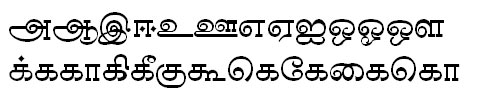
Tamil to English Dictionary: occurred

This is the world's leading online source for english definitions/meanings, we have been helping millions of people improve their use of the tamil language with its free online services.


Write your word as a english and click to search button for the meaning of english language. It's a very simple & easy. use & enjoy....

அதிகம்
atikam (p. 10) s. Much, மிகுதி. 2. Abundance, plenty, பொலிவு. Wils. p. 22. AD'HIKA. 3. Pre-eminence, மேன்மை. 4. (p.) Gain, profit, இலாபம். 5. Name of a tree, குருக்கத்தி. 6. Army, படை. அதிகப்பட, inf. To exceed, surpass, excel, be above mediocrity, predominate, increase, மிஞ்ச. See படு. அதிகப்படுத்த, inf. To promote, enhance, aggravate, further, facilitate, மிகச்செய்ய. அதிகப்பற்று, s. What is taken in excess. அதிகப்பிரசங்கம், s. Talking proudly, extravagantly or too much. 2. Sauciness, sulkiness. 3. Insubordinate talk. அதிகப்பிரசங்கி, s. A mischievous person. அதிகமாதம், s. An intercalated month, occurring once in six years. அதிகன், s. A chief personage. 2. God the Supreme Being. 48) *
அதிசயம்
aticayam (p. 11) s. Astonishment, surprise, wonder, admiration, delight, captivation, ஆச்சரியம். 2. An extraordinary occurrence, any thing wonderful, strange, miraculous, அற்புதம். 3. News, information, புதுமை. 4. One of the eighteen defects of the body, பதினெண்குற்றத்தொன்று. 5. [in rhetoric.] Hyperbole or exaggerated description, ஓரலங்காரம். அதிசயச்சொல், s. A word indicating wonder, surprise, an exclamation. அதிசயவிரக்கச்சொல், s. A word expressing wonder and pity. அதிசயன், s. God of the Jainas, அருகன். (p.) அதிசயிக்க, inf. To wonder, be surprised, delight in, or be enraptured with. அதிசயோத்தி, s. Hyperbole, மிகக் கூறுமோரலங்காரம். Wils. p. 18. ATISHAYOKTI. 2)
அதிதி
atiti (p. 11) s. The daughter of Daksha, mother of the goods, or devas, one of the thirteen wives of Kasyapa, காசி பப்பிரமாவின்மனைவிகளிலொருத்தி. Wils. p. 2. ADITI. 2. A guest, விருந்தன். (p.) 3. A stranger applying for hospitality, or received as a guest; an unknown, religious mendicant, பரதேசி. Wils. p. 16. ATITHI. (காசிகா.) 4. The anniversary of one's death occurring inauspiciously on a part of two tithis, so that the ceremonies cannot be performed, சிராத்தத்திற்கொவ்வாததிதி. 5. one of the seven பிதிர், whose manes are propitiated in funeral ceremonies, சத்தப்பிதிர்களி லொருவர். அதிதிநாள், s. The seventh lunar constellation, புநர்பூசநாள். அதிதிபூசை, s. Hospitality. 16)
அமை
amai (p. 20) கிறேன், ந்தேன், வேன், ய, v. n. To yield, come to a right state, submit, comply, obey, acquiesce, சம்மதிக்க. 2. To become settled, peaceable, quiet; to subside, படிய. 3. To be at one's disposal, as a thing that may be effected, acquired, brought to good order, &c., வசமாக. 4. To fit, suit, join nicely, be adapted to, இசைய. 5. To be destined, be subject to a divine appointment or destiny, good or bad, விதிக்குட்பட. 6. To be made, formed, adjusted, திருந்த. 7. To be satisfied, contented, composed, comfortable, resigned, திருத்தியாக. 8. (in the third person only) To be enough, sufficient, போ துமாக. 9. To happen, occur, come to pass, சம்பவிக்க. 1. To belong to, be connected or combined with, be appropriate to, பொ ருந்த. 11. To be obtained, அமர. (p.)--Note. Most of the meanings of this word have reference to the mind. சாஸ்திரத்திற்கமைந்துநடக்கிறவன், He is one who obeyed the shasters. ஐம்புலனமைந்தவன், s. One who has suppressed the five senses, or to whom the senses are subject. இது என்விசாரணைக்கமைந்த காரியம். It is a matter at my disposal. என்விருப்பத்திற்கமைந்தபடிநடந்தது. It has occurred to my satisfaction. சுகதுக்கம் ஊழின்படி அமையும். Good and evil are appointed according to former character. செயுநீர்மைசெய்யாதமைகலாவாறு. Owing to dissatisfaction at inability to do charity. (குறள். 22. அதி.) அமையவுண்மின். Eat enough. இரட்சிப்பு இறைவனுக்கமைந்தது. Salvation is of God. அமையாமை, neg. v. noun. Unsubmission, insubordination, disquietness, unfitness, கீழ்ப்படியாமை. அமைவு, v. noun. Subjection, subordination, acquiescence, பொருந்துகை. 2. Composure of mind, tranquillity, contentment, மனவமைதி. 3. Repression of the senses, subjection of the mental powers, அடக்கம். அமைவடக்கம், s. Concealment, security, silence. அமைவன், s. The god of the Jainas, அருகன். 2. An ascetic, துறந்தோன். 3. A ஞானி. 4. (in general.) One who controls the passions, அடக்கமுடையோன். 5. A learned man, அறிவுடையோன். (p.) 35)
அருகு
aruku (p. 24) கிறேன், அருகினேன், வேன், அருக, v. n. [prin. 3d person neuter.] To become scarce, be reduced, diminish, கு றைய. 2. To happen rarely, be of uncommon occurrence, அருகிவர. 3. To die, சாக. 4. [improp. அருவு.] To drip, dribble, drop, ஒழுக. 5. To approad embrace, அணைய. 6. To smart, prick, &c. as the eye from dust, கண்ணருக. அருகவெட்டல், v. noun. Cutting closely. நீரருகிப்பாய்தல். The water dripping, little by little. அருகல், v. noun. An embrace, அணை கை. 2. Approaching, கிட்டுகை. 3. Diminution, குறைகை. 4. Dying, சாதல். (p.) 51) *
அளவை
aḷvai (p. 33) s. Measure, a definite quantity, அளவு. 2. Bound, limit, எல்லை. 3. A measure, or thing to measure with, அளவுக்கருவி. 4. A medium of knowledge, காட்சிமுதலியபிரமாணங்கள். 5. The name of a logical work, அளவைநூல். 6. Day, நாள். There are eight ways of obtaining the true knowledge of a thing or occurrence; viz.: 1. காட்சி, by the senses, especially the sight--by experiments, பிரத்தியட்சப்பிர மாணம். 2. அனுமானம், by inference, by drawing conclusions from what has been admitted or is supposed true--as நெருப்பிற்கு வியாப்பியம் புகையென்றறிதல், where smoke is, there is fire. 3. ஆகமம், by the testimony or assertions of great men, either orally or in writing, பெரியோர்வாய்ச்சொல். 4. அரு த்தாபத்தி, by deduction established from premises, அந்நியதாவநுபபத்தி--as இரவிலுணவி ல்லாமற் பகலுண்ணாதவனுக்குப் பருத்தல்கூடாதென் னுமுணர்ச்சி. 5. உவமானம், by similarity or likeness, comparison, மரை பசுப்போலென்னுமு ணர்ச்சி. 6. அபாவம், proof of non-existence-as முன்னில்லை, பின்னில்லை, முழுதுமில்லை, ஒன்றி ன்மற்றொன்றில்லை. 7. ஐதீகம், by traditional testimony--as இம்மாத்திற்பேயுளதென்பது, this tree is haunted by the devil. 8. சம்பவம், proof of co-existence--as ஆயிரத்தினூறுண்டெ னல், where a thousand is, there is a hundred. (p.) அளவையாகுபெயர், s. A metonymy in reference to measure, weight, number, &c. In Nannool, four kinds are given, எண்ணலளவையாகுபெயர், எடுத்தல ளவையாகுபெயர், முகத்தலளவையாகுபெயர், and நீட்டலளவையாகுபெயர். 15) *
ஆள்
āḷ (p. 43) --ஆளு, கிறேன், ஆண்டேன், வேன், ஆள, v. a. To rule, reign, exercise royal power, whether supreme or delegated, அரசுசெய்ய. 2. To possess and employ slaves, அடிமையாள. 3. To possess and enjoy the produce of land, the use of a house, &c., ஆட்சிசெய்ய. 4. To govern a wife, household, &c., குடும்பத்தையாள. 5. To accept, adopt--as a servant, slave, &c., receive into protection, ஆட்கொள்ள. 6. To use, establish usage--as in language, மொ ழியாட்சிசெய்ய. 7. To cherish, maintain, cultivate, exercise, ஓம்ப. 8. To manage, direct, கையாள. (c.)--Note. An appellative affix is formed from ஆள் by adding அன், for the singular, and அர் for the plural-as பகையாளன், a foe; பகையாளர், foes. ஆளமாட்டாதவனுக்குப்பெண்டேன்? What does he want with a wife, who cannot govern her? எடுத்தாளாதபொருளுதவாது. A thing not used becomes useless. என்னைமகிழ்வாலிசைந்தாளில். If thou receivest me with cheerfulness into thy protection. நட்பாள்பவர். Those sincerely united in friendship. யாமத்துமாளுந்தொழில். Employed even by night. (குறள்.) சான்றோராலாளப்பட்டசொல். A word used by the learned ancients. மன்னுயிரோம்பியருளாள்வார். They who cherish and exercise charity toward all living. அல்லலருளாள்வார்க்கில்லை. Evil cannot assail the charitable. ஆண்டவன்--ஆண்டான், appel. noun. A ruler, governor, lord, master, ஆள்வோன். ஆண்டி, s. [fem. ஆண்டிச்சி.] A religious mendicant of the Siva sect, a devotee, சிவனடியான். 2. A ruler, an appellative of the deity, transferred to the devotee. ஆண்டை, s. [fem. ஆண்டைச்சி.] A master, lord, landlord--as spoken by low castes, in reference to their feudal chief of superior caste, எசமானன். சத்தியமாய்்ச்சொல்லுகிறேனாண்டைகேளீர். My lord, listen to me; I will confess the truth. (ஞானவெட்.) ஆட்சி, v. noun. Possession, heritage, inheritance, title, உரிமை. 2. Government, domination, rule, reign, ஆளு கை. 3. Use, practice, occupancy, usage-especially in language by classical writers, வழக்கம். ஆட்சித்தானம்--ஆட்சிராசி, s. [in astrology.] One of the five situations in which a planet has government--that of its being in a sign deemed its own, during which it exerts special benignity --an occurrence favorable to the birth of a child, &c. ஆட்சிப்பட, inf. To become one's right by long possession, தற்கிழமை யாக. நெடுநாளாயவனுக்காட்சிப்பட்ட தெய்வம். A spirit or demon that has long been subject to him, or with which he has long been familiar. ஆட்சிப்படுத்த, inf. To secure a title by long possession, தற்கிழமையாக்க. ஆளுகை, v. noun. Rule, government, domination, authority. ஆளுகைசெய்ய, inf. To exercise government. ஆள்வாரில்லாமாடு, s. A cow or bull appropriated to a temple, which is left to stray as it likes; such are well received and fed. 59)
இரா
irā (p. 49) s. Night. See இரவு. இராக்கண்பகற்கண்விழிததுத்தேட. To get a living, property, &c., by working day and night. இராப்பகலாப்பிரயாசப்பட்டும் பிரயோசனமொன்று மில்லை. I labored day and night but gained nothing. இராவில்நடந்துவிட்டான். He slipt away taking advantage of the night. 2. He travelled by night. இராக்கதிர், s. The moon, சந்திரன். இராக்காய்ச்சல், s. Fever occurring only by night. இராக்காலம், s. Night-time. இராத்தங்க, inf. To pass the night, tarry or lodge a night. See தங்கு. இராப்பகல், s. Night and day. இராப்பாடு--இராமாறு, s. Nighttime. 2. adv. Nightly, by night. இராப்பிச்சை, s. Begging by night--considered despicable. இராப்போசனம், s. The Lord's supper. (Christian usage.) இராமானம், s. The length of the night in different months--used in astronomy, இராநாழிகை. இராமுகுர்த்தம், s. An auspicious hour occurring in the night. இராவழி, s. Travelling by night. இராவிடிய, inf. [used adverbially.] At day-break.
இராகு
irāku (p. 50) s. The ascending node regarded as one of the nine planets in the form of a monstrous serpent or dragon, which, with கேது the descending node, is feigned to grasp the sun and moon and thus to cause eclipses, கரும்பாம்பு. Wils. p. 75. RAHU. இராகுகாலம், s. An inauspicious portion of time containing an hour and a half, occurring daily, being that part which is under the influence of இராகு. 7)
இழ
iẕ (p. 55) க்கிறேன், ந்தேன், ப்பேன், க்க, v. a. To lose, forfeit, to be bereaved of, to suffer loss, இழந்துபோக. இழப்பு, v. noun. Loss, privation, forfeiture, இழந்துவிடுகை. இழப்புணி, s. One who has lost a child, a husband, property, &c. இழவு, v. noun. Loss, deprivation, forfeiture, bereavement, நஷ்டம். 2. Death, மரணம். அந்தவீட்டிலேயிழவுபட்டபாடாயிருக்கிறது...... There is affliction in that house, as if a death had occurred there. இழவுகாத்தல், v. noun. [vul.] Keeping close to the house--as mourners till after the eighth day of the funeral ceremony. இழவுகாரன்--இழவுக்குரியவன், s. The chief mourner at the funeral. இழவுகொடுக்க--இழவுக்கடிக்க, inf. To mourn at a funeral, to condole with, to bewail the dead--as women do, beating their breasts, &c. அப்படிச்செய்துபோட்டு அவனோடே இழவு கொடுக்கிறதார்? Who will expose himself to be troubled by him, for doing so? இழவுகொண்டாடுதல், v. noun. Mourning for the dead, accompained by external gestures, lamentations, beating the breast, &c., either at the funeral, or at stated periods afterwards. இழவுக்குப்போக, inf. To go to condole with. இழவுசொல்ல, inf. To invite to, or notify concerning a funeral. இழவுவிழுதல், v. noun. Dying-a word used in imprecations, &c. அவனுக்கிழவுவிழ. May death fall upon him. இழவுவினவ, inf. To condole with mourners, inquiring after the dead, embracing, &c. இழவுவீடு, s. A house where a death has taken place. இழவோலை, s. A funeral notice or invitation, a funeral letter or ola, சாவோலை. 33)
உம்
um (p. 63) . A connective particle variously used, ஓரிடைச்சொல். 1. எதிர்மறையும்மை, the use of உம் with an affirmative, or negative expressing probability, possibility, &c., and implying the possibility, &c., of the contrary--as, சாத்தன்வருதற்குமுரியன், Sattan may perhaps come; அவன்வரவுங்கூடும், It is possible that he may come. 2. சிறப்பும்மை, the உம் of speciality, including உயர்வுசிறப் பும்மை, or superiority and இழிவுசிறப்பும்மை, or inferiority--as, ஞானிகளுமறியார்கள்சித்திரநதிமூல ம், Even the sages are unacquainted with the source of the சித்திரம் river; இவ்வூர்ப்பூனை யும்புலாறின்னாது, Even the cats of this place will not eat flesh (so sacred is it, so vile is the practice); பார்ப்பானுங்கள்ளுண்டான், Even a Brahman has been drinking toddy; இவனைநாயுந்தேடாது, Even a dog will not regard him. 3. ஐயவும்மை, the உம் in doubt, uncertainty, indecision, equivocal forms, probability, possibility--as, அவர்பத்தாயினுந் தருவார்பதினைந்தாயினுந்தருவார், Perhaps he may give ten or he may give fifteen; மழை பெய்தாலும்பெய்யும், It may perhaps rain; பத் தானுமெட்டானுங்கொடு, Give ten, or eight, ten would be preferred, but eight may do; வரினும்வருவான், It is probable that he may come. The உம் is often suppressed. 4. எச்சவும்மை, இறந்ததுதழீஇயவெச்சவும்மை, எதிரதுதழீ இயவெச்சவும்மை, the use of உம் implying another person, thing, or event, understood, and meaning likewise, too, even--as, அவனும் வந்தான், He also is come (implying that another is come or expected); நாம்பாடவும் வேண்டும், We must sing also (as well as dance, &c.); கேட்டும்படிக்கவேண்டும், By inquiry also we must learn (as well as by other means). 5. முற்றும்பை, indicating the whole of a number or series, universality, totality--as, ஒருவருக்குமையமில்லை, None can doubt; எங்குமில்லை, no where; இருகண்ணுஞ் சிவந்தன, both eyes reddened; எவ்விடமும், every where; இரண்டையுங்கொண்டுவா, Bring them both; எல்லாரும், எவரும், ஆரும்வந்தார், all, whoever, &c. came; மிகுந்தநாலுபணத்தை யுந்தா, Give me the remaining four fanams; மூவரும், all the three persons. 6. எண்ணும் மை, a numeral connective, corresponding with, and commonly repeated with each word of the series; நீயுமவனும்வந்தீர்கள், You and he came. The particle is sometimes joined to the last only--as, சாத்தன், கொற்றன், பூதனும் வந்தார்கள், Sattan, Kottan and Poodan came. Sometimes it is wholly omitted, and a pronoun including the series used instead--as, சாத்தன்கொற்றன்இவர்கள்வந்தார்கள். Sometimes the last noun in the series is used in the plural--as, சாத்தகோற்றவர்வந்தார்கள். 7. தெரிநிலையும்மை, the உம் of ascertainment, clear perception, or decision, used of three or more things concerning which doubt has been entertained, but which is now cleared up--as, ஆணுமன்றுபெண்ணுமன்று, It is neither male nor female (but in hermaphrodite); அவருண்பதுசோறுமல்ல, பணிகாரமுமல் ல, சாகமூலபலாதிகள், His food is neither rice nor cakes, but leaves, roots and fruits, &c. 8. ஆக்கவும்மை, உம் expressive of a change of state--as, பாலுமாயிற்று, This milk became medicine also; வலியனுமாயினான், He has become even a strong man. The above eight are given in நன்னூல். 9. உம் joined to an infinitive implies விரைவு, the immediate occurrence of the event--as, துரைகட்டளையிடவுங்காரியஞ்செய்துமுடிந்தது, As soon as the magistrate gave the order, the thing was done; அவர்சொல்லவுமுலகங்களுண் டாம், As soon as he speaks worlds appear. The உம் is often omitted, but then it is less expressive--as, நானிதைச்செய்யெனச்செய்கிறான், I say this and he does it. 1. உம் added to a verbal noun in poetry, sometimes gives it a gerund-like succession of the event--as, காண்டலுமிதுவேசொல்வான், Seeing him he spoke thus; வருதலுந்தழுவிக் கொண்டான், As soon as he came he embraced. 11. உம் is associated to the social ablative with the same meaning--as, கடுங்கணைதொடுத்தலோடும், As soon as the swift arrows were shot. 12. உம் added to the infinitive serves for optative, especially in epistolary usage but not in good style--as, தாங்கள்மறுமொழியனுப்பவும், May you please to send an answer; இப்படிச்செய்யவும், May you do so, I wish you to do so. 13. உம் added to the following forms of a verb, செய்து, செய்யின், செய்தால், has the force of though, although--as, அவனறிந்தும்வரவில்லை. Though he knew, he did not come; சொல்லி னும் or சொன்னாலும்அவன்கேளான், Though you may tell him he will not listen. 14. உம் added to இல் or இன் forms of the fifth case gives the force of the comparative degree --as, கந்தனினும்வலியனே, He is even stronger than Skanda. 15. A token of reproof, menace, anger, &c., also of attention, assent, doubt, non-compliance, &c., (see ஊம்)--as, உம்மெனத்தெழித்துரப்ப, He reproved his rashness by uttering the menacing sound உம் (ஸ்காந்தம்); கதைசொல்லுகி றேன்உம்கொட்டிக்கேள், I am going to tell you a story, show that you listen by saying உம்; உம்மெனுமார்பைத்தட்டும், The guilt of Brahmanicide manifested in a phantom threatened by saying உம் and striking on its breast (திருவிளையாடல்). 16. A termination of the imperative plural, முன்னிலைப்பன்மைவி குதி-- as, நீவிர்சொல்லும், say ye. It is often used honorifically in imperative singular --as, கடவுளேநீரிரங்கும், God be merciful. 17. A termination of verbs third pers. pres. or fut. tense sing. number, also of neut. plurals--as அவன்செய்யும், He does or will do it; சிங்கங்கள்முழங்கும், The lions roar, or will roar, செய்யுமென்முற்றுவிகுதி. 18. A modification of the pronoun நீர் when it is declined in the different cases--as, உம்மை, உம் மால், &c. 19. The termination of the future relative participle, எதிர்காலப்பெயரெச்ச விகுதி--as, உலகாளும்அரசர், Kings who govern the world. 2)
உருட்டு
uruṭṭu (p. 65) கிறேன், உருட்டினேன், வேன், உருட்ட, v. a. To roll a ball, or wheel, trundle a hoop, &c., to wheel a barrow, to bowl, turn about, revolve a thing on a plane, to whirl, (a discus, &c.), passing through the air at right angles with the horizon, உருளச்செய்ய. 2. [prov.] To defeat a rival by arguments, sophistry, &c., to overcome in athletic exercises, games, to overmatch, வெல்ல. 3. To beat a drum rapidly, to beat a ruffle, மத்தளம்விரை வாயடிக்க. 4. [in architecture.] To form a moulding, திரட்ட. 5. To form clay or other substances into balls or globules by rolling, working in the hand, &c; குண் டுருட்ட; [ex உருள், v.] உலகுக்குநாயகனாயோராழிதனியுருட்டி. Guiding the wheel of power as the sovereign of the universe. அவனைப்புடையனுருட்டும். The beaver snake will bite, will tumble him over (and bite him). (A curse.) உருட்டித்தைக்க, inf. To roll and sew a border--a kind of hemming. உருட்டிப்பார்க்க--உருட்டிவிழிக் க, inf. To roll the eyes and look intently with signs of anger or intimidation. உருட்டிப்போட, inf. To roll a ball, &c. 2. To defeat by arguments, by a display of skill, or by sophistry, to overcome in games, &c., புரட்டிவிட, 3. To be the cause of ruin to a family, &c., அழித்துப்போட. அசத்தியமந்தக்குடியையுருட்டிபோட்டது. Perjury has ruined the family. ஆனையவனையுருட்டிப்போட்டது. The elephant rolled him over and over. உருட்டுதிரைக்கடல், s. The sea with rolling billows. குளிகையுருட்ட--மாத்திரையுருட் ட, inf. To form or make pills. (Med.) நாயுருட்ட, inf. To tumble down and bite--said of a dog. வாயாலுருட்ட, inf. To use sophistry, to dispute clamorously. கவறுருட்ட, inf. To throw dice'. உருட்டு, v. noun. Rolling, revolving on a plane, the revolution or turning of a wheel, whirling, உருட்டுகை. 2. Fraud, artifice, trick, sophistry in overcoming an antagonist, புரட்டு. 3. [in architecture.] Roundness, globosity, moulding, திரட்சி. 4. Terrifying, frightening, driving away, வெருட்டு. உருட்டும்புரட்டுஞ்சிரட்டையுங்கையும். Prevarication and lying lead to begging. [prov.] உன்னுடையவுருட்டுக்குப்பயப்படேன். I fear not your sophistry. உருட்டுப்புரட்டுள்ளவன், s. A man of tricks and frauds. உருட்டுவண்ணம், s. A poem, or song composed of syllables occurring in rapid succession. குண்டுருட்டு, s. The roundness of a bullet or ball. குண்டுருட்டாய்க்கட்ட, inf. To tie up a person head to heels. பொன்னுருட்டு, s. A gold ring without seal or stone. 17)
உள்
uḷ (p. 67) s. The inside, the interior, that which is intrinsic, private, secret, esoteric, உள்ளிடம், 2. Mind, heart, soul, breast, உள்ளம். 3. Place, இடம். 4. As a nominal affix or postposition, it governs the dative and expresses in, within, among, of, out of, inner, interior, intrinsic, esoteric, ஏழ னுருபு. உள்ளிருந்தார்க்குத்தெரியுமுள்வருத்தம். Those of the household only are acquainted with its secret sorrows. உட்கரணம், s. The intellectual faculties. See இந்திரியம் and கரணம். உட்கருத்து, s. The inmost thought, the real purpose or motive, அகக்கருத்து. 2. Cordial affection, உட்பட்சம். 3. The intrinsic meaning of a passage, &c., கருத்துரை. உட்கருத்தாகப்பேச, inf. To speak with reservation. உட்களவு, s. Guile, deceit, treacherousness, insidiousness, உள்வஞ்சகம். உட்கள்ளம், s. Deep-seated viciousness, dissimulation, உள்வஞ்சகம். 2. Internal, or unsubdued disease, hidden humor or matter--as in a boil, கட்டியினுள் விஷம். உட்காங்கை, s. Caloric, latent heat, உட்சூடு. உட்காந்த, inf. To have internal heat causing emaciation; [ex காந்து.] உட்காய்ச்சல், s. Internal fever, அகச்சுரம். 2. Inward anger, rancor, malice, &c., உள்ளெரிப்பு. உட்கிராந்த, inf. To become emaciated by disease or otherwise. 2. To be firmly rooted--as disease. உட்குத்துப்புறவீச்சு, s. A species of hepatic complaint attended with convulsions, ஓர்நோய். உட்குயிர், s. The Deity regarded as the life, or identified with the life or soul of each individual, உள்ளுயிர். உட்குறிப்பு, s. Aim, object, intention, உள்ளக்குறிப்பு. உட்குற்றம், s. Innate depravity. See உட்பகை. உட்கூதல், s. Internal cold, chill, slight fever. உட்கை, s. Palm of the hand, உள்ளங்கை. 2. A person who is privy to, a secret hand--as in உள்ளுளவு. 3. Turning to the left in dancing or other movements, இடக்கைச்சுற்று. உட்கைச்சுற்று, s. Turning to the left, winding or turning back wards, or contrary to the sun. உட்கொள்ள, inf. To eat as a god, or great personage, உண்ண. 2. To take food that has been consecrated to a deity, தேவப்பிரசாதமுட்கொள்ள. 3. To take food, medicine, to swallow, take in, imbibeas the earth does the rain, &c., விழுங்க. 4. To receive into the mind, meditate, or reflect upon, மனதிற்கொள்ள. 5. To wish for an occurrence, or to express desires mentally--as a deity or holy sage (the thing desired instantly talking place), திருவுளங்கொள்ள. 6. To have a secret object in view, to have in view, உட்கருத. உட்கோபம், s. Interior anger, malice. உட்கோள், s. The will, determination, internal, or inmost thought, உட்கருத்து. 2. Wish of the heart. 3. Opinion, belief, tenet, கோட்பாடு. உட்சங்கம், s. A select society, a committee, அகச்சங்கம். உட்சட்டை, s. An inner vest or tunic. உட்சமயம், s. The six religious systems of the followers of Siva, அகச் சமயம். உட்சாடை, s. The real object of an affair, the real feeling of the heart, உட்கருத்து. 2. Exposure of secrets by one of a party by signs, இரகசியங்களைச்ச மிக்கையாலறிவிக்கை. 3. The meaning, thing, &c., told or known to one's own party and differing from that which is made known to others, குழூஉக்குறி. உட்சீலை, s. An under or inner cloth. 2. The lining of a garment. உட்சவர், s. An inner wall, அகச் சுவர். 2. The interior of a wall, சுவரி னிடை. உட்சுவரிருக்கப்புறச்சுவர்தீற்றுகிறது. To whitewash the outside wall while neglecting the inside; i. e. to be scrupulously exact in external conduct, while the heart is full of wickedness; to attend to things remote while those at hand are neglected. உட்சூத்திரம், s. The main spring in a machine, any internal power or operation concealed from view, மூலசூத் திரம். 2. A clue, or key to an affair, உள்ளுபாயம். 3. The main spring in a business, மூலகாரணம். 4. A skilfully contrived rule in numbers, &c., நுட்பமான வகை. 5. A short, compendious and subtle method of ascertaining, or effecting a thing, இலேசானவகை. 6. (fig.) Internal meaning of a passage, real object in view, உட்குறிப்பு. உட்செல்ல, inf. To enter, insinuate one's self, உள்ளேபோக. உட்டுளை, s. Hollowness--as of a pipe or tube. உட்டுளைப்பொருள், s. Any thing tubular. உட்டெளிவு, s. Cleverness of mind, freedom from doubt, profound knowledge, அகத்தெளிவு. 2. The clear part of the liquid--as poured off from the sediment, வடித்தசாறு. 3. Soundness--as in timber, &c., உள்வைரம். 4. Inner measurment. உட்டேட்டம், s. The secret object or pursuit, as differing from profession, or appearances, மனநாட்டம். 2. Property acquired and kept secretly, உட்சம்பத்து. உட்பகை, s. Internal enmity, hatred or grudge, rancor at heart with professions of friendship. 2. Internal, innate, or secret foes attached to the soul, causing actions, &c., காமாதிக்குற்றங் கள். (For the six உட்பகை, see பகை.) 3. Hatred of a king by his professed friends, civil conspiracy, அரசருட்பகை. எட்பகவன்சிறுமைத்தேயாயினுமுட்பகையுள்ள தாங்கேடு. Though the internal hatred be as the fragment of a grain of rape seed, the consequent evil may be very great. உட்பக்கம், s. Subject of investigation or deduction in things of a mental, mystic, or spiritual character. See பக்கம். உட்பட, inf. To enter, be within, or under--as in age, உள்ளாக. 2. To engage in, be concerned in, to be, or become one of a party, or community; to be involved in, to be subject to, to yield to, to be obedient to, உடன்பட. 3. adv. Together with, inclusive. மூன்றுவயதுக்குட்பட்டபிள்ளை. A child under three years of age. அதுட்பட. That inclusive. மோசத்துக்குட்பட, inf. To fall into danger. உட்படி, s. A make-weight, உட்ப டிக்கல். உட்படுத்த, inf. To cause to enter, to introduce, அகப்படுத்த. 2. To persuade, proselyte, bring one into, or over to one's party, மதத்துக்குள்ளாக்க. 3. To include, involve, entrap, ensnare, சிக்கப்பண்ண. உட்பத்தியம், s. Abstinence from venery as a regimen while taking medicine, &c.; sometimes அகப்பத்தியம். உட்பந்தி, s. The chief row or table of guests, அகப்பந்தி. உட்பலம், s. Property at command, திரவியபலம். 2. Friends, assistants, attendants, &c., துணைவர்பலம். 3. Forces, army, army in reserve, சேனாபலம். 4. Strength, firmness of body, hardness, strength from food, தேகபலம். உட்பற்று, s. Internal attachment, affections of the heart, &c. See அகப்பற்று. உட்பிரவேசம், s. Entrance. உட்பிரவேசிக்க, inf. To enter, உள்ளேபோக, உட்புக.--Note. This and the preceding word are in use, but not, it is thought, on good authority. உட்புக, inf. To enter, engage in. உட்புகுந்துபேச, inf. To make professions of friendship, kindness, concern, &c. உட்புரை, s. The hollow of a tube or pipe, உட்டுளை. 2. The small folds of a garment, உள்மடிப்பு. 3. (fig.) The secret of the matter, internal affair, அந்தரங்கம். உட்புறம், s. The inside, உட்பக்கம். உட்பொருள்--உள்ளர்த்தம், s. The real meaning, தாற்பரியம். 2. The hidden, or secret meaning, உட்கருத்து. சாஸ்திரத்தினுட்பொருள், s. The occult sense of a doctrine. உட்போட, inf. To coax, to wheedle, வசமாக்க. உண்ணா--உண்ணாக்கு, s. The uvula, அண்ணம்; [ex நா, tongue.] உண்ணாட்டம், s. The real or secret object of pursuit, உண்ணோக்கம். உண்ணீரம், s. The moisture within a body or thing; [ex உள், et நீரம்.] உண்ணோக்கல், v. noun. Contemplation. உண்மடை, s. The lower opening of a water-course. 2. Oblations, or offerings of fruits, betel, rice, pastries presented to ferocious deities, inside the temple, அகமடை. See மடை. உண்மட்டைநார், s. [prov.] The bark of the inner side of the palmyra stem, being the best for use. உண்மாசு, s. Corruption of mind-as உபமலம். உண்முடிச்சு, s. Treachery by which one inveigles another, (lit.) an inner knot, உட்கள்ளம். உள்யோசனை, s. Secret object, project, intention, &c., உள்ளாலோசனை. உள்வட்டம், s. Agio, premium in exchange of coins or other money for difference in value. (opp. to வட்டம்.) உள்வணக்கம், s. Mental worship, அகவணக்கம். உள்வயிரம், s. Interior firmness. 2. Malice, internal hatred. See வயிரம். உள்வயிரிப்பு, s. Internal hardness of a boil, &c., உள்வயிரம். 2. (fig.) [prov.] Property possessed, money in hand, கையிருப்பு. உள்வலிப்பு, v. noun. Inward pain or convulsion. உள்வழிகடந்தோன், s. God who is transcendent in knowledge and wisdom. (சது.) உள்வளைய, inf. To bend inwards, உட்கோண. உள்வளைந்தவன், s. A stooping person. உள்வளையல், v. noun. Bending forward, stooping as a person, உள்வளை ந்திருக்கை. உள்வளைவு, s. Inward curvature, concavity, உட்கவிவு. உள்வாரம், s. Secret partiality, leaning, inclination, உள்ளன்பு. 2. The share in the produce of a field which comes to the owner. உள்விழ, inf. To fall in, or with, join a party, &c., உள்ளாக. 2. To assume the appearance of friendship for a sinister object; to pretend kindness, காரியார்த்த மாய்ச்சிநேகிக்க. உள்விழுத்த, inf. v. a. To join a person on professions of friendship in order to deceive and entrap him, &c. உள்வினை, s. Malice, evil in the heart kept secret, long indulged, &c., உட்பகை. 2. Inherited fate, ஊழ்வினை. உள்வீச்சுச்சன்னி, s. See சன்னி. உள்வெக்கை, s. Internal heat of the system, உள்வெப்பு. உள்வெட்டு, s. The marks on a testing piece of gold, for trying the fineness of other pieces, from eight degrees and upwards, உரையாணியினுள் வெட்டு. 2. The higher kinds of gold, உயர்ந்தமாற்று. 3. Inner boards or planks exclusive of the slabs, அகவெட்டு. உள்வெண்டையம், s. A tinkling ring of brass, put as an ornament on the feet of horses mounted by kings and great men-comp. தண்டை, which is the name of another ornament made of silver and commonly placed upon the former. 2. A pad placed between a load and the back of an ox. உள்ளங்கம், s. Symmetry of mind, the internal property or quality. See அகத்துறுப்பு. உள்ளங்கால், s. The sole of the foot. உள்ளங்கை, s. The palm of the hand. உள்ளடங்கிப்போக, inf. To be shut, shut in, to be swallowed up. உள்ளடக்க, inf. To enclose, shut in, shut up in a place. 2. To conceal, to keep secret. உள்ளடக்கம், v. noun. Reservedness, reserve in intercourse. உள்ளடி, s. The sole of the foot, உள்ளங்கால். 2. [vul.] That which is secret, இரகசியம். 3. [prov.] Nearness, vicinity, neighborhood, சமீபம். 4. (fig.) One's own relations, one's own circle, நெருங்கியசுற்றம். உள்ளடியிலே--உள்ளடிக்குள், adv. At home, within doors, near home-spoken in cases of theft, mischief, &c. உள்ளறை, s. An inner room, closet, cabinet, உள்வீடு. 2. A division in a drawer, box, &c.; a separate cell, பெட்டி யினுள்ளறை. உள்ளன்--உள்ளான், s. One of the party or family, a domestic, உள்ளிருக்குமாள். 2. A near acquaintance. 3. The head or middle one of the oxen which thresh the corn. உள்ளனுங்கள்ளனுமாயிருக்கிறான். He is an enemy in the camp. 2. He is an inmate and yet a rogue. உள்ளாக, inf. To enter in, உட்புக. 2. To become subject to, கீழ்ப்பட. 3. To join a party, engage in, சேர. 4. To be involved, to become privy to an affair, உடன்பட. அவனுக்குள்ளானேன். I am on his side, I have taken his part. ஆக்கினைக்குள்ளானவன். One who is doomed to punishment. துரோகத்திற்குள்ளாகாதே. Be not a partaker in treacherous deeds. உள்ளாக்க, inf. To get a person into one's party, or to interest him in one's concerns, வசப்படுத்த. உள்ளாட, inf. To have intercourse with an enemy in order to effect an object, உள்ளேபயில. உள்ளாடுசத்துரு, s. An enemy in the camp, a snake in the grass, a treacherous companion, உட்பகைஞன். உள்ளாந்தரங்கம், s. Internal secrets, private matters. உள்ளாயிருக்க, inf. To be engaged or concerned in an affair, to be one of a party, உடன்பாடாயிருக்க. உள்ளாராய்வு, s. Deep research, thought, insight, a disposition to investigate profoundly, உள்ளாராய்ச்சி. உள்ளாள், s. One who belongs to a particular party, or family--a domestic. உள்ளிட, inf. To include, comprise, உள்ளடக்க. தொல்காப்பியரையுள்ளிட்டபன்னிருவர். The twelve including Tolkappiar. உள்ளிடை, s. Private affairs, intellectual concernments, உட்காரியம். உள்ளிடைபார்க்கவந்துநிற்கிறான். He has come to pry into our secrets, and to ascertain our private affairs. உள்ளிடையானவன், s. One of our compact, party, &c. உள்ளிட்டார், s. Brothers and sisters of an elder brother in a joint contract, inheritance, &c., தாயத்தார். சாத்தனையுமவனுள்ளிட்டாரையுஞ்சேர்ந்தகாணி... Land acquired in the name of Sattan and his brothers and sisters. உள்ளிந்திரியம், s. The intellectual powers. See இந்திரியம். உள்ளிருப்பு, s. Hoarded treasure chiefly in money, வைத்திருக்குமாஸ்தி. உள்ளின்மாசு, s. Corruption of the mind. See உபமலம். உள்ளீடு, s. What is within, உள்ளாயிருக்கிறது. 2. A bond, உள்ளுடன்படிக்கை; [ex இடு.] உள்ளீட்டுக்காரியம், s. A secret thing. உள்ளுக்குக்கொடுக்க, inf. To administer medicine which is to be taken inwardly. உள்ளுக்குச்சாப்பிட, inf. To take internally--as medicine. உள்ளுக்குச்செலுத்த, inf. To administer medicine, poison, &c., by force. 2. To insert, inject, to thrust in. 3. (fig.) To give a bribe secretly. உள்ளுக்குள், adv. Internally. உள்ளுக்குள்ளாயிருந்துமோசம்பண்ணினான். He deceived me under pretence of intimacy. உள்ளுக்குள்ளானகாவல். An inner prison. உள்ளுக்குள்ளேபகையுண்டாகிறது. To arise --as discord, &c. among relatives. 2. To cherish hatred in the heart. உள்ளுடன், s. [prov.] Ingredients inclosed in the interior of a cake, tart, &c., உட்பொதிந்திருப்பது. 2. The matter within, the hidden meaning. உள்ளுடைய, inf. To be heartbroken, to be greatly grieved, to be contrite, மனமுறிய. 2. To decline or fail in energy, ஊக்கமழிய. உள்ளுடைவு, v. noun. Interior, or deep-seated grief, sorrow, contrition, மன ங்கலங்குகை. உள்ளும்புறமும், Internally and externally, அகமும்புறமும். உள்ளும்புறமுஞ்சரியானவன். One whose heart and conduct are alike, a sincere person. உள்ளுயிர், s. Inner life, God. உள்ளுயிர்க்குன்று, s. A snail, நத்தை. உள்ளுறுத்த, inf. To put in, insert, include, instil--as principles, உள்ளிட. உள்ளுறை, s. Secrets of the mind, inward thought, real opinion, உட்கருத்து. 2. Internal, or hidden meaning, மறைபொ ருள். 3. A word or theme given by which to commence a poem, பாடும்படிபுல வர்க்குக்கொடுக்குஞ்சமிசை. உன்னுள்ளுறையேததைச்சொல்லு. Say what you mean. உள்ளுறையுவமம், s. A species of simile brought in by the by, rather indistinctly, and without the usual terms of comparison--opposed to வெளிப்படையு வமம். உள்ளூர், s. The interior of a town, or country, ஊர்நடு. 2. One's own country, town--spoken of when residing in it, one's home, சொந்தவூர். உள்ளூரிலும்பிறவூரிலும். At home and abroad. உள்ளூர்ச்சரக்கு, s. Commodities or productions of one's own country-spoken of while in the country. உள்ளே. In, within, between. அதற்குள்ளே. [vul.] In the mean time. உள்ளேபோட, inf. To get into one's power, get over to one's interests, உள்ளாகவைக்க. உள்ளோசை, s. Internal sounds unheard by others--as beating of the heart, roaring in the ear, or rumbling of the bowels, &c., அகவொலி. 52)

எதுகை
etukai (p. 73) s. Initial rhyme, commonly occurring in the second letter of every line in the stanza. (See தொடை.) 2. [vul.] (fig.) Agreement, union, consonance, similarity, பொருத்தம். (p.) தலையாகெதுகை, s. In rhyme, similarity of the first class in which all the letters except the initial of the first foot in each line through the stanza are the same--as சொற்போர்புரிவர்நான்மறை யாறங்கமுணர்ந்ததொழுகுலத்தோர், விற்போர்புரிவர் நெடியசிலையிராமனனையவிறல்வேந்தர், பொற்போர் புரிவர் பிறர்பொருளுந்தம்போற் பேணிப்புரிவணிகர், நெற்போர்புரிவரந்நகரில்வேளாண்குலத்து நெறியி னரே. இடையாகெதுகை, s. Consonance of a medial kind in which the second letter only ryhmes--as அகரமுதலவெழுத் தெல்லாமாதி, பகவன்முதற்றேயுலகு. கடையாகெதுகை, s. Consonance of an inferior order including every kind except the two given above. ஆசெதுகை, s. An exception to the general rule of எதுகை; i. e. when the second letter of the first line is ய, ர, ல, or ழ, it may be omitted in the following lines when necessary. வழியெதுகை, s. The agreement of the second and third letters in the first, second, and sometimes the third feet in every line through the stanza. நெடிலெதுகை, s. The rhyming of the long consonants in a poem--as ஆவாவென்றேயஞ்சினராழ்ந்தாரொருசாரார், கூகூ வென்றேகூவிளிகொண்டாரொருசாரார், மாமாவென் றேமாய்ந்தனர்நீந்தாரொருசாரார், ஏகீர்நாகீரென்செய் துமென்றாரொருசாரார். இனவெதுகை, s. The rhyming of the same class of consonants in a poem. It consists of three kinds: 1. வல்லின வெதுகை, the consonance which occurs when the second letter of each line of a stanza is any one of the வல்லினம் consonants, உ-ம். தக்கார்தகவிலரென்பதவரவ ரெச்சத்தாற்காணப்படும். 2. மெல்லினவெதுகை, the consonance which occurs when the second letter of each line of a stanza is any one of the மெல்லினம் consonants, உ-ம். அன்பீனுமார்வமுடைமையதுவீனுநண்பென் னுநாடாச்சிறப்பு. 3. இடையினவெதுகை, the consonance which occurs when the second letter of each line of a stanza is any one of the இடையினம் consonants, உ-ம். எல்லா விளக்கும் விளக்கல்ல சான்றோர்க்குப் பொய்யாவிளக்கேவிளக்கு. 51) *
எழுத்து
eẕuttu (p. 75) s. A letter, character, அக்கரம். 2. Writing, painting, delineation, engraving, இலிகிதம். 3. A writing, painting, &c., a written letter, a writ, எழுதப் பட்டது. 4. Letters, science, literature, இ லக்கணம். 5. A bond, a written engagement, &c., உடன்படிக்கைச்சீட்டு. 6. Destiny--as written in the head, இலலாடலிபி. 7. Written accounts, cyphering, entry or record of reckonings, கணக்கெழுத்து. 8. [prov.] Registry, entry, enrolment, அட்டவணை. எழுத்தடைக்க, inf. To enclose letters in magical diagrams, சக்கரத்திலெ ழுத்துவரைய. 2. To invert a stanza in a figure, or diagram--one of the onehundred-and-twenty kinds of மிறைக்கவி, சித்திரக்கவியிலெழுத்தடைக்க. (அலங்காரம்.) எழுத்ததிகாரம், s. [in grammar.] Orthography, எழுத்திலக்கணம். எழுத்தந்தாதி, s. The last letter of one verse occurring in the first of the next, ஓர்வகையந்தாதி. எழுத்தலங்காரம், s. A kind of play on letters, எழுத்தணி. எழுத்தறப்படிக்க, inf. To pronounce with distinctness, read or sing distinctly. எழுத்தாணி, s. A style, a metallic pen, for writing on palm leaves, இலே கினி. எழுத்தாணிப்பூண்டு, s. A plant whose flower shoots up in the form of a style, கூத்தன்குதம்பை, Microrhyncus sarmentosus, L. மடக்கெழுத்தாணி--குண்டெழுத் தாணி--மடிப்பெழுத்தாணி--நெல்லிக்காயெழுத் தாணி--தேரெழுத்தாணி--வாரெழுத்தாணி--குட வெழுத்தாணி, s. Different kinds of iron pens. எழுத்தாளர், s. Men of letters, learned men, அறிஞர். 2. Clerks, writers, எழுது வோர். எழுத்தானந்தம், s. The inauspicious use of a word in a poem subjecting the hero on whom it is written to evils, செய்யுட்குற்றத்தொன்று. எழுத்திலக்கணம், s. [in grammar.] Orthography. See இலக்கணம். எழுத்திலாவோசை, s. Inarticulate sounds. எழுத்துக்காரன், s. A writer, a scribe, a clerk, a secretary, a copyist, an amanuensis, எழுதுவோன். 2. A painter, a limner, சித்திரமெழுதுவோன். 3. A cloth painter, சீலையிலெழுதுவோன். எழுத்துக்காரியஸ்தன், s. A clerk, a writer, எழுதுவோன். எழுத்துக்கிறுக்கு. [prov.] The act of making written instruments, உடன்ப டிக்கையெழுதுகை. 2. Writings, documents, உடன்படிக்கைப்பத்திரம். எழுத்துக்குற்றம், s. Orthographical errors in speaking, writing, &c., spoken chiefly of false interpretation, &c., of the Puranas or other writings deemed sacred, எழுத்திலக்கணவழு. எழுத்துக்கூட்ட, inf. To spell, join letters. எழுத்துக்கூட்டாமல்வாசிக்க, inf. To read fluently. எழுத்துச்சந்தி, s. Union of letters in the combination of words, எழுத்துப்பு ணர்ச்சி. எழுத்துச்சாரியை--எழுத்தின்சாரி யை, s. Particles employed to express the names of the letters--as அ with the consonants; கரம், காரம் and கான் with the short letters and sometimes with the consonants; காரம் with the long vowels and கான் with ஐ and ஔ. In common use, ன is used with the short, and ஆன and அன்னா with the long letters. Some other forms are also given in ancient grammars and they are also occasionally used. எழுத்துச்சுருக்கம், s. A kind of play on letters by omitting one after another in regular succession, and thus changing the sense, ஓரணி. எழுத்துச்சேலை--எழுத்துப்புடவை, s. A woman's fancy dress whether printed or embroidered, சித்திரவஸ்திரம். எழுத்துத்திரிதல், v. noun. Permutation of letters--the change of one letter for another according to grammatical rules, for the purposes of euphony, மூவிகாரத்தொன்று. எழுத்துநடை, s. Easy and fluent reading. எழுத்துப்படிய, s. inf. To become trained--as the hand to writing; to have a settled hand. எழுத்துப்பதிக்க, inf. To indent in writing, பதியவெழுத. 2. To enter, write, imprint, settle an affair by writing. எழுத்துப்பதிய, inf. To be indented--as writing, engraving. 2. To be entered, written. எழுத்துப்பிழை--எழுத்துப்பிசகு, s. Error in spelling. எழுத்துப்பொருத்தம், s. The five classes into which the letters are superstitiously divided. (See தசப்பொருத்தம்.) 2. Choosing a name for a child so as to begin with one of the letters ascribed in astrology to the lunar mansion, under whose influence the child is supposed to have been born, பிறந்தநட்சத்திரத்திற்குப் பொருந்தப்பெயரிடுகை. எழுத்துமடக்கு, s. Repetition of, the same letter in a verse, ஓரணி--as நா நாநாதம்கூடிசைநாடுந்தொழிலேவாய். எழுத்துவருத்தனம், s. A kind of diversion by means of poetry, a play on letters, the meaning changing as letters are added. See மிறைக்கவி. எழுத்துவாசனை, s. The art of reading and writing, எழுத்துநடை. எழுத்துவேலை, s. Chintz-painting, சீலையின்மீதெழுதுகை. 2. Writing, transcribing, copying, எழுதுந்தொழில். எழுத்தொலி--எழுத்தோசை, s. The sound of a letter. நுணுக்கெழுத்து, s. A character or letter written unintelligibly. கிறுக்கெழுத்து, s. A letter erased, cancelled; a letter badly written. கூட்டெழுத்து, s. Double letters, letters written together in a contracted form--as 9 for க்க; ட்ட for ட்ட; ? for த்த, &c. நீர்மேலெழுத்து, s. An inscription on the water--a simile expressive of that which is evanescent. கல்மேலேழுத்து, s. An inscription on a stone expressive of that which is stable and enduring. நல்லோரொருவர்க்குச்செய்தவுபகாரங் கன்மேலெழுத்துப்போற்காணுமே--அல்லாத ஈரமிலாநெஞ்சத்தார்க்கீந்தவுபகாரம் நீர்மேலெழுத்திற்குநேர். The valued favors the deserving gain, Like sculptures in eternal rock remain; Of virtue's tribute charity is sure: But kind attentions to the worthless shown, Who debts and duties evermore disown, Like letters written in the wave endure. முதுவெழுத்து--தேறியவெழுத்து, s. Matured well-formed writing. நிலவெழுத்து, s. Letters written on sand. இளவெழுத்து, s. An immature hand not yet formed. சுட்டெழுத்து, s. A demonstrative letter. நெட்டெழுத்து, s. A long sounding letter. சார்பெழுத்து, s. Depending letters of which there are ten kinds, viz.: 1. உயிர்மெய். 2. ஆய்தம். 3. உயிரளபு. 4. ஒற்ற ளபு. 5. குற்றியலிகரம். 6. குற்றியலுகரம். 7. ஐகாரக்குறுக்கம். 8. ஔகாரக்குறுக்கம். 9. மகரக் குறுக்கம். 1. ஆய்தக்குறுக்கம். முதலெழுத்து, s. The twelve vowels and the eighteen consonants. வல்லெழுத்து, s. The six hardsounding letters--as க், ச், ட், த், ப், ற். மெல்்லெழுத்து, s. The six softsounding letters--as ங், ஞ், ண், ந், ம், ன். இடையெழுத்து, s. The six middlesounding letters, ய், ர், ல், வ், ழ், ள். வினாவெழுத்து, s. An interrogative letter. குற்றெழுத்து, s. A short-sounding letter. 15)
Random Fonts
TAB-ELCOT-Kovai Bangla Font
TAB-ELCOT-Kovai
Download
View Count : 8506
TAMu_Kadampari Bangla Font
TAMu_Kadampari
Download
View Count : 9030
Tam Shakti 18 Bangla Font
Tam Shakti 18
Download
View Count : 5991
TAB-Anna Bangla Font
TAB-Anna
Download
View Count : 63163
GIST-TMOTChandra Bangla Font
GIST-TMOTChandra
Download
View Count : 25065
PonniTSC Bangla Font
PonniTSC
Download
View Count : 16301
TAU_Elango_Rewathy Bangla Font
TAU_Elango_Rewathy
Download
View Count : 12750
Tam Shakti 1 Bangla Font
Tam Shakti 1
Download
View Count : 6838
TAU_Elango_Kapilan Bangla Font
TAU_Elango_Kapilan
Download
View Count : 14423
Tam Kamala Bangla Font
Tam Kamala
Download
View Count : 15975

Translation tools...

Privacy Policy   GDPR Policy   Terms & Conditions   Contact Us
Please like, if you love this website
close