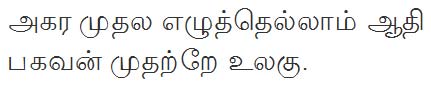
Tamil to English Dictionary: respectively

This is the world's leading online source for english definitions/meanings, we have been helping millions of people improve their use of the tamil language with its free online services.


Write your word as a english and click to search button for the meaning of english language. It's a very simple & easy. use & enjoy....

அகப்பொருள்
akpporuḷ (p. 2) s. [ex. அகம், mind, et பொருள்.] Rules for amatory poems, அ கப்பொருள்விதி. 2. Rules for reasoning, தர்க் கவிதி. 3. mental enjoyments in love, இன் பம். 4. A book treating of mental delectation, ஓரிலக்கணம். அகப்பொருள் is developed in these three constituents, viz., 1. முதற்பொருள், primary arrangements of nature with regard to (a) நிலம், soil, in five varieties, and (b) பொழுது, time in two grand divisions. 2. கருப்பொருள், natural peculiarities incidental to each of the divisions of the soil under 14 heads viz., (a) ஆரணங்கு, peculiar gods belonging to a place, tutelary deities or penates, (b) உயர்ந் தோர், chiefs or lords of the district, (c) இழிந்தோர், subjects or inhabitants under them, (d) புள், birds, (e) விலங்கு, beasts, (f) ஊர், city or town, (g) நீர், water, (h) பூ, flowers, (i) மரம். trees, (j) உணா, food, (k) பறை, drum, (l) யாழ், musical instruments, (m) பண், tune, and (n) தொழில், occupation, trade or mode of earning a livelihood. 3. உரிப்பொருள், essential characteristics of lovers. The subject matter of this treatise, to which the two former are auxiliary or conducive, is developed in five dispositions or actions, either mental or coporal, viz., (a) புணர்தல், union or the state in which husbands and wives are together in their family, (b) பிரிதல், separation when for lawful purposes, (c) இருத்தல், the state in which they continue solitary, especially the bride, (d) ஊடல், love quarrels, (e) இ ரங்கல், weeping and lamentation in any period of their life for any cause. These five characteristics are respectively ascribed to the above five species of soil, as appropriately adapted to their nature, as புணர்தல் to குறிஞ்சி, பிரிதல் to பாலை, இருத்தல் to முல்லை, ஊடல் to மருதம், and இரங்கல் to நெய்தல். இந் த ஐந்து ஒழுக்கத்தையுங்குறித்துப் பாடும்பொழுது அத தற்குக்குறித்த திணையிலுள்ள கருப்பொருள்களையெடுத் துப் பாடுதன்முறையாம். (p.) அகப்பொருட்கோவை, s. A poem which treats of அகப்பொருள். 22) *
அது
atu (p. 12) pro. That thing, it, the thing remote from the speaker, அஃது. 2. A form of the sixth or possessive case singular, ஆறாவதனொருமையுருபு; as அவனதுகை, His hand. அதுவே. That very thing. அதற்கப்புறம். Beyond that, further, besides. அததற்கு. To each respectively. அதற்குள், adv. Within that, it, &c. 2. By the time, in that, within that time, in the mean time. அதேதென்றால், I (you) ask holy that (is) for, because, wherefore. 3) *
அறம்
aṟm (p. 33) --அறன், s. Moral or religious duty, virtue; the performance of good works according to the shasters--including justice, hospitality, liberality, &c., also what is prescribed as the duty to be practised by each particular caste. Compare தருமம். The thirty-two acts of charity are the following; viz.: 1. ஆதுலர்க்குச்சாலை, building houses for the poor. 2. ஓதுவார்க் குணவு, giving maintenance and education. 3. அறுசமயத்தார்க்குண்டி, feeding persons of either of the six religious sects. 4. பசுவுக்கு வாயுறை, feeding cows. 5. சிறைச்சோறு, feeding prisoners. 6. ஐயம், giving alms. 7. தின் பண்டநல்கல், providing for travellers. 8. அறவைச்சோறு, feeding the destitute. 9. மகப் பெறுவித்தல், rendering assistance in childbirth. 1. மகவுவளர்த்தல், nourishing children. 11. மகப்பால்வார்த்தல், giving milk to infants. 12. அறவைப்பிணஞ்சுடுதல், burning or burying the poor. 13. அறவைத்தூரியம், furnishing clothes to the destitute. 14. சுண்ணம், giving chunam to use with betel. 15. நோய்மருந்து, giving medicine to the sick. 16. வண்ணார், paying for washing the clothes of the poor. 17. நாவிதர், the same for shaving. 18. கண்ணாடி, giving a looking glass. 19. காதோலை, giving cadjan or palmyra leaves to women for their ears. 2. கண்மருந்து, giving black paint to women for the eyes. 21. தலைக்கெண்ணெய், giving oil for the head. 22. பெண்போகம், aid to enjoy a woman. 23. பிறர்துயர்காத்தல், redressing injuries. 24. தண்ணீர்ப்பந்தல், keeping water pandals to give drink to the thirsty. 25. மடம், erecting inns or buildings for the reception of Brahmans, pilgrims, &c. 26. தடம், making tanks. 27. சோலை, planting topes, groves, &c. 28. ஆவுரிஞ்சுதறி, erecting stakes at which cows may rub themselves. 29. விலங்கிற்குணவு, feeding all kinds of animals. 3. ஏறுவிடுதல், giving a bull for covering a cow. 31. விலைகொடுத்துயிர்காத்தல், giving money to save life. 32. கன்னிகாதானம், giving assistance towards marriage. (p.) அறஞ்செயவிரும்பு. Desire to do charity. அறக்காடு, s. A desert place for burning the dead, சுடுகாடு. அறக்கொடியோன், s. God; He whose banner is charity, கடவுள். அறங்கடை--அறன்கடை, s. Sin, what is opposed to virtue; nonconformity to the shasters, பாவம். அறங்கடையிற்செல்லார். They who will not enter in the way of vice. அறச்சாலை, s. An alms-house, a hall or room where the thirty-two acts of charity are practised. அறச்செல்வி--அறத்தின்மூர்த்தி, s. Parvati, பார்வதி, famous for alms-giving. 2. A name of தருமதேவதை. அறத்தின்மைந்தன்--அறன்மகன், s. The elder of the five Pandavas. அறத்துப்பால்--அறப்பால், s. A section of the book குறள், which treats of அறம். அறத்துறுப்பு, s. The attributes or constituent parts of charity or virtue, including dispositions and actions. Eight are given; viz.: 1. ஐயப்படாமை, being void of doubt or scepticism. 2. விருப் பின்மை, freedom from covetousness or of inordinate desire for any supposed good. 3. வெறுப்பின்மை, freedom from disgust. 4. மயக்கமின்மை, being void of perplexity. 5. பழியை நீக்கல், avoiding reproaches, being void of censoriousness. 6. அழிந்தோ ரைநிறுத்தல், relieving the distressed or ruined. 7. அறம்விளக்கல், bringing into light the nature of benefaction and expounding it. 8. பேரன்புடைமை, the possession of abundant love. அறத்தைக்காப்போன், s. The god ஐயன். அறநிலை, s. The practice of virtue, a virtuous state or condition, தருமம். 2. One of the eight kinds of marriage --as பிரமமணம். See மணம். அறநிலைப்பொருள், s. One of the six அரசியல்--the collection of revenues justly. 2. Wealth gotten by continuance in a proper course of duty and by industry. அறநிலையறம், s. One of the six அரசியல்--the duty of a king to preserve his subjects from breaking the rules of the respective castes. அறநிலையின்பம், s. One of the six அரசியல்--pleasure from a virtuous course; marrying a virgin of proper age, caste and good manners (including conduct prescribed by the Shasters) and of good disposition. அறநெறி, s. The path of virtue. அறப்புறம், s. A place for the practice of virtuous actions. (See அறச்சாலை.) 2. A hall for learning or reciting the Vedas. அறவர்--அறவோர், s. The virtuous, those celebrated for charity and other good deeds, தருமநெறியோர். 2. Ascetics, துற வோர். 3. Brahmans, பார்ப்பார். 4. Sages, முனிவர். அறவன், s. Buddha, புத்தன். அறவாழி, s. The sea of virtue. அறவாழியந்தணன், s. Siva. 2. Vishnu. 3. Argha. அறவாழியந்தணன்றாள் சேர்ந்தார்க்கல்லாற் பிறவா ழிநீந்தலரிது. It is very difficult to swim and escape from the sea of vice, except for those who worship at the feet of him who is the sea of virtue. அறவாழிவேந்தன், s. God, கட வுள். 2. Argha, அருகன். அறவோன், s. A charitable man. 2. A sage, an anchorite. 3. A Brahman. 4. Argha. இல்லறம், s. Domestic life. துறவறம், s. Religious or ascetic life. ஈரறம், s. The two species of life above-mentioned. 47)
ஆசமனம்
ācamaṉam (p. 36) s. Sipping water before religious ceremonies, before and after meals, &c., from the palm of the hand and swallowing it. The ceremony is followed by touching various parts of the body. and repeating in Sanscrit short mystical expressions or incantations of homage to the respective gods, which are supposed to ward off evil and secure benefits, மந்திரத் தானீர்வாயிற்கொள்கை; [ex ஆ, et சமு, to eat.] Wils. p. 16. ACHAMANA. 32) *
இனம்
iṉm (p. 57) s. Kindred, relations, connections, affinity, relationship, சுற்றம். 2. Class, kind, species, caste, sort, குலம். 3. Association (with persons), union, fellowship, சம்பந்தம். 4. A company, collective body, a society, association, கூட்டம். 5. Flock, herd, shoal, swarm, திரள். 6. Attendants of kings, royal household, அரசர்க் குறுதிச்சுற்றம். See உறுதிச்சுற்றம். இனக்கட்டு, s. Family ramifications, connections, உறவின்முறை. 2. Bond of union between relations, பந்துக்கட்டு. 3. Subordination, due respect, &c. among the several branches of a family, relative bonds, முறைமை. இனஞ்சனம்--இனத்தார்சனத்தார், s. Relations, kindred and connexions, சுற்றத்தார். இனமொழிவிடை, s. One of the five kinds of இறைபயப்பது--an indirect answer. இனமோனை, s. A rhyme where the letters which begin a line or foot are not the same as those of the next line or foot, but of the same class, இன வெழுத்தால்வருமோனை. If the letters are of the வல்லினம் class, the rhyme is called வல்லினமோனை; if of the மெல்லினம் class, the rhyme is மெல்லினமோனை; if of the இடையினம் class, the rhyme is இடையின மோனை. இனம்பிரிக்க, inf. To divide into classes. இனம்பிரிய, inf. To be separated from the company. இனவழி, s. Descent from the same line or ancestry. 2. Being related to the same breed of cattle. இனவெதுகை, s. A species of rhyme in which the second letters of each stanza are of the same class; it is of three kinds, வல்லினவெதுகை, மெல்லின வெதுகை and இடையினவெதுகை. இனவெழுத்து, s. Relative letters --as the hard letters are to their respective nasals, or vice versa; also letters formed from the same sources which in the consonants run in couplets through the alphabet, and the long vowels to the short, and vice versa, இன மாயுள்ளவெழுத்துக்கள். பாவினம், s. The three classes of poems which partake of the nature of each of the four out of five classes of poems called, தாழிசை, துறைவிருத்தம். 1. Those that have some of the properties of வெண்பா are வெண்டாழிசை or வெள்ளொத் தாழிசை, வெண்டுறை and வெளிவிருத்தம். 2. Those of ஆசிரியம் are ஆசிரியத்தாழிசை, ஆசிரி யத்துறை and ஆசிரியவிருத்தம். 3. Those of கலிப்பா are கலித்தாழிசை, கலித்துறை and கலி விருத்தம். 4. Those of வஞ்சிப்பா are வஞ் சித்தாழிசை, வஞ்சித்துறை and வஞ்சிவிருத்தம். மூவினம், s. The three classes of consonants--as வல்லினம், the six hard sounding consonants--as க், ச், ட், த், ப், ற். 2. மெல்லினம், the six soft sounding consonants--as ங், ஞ், ண், ந், ம், ன். and 3. இடையினம், the six middle sounding conconsonants--as ய், ர், ல், வ், ழ், ள். 43)
இயமன்
iyamaṉ (p. 48) s. Yama the god of death, regent of the south, and king of hell, (நரகம்.) the place of his capital, in which he sits in judgment on departed souls, sending the good to Swerga and the wicked to Naraka. In the latter there are 28,, divisions appropriated to different classes, according to their respective demerits. He is figuratively described as devouring souls for food. He takes the buffalo for his vehicle; and for weapons, the battle-axe, club and cord, நமன்; [ex யம, to stop, restrain.] Wils. p. 681. YAMA. 2. [Med. usage.] One of the two poisonous fangs of snakes, பரம்பினச்சுப்பற்களி லொன்று. இயமகணம்--இயமகிங்கரர்--இய மதூதர்--இயமபடர். s. The messengers of Yama, நமன்றூதர். இயமதூதி, s. One of the lower poisonous fangs of a snake. இயமலோகம், s. The place of departed souls, the purgatory of the Hindus--the kingdom of Yama. 3) *
இராகம்
irākam (p. 50) s. Love, desire, affection, passion--as a power of the soul in operation while in connection with matter, ஆசை. 2. Connubial love, sexual desire, மோகம். 3. Color, tint, dye, நிறம். 4. Redness, சிவப்பு. (p.) 5. A tune or musical mode, இன்னிசை. Wils. p. 699. RAGA. Of this mode, four classes are given, இராகத்தகுதி, ச. viz.: I. இடம், tunes appropriate to different districts of country--as maritime, agricultural and mountainous, அவ்வத்திணை க்குரியவிராகம். Of these there are five, viz.: 1. குறிஞ்சி. 2. பஞ்சுரம். 3. சாதாரி. 4. மருதம். 5. செவ்வழி. II. செய்யுள், tunes applicable to different kinds of poetry--as to வெண் பா, சங்கராபரணம்; to அகவல், தோடி; to கலிப்பா, பந்துவராளி; to கலித்துறை, பைரவி. III. குணம், tunes suited to peculiar occasions--as நாட்டை, martial music; காம்போதி, சாவேரி, and தன்னியாசி, dancing tunes, or tunes for festive occasions; ஆகரி, கண்டாரவம், நீலாம்புரி, பியாகடம் and புன்னாகவராளி, for condolence. IV. காலம், tunes adapted to seasons--as to the spring, அசாவேரி, &c.; the morning, இந்தோளம், இராமகலி, &c.; noon, சாரங்கம், தே சாட்சரி, &c.; evening, கன்னடம், கலியாணி; night, ஆகரி. Others are applicable to all times. There are thirty-two tunes mentioned; viz.: 1. பைரவி. 2. தேவக்கிரியை. 3. மேகவிரஞ்சி. 4. குறிஞ்சி. 5. பூபாளம். 6. வேளா வளி. 7. மலகரி. 8. பௌளி. 9. சீராகம். 1. இந்தோளம். 11. பல்லதி. 12. சாவேரி. 13. பட மஞ்சரி. 14. தேசி. 15. இலலிதை. 16. தோடி. 17. வசந்தம். 18. இராமக்கிரியை. 19. வராளி. 2. கைசிகம். 21. மாளவி. 22. நாராயணி. 23. குண்டக்கிரியை. 24. கூர்ச்சரி. 25. பங்காளம். 26. தன்னியாசி. 27. காம்போதி. 28. கௌளி. 29. நாட்டை 3. தேசாட்சரி. 31. காந்தாரி. 32. சா ரங்கம். Of these, 1, 5, 9, 13, 17, 21, 25, 29, are male tunes, and the three following each of them respectively are their wives. Of these, 1-5 are appropriated to Brahmans; 9-13 to kings; 17-21 to merchants; 25-29 to tradesmen and laborers. The deity of the 1st is ஈசன்; of the 2d திருமால்; of the 3d சரச்சுவதி; of the 4th இலக்குமி; of the 5th சூரியன்; of the 6th நாரதன்; of the 7th விநாயகன்; and of the 8th தும்புரு வன்--the wives being joined with each. இராகங்கலக்க--இராகங்கலைய, inf. To run into another tune. இராகத்தின்படிபாட, inf. To sing agreeably to the tune. இராகந்தப்ப, inf. To fall out of tune. இராகபரிட்சைக்காரன், s. One skilled in music. இராகப்பயிற்சி, s. The practice of vocal or instrumental music, the knowledge of melody or music in general, இசைபயில்கை. இராகமெடுக்க, inf. To pitch a tune, இராகமாலாபிக்க. இராகம்பாட, inf. To sing. இராகவிராகம், s. Secular passions and pursuits, and the contrary, விருப்பு வெறுப்பு. 2) *
இலிங்கம்
ilingkam (p. 54) s. A sign, mark, token, symbol, அடையாளம். 2. The penis. ஆண்குறி. 3. The phallus or linga--a representation of the membra viri et mulieris used in temples as an object of worship, and regarded as deity under this emblem. It is also made of gold or silver and worn in a casket on the arm, the breast, or some other part of the body, as an amulet and as an object of veneration and worship. In both these cases it represents both sexes in conjunction, being emblematical of Siva and Sacti, or the male and female energies of the deity, சிவலிங்கம். In the Agama philosophy three lingas are mentioned; viz.: 1. Streelinga (ஸ்திரீலிங்கம்) the same as விந்து--the female linga common to male and female--including in both sexes the organs for secreting and containing the seminal fluid. 2. Purshalinga (புருட லிங்கம்) same as நாதம் (Natha) male linga, also common to both sexes, including in both sexes the genital organs for transmitting and combining the two productions essential to generation. 3. Napunchakalinga, (நபுஞ்சகம்) same as அலி, Ali or Alilinga, the neuter or rather hermaphrodite linga, being the physiological foundation of the other two, both as to their organization and functions. The image linga often bears this name; these three are distinguished by the terms அவன், அவள், அது. They are physiological and are found in such works as தத்துவக்கட்டளை, &c. There is another class of lingas called பஞ்சலிங் கம், the five lingas, popularly represented as deity under the emblems of the five elements, and worshipped in as many celebrated temples, viz.: பிருதிவிலிங்கம், earth-linga, worshipped at Canjeevara-அப்புலிங்கம், water-linga, worshipped at Tiruvanaicka--தேயுலிங்கம், fire linga, worshipped at Tiruvannamalay--வாயுலிங்கம், air-linga, worshipped at Tirukalatti-ஆகாயலிங்கம், ether-linga, worshipped at Sethumbaram. These are properly of a metaphysical or mystical character and belong to the arcana of Hinduism. The above designations are for popular use and are given from their physiological connection with the five bodies or casements of the soul, whose natural bases are the elements. earth, water, fire, air and ether, respectively. Among the initiated, the following are the terms employed, viz.: 1. ஸ்திரீலிங் கம், Streelinga--this is properly the organ entire--male and female with its functions; it is a figure (உரூபம்) the only one of the five to which form is ascribed. There is but one image, the representation of this. The சரிதை course of worship, i. e. the popular puranic course belongs to this. 2. புல்லிங்கம், this is defined to be உணர்வு; the course here is that of instruction and perception as to the action of the instrument, &c. To this belongs the கிரியை course of worship, the second great stage. 3. நபுஞ் சகலிங்கம், this is the stage of darkness, of neutrality, called the stage of darkness and doubt, and, as a course of worship, is included in the succeeding one. 4. பரமலிங் கம், this comes under the dominion of மயேச் சுரன், the concealer, and is called மறைப்பு; the course here is that of யோகம், the third great stage. 5. மகாலிங்கம், this is தெளிவு, the course of ஞானம், the last stage which exempts from births, and secures absorption in the supreme essence. Wils. p. 72. LINGA. இலிங்ககோளம், s. Glans penis. (Anat.) இலிங்கங்கட்டி--இலிங்கதாரி, s. One who wears the linga. இலிங்கசங்கமம், s. Symbols of the sexes united--probably a personification of the active energy of the deity and of matter, represented in metal. &c., or formed in the mind as objects of contemplation and worship. இலிங்கசூலை, s. A kind of venereal disease. இலிங்கபுடோல், s. The ஐவிரலி, creeper, Bryonia, L. இலிங்கபுராணம், s. One of the eighteen Puranas, புராணம்பதினெட்டிலொ ன்று. இலிங்கப்புற்று, s. A kind of venereal disease. இலிங்கரோகம், s. The venereal disease, ஆண்குறியில்வருமோர்புண். இலிங்கர்--இலிங்கிகள், s. Ascetics, Rishis who wear the Linga, சைவ தவப்பாலோர். இலிங்கி, s. An ascetic. 2. A worshipper of Siva, under the phallic emblem. 3. A hypocrite, a pretended devotee. ஸ்படிகலிங்கம், s. A linga made of quartz. பாணலிங்கம், s. A stone in the form of a linga--found in the river Nurbudda. பிரசாதலிங்கம், s. What is dedicated to Siva. பார்த்திபலிங்கம், s. Any thing assumed as an emblem of linga, and worshipped. சுயம்புலிங்கம், s. A linga supposed to be self-existent. சங்கமலிங்கம், s. A man of the Changama sect. குருலிங்கம், s. A spiritual father, a confessor. 17)
உரை
urai (p. 65) s. Utterance, speaking, speech, பேச்சு. 2. A word, an expression, a sentence, a declaration, a saying, மொழி. 3. Explanation, interpretation, commentary, exposition, gloss, verbal renderings, &c., வியாக்கியானம். 4. Gold, பொன். 5. [in native lexicons.] The words for which synonymes of meanings are given, also the generic term of which the species are given, சொற்பயன். 6. Sound, ஒலி. 7. Eminence, உயர்ச்சி. 8. The written word, sacred writings, holy writ, as one of the three means of attaining knowledge, வேத மொழி; several kinds of உரை, or modes of explanation are given by Tamil Grammarians. The author of காரிகை has given four, viz.: 1. கருத்துரை, the main sentiment or scope of the text explained, also called தாற்பரியவுரை. 2. பதவுரை, verbal explanation, or interpretation, word by word, or clause by clause, also called கண்ணழிவுரை. 3. பொழிப்புரை, the substance of the text omitting rhetorical ornament, and adjuncts, or a free rendering of the text without interruption, also called பொழிப்புத் திரட்டுரை and பிண்டவுரை. --Note. The latter is the same as பதவுரை would be without the words of the text interspersed. 4. விரித்துரை, explanation at large, comment or exposition with proofs, illustrations, &c., also called அலகவுரை and விரியுரை; any of the preceding three, or any other kind of explanation may be included in this last. According to நன்னூல், உரை is divided into tow general classes, viz.: காண்டிகையுரை and விருத்தியுரை. 1. காண்டிகையுரை, brief exposition, or explanation of the text embracing five sub-divisions. (a) கருத்துரை, the scope of the text. (b) பதப்பொருள், verbal rendering being either as பதவுரை or as the scope and definition of பொழிப்புரை, given above, (c) உதாரணம், example for illustration. (d) வினா, anticipating objections, (lit.) proposing questions. (e) விடை, answering such objections or questions as may possibly occur. 2. விருத்தியுரை, copious or complete explanation embracing fourteen sub-divisions. 1. பாடம், giving the text or verse to be explained with different readings and choice exposition. 2. கருத்துரை, the general scope, or import of the text, as in காண்டிகை. 3. சொல்வகை, giving the parts of speech, or showing the grammatical connection when necessary to clear away obscurities. 4. சொ ற்பொருள், giving equivalent, literal words, or clauses as பதப்பொருள், in காண்டிகை, verbal renderings, &c. 5. தொகுத்துரை, a free rendering of the text as பொழிப்புரை, above. 6. உதாரணம், illustration by examples, as above. 7. வினா, anticipating objections, or raising questions as before. 8. விடை, answering such objections or giving reasons in support of the statements in the text. 9. விசேடம், special explanation, particular remarks. 1. விரிவு, supplying ellipses as of cases or otherwise. 11. அதிகாரம், determining the meaning of doubtful terms by reference to the subjects under discussion, as belonging to such a head, &c., or according to another exposition pointing out the beginning and ending of the discussion of the different subjects respectively, the opinions of different commentators. 12. துணிவு, deciding the meaning of terms concerning which there may be diversity of opinion. 13. பயன், inference, applications or recapitulation to show what is to be learnt by the text. 14. ஆசிரியவசனம், quotations, or textuary proofs from other authors. (p.) உரைகட்ட, inf. To comment on a work. உரைகாரன், s. A commentator, expositor, உரையாசிரியன். உரைக்கோள், s. The construction given by the commentator to the text, உரைகாரன்கருத்து. உரைசெய்ய, inf. To speak, declare, பேச. To make a commentary, வியாக்கியானம்பண்ண. உரைநூல், s. A work on which a commentary has been written, உரைபெற் றநூல். உரைபாடம்--உரையேடு, s. A work with its commentary. உரையாசிரியன், s. [used honorifically] A commentator, உரைகாரன். உரையாட, inf. To say, speak, tell, சொல்ல. 2. To converse, dispute, பேச. (p.) என்றுரையாடி நெடுங்கடல்வண்ணனெழுந்தருள. Having said thus, Vishnu who wears the color of the broad sea condescended to start--(பார.) உரையாயிருக்க, inf. To be in prose. உரையிலக்கணம், s. Rules for making commentaries. There are five according to சதுரகராதி, viz.: 1. பதம். 2. பதப்பொருள். 3. வாக்கியம். 4. வினா. 5. விடை. உரையிற்கோடல், v. noun. Additions to a text by a commentator--one of the உத்தி. உரையெழுத, inf. To write a commentary. உரைவன்மை, s. Eloquence, oratorical power, சாதுரியப்பேச்சு. 2. Forcible language that cannot be controverted, சொற்றிட்பம். உரைவாசகம், s. Prose composition, discourse, language. பாட்டுமுரையும், s. A poem with commentary. திருவள்ளுவருரை, s. The explanation of Tiruvalluvar's book. 58)
உறுத்து
uṟuttu (p. 68) கிறேன், உறுத்தினேன், வே ன், உறுத்த, v. a. To cause to be, to originate, உண்டாக்க. 2. To form, constitute, ஏற்படுத்த. 3. To insert, introduce, சேர்க்க. 4. To render, produce, வருவிக்க. 5. To erect, construct, நாட்ட. 6. To bring in contact, clap together, make an impression on the mind, தாக்க. 7. To cause smarting irritation, &c. --as dust in the eye, a rough or uneven surface to one sitting, or lying down from the protrusion of his bones, வருத்த. 8. To produce mental pain--as by a sarcastic remark, &c., மனதிலுறுத்த.--Note. The meanings of this word are commonly determined by the noun prefixed to it, and it may generally be construed by the form to cause to be, &c. See எலும்புறுத்த, below. புரவிபண்ணுறுத்திடுவார். They equipped the horse. (நைட.) மருங்கினிற்கச்சியாப்புறுத்தான். He bound the girdle about his waist. (சேதுப்.) காலிலேகல்லுறுத்துகின்றது. The pebbles hurt my feet. உறுத்திப்பேச, inf. To speak so as to make an impression on the mind. 2. To speak with energy, earnestness, &c. எலும்புறுத்த, inf. To cause a smarting irritation--as the bones by being protruded. துன்புறுத்த, inf. To cause suffering. For many words compounded with this verb, such as கண்ணுறுத்த, பயமுறுத்த, மனமுறு த்த, வற்புறுத்த, &c., see in their respective places. 2)
உலகம்
ulkm (p. 65) --உலகு, (Sans. லோக.) World, universe, உலோகம். 2. The earth, பூமி. 3. Country, territory, நாடு. 4. Region, திசை. 5. (fig.) The inhabitants of the world, உலகத்தார். 6. The sky, etherial regions, ஆகாயம். 7. The learned, the good, சான்றோர், 8. (fig.) Created beings or existences, every thing except the Supreme, சிருட்டிப்பொருள்கள். (தத். 37.) 9. Enjoyments, or sufferings apportioned to the soul in the present birth, உலோகானுபவம். (ஞா. 779.) 1. Earthliness, worldliness, secularity, உலகத்தன்மை. 11. A word auspicious to begin a poem, மங்கலச்சொற்களினொன்று. உலகஞ்சொல்லுகிறது. The country says so, such is the public opinion. உலகந்தோன்றிநின்றழிய. To appear, abide and perish periodically--as the universe-உலகசஞ்சாரம், s. Inhabiting the world, பூமியிற்சஞ்சரிக்கை. உலகசயன், s. Buddha, புத்தன். (p.) உலகநடை--உலகவழக்கம்--உலக வழக்கு, s. Fashion, custom, usage, உலகொழுக்கம். 2. Secularity, conformity to custom--as marrying, &c., உலகாசாரம். 3. [in grammar.] Colloquial language-as opposed to இயற்சொன்னடை, செய்யுள் வழக்கு, &c. உலகநாதன், s. The Supreme Being--as Lord of the world, கடவுள். 2. Bramah the creator of the world, பிரமன். (p.) உலகநீதி, s. Morality, நன்னெறி. 2. The rules, or customs of the world-as distinguished from those of religion, or of ascetic life, உலகநடை. 3. Natural law, இயல்பானநீதி. 4. The existing laws of the country, தேசவியற்கைநீதி. 5. Name of a work on morality, ஓர்நூல். உலகநேத்திரன், s. The sun, சூரி யன். (p.) உலகபயித்தியம், s. Worldly pomp, vanity, secularity--as opposed to the feelings and practice of the ascetic, உலக மயக்கம். உலகபாந்தவன், s. The sun, சூரிய ன். (p.) உலகப்பரப்பு, s. The world considered in its expanse, உலகவிரிவு. உலகப்பற்று, s. Attachment to the world, mundane, or sensual attachments, உலகபந்தம். உலகப்புரட்டன், s. One who holds opinions and acts contrary to the sentiments of the wise. உலகமலையாமை, s. One of the ten அழகு or beauties of language, classical usage, &c. See அழகு. உலகமலைவு, s. [in rhetoric.] Incongruity, impossibility, absurdity--as அலை கடல்களேழுந்தூர்த்தந்தாத்தினூடே--மலையனையமால் யானையோட்டிக்--கலவாரை--நீறுசெய்துவையநெ டுங்குடைக்கீழ்வாழ்வித்தான்--மாறாச்சீர்வையையார் கோன், the Pandian king of Madura of endless fame filled the seven seas with sand, drove his elephant through the sky, reduced his enemies to ashes, and brought the whole world under his sway. (அலங்.) உலகமாதா, s. The mother of the world--applied to Sarasvati, சரச்சுவதி. 2. Lukshmi, இலக்குமி. 3. Parvati, பார்ப் பதி. (p.) உலகமீன்றாள், s. Parvati the wife of Siva, the mother of the world, பார்ப்பதி. (p.) உலகமுண்டோன், s. Vishnu the world-eater, விட்டுணு. (p.) உலகரட்சகன், s. The saviour or protector of the world. உலகரட்சணியம்--உலகரட்சை, s. Protection, or salvation of the world. உலகர், s. Worldlings, those engrossed by worldly pursuits. (தீ. 335.) (p.) உலகவழக்கம், s. The customs of the world. உலகவாசை--உலகவாஞ்சை, s. Ardent love of worldly, or sensual enjoyments, உலகவிருப்பம். உலகவாழ்வு, s. Temporal prosperity. உலகளந்தோன், s. Vishnu the measurer of the world, விட்டுணு. (p.) உலகாசாரம், s. Relative duties, the customs, rites or duties to be performed according to the country, caste, rank, relation, &c., of persons respectively. உலகாயிதம், s. A system of materialism, or atheistical epicurianism, அறுசமயங்களிலொன்று. See சமயம். (p.) உலகாள--உலகோம்ப, inf. To govern, protect his country--as one of the duties of a king. உலகாள்வோன், s. A monarch, உலோகாதிபன். உலகியல், s. The customs of the world, உலகநடை. உலகோம்பல், v. noun. Preserving the world--one of the six occupations of kings. See தொழில். உலகோற்பத்தி, s. The origin, or development of worlds. மேலுலகு, s. The upper worlds, which are seven in number, viz.: பூலோ கம், புவர்லோகம், சுவர்லோகம், மகாலோகம், சன லோகம், தபோலோகம், சத்தியலோகம். கீழுலகு, s. The lower worlds or regions; which are also seven, அதலம், விதலம், சுதலம், தராதலம், இரசாதலம், மகாதலம், பாதாளம். மூவுலகம், s. The three worlds, viz.: சொர்க்கம், மத்தியம், பாதாளம். மூவுலகாளி, s. God, (lit.) the sovereign of the three worlds, கடவுள். (p.) மூவுலகுணர்ந்தோன், s. He who comprehends the three worlds, God, க டவுள். 2. Argha, அருகன். (p.) மூவுலகேந்தி, s. God as the supporter of the three worlds, கடவுள். (p.) 79)

எயில்
eyil (p. 73) s. A fortress, wall, a fortification, மதில். 2. City, town, புரம். (p.) எயிலொருமூன்றுஞ்செற்றோன். Siva who destroyed the three aerial cities. எயில்காக்க, inf. To guard one's fort, &c. எயில்வளைக்க, inf. To besiege a fort, to surround a fort. எயிற்புறம், s. The parts outside of a fort. மூவெயில், s. [in mythology.] The three cities of the Asoors, built in the air one above another, of gold, silver and iron respectively, and destroyed by Siva, because they had abandoned his worship; on which occasion, he made Maha Meru his bow, and Vishnu his arrow for the execution of his purpose. திரிபுரம். (p.) 77)
o (p. 81) க்கிறேன், த்தேன், ப்பேன், க்க, v. a. To resemble, to equal, to be like, to match, நிகர்க்க. 2. v. n. To be fit, be suitable, to consist with, be adapted to, தகுதி யாயிருக்க. 3. To be equal, be parallel, alike, to match, to tally, correspond, சமமாயிருக்க. 4. To agree, consent to, allow, yield in argument, பொருந்த. ஒக்கும். It will agree, be proper, suitable, fit, like the same. ஒக்கும்வகையினால். By mutual agreement. (El. 291.) (p.) ஒத்தகுடிப்பிறந்தோர். Those born in families of equal rank that may inter-marry. எத்தால்வாழலாம்--ஒத்தால் வாழலாம். [vul.] How may we prosper? we may prosper by promoting concord. அதனோடொக்கும்--அதற்கொக்கும்--அதையொக் கும். It equals or is like that. விதியெனினும் விகாரமெனினுஞ்செயற்கையெனினு மொக்கும். In grammar, விதி, விகாரம் and செ யற்கை are synonymes. வில்லொக்கும்புருவம். Eye-brows resembling a bow. மக்களேபோல்வர்கயவரவரன்னவொப்பாரியாங்கண் டதில். The base among men are formed like others. We see no other two classes of beings that do so resemble each other. ஒக்க, inf. [used adverbially.] Together with, in company with, கூட. 2. Plentifully, bountifully, numerously. ஒக்கக்கிடக்கிறது. There is abundance. ஒக்கப்படித்தவர். One who has learned much--commonly in sarcasm. ஒக்கப்பிறந்தவர்கள். Children of the same mother. ஒக்கவில்லை. There is not much. ஊரொக்கக்கொள்ளைகொண்டுண்டவன்சுற்றம் போல் வேரொக்கக்கெடுமூலவியாதியே. The hemorrhoids will be as thoroughly extirpated (by this specific) as the posterity of one who plundered the whole village. ஒக்கப்போக, inf. To join in company with. ஒத்த, rel. part. Conformable, suitable, consistent, equal. அப்படிக்கொத்தது. Such. பிறரைவருத்துவதற்கொத்தபாவமில்லை. There is no sin equal to that of afflicting others. ஒத்தசனம்--ஒத்தசாதி, s. Tribes, confederate castes linked together, securing general resentment of an injury done to any member of the respective communities. ஒத்ததரை, s. Level ground. *ஐராணி, s. The wife of Indra, இந்திராணி. 2. Parvati, பார்ப்பதி. See அயிரா ணி. 4) *
கன்மம்
kaṉmam (p. 102) s. Moral actions, especially in their effects--as the cause of transmigrations and their accompanying joys and sorrows, pleasure and pains, intelligence or stupidity, &c., சஞ்சிதகன்மம். 2. Actions, செய்தொழில். 3. Evil actions, evil, vice, தீவினை. (See கருமம்.) 4. Fate, destiny, the fruits, retributions, &c., of actions in former births, பிராரத்தகன்மம். Wils. p. 198. KARMMAN. In the Agamas, actions and their effects are of three classes, viz: 1. ஆகாமியம், moral actions, good and evil of the present life, considered as the source of future births with their suffering and enjoyment. 2. சஞ்சிதம், the accumulated actions of the soul in former births, the retributions of which are to be experienced in future transmigrations. 3. பிராரத்தம் or பிராரத்துவம், the enjoyment and sufferings apportioned to the soul in the present state --as the retributions of actions in former births. அவனைக்கொல்லாதேகன்மம்பிடிக்கும். Do not kill him, if you do, the action will seize you. கன்மங்கட்டுப்பட, inf. See கருமங் கட்டுப்பட. கன்மகாண்டம், s. A medical book treating of diseases, as caused by the sins of former births, and the means necessary to remove them, so that medicines may prove effectual, ஓர்வைத்தியநூல். கன்மசண்டாளன், s. See கரும சண்டாளன். கன்மசாந்தி, s. A ceremony for the expiation of the evil of former deeds, கருமநிவர்த்தி. கன்மஞ்செய்தகுடி, s. A family guilty of wicked actions in former births, now made manifest by their sufferings. கன்மத்தியாகம், s. Expiation of the evil of a former birth. கன்மத்துரோகி, s. A wicked wretch, a criminal, சண்டாளன். கன்மநிவர்த்தி--கன்மநிவாரணம், s. See கருமநிவர்த்தி. கன்மந்தொலைய, inf. To become extinct, to be worked or eaten out and terminated--as former evil deeds. கன்மபந்தம், s. [as கருமபந்தம்.] The bond or connexion between the sins of former births and their subsequent punishment. கன்மபரிபாகம், s. Ripening, or expiration of the accumulated merit of the actions of former births, கன்மவொழிவு. கன்மபாதகம், s. A heinous crime. கன்மபாதகன், s. One guilty of some heinous crime, கொடியபாதகன். கன்மபூமி, s. The earth as the theatre of moral actions, or place where virtue and vice are practised, and their respective merit and demerit accumulated, பூலோகம். கன்மம்பிடிக்க, inf. To attend, follow, or pursue--as the guilt of crimes personified. கன்மம்புசிக்க, inf. To experience the good or evil of former actions. கன்மவலை, s. The net of moral actions, கன்மபாசம், i. e. the entanglements of births, or actions and their result, in subsequent transmigrations. கன்மவாதனை, s. See கருமவேதனை. கன்மரோகம்--கன்மவியாதி, s. See கருமவியாதி. கன்மவுடம்பு, s. Bodies assumed, as a result of former deeds, கன்மசரீரம். கன்மாதி, s. Funeral rites, &c., for deceased ancestors, கர்மாதி. கன்மி, s. A heinous sinner, a perpetrator of crimes, கருமி. கன்மேந்திரியம், s. The five organs of action, தொழிற்கருவி. See இந்திரியம். 68)
கரை
krai (p. 96) s. The natural bank, or shore of a sea, river, tank, &c., கடல்முதலியவற்றின் கரை. 2. Border, extremity of a field, &c., வயல்வரம்பு. 3. Border, edge of a cloth, &c., சீலையின்விளிம்பு. 4. Boundary, limit, எல்லை. (தத். 1.) 5. End, முடிவு. 6. (p.) Word, speech, வார்த்தை. கரைகடக்க, inf. To overflow its bank--used of a tank or river. கரைகட்ட, inf. To make a bank. 2. To make the selvedge of cloth. கரைகட்டுப்பட்டாடை, s. A silk cloths for women with colored borders. கரைகாண, inf. To see the end, to reach the destined port. 2. To understand a book, science, &c., thoroughly. கரைகண்டவன், s. One who is skilled in business. கரைகாணாதது, appel. noun. That which is inexplorable, incomprehensible, unascertainable. கரைகாணாப்பேரொளி, s. The infinitely great light; i. e. God. கரைக்கல்லோலம், s. The sponge, கடற்பாசி. கரைக்காற்று, s. Breeze on the sea-shore, long-shore wind. கரைக்கேற்றபங்கு--கரைக்கேற்ற வீதம்--கரைக்கொத்தவிழுக்காடு, s. Land apportioned to the respective householders in a village. கரைதுறை, s. A landing place. 2. The end, முடிவு. கரைதுறைகாவற்காரன், s. A tidewaiter. 2. A master attendant. கரைபட, inf. To be divided by lots. (Besch.) கரைபிடிக்க, inf. To arrive at a port, &c., கரையடைய. கரைபிடித்தோட, inf. To sail coastwise. கரைபுரள, inf. To overflow, as a river. கரைபோட, inf. To cast lots. 2. To divide land. 3. To erect a bank to a tank. கரைப்பட, inf. To get to shore-as a vessel, to make the store. ஆற்றுக்கக்கரைப்பட்டுவிட்டார்கள். They have gone to the other side of the river. கரைப்படுத்த, inf. To convey to the shore. 2. To land one on the shores of bliss--the office of a Guru or spiritual guide. கரைப்பாதை--கரைவழி, s. Journeying by land, land travel. கரைப்போக்கு, s. The sea-coast, கரையோரம், 2. A way by land, கரைவழி. 3. [vul.] A bastard gem, போலிமணி. 4. vul. Any thing base or inferior, இழி வானது. கரைப்்போக்குக்கல்--கரைப்போக் குப்பொடி, s. A bastard gem found in alluvial soil. கரைப்போக்குமனிதன், s. The same as அநுலோமன். கரையடுக்க, inf. To get near the shore, கரையைக்கிட்ட. 2. To become near --as the shore, கரைகிட்ட. கரையார், s. A respectable caste of fishermen, வலைஞர். கரையாளன், s. One of the proprietors of a village. கரையிட, inf. To assign portions of land to be cultivated. கரையேற--கரைசேர, inf. To get ashore, to land, to be landed, கரையைய டைய. 2. To be rescued from the sea of transmigrations, to be saved, நற்கதியடை ய. 3. To attain an object of desire, விரும்பியதடைய. 4. To rise from distress, sickness, indigent circumstances, &c., to be re-established in life, to become thrifty after poverty, or embarrassment, வருத்தத்தினின்றுநீங்க. 5. To get well married--as a poor girl, வாழ்வடைய. கரையேற்ற, inf. To save, rescue, restore, redeem, கதியிற் சேர்க்க. 2. To raise one from indigence, reinstate, or reestablish one in good circumstances, துன் பத்தினின்றுநீக்க. 3. To emancipate from births, பிறவியொழிக்க. 4. To marry and settle a destitute girl,விவாகம்பெறச்செய்ய. கரையேற்றம், v. noun Salvation, rescue, deliverance, either from temporal, or eternal evils, தியடைகை. 2. Attainment of a desired good, விரும்பியதடை கை. 3. Establishment in, or a restoration, to prosperous circumstances after poverty, துன்பத்தினின்றுநீங்குகை. 4. The marriage of a destitute girl, விவாகப்பேற டைகை. 5. The final deliverance of the soul, பிறவியொழிகை. ஒருகாலத்திலுங்கரையேற்றமில்லாதநரகத்திற்கி டப்பான். He will lie in hell from which there is no possibility of escape. கரையோரம், s. Coast, brink, edge of the shore or bank. கரையோரத்திலேபோக, inf. To go along shore. கரைவலை, s. [prov.] A drag-net, a draw-net. கரைவலைக்காரர், s. Persons who fish with the drag-net. கரைவலைத்தோணி, s. A dhoney for fishing with a drag-net. கரைவலையிழுக்க, inf. To drag a net in fishing. கரைவழி, s. A road along the shore. கரைவழித்தீர்வை, s. Land custom. கரைவழித்தீர்வைச்சாவடி, s. Land custom house. கரைவாடை, s. North-west wind. கரைவீதம், s. The same as கரைக் கேற்றபங்கு. செய்கரை, s. A balk or small causeway in a field of rice, corn, குரம்பு. 175)
Random Fonts
TAU_Elango_Manimekalai Bangla Font
TAU_Elango_Manimekalai
Download
View Count : 15162
TAU_1_Elango_Barathi Bangla Font
TAU_1_Elango_Barathi
Download
View Count : 7723
TAU_Elango_Krishna Bangla Font
TAU_Elango_Krishna
Download
View Count : 12460
Sundaram1342 Bangla Font
Sundaram1342
Download
View Count : 20980
Mullai Bangla Font
Mullai
Download
View Count : 40121
Sundaram-1351 Bangla Font
Sundaram-1351
Download
View Count : 12619
TAU_Elango_Surya Bangla Font
TAU_Elango_Surya
Download
View Count : 14961
Gangha Bangla Font
Gangha
Download
View Count : 14119
Agni Bangla Font
Agni
Download
View Count : 14189
Tam Shakti 9 Bangla Font
Tam Shakti 9
Download
View Count : 5597

Translation tools...

Privacy Policy   GDPR Policy   Terms & Conditions   Contact Us
Please like, if you love this website
close