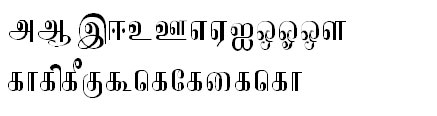
Tamil to English Dictionary: verbals

This is the world's leading online source for english definitions/meanings, we have been helping millions of people improve their use of the tamil language with its free online services.


Write your word as a english and click to search button for the meaning of english language. It's a very simple & easy. use & enjoy....

அடை
aṭai (p. 8) கிறேன், ந்தேன், வேன், அ டைய, v. a. To approach, frequent, gain access to, reach, arrive at, சேர. 2. To obtain, get, enjoy, suffer, பெற. 3. v. n. To drift ashore, கரைசேர. 4. To apply for refuge or protection, take shelter with one, சரண்புக. 5. To subside, sink to the bottom, be deposited as a sediment, வண்டல் படிய. 6. To collect, adhere as dust, தூசி யடைய. 7. To be choked, filled up, inclosed, stopped up, தூர. 8. To be contiguous, adjacent, border upon, கிட்ட. 9. [prov.] To settle, become close, compact, hard--as bread not well leavened, sand by rain, &c., உரக்க. 1. To be preserved as pickles, &c., அடைகாயடைய. 11. To incline towards a color, நிறம்பற்ற. 12. To die, as a great or holy person, obtain bliss, absorption, &c., முத்தி, being understood. அடைகல், s. The anvil. அடைகாய், s. Pickled fruits, ஊறு காய். அடைகுறடு, s. An anvil. 2. Tongs. அடைகை, v. noun. Approximation, நெருங்குகை. 2. Attainment, acquisition, பெறுகை. அடைகோட்டை, s. A blockaded fort. அடைசொல்--அடைமொழி, s. A particle qualifying nouns, verbs, &c. அடைமாங்காய், s. Unripe mango cut in pieces salted and dried in the sun. அடையலர்--அடையலார், s. Opponents, foes, பகைவர். (p.) அடையல், s. Any thing settled, drifted, deposited. 2. All. 3. A verbal from அடை. கண்ணடைந்தபால், s. Milk partly spoiled from keeping. 20)
அம்
am (p. 20) s. Beauty, அழகு. 2. Water, நீர். 3. Cloud, மேகம். 4. A connecting particle, சாரியை, as புளியங்காய், Tamarind fruit. 5. Termination of a verb, வினையின் விகுதி, as, நானும்நீயும் வந்தனம், also of some verbal nouns, வினைப்பெயர்விகுதி, as வாட்டம், கோட்டம்.(p.) 41) *
ஆற்றல்
āṟṟl (p. 43) s. Strength, power, prowess, ability, வலிமை. 2. Energy, spirit, முயற்சி. 3. Abundance, much copiousness, மிகுதி. 4. Wisdom, knowledge of divine things, ஞானம். 5. Stability, fixedness, firmness, நிலையுடைமை. For the verbal meanings of this word, see under ஆற்று. v. ஆற்றுவாராற்றல் பசியாற்றல் அப்பசியை மாற்றுவா ராற்றலிற்பின். Though the fortitude with which those who practise austerities endure their hunger is very great, yet it is inferior to the energy of the generous who feed the hungry. ஆற்றல்கேடு, s. Great weakness from sickness, great fatigue, வலியழிவு. (c.) ஆற்றறுக்க, inf. To deprive one of power, reduce his strength, &c., desert him in time of need, வலிகெடுக்க. 69)
இழு
iẕu (p. 55) க்கிறேன், த்தேன், ப்பேன், க்க, v. a. To draw, pull, haul, drag, tug, drag to justice, to drag along the ground, ஈர்க்க. 2. To attract--as a magnet, ஊசி முதலியவீர்க்க. 3. To attract--as a snare, to entice, allure, inveigle, seduce, draw over to one's interests, வசமாக்க. 4. To strain, stretch, lengthen or attenuate by pulling, to draw out, நெடுகச்செய்ய. 5. To drag one into an affair, to cite, force one to court, &c., to drag one's name, &c. in support of an argument or practice, வலிகக. 6. To upbraid, drag out one's faults to view, to cast reproaches, insults, &c., புறத்திலிழு க்க. 7. To draw into, swallow up, engulph --as a stream, a whirl-pool, a whirl-wind, சுழித்துவாங்க. 7. To absorb--as a sponge, to absorb humors from the body, to draw-as a medicine or plaster, உறிஞ்ச. 8. To draw out the voice, lengthen the sound properly in singing, to draw in speaking, reading, &c., நீட்டிப்பேச. 9. To strain muscularly, distort the features or limbs in spasms, &c., to have the cramp, to be convulsed; in this sense, it is often used impersonally, வலியிழுக்க. 1. v. n. To linger, to be protracted, தாமதிக்க. இழுத்துப்பாடு. Sing, dwelling on the notes. தாய்வருமளவும்பேச்சிழுத்தாள். She protracted, continued the conversation, till her mother came. அந்தவழக்குவெகுபணமிழுத்துப்போட்டது. That law-suit has swallowed up a great deal of money. காரியமிழுத்துக்கொண்டுவருகின்றது. The affair is protracted, the business is delayed, being involved in various intricacies. இப்படியிழுத்துக்கொண்டுநின்றாலொன்றுந்தீராது. If you protract the matter so carelessly, you cannot expect a happy result. வழக்கிலேயிழுத்துவிட்டார்கள். They have dragged the matter into court. ஊர்க்காரியங்களையிழுக்க To make a long story, unnecessarily talking of other people's affairs. உன்காரியத்திலென்னையிழாதே. Do not draw me into your affairs, as a witness, party, &c. காரியத்திலிழுத்துக்கொண்டுநிற்கிறார்கள். They pull against or away from each other-as two parties, &c., they dissent, are unsettled (fig.), from the idea of two beasts tied together. இழுத்துக்கொண்டுவர, inf. To put off from day to day. என்கடனைத்தீர்க்காமலிழுத்துக்கொண்டுவருகிறான். He delays to pay the debt he owes me. இழுத்துப்பேச, inf. To speak drawlingly. இழுத்துவலிக்க, inf. To draw in a rope, or cord--as attached to a net, paper-kite, &c. இழுத்துவிட, inf. To put off, to protract, to delay, continue putting off and never fulfilling. 2. To bring into court, indict, prosecute, expose to the public. மடியைப்பற்றியிழுக்க, inf. To seize one's lap and pull him. காலிழுத்துநடக்க, inf. To trail the leg in walking--as a lame man. இழுபறி, s. A scuffle, a struggle, strife, squabble, வாது. இழுப்பு, v. noun. Drawing, pulling, draught, a pull, a tug, a twitch, இழுக் கை. 2. Attracting, attraction, allurement, inviting, engaging. 3. Distortion of the limbs or features by convulsions, cramp, &c. 4. Absorption. 5. Draught or force of a current, wind, &c. 6. Procrastination, tardiness, protraction, suspense, uncertainty. The meanings of the verb generally are applicable also to the verbal noun. அதிலே முன்னிழுப்புப்பின்னிழுப்பில்லை. In that matter, there can be no dispute one way or the other. இழுப்பறை, s. A box in a case, a drawer. இழுப்பாட்டம், s. Tardiness, protraction, procrastination. இழுப்பாட்டியம், s. [prov.] Procrastination, protraction, tardiness, delay--used instead of இழுப்பாட்டம். இழுப்பாணி, s. [prov.] A delayer, postponer, lingerer. 2. A moveable peg that fastens the yoke to the beam of the plough. இழுப்புண்ண, inf. To be drawn unwillingly--as some persons when they are compelled to attend court; to be forced or dragged into an affair. 2. To be allured, seduced, decoyed; to be diverted from the business in hand, be tempted, be led away by lust, be ensnared, சிக்கிக்கொள்ள. இழுப்புப்பறிப்புப்பட, inf. [vul.] To scuffle, struggle, contend. 2. To pull one another--as persons intoxicated, or in play. இழுவல், v. noun. [prov.] The act of drawing. 2. Putting off, lingering, delaying, postponing. 3. One who neglects his own affairs and busies himself with those of others. அவனொரு இழுவல். He is a busy-body, drawn into every one's business. இழுவை, v. noun. A being drawn, draught, இழுப்பு. 2. Any thing drawn-as a draught of thorns, timbers, fishes, &c., இழுக்கப்பட்டவை. 3. A long rope for draught, இழுக்கும்வடம். 4. The mark or point made on the ground by a thing drawn, சுவடு. இழுவைகண்டாலடிப்பார்க்கிறதேன்? When the track in which the thing was dragged is plain, why look for footsteps? 37)
u (p. 58) . Short u, the third vowel, ஓருயி ரெழுத்து. 2. One of the demonstrative prefixes, (see அ, and இ) that, this, intermediate, not distant, சுட்டெழுத்துளொன்று--as உக்கொற்றன், that Kotton (who is at a short distance, or is in the middle between two others of the same name). 3. A particle used (1.) in forming the dative case, சாரியை --as அவனுக்கு, to or for him--for அவற்கு (2.) Joined to short monosyllabic verbs ending in mutes--as சொல்லு from சொல், speak--வாரு from வார், gather up. 4. A numeral indicating two, இரண்டென்னுமெண் ணின்குறி. 5. A termination of the verbal participle, ஓர்வினையெச்சவிகுதி--as செய்து, doing. உக்குறுமை, s. [in grammar.] Abbreviated உ, உகரக்குறுக்கம். உங்கு--உங்கே. There, not very distant, the middle between two places. உங்ஙனம், In this or that place, in this or that manner. (p.) உது--உஃது, pron. That, this. உவன், pron. That man, the one who stands near. 39)
உகம்
ukam (p. 58) s. Any one of the four Yugas, an age of the world. (See யுகம்.) 2. (p.) End, முடிவு. 3. A pair, a couple, இரண்டு. உகமுடிந்தாற்போலேபேசுகிறாய். Thou speakest as if the world were at an end. உகசந்தி, s. The meeting of two Yugas--the end of the preceding and beginning of the following. ஈன்றவணிமை, s. The time immediately after calving--spoken of a cow. 2. The tenderness, delicacy, &c. of a new-born animal, கன்றினிளமை. 3. The tenderness, weakness, &c. of an animal that has recently brought forth young, இளங்கொற்றியின்பச்சுடம்பு. ஈன்றவள்--ஈன்றாள், s. A mother, தாய். 2. Parvati--as the genetrix of the worlds, பார்வதி. (p.) ஈன்றவன்--ஈன்றான், s. A father, genetor, generator, பிதா. 2. The god Brahma--as creator, பிர்மன். (p.) ஈனல், s. An ear of corn, கதிர். (p.) 2. v. noun. Yeaning, bringing forth, ஈனுகை. ஈன்றல். A verbal in the past form of ஈனுதல. (p.) இன்சொல்லினிதீன்றல். Courteous speech yields pleasure. (குறள்.) ஈற்று, v. noun. Bringing forth, ஈனுகை. 2. s. That which is brought forth, whether animal or vegetable, ஈனப் பட்டது. தலையீற்று--முதலீற்று, s. The first calving; also the first calf, the firstling. ஓரீற்றா, s. A cow that has calved but once. 46)
உடன்
uṭṉ (p. 59) s. A particle of time and place used in combination with other words and expressing co-existence, accompaniment--a form of the third case or the social ablative, மூன்றாம்வேற்றுமையின்சொல்லு ருபு. 2. Instantly, immediately, at once, அப்பொழுதே. உடனாளி, appel. noun. Companion, co-partner, கூட்டாளி. 2. (Rott.) A man of property. உடனிகழ்ச்சி--உடனிகழ்தல்--உ டனிகழ்வு, v. noun. Co-existing, happening simultaneously. 2. A term in grammar implying co-existence, concomitan cy. உடனிகழ்ச்சிப்பொருள். ஒடுவென்பதுடனிகழ்வைக்காட்டும். The particle ஒடு shows accompaniment. உடனிலைமயக்கம்--உடனிலைமெய் மயக்கம், s. [in orthography.] The combination of two consonants of the same kind--as அக்கம், அச்சம், opp. to வேற்றுநிலை மெய்மயக்கம். உடனுக்குடனே. The very instant, at the very juncture, immediately succeeding another event. பாம்புகடித்தவுடனுக்குடனேபிரயோகம்பண்ணிக் கொண்டான். He applied the remedy as soon as the snake bit him. உடனுற்றவன், s. A servant of the same class with another. உடனே, adv. Immediately. 2. prep. With, together with. ஒருசாமமானவுடனே. Immediately after the first watch. அவனதைச்சொன்னவுடனே. As soon as he had said it. என்னுடனேவா. Come along with me. உடனொத்தபங்காளி, s. An equal sharer. உடனொத்தவன், s. An equal, a fellow, an acquaintance, a compeer. உடன்கட்டையேற, inf. To ascend the funeral pile--as a Hindu widow with her deceased husband, அனுமரணம டைய; [ex கட்டை, log of wood.] உடன்கூட்டு, s. Co-partnership, fellowship, உடன்சேர்க்கை. உடன்கூட்டாளி, s. Co-partner, participator. உடன்கை. [prop. உடனே.] Immediately succeeding, just after, as soon as. வேலைசெய்துமுடிந்தவுடன்கையிலேகாசுகிடைக் கும். The wages will be paid as soon as the work is done. உடன்பங்காளி, s. A joint-sharer or participator, a co-partner, கூட்டுப்பங் காளி. 2. A co-heir, joint-heir, a brother's sons having a right to share in the family property, உடன்சுதந்தரவாளி. உடன்பங்கு, s. A joint-share, equal share (whether in trade, inheritance, land or otherwise), participation, joint-heirship, கூட்டுப்பங்கு. உடன்பட, inf. [com. உடம்பட.] To agree, assent, consent, acquiesce, harmonize with, சம்மதிப்பட. 2. To engage, contract, form a compact, பொருந்த. 3. To undertake, enter upon, உடம்படிக்கை செய்ய. 4. To answer in the affirmative, மறாதிருக்க. 5. To be privy to, to have a hand in, சேர. 6. To yield, submit, comply, இசைய. உடன்படிக்கை, s. [com. உடம்ப டிக்கை.] A contract, agreement, compact, covenant, engagement, &c., written or verbal, சம்மதிப்பத்திரம். 2. A promise, assurance, உறுதிப்பாடு. உடன்படுத்த, inf. To induce consent, to make willing, சம்மதிப்படுத்த. 2. To unite, reconcile, இசைவிக்க. உடன்படுவிலக்கு, s. A figure of speech by which a negation is couched in affirmative words--as அப்போதடுப்ப தறியேனருள்செய்ய இப்போதிவளுமிசைகின்றாள்-தப்பில், பொருளோபுகழோதரப்போவீர்மாலை இரு ளோநிலவோவெழும். (அலங்காரம்.) உடன்பட்டகடமை, s. A covenanted obligation. உடன்பாடு--உடம்பாடு, s. Harmony, concord, union, fellowship, agreement, பொருத்தம். 2. Compact, covenant, engagement, உடம்படிக்கை. 3. Consent, assent, compliance, acquiescence, சம்மதிக் கை. 4. Being concerned in, complicity, உடந்தை. 5. Affirmation, மறாமை. 6. [in grammar.] Positive or affirmative--as opposed to negative terms, or negative forms of expression, விதி. உடம்பாடிலாதவர்வாழ்க்கைகுடங்கருட்பாம்போ டுடனுறைந்தற்று. Those who live in discord are as if enclosed in a vessel with a live snake. உடன்பாட்டுவினை, s. A verb in the affirmative form, விதிவினை. உடன்பிறந்தவர்கள்--உடன்பிறந் தார், s. Own full brothers or sisters. உடன்பிறந்தார்சுற்றத்தாரென்றிருக்கவேண்டாம். Because born with you, do not imagine them to be your friends. உடன்பிறப்பு, s. [impr. உடப்பிறப் பு.] Connascence, கூடப்பிறக்கை. 2. Offspring of the same parents, an own brother or sister. 87)
உண்
uṇ (p. 59) --உண்ணு, கிறேன், உண்டே ன், உண்பேன் or உண்ணுவேன், உண்ண, v. a. To eat, drink, suck--as a child; to take food, whether solids, liquids or other kinds, to taste, அருந்த. 2. To feed, make a full meal --as a dinner, &c., புசிக்க. 3. To enjoy, suffer, experience, or receive the fruits of actions performed in former births, or in future the actions of the present, அனுபவிக்க. 4. To imbibe, absorb, விழுங்க.--Note. With verbal roots and sometimes with verbal nouns it forms a passive--as அடியுண்ண, to be beaten; அலையுண்ண, to be distressed. உண்டசுற்றமுருகும். Relations or friends who have eaten together will cherish towards each other kindly feelings. உண்டசோற்றுக்கிரண்டகம்பண்ணப்படாது. One ought not to be ungrateful to his benefactor. உண்டார்மேனிகண்டாற்றெரியும். A person's diet may be known by his appearance. உண்ணக்கைசலிக்க. To be so delicate as to tire by eating--as a dainty child, &c. 2. To be wearied, cloyed, sated, &c. by too profuse a supply of food. உய்யாவினைப்பயனுண்ணுங்காலை. While experiencing the inevitable fruits of former births. உண்கலம், s. A plate or dish to cat from, a porringer, commonly brass, தாலம். உண்டாட்டு, s. Play of females, மகளிர்விளையாட்டு. 2. Play, sport, விளையாட்டு. 3. Festivity, drinking, joviality, மதுவுண் டாடுகை. உண்ணி, s. An appellative termination often contracted to உணி--as தூக்குணி, &c., one who eats, an eater. உண்ணீர், s. Water to drink. உண்பிக்க, inf. To cause to eat, drink, &c., feed one, உண்ணுவிக்க. தூக்குணி, s. One so vile and daring as not to fear hanging. 2. A malefactor who is hanged. 3. One who hangs about to get food. அழுகுணி, s. One who is always weeping; also one who is disposed to weep. அடியுணி--குட்டுணி, s. One who is beaten. குத்துணி, s. One who is stabbed. 2. A dastard, mean spirited person. இரப்புணி, s. A beggar, one who eats what he begs. அடையுணி, s. One dependent for food. கட்டுண்ண, inf. To be tied up. வெட்டுண்ண, inf. To be cut down. தடையுண்ண, inf. To be hindered. மையுண்கண்ணி, s. A woman with painted eyes, (lit.) she whose eyes have absorbed paint. முலையுண்ணுங்குழந்தை, s. An infant at the breast. நீலுண்டுகிலிலை. The pencil which has imbibed blue paint. (நன்னூலுரை.) கள்ளுண்ணி, s. A drunkard. தள்ளுண்ண, inf. To be rejected. வீண்சோறுண்ணி, s. A rice consumer, a worthless person. உண்டல். A past verbal form of உண்ணல், eating. 119)
உம்
um (p. 63) . A connective particle variously used, ஓரிடைச்சொல். 1. எதிர்மறையும்மை, the use of உம் with an affirmative, or negative expressing probability, possibility, &c., and implying the possibility, &c., of the contrary--as, சாத்தன்வருதற்குமுரியன், Sattan may perhaps come; அவன்வரவுங்கூடும், It is possible that he may come. 2. சிறப்பும்மை, the உம் of speciality, including உயர்வுசிறப் பும்மை, or superiority and இழிவுசிறப்பும்மை, or inferiority--as, ஞானிகளுமறியார்கள்சித்திரநதிமூல ம், Even the sages are unacquainted with the source of the சித்திரம் river; இவ்வூர்ப்பூனை யும்புலாறின்னாது, Even the cats of this place will not eat flesh (so sacred is it, so vile is the practice); பார்ப்பானுங்கள்ளுண்டான், Even a Brahman has been drinking toddy; இவனைநாயுந்தேடாது, Even a dog will not regard him. 3. ஐயவும்மை, the உம் in doubt, uncertainty, indecision, equivocal forms, probability, possibility--as, அவர்பத்தாயினுந் தருவார்பதினைந்தாயினுந்தருவார், Perhaps he may give ten or he may give fifteen; மழை பெய்தாலும்பெய்யும், It may perhaps rain; பத் தானுமெட்டானுங்கொடு, Give ten, or eight, ten would be preferred, but eight may do; வரினும்வருவான், It is probable that he may come. The உம் is often suppressed. 4. எச்சவும்மை, இறந்ததுதழீஇயவெச்சவும்மை, எதிரதுதழீ இயவெச்சவும்மை, the use of உம் implying another person, thing, or event, understood, and meaning likewise, too, even--as, அவனும் வந்தான், He also is come (implying that another is come or expected); நாம்பாடவும் வேண்டும், We must sing also (as well as dance, &c.); கேட்டும்படிக்கவேண்டும், By inquiry also we must learn (as well as by other means). 5. முற்றும்பை, indicating the whole of a number or series, universality, totality--as, ஒருவருக்குமையமில்லை, None can doubt; எங்குமில்லை, no where; இருகண்ணுஞ் சிவந்தன, both eyes reddened; எவ்விடமும், every where; இரண்டையுங்கொண்டுவா, Bring them both; எல்லாரும், எவரும், ஆரும்வந்தார், all, whoever, &c. came; மிகுந்தநாலுபணத்தை யுந்தா, Give me the remaining four fanams; மூவரும், all the three persons. 6. எண்ணும் மை, a numeral connective, corresponding with, and commonly repeated with each word of the series; நீயுமவனும்வந்தீர்கள், You and he came. The particle is sometimes joined to the last only--as, சாத்தன், கொற்றன், பூதனும் வந்தார்கள், Sattan, Kottan and Poodan came. Sometimes it is wholly omitted, and a pronoun including the series used instead--as, சாத்தன்கொற்றன்இவர்கள்வந்தார்கள். Sometimes the last noun in the series is used in the plural--as, சாத்தகோற்றவர்வந்தார்கள். 7. தெரிநிலையும்மை, the உம் of ascertainment, clear perception, or decision, used of three or more things concerning which doubt has been entertained, but which is now cleared up--as, ஆணுமன்றுபெண்ணுமன்று, It is neither male nor female (but in hermaphrodite); அவருண்பதுசோறுமல்ல, பணிகாரமுமல் ல, சாகமூலபலாதிகள், His food is neither rice nor cakes, but leaves, roots and fruits, &c. 8. ஆக்கவும்மை, உம் expressive of a change of state--as, பாலுமாயிற்று, This milk became medicine also; வலியனுமாயினான், He has become even a strong man. The above eight are given in நன்னூல். 9. உம் joined to an infinitive implies விரைவு, the immediate occurrence of the event--as, துரைகட்டளையிடவுங்காரியஞ்செய்துமுடிந்தது, As soon as the magistrate gave the order, the thing was done; அவர்சொல்லவுமுலகங்களுண் டாம், As soon as he speaks worlds appear. The உம் is often omitted, but then it is less expressive--as, நானிதைச்செய்யெனச்செய்கிறான், I say this and he does it. 1. உம் added to a verbal noun in poetry, sometimes gives it a gerund-like succession of the event--as, காண்டலுமிதுவேசொல்வான், Seeing him he spoke thus; வருதலுந்தழுவிக் கொண்டான், As soon as he came he embraced. 11. உம் is associated to the social ablative with the same meaning--as, கடுங்கணைதொடுத்தலோடும், As soon as the swift arrows were shot. 12. உம் added to the infinitive serves for optative, especially in epistolary usage but not in good style--as, தாங்கள்மறுமொழியனுப்பவும், May you please to send an answer; இப்படிச்செய்யவும், May you do so, I wish you to do so. 13. உம் added to the following forms of a verb, செய்து, செய்யின், செய்தால், has the force of though, although--as, அவனறிந்தும்வரவில்லை. Though he knew, he did not come; சொல்லி னும் or சொன்னாலும்அவன்கேளான், Though you may tell him he will not listen. 14. உம் added to இல் or இன் forms of the fifth case gives the force of the comparative degree --as, கந்தனினும்வலியனே, He is even stronger than Skanda. 15. A token of reproof, menace, anger, &c., also of attention, assent, doubt, non-compliance, &c., (see ஊம்)--as, உம்மெனத்தெழித்துரப்ப, He reproved his rashness by uttering the menacing sound உம் (ஸ்காந்தம்); கதைசொல்லுகி றேன்உம்கொட்டிக்கேள், I am going to tell you a story, show that you listen by saying உம்; உம்மெனுமார்பைத்தட்டும், The guilt of Brahmanicide manifested in a phantom threatened by saying உம் and striking on its breast (திருவிளையாடல்). 16. A termination of the imperative plural, முன்னிலைப்பன்மைவி குதி-- as, நீவிர்சொல்லும், say ye. It is often used honorifically in imperative singular --as, கடவுளேநீரிரங்கும், God be merciful. 17. A termination of verbs third pers. pres. or fut. tense sing. number, also of neut. plurals--as அவன்செய்யும், He does or will do it; சிங்கங்கள்முழங்கும், The lions roar, or will roar, செய்யுமென்முற்றுவிகுதி. 18. A modification of the pronoun நீர் when it is declined in the different cases--as, உம்மை, உம் மால், &c. 19. The termination of the future relative participle, எதிர்காலப்பெயரெச்ச விகுதி--as, உலகாளும்அரசர், Kings who govern the world. 2)

உருபு
urupu (p. 65) s. Form, shape, வடிவம். 2. [in grammar.] A class of particles comprising four kinds, viz.: 1. வேற்றுமையு ருபு, the particles which form the declensions. 2. வினையுருபு, those that form the inflections of verbs including three species, (a) விகுதி, verbal terminations. (b.) இடை நிலை, characteristics of tense and several other intervening particles in the formation of verbs, derivative nouns, &c. 3. சாரியை, auxiliary, component particles employed in the formation of the two classes of verbs. 4. ஒப்புருபு, particles of terms of comparison. 5. The relative participles, ஆகிய, ஆன, &c., affixed to nouns to make adjectives of them. உருபுத்தொகை, s. The suppression of the characteristics of the cases --as மரநுனி. உருபுப்புணர்ச்சி, s. Sand'hi--the union of the particles of inflections with nouns and pronouns, வேற்றுமையுருபுமுதலிய புணர்கை. உருபுமயக்கம், s. The use of one case for another--as the dative for the local ablative, &c., வேற்றுமையுருபுமாறுகை. அமுதம்பூவையைக்கிள்ளையையருத்தி. Feeding the minor and parrot with milk--here the objectives are used for the dative. (நைட.) உருபுமாலை, s. Declension of nouns. உருபுவிரி, s. The expression of the case--as மாத்தினுனி. உவமையுருபு, s. A particle of comparison--as மதிபோலுமுகம், face like the moon. சொல்லுருபு, s. The use of a word for a particle representing the case--as, தடிகொண்டடித்தான், He beat with a stick-here கொண்டு is used for ஆல்; அவனைக்காட் டிலும்வலியன். This person is more powerful than the other. 23) *
உரை
urai (p. 65) s. Utterance, speaking, speech, பேச்சு. 2. A word, an expression, a sentence, a declaration, a saying, மொழி. 3. Explanation, interpretation, commentary, exposition, gloss, verbal renderings, &c., வியாக்கியானம். 4. Gold, பொன். 5. [in native lexicons.] The words for which synonymes of meanings are given, also the generic term of which the species are given, சொற்பயன். 6. Sound, ஒலி. 7. Eminence, உயர்ச்சி. 8. The written word, sacred writings, holy writ, as one of the three means of attaining knowledge, வேத மொழி; several kinds of உரை, or modes of explanation are given by Tamil Grammarians. The author of காரிகை has given four, viz.: 1. கருத்துரை, the main sentiment or scope of the text explained, also called தாற்பரியவுரை. 2. பதவுரை, verbal explanation, or interpretation, word by word, or clause by clause, also called கண்ணழிவுரை. 3. பொழிப்புரை, the substance of the text omitting rhetorical ornament, and adjuncts, or a free rendering of the text without interruption, also called பொழிப்புத் திரட்டுரை and பிண்டவுரை. --Note. The latter is the same as பதவுரை would be without the words of the text interspersed. 4. விரித்துரை, explanation at large, comment or exposition with proofs, illustrations, &c., also called அலகவுரை and விரியுரை; any of the preceding three, or any other kind of explanation may be included in this last. According to நன்னூல், உரை is divided into tow general classes, viz.: காண்டிகையுரை and விருத்தியுரை. 1. காண்டிகையுரை, brief exposition, or explanation of the text embracing five sub-divisions. (a) கருத்துரை, the scope of the text. (b) பதப்பொருள், verbal rendering being either as பதவுரை or as the scope and definition of பொழிப்புரை, given above, (c) உதாரணம், example for illustration. (d) வினா, anticipating objections, (lit.) proposing questions. (e) விடை, answering such objections or questions as may possibly occur. 2. விருத்தியுரை, copious or complete explanation embracing fourteen sub-divisions. 1. பாடம், giving the text or verse to be explained with different readings and choice exposition. 2. கருத்துரை, the general scope, or import of the text, as in காண்டிகை. 3. சொல்வகை, giving the parts of speech, or showing the grammatical connection when necessary to clear away obscurities. 4. சொ ற்பொருள், giving equivalent, literal words, or clauses as பதப்பொருள், in காண்டிகை, verbal renderings, &c. 5. தொகுத்துரை, a free rendering of the text as பொழிப்புரை, above. 6. உதாரணம், illustration by examples, as above. 7. வினா, anticipating objections, or raising questions as before. 8. விடை, answering such objections or giving reasons in support of the statements in the text. 9. விசேடம், special explanation, particular remarks. 1. விரிவு, supplying ellipses as of cases or otherwise. 11. அதிகாரம், determining the meaning of doubtful terms by reference to the subjects under discussion, as belonging to such a head, &c., or according to another exposition pointing out the beginning and ending of the discussion of the different subjects respectively, the opinions of different commentators. 12. துணிவு, deciding the meaning of terms concerning which there may be diversity of opinion. 13. பயன், inference, applications or recapitulation to show what is to be learnt by the text. 14. ஆசிரியவசனம், quotations, or textuary proofs from other authors. (p.) உரைகட்ட, inf. To comment on a work. உரைகாரன், s. A commentator, expositor, உரையாசிரியன். உரைக்கோள், s. The construction given by the commentator to the text, உரைகாரன்கருத்து. உரைசெய்ய, inf. To speak, declare, பேச. To make a commentary, வியாக்கியானம்பண்ண. உரைநூல், s. A work on which a commentary has been written, உரைபெற் றநூல். உரைபாடம்--உரையேடு, s. A work with its commentary. உரையாசிரியன், s. [used honorifically] A commentator, உரைகாரன். உரையாட, inf. To say, speak, tell, சொல்ல. 2. To converse, dispute, பேச. (p.) என்றுரையாடி நெடுங்கடல்வண்ணனெழுந்தருள. Having said thus, Vishnu who wears the color of the broad sea condescended to start--(பார.) உரையாயிருக்க, inf. To be in prose. உரையிலக்கணம், s. Rules for making commentaries. There are five according to சதுரகராதி, viz.: 1. பதம். 2. பதப்பொருள். 3. வாக்கியம். 4. வினா. 5. விடை. உரையிற்கோடல், v. noun. Additions to a text by a commentator--one of the உத்தி. உரையெழுத, inf. To write a commentary. உரைவன்மை, s. Eloquence, oratorical power, சாதுரியப்பேச்சு. 2. Forcible language that cannot be controverted, சொற்றிட்பம். உரைவாசகம், s. Prose composition, discourse, language. பாட்டுமுரையும், s. A poem with commentary. திருவள்ளுவருரை, s. The explanation of Tiruvalluvar's book. 58)
உறு
uṟu (p. 67) கிறேன், உற்றேன், வேன், உற, v. n. To be, to exist, உண்டாக. 2. To feel, experience, suffer, enjoy, experience sensations--as heat, cold, பரிசிக்க. 3. To be in contact, to join closely, unite with, combine, கூட. 4. To happen, occur, befall -- as a good, or evil, சம்பவிக்க. 5. To accrue--as riches, சேர. 6. To profit, turn to account, பயனுற. 7. To obtain, கிடைக்க. 8. To arrive at, reach, வர. 9. To belong to peculiarly, to be appropriate, பொருந்த. 1. To be situated at, or be in a place, இரு க்க. 11. To dwell, reside, தங்க. (p.)-Note. This word is often joined to verbals or verbal roots to form new verbs, and the infinitive and other parts are used adverbially to express intensity, entireness, &c.--as குழுற்றது, it surrounded; ஊடுறச்சென் றது, it pierced, or penetrated. உறச்சிவந்தது. It is become very red. உறவளைக்கும்வில். A bow bent to the utmost. சுகமுறுநித்திரை. Refreshing sleep. கிலேசமுற்றேன். I became sorrowful. விருப்பமுற்றேன். I have conceived a desire. இன்பமுற்றேன். I was rejoiced. பயமுற்றேன். I grew frightened. நோயுறும்போது. When sickness befalls-பாவியருறும்பழி. The evil endured by the wicked for their sins. (இராமா.) சொல்லலுற்றேன்--சொல்லுற்றேன். I said, I have treated on--a formal or dignified mode of expression among authors. மீகீழிதழுறப்பம்மப்பிறக்கும். The letters ப் and ம் are produced by the contact of the upper and lower lips. (நன்.) முந்தினார்பின்னுறக்கடுகவோடினான். He ran so swiftly that all who started before him were left behind. உறவற்ற, inf. To dry up entirely. உறுந்தருணம்--உறுந்தறுவாய், s. Emergency, exigency, particular juncture. உறுவதுகூறல், v. noun. Giving an indirect answer to a question, எண்வகை விடையிலொன்று. உற்ற, rel. part. Uncommonly devoted, trusty. உற்றசெய்தி, s. True report, true news. உற்றது, appel. n. The thing as it is, the whole of it. உற்றதுசொல்ல, inf. To speak the truth. உற்றதுசொல்லஅற்றதுபொருந்தும். By telling the truth, misunderstandings are adjusted; truth is the surest resource through life. உற்றபண்புரைப்போர், s. Messengers, தூதர். (p.) உற்றமனிதன், s. A fit or proper person to transact an affair, one who can be trusted. உற்றவன், s. A friend, a relation, உறவோன். உற்றவிசேஷம், s. A proper or suitable expression. உற்றளவு, s. An accurate, genuine, fair measure, சரியளவு. 2. Genuine state of things, real news, உள்ளதன்மை. உற்றறிய, inf. To feel by the touch, be sensible to touch--as plants, &c., பரிசித்துணர. 2. To experience, to know by experience, பயின்றறிய. உற்றாண்மை, s. [prov. prop. உற்ற வுரிமை.] Interest as among near relatives and friends. 2. Close or intimate friendship, attachment. உற்றாண்மைபேச, inf. To speak for--as a near relative, or friend interested in one's welfare. உற்றாராய, inf. To investigate deeply, attentively, minutely, &c. உற்றார்--உற்றோர், s. Relations, உறவோர். 2. Friends, சிநேகர். உற்றிடம், s. An emergency, exigency, ஆபத்து. (p.) 2. (Rott.) A refuge, அடைக்காலம். உற்றிடத்துதவ, inf. To help on an emergency. உற்றுக்கேட்க, inf. To listen attentively. உற்றுப்பார்க்க, inf. To look steadfastly. 2. To examine minutely. உற்றுழி, s. Emergency, exigency, time of expected evil, imminent danger, &c., வருத்தமானகாலம். புலம்புற, inf. To utter lamentation. பயமுற, inf. To be afraid. கையுறாப்பொருள், s. A thing which does not come near to hand; i. e. which is obtained with great difficulty. உரனுற, inf. To obtain strength or force. உறல், v. noun. Being near, coming, approaching. உறுபு, v. noun. Costiveness, thickness, narrowness, செறிவு. 2. Abundance, plenty, மிகுதி. உறுவிக்க, inf. To cause to be, &c. 79)
உறுதி
uṟuti (p. 67) s. Firmness, strength, solidity, stability, திரம். 2. Power, energy, force, வலிமை. 3. Goodness, benefit, நன்மை. 4. Moral instruction, good advice, &c., tending to salvation, சன்மார்க்கவுபதேசம். 5. Certainty, assurance, confidence, decision, நிச்சயம். 6. Corroboration, confirmation, திடப்படுத்துகை. 7. Firm hold, firm attachment, steadfastness, தளராமை. 8. A bond, title deed, voucher, ஆட்சிப்பத்திரம். 9. Literature, science, erudition, கல்வி. 1. Validity in law, வழக்கின்திடம். 11. Heartiness, energy, earnestness, பிடிவாதம்; [ex உறு, urgent.] உறுதிகொள்ள, inf. To be confirmed. உறுதிசெய்ய--உறுதிபண்ண, inf. To confirm, corroborate, benefit, &c., பலஞ்செய்ய. 2. To execute a title deed, bond, &c.--as a contracting party, உடன்படிக்கையெழுத. 3. To believe firmly, persuade one's self, நிச்சயிக்க. உறுதிசொல்ல, inf. To assure, speak firmly, pledge one's word, &c., திரமாகச்சொல்ல. 2. To inspire hope, to console, நம்பிக்கைசொல்ல. 3. To give good moral advice, admonish, நற்போதனை செய்ய. உறுதிச்சீட்டு--உறுதிப்பத்திரம், s. A bond, a written contract, a title deed. உறுதிச்சுற்றம், s. The principal attendants on a king; they are five, viz.: நட்பாளர், அந்தணாளர், மடைத்தொழிலர், மருத்துவக்கலைஞர், நிமித்திகப்புலவர். உறுதிச்சொல், s. A word of assurance, நிச்சயமொழி. 2. A word of advice, நல்லுபதேசம். 3. An admonition, a warning, கண்டிப்பு. உறுதிபண்ண, inf. To confirm, to corroborate. உறுதிபூசுதல், s. The sacrament of confirmation among the Romanists. உறுதிபெறுதல், v. noun. Obtaining firmness of mind. உறுதிப்பட, inf. To be confirmed, assured, to be firmly established in a course of conduct, திடப்பட. உறுதிப்படுத்த, inf. To confirm in a religious sense, to corroborate, establish, பலப்படுத்த. 2. To make a verbal or written promise, உடன்படிக்கைசெய்ய. உறுதிப்பாடு, s. Firmness, fortitude, decision, திடம். 2. A promise, pledge, assurance. உறுதிப்பொருள், s. The Supreme Being, கடவுள். 2. The four chief ends of intelligent creatures. (See பொருள்.) 3. Wisdom, or good conduct, such as may profit the soul, ஞானம். 4. The real meaning, or essence of a passage, நிச்சயார்த்தம். உறுதிமுடிக்க, inf. [prov.] To execute a title deed, or bond. உறுதியர், s. Messengers of state, confidential agents, தூதர். உறுதியற்றதாக்க, inf. To disannul. உறுதியாய்க்கேட்க, inf. To solicit urgently. 2. To inquire accurately. உறுதியாய்த்தாக்க, inf. To beat severely. உறுதியாய்ப்பிடிக்க, inf. To insist upon, to show no indulgence. உறுதியானவார்த்தை, s. Forcible language. 2. A sure promise, a statement. 3. Moral or religious advice, admonition. 4. Positive declarations or language. உயிருக்குறுதி, s. Instruction or other means tending to the salvation of the soul. பேருறுதி, s. Unshaken confidence.
உள்
uḷ (p. 67) . An affix to some verbal nouns, தொழிற்பெயர்விகுதி--as செய்யுள், விக்குள். 51)
எள்கு
eḷku (p. 75) கிறேன், எள்கினேன், வேன், எள்க, v. a. To despise, contemn, இகழ. (p.) Used only in the verbal participial form. 27)
Random Fonts
TAB-ELCOT-Tiruvarur Bangla Font
TAB-ELCOT-Tiruvarur
Download
View Count : 8249
Tam Shakti 3 Bangla Font
Tam Shakti 3
Download
View Count : 17376
Sri-TSC Bangla Font
Sri-TSC
Download
View Count : 20583
TAU_Elango_Nalina Bangla Font
TAU_Elango_Nalina
Download
View Count : 8382
Tam Appar Bangla Font
Tam Appar
Download
View Count : 49098
Amudham Bangla Font
Amudham
Download
View Count : 48003
TAU_Elango_Manimekalai Bangla Font
TAU_Elango_Manimekalai
Download
View Count : 15221
Tam Shakti 10 Bangla Font
Tam Shakti 10
Download
View Count : 7451
Kalyani Bangla Font
Kalyani
Download
View Count : 84397
KaVaS Bangla Font
KaVaS
Download
View Count : 8891

Translation tools...

Privacy Policy   GDPR Policy   Terms & Conditions   Contact Us
Please like, if you love this website
close