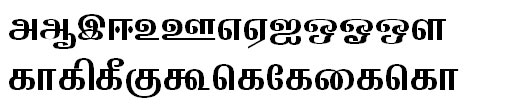
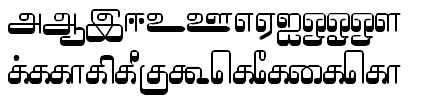
Tamil to English Dictionary: குதி--as

This is the world's leading online source for english definitions/meanings, we have been helping millions of people improve their use of the tamil language with its free online services.


Write your word as a english and click to search button for the meaning of english language. It's a very simple & easy. use & enjoy....

அன்
aṉ (p. 33) An increment, ஓர்சாரியை --as, நடந்தனள். 2. A termination of the third person masc. sing. ஆண்பாற்படர்க்கை யொருமைவிகுதி. 3. A termination of the first person singular, தன்மையொருமைவிகுதி. 4. A termination of some appellative nouns, பெயர்விகுதி--as, மலையன். (p.) அவன்வருவன். He will come. யான்வருவன். I will come.
ā (p. 34) . The second vowel of the alphabet, இரண்டாமுயிரெழுத்து. 2. A contraction of the infinitive ஆக, to become--as பெண் ணாப்பிறந்தவள், one become (born) a woman. 3. s. A neat, a cow or bull, பசுப்பொது. 4. A cow, பெண்பசு. 5. A she buffalo, பெண் ணெருமை. 6. A she elk, gayal, பெண்ம ரை. 7. An interjection of pity, regret, pain, desire, contempt, admiration, இரக்கச் சொல். 8. A particle expressive of eager desire, gaping for a thing--as, ஆவென்றுதிரிகி றான், he wanders in quest of what he can get. (See ஆவெனல்.) 9. An affix of interrogation, வினா--as விழித்தானா? is he awake? 1. The termination of the neg. neut. plural of verbs, எதிர்மறை யஃறிணைப் பன்மைவி குதி--as, அவைசெல்லா, they will not go. 11. A contracted form of the negative gerund, எதிர்மறை வினையெச்சவிகுதி--as உண்ணா வந்தான்; for உண்ணாமல்வந்தான், he came, not having eaten. 12. A contracted form of the neg. rel. participle, எதிர்மறைப்பெயரெச்ச விகுதி--as ஓடாக்குதிரை, for ஓடாதகுதிரை, a horse that will not run. 13. A poetic form of the gerund, வினையெச்சவிகுதி--as பாராவணங்காமகிழ்ந்தான், he saw, worshipped and rejoiced;--பாராவணங்கா for பார்த்துவண ங்கி. 14. A neg. particle which may be expressed or understood before the termination of any verb except the neut. plural--as நடவாதான், he will not walk; நட வாய், you will not walk, &c. 15. A poetic contraction of ஆறு, way or manner--as, யான்வந்தவாசென்றியம்புதியேல், if you will go and give information of my arrival. 16. A poetic name of the ஆச்சாமரம். 17. One of the letters on which to exercise the voice in singing, running through the notes of the octave--a musical mode, இசையிலோசை. 18. A prefix to Sanscrit words--as, ஆகன் னம், ஆசட்சு. ஆ கெட்டேன். Ah! I am undone. ஆ கொடுப்பாய். Oh! thou wouldst give thyself--i. e. thyself and thy family--to Yama the god of death; [vul.] generally used by women. ஆதீண்டுகுற்றி--ஆவுரிஞ்சுதறி, s. A rubbing post or stone for cows, erected as a meritorious deed of charity. ஆப்பி--ஆமயம், s. Cow-dung, கோமயம். காட்டா, s. A wild cow. காரா, s. Buffalo, (lit.) a black cow or ox. 16)
ஆனை
āṉai (p. 44) s. An elephant, யானை. 2. (M. Dic.) The அத்தி tree, Ficus racemosa. ஆனைகட்டுந்தறி--ஆனையணைதறி, s. A post to tie an elephant. ஆனைக்கண், s. Round, black spots in fruits, when they are over-ripe, or spoiled. ஆனைக்கண்படுதல்--ஆனைக்கண் வி ழுதல், v. noun. The appearing of spots, or defects in fruits. பலாப்பழமானைக்கண்பட்டுப் போயிற்று. The jack fruit has got a defect or flaw. ஆனைக்கதுப்பு, s. The frontal sinus of the elephant, from which secretion exudes when the animal is in rut. ஆனைக்களிமுளையான், s. A plant, ஓர்பூடு. ஆனைக்கற்றலை, s. A fish, ஓர்மீன். ஆனைக்காயம்--ஆனைப்பெருங்கா யம், s. A kind of assaf&oe;tida given to elephants, &c. See பெருங்காயம். ஆனைக்கால், s. A disease--the elephantiasis or large leg, Cochin leg, வாதக்கால். 2. A big tube fixed on the walls or roofs, for rain-water to pass through, தண்ணீர்க்குழாய். (c.) ஆனைக்காவல், s. Watchers to defend a garden, a field, &c., against elephants. ஆனைக்கூடம், s. An elephant's stall, ஆனைகட்டுமிடம். ஆனைக்கொம்பு--ஆனைக்கோடு--ஆ னைத்தந்தம், s. An elephant's tusks. 2. Ivory. ஆனைக்கொம்பன், s. A kind of rice, ஓர்வகைநெல். 2. A species of plantain--as ஆனைவாழை. ஆனைக்கோடன்சுரை, s. A gourd whose fruit is compared to the elephant's tusks, and is used for a curry, the snake gourd, ஓர்வகைச்சுரை. [Trichosanthes anguina.] ஆனைசேனை, s. A great quantity, abundance, மிகுதி. ஆனைச்சப்பரம், s. A seat on an elephant--as அம்பாரி. ஆனைச்சிலந்தி, s. A kind of scabby disease. ஆனைச்சிரங்கு, s. A kind of itch in large blisters. ஆனைச்சீரகம், s. A plant, ஓர்பூடு. ஆனைச்செவியடி, s. A pricklyleaved plant, ஓர்பூண்டு. 2. The lower part of the elephant's ear. ஆனைத்தடிச்சல், s. A kind of creeping plant with acid juice--used in polishing brass, ஓர்படர்கொடி. ஆனைத்தடிப்பு, s. A plant, ஓர்பூடு. ஆனைத்திசை, s. [in astrology.] North, வடக்கு. ஆனைத்திப்பிலி, s. Pericarps of Pothos officinalis, ஓர்வகைத்திப்பிலி. ஆனைத்தோட்டி, s. An elephant's hook or goad. ஆனைநெருஞ்சில், s. A low plant, a kind of spreading thistle--pricklyfruited Pedalium murex, ஓர்வகைநெருஞ்சில். ஆனைப்படுவன், s. A kind of scabby disease--as the அக்கி. ஆனைப்படை, s. An army of elephants. ஆனைப்பந்தி, s. An elephant's stall. 2. A row of elephants. ஆனைப்பாகன், s. An elephanteer, or one who tames or guides elephants. ஆனைப்பிச்சான், s. A plant, ஓர் பூண்டு. ஆனைப்பேன், s. An insect that lives in the brinjall plant, கத்தரிச்செடியிலு ண்டாகுமோர்பூச்சி. ஆனைமஞ்சள், s. A plant, ஓர்பூடு. ஆனைமதம், s. An elephant's rut. ஆனைமத்தகம், s. An elephant's skull or part of the head, கும்பம். இ. A short letter, similar to I in English, ஓர்குற்றெழுத்து. 2. A demonstrative prefix, சுட்டெழுத்து--as இந்த, this. 3. A termination of the second person singular, முன்னிலையொருமைவிகுதி--as உண்டி, thou hast eaten. 4. An imperative second person singular, முன்னிலையேவலொருமைவிகுதி-as சொல்லுதி, say thou. 5. A feminine appellative termination, பெண்பால்விகுதி-as கூனி, a hump-backed woman. 6. A singular termination, common to the masc. and fem., உயர்திணையொருமைவிகுதி--as மானி, an honorable person--பாவி, a sinner. 7. A termination in the singular, common to each gender, இருதிணைமுக்கூற்றொருமைவிகுதி --as செவியிலி, a man, woman, or animal without ears. 8. An expletive inserted at pleasure, when the preceding word ends with any letter except ய், and the following word begins with ய், சாரியை--as காலியாது, from கால், foot and யாது, which. 9. A termination of some participles, வினையெச்சவிகு தி--as எண்ணி, சொல்லி, &c. 1. A prefix to ஆனைமயிர், s. The hair of an elephant's tail. ஆனைமயிர்க்காப்பு, s. Bracelets of the hair of elephants' tails. ஆனைமலை, s. The name of a mountain in the south near Madura. ஆனைமுகவன்--ஆனைமுகன், s. Ganesa, விநாயகன். 2. An Asoor, கசமுகா சுரன். (p.) ஆனைமுதுகு, s. An elephant's back. ஆனையடி, s. The footsteps of an elephant. ஆனையறுகு, s. A kind of grass, ஓரறுகு. ஆனையறையும்புள்--ஆனையிறாஞ்சி ப்புள்--அனையுண்குருகு, s. A fabulous bird --said to devour the elephant. ஆனையிலத்தி, s. Elephant's dung. ஆனையூர்தி, s. Indra whose vehicle is the elephant, இந்திரன். 2. Ian, ஐயன். (p.) ஆனையேற்றம், s. Learning and practising to ride on an elephant, யானை யேறிப்பழகுகை. ஆனைவணங்கி, s. A kind of plant whose flower is supposed to resemble the trunk of an elephant. It is also fancied to be a preservative against the attack of a wild elephant, which, it is said, will retire abashed at the sight of it, தேட்கொடுக்குப்பூண்டு. ஆனைவாழை, s. A species of plantain, ஓர்வகைவாழை. ஆனைவிழுங்குமீன், s. A large fish --said to devour the elephant, திமிங்கிலம். ஆனைவீரர், s. One of the eight assistants of kings, அரசரெண்வகைத்துணை வரிலோர்வகையார். 19)
ஆன்
āṉ (p. 44) The common termination of the third person masc. sing. படர்க்கை யொருமையாண்பால்விகுதி--as பார்ப்பான், he will see. 2. A poetic expletive used with a change of the word, பத்து, சாரியை--as இரு பான், twice ten. 3. A form of the third or instrumental case, மூன்றனுருபு. See ஆல். (p.) உரனென்னுந்தோட்டியானோரைந்துங்காப்பான். He who guides his five (senses) with the elephant goad of wisdom. (Cural.) 21)
ஆர்
ār (p. 41) . A termination of the third person plural of the rational class, பலர்பாற் படர்க்கைவிகுதி--as வந்தார், they came. Also honorific for the singular, as வந்தார். 2. It is sometimes affixed to a noun, as an additional termination, ஒருவனையுயர்த்திக்கூறுமிட த்துச்சேர்க்கப்படும்விகுதி--as தகப்பனார், father; தாயார், mother; காலனார், the god of death. 53)
u (p. 58) . Short u, the third vowel, ஓருயி ரெழுத்து. 2. One of the demonstrative prefixes, (see அ, and இ) that, this, intermediate, not distant, சுட்டெழுத்துளொன்று--as உக்கொற்றன், that Kotton (who is at a short distance, or is in the middle between two others of the same name). 3. A particle used (1.) in forming the dative case, சாரியை --as அவனுக்கு, to or for him--for அவற்கு (2.) Joined to short monosyllabic verbs ending in mutes--as சொல்லு from சொல், speak--வாரு from வார், gather up. 4. A numeral indicating two, இரண்டென்னுமெண் ணின்குறி. 5. A termination of the verbal participle, ஓர்வினையெச்சவிகுதி--as செய்து, doing. உக்குறுமை, s. [in grammar.] Abbreviated உ, உகரக்குறுக்கம். உங்கு--உங்கே. There, not very distant, the middle between two places. உங்ஙனம், In this or that place, in this or that manner. (p.) உது--உஃது, pron. That, this. உவன், pron. That man, the one who stands near. 39)
உம்
um (p. 63) . A connective particle variously used, ஓரிடைச்சொல். 1. எதிர்மறையும்மை, the use of உம் with an affirmative, or negative expressing probability, possibility, &c., and implying the possibility, &c., of the contrary--as, சாத்தன்வருதற்குமுரியன், Sattan may perhaps come; அவன்வரவுங்கூடும், It is possible that he may come. 2. சிறப்பும்மை, the உம் of speciality, including உயர்வுசிறப் பும்மை, or superiority and இழிவுசிறப்பும்மை, or inferiority--as, ஞானிகளுமறியார்கள்சித்திரநதிமூல ம், Even the sages are unacquainted with the source of the சித்திரம் river; இவ்வூர்ப்பூனை யும்புலாறின்னாது, Even the cats of this place will not eat flesh (so sacred is it, so vile is the practice); பார்ப்பானுங்கள்ளுண்டான், Even a Brahman has been drinking toddy; இவனைநாயுந்தேடாது, Even a dog will not regard him. 3. ஐயவும்மை, the உம் in doubt, uncertainty, indecision, equivocal forms, probability, possibility--as, அவர்பத்தாயினுந் தருவார்பதினைந்தாயினுந்தருவார், Perhaps he may give ten or he may give fifteen; மழை பெய்தாலும்பெய்யும், It may perhaps rain; பத் தானுமெட்டானுங்கொடு, Give ten, or eight, ten would be preferred, but eight may do; வரினும்வருவான், It is probable that he may come. The உம் is often suppressed. 4. எச்சவும்மை, இறந்ததுதழீஇயவெச்சவும்மை, எதிரதுதழீ இயவெச்சவும்மை, the use of உம் implying another person, thing, or event, understood, and meaning likewise, too, even--as, அவனும் வந்தான், He also is come (implying that another is come or expected); நாம்பாடவும் வேண்டும், We must sing also (as well as dance, &c.); கேட்டும்படிக்கவேண்டும், By inquiry also we must learn (as well as by other means). 5. முற்றும்பை, indicating the whole of a number or series, universality, totality--as, ஒருவருக்குமையமில்லை, None can doubt; எங்குமில்லை, no where; இருகண்ணுஞ் சிவந்தன, both eyes reddened; எவ்விடமும், every where; இரண்டையுங்கொண்டுவா, Bring them both; எல்லாரும், எவரும், ஆரும்வந்தார், all, whoever, &c. came; மிகுந்தநாலுபணத்தை யுந்தா, Give me the remaining four fanams; மூவரும், all the three persons. 6. எண்ணும் மை, a numeral connective, corresponding with, and commonly repeated with each word of the series; நீயுமவனும்வந்தீர்கள், You and he came. The particle is sometimes joined to the last only--as, சாத்தன், கொற்றன், பூதனும் வந்தார்கள், Sattan, Kottan and Poodan came. Sometimes it is wholly omitted, and a pronoun including the series used instead--as, சாத்தன்கொற்றன்இவர்கள்வந்தார்கள். Sometimes the last noun in the series is used in the plural--as, சாத்தகோற்றவர்வந்தார்கள். 7. தெரிநிலையும்மை, the உம் of ascertainment, clear perception, or decision, used of three or more things concerning which doubt has been entertained, but which is now cleared up--as, ஆணுமன்றுபெண்ணுமன்று, It is neither male nor female (but in hermaphrodite); அவருண்பதுசோறுமல்ல, பணிகாரமுமல் ல, சாகமூலபலாதிகள், His food is neither rice nor cakes, but leaves, roots and fruits, &c. 8. ஆக்கவும்மை, உம் expressive of a change of state--as, பாலுமாயிற்று, This milk became medicine also; வலியனுமாயினான், He has become even a strong man. The above eight are given in நன்னூல். 9. உம் joined to an infinitive implies விரைவு, the immediate occurrence of the event--as, துரைகட்டளையிடவுங்காரியஞ்செய்துமுடிந்தது, As soon as the magistrate gave the order, the thing was done; அவர்சொல்லவுமுலகங்களுண் டாம், As soon as he speaks worlds appear. The உம் is often omitted, but then it is less expressive--as, நானிதைச்செய்யெனச்செய்கிறான், I say this and he does it. 1. உம் added to a verbal noun in poetry, sometimes gives it a gerund-like succession of the event--as, காண்டலுமிதுவேசொல்வான், Seeing him he spoke thus; வருதலுந்தழுவிக் கொண்டான், As soon as he came he embraced. 11. உம் is associated to the social ablative with the same meaning--as, கடுங்கணைதொடுத்தலோடும், As soon as the swift arrows were shot. 12. உம் added to the infinitive serves for optative, especially in epistolary usage but not in good style--as, தாங்கள்மறுமொழியனுப்பவும், May you please to send an answer; இப்படிச்செய்யவும், May you do so, I wish you to do so. 13. உம் added to the following forms of a verb, செய்து, செய்யின், செய்தால், has the force of though, although--as, அவனறிந்தும்வரவில்லை. Though he knew, he did not come; சொல்லி னும் or சொன்னாலும்அவன்கேளான், Though you may tell him he will not listen. 14. உம் added to இல் or இன் forms of the fifth case gives the force of the comparative degree --as, கந்தனினும்வலியனே, He is even stronger than Skanda. 15. A token of reproof, menace, anger, &c., also of attention, assent, doubt, non-compliance, &c., (see ஊம்)--as, உம்மெனத்தெழித்துரப்ப, He reproved his rashness by uttering the menacing sound உம் (ஸ்காந்தம்); கதைசொல்லுகி றேன்உம்கொட்டிக்கேள், I am going to tell you a story, show that you listen by saying உம்; உம்மெனுமார்பைத்தட்டும், The guilt of Brahmanicide manifested in a phantom threatened by saying உம் and striking on its breast (திருவிளையாடல்). 16. A termination of the imperative plural, முன்னிலைப்பன்மைவி குதி-- as, நீவிர்சொல்லும், say ye. It is often used honorifically in imperative singular --as, கடவுளேநீரிரங்கும், God be merciful. 17. A termination of verbs third pers. pres. or fut. tense sing. number, also of neut. plurals--as அவன்செய்யும், He does or will do it; சிங்கங்கள்முழங்கும், The lions roar, or will roar, செய்யுமென்முற்றுவிகுதி. 18. A modification of the pronoun நீர் when it is declined in the different cases--as, உம்மை, உம் மால், &c. 19. The termination of the future relative participle, எதிர்காலப்பெயரெச்ச விகுதி--as, உலகாளும்அரசர், Kings who govern the world. 2)
உள்
uḷ (p. 67) . An affix to some verbal nouns, தொழிற்பெயர்விகுதி--as செய்யுள், விக்குள். 51)
எம்
em (p. 73) pos. pron. [from யாம்.] Our --as எங்குலம், our caste; எம, our things. Also the ending of verbs of different persons, உளப்பாட்டுத்தன்மைப்பன்மைவிகுதி--as உண்டனெம்யானுமவனும், I and he ate. எமக்கு. To us, நமக்கு. எம்மனோர். Like us, such as we are, persons of our rank, state, circumstances. எம்முடையது--எமது, pron. Ours. எம்பி, s. Our or my younger brother, என்தம்பி. (p.) எம்பியும்யானுமுற்றெதிர்ந்தபோரினில். In the fight in which my brother and I engaged. (இராமா.) எம்பிராட்டி, s. Our lady, our mistress, எம்மிறைவி. (p.) எம்பிரான்--எம்பெருமான், s. Our lord, god, or chief, எம்மிறைவன். 2. The name of a Vishnu devotee, ஓர்விட்டுணு பத்தன். எம்பெருமான்சதகம், s. A celebrated devotional book, containing one hundred stanzas, addressed to Vishnu. எம்மான், s. Our God, எம்மிறை வன். (p.) 72)
ஏற்று
ēṟṟu (p. 79) கிறேன், ஏற்றினேன், வேன், ஏற்ற, v. a. To raise, hoist, lift up, எழுப்ப. 2. to load a cart, &c.; to ship; to put upon a shelf, &c., set a load on one's head, set up, pile up, stow, பாரமேற்ற. 3. To put in, cause to enter, insert, drive in--as a nail, உள்ளேற்ற. 4. (p.) To teach, instruct, உ ணர்த்த. மச்சிலேற்றியேணியைவாங்கிவிட்டான். He has put me in the loft, and taken away the ladder; i. e. he has induced me to engage in the business and then deserted me. நிறைந்ததண்ணளியினனென்பாரதனைக்குடைமேலேற் றிமுழுமதிமுக்குடையென்றார். he said, the triple, full-moon-like umbrellas--thus transferring the benignant qualities of the possessor to the umbrella. ஐ. The diphthong ai, the ninth vowel, ஒன்பதாமுயிர். It may be written for அய் or vice versa. In the beginning and middle of a word, when followed by ச, ஞ், or ய, ஐ is sometimes substituted for அ--as அரைசன் for அரசன்; மைஞ்சு for மஞ்சு; ஆலையம் for ஆலயம்; மையல் for மயல். Words beginning with ஐ often take அய் instead--as அய்ய ன் for ஐயன்; அய்யோ for ஐயோ, &c. 2. The form of the second or accusative case, இரண் டனுருபு--as அவனை, him. 3. A termination of the second pers. sing. முன்னிலையொருமைவி குதி--as பெரியை, thou art great; வந்தனை, thou art come. 4. A termination of nouns chiefly feminine, பெயர்விகுதி--as தெரிவை, a woman; தந்தை, a father. 5. An expletive இதையதின்மேலேற்றிச்சொல்லலாம். This is applicable to that. தன்வருத்தத்தைமாலைப்பொழுதின்மேலேற்றி. Ascribing her sufferings to the evening twilight. குற்றத்தையென்மேலேற்றப்பார்தான். He sought to fix the blame on me. ஏற்றிப்போட--ஏற்றிவிட inf. To transport, to export goods. ஏற்றுதுறை, s. Place of exportation or embarkation, துறைமுகம். ஏற்றுமதி, s. Export. 2. Cargo. ஏற்றுமதிச்செலவு, s. Shipping expenses. ஏற்றுமதிபண்ண, inf. To export a cargo. விளக்கேற்ற, inf. To set up, to place a lamp, to light a candle. குடியேற்ற, inf. To people, to populate. ஏற்றம், v. noun. Hoisting, raising up, ஏற்றுகை. 86)
ஓம்
ōm (p. 84) s. The mystic name of the deity, prefacing and concluding all the prayers or incantations of the daily worship, commencing books, &c., from அ, a name of vishnu; உ, of Siva, and ம் of Brahma, embracing therefore the Indian Triad, and expressing the three in one, பிர ணவம். 2. An expression of assent, a term used in bonds, agreements, &c., as showing the assent of the contracting party, ஓருடன்பாட்டுச்சொல். 3. A termination of the first person plural of verbs, தன்மைப்பன் மைவிகுதி--as வருவோம், we shall come. ஓமென்றான். He has consented. ஓமபட, inf. [prov.] To express assent, consent, உடன்பட. 103)
காடு
kāṭu (p. 103) s. An uncultivated tract of land covered with forest-trees, thick, impenetrable brush wood, creeping plants and coarse, rank, reedy vegetation, a waste, a thicket, வனம். 2. Deserts, forest tracts, ஆரணியம். 3. A desert place for burning the dead, சுடுகாடு. 4. fig. Excessiveness much, closeness, &c., மிகுதி. 5. Wild, rough, uncultivated, unpolished, &c., used as a prefix--as காட்டுப்பசு. 6. A nominal termination to some words of verbal derivation, தொழிற்பெயர்விகுதி--as சாக் காடு. (c.) 7. (p.) A place, இடம். 8. A border, a limit, எல்லை. 9. A town, ஊர். 1. The second lunar asterism, பரணிநாள். 11. Chaff, straw, &c., செத்தை. காடுவாவீடுபோவென்கிற காலம்வந்தது. The time has arrived when the desert says, come, and the house says, go. இந்தவூருக்குக்காடுகொஞ்சம். This village has but little arable land. காடாய்க்கிடக்க, inf. To be covered with jungle or wood. நிலங்காடாய்க்கிடக்கிறது. The ground is uncultivated. கடாய்ப்போக, inf. To become waste, to grow woody. காடாரம்பட்டு, s. A village situated in a wild tract of land near Vedarniam. காடாற்ற, inf. To perform the ceremony of quenching the fire where a corpse has been burnt, gathering the remains and taking them in a new pot to some water representing the Ganges, பாற்றெளிச்சடங்குசெய்ய. காடுகாட்ட, inf. To deceive, disappoint, lit. to show the place of burning the dead. காடுபடுதிரவியம், s. The productions of the desert, காட்டிலுண்டாகுந்திரவி யம். See under திரவியம். காடுபலியூட்ட, inf. To sacrifice to the sylvan nymphs before hunting, காட் டில்வாழுந்தேவர்களுக்குப்பலியிட. காடுவசாதி, s. [prov. prop. காடுவாழ் சாதி.] Savage tribe. காடுவசாதியாய்த்திரிய, inf. To be slovenly, sluttish, &c., to be careless, negligent of one's dress, &c., 2. To be vagrant, idle, &c., as a child for whom no one cares. காடுவாரி, s. [prov.] A rake, ஓர் கருவி. 2. One who scrapes up all he can, சேர்ப்பவன். 3. One who resorts to any kind of labor for support. காடுவாழ்த்து, s. A section of a war poem, extolling the jungle of the sylvan goddess, &c., where the battle occurred, வனதேவதையைவாழ்த்தும்பிரபந்தம். காடுவெட்டி, s. A wood-cutter, a savage, an untaught man. காட்டகத்தி, s. A shrub, வீழி, Cadaba Indica. காட்டத்தி, s. A species of the அத்தி tree, downy mountain ebony, Bauhinia tomentosa. (Mat. Ind.) காட்டழல், s. Jungle fire, kindled by the friction of trees, &c., காட்டுத்தீ. காட்டாள், s. A rustic, rural person, நாகரீகமில்லாதவன். காட்டான், s. The wild cow,காட் டுப்பசு. 2. [prov.] Stranger, பிறன். காட்டிலேபோக, inf. To be lost, to waste. காட்டுக்கடலை, s. A small tree or plant, ஓர்செடி. Rough melastoma, (Melastoma aspera) or Indian current bush. (Mat. Ind.) காட்டுக்கல், s. A rough hard kind of stone, ஓர்வைரமானகல். காட்டுக்கீரை, s. Different kinds of wild greens mixed together. காட்டுச்சீரகம், s. A wild cumin, purple fleabane, ஓர்பூண்டு, Vernonia anthelmintica. காட்டுச்சீரகவள்ளி, s. An esculent creeper--as காட்டுக்காய்வள்ளி. காட்டுச்சேவல், s. The jungle-cock, somewhat different from a woodcock. காட்டுத்தகரை, s. The wild தகரை plant. காட்டுத்தனம், s. Rusticity, uncultivated manners. காட்டுத்தாரா, s. A wild duck. See தாரா. காட்டுத்தாளி, s. A twining plant, Convolvulus muricatus. See தாளி. காட்டுத்தினை, s. Wild millet. காட்டுத்துத்தி, s. A kind of plant, Sida hirta. See துத்தி. காட்டுத்துவரை, s. A kind of துவ ரை plant, Glycine parviflora. காட்டுத்துளசி, s. A Wild species of துளசி; which see. காட்டுநாரத்்தை, s. A kind of நாரத் தை tree, பெருங்குருந்து. காட்டுநெல்லி, s. A kind of நெல்லி tree, Emblica officinalis. காட்டுப்பயிர், s. Vegetables that grow of themselves, தாமாகவிளையும்பயிர். காட்டுப்பருத்தி, s. Wild cotton of spontaneous growth. காட்டுப்பன்றி, s. A wild hog. காட்டுப்பாகல், s. A kind of பாகல் creeper. See பழுபாகல். காட்டுப்பிள்ளை, s. [metap.] A foundling. Besch.. காட்டுப்பீ, s. First black excrement of a new-born child, or calf, meconium. கட்டுப்புத்தி, s. Stupidity, senseless conduct, மூடபுத்தி. காட்டுப்புளிச்சை, s. Wild sour greens, காட்டுக்காய்ச்சுரை, Hibiscus cannabinus. காட்டுப்புறா, s. A dove, a turtledove, கபோதம். காட்டுப்பூனை, s. A species of wild cat, காட்டில்வாழும்பூனை. காட்டுமந்தாரை, s. A tree, ஓர்மரம், Bauhinia acuminata. L. காட்டுமரம், s. Any wild or useless tree, plant, &c. காட்டுமரி, s. A shrub, ஓர்பூடு. See உமரி. காட்டுமருக்கொழுந்து, s. A wild species of மருக்கொழுந்து, not fragrant. காட்டுமல்லிகை, s. A kind of wild jasmine, with red blossoms, வனமல்லிகை. 2. Narrow-leaved jasmine, Jasminum angustifolium. காட்டுமனுஷன், s. A wild man. 2. An uncivilized man. காட்டுமா, s. The wild mango, வன மாமரம், Carbera manghos. 2. Another wild, mango, Spondias mangifera. காட்டுமாமரம், s. The wild mango tree. காட்டுமாவிரை, s. The same as சாரப்பருப்பு. காட்டுமிருகம், s. A wild beast, வனமிருகம். 2. A wild horse, கானக்குதிரை. காட்டுமிருகாண்டி, s. [vul. காட்டு மிறாண்டி.] A clown, rustic, an awkward ill-bred person, முருடன். காட்டுமுருக்கு, s. A thorny wild tree, Erythrina Indica. See முருக்கு. காட்டுமுருங்கை, s. A senna-leaved shrub, வனமுருங்கை, Ormicarpum sennoides. (M. Dic.) காட்டுமுன்னை, s. A shrub, Croton repandum. (Rott.) See முன்னை. காட்டுவள்ளி, s. A plant with a bulbous root, Discorea bulbifera. See வள்ளி. காட்டுவாகை, s. A Mimosa tree. See வாகை. காட்டெருமை, s. A wild buffalo. காட்டெருமைப்பால், Its milk. 2. The milky juice of the Asclepias gigantea, or gigantic swallow-wort, எருக்கம்பா ல். 3. The same as கள்ளிப்பால், the milky juice of the Euphorbia tirucalli. 4. The same as கூகைநீறு, the flour of the root of the Curcuma angustifolia, அங்குசரோசனம். காட்டேரி--இரத்தக்காட்டேரி s. [prop. காடேறி.] A jungle imp, a sylvan nymph, a demoness. புகைக்காடு, s. A great smoke. குடிக்காடு, s. Many houses together, a village, town. பிணக்காடு, s. A field covered with corpses. பருத்திக்காடு, s. A cotton field. நெருப்புக்காடு, s. A large fire. புன்செய்க்காடு, s. High dry land. புல்லுக்காடு, s. Pasture land. வெள்ளக்காடு, s. A general flood. பெருங்காடு, s. Large jungle. பனங்காடு, s. A thick palmyra grove. இடுகாடு--சுடுகாடு s. A place for burying, burning the dead. சுடுகாட்டுக்குப்போனபிணந்திரும்புமோ. Will the corpse which has been carried to the cemetery ever come back again? சுடகாட்டுவைராக்கியம். A good resolution formed on the occasion of a funeral is soon forgotten. சுடுகாட்டுமணிபொறுக்கி, s. A wild dove. 2. A kind of bird. சிறுகாடு, s. A low jungle. கப்பற்காடு, s. A large number of ships, a fleet. வயற்காடு, s. Paddy field. 78)

சுமதி
cumti (p. 194) s. [prop. சுமை.] Burdensomeness, incumbrance, pressure of duty, responsibility, expense, &c., பாரம். 2. [prov.] Large quantity, மிகுதி--commonly செமதி. (c.) அதுஉன்மேற்சுமதி. It is your duty. 2. It will devolve on you; you are accountable for it, &c. சுமதியாய்வந்ததா. Did you get (them) in large quantities? 46) *
சேனை
cēṉai (p. 209) s. A host, an army, படை. W. p. 943. S'ENA. 2. Market, a fair, கடைவீதி. 3. weapon, ஆயுதம். (சது.) 4. (fig.) A large number, multitude, great quantity, &c., மிகுகூட்டம். 5. (Tel. loc.)Much, plenty, மிகுதி--This word retains its compounds. அவர்கள்உன்சேனையார்தானே. They are your kindreds, friends, &c. (a sarcastic expression.) அவர்வந்துசேனைநாளாச்சுது. It is now many days since he arrived. சேனாங்கம், s. A component part of an army; [ex அங்கம்.] சேனாசமுத்திரம், s. Ocean-like armies. சேனாதிபதி, s. A general, a commander of an army; [ex அதிபதி.] சேனாதிபத்தியம், s. The office of a general. சேனாதிபன், s. As சேனாதிபதி. 2. (in Culendars.) A planet considered as general for the year, with corresponding astrological results, வருஷபலக்கிரகங்களிலொ ன்று. சேனாபதி, s. A general. 2. Skanda, முருகன்; [ex பதி, lord.] சேனாமுகம், s. The front of an army. 2. A division of an army, consisting of three chariots, three elephants, nine horses and fifteen infantry. சேனைத்தலைவன், s. The leader of an army. சேனைத்தொகை, s. The component parts of an army--also called படைத் தொகை, consisting of 29,524 chariots, 29,534 elephants, 88,572 horses, and 147,62 infantry, and making a grandtotal of 295,34--are ten; viz: 1. பததி. --பதாதி. 2. சேனாமுகம். 3. குலுமம்--குமுதம். 4. கணகம்--கணம். 5. வாகினி. 6. பிரளயம் --பிரதனை. 7. சமு--சமுத்திரம். 8. சங்கம். 9. அனிகம். 1. அக்கோணி--அக்குரோணி, which see respectively in their places. சேனைப்படைகள், s. [prov.] A great many persons, a concourse of people. (c.) பிரமசைதன்னியம், s. The supreme intelligence--understood not of Brahma, but of Brahm. கூடஸ்தசைதன்னியம், s. See கூடம். 21) *
மூலம்
mūlam (p. 361) s. A root or bulb, the root of a tree, &c., வேர். 2. Origin, commencement, ஆதி. 3. Cause, foundation, instrumentality, காரணம். 4. The nineteenth lunar asterism, containing four stars of the scorpion's tail, மூலநாள். 5. Text of a book, உரையில்லாப்பாடம். W. p. 668. MOOLA. 6. A disease, the piles, hemorrhoids. மூலநோய். 7. The first region of the human body. See மூலாதாரம்.--Note. Of the piles are, இரத்தமூலம், bleeding piles; உள்மூலம். Tenesmus; சீமூலம், piles attended with discharge of matter; புறமூலம்--வெளிமூலம், external hemorrhoid; வறள்மூலம், costiveness. அவன்மூலமாய். By his means. இவனேயதுக்குமூலம். He is the cause of it. பணமேயகங்காரமூலம். Money is the root of pride. அஷ்டமூலம். The eight different medicinal roots, viz.: 1. சுக்கு, dry ginger; 2. அரத்தை, of two kinds, சிற்றரத்தை. Alpinia Galanga minor, பேரரத்தை, Alpinia Galanga major; 3. செவ்வியம், Piper nigrum; 4. சித்திரமூலம், Plumbago Zeylanica; 5. கண்டுபாரங்கி, சிறுதேக்கு, a kind of medicinal root; 6. கோரைக்கிழங்கு, Cyperus juncifolius; 7. நன்னாரிவேர், Indian Sarsaparilla; 8. காஞ்சொறிவேர், Tragia involucrata. தசமூலம், Ten kinds of medicinal roots used in a tonic medicament: 1. வாகை, Mimosa flexuosa; 2. முல்லை, Jasminum angustifol, 3. பாதிரி, Bignonia chelenoides; 4. நெருஞ்சி, Tribulus terrestris; 5. பேரா முட்டி, Pavonia odorata; 6. கூவிளை, Crat&ae;va religiosa; 7. சிற்றாமுட்டி, Pavonia Zeylanica; 8. சிறுவழுதுணை, Solanum Indicum; 9. கண்டங்கத்தரி, Solanum Jaquini; 1. குமிழ், Gmelina Asiatica. (R.) பஞ்சமூலம், Five kinds of medicinal plants, called together, தசமூலம், in two classes. 1. சிறுபஞ்சமூலம், the minor kind; 1. கண்டங்கத்தரிவேர், Solanum jacquini; 2. சிறுவழுதுணைவேர், Solanum Indicum; 3. சிறுமல்லிவேர், Jasminum angustifol; 4. பெருமல்லிவேர், Jasminum undulatum; 5. நெருஞ்சிவேர், Tribulus terrestris. II. பெரும்பஞ்சமூலம், The major kinds: 1. வில்வவேர், Crat&ae;va religiosa; 2. பெருங் குமிழ், Gmelina tomentosa; 3. தழுதாழை, Celerodendron phlomoides; 4. பாதிரிவேர், Bignonia chelenoides; 5. வாகை, Mimosa flexuosa. (சது.)--Note. For five other medicinal roots, see பஞ்சமூலகஷாயம் under கஷாயம். மூலகந்தம், s. A grass, Andropogan muricatum, வெட்டிவேர்; [ex கந்தம், fragrance.] 2. The roots of trees and plants. மூலகம், s. A root, கிழங்கு. 2. The radish--as முள்ளங்கி. (Sa. Moolaka.) மூலகாரியம், s. The first, prominent, principal thing. மூலகுணம், s. An irascible disposition. மூலக்கடுப்பு, v. noun. Pain from piles. See கடுப்பு. மூலக்கரப்பன், s. A spreading eruption. மூலக்காரன், s. One who has the piles. 2. [com. மூலகுணக்காரன்.] A hasty tempered man. மூலக்கிரந்தி, s. A kind of disease from morbid humors in the body. மூலக்கூறு, s. The radical parts of any substance; or its essential nature. மூலக்கிராணி, s. Hemorrhoids or piles with flux. See கிராணி. மூலக்கொதி, s. A kind of disease or pain from the piles, said to cause peevishness, and anger. மூலசம், s. All the vegetable productions which have roots or a bulb; [ex சம்.] மூலச்சூடு, s. As மூலக்கொதி. மூலச்சோதி, s. The original or primeval light, i. e. God, கடவுள். மூலதனம்--மூலத்திரவியம், s. Capital or stock, முதற்பணம். 2. A treasure accumulated by ancestors, பிதிரார்ச்சிதம். மூலத்தம்பம், s. A Sanscrit treatise on Architecture, ஓர்சிற்பநூல். மூலத்தன்மை, s. Principle, பிரகிருதி. மூலத்தானம்--மூலஸ்தானம், s. The interior of a temple. See கர்ப்பக்கிரகம். 2. A king's residence, அரசிருக்கை. மூலத்துருவம், s. Epoch-longitude of a planet. See துருவம். மூலநாள், s. The nineteenth lunar mansion, as மூலம். மூலநோக்காடு-மூலநோய்-மூலவியாதி, s. The piles. மூலபஞ்சாட்சரம், s. The five mysterious letters, நமசிவாய, a Saiva formule. மூலபதம், s. The root of a word. See பிண்டம். மூலபலம்--மூலப்படை, s. The main body of an army. மூலபலாதிகள், s. Roots, fruits, &c., eaten by ascetics in forests; [ex பலம், fruits et ஆதி, first.] மூலபாடம், s. An original text without a commentary. மூலபாடை--மூலபாஷை, s. The original language--said by Buddhists to be the Pali. மூலப்பகுதி--மூலப்பிரகிருதி, s. Maya as the cause of visible creation. மூலப்பொருள், s. The original or first cause, God, கடவுள். (p.) மூலமந்திரம், s. The chief mantra of each sect, as distinguished from the Gayatri common to all, especially to the brahmans. மூலமலம், s. The original principle of good and evil, causing successive births. See ஆணவம். மூலமுளை, s. A hemorrhoidal shoot. மூலவாயு, s. Wind in the intestines. மூலவாயுவையெழுப்புதல், v. noun. Driving upwards the internal wind. மூலவிக்கிரகம், s. The chief or stationary idol in a temple, usually of unwrought black granite--oppos. to எழுந் தருளுநாயகர். மூலவிருள், s. The original darkness of the soul. See மாயை. மூலவேர், s. The first or principal root of a tree, or its stem. மூலாக்கிரம், s. The root and the top. See ஆமூலாக்கிரம். மூலாக்கினி, s. The warmth of the stomach, as உதராக்கினி. 2. A technical term of Saiva-yogis. எனக்குமூலாக்கினியாயிருக்கிறது. I feel very hungry. மூலாக்கினிகிளம்பிவிட்டால்தெரியும். If I am exasperated it will appear. மூலாக்கினியைமுடுக்குகிறது. Urging the internal heat towards the head. மூலாசனம், s. The eating of roots; [ex அசனம்.] மூலாட்சரம், s. [poet. மூலாக்கரம்.] The primitive letter from which all the letters of the alphabet are derived. மூலாதாரம், s. The first region of the human body, the posteriors including the hip. See ஆதாரம். மூலி, s. Any plant. 2. A tree as having roots, வேருள்ளது. (Sa. Moolin.) 3. A medicinal root, as மூலிகை. மூலிகம்--மூலிகை--மூலிக்கை, s. The root of a tree, also respectively roots of trees and shrubs for medicine. வனமூலிகை, s. Roots of the open fields. See வனம். 71) *
Random Fonts
Tam Shakti 19 Bangla Font
Tam Shakti 19
Download
View Count : 6916
Tam Shakti 13 Bangla Font
Tam Shakti 13
Download
View Count : 19092
TAU_Elango_Juliee Bangla Font
TAU_Elango_Juliee
Download
View Count : 14297
LRavi Bangla Font
LRavi
Download
View Count : 22162
Amma Bangla Font
Amma
Download
View Count : 51844
GIST-TMOTPattinathar Bangla Font
GIST-TMOTPattinathar
Download
View Count : 15297
Tab-Appar Bangla Font
Tab-Appar
Download
View Count : 11778
Tab Shakti-3 Bangla Font
Tab Shakti-3
Download
View Count : 18978
Tam Shakti 30 Bangla Font
Tam Shakti 30
Download
View Count : 6165
ThendralUni Bangla Font
ThendralUni
Download
View Count : 24204

Translation tools...

Privacy Policy   GDPR Policy   Terms & Conditions   Contact Us
Please like, if you love this website
close