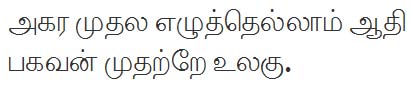
Tamil to English Dictionary: சாத்தனே

This is the world's leading online source for english definitions/meanings, we have been helping millions of people improve their use of the tamil language with its free online services.


Write your word as a english and click to search button for the meaning of english language. It's a very simple & easy. use & enjoy....

ஆனந்தம்
āṉntm (p. 44) s. A medicinal root, அரத்தை, Alpinia galanga, L. 2. A supposed inauspicious form of construction in poetry, பாக்குற்றங்களினோர்வகை. It is of six kinds; viz.: 1. எழுத்தானந்தம், lengthening the final long vowel or mute of the name of the patron of a poem, பாட்டுடைத்தலைவன்பெயர் சார்த்தியளபெழப்பாடுவது; உ-ம். நறுமாலைதாராய்தி ரையவோஒ வென்பள் செறுமாலைசென்றடைந்தபோ ழ்து. 2. சொல்லானந்தம், using a word in a poem, so that an undesigned, inauspicious meaning may be applied to its patron, இயற்பெயர்மருங்கின் மங்கலமழிக்குந்தொழிற் சொற்பு ணர்ப்பது; உ-ம். தண்மதியமின்னிவரிந்திலங்கும்வெ ண்குடைச்செங்கோல்விசய னெரிந்திலங்கும் வேலி னெழும். 3. பொருளானந்தம், inauspicious expressions of different kinds, in poems as following. (a) Stating in a poem written in praise of a king, or a great man, that the productions of his land are injured or ruined, இறைச்சிப்பொருளையூறுபடக்கூறுதல்; உ-ம். குட்டியுந்தாயுமவ்விடரகம்புக்குவீழ்ந்தன வீழக் குரங்குகளெல்லாமவற்றுக்கிரங்கி யழுது பெரியதோரார வாரமெழுந்ததவ்வரையை யொருவிப்போமினென்றான். (b.) Stating inauspicious actions as praise, மங்கலமழியக்கூறுகை; உ-ம். பீலிவிரித்துப்பலமயிலி ருந்தென வழிவந்தசைந்தவ்வருத்தத்தாற்றத்தங்கேசங்களை யெடுத்து முடிக்கில்லாதுவிரித்திருப்பரவன் வரைமேல். (c.) Stating an inapplicable comparison, உவமைக்காட்சியிலூனந்தோன்றக்கூறுவது; உ-ம். பெ யலொடு வைகிய வியன்கணிரும்பனத் தகலிருவிசும்பி னாஅரல்போலவாலிதின்மலர்ந்தபுன்கொடிமுசுண்டை. (d) Stating that a calamity or injury happened to that which is compared to the patron of the poem, பாட்டுடைத்தலைவனோ டுவமிக்கப்பட்டதற் கிடையூறுபடச் சொல்லுவது; உ-ம். வெற்பினிற்பொருத விறலோனன்ன பொற்புறு பரூஉத்தாட்போதகந்துரந்த. (e.) Comparing the patron of a poem to the meanest thing, இறப்பவிழிந்தவானந்த உவமை; உ-ம் வள்ளெயிற்றுப் பேழ்வாய் ஞமலிக்கு மான்குழா மெள்ளியிரிந்தாற்போ லெவ்வழியும் வள்ளற்கு மாலார்கடலன்ன மண்பரந்த வாட்டானை மேலாருமேலார் விரைந்து. (f) Comparing the meanest person or thing to the highest, இறப்ப வுயர்ந்த வானந்தவுவமை; உ-ம். இந்திரனேபோலுமிளஞ்சாத்தன் சாத்தற்கு மந்தரமேபோ ன்றுளது மல்லாகம் மந்தரத்துத் தாழருவிபோன்றுளதுதார் மாலையம்மாலை யேழுலகுநாறுமிணர், (g.) Comparing the patron of a poem to a thing that loses its power or eminence, இறந்துபாட்டு வமையானந்தம்; உ-ம். சென்றுபடுபரிதியிற்சிறந்ததோ ற்றத்தை. 4. யாப்பானந்தம், constructing a poem so that the name of its patron may follow a noun which is preceded by a word placed after the rhyming word of the stanza, முதற் றொடைமருங்கின் மொழிநிறுத்தொருபெயரிடைப்படுத் தவ்வழியிருசீர்ப்படப்பாடுவது; உ-ம். ஊகத்தினான்ம ல்குசோலையுழியனுயர்வரைவாய் மேகத்தினாலுமின்னாலு மெலிந்துநைந்த வாகத்தினானேற்கருளாயென்பணியு மைவாய் நாகத்தினான்மால் கடைந்திடப்பட்ட நளிகட லே. 5. தூக்கானந்தம், constructing a musical poem so that the name of its patron shall be inauspiciously, indistinctly, or abruptly pronounced, யாழொடுபுணர்ந்தபாவிற்பாட்டுடைத் தலைவன்பெயர் அமங்கலமாகத்தொனிக்கவும், ஒருவற் குப்புலனாகாதிருக்கவும், பிரிந்திசைக்கவும்பாடுதல். 6. தொடையானந்தம், placing the name of the patron of a poem at the beginning of the stanza, so that it may rhyme with அளபெ டை; அளபெடைத்தொடைப்பாட்டினுட்பாட்டுடைத் தலைவன்பெயர்சார்த்தியளபெடுப்பத்தொடுப்பது; உ-ம். வாஅ வழுதிமதுரைமறுகினிற்பொலிபகைமுனைப்போர். 7)
உம்
um (p. 63) . A connective particle variously used, ஓரிடைச்சொல். 1. எதிர்மறையும்மை, the use of உம் with an affirmative, or negative expressing probability, possibility, &c., and implying the possibility, &c., of the contrary--as, சாத்தன்வருதற்குமுரியன், Sattan may perhaps come; அவன்வரவுங்கூடும், It is possible that he may come. 2. சிறப்பும்மை, the உம் of speciality, including உயர்வுசிறப் பும்மை, or superiority and இழிவுசிறப்பும்மை, or inferiority--as, ஞானிகளுமறியார்கள்சித்திரநதிமூல ம், Even the sages are unacquainted with the source of the சித்திரம் river; இவ்வூர்ப்பூனை யும்புலாறின்னாது, Even the cats of this place will not eat flesh (so sacred is it, so vile is the practice); பார்ப்பானுங்கள்ளுண்டான், Even a Brahman has been drinking toddy; இவனைநாயுந்தேடாது, Even a dog will not regard him. 3. ஐயவும்மை, the உம் in doubt, uncertainty, indecision, equivocal forms, probability, possibility--as, அவர்பத்தாயினுந் தருவார்பதினைந்தாயினுந்தருவார், Perhaps he may give ten or he may give fifteen; மழை பெய்தாலும்பெய்யும், It may perhaps rain; பத் தானுமெட்டானுங்கொடு, Give ten, or eight, ten would be preferred, but eight may do; வரினும்வருவான், It is probable that he may come. The உம் is often suppressed. 4. எச்சவும்மை, இறந்ததுதழீஇயவெச்சவும்மை, எதிரதுதழீ இயவெச்சவும்மை, the use of உம் implying another person, thing, or event, understood, and meaning likewise, too, even--as, அவனும் வந்தான், He also is come (implying that another is come or expected); நாம்பாடவும் வேண்டும், We must sing also (as well as dance, &c.); கேட்டும்படிக்கவேண்டும், By inquiry also we must learn (as well as by other means). 5. முற்றும்பை, indicating the whole of a number or series, universality, totality--as, ஒருவருக்குமையமில்லை, None can doubt; எங்குமில்லை, no where; இருகண்ணுஞ் சிவந்தன, both eyes reddened; எவ்விடமும், every where; இரண்டையுங்கொண்டுவா, Bring them both; எல்லாரும், எவரும், ஆரும்வந்தார், all, whoever, &c. came; மிகுந்தநாலுபணத்தை யுந்தா, Give me the remaining four fanams; மூவரும், all the three persons. 6. எண்ணும் மை, a numeral connective, corresponding with, and commonly repeated with each word of the series; நீயுமவனும்வந்தீர்கள், You and he came. The particle is sometimes joined to the last only--as, சாத்தன், கொற்றன், பூதனும் வந்தார்கள், Sattan, Kottan and Poodan came. Sometimes it is wholly omitted, and a pronoun including the series used instead--as, சாத்தன்கொற்றன்இவர்கள்வந்தார்கள். Sometimes the last noun in the series is used in the plural--as, சாத்தகோற்றவர்வந்தார்கள். 7. தெரிநிலையும்மை, the உம் of ascertainment, clear perception, or decision, used of three or more things concerning which doubt has been entertained, but which is now cleared up--as, ஆணுமன்றுபெண்ணுமன்று, It is neither male nor female (but in hermaphrodite); அவருண்பதுசோறுமல்ல, பணிகாரமுமல் ல, சாகமூலபலாதிகள், His food is neither rice nor cakes, but leaves, roots and fruits, &c. 8. ஆக்கவும்மை, உம் expressive of a change of state--as, பாலுமாயிற்று, This milk became medicine also; வலியனுமாயினான், He has become even a strong man. The above eight are given in நன்னூல். 9. உம் joined to an infinitive implies விரைவு, the immediate occurrence of the event--as, துரைகட்டளையிடவுங்காரியஞ்செய்துமுடிந்தது, As soon as the magistrate gave the order, the thing was done; அவர்சொல்லவுமுலகங்களுண் டாம், As soon as he speaks worlds appear. The உம் is often omitted, but then it is less expressive--as, நானிதைச்செய்யெனச்செய்கிறான், I say this and he does it. 1. உம் added to a verbal noun in poetry, sometimes gives it a gerund-like succession of the event--as, காண்டலுமிதுவேசொல்வான், Seeing him he spoke thus; வருதலுந்தழுவிக் கொண்டான், As soon as he came he embraced. 11. உம் is associated to the social ablative with the same meaning--as, கடுங்கணைதொடுத்தலோடும், As soon as the swift arrows were shot. 12. உம் added to the infinitive serves for optative, especially in epistolary usage but not in good style--as, தாங்கள்மறுமொழியனுப்பவும், May you please to send an answer; இப்படிச்செய்யவும், May you do so, I wish you to do so. 13. உம் added to the following forms of a verb, செய்து, செய்யின், செய்தால், has the force of though, although--as, அவனறிந்தும்வரவில்லை. Though he knew, he did not come; சொல்லி னும் or சொன்னாலும்அவன்கேளான், Though you may tell him he will not listen. 14. உம் added to இல் or இன் forms of the fifth case gives the force of the comparative degree --as, கந்தனினும்வலியனே, He is even stronger than Skanda. 15. A token of reproof, menace, anger, &c., also of attention, assent, doubt, non-compliance, &c., (see ஊம்)--as, உம்மெனத்தெழித்துரப்ப, He reproved his rashness by uttering the menacing sound உம் (ஸ்காந்தம்); கதைசொல்லுகி றேன்உம்கொட்டிக்கேள், I am going to tell you a story, show that you listen by saying உம்; உம்மெனுமார்பைத்தட்டும், The guilt of Brahmanicide manifested in a phantom threatened by saying உம் and striking on its breast (திருவிளையாடல்). 16. A termination of the imperative plural, முன்னிலைப்பன்மைவி குதி-- as, நீவிர்சொல்லும், say ye. It is often used honorifically in imperative singular --as, கடவுளேநீரிரங்கும், God be merciful. 17. A termination of verbs third pers. pres. or fut. tense sing. number, also of neut. plurals--as அவன்செய்யும், He does or will do it; சிங்கங்கள்முழங்கும், The lions roar, or will roar, செய்யுமென்முற்றுவிகுதி. 18. A modification of the pronoun நீர் when it is declined in the different cases--as, உம்மை, உம் மால், &c. 19. The termination of the future relative participle, எதிர்காலப்பெயரெச்ச விகுதி--as, உலகாளும்அரசர், Kings who govern the world. 2)
உள்
uḷ (p. 67) s. The inside, the interior, that which is intrinsic, private, secret, esoteric, உள்ளிடம், 2. Mind, heart, soul, breast, உள்ளம். 3. Place, இடம். 4. As a nominal affix or postposition, it governs the dative and expresses in, within, among, of, out of, inner, interior, intrinsic, esoteric, ஏழ னுருபு. உள்ளிருந்தார்க்குத்தெரியுமுள்வருத்தம். Those of the household only are acquainted with its secret sorrows. உட்கரணம், s. The intellectual faculties. See இந்திரியம் and கரணம். உட்கருத்து, s. The inmost thought, the real purpose or motive, அகக்கருத்து. 2. Cordial affection, உட்பட்சம். 3. The intrinsic meaning of a passage, &c., கருத்துரை. உட்கருத்தாகப்பேச, inf. To speak with reservation. உட்களவு, s. Guile, deceit, treacherousness, insidiousness, உள்வஞ்சகம். உட்கள்ளம், s. Deep-seated viciousness, dissimulation, உள்வஞ்சகம். 2. Internal, or unsubdued disease, hidden humor or matter--as in a boil, கட்டியினுள் விஷம். உட்காங்கை, s. Caloric, latent heat, உட்சூடு. உட்காந்த, inf. To have internal heat causing emaciation; [ex காந்து.] உட்காய்ச்சல், s. Internal fever, அகச்சுரம். 2. Inward anger, rancor, malice, &c., உள்ளெரிப்பு. உட்கிராந்த, inf. To become emaciated by disease or otherwise. 2. To be firmly rooted--as disease. உட்குத்துப்புறவீச்சு, s. A species of hepatic complaint attended with convulsions, ஓர்நோய். உட்குயிர், s. The Deity regarded as the life, or identified with the life or soul of each individual, உள்ளுயிர். உட்குறிப்பு, s. Aim, object, intention, உள்ளக்குறிப்பு. உட்குற்றம், s. Innate depravity. See உட்பகை. உட்கூதல், s. Internal cold, chill, slight fever. உட்கை, s. Palm of the hand, உள்ளங்கை. 2. A person who is privy to, a secret hand--as in உள்ளுளவு. 3. Turning to the left in dancing or other movements, இடக்கைச்சுற்று. உட்கைச்சுற்று, s. Turning to the left, winding or turning back wards, or contrary to the sun. உட்கொள்ள, inf. To eat as a god, or great personage, உண்ண. 2. To take food that has been consecrated to a deity, தேவப்பிரசாதமுட்கொள்ள. 3. To take food, medicine, to swallow, take in, imbibeas the earth does the rain, &c., விழுங்க. 4. To receive into the mind, meditate, or reflect upon, மனதிற்கொள்ள. 5. To wish for an occurrence, or to express desires mentally--as a deity or holy sage (the thing desired instantly talking place), திருவுளங்கொள்ள. 6. To have a secret object in view, to have in view, உட்கருத. உட்கோபம், s. Interior anger, malice. உட்கோள், s. The will, determination, internal, or inmost thought, உட்கருத்து. 2. Wish of the heart. 3. Opinion, belief, tenet, கோட்பாடு. உட்சங்கம், s. A select society, a committee, அகச்சங்கம். உட்சட்டை, s. An inner vest or tunic. உட்சமயம், s. The six religious systems of the followers of Siva, அகச் சமயம். உட்சாடை, s. The real object of an affair, the real feeling of the heart, உட்கருத்து. 2. Exposure of secrets by one of a party by signs, இரகசியங்களைச்ச மிக்கையாலறிவிக்கை. 3. The meaning, thing, &c., told or known to one's own party and differing from that which is made known to others, குழூஉக்குறி. உட்சீலை, s. An under or inner cloth. 2. The lining of a garment. உட்சவர், s. An inner wall, அகச் சுவர். 2. The interior of a wall, சுவரி னிடை. உட்சுவரிருக்கப்புறச்சுவர்தீற்றுகிறது. To whitewash the outside wall while neglecting the inside; i. e. to be scrupulously exact in external conduct, while the heart is full of wickedness; to attend to things remote while those at hand are neglected. உட்சூத்திரம், s. The main spring in a machine, any internal power or operation concealed from view, மூலசூத் திரம். 2. A clue, or key to an affair, உள்ளுபாயம். 3. The main spring in a business, மூலகாரணம். 4. A skilfully contrived rule in numbers, &c., நுட்பமான வகை. 5. A short, compendious and subtle method of ascertaining, or effecting a thing, இலேசானவகை. 6. (fig.) Internal meaning of a passage, real object in view, உட்குறிப்பு. உட்செல்ல, inf. To enter, insinuate one's self, உள்ளேபோக. உட்டுளை, s. Hollowness--as of a pipe or tube. உட்டுளைப்பொருள், s. Any thing tubular. உட்டெளிவு, s. Cleverness of mind, freedom from doubt, profound knowledge, அகத்தெளிவு. 2. The clear part of the liquid--as poured off from the sediment, வடித்தசாறு. 3. Soundness--as in timber, &c., உள்வைரம். 4. Inner measurment. உட்டேட்டம், s. The secret object or pursuit, as differing from profession, or appearances, மனநாட்டம். 2. Property acquired and kept secretly, உட்சம்பத்து. உட்பகை, s. Internal enmity, hatred or grudge, rancor at heart with professions of friendship. 2. Internal, innate, or secret foes attached to the soul, causing actions, &c., காமாதிக்குற்றங் கள். (For the six உட்பகை, see பகை.) 3. Hatred of a king by his professed friends, civil conspiracy, அரசருட்பகை. எட்பகவன்சிறுமைத்தேயாயினுமுட்பகையுள்ள தாங்கேடு. Though the internal hatred be as the fragment of a grain of rape seed, the consequent evil may be very great. உட்பக்கம், s. Subject of investigation or deduction in things of a mental, mystic, or spiritual character. See பக்கம். உட்பட, inf. To enter, be within, or under--as in age, உள்ளாக. 2. To engage in, be concerned in, to be, or become one of a party, or community; to be involved in, to be subject to, to yield to, to be obedient to, உடன்பட. 3. adv. Together with, inclusive. மூன்றுவயதுக்குட்பட்டபிள்ளை. A child under three years of age. அதுட்பட. That inclusive. மோசத்துக்குட்பட, inf. To fall into danger. உட்படி, s. A make-weight, உட்ப டிக்கல். உட்படுத்த, inf. To cause to enter, to introduce, அகப்படுத்த. 2. To persuade, proselyte, bring one into, or over to one's party, மதத்துக்குள்ளாக்க. 3. To include, involve, entrap, ensnare, சிக்கப்பண்ண. உட்பத்தியம், s. Abstinence from venery as a regimen while taking medicine, &c.; sometimes அகப்பத்தியம். உட்பந்தி, s. The chief row or table of guests, அகப்பந்தி. உட்பலம், s. Property at command, திரவியபலம். 2. Friends, assistants, attendants, &c., துணைவர்பலம். 3. Forces, army, army in reserve, சேனாபலம். 4. Strength, firmness of body, hardness, strength from food, தேகபலம். உட்பற்று, s. Internal attachment, affections of the heart, &c. See அகப்பற்று. உட்பிரவேசம், s. Entrance. உட்பிரவேசிக்க, inf. To enter, உள்ளேபோக, உட்புக.--Note. This and the preceding word are in use, but not, it is thought, on good authority. உட்புக, inf. To enter, engage in. உட்புகுந்துபேச, inf. To make professions of friendship, kindness, concern, &c. உட்புரை, s. The hollow of a tube or pipe, உட்டுளை. 2. The small folds of a garment, உள்மடிப்பு. 3. (fig.) The secret of the matter, internal affair, அந்தரங்கம். உட்புறம், s. The inside, உட்பக்கம். உட்பொருள்--உள்ளர்த்தம், s. The real meaning, தாற்பரியம். 2. The hidden, or secret meaning, உட்கருத்து. சாஸ்திரத்தினுட்பொருள், s. The occult sense of a doctrine. உட்போட, inf. To coax, to wheedle, வசமாக்க. உண்ணா--உண்ணாக்கு, s. The uvula, அண்ணம்; [ex நா, tongue.] உண்ணாட்டம், s. The real or secret object of pursuit, உண்ணோக்கம். உண்ணீரம், s. The moisture within a body or thing; [ex உள், et நீரம்.] உண்ணோக்கல், v. noun. Contemplation. உண்மடை, s. The lower opening of a water-course. 2. Oblations, or offerings of fruits, betel, rice, pastries presented to ferocious deities, inside the temple, அகமடை. See மடை. உண்மட்டைநார், s. [prov.] The bark of the inner side of the palmyra stem, being the best for use. உண்மாசு, s. Corruption of mind-as உபமலம். உண்முடிச்சு, s. Treachery by which one inveigles another, (lit.) an inner knot, உட்கள்ளம். உள்யோசனை, s. Secret object, project, intention, &c., உள்ளாலோசனை. உள்வட்டம், s. Agio, premium in exchange of coins or other money for difference in value. (opp. to வட்டம்.) உள்வணக்கம், s. Mental worship, அகவணக்கம். உள்வயிரம், s. Interior firmness. 2. Malice, internal hatred. See வயிரம். உள்வயிரிப்பு, s. Internal hardness of a boil, &c., உள்வயிரம். 2. (fig.) [prov.] Property possessed, money in hand, கையிருப்பு. உள்வலிப்பு, v. noun. Inward pain or convulsion. உள்வழிகடந்தோன், s. God who is transcendent in knowledge and wisdom. (சது.) உள்வளைய, inf. To bend inwards, உட்கோண. உள்வளைந்தவன், s. A stooping person. உள்வளையல், v. noun. Bending forward, stooping as a person, உள்வளை ந்திருக்கை. உள்வளைவு, s. Inward curvature, concavity, உட்கவிவு. உள்வாரம், s. Secret partiality, leaning, inclination, உள்ளன்பு. 2. The share in the produce of a field which comes to the owner. உள்விழ, inf. To fall in, or with, join a party, &c., உள்ளாக. 2. To assume the appearance of friendship for a sinister object; to pretend kindness, காரியார்த்த மாய்ச்சிநேகிக்க. உள்விழுத்த, inf. v. a. To join a person on professions of friendship in order to deceive and entrap him, &c. உள்வினை, s. Malice, evil in the heart kept secret, long indulged, &c., உட்பகை. 2. Inherited fate, ஊழ்வினை. உள்வீச்சுச்சன்னி, s. See சன்னி. உள்வெக்கை, s. Internal heat of the system, உள்வெப்பு. உள்வெட்டு, s. The marks on a testing piece of gold, for trying the fineness of other pieces, from eight degrees and upwards, உரையாணியினுள் வெட்டு. 2. The higher kinds of gold, உயர்ந்தமாற்று. 3. Inner boards or planks exclusive of the slabs, அகவெட்டு. உள்வெண்டையம், s. A tinkling ring of brass, put as an ornament on the feet of horses mounted by kings and great men-comp. தண்டை, which is the name of another ornament made of silver and commonly placed upon the former. 2. A pad placed between a load and the back of an ox. உள்ளங்கம், s. Symmetry of mind, the internal property or quality. See அகத்துறுப்பு. உள்ளங்கால், s. The sole of the foot. உள்ளங்கை, s. The palm of the hand. உள்ளடங்கிப்போக, inf. To be shut, shut in, to be swallowed up. உள்ளடக்க, inf. To enclose, shut in, shut up in a place. 2. To conceal, to keep secret. உள்ளடக்கம், v. noun. Reservedness, reserve in intercourse. உள்ளடி, s. The sole of the foot, உள்ளங்கால். 2. [vul.] That which is secret, இரகசியம். 3. [prov.] Nearness, vicinity, neighborhood, சமீபம். 4. (fig.) One's own relations, one's own circle, நெருங்கியசுற்றம். உள்ளடியிலே--உள்ளடிக்குள், adv. At home, within doors, near home-spoken in cases of theft, mischief, &c. உள்ளறை, s. An inner room, closet, cabinet, உள்வீடு. 2. A division in a drawer, box, &c.; a separate cell, பெட்டி யினுள்ளறை. உள்ளன்--உள்ளான், s. One of the party or family, a domestic, உள்ளிருக்குமாள். 2. A near acquaintance. 3. The head or middle one of the oxen which thresh the corn. உள்ளனுங்கள்ளனுமாயிருக்கிறான். He is an enemy in the camp. 2. He is an inmate and yet a rogue. உள்ளாக, inf. To enter in, உட்புக. 2. To become subject to, கீழ்ப்பட. 3. To join a party, engage in, சேர. 4. To be involved, to become privy to an affair, உடன்பட. அவனுக்குள்ளானேன். I am on his side, I have taken his part. ஆக்கினைக்குள்ளானவன். One who is doomed to punishment. துரோகத்திற்குள்ளாகாதே. Be not a partaker in treacherous deeds. உள்ளாக்க, inf. To get a person into one's party, or to interest him in one's concerns, வசப்படுத்த. உள்ளாட, inf. To have intercourse with an enemy in order to effect an object, உள்ளேபயில. உள்ளாடுசத்துரு, s. An enemy in the camp, a snake in the grass, a treacherous companion, உட்பகைஞன். உள்ளாந்தரங்கம், s. Internal secrets, private matters. உள்ளாயிருக்க, inf. To be engaged or concerned in an affair, to be one of a party, உடன்பாடாயிருக்க. உள்ளாராய்வு, s. Deep research, thought, insight, a disposition to investigate profoundly, உள்ளாராய்ச்சி. உள்ளாள், s. One who belongs to a particular party, or family--a domestic. உள்ளிட, inf. To include, comprise, உள்ளடக்க. தொல்காப்பியரையுள்ளிட்டபன்னிருவர். The twelve including Tolkappiar. உள்ளிடை, s. Private affairs, intellectual concernments, உட்காரியம். உள்ளிடைபார்க்கவந்துநிற்கிறான். He has come to pry into our secrets, and to ascertain our private affairs. உள்ளிடையானவன், s. One of our compact, party, &c. உள்ளிட்டார், s. Brothers and sisters of an elder brother in a joint contract, inheritance, &c., தாயத்தார். சாத்தனையுமவனுள்ளிட்டாரையுஞ்சேர்ந்தகாணி... Land acquired in the name of Sattan and his brothers and sisters. உள்ளிந்திரியம், s. The intellectual powers. See இந்திரியம். உள்ளிருப்பு, s. Hoarded treasure chiefly in money, வைத்திருக்குமாஸ்தி. உள்ளின்மாசு, s. Corruption of the mind. See உபமலம். உள்ளீடு, s. What is within, உள்ளாயிருக்கிறது. 2. A bond, உள்ளுடன்படிக்கை; [ex இடு.] உள்ளீட்டுக்காரியம், s. A secret thing. உள்ளுக்குக்கொடுக்க, inf. To administer medicine which is to be taken inwardly. உள்ளுக்குச்சாப்பிட, inf. To take internally--as medicine. உள்ளுக்குச்செலுத்த, inf. To administer medicine, poison, &c., by force. 2. To insert, inject, to thrust in. 3. (fig.) To give a bribe secretly. உள்ளுக்குள், adv. Internally. உள்ளுக்குள்ளாயிருந்துமோசம்பண்ணினான். He deceived me under pretence of intimacy. உள்ளுக்குள்ளானகாவல். An inner prison. உள்ளுக்குள்ளேபகையுண்டாகிறது. To arise --as discord, &c. among relatives. 2. To cherish hatred in the heart. உள்ளுடன், s. [prov.] Ingredients inclosed in the interior of a cake, tart, &c., உட்பொதிந்திருப்பது. 2. The matter within, the hidden meaning. உள்ளுடைய, inf. To be heartbroken, to be greatly grieved, to be contrite, மனமுறிய. 2. To decline or fail in energy, ஊக்கமழிய. உள்ளுடைவு, v. noun. Interior, or deep-seated grief, sorrow, contrition, மன ங்கலங்குகை. உள்ளும்புறமும், Internally and externally, அகமும்புறமும். உள்ளும்புறமுஞ்சரியானவன். One whose heart and conduct are alike, a sincere person. உள்ளுயிர், s. Inner life, God. உள்ளுயிர்க்குன்று, s. A snail, நத்தை. உள்ளுறுத்த, inf. To put in, insert, include, instil--as principles, உள்ளிட. உள்ளுறை, s. Secrets of the mind, inward thought, real opinion, உட்கருத்து. 2. Internal, or hidden meaning, மறைபொ ருள். 3. A word or theme given by which to commence a poem, பாடும்படிபுல வர்க்குக்கொடுக்குஞ்சமிசை. உன்னுள்ளுறையேததைச்சொல்லு. Say what you mean. உள்ளுறையுவமம், s. A species of simile brought in by the by, rather indistinctly, and without the usual terms of comparison--opposed to வெளிப்படையு வமம். உள்ளூர், s. The interior of a town, or country, ஊர்நடு. 2. One's own country, town--spoken of when residing in it, one's home, சொந்தவூர். உள்ளூரிலும்பிறவூரிலும். At home and abroad. உள்ளூர்ச்சரக்கு, s. Commodities or productions of one's own country-spoken of while in the country. உள்ளே. In, within, between. அதற்குள்ளே. [vul.] In the mean time. உள்ளேபோட, inf. To get into one's power, get over to one's interests, உள்ளாகவைக்க. உள்ளோசை, s. Internal sounds unheard by others--as beating of the heart, roaring in the ear, or rumbling of the bowels, &c., அகவொலி. 52)

எச்சம்
eccm (p. 73) s. Deficiency, defect, lack, குறைபாடு. 2. Remainder, remnant, சேஷம். 3. Orts, remains of food, whatever has come in contact with the mouth. spittle, &c., being deemed defiled, எச்சில். 4. Posterity, offspring, சந்ததி. 5. The dung of birds, fowls, wall-lizards, &c., பறவைமுதலி யவற்றின்மலம். 6. An elliptical, or unfinished word, sentence, பெயரெச்சமுதலியன; [ex எஞ்சு.] (p.) எச்சத்தாற்காணப்படும். (Their deeds) will be manifest in their posterity; i. e. in the prosperity, or adversity of their offspring. எச்சமிட, inf. To discharge excrement--as birds, &c., பறவைமலம்விசர்ச் சிக்க. பகையெச்சம். s. Suppressed anger. தீயெச்சம், s. The remainder of fire--as, வினைபகையென்றிரண்டினெச்சம், நினை யுங்காற்றீயெச்சம்போலத்தெறும், (Warlike) deeds which are not pushed to extremity (in the destruction of a foe) and hatred which is not executed but suppressed, will destroy like fire unextinguished. (குறள்.) நோயெச்சம், s. A reduced disease, the remains of a disease. ஈரெச்சம், s. In Grammar, the two classes of unfinished words. I. பெயரெச் சம் or participles, lit. words which require nouns to complete them. These embrace two classes, viz.: (1.) தெரிநிலை ப்பெயரெச்சம், or the participle of the common verb--as, வந்தமகன், the man who came; வருகின்றமகன், the man who comes; வரும்பிள்ளை, the child that will come. (2.) குறிப்புப்பெயரெச்சம் or பெயரெச்சக்குறிப்பு, the participle of the symbolic verb, which always ends in அ and often has the force of an adjective--as கரியகுதிரை, a black horse; கடுங்கண்ணகுதிரை, a fierceeyed horse, or a fierce horse; பொன்னகு திரை. a gold-like horse; அமர்முகத்தகுதிரை, a horse in the front of a battle; மூவிலைய வேல், a three-forked dart, a trident. II. வினையெச்சம், unfinished verbs, or such forms of the verb as require other terminate verbs, &c., to complete the sense. (1.) தெரிநிலைவினையெச்சம். In the past, it is called by Beschi, a gerund; there are five varieties; i. e. (1.) செய்து, பண்ணி, நிறீஇ for நிறுவி or நிறுத்தி; வளைஇ for வளைந்து or வளைத்து; இரீஇ for இருந்து or இருத்தி; கூய் for கூவி. (2.) செய்பு. (3.) செய்யா. (4.) செய்யூ. (5.) செய்தென--Notes. The first is the most common, and the only kind found in colloquial use. 2. The present, or infinitive, செய or செய்ய. 3. The future comprising six varieties. 1. செயின், செய்யின், செயில், செய்யில், செய்கில், these are all future subjunctive forms. 2. செய்யிய. 3. செய்யியர். 4. செய்வான். 5. செய்பாக்கு. 6. உண்பான், this termination occurs after a nasal only. The last five are equivalent to the infinitive, &c., they may be rendered by that with the potential of the verb, as given in நன்னூல். A few may be added: 1. செய் தால், the common subjunctive of the past, but often used for the future. 2. செய்தக்கால். 3. செய்தக்கடை, past or future subjunctives. 4. செய்தலும், காண்டலும். 5. செய்தலோடும், implying when, or as soon as. 6. ஏல், a contraction of எனில், is, in poetry, added to any finite verb to form the subjunctive--as உண்ணுமேல், உண்ணுமெனில். 2. வினையெச்சக்குறிப்பு or குறிப்புவினையெச்சம், gerund of symbolic verbs; of these there are but two, இன்றி and அன்றி from இல் and அல், these symbolic verbs being redundant. சொல்லெச் சம், elliptical, or incomplete words, or classes, ten in number. 1. பெயரெச்சம், participles as given above. 2. வினையெச் சம், unfinished forms of the verb. (See above.) 3. உம்மையெச்சம், a sentence in which a second உம் and its adjunct are understood--as, சாத்தனும்வந்தான், Sattan also is come, implying that others are come or expected. 4. சொல்லெச்சம், a clause in which சொல்லல் is understood --as, என்றார் for என்றுசொன்னார். 5. பிரிநிலை யெச்சம், a clause in which an exception of persons, or things is implied, see ஏ and ஓ--as, அவனேகொண்டான், he bought it, implying that others did not. 6. எனவெனெச்சம், a clause in which a verb, or a noun is required after என--as, கடலொல்லெனவொலித்தது, the sea roared with the sound of ஒல். 7. ஒழியிசையெச்சம், a clause in which a counterpart is understood--as உண்ணுதற்கோவந்தான், was it to eat that he came (implying that his object was otherwise)? 8. எதிர்மறை யெச்சம், the ellipsis of a negative, or denial--as அவனோகொண்டான், Was it he that bought it (implying a negative answer). 9. இசையெச்சம், ellipsis generally comprising two or more words, such as are not found in the above--as நின்னையா னகன்றாற்றுவனோ, Can I endure separation from you (indicating an affectionate attachment to the party addressed)? 1. குறிப்பெச்சம், symbolic terms, contractions, abbreviations, &c., comprising several kinds. (See குறிப்பு.) There is another form called முற்றெச்சம், a finite verb used in the place of a gerund--as உண்டான்வந்தான் for உண்டுவந்தான், eating he came. எச்சமிட, inf. To befoul, to soil with dung--spoken of birds. எச்சவனுமானம், s. Inference of a past cause from a present effect. See அநுமானம். எச்சவாய், s. [vul.] The sphincter of the anus, the podex, குதம். அட்டவெச்சம், s. The eight defects in the human body; i. e. 1. சிதடு or குருடு, blindness. 2. ஊமை, dumbness. 3. செவிடு, deafness. 4. கூன், crookedness of the back. 5. குறள், dwarfness. 6. முடம், lameness. (சது.) (in பிங்கலந்தை and திவாகரம், யகண், மா, hermaphroditism). 7. உறுப்புமயக்கம், a monstrous birth either by redundancy, defect, or misplacing of the members, &c. 8. உறுப்பில்பிண்டம், a shapeless production, or a birth with the features not properly developed. 23)
என
eṉ (p. 75) --எனா. A numeral connective particle--as என்றா, ஓரிடைச்சொல். See என்று. சாத்தனெனாக்கொற்றனெனா. Sattan and Kottan. 37)
என்
eṉ (p. 75) கிறேன், றேன், பேன், என்ன, v. a. To say, name, pronounce, express, do, indicate, either by words or signs, expressed, or implied, என்றுசொல்ல. This is the common form for quotation, in which sense it generally occurs in all its various uses. In the infinitive and other parts it is commonly found with one ன் only. என்கு. I say. என்கும். We say. என்ப--என்பர்--என்மர்--என்மனார்--என்றிசினோ ர். They say, they may say, some say, &c. அப்படியென்கிறான். So he says. 2. He does so (the speaker making the sign or sound intended). இல்லையென்கிறேன். I say no-implying impatience, displeasure, emphasis, &c. பணமில்லையென்கிறான். He says he has no money. போவென்கிறேன். I tell you to go, lit. I say go, and implying I have said so before. அவனைப்போவென்னப்போகிறான். When I say go, he goes. காமதேனுவென்கிறபசு. The cow (of the supernals) called Kamadhanu. நானென்னுமெண்ணம். Self conceit, consequence. என்பவன், appel. n. He who says so. 2. He who is called so. பெரியானென்பவன். Perian, or he who is called Perian. ஆவென்ன, inf. To open the mouth, lit. to say ஆ. ஈயென்ன, inf. To show the teeth, lit. to say ஈ. என்பிக்க, inf. To cause another to say, to prove, சொல்லுவிக்க. அதையவன்வாயினாலேயுமக்கென்பிப்பேன். I will prove it to you from his mouth. என்று. The gerund of the verb என், used instead of என the infinitive (which is the poetic usage in this connexion), it serves to end a quotation and to connect it with the following part of the sentence, in which case it often corresponds to the conjunction that, வினையெச்சம். அவனையடித்தேனென்றுசொன்னான். He said that he struck him, lit. he said, I struck him. Note 1st. In connexion with appropriate verbs, என்று, and என often mean to expect, to think, imagine, to suppose, to pretend, to desire, எண்ணுதல் or some such verb being implied; பணந் தெய்வமென்றுநடக்கிறான், he makes money his god; அதுபுகையென்றிருந்தேன், I thought it was smoke, I took it for smoke; அவர்வருவாரென்றிருக்கிறேன், I expect him to come; அவன்சொன்னானென்றுவந்தாயா, have you came because he told you?--Note 2d. According to நன்னூல், என்று and என are இடைச்சொல் or particles, with several specific uses, the other parts of the verb are or may be included. 1. With பெயர் or names; அழுக்காறெனவொரு பாவி, the sinner called envy. (குறள்.) 2. With குறிப்பு or symbolic forms; சிக்கென வூன்றியவேர், the root which has taken firm hold; திடீரெனவந்தான், he came suddenly. 3. With இசை or (imitative) sounds; ஒல்லெனவொலித்தது, it sounded ஒல்; அடுக் கு or repititive symbolic terms are included in this class; படபடென்றுநடுங்கி னான், he trembled (shook, shivered, &c.) greatly; சுஃஃறென்னுந்தண்டோட்டுப்பெண் ணை, the palmyras whose green leaves rustled (emitted the sound of சுஃஃறு). 4. With எண் enumeration, in which they are equivalent to the copulative conjunction; சாத்தனெனக்கொற்றனெனப்பூதனெ னமூவரும்வந்தார், Sattan, Kottan and Bhuta came; தேனென்றுபாலென்றுவமையில்லாமொழி, words unequalled (in sweetness) by honey or milk. 5. With பண்பு or symbolic terms expressive of quality and intensity; சிவேரெனச்சிவந்தது, it reddened to a crimson; வெள்ளெனவா, come in the grey of the morning; வெள்ளெனவி ளர்த்தது, it became very white.--Note 3d. என்று and என also serve to express similitude, like, as, &c.; புலியெனப்பாய்ந் தான், he sprang like a tiger; காந்தளெனக் கைநீட்டி, extending her காந்தள்-like hand. --Note 4th. என and என்று are also used to express pre-eminence, &c.; இன்னதென் றில்லை, it is no matter which; ஆரென்றுநி னைத்தாய், who do you suppose I am? I am not to be treated thus, &c., உயிரென் றுபார்க்கவில்லை, he does not (or did not) regard even life; அவனுக்கின்னாரென்றில்லை, it is no matter to him who; குருவென் றுபேணுகின்றிலன், he does not respect even the guru; எவ்வளவென்றில்லை, it is no matter how much. 2. How much soever, how little soever. 3. It is illimitable, undefined, the quantity is unknown; வாய்வயிறென்றுபார்க்கிறதில்லை, he does not give himself time to eat.--Note 5th. என and என்று are also used with reiterative symbolic terms; மடம்டென்றொலித்த து, it sounded மட, மட; அடியடியென்றடித் தான், he beat him soundly; தலைதலையென்ற டித்துக்கொண்டான், he beat his head greatly through rage, grief, despair, &c.; lit. saying, 'Head, head;' வாய்வாயென்றடிக்க, to beat one's mouth greatly--in sorrow, despair, &c.; எறியெறியென்றெறிந்தான், he threw many times; lit. he threw, saying, 'Throw, throw.'--Note 6th. என and என்று, with a dative imply, designed or appointed for, sacred or devoted to, for the sake of, &c.; சுவாமிக்கென்றுநேர்ந் தது, it is vowed (devoted) to God; தன்பிள்ளைக்கென்றுவைத்துக்கொண்டான், he kept it for his child; எனக்கென்றெடுக்கமாட் டேன், I will not take it for myself-Note 7th. The subjunctive என்றால் joined to verbs or used when verbs are implied forms the subjunctive of those verbs.--Note 8th. The subjunctive என் னில், poetically, என்னின், if, is contracted into எனில் and எனின், and in classical usage to எல் and என்: உம் joined to those forms makes them though; they are added to other verbs or to nouns; ஓரடி யென்கிலும்நட, walk, if it be but one step. 40)
ஏ
ē (p. 76) . One of the seven long vowels, நெட்டுயிரிலொன்று. 2. An arrow, அம்பு. 3. A particle of emphasis, &c., இடைச்சொல். In நன்னூல், it is said to have six different uses: 1. பிரிநிலை, a distinguishing particle-as அவனேசொன்னான், it was he who said it. In some cases, it would be used for self or selves in the plural where the connection demanded it--as he himself said it. 2. வினா, interrogative: அவனேகொண் டான், was it he that bought it? 3. எண், enumeration or copulative--as சாத்தனே கொற்றனே இருவரும்வந்தார், Sattan and Kottan both came; கடலே, கரையே, மரமே, மலரே, வளையே, இவ்வைந்து, the sea, the land, the tree, the flower, the conch, these five. 4. ஈற்றசை or அசைநிலை, a terminate expletive --as மல்லலோங்கெழில்யானைமருமம்பாய்ந்தொளித்த தே, (the weapon) lodged itself in the breast of the beautiful and powerful elephant. 5. தேற்றம், certainty, confidence, appeal, emphasis--as இதுள்ளதே, this is really true; முயற்குக்கோடில்லையே, the hare has no horns. 6. இசைநிறை, a poetic expletive for completing the metre--as ஏஏ இவ ளொருத்திபேடி, she is a hermaphrodite; பேடியோவென்றாரே, he said, is she an hermaphrodite? To these the commentator adds 7. எதிர்மறை, negative as implied by the tones and inflections of the speaker rather than expressed by the particle--as அவன்வந்தானே, he came, did he? implying he did not come. Another may also be given. 8. இகழ்ச்சி, an interjection of contempt--as எஏ--வைத்தியகாரா, oh, oh, (or fie, fie), thou stupid fellow. (p.) 5) *
ஒன்று
oṉṟu (p. 84) கிறேன், ஒன்றினேன், வேன், ஒன்ற. v. n. To unite, coalesce, knit or grow together--as broken parts, two trees, &c.; to become one, to join, combine, இணைய. 2. To be engaged, be intent, &c. on an object, ஒன்றுபட. 3. To agree, suit, be agreeable, பொருந்த. 4. To copulate, புணர. ஒன்றவில்லை. It is not convenient. 2. They are not fit. 3. (They) (the things or parts) are not united, not joined well, &c. தேகத்தொன்றுநோய். Disease which befalls the body. (வைராக்கிய.) ஊழொன்றியிருப்பின். If destiny favor-ஒன்றப்பார்க்க, inf. To unite severed parts--as a magician by looking at them, lit. to look them into one, பொ ருந்தப்பார்க்க. 2. To join things to see if they fit or agree--as machinery, இசைக்க. ஒன்றாதவஞ்சித்தளை, s. See தளை. ஒன்றார்--ஒன்னாதார்--ஒன்னார், s. Foes, unfriendly persons. (p.) ஒன்றுகுடி, s. A family or person living in another's house, garden, &c. See ஒட்டுக்குடி and ஒதுக்குக்குடி. ஒன்றுகூட்டு, s. Concord, harmony, living on terms of friendship, ஒரு கூட்டு. ஒன்றுகூட்டாயிருக்க, inf. To be closely united, be in harmony, &c. ஒன்றுநர், s. Friends, relations, ந ண்பர். (p.) ஓ. The eleventh vowel, ஓகாரம். 2. A particle, இடைச்சொல். It has various uses; in நன்னூல், eight different meanings are given to it. (a) ஒழியிசை, a mark of ellipsis denoting the omission of a counter-part to what is expressed--as கொள லோகொண்டான், true he has obtained his object (but he will not prosper by it). (b) வினா, interrogatives--as சாத்தனோவந்தான், is it Sattan that came? (c) சிறப்பு, speciality, particularity, &c., an interjection of surprise. This is two-fold. 1. உயர்வுசிறப் பு, relating to objects of superiority, preeminence, &c.--as ஓஒ பெரியன், heigh day! he is an illustrious person. 2. இழிவுசிறப்பு, relating to objects of inferiority, baseness, &c.--as ஓஒ கொடியன், Oh! he is a cruel wretch. (d) எதிர்மறை, negation--as யானோ செய்வேன், will I do it? implying I will not. (e) தெரிநிலை, ascertainment, clear perception, appeal to the hearer, &c.-as ஆணோஅதுவுமன்றுபெண்ணோஅதுவுமன்று, it is neither male nor female. (f) கழிவு, bereavement, an interjection of pity--as ஓஒ தமக் கோருறுதியுணராரோ, alas, alas, they have found no way of salvation. (g) அசைநிலை, expletive--as காணியவம்மினோ, come let us see. (h) பிரிநிலை, distinguishing, marking-as அவனோகொண்டான், it was he who bought it. In addition to these it also serves to express doubt--as நீனிறமுகிலோபசியசைவல மோநெடுந்திரைகொழித்ததெள்ளறலோ, is the hair of the damsel analogous to the blue clouds, to the green moss, or the black sand on the shore drifted by the billows (நைட); அதென்னவோதெரியாது, What that can be I know not.
காரகம்
kārakam (p. 104) s. Agency, causality, causation, காரணத்துவம். 2. Means, instrument, expedient, &c., to accomplish an action, கருவி. 3. A doing, an action, செயல். 4. [in grammar.] The agent, the subject of a verb, வினைமுதல். 5. The cases of nouns depending in construction on verbs, and not on nouns, வினைகொண்டுவேற்றுமை முடிவது. Wils. p. 213. KARAKA. The six grammatical காரகம் are: 1. கருத்தாகாரகம், nominative case to a verb--as சாத்தன்சேர்ந்தான். 2. கருமகாரகம், objective case, governed by a verb--as சாத்தானைச்சேர்ந்தான். 3. கருவிகாரகம், instrumental ablative, followed by a verb-as வாளால்வெட்டினான். 4. கோளிக்காரகம், dative case, depending on a verb--as சாத்தானுக்குக் கொடுத்தான். 5. அவதிக்காரகம், ablative of motion--as சாத்தனிற்பிரிந்தான். 6. இடக்காரகம், local ablative--as சாத்தனிடஞ்சென்றான். காரகக்கருவி, s. Any of the காரகவேது, in operation, as distinguished from ஞாபகக்கருவி. காரகத்துணைக்கருவி, s. Instruments, &c.--as the wheel of the potter, தொழிற் றுணைக்காரணம். காரகநிமித்தக்கருவி, s. The agent of an action, செய்கையின்நிமித்தகாரணம். காரகமுதற்கருவி, s. The proximate cause--as the clay for a pot, செய்கையின் முதற்காரணம். காரகவேது, s. The three causes in the performance of an action, as காரகக் கருவி. 2. [in rhetoric.] Assigning extraordinary causes in accounting for an event; one of the two kinds of ஏதுவலங் காரம், the other being ஞாபகவேது. காரகன், s. [in grammar.] The agent, a doer, an operator, செய்பவன். Wils. p. 213. KARAKA. காரடம்--காரடவித்தை s. (Tel. ாரமு.) Juggling, tricks. காரடன், s. A juggler, a double-dealer. 101)
கொடை
koṭai (p. 146) v. noun. Giving or a gift, present, donation, ஈகை. 2. Liberal giving; [ex கொடு, v.] For three kinds of கொடை, see தானம். கொடுக்கிறகொடையோ. Is he one that we could have spared? Spoken of a death as an irretrievable loss. கொடைகொடுத்தல், v. noun. Giving large gifts or donations. 2. Affronting, using abusive language. கொடைக்கூலி, s. [prop. குடிக்கூலி.] House rent. (c.) கொடைத்தம்பம், s. A column or pillar set up in remembrance of extraordinary munificence. கொடைமடம், s. Unlimited or unrestrained liberality, (lit.) a gift that knows no bound; [ex மடம்.] கொடைமறுக்க, inf. To refuse to give. கொடையாளன்--கொடையாளி, s. A liberal man; a donor, a contributor. கொடைவினா, s. One of the six kinds of interrogation. indicating willingness to give--as சாத்தனுக்காடையில்லையா? See வினா. கொடைவீரம், s. Excessive, unrivalled liberality--as the voluntary sacrifice of one's life for another. கொடாதகொடை, s. Gifts bestowed improperly, as to unworthy persons, or being too valuable, sacred, &c., to be given. 2. [local.] Scurrilous language. 18)
சாத்தன்
cāttaṉ (p. 176) s. A name of Ayanar as son of Vishnu and Siva, when the former became a female, அரி யர புத்திரன். 2. Argha of the Jainas, அருகன். 3. Bhairava, வயிரவன். 4. A chastiser or punisher, தண்டிப்போன். 5. An informer--as குட்டிச்சாத்தன், அறிவிப் போன். 27)
சீத்தலைச்சாத்தன்
cīttlaiccāttṉ (p. 190) s. The name of a poet of the Madura college, (lit.) the pusheaded Sattan, ஓர்புலவன். 76)
தொகு
toku (p. 262) கிறது, தொக்கது, தொகும், தொக, v. a. To assemble, to collect, or be collected together, to accumulate, கூட. 2. lump, திரள. 3. To be summed up, to be brought into a total, தொகையாக. 4. To become concentrated, or united in one, to bre brought to a focus, to converge as rays, குவிய. 5. To be omitted, as a particle in the combination of words, வேற்று மையுருபுமுதலியமறைய. 6. To be contracted, as a word, to be omited, as a letter, or letters to the beginning or end of a word, சுருங்க. தொகப்படுவது, appel. n. Ellipsis or contraction. தொகல், v. noun. Collection, assemblage, joining, கூடல். தொகாநிலை--தொகாநிலைத்தொடர், s. [in gram.] The connexion of a word with its பயனிலை, or that with which it makes sense, without ellipsis, contraction, &c., வினை உருபுமுதலியவிரிந்துநிற்றல்--It embraces nine varieties; 1. முற்று. finite verbs with their nominatives, as வந் தான்சாத்தன். Sattan came. 2. பெயரெச்சம், relative participle, and its noun, as வந்தசாத்தன், Sattan who came. 3. வினை யெச்சம், verbal participle with their finite verb, &c., as வந்துபோனான், he came and returned. 4. எழுவாய், the nominative and its verb, as சாத்தன்வந்தான். Sattan came. 5. விளி, the vocative and its verb, as சாத்தாவா, came Satta. 6. இரண்டாவதுமுதலிய ஆறுவேற்றுமையின் உருபு. the six oblique cases (the vocative excepted), with their பயனிலை, as சோற்றை யுண்டான், he ate the rice; மகனோடு சென் றான், he went with his son; சாத்தற்குமகன், son to Sattan; மலையின்வீழருவி, cataract falling form the hills; சாத்தனதுகை, Sattan's hand; குன்றத்தின்கட்கூகை, owl in a hill. 7. இடை, particles with their nouns, or verbs, as பொன்னன்னகுதிரை, A horse like gold. 8. உரி, adjectives or adverbs with their nouns or verbs, as மாயிருஞாலம், very glorious world, சரலப்பகை, great enmity. 9. அடுக்கு, the repetition of the same word for emphasis, &c., as பாம்பு பாம்பு, snake, snake; தீத்தீ, fire, fire, &c., 5)
பயன்
pyṉ (p. 296) s. Fruit, reward, profit, produce; result of good or bad actions, பலன். 2. Advantage, benefit, utility, aid, பிரயோச னம்; [corrupted from பலன்.] 3. Meaning, signification, interpretation, சொற்பொருள். 4. Width, breadth, extent, space, அகலம். பயனிலாள், s. A harlot as reaping no good either in this life or the next, வேசி. பயனிலி, appel. n. A useless man, woman, or thing. பயனிலை, s. [in gram.] The attribute or predicate, the word that completes the sense, in whole or in part, பொருண் முடிபு.--Of this there are: 1. the verb completing an action, as சாத்தன்வந்தான்; 2. the verb elided, when the noun includes the action, as சாத்தன்அவன்; 3. the verb understood, in a question, as சாத்தன்எவன். பயனில்சொல், s. [neg. பயனிலசொல் லாமை.] Useless words, one of the four kinds of இழிசொல். பயனுவமை-பயனுவமம், s. One of the four kinds of simile. See உவமை. பயன்கருத்து, s. Substance of the meaning of a verse. பயன்கொள்ள, inf. To profit, to avail, to turn to account. 2. To reap benefit. பயன்சொல்ல--பயன்பண்ண, inf. To interpret verses, to render the meaning, to expound, பயனுரைக்க. பயன்சொல்லிப்படிக்க, inf. To read and interpret the Puranas; commonly by two persons. பயன்படுசொல், s. Words of weight, sage remarks, good sayings. பயன்படும்படியாய். So that it may tend to usefulness. பயன்பழக்க, inf. To teach the meaning of verses. பயன்முடிவு--பயன்முற்று, v. noun. In interpreting verses the portion taken to be rendered at one time, பொருள்முடிவு. 2) *
Random Fonts
Karumpanai Bangla Font
Karumpanai
Download
View Count : 11698
TAU_Elango_Athithan Bangla Font
TAU_Elango_Athithan
Download
View Count : 11928
DenukaPC Bangla Font
DenukaPC
Download
View Count : 16082
Gangha Bangla Font
Gangha
Download
View Count : 14918
Elango Bharathy Bangla Font
Elango Bharathy
Download
View Count : 99373
Akruti TML1 Bangla Font
Akruti TML1
Download
View Count : 11004
Tam Shakti 8 Bangla Font
Tam Shakti 8
Download
View Count : 17524
Aniezhai Bangla Font
Aniezhai
Download
View Count : 12722
Tamil Apple Thin Bangla Font
Tamil Apple Thin
Download
View Count : 33364
Kataragama Bangla Font
Kataragama
Download
View Count : 7805

Translation tools...

Privacy Policy   GDPR Policy   Terms & Conditions   Contact Us
Please like, if you love this website
close