தமிழ் மீனிங் எல்வை

Thanks for using this online dictionary, we have been helping millions of people improve their use of the tamil language with its free online services. English meaning of எல்வை is as below...

எல்வை : elvai (p. 74) s. Time, காலம். 2. Day, நாள். (p.) 12) *


Write your word as a english and click to search button for the meaning of english language. It's a very simple & easy. use & enjoy....


எழுவரைக்கூடி
eẕuvraikkūṭi (p. 75) s. A kind of arsenic, ஓர்வகைப்பாஷாணம். 22)
எட்டு
eṭṭu (p. 73) கிறேன், எட்டினேன், வேன், எட்ட, v. a. To stretch forth, to reach after, தாவ. 2. [with the dative.] To be obtained, be got, to be caught, அகப்பட. எட்டாதபூதேவனுக்கு. The flower that is out of reach is dedicated to God. [prov.] மனோவாக்குக்கெட்டாதது. What is incomprehensible or unutterable. கைக்கெட்டினதுவாய்க்கெட்டாமற்போயிற்று. The mouth did not get what the hand had reached--I almost got it, but it escaped my grasp. The fates were against me, &c. --spoken in cases of disappointment, &c. கண்ணுக்கெட்டினமட்டும். As far as the eye can see. எனக்கெட்டாது. I cannot reach it. 2. I cannot get it. 2. I cannot comprehend it. கிணற்றுக்கிந்தக்கயிறெட்டாது. This rope is not long enough for the well. எட்ட, inf. [used adverbially.] Far, far off, further, away, aloof, தூரமாக. எட்டநட. Step on, step out. எட்டப்போ--எட்டிப்போ. Go further. எட்டக்கட்ட, inf. To keep away, தூரமாக. மழையெட்டக்கட்டிவிட்டது. The rain has kept off a long time. எட்டவிட, inf. To communicate, inform. அவனுக்கிந்தச்சொல்லையெட்டவிடு. Communicate this news to him. எட்டாக்கை, s. A very distant place, not near enough to be serviceable. எட்டாதபொருள், s. Things incomprehensible--as the Divine being, mysteries, &c. எட்டுமட்டும்பார்க்க, inf. To endeavor as much as one can; to reach or attain a thing. எட்டிப்பறிக்க, inf. To reach and pluck. எட்டிப்பார்க்க, inf. To peep, look over a wall, &c. 2. To make an effort, to reach a point or thing. எட்டினர், s. Friends, adherents, partisans, சிநேகிதர். (p.) 37)
எங்ஙனம்
engngṉm (p. 73) --எங்ஙனே. [in poetry, எங்ஙன்.] In what manner, how, எத்தன்மை. 2. In what place, where, எவ்விடம்; [ ex எ, what, et ஙனம், place.] 18) *
என்
eṉ (p. 75) கிறேன், றேன், பேன், என்ன, v. a. To say, name, pronounce, express, do, indicate, either by words or signs, expressed, or implied, என்றுசொல்ல. This is the common form for quotation, in which sense it generally occurs in all its various uses. In the infinitive and other parts it is commonly found with one ன் only. என்கு. I say. என்கும். We say. என்ப--என்பர்--என்மர்--என்மனார்--என்றிசினோ ர். They say, they may say, some say, &c. அப்படியென்கிறான். So he says. 2. He does so (the speaker making the sign or sound intended). இல்லையென்கிறேன். I say no-implying impatience, displeasure, emphasis, &c. பணமில்லையென்கிறான். He says he has no money. போவென்கிறேன். I tell you to go, lit. I say go, and implying I have said so before. அவனைப்போவென்னப்போகிறான். When I say go, he goes. காமதேனுவென்கிறபசு. The cow (of the supernals) called Kamadhanu. நானென்னுமெண்ணம். Self conceit, consequence. என்பவன், appel. n. He who says so. 2. He who is called so. பெரியானென்பவன். Perian, or he who is called Perian. ஆவென்ன, inf. To open the mouth, lit. to say ஆ. ஈயென்ன, inf. To show the teeth, lit. to say ஈ. என்பிக்க, inf. To cause another to say, to prove, சொல்லுவிக்க. அதையவன்வாயினாலேயுமக்கென்பிப்பேன். I will prove it to you from his mouth. என்று. The gerund of the verb என், used instead of என the infinitive (which is the poetic usage in this connexion), it serves to end a quotation and to connect it with the following part of the sentence, in which case it often corresponds to the conjunction that, வினையெச்சம். அவனையடித்தேனென்றுசொன்னான். He said that he struck him, lit. he said, I struck him. Note 1st. In connexion with appropriate verbs, என்று, and என often mean to expect, to think, imagine, to suppose, to pretend, to desire, எண்ணுதல் or some such verb being implied; பணந் தெய்வமென்றுநடக்கிறான், he makes money his god; அதுபுகையென்றிருந்தேன், I thought it was smoke, I took it for smoke; அவர்வருவாரென்றிருக்கிறேன், I expect him to come; அவன்சொன்னானென்றுவந்தாயா, have you came because he told you?--Note 2d. According to நன்னூல், என்று and என are இடைச்சொல் or particles, with several specific uses, the other parts of the verb are or may be included. 1. With பெயர் or names; அழுக்காறெனவொரு பாவி, the sinner called envy. (குறள்.) 2. With குறிப்பு or symbolic forms; சிக்கென வூன்றியவேர், the root which has taken firm hold; திடீரெனவந்தான், he came suddenly. 3. With இசை or (imitative) sounds; ஒல்லெனவொலித்தது, it sounded ஒல்; அடுக் கு or repititive symbolic terms are included in this class; படபடென்றுநடுங்கி னான், he trembled (shook, shivered, &c.) greatly; சுஃஃறென்னுந்தண்டோட்டுப்பெண் ணை, the palmyras whose green leaves rustled (emitted the sound of சுஃஃறு). 4. With எண் enumeration, in which they are equivalent to the copulative conjunction; சாத்தனெனக்கொற்றனெனப்பூதனெ னமூவரும்வந்தார், Sattan, Kottan and Bhuta came; தேனென்றுபாலென்றுவமையில்லாமொழி, words unequalled (in sweetness) by honey or milk. 5. With பண்பு or symbolic terms expressive of quality and intensity; சிவேரெனச்சிவந்தது, it reddened to a crimson; வெள்ளெனவா, come in the grey of the morning; வெள்ளெனவி ளர்த்தது, it became very white.--Note 3d. என்று and என also serve to express similitude, like, as, &c.; புலியெனப்பாய்ந் தான், he sprang like a tiger; காந்தளெனக் கைநீட்டி, extending her காந்தள்-like hand. --Note 4th. என and என்று are also used to express pre-eminence, &c.; இன்னதென் றில்லை, it is no matter which; ஆரென்றுநி னைத்தாய், who do you suppose I am? I am not to be treated thus, &c., உயிரென் றுபார்க்கவில்லை, he does not (or did not) regard even life; அவனுக்கின்னாரென்றில்லை, it is no matter to him who; குருவென் றுபேணுகின்றிலன், he does not respect even the guru; எவ்வளவென்றில்லை, it is no matter how much. 2. How much soever, how little soever. 3. It is illimitable, undefined, the quantity is unknown; வாய்வயிறென்றுபார்க்கிறதில்லை, he does not give himself time to eat.--Note 5th. என and என்று are also used with reiterative symbolic terms; மடம்டென்றொலித்த து, it sounded மட, மட; அடியடியென்றடித் தான், he beat him soundly; தலைதலையென்ற டித்துக்கொண்டான், he beat his head greatly through rage, grief, despair, &c.; lit. saying, 'Head, head;' வாய்வாயென்றடிக்க, to beat one's mouth greatly--in sorrow, despair, &c.; எறியெறியென்றெறிந்தான், he threw many times; lit. he threw, saying, 'Throw, throw.'--Note 6th. என and என்று, with a dative imply, designed or appointed for, sacred or devoted to, for the sake of, &c.; சுவாமிக்கென்றுநேர்ந் தது, it is vowed (devoted) to God; தன்பிள்ளைக்கென்றுவைத்துக்கொண்டான், he kept it for his child; எனக்கென்றெடுக்கமாட் டேன், I will not take it for myself-Note 7th. The subjunctive என்றால் joined to verbs or used when verbs are implied forms the subjunctive of those verbs.--Note 8th. The subjunctive என் னில், poetically, என்னின், if, is contracted into எனில் and எனின், and in classical usage to எல் and என்: உம் joined to those forms makes them though; they are added to other verbs or to nouns; ஓரடி யென்கிலும்நட, walk, if it be but one step. 40)
எழுநா
eẕunā (p. 75) s. Fire, நெருப்பு. 2. Seventongued--as the god of fire; [ex ஏழு, seven, et நா, tongue.] 16)
என்றூழ்
eṉṟūẕ (p. 76) s. Sun-shine, வெயில். 2. The sun, சூரியன். (p.)
எச்சம்
eccm (p. 73) s. Deficiency, defect, lack, குறைபாடு. 2. Remainder, remnant, சேஷம். 3. Orts, remains of food, whatever has come in contact with the mouth. spittle, &c., being deemed defiled, எச்சில். 4. Posterity, offspring, சந்ததி. 5. The dung of birds, fowls, wall-lizards, &c., பறவைமுதலி யவற்றின்மலம். 6. An elliptical, or unfinished word, sentence, பெயரெச்சமுதலியன; [ex எஞ்சு.] (p.) எச்சத்தாற்காணப்படும். (Their deeds) will be manifest in their posterity; i. e. in the prosperity, or adversity of their offspring. எச்சமிட, inf. To discharge excrement--as birds, &c., பறவைமலம்விசர்ச் சிக்க. பகையெச்சம். s. Suppressed anger. தீயெச்சம், s. The remainder of fire--as, வினைபகையென்றிரண்டினெச்சம், நினை யுங்காற்றீயெச்சம்போலத்தெறும், (Warlike) deeds which are not pushed to extremity (in the destruction of a foe) and hatred which is not executed but suppressed, will destroy like fire unextinguished. (குறள்.) நோயெச்சம், s. A reduced disease, the remains of a disease. ஈரெச்சம், s. In Grammar, the two classes of unfinished words. I. பெயரெச் சம் or participles, lit. words which require nouns to complete them. These embrace two classes, viz.: (1.) தெரிநிலை ப்பெயரெச்சம், or the participle of the common verb--as, வந்தமகன், the man who came; வருகின்றமகன், the man who comes; வரும்பிள்ளை, the child that will come. (2.) குறிப்புப்பெயரெச்சம் or பெயரெச்சக்குறிப்பு, the participle of the symbolic verb, which always ends in அ and often has the force of an adjective--as கரியகுதிரை, a black horse; கடுங்கண்ணகுதிரை, a fierceeyed horse, or a fierce horse; பொன்னகு திரை. a gold-like horse; அமர்முகத்தகுதிரை, a horse in the front of a battle; மூவிலைய வேல், a three-forked dart, a trident. II. வினையெச்சம், unfinished verbs, or such forms of the verb as require other terminate verbs, &c., to complete the sense. (1.) தெரிநிலைவினையெச்சம். In the past, it is called by Beschi, a gerund; there are five varieties; i. e. (1.) செய்து, பண்ணி, நிறீஇ for நிறுவி or நிறுத்தி; வளைஇ for வளைந்து or வளைத்து; இரீஇ for இருந்து or இருத்தி; கூய் for கூவி. (2.) செய்பு. (3.) செய்யா. (4.) செய்யூ. (5.) செய்தென--Notes. The first is the most common, and the only kind found in colloquial use. 2. The present, or infinitive, செய or செய்ய. 3. The future comprising six varieties. 1. செயின், செய்யின், செயில், செய்யில், செய்கில், these are all future subjunctive forms. 2. செய்யிய. 3. செய்யியர். 4. செய்வான். 5. செய்பாக்கு. 6. உண்பான், this termination occurs after a nasal only. The last five are equivalent to the infinitive, &c., they may be rendered by that with the potential of the verb, as given in நன்னூல். A few may be added: 1. செய் தால், the common subjunctive of the past, but often used for the future. 2. செய்தக்கால். 3. செய்தக்கடை, past or future subjunctives. 4. செய்தலும், காண்டலும். 5. செய்தலோடும், implying when, or as soon as. 6. ஏல், a contraction of எனில், is, in poetry, added to any finite verb to form the subjunctive--as உண்ணுமேல், உண்ணுமெனில். 2. வினையெச்சக்குறிப்பு or குறிப்புவினையெச்சம், gerund of symbolic verbs; of these there are but two, இன்றி and அன்றி from இல் and அல், these symbolic verbs being redundant. சொல்லெச் சம், elliptical, or incomplete words, or classes, ten in number. 1. பெயரெச்சம், participles as given above. 2. வினையெச் சம், unfinished forms of the verb. (See above.) 3. உம்மையெச்சம், a sentence in which a second உம் and its adjunct are understood--as, சாத்தனும்வந்தான், Sattan also is come, implying that others are come or expected. 4. சொல்லெச்சம், a clause in which சொல்லல் is understood --as, என்றார் for என்றுசொன்னார். 5. பிரிநிலை யெச்சம், a clause in which an exception of persons, or things is implied, see ஏ and ஓ--as, அவனேகொண்டான், he bought it, implying that others did not. 6. எனவெனெச்சம், a clause in which a verb, or a noun is required after என--as, கடலொல்லெனவொலித்தது, the sea roared with the sound of ஒல். 7. ஒழியிசையெச்சம், a clause in which a counterpart is understood--as உண்ணுதற்கோவந்தான், was it to eat that he came (implying that his object was otherwise)? 8. எதிர்மறை யெச்சம், the ellipsis of a negative, or denial--as அவனோகொண்டான், Was it he that bought it (implying a negative answer). 9. இசையெச்சம், ellipsis generally comprising two or more words, such as are not found in the above--as நின்னையா னகன்றாற்றுவனோ, Can I endure separation from you (indicating an affectionate attachment to the party addressed)? 1. குறிப்பெச்சம், symbolic terms, contractions, abbreviations, &c., comprising several kinds. (See குறிப்பு.) There is another form called முற்றெச்சம், a finite verb used in the place of a gerund--as உண்டான்வந்தான் for உண்டுவந்தான், eating he came. எச்சமிட, inf. To befoul, to soil with dung--spoken of birds. எச்சவனுமானம், s. Inference of a past cause from a present effect. See அநுமானம். எச்சவாய், s. [vul.] The sphincter of the anus, the podex, குதம். அட்டவெச்சம், s. The eight defects in the human body; i. e. 1. சிதடு or குருடு, blindness. 2. ஊமை, dumbness. 3. செவிடு, deafness. 4. கூன், crookedness of the back. 5. குறள், dwarfness. 6. முடம், lameness. (சது.) (in பிங்கலந்தை and திவாகரம், யகண், மா, hermaphroditism). 7. உறுப்புமயக்கம், a monstrous birth either by redundancy, defect, or misplacing of the members, &c. 8. உறுப்பில்பிண்டம், a shapeless production, or a birth with the features not properly developed. 23)
எரிகாசு
erikācu (p. 73) s. One of the five ingredients for perfuming the hair, காசுக்கட்டி. See அகிற்கூட்டு. 89)
எயின்
eyiṉ (p. 73) s. A desert tribe, எயினச் சாதி. (p.) எயினர், s. (fem. எயிற்றியர்.) A cast of foresters who like by plunder and who formerly were much employed as soldiers, மறவர். எயினக்குடி--எயின்குடி, s. A family of foresters. எயினச்சேரி--எயின்சேரி, s. A village of foresters. 79)
எவ்வளவு
evvḷvu (p. 75) . How much? how many? எத்துணை. எவ்வளவும். A little, some what, how much soever, how little soever. எவ்வளவுந்தவறாமல். Not deviating in the least. எவ்வளவுமில்லை. None at-all. 2) *


[1] ஒற்றை மொழி அகராதி: இங்கு ஒரு மொழியில் உள்ள வார்த்தை அந்த மொழியில் விளக்கப்படுகிறது. தமிழ் முதல் தமிழ், ஆங்கிலம் முதல் ஆங்கிலம் வரை. எல்வை என்ற வார்த்தை ஆங்கிலத்திலிருந்து தமிழ் அகராதிக்கு எடுக்கப்பட்டது.

[2] இருமொழி அகராதி: இங்கு ஒரு மொழியிலிருந்து வரும் சொற்கள் மற்றொரு மொழியில் விளக்கப்படுகின்றன. ஆங்கிலத்திலிருந்து தமிழுக்கு. எங்கள் வலைத்தளம் இருமொழி அகராதி. எல்வை என்ற வார்த்தையின் அர்த்தத்தை நீங்கள் இப்போது தேடுகிறீர்களானால், எல்வை என்ற வார்த்தையின் அர்த்தத்துடன் கூடுதலாக சில ஆயிரம் சொற்களின் அர்த்தத்தையும் இங்கே காணலாம். நீங்கள் விரும்பிய வார்த்தையைத் தேட முயற்சிக்கவும்.

[3] வரலாற்று அகராதி: ஒரு வார்த்தையை முதலில் உருவாக்கியபோது, ​​முதல் நாணயத்தின் போது அதன் எழுத்துப்பிழை மற்றும் பொருள் என்ன, அதன் எழுத்துப்பிழை, உச்சரிப்பு மற்றும் பொருள் எப்போது மாறியது, அகராதியில் விவரிக்கப்பட்டுள்ள வார்த்தையின் தற்போதைய வடிவம் மற்றும் பொருள் என்ன , அதனால் ஈ. வரலாற்று அகராதி. எ.கா., தி ஷார்ட்டர் ஆக்ஸ்போர்டு ஆங்கில அகராதி. எல்வை என்ற வார்த்தை பெறப்பட்ட அகராதி வரலாற்று அகராதியில் பல அர்த்தங்களைக் கொண்டுள்ளது. ஆனால் தி ஷார்ட்டர் ஆக்ஸ்போர்டு ஆங்கில அகராதி சிறந்தது.

[4] பொருள் அகராதி: இந்த அகராதியில், எந்தவொரு பாடத்திற்கும் தொடர்புடைய அனைத்தும் அகராதியின்படி ஏற்பாடு செய்யப்பட்டு விளக்கப்பட்டுள்ளன. உதாரணமாக - வரலாற்று அகராதி, தாவரவியல் அகராதி, பொருளாதாரம் அகராதி. எல்வை தவிர, பொருள் அகராதியிலிருந்து பல சொற்களை இங்கே காணலாம். சந்தையில் பல அகராதிகள் உள்ளன.
Random Fonts
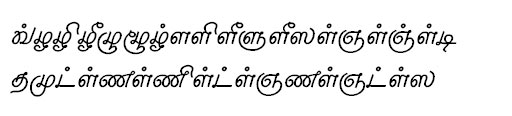
TneriTSC Bangla Font
TneriTSC
Download
View Count : 5822
Uthayam Bangla Font
Uthayam
Download
View Count : 9500
Amudham Bangla Font
Amudham
Download
View Count : 47950
TAMu_Kadampari Bangla Font
TAMu_Kadampari
Download
View Count : 9037
Tab-Heena Bangla Font
Tab-Heena
Download
View Count : 11454
ThunaivanTSC Bangla Font
ThunaivanTSC
Download
View Count : 11528
Tam Shakti 31 Bangla Font
Tam Shakti 31
Download
View Count : 6449
Tam Shakti 15 Bangla Font
Tam Shakti 15
Download
View Count : 23422
TAU_1_Elango_Barathi Bangla Font
TAU_1_Elango_Barathi
Download
View Count : 7741
KaviriTSC Bangla Font
KaviriTSC
Download
View Count : 12111

Translation tools...

Privacy Policy   GDPR Policy   Terms & Conditions   Contact Us
Please like, if you love this website
close