Tamil to English Dictionary: sources

This is the world's leading online source for english definitions/meanings, we have been helping millions of people improve their use of the tamil language with its free online services.


Write your word as a english and click to search button for the meaning of english language. It's a very simple & easy. use & enjoy....

அசனி
acaṉi (p. 6) s. The thunderbolt as one of the twelve sources of pain or death, இடி. 2. Weapon of Indra, வச்சிராயுதம். Wils. p. 88. ASSANY. 3. A tree, அநிச்சம். (p.) 10) *
அமானி
amāṉi (p. 20) s. [Arab.] Land or other sources of revenue not rented but under the direct control of the Government officers, இராசவிசாரணைக்குள்ளானநிலம். 5) *
ஆதி
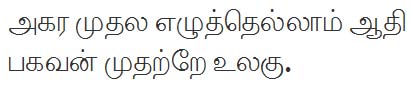
āti (p. 38) s. Source, cause, primitiveness, beginning. மூலம். 2. Excellency, முத ன்மை. 3. The Supreme Being, கடவுள். 4. An independent sovereign, a supreme ruler, an emperor, இறைவன். 5. A master, proprietor or one to whom a right or duty is owing, எசமான். 6. The sun, சூரியன். 7. Running in a direct course, நேரோடுகை. 8. Antiquity, பழமை. 9. Siva, சிவன். 1. Vishnu, விட்டுணு. 11. Brahma, பிரமன். 12. Argha, அருகன். 13. Buddha, புத்தன். 14. Joined with a noun, it includes the thing mentioned and the rest of its series--as பிரமாதி. 15. A mode of time or measure in music, ஆதிதாளம். 16. (சது. for மாதி.) A circular course, மண்டலமாயோடுகை. (p.) ஆதிகடவுள், s. The primeval deity. ஆதிகாரணம், s. A primary cause. ஆதிக்கடுஞ்சாரி, s. Solder, a metallic cement said to consist of nine salts, நவச்சாரம். ஆதிக்கல்நாதம்-ஆதிக்கல்பேதம், s. A drug--green vitriol, sulphate of iron, அன்னபேதி. ஆதிக்குடி, s. Soap, சவுக்காரம். ஆதிக்குரு, s. Earth impregnated with soda, பூநீறு. ஆதிசாரம், s. One of the thirty-two kinds of architecture, சிற்பநூல்முப்பத்திரண் டிலொன்று. ஆதிசேஷன்--ஆதிசேடன், s. A fabulous serpent supposed to support the earth on his head--king of the serpents, அனந்தன். He is said to have existed prior to the creation of the world and to continue to exist after its destruction; [ex சேஷன், who remains.] ஆதிச்சனி, s. The tenth lunar mansion, மகநாள். (p.) ஆதித்தாய், s. The first mother-Eve. (Christian usage.) ஆதிநாதர், s. One of the nine Sidd'has. See சித்தர். (p.) ஆதிநாராயணன், s. Vishnu, விட் டுணு. 2. The diamond, வச்சிரக்கல். ஆதிநூல், s. The Vedas, the sacred writings, வேதம். 2. [in grammar.] As முதனூல். (p.) ஆதிபகவன், s. God--as in அகர முதலவெழுத்தெல்லாமாதி பகவன்முதற்றே யுலகு. (p.) ஆதிபத்தியம், s. Supreme or paramount government. (p.) ஆதிபரன், s. The primeval God-the Supreme Being as the cause of all things. (p.) ஆதிபலம், s. Nut-meg, சாதிக்காய். ஆதிபாடை, s. The original or ancient language--Sanscrit. ஆதிபுங்கவன், s. The deity, கட வுள். 2. Argha, அருகன். (p.) ஆதிமகாகுரு, s. Blue vitriol, துரிசி. ஆதிமகாநாதம், s. Iron-sand, உலோகமணல். ஆதிமடக்கு, s. Repetition of a word at the beginning of a line. (p.) ஆதிமார்க்கம், s. The principal or high road, the right and straight way. ஆதிமுதல்--ஆதிமூலம், s. Rudiment, first principle, primeval cause, முதற்காரணம். 2. The Supreme Being, கடவுள். 3. [in astrology.] The governing planet, ஆட்சிக்கிரகம். (p.) ஆதிமூர்த்தி--ஆதியங்கடவுள், s. The deity as the source of all. (p.) ஆதியந்தகாலம்--ஆதியந்தகாலநாடி, s. The full duration of an eclipse expressed in Naliki and Vinaliki. &c. ஆதியந்தபாதிச்சா, s. Tabular correction for the parallax of the orbit of the planets, from the first of Capricornus to six signs, சீக்கிர உச்சம்--also called, மகரச்சா. ஆதியந்தமில்லாதவர், s. He who has no beginning nor end--the eternal godhead. ஆதியொடிடைமடக்கு, s. The repetition of a word in the beginning and middle of a line with different meanings, முதலுமிடையுமடக்கு. (p.) ஆதியொடுகடைமடக்கு, s. Repetition of a word in the beginning and end of a line. (p.) ஆதிவராகன், s. Vishnu, விட்டுணு. (p.) ஆதிவருணர், s. The first caste-Brahmans, பார்ப்பார். (p.) 51)
இனம்
iṉm (p. 57) s. Kindred, relations, connections, affinity, relationship, சுற்றம். 2. Class, kind, species, caste, sort, குலம். 3. Association (with persons), union, fellowship, சம்பந்தம். 4. A company, collective body, a society, association, கூட்டம். 5. Flock, herd, shoal, swarm, திரள். 6. Attendants of kings, royal household, அரசர்க் குறுதிச்சுற்றம். See உறுதிச்சுற்றம். இனக்கட்டு, s. Family ramifications, connections, உறவின்முறை. 2. Bond of union between relations, பந்துக்கட்டு. 3. Subordination, due respect, &c. among the several branches of a family, relative bonds, முறைமை. இனஞ்சனம்--இனத்தார்சனத்தார், s. Relations, kindred and connexions, சுற்றத்தார். இனமொழிவிடை, s. One of the five kinds of இறைபயப்பது--an indirect answer. இனமோனை, s. A rhyme where the letters which begin a line or foot are not the same as those of the next line or foot, but of the same class, இன வெழுத்தால்வருமோனை. If the letters are of the வல்லினம் class, the rhyme is called வல்லினமோனை; if of the மெல்லினம் class, the rhyme is மெல்லினமோனை; if of the இடையினம் class, the rhyme is இடையின மோனை. இனம்பிரிக்க, inf. To divide into classes. இனம்பிரிய, inf. To be separated from the company. இனவழி, s. Descent from the same line or ancestry. 2. Being related to the same breed of cattle. இனவெதுகை, s. A species of rhyme in which the second letters of each stanza are of the same class; it is of three kinds, வல்லினவெதுகை, மெல்லின வெதுகை and இடையினவெதுகை. இனவெழுத்து, s. Relative letters --as the hard letters are to their respective nasals, or vice versa; also letters formed from the same sources which in the consonants run in couplets through the alphabet, and the long vowels to the short, and vice versa, இன மாயுள்ளவெழுத்துக்கள். பாவினம், s. The three classes of poems which partake of the nature of each of the four out of five classes of poems called, தாழிசை, துறைவிருத்தம். 1. Those that have some of the properties of வெண்பா are வெண்டாழிசை or வெள்ளொத் தாழிசை, வெண்டுறை and வெளிவிருத்தம். 2. Those of ஆசிரியம் are ஆசிரியத்தாழிசை, ஆசிரி யத்துறை and ஆசிரியவிருத்தம். 3. Those of கலிப்பா are கலித்தாழிசை, கலித்துறை and கலி விருத்தம். 4. Those of வஞ்சிப்பா are வஞ் சித்தாழிசை, வஞ்சித்துறை and வஞ்சிவிருத்தம். மூவினம், s. The three classes of consonants--as வல்லினம், the six hard sounding consonants--as க், ச், ட், த், ப், ற். 2. மெல்லினம், the six soft sounding consonants--as ங், ஞ், ண், ந், ம், ன். and 3. இடையினம், the six middle sounding conconsonants--as ய், ர், ல், வ், ழ், ள். 43)
இனி
iṉi (p. 57) adv. Now, immediately, presently, இப்பொழுது. 2. Henceforth, hereafter, பின்பு. 3. A particle of place, from this limit, onward, இப்பால். (நன்னூல்.) இனிக்கள்ளமில்லை. There is no more injurious, offensive matter, &c., no longer any alloy, spuriousness, &c. இனிக்காரியமில்லை. There is no further business. There is no more hope for him--said of a dying man, &c. இனிநம்மெல்லை. We are now close on our limit; we approach our boundary. இனிப்பிழைக்கிறதா? Can he possibly survive? (he will certainly die). இனிப்பேசு. Now you may speak, there is no longer any restraint. இனிப்போதும். Now there is enough. இனிமேல். Hereafter, at some future time. இனியார்? Who else? இனியாற்றாது. I am unable to proceed further (I am altogether exhausted). இனியெங்கேபோவாய்? Whither will you go next? What further resource is left you? இனியென்னசெய்வாய்? What can you do further? இனிவேண்டாம். It is needed no longer, or no more is required. பண்டறியேன்கூற்றென்பதனையினியறிந்தேன்.... Formerly I knew not, but now I know who Yama is. (குறள்.) 46)
இரண்டு
irṇṭu (p. 49) s. and adj. Two, இரண்டா மெண்.-- As an adjective prefix, it often becomes இரு and ஈர், double, இரட்டிப்பான-as இருநிறம், two colors, a double color; ஈர லகு, two syllables. See அலகு. இரண்டிலொன்றுசொல்லு. Say either this or that. நாடிரண்டுபட்டது. The country is divided into two factions. இரட்ட, inf. To double, repeat a motion, sound, action, &c., to reiterate. See இரட்டிக்க. இரட்டாங்காலி, s. [prov. prop. இரட்டைமரம்.] A double tree--especially of the palmyra species. இரட்டி, s. Double quantity, twice as much, இருபங்கு. அதற்கிரட்டிதருவேன். I will give double the quantity. பத்திரட்டி, s. Twice ten. இரட்டிக்க, inf. To double, repeat, reiterate, இரட்ட. 2. (c.) To return --as a disease, வியாதிமக்களிக்க. 3. To plough the second time, always crosswise, இரண்டாமுறையுழ. 4. To differ from, be discrepant, &c., வேறுபட. 5. To disagree--as different kinds of food eaten at once, to be indigested, போசனம் ஒவ்வா திருக்க. இந்தச்சாட்சியந்தச்சாட்சிக்கிரட்டிக்கிறது. This evidence differs from the other. மகரமிரட்டித்தது. The consonant ம், is doubled. நோயிரட்டிக்கின்றது. The pain is double what it was. 2. The disease has returned. இரட்டித்தசெலவு, s. Double expense. இரட்டித்துச்சொல்ல, inf. To repeat, say a thing a second time. 2. To make a discrepant statement, or a statement different from that of another. உழவிரட்டிக்க, inf. To plough the second time. இரட்டிப்பு, s. Two-fold, twice as much, a double quantity. 2. v. noun. Doubling, making two-fold. இரட்டு, s. Two-fold, இருமடங் கு. (p.) 2. (c.) Double-threaded cloth, either coarse or fine, sack-cloth, ஓர்வ கைச்சீலை. இரட்டுப்பை, s. A sack made of coarse cloth. இரட்டுறமொழிய, inf. To state a rule so that it may comprise another, the one plainly apparent, the other to be made out by study; or the use of terms of double meaning either of which serves to make good sense, though the ideas will be wholly different; or the use of terms by which one thing is employed and another implied. See உத்தி. (p.) இரட்டை, s. Two things naturally conjoined--as a double fruit, leaf, &c.; twins, two things alike, இரண்டொன் றானது. 2. (p.) Gemini in the zodiac, two females, மிதுனராசி. 3. Even, even numbers--opposed to ஒற்றை, இரட்டையெண்-as 6, 8, 24, &c. 4. A couple, tow, சேரடு. 5. A female songster, பாடுவிச்சி. ஒற்றையிரட்டைபிடித்தல். A kind of play, playing at odd and even. இரட்டைக்கிளவி, s. Double words imitating certain sounds, ஒலிக்கு றிப்பில்வருமிரட்டைமொழி--as சளசளவெனமழை த்தாரைகான்றன. (The clouds) poured a shower of rain, with a murmuring sound. (இராமா.) (p.) இரட்டைச்சுழி, s. The symbol ை of the vowel ஐ. 2. Two curls in horses, cattle, &c.--as இருசுழி. இரட்டைத்தொடை, s. One of the forty-three kinds of rhyme in which the same word is repeated through the line, (see தொடை)--as ஒக் குமே யொக்குமே யொக்குமே யொக்கும் விளக்கினு ட்சீறெரியொக்குமே யொக்கும் குளக்கொட்டிப்பூவி னிறம், the color of the flower of the water-plant கொட்டி, resembles the delicate flame of the lamp. (p.) இரட்டைப்படவெண்ண, inf. To count even, making a series increasing by a common ratio--as 2, 4, 6, &c. இரட்டைப்பாக்கு, s. An arecanut with two eyes producing, if planted, two trees. இரட்டைப்பிள்ளை, s. Twins. 2. [prov.] A double young areca or cocoa-nut tree. இரட்டைப்புரிக்கயிறு, s. A rope or string made of two strands. இரட்டைமணிமாலை, s. A poem consisting of twenty verses of வெண்பா and கலித்துறை, or நேரிசைவெண்பா and ஆசி ரியவிருத்தம், and composed according to the rules of அந்தாதி. See பிரபந்தம். (p.) இரண்டகம், s. Treachery, perfidy, duplicity, dissimulation, double-dealing, துரோகம். (c.) இரண்டகம்நினைக்க, inf. To frame a treacherous design. இரண்டகம்பண்ண, inf. To betray, act treacherously, perfidiously. இரண்டகவாதி, s. A treacherous person, an insincere friend, துரோகி. இரண்டன்மை, s. Sameness, (lit.) being not two--as அத்துவைதம், which see. இரண்டாந்தரம், s. Secondary kind or class--as of cloth, tobacco, &c. 2. The second time. இரண்டாம்பட்சம், s. Second or secondary class, kind, &c., not the most approved. இரண்டாம்பாட்டன், s. A great grand-father, மூதாதை. இரண்டாவது, s. That which is the second. 2. adv. Secondly. இரண்டுக்குப்போக, inf. [vul.] To go to stool, (usage of children.) இரண்டுக்குற்றது, s. Critical juncture, a crisis in a disease, சாத்தியமோவசர த்தியமோவென்பது. 2. Dubiousness, possibility of two contrary impending issues, a double probability, இதுவோவதுவோவெ ன்கை. இரண்டுங்கெட்ட நேரம், s. [vul.] The dusk of the evening, used for an inauspicious or untimely season, &c. இரண்டுங்கெட்டவன், s. An indifferent man, neither good nor bad. இரண்டுசொல்ல, inf. To evade, refuse, give an indirect or evasive answer. இரண்டுசெய்ய, inf. To act perfidiously. 2. To act against one's command, to behave disobediently. இரண்டுநினைக்க, inf. To be hypocritical, to meditate treachery under a show of honesty. இரண்டுபட, inf. To vary from, differ in the issue or event, disagree, dissent, become opposed, வேறுபட. 2. To be discrepant, appear discordant, &c., ஒற்றுமையின்றாக. 3. To be doubtful, ஐயுற. இரண்டுபடுத்த, inf. To disjoin, disunite, cause to differ, sow dissension. இரண்டுபண்ண, inf. To act treacherously. இரு. Two, as இரண்டு and ஈர். இருகந்தம், s. Good and bad smell, இருமணம். (p.) இருகால், s. [vul. இருக்கால்.] Twice, இரண்டுவிசை. 2. Two feet, இருதாள். இருகாழி, [prov. இருக்காழி.] A palmyra or இருப்பை fruit with two kernels, இரண்டுகொட்டையுடையகாய்; [ex காழ், seed.] இருகுறணேரிசைவெண்பா, s. A நேரிசைவெண்பா, consisting of two குறள் வெண்பா, and a foot affixed to the second line for the sake of harmony, ஓர் வகைவெண்பா. (p.) இருக்கால், s. A certain cast of the dice in playing a game, கவற்றிற்குறித் தவோரெண். (c.) இருசமயவிளக்கம், s. A controversial treatise on the merits of Saivaism and Vishnuism, ஓர்நூல். இருசமயவிளக்கச்சூறாவளி, s. A treatise written in confutation of the above. இருசீரகம், s. The two different kinds of சீரகம்--as நற்சீரகம் and கருஞ்சீரகம், which see. இருசுடர், s. The two lights--the sun and moon, சூரியசந்திரர். (p.) இருசுடர்த்தோற்றம், s. One of the divisions of பெருங்காப்பியம், சூரியசந்திரோத யங்களின்வருணனை. (p.) இருசுழி, s. A double curl as a mark. இருசுழியிருந்துண்டாலுமுண்ணும் இரந்துண்டா லுமுண்ணும். A person of a double curl may live in luxury or be reduced to beggary. இருதலைக்கொள்ளி, s. A brand burning at both ends. ஒருதலைக்கொள்ளிநடுவிலெறும்பைப்போலானே ன். I am like an ant between two fires; i. e. I am in straits. இருதலைப்பட்சி, s. A kind of bird fabled to have two heads. இருதலைமணியன், s. A snake said to have two heads--one at each end. இருதாரைக்கத்தி, s. Two-edged sword or knife. இருதிணை, s. The two classes உயர்திணை and அஃறிணை into which Tamil nouns are divided. (See திணை.) 2. The two classes into which creatures are divided, இயங்குதிணை and இயங்கரத்திணை, which see. (p.) இருநிதிக்கிழவன், s. Kuvêra, கு பேரன். (p.) இருநினைவு, s. Double-mindedness, oscillating or wavering disposition. இருபது, s. Twenty, (lit.) twice ten, ஓரெண். இருபாவிருபது, s. A poem consisting of ten வெண்பா and ten அகவல் stanzas, ஓர்பிரபந்தம். See பிரபந்தம். (p.) இருபிறப்பு, s. [literally.] Two births, இருசனனம்--said of persons or things twice born--as 1. The moon, சந்திரன். 2. Birds and other oviparous creatures, முட்டையிற்பிறப்பன. (See அண்ட சம்.) 3. The teeth, பல். 4. Feathers, சிறகு. 5. Brahmans, பார்ப்பார். (p.) இருபிறப்பாளர், s. The twiceborn caste--Brahmans; investiture with the sacred thread being deemed a kind or regeneration, அந்தணர். இருபெயரொட்டுப்பண்புத்தொகை, s. Omission of ஆகிய or ஆய where two nouns are used in opposition, ஓர்பண்புத் தொகை--as ஆதிபகவன். God the source (of all things.) இருபொருள், s. Learning and riches. See பொருள். (p.) இருமடங்கு, s. As much again, two-fold, இரண்டுபங்கு. இருமடியாகுபெயர், s. An ஆகு பெயர் of the second degree--as கார், black when used to signify a cloud is called ஆகுபெயர்; but when used for the rainy season, it is called இருமடியாகுபெயர். (p.) இருமணம், s. Pleasant and unpleasant odors, நற்கந்ததுர்க்கந்தங்கள். (p.) இருமரபு, s. The two ancestral lines--paternal and maternal, தாய்மரபு தந் தைமரபு. (p.) இருமனம், s. Hesitancy, dubiousness, doubt, irresolution, indecision. 2. Double-dealing, treachery. இருமை, s. Duality, a two-fold state, two, இருதன்மை. 2. The two states --the present and the future, or this life and that to come--whether as distinct from the body or as reunited with it in another birth, இம்மைமறுமை. (p.) இருவகைத்தோற்றம், s. The two classes of beings produced--சரம் and அச ரம். See தோற்றம். (p.) இருவாட்டித்தரை, s. [prov.] Land compounded of earth and clay, மணலுங் களிப்புமானநிலம். இருவாய்க்குருவி, s. A kind of bird, Hormbill, buceros, ஓர்குருவி. இருவினை, s. The two classes of moral actions--good and evil, in every one of which there is merit or demerit, leading to future births in which they are to be suffered or enjoyed, while they keep the soul from union with deity, நல்வினை தீவினை. (p.) ஈர். An adjective of இரண்டு, two --used before words beginning with vowels, &c., as இரு is used before consonants--as ஈராயிரம், two-thousand; இருபது, twenty. ஈரசைச்சீர், s. A poetic foot of two அசை, ஆசிரியச்சீர். (p.) ஈரடி, s. Two lines, இணையடி. (p.) 2. That which is bifurcate or two forked, கவர். 3. Doubtfulness, fluctuation, சந்தேகம். ஈரடிப்பயன், s. Ambiguity in conversation, equivocation, double-mindedness, உபயார்த்தம். 2. Double-dealing, acting under-handedly so as to suit both parties, கபடம். 3. Uncertainty, doubtfulness, சந்தேகம். 4. [prov.] Diverseness, disagreement--as of a report or account differently related, விகற்பம்; [ex அடி, step, course, et பயன், meaning.] ஈரடிப்பா, s. A stanza of two lines. (p.) ஈரடிமடக்கு, s. [in poetry.] Repetition of a foot or feet in two lines with different meanings, வந்தசொல்லேயிரண்டடி யினும்வரப்பாடுவது. See மடக்கு. ஈரடிவெண்பா, s. A kind of வெ ண்பா of two lines--the குறள்வெண்பா. (p.) ஈரடுக்கொலி, s. Reiterated words imitative of sound--as நெறுநெறென்றுமுறிந் தது, it broke with a reiterated crash; வண்டில்கடகடென்றோடிற்று, the carriage rolled along with a rattling noise. (p.) ஈரறம், s. The two kinds of அறம், or virtuous actions according to the shasters; viz.: இல்லறம், matrimony and its accompanying household virtues; and துறவறம், the virtues of ascetic practice. (p.) ஈரறிவுயிர், s. Beings that have the sense of feeling and tasting--as snails, shells, &c., பரிசமுஞ்சுவையுமறியும்நந்துமுதலிய செந்து. (p.) ஈராசிடைவெண்பா, s. A species of வெண்பா, with two ஆசு affixed to the end of the third foot of the second line. (p.) ஈராடி--ஈராட்டி, s. [prov.] A changeable state of the wind and weather, previous to the change of monsoon, indicative of rain. 2. A calm, a lull, the failing of the wind at this season, காற்றினமைவு. 3. Fickleness, hesitation, fluctuation of mind, நிலையின்மை. இக்காரியத்திலென்மனமீராடிப்படுகின்றது. In this affair my mind wavers. ஈராட்டி, s. [prov.] Two wives. ஈரி, s. A play of girls, two stones being taken up from the ground while a third is tossed in the air, ஓர்விளையாட்டு. (c.) ஈரிலைப்பயிர், s. A young shoot when two leaves appear. ஈரிழை, s. Double-thread used in some kinds of cloth--as in muslin. ஈரிழைச்சல்லா, s. A muslin whose warp consists of two untwisted threads. ஈரீற்றா, s. A cow that has had two calves. (p.) ஈருடல், s. [in mythology.] Beings possessing the form, in part, of two bodies--as Vishnu manifested in the form of man and lion, இருதன்மைத்தாயவுடல். (p.) ஈருயிர்க்காரி, s. The two-lived --used of a pregnant female. (c.) ஈரெச்சம், s. See எச்சம். ஈரொட்டு, s. Uncertainty, doubt, crisis, criticalness, state of suspense, conditional bargain. (c.) நோயாளியின்காரியமீரொட்டாயிருக்கின்றது. The case of the patient is doubtful. ஈரொட்டாகச்சொல்ல, inf. To speak doubtfully, uncertainly, ambiguously. ஈரொட்டாகவாங்க, inf. To take things conditionally, that is, if approved; or, as a merchant, to pay for them if sold. 6)
உம்
um (p. 63) . A connective particle variously used, ஓரிடைச்சொல். 1. எதிர்மறையும்மை, the use of உம் with an affirmative, or negative expressing probability, possibility, &c., and implying the possibility, &c., of the contrary--as, சாத்தன்வருதற்குமுரியன், Sattan may perhaps come; அவன்வரவுங்கூடும், It is possible that he may come. 2. சிறப்பும்மை, the உம் of speciality, including உயர்வுசிறப் பும்மை, or superiority and இழிவுசிறப்பும்மை, or inferiority--as, ஞானிகளுமறியார்கள்சித்திரநதிமூல ம், Even the sages are unacquainted with the source of the சித்திரம் river; இவ்வூர்ப்பூனை யும்புலாறின்னாது, Even the cats of this place will not eat flesh (so sacred is it, so vile is the practice); பார்ப்பானுங்கள்ளுண்டான், Even a Brahman has been drinking toddy; இவனைநாயுந்தேடாது, Even a dog will not regard him. 3. ஐயவும்மை, the உம் in doubt, uncertainty, indecision, equivocal forms, probability, possibility--as, அவர்பத்தாயினுந் தருவார்பதினைந்தாயினுந்தருவார், Perhaps he may give ten or he may give fifteen; மழை பெய்தாலும்பெய்யும், It may perhaps rain; பத் தானுமெட்டானுங்கொடு, Give ten, or eight, ten would be preferred, but eight may do; வரினும்வருவான், It is probable that he may come. The உம் is often suppressed. 4. எச்சவும்மை, இறந்ததுதழீஇயவெச்சவும்மை, எதிரதுதழீ இயவெச்சவும்மை, the use of உம் implying another person, thing, or event, understood, and meaning likewise, too, even--as, அவனும் வந்தான், He also is come (implying that another is come or expected); நாம்பாடவும் வேண்டும், We must sing also (as well as dance, &c.); கேட்டும்படிக்கவேண்டும், By inquiry also we must learn (as well as by other means). 5. முற்றும்பை, indicating the whole of a number or series, universality, totality--as, ஒருவருக்குமையமில்லை, None can doubt; எங்குமில்லை, no where; இருகண்ணுஞ் சிவந்தன, both eyes reddened; எவ்விடமும், every where; இரண்டையுங்கொண்டுவா, Bring them both; எல்லாரும், எவரும், ஆரும்வந்தார், all, whoever, &c. came; மிகுந்தநாலுபணத்தை யுந்தா, Give me the remaining four fanams; மூவரும், all the three persons. 6. எண்ணும் மை, a numeral connective, corresponding with, and commonly repeated with each word of the series; நீயுமவனும்வந்தீர்கள், You and he came. The particle is sometimes joined to the last only--as, சாத்தன், கொற்றன், பூதனும் வந்தார்கள், Sattan, Kottan and Poodan came. Sometimes it is wholly omitted, and a pronoun including the series used instead--as, சாத்தன்கொற்றன்இவர்கள்வந்தார்கள். Sometimes the last noun in the series is used in the plural--as, சாத்தகோற்றவர்வந்தார்கள். 7. தெரிநிலையும்மை, the உம் of ascertainment, clear perception, or decision, used of three or more things concerning which doubt has been entertained, but which is now cleared up--as, ஆணுமன்றுபெண்ணுமன்று, It is neither male nor female (but in hermaphrodite); அவருண்பதுசோறுமல்ல, பணிகாரமுமல் ல, சாகமூலபலாதிகள், His food is neither rice nor cakes, but leaves, roots and fruits, &c. 8. ஆக்கவும்மை, உம் expressive of a change of state--as, பாலுமாயிற்று, This milk became medicine also; வலியனுமாயினான், He has become even a strong man. The above eight are given in நன்னூல். 9. உம் joined to an infinitive implies விரைவு, the immediate occurrence of the event--as, துரைகட்டளையிடவுங்காரியஞ்செய்துமுடிந்தது, As soon as the magistrate gave the order, the thing was done; அவர்சொல்லவுமுலகங்களுண் டாம், As soon as he speaks worlds appear. The உம் is often omitted, but then it is less expressive--as, நானிதைச்செய்யெனச்செய்கிறான், I say this and he does it. 1. உம் added to a verbal noun in poetry, sometimes gives it a gerund-like succession of the event--as, காண்டலுமிதுவேசொல்வான், Seeing him he spoke thus; வருதலுந்தழுவிக் கொண்டான், As soon as he came he embraced. 11. உம் is associated to the social ablative with the same meaning--as, கடுங்கணைதொடுத்தலோடும், As soon as the swift arrows were shot. 12. உம் added to the infinitive serves for optative, especially in epistolary usage but not in good style--as, தாங்கள்மறுமொழியனுப்பவும், May you please to send an answer; இப்படிச்செய்யவும், May you do so, I wish you to do so. 13. உம் added to the following forms of a verb, செய்து, செய்யின், செய்தால், has the force of though, although--as, அவனறிந்தும்வரவில்லை. Though he knew, he did not come; சொல்லி னும் or சொன்னாலும்அவன்கேளான், Though you may tell him he will not listen. 14. உம் added to இல் or இன் forms of the fifth case gives the force of the comparative degree --as, கந்தனினும்வலியனே, He is even stronger than Skanda. 15. A token of reproof, menace, anger, &c., also of attention, assent, doubt, non-compliance, &c., (see ஊம்)--as, உம்மெனத்தெழித்துரப்ப, He reproved his rashness by uttering the menacing sound உம் (ஸ்காந்தம்); கதைசொல்லுகி றேன்உம்கொட்டிக்கேள், I am going to tell you a story, show that you listen by saying உம்; உம்மெனுமார்பைத்தட்டும், The guilt of Brahmanicide manifested in a phantom threatened by saying உம் and striking on its breast (திருவிளையாடல்). 16. A termination of the imperative plural, முன்னிலைப்பன்மைவி குதி-- as, நீவிர்சொல்லும், say ye. It is often used honorifically in imperative singular --as, கடவுளேநீரிரங்கும், God be merciful. 17. A termination of verbs third pers. pres. or fut. tense sing. number, also of neut. plurals--as அவன்செய்யும், He does or will do it; சிங்கங்கள்முழங்கும், The lions roar, or will roar, செய்யுமென்முற்றுவிகுதி. 18. A modification of the pronoun நீர் when it is declined in the different cases--as, உம்மை, உம் மால், &c. 19. The termination of the future relative participle, எதிர்காலப்பெயரெச்ச விகுதி--as, உலகாளும்அரசர், Kings who govern the world. 2)
உறு
uṟu (p. 67) கிறேன், உற்றேன், வேன், உற, v. n. To be, to exist, உண்டாக. 2. To feel, experience, suffer, enjoy, experience sensations--as heat, cold, பரிசிக்க. 3. To be in contact, to join closely, unite with, combine, கூட. 4. To happen, occur, befall -- as a good, or evil, சம்பவிக்க. 5. To accrue--as riches, சேர. 6. To profit, turn to account, பயனுற. 7. To obtain, கிடைக்க. 8. To arrive at, reach, வர. 9. To belong to peculiarly, to be appropriate, பொருந்த. 1. To be situated at, or be in a place, இரு க்க. 11. To dwell, reside, தங்க. (p.)-Note. This word is often joined to verbals or verbal roots to form new verbs, and the infinitive and other parts are used adverbially to express intensity, entireness, &c.--as குழுற்றது, it surrounded; ஊடுறச்சென் றது, it pierced, or penetrated. உறச்சிவந்தது. It is become very red. உறவளைக்கும்வில். A bow bent to the utmost. சுகமுறுநித்திரை. Refreshing sleep. கிலேசமுற்றேன். I became sorrowful. விருப்பமுற்றேன். I have conceived a desire. இன்பமுற்றேன். I was rejoiced. பயமுற்றேன். I grew frightened. நோயுறும்போது. When sickness befalls-பாவியருறும்பழி. The evil endured by the wicked for their sins. (இராமா.) சொல்லலுற்றேன்--சொல்லுற்றேன். I said, I have treated on--a formal or dignified mode of expression among authors. மீகீழிதழுறப்பம்மப்பிறக்கும். The letters ப் and ம் are produced by the contact of the upper and lower lips. (நன்.) முந்தினார்பின்னுறக்கடுகவோடினான். He ran so swiftly that all who started before him were left behind. உறவற்ற, inf. To dry up entirely. உறுந்தருணம்--உறுந்தறுவாய், s. Emergency, exigency, particular juncture. உறுவதுகூறல், v. noun. Giving an indirect answer to a question, எண்வகை விடையிலொன்று. உற்ற, rel. part. Uncommonly devoted, trusty. உற்றசெய்தி, s. True report, true news. உற்றது, appel. n. The thing as it is, the whole of it. உற்றதுசொல்ல, inf. To speak the truth. உற்றதுசொல்லஅற்றதுபொருந்தும். By telling the truth, misunderstandings are adjusted; truth is the surest resource through life. உற்றபண்புரைப்போர், s. Messengers, தூதர். (p.) உற்றமனிதன், s. A fit or proper person to transact an affair, one who can be trusted. உற்றவன், s. A friend, a relation, உறவோன். உற்றவிசேஷம், s. A proper or suitable expression. உற்றளவு, s. An accurate, genuine, fair measure, சரியளவு. 2. Genuine state of things, real news, உள்ளதன்மை. உற்றறிய, inf. To feel by the touch, be sensible to touch--as plants, &c., பரிசித்துணர. 2. To experience, to know by experience, பயின்றறிய. உற்றாண்மை, s. [prov. prop. உற்ற வுரிமை.] Interest as among near relatives and friends. 2. Close or intimate friendship, attachment. உற்றாண்மைபேச, inf. To speak for--as a near relative, or friend interested in one's welfare. உற்றாராய, inf. To investigate deeply, attentively, minutely, &c. உற்றார்--உற்றோர், s. Relations, உறவோர். 2. Friends, சிநேகர். உற்றிடம், s. An emergency, exigency, ஆபத்து. (p.) 2. (Rott.) A refuge, அடைக்காலம். உற்றிடத்துதவ, inf. To help on an emergency. உற்றுக்கேட்க, inf. To listen attentively. உற்றுப்பார்க்க, inf. To look steadfastly. 2. To examine minutely. உற்றுழி, s. Emergency, exigency, time of expected evil, imminent danger, &c., வருத்தமானகாலம். புலம்புற, inf. To utter lamentation. பயமுற, inf. To be afraid. கையுறாப்பொருள், s. A thing which does not come near to hand; i. e. which is obtained with great difficulty. உரனுற, inf. To obtain strength or force. உறல், v. noun. Being near, coming, approaching. உறுபு, v. noun. Costiveness, thickness, narrowness, செறிவு. 2. Abundance, plenty, மிகுதி. உறுவிக்க, inf. To cause to be, &c. 79)
ஊங்கு
ūngku (p. 69) s. Abundance, greatness, importance, மிகுதி. 2. There, that place (intermediate), உவ்விடம். (p.) அறத்தினூங்காக்கமுமில்லையதனைமறத்தலினூங்கில் லைக்கேடு. There is no greater source of good than the practice of virtue, nor a greater source of evil than the forgetfulness of it. 32)
ஊற்று
ūṟṟu (p. 72) s. A spring, a fountain, source, நீரூற்று. 2. Dampness rising from the ground in the wet season, ஈரம். ஊற்றடைக்க, inf. To be choked up as a spring, or source. 2. To stop or choke a spring. ஊற்றுக்கண், s. The aperture whence water springs, the orifice of a spring, ஊற்றுவாய். ஊற்றுக்குழி, s. A hole in the ground for gathering water, ஊற்றுப்பள் ளம். ஊற்றுநீர், s. Spring-water. ஊற்றுப்பெயர, inf. To spring, flow newly--as a fountain into a well, ஊற்றுண்டாக. ஊற்றுவெட்டல்--ஊற்றுத்தோண் டல், v. noun. Digging for water. ஊற்றெடுக்க, inf. To spring up, or issue freely and plentifully, ஊற்றுப் பெருக. ஊற்றெடுக்கமழைபெய்தது. It rained so as to cause the water to flow from the land. 6)
எழுவாய
eẕuvāy (p. 75) s. Beginning, origin, source, cause, ஆதி. 2. [in grammar.] The nominative case, the subject, முதல்வேற்று மை; [ex எழு, rising, et வாய், place.] எழுவாயும்பயனிலையும். The nominative and its verb, or other concluding word.--Note. In Tamil the substantive verb is rarely used. இந்தக்கதைக்கெழுவாயென்ன. What gave rise to this affair? எழுவாயுருபு--எழுவாய்வேற்றுமை, s. The first, or nominative case, முதல் வேற்றுமை.--Note. The words ஆனவன், ஆனது, &c., which represent the nominative case are rarely expressed but understood. எழுவாயெழுஞ்சனி, s. The tenth lunar mansion, மகநாள். 23)
கன்மம்
kaṉmam (p. 102) s. Moral actions, especially in their effects--as the cause of transmigrations and their accompanying joys and sorrows, pleasure and pains, intelligence or stupidity, &c., சஞ்சிதகன்மம். 2. Actions, செய்தொழில். 3. Evil actions, evil, vice, தீவினை. (See கருமம்.) 4. Fate, destiny, the fruits, retributions, &c., of actions in former births, பிராரத்தகன்மம். Wils. p. 198. KARMMAN. In the Agamas, actions and their effects are of three classes, viz: 1. ஆகாமியம், moral actions, good and evil of the present life, considered as the source of future births with their suffering and enjoyment. 2. சஞ்சிதம், the accumulated actions of the soul in former births, the retributions of which are to be experienced in future transmigrations. 3. பிராரத்தம் or பிராரத்துவம், the enjoyment and sufferings apportioned to the soul in the present state --as the retributions of actions in former births. அவனைக்கொல்லாதேகன்மம்பிடிக்கும். Do not kill him, if you do, the action will seize you. கன்மங்கட்டுப்பட, inf. See கருமங் கட்டுப்பட. கன்மகாண்டம், s. A medical book treating of diseases, as caused by the sins of former births, and the means necessary to remove them, so that medicines may prove effectual, ஓர்வைத்தியநூல். கன்மசண்டாளன், s. See கரும சண்டாளன். கன்மசாந்தி, s. A ceremony for the expiation of the evil of former deeds, கருமநிவர்த்தி. கன்மஞ்செய்தகுடி, s. A family guilty of wicked actions in former births, now made manifest by their sufferings. கன்மத்தியாகம், s. Expiation of the evil of a former birth. கன்மத்துரோகி, s. A wicked wretch, a criminal, சண்டாளன். கன்மநிவர்த்தி--கன்மநிவாரணம், s. See கருமநிவர்த்தி. கன்மந்தொலைய, inf. To become extinct, to be worked or eaten out and terminated--as former evil deeds. கன்மபந்தம், s. [as கருமபந்தம்.] The bond or connexion between the sins of former births and their subsequent punishment. கன்மபரிபாகம், s. Ripening, or expiration of the accumulated merit of the actions of former births, கன்மவொழிவு. கன்மபாதகம், s. A heinous crime. கன்மபாதகன், s. One guilty of some heinous crime, கொடியபாதகன். கன்மபூமி, s. The earth as the theatre of moral actions, or place where virtue and vice are practised, and their respective merit and demerit accumulated, பூலோகம். கன்மம்பிடிக்க, inf. To attend, follow, or pursue--as the guilt of crimes personified. கன்மம்புசிக்க, inf. To experience the good or evil of former actions. கன்மவலை, s. The net of moral actions, கன்மபாசம், i. e. the entanglements of births, or actions and their result, in subsequent transmigrations. கன்மவாதனை, s. See கருமவேதனை. கன்மரோகம்--கன்மவியாதி, s. See கருமவியாதி. கன்மவுடம்பு, s. Bodies assumed, as a result of former deeds, கன்மசரீரம். கன்மாதி, s. Funeral rites, &c., for deceased ancestors, கர்மாதி. கன்மி, s. A heinous sinner, a perpetrator of crimes, கருமி. கன்மேந்திரியம், s. The five organs of action, தொழிற்கருவி. See இந்திரியம். 68)
காரணம்
kārṇm (p. 104) s. Cause, origin, source, தோற்றத்துக்கு மூலம். 2. Principle, essential element, மூலம். 3. Instrument or means, கருவி. 4. [in logic.] Cause, reason, the ground of an assertion or argument, ஏது. occasion, நோக்கம். Wils. p. 213. KARANA. 6. One of the twenty-eight Agamas, ஆகமம் இருபத்தெட்டிலொன்று. According to the Hindu Philosophy, காரணம் is three fold, viz.: முத ற்காரணம், துணைக்காரணம், நிமித்தகாரணம், முத ற்காரணம், material, proximate cause--as clay from which pottery is made, or the primitive Maya out of which the universe was produced. துணைக்காரணம், secondary, instrumental, or co-efficient cause--as the wheel used by a potter, or the Sakti (energy) of the god Siva. நிமித்தகாரணம், the efficient cause or the agent--as the potter, in the manufacture of wares, or the god Siva in the production of worlds. சர்வத்துக்குமாதிகாரணமானவர். The first cause or creator of all things. காரணகர்த்தா--காரணகடவுள் s. The Supreme Being--the Chief Agent in all things, முதற்கடவுள். 2. Any supposed miracle-working deity, அற்புத கடவுள். காரணகாட்சி, s. Demonstration 'a priori', or from an axiom. Rott. 2. A pleasing and marvellous sight. காரணகாரியம், s. Cause and effect, காரமுங்காரியமும். காரணகுரு, s. A guru whose sole object is the spiritual benefit of his disciples, மெய்க்குரு--opposed to கரியகுரு. காரணக்குறி, s. [in gram.] Derived names or appellatives, as one of the classes of nouns--opposed to இடுகுறி,கார ணப்பெயர். 2. Presage, omen, prognostic, a sign showing beforehand what is to happen, முன்னறிகுறி. காரணங்காட்ட, inf. To affirm a cause, to ascribe or show reasons, ஏதுகாட்ட. காரணகேவலம், s. Absolute unconsciousness of the soul during its involution in காரணமாயை. It is one of the three காரணாவஸ்தை. காரணசகலம், s. Conscious state of the soul during its manifestation in the world, and consequent subjection to births and deaths; one of the three காரணாவஸ்தை. காரணசரீரம், s. The most subtile embryo of the body, as originally and eternally existing with the soul. (See சரீரத்திரயம்.) In the Vedantic philosophy, the original principle of spiritual ignorance, in which the soul is enveloped during the period of its non-absorption in Brahm. காரணசுத்தம், s. Complete liberation from பாசம், and the attainment of perfect purity and happiness; one of the three காரணாவஸ்தை. காரணச்சிறப்புப்பெயர், s. [in grammar.] Derived names limited in their application--as முடி, a crown so called because it is put on முடி, the head, ஒன் றற்குரியகாரணப்்பெயர். காரணச்சொல், s. A story, a narrative, கதை. (p.) 2. A derived word. காரணப்பெயர், s. [in grammar.] Derivative names. காரணப்பொதுப்பெயர், s. [in grammar.] Derived names extending to various classes--as அணி, jewel; so called because it embraces various kinds of jewels, which are worn, பலவற்றிற்குரியகார ணப்பெயர். காரணமாயிருக்க, inf. To be the author of the thing. காரணமாயை, s. Maya as the primitive, original substance from which all the manifestations of matter and spirit are evolved, and into which they are again resolved at the destruction of the universe, அகிலத்துக்கும் வித்தானமாயை. see மாயை. காரணமுகாந்திரம், s. Motive. காரணவணு, s. According to some atheistical schools, primitive or original atoms, by the fortuitous combination of which, the worlds were originated. காரணவாகுபெயர், s. Names in which the cause is, by the way of metonymy, used for the effect--as in திருவாசகம். காரணவிசேஷம், s. Chief or principal things. (p.) காரணவிடுகுறி, s. A name which, though given originally as descriptive of a class of objects, is applied to individuals of the class, though destitute of the qualities which it describes--as மறவன், கறங்கு. காரணவிலக்கணை, s. [in rhetoric.] Metonymy of a cause for the effect. காரணவிலக்கு, s. [in rhetoric.] Negation of effects from the absence of a cause, ஓரலங்காரம். காரணன், s. The first cause, நிமித்தன். 2. The Supreme Being, கடவுள். 3. Any deity supposed to work miracles, அற் புதகடவுள். 4. A king, அரசன். 5. The name of a kind of arsenic, மிரதபாஷாணம். காரணாவத்தை--காரணாவஸ்தை, s. The three principal, causative states or அவத் தை of the soul--கேவலம், சகலம் and சுத்தம், --as distinguished from காரியாவத்தை. காரணானுமானம், s. [in logic.] A priori reasoning; inference from cause to effect --opposed to காரியானுமானம். (சிவ. சி.) மூலகாரணம், s. The primeval cause. மொழிமுதற்காரணம், s. The first principle of a word. காரணி, s. Parvati, பார்வதி. 103)
கிட்கிந்தை
kiṭkintai (p. 109) s. The mount Kishkindhya in the northern part of Mysore, near the sources of the Pampa river, ஓர்மலை. 2. A town in the vicinity of Kishkindhya, where the monkey chiefs Bali and Sugreeva are said to have flourished, and to which Rama repaired on his way to Ceylon to secure their alliance, கிட்கிந்தாபுரி. Wils. p. 223. KISHKIND'HYA.. 21)
குணம்
kuṇam (p. 118) s. Quality, attribute, property, பண்பு. 2. Disposition, temper, nature, தன் மை. 3. Good quality, moral or physical; proper temperament, virtue, நற்குணம். 4. Attribute, perfection, excellence--as of a deity, இலட்சணம். 5. Grace, beauty--as of a style or composition; merit, freedom from fault or defect--opposed to குற்றம், மேன்மை. 6. Wholesomeness, healthfulness, சுகம். 7. Soundness of intellect; normal state of the mental feelings, சொஸ்த புத்தி. 8. Indication, symptoms--as of a disease, வியாதியின்குறி. 9. Color--as a quality, நிறம். 1. Smoothness, சீர்மை. 11. Properties; functional powers or principles in nature, operative in all sentient beings; the sourses of the dispositions, &c., தத்துவம். 12. Thread, cord, string, &c., நூல், கயிறு. 13. A bow-string, நாணி. 14. Property, essence, original principle, சத்து. 15. [in physics.] Varicties, modifications, products of bodies, உடற்குணம். Wils. p. 291. GUN'A. 16. A water-pot, a pitcher--as குடம். குணத்தைமாற்றக்குருவில்லை. No guru can change the temper. குணத்தோடேகேள். Hear me with a right spirit and patience. குணநாடிகுற்றமுநாடி. Having examined the excellencies and faults--as of a style, a speech, &c. குணமதுகைவிடேல். Hold to what is good and proper; cease not to show a good disposition. குணமென்னுங்குன்றேறிநின்றார்வெகுளிகணமேயுங் காத்தலரிது. It is hard to divert, even for a moment, the anger of those who stand upon the mountain of virtue; i. e. who excel virtue. (குறள்.) அதிலுமிதுகுணம். This is better than that. அவனுக்குத்தாய்தந்தைகுணம்பிடிபடுகிறது. His parents' disposition and temper begin to be visible in him. குணகுணி, s. [in gram. and log.] Attribute and subject--as in செந்தாமரை, where செம்மை is the attribute, குணம், and தாமரை the subject, குணி. குணகுணிப்பெயர்கள், s. [in gram.] Abstract noun and subjective noun. (நன்.) குணக்ஞன்--குணஞ்ஞன், s. A pleasant, good-natured, agreeable person; one of an excellent disposition, நற்குணமுள் ளவன். Wils. p. 291. GUN'AG'NA. குணக்குன்று, s. A virtuous man; lit. a mountain of excellent qualities. குணக்கேடு, s. Bad temper, bad disposition; disobliging, unkind, கெட்டகுணம். 2. Fatal symptoms in disease, அசாத்தியக் குறி. குணக்கேடன்--குணங்கெட்டவன்--கு ணமில்லாதவன், s. An ill-natured person. குணங்காட்ட, inf. To exhibit natural characteristic qualities, dispositions or propensities. 2. To betray symptoms-as diseases; to indicate good or bad weather--as seasons. 3. To betray mean descent, low caste, &c., by mean behavior. குணங்குறி, s. Disposition, features, characteristics, குணமுங்குறியும். குணங்குறியறிய, inf. To know one's disposition and character. குணங்குறியுள்ளவன், s. A man of good disposition, and other good characteristics. குணசந்தி, s. [in gram.] A form of combining words of Sanscrit origin-as சுர and இந்திரன், make சுரேந்திரன், வடமொ ழிச்சத்தியிலொன்று. குணசாலி, s. A good-natured man or woman; one of an excellent disposition. குணசீலன், s. One abounding in excellent qualities. குணசுபாவம்--குணப்பிரகிருதி, s. Natural disposition. குணஷ்டை, s. Delinquency, defect, flaw, குணதோஷம். 2. Difficulty, trouble, தொந்தரை. குணத்தன்மை, s. [in rhet.] Description of qualities, one of the four subdivisions of தன்மையலங்காரம். குணத்திரயம், s. The three properties in nature--purity, passion and darkness. Wils. p. 291. GUN'ATTRAYA. See முக்குணம். குணத்துக்குவர, inf. To grow better, to amend, to reform. 2. To recover from illness. 3. To be reconciled, இணங்க. குணத்தொகை, s. See பண்புத்தொகை. குணத்தொனி, s. The twang or sound of a bow-string. குணநிதி, s. A benevolent, kind person, நற்குணநிறைந்தவன். 2. the Deity, கடவுள். குணபத்திரன், s. The Deity, கடவுள். 2. The name of the preceptor and guru of மண்டலவன் the author of Nighandu. 3. Argha, அருகன். குணபேதம், s. Change of disposition for the worse, degeneracy, குணவேற்றுமை. 2. Unfavorable symptoms in a disease, வியாதிவேற்றுமைக்குணம். 3. Abnormal state of the mental powers--as idiocy, insanity, &c.; derangement, மாறுபாடான குணம். அவன்குணம்பேதித்திருக்கிறது. He is changed for the worse. குணப்பட, inf. To come to a right state, temper, disposition, &c.; to be changed for the better, to become tractable, docile, சீர்ப்பட. 2. To recover from sickness, to get well, சுகமடைய. 3. To improve --as crops, &c., to recover strength, to grow, to thrive, திறப்பட. 4. To reform, to amend in morals, to improve in disposition, character or habits, நடைதிருந்த. 5. [in Christian usage.] To be converted, to repent, to be penitent, மனந்திரும்ப. குணப்படுத்த, inf. v. a. To improve, to make better, to correct, to reform, to restore to a good state, to health, &c.; to remedy, சீர்திருத்த. 2. To convert, மனந்திரும்பச்செய்ய. குணப்பட்டவன், s. [in Christian usage.] One who has repented; a convert. குணப்பண்பு, s. [in gram.] Sensible qualities of objects--as bitterness, whiteness--as distinguished from குறிப்புப்பண்பு, ideal quality, and தொழிற்பண்பு, acting quality. See பண்பு. குணப்பிழை, s. Ill nature, bad temper or disposition, குணக்கேடு. 2. Ill success, பயனின்மை. 3. Unfavorable signs in disease, &c., அசாத்தியம். குணப்பெயர், s. [in gram.] Names of qualities; abstract nouns; denotative nouns signifying attributes only--as கரு மை, அழகு--opposed to குணிப்பெயர்; பண்புப் பெயர். 2. Names either concrete or connotating, derived from abstractnouns --as கரியன், அழகன். குணமணி, s. One of an excellent disposition. குணமறிய, inf. To know one's disposition. 2. To understand or ascertain the symptoms of a disease. குணமாக்க, inf. v. a. To cure, heal; to restore to health. 2. To reform, to amend, to correct. குணமாயிருக்க, inf. To be whole, well, sound; to be well-conditional. 2. To be gratifying, pleasing, palatable. குணம்மாற, inf. To change--as temper, disposition, character, symptoms, either for the better or worse. குணமுங்குற்றமும், s. Good and bad, virtues and vices, beauties and defects, commendation and censure, &c. குணமுடையவன்--குணமுள்ளவன், s. A kind-hearted, good-natured, generous man. 2. A well-bred man. குணமுற்றவன், s. A good-natured man. குணமுற்றவன் மணமுற்றவன்; குணமற்றவன் மண மற்றவன். A good-natured man will be praised; but an ill-natured man, despised. குணரத்தினாகரன், s. One whose benevolence is like the sea; [ex இரத்தினாகரம்.] குணவதி, s. A very good natured person. Wils. p. 292. GUN'AVATI. குணவந்தன்--குணவான், s. A well-disposed person; one of a good disposition. குணவவநுதி, s. [in rhet.] A kind of அவநூதி figure, in which a prorperty or quality universally predicated of an object is apparently denied, by affirming the opposite, either ironically or ambiguously. குணவாகடம்--குணபாடல், s. A treatise on the signs and symptoms of diseases, ஓர்வைத்தியநூல். குணவாகுபெயர், s. [in gram.] Names of qualities or attributes, used by metonymy for objects possessing those qualities or attributes--as in நீலஞ்சூடினாள். குணவாக்கு, s. Peculiar temper or habit. குணவிலக்கு, s. [in rhet.] Negation of a property or quality in a person or thing from the presence of its opposite, ஓரலங்காரம். குணவுவமம்--குணவுவமை, s. [in rhet.] A species of simile; similitude, of qualities and properties. See பண்புவமை. குணன், s. A man of good qualities, generally found in compounds--as in அறுகுணன், சற்குணன். குணாதீதம், s. Freedom from all properties, குணங்கடந்துநிற்கை. குணாதீதன், s. God, He who is above all attributes; He whose attributes and perfections transcend our comprehension, கடவுள். Wils. p. 292. GUN'ATEE'TA. குணாலயன், s. The deity--as the seat and source of all perfections, கடவுள். இனியகுணம், s. A pleasant temper or disposition. நிர்க்குணன், s. The deity--as void of all properties, கடவுள். Wils. p. 474. NIRGUN'A. சத்துவகுணம், s. The first of the three principles, or properties in nature. 2. Nobleness of mind; magnanimity. 3. The exalted disposition of an ascetic's mind by which he disdains worldly delights, greatness, honors, &c. சற்குணம்--சுகுணம்--நற்குணம், s. A good disposition, kindness, benevolence, virtue. சற்குணன்--சற்குணி, s. A virtuous person; a good-natured person. சாத்தியகுணம், s. [in medi.] The condition or state of being curable; favorable symptoms; hopeful case. குணி, s. One endowed with good qualities, a good-tempered person, நற்குண முடையான். 2. [in gram.] A subject, any thing which possesses attributes or qualities--as distinguished from குணம், also, the names of such things, பண்பி. 3. [ex குணம், bow-string.] A bow, வில். (சது.) குணிப்பெயர், s. [in gram.] Concrete or subjective noun; a denotative name which signifies a subject only and not an attribute or quality--as மதுரை, தாம ரை--opposed to குணப்பெயர். துர்க்குணம்--தீக்குணம், s. Bad disposition, ill-nature, vice. நாய்க்குணம், s. Doggedness, rudeness, cynicalness. பேய்க்குணம், s. Devilishness, foolishness. மழைக்குணம், s. Sign or appearance of rain. நாற்குணம், s. The four prevalent or prominent human qualities. These are subdivided, and four are ascribed to each sex. 1. ஆடூஉக்குணம், the masculine: 1. அறிவு, knowledge, intelligence, clear perception. 2. நிறை, equanimity, self-control. 3. ஓர்ப்பு, fortitude, firmness, deci sion. 4. கடைப்பிடி, confidence, full persuasion, perseverance. II. மகடூஉக்குணம், the feminine: 1. நாணம், shyness, coyness, bashfulness--with regard to the other sex. 2. மடம், simplicity, weakness of intellect, want of clear perception. 3. அச்சம், timidity, fear, diffidence. 4. பயிர் ப்பு, delicacy; modesty; shrinking from what is mean or vile. முக்குணம், s. The three principles in nature, Satva, Raja, and Tama, which are the ultimate source of all quality or character in man, and may be indefinitely developed and expanded. The more generic and prominent development is three-fold, making nine gunas. Satva-guna-- goodness, produces illumination and mildness in thought, word and deed. Operating in these directions, it becomes an 'unfailling and perfect light to the soul, arousing it and making it ready to eat the fruit of its own doings' Raja-guna--passion, produces for the soul the propensity to excessive occupation in thought, word and deed, and asperity in the same. By these means it prepares the soul to receive pleasure and pain, according to its karmma or the law of its fate. Tama-guna brings forth arrogance, that egotistic guna which says 'there is none like me,' &c., and wilfulness or depraved will. By these means it welcomes all sensual objects and brings them to the soul. The first stage in the soul's spiritual progress is a degree of self-knowledge by which it has a view of these gunas and its relations to them. To each of these gunas belong certain peculiar qualifications. I. சத்துவகுணம் or சாத்துவிகம். Ist. ஞானம், wisdom. 2d. அருள், grace. 3d. தவம், penance. 4th. பொறை, patience. 5th. வாய் மை, veracity. 6th. மேன்மை, greatness, excellence. 7th. மௌனம், silence, taciturnity. 8th. ஐம்பொறியடக்கல், restraint of the five senses. The Satva principle is the source of truth, and the predominance of it renders its possessor virtuous, gentle, devout, charitable, chaste, honest, &c. II. இரசகுணம் or இராசதம். 1st. மனவூக்கம், mental exertion. 2d. ஞானம், discretion. 3d. வீரம், fortitude. 4th. தவம், penance. 5th. தருமம், charity. 6th. தா னம், liberality. 7th. கல்வி, erudition. 8th. கேள்வி, inquiry, instruction. The Raja principle is the source of sensual desire, worldly covetousness, pride and falsehood, and is the cause of pain. III. தமகுணம் or தாமதம். 1st. பேருண்டி, rioting or banqueting. 2d. நெடுந்துயில், long sleep. 3d. சோம்பு sluggishness. 4th. நீதிவழு, deviation from justice. 5th. ஒழுக் கவழு, deviation from virtue. 6th. வஞ்சம். deceit. 7th. மறதி, forgetfulness. 8th. பொய், lying, falsehood. 9th. கோபம், anger. 1th. காமம், lust, lasciviousness. 11th. கொலை, murder. The Tama principle is the source of folly, ignorance, mental blindness, worldly delusion, &c.--Note. These three gunas, according to the Agama school, are developed from Prakruti (மூலப்பிரகிருதி,) and constitute all those physical and psychical aspects, which, under the determining power of the will, form the functional qualities of an organized soul. (சிவ-சி.) In the Vedantic, idealist philosophy the gunas are the ideal attributes of Mula-Prakruti which, in its turn, is but an illusion or mistaken representation of Brahm. அறுகுணம்--இச்சுரன்முக்கியகுணம், s. The principal attributes of Isvara or God are six in number. 1. சர்வஞ்ஞத்துவம், omniscience. 2. சர்வேசுரத்துவம், supremacy. 3. சர்வநியந்திருத்துவம், pre-ordination. 4. சர் வாந்தரியாமித்துவம், omnipresence. 5. சர்வகற் பிதத்துவம், unlimited creative power. 6. சர்வ சத்தித்துவம், almightiness. (சது.) Another enumeration is-- 1. தன்வயத்தனாதல், selfexistence. 2. முதலிலனாதல், eternity. 3. உடம்பிலனாதல், immateriality. 4. எல்லாநல முளனாதல், benevolence. 5. எங்கும்வியாபகனா தல், omnipresence. 6. எவற்றிற்குங்காரணனா தல், being the Creator of all things.-Note. The latter enumeration is found in Roman Catholic writings. எண்குணம், s. The eight attributes of the deity. Authors differ in their enumerations and definitions of them. The enumeration of பரிமேலழகர், the commentator of the Cural, as agreeing with the Agamas, is:--1. தன்வயத்தனாதல், self-existence, independence. 2. தூயவுடம்பினனாதல், immaculateness. 3. இயற்கையுணர்வினனாதல், intuitive wisdom. 4. முற்றுமுணர்தல், omniscience. 5. இயல்பாகவே பாசங்களினீங்கிநிற் றல், freedom from the snares and illusions to which a derived intelligence is exposed. 6. பொருளுடைமை, unbounded kindness. 7. முடிவிலாற்றலுடைமை, omnipotence. 8. வரம்பிலின்பமுடைமை, infinite happiness. Another enumeration, as given in Jaina books, is--1. கடையிலாஞானம், infinite wisdom. 2. கடையிலாக்காட்சி, omniscience. 3. கடையிலாவீரியம், omnipotence. 4. கடையிலாவின்பம், boundless happiness. 5. நாமமின்மை, being nameless. 6. கோத்தி ரமின்மை, without descent. 7. ஆயுவின்மை, without age; eternal. 8. அந்தாரயமின்மை, unobstructed. 13)

Random Fonts
TAB-ELCOT-Tirunelveli Bangla Font
TAB-ELCOT-Tirunelveli
Download
View Count : 12692
TAU_Elango_Marutham Bangla Font
TAU_Elango_Marutham
Download
View Count : 64172
TAU_Elango_Rathnam Bangla Font
TAU_Elango_Rathnam
Download
View Count : 7731
TAU_Elango_Todi Bangla Font
TAU_Elango_Todi
Download
View Count : 19448
Sri-TSC Bangla Font
Sri-TSC
Download
View Count : 20718
ELCOT-Trichy Bangla Font
ELCOT-Trichy
Download
View Count : 10102
Ganesha Bangla Font
Ganesha
Download
View Count : 91110
Tam Ilango Bangla Font
Tam Ilango
Download
View Count : 156911
TAU_Elango_Agasthiyar Bangla Font
TAU_Elango_Agasthiyar
Download
View Count : 8099
JanaTamil Bangla Font
JanaTamil
Download
View Count : 25698

Translation tools...

Privacy Policy   GDPR Policy   Terms & Conditions   Contact Us
Please like, if you love this website
close